

Painswick Beacon Travel Guide
Free Guide: Explore the ancient hillfort summit of Painswick Beacon with stunning 360-degree views across the iconic Cotswold Hills and beyond.


A brief summary of Painswick Beacon
Explore the ancient hillfort summit of Painswick Beacon with stunning 360-degree views across the iconic Cotswold Hills and beyond.
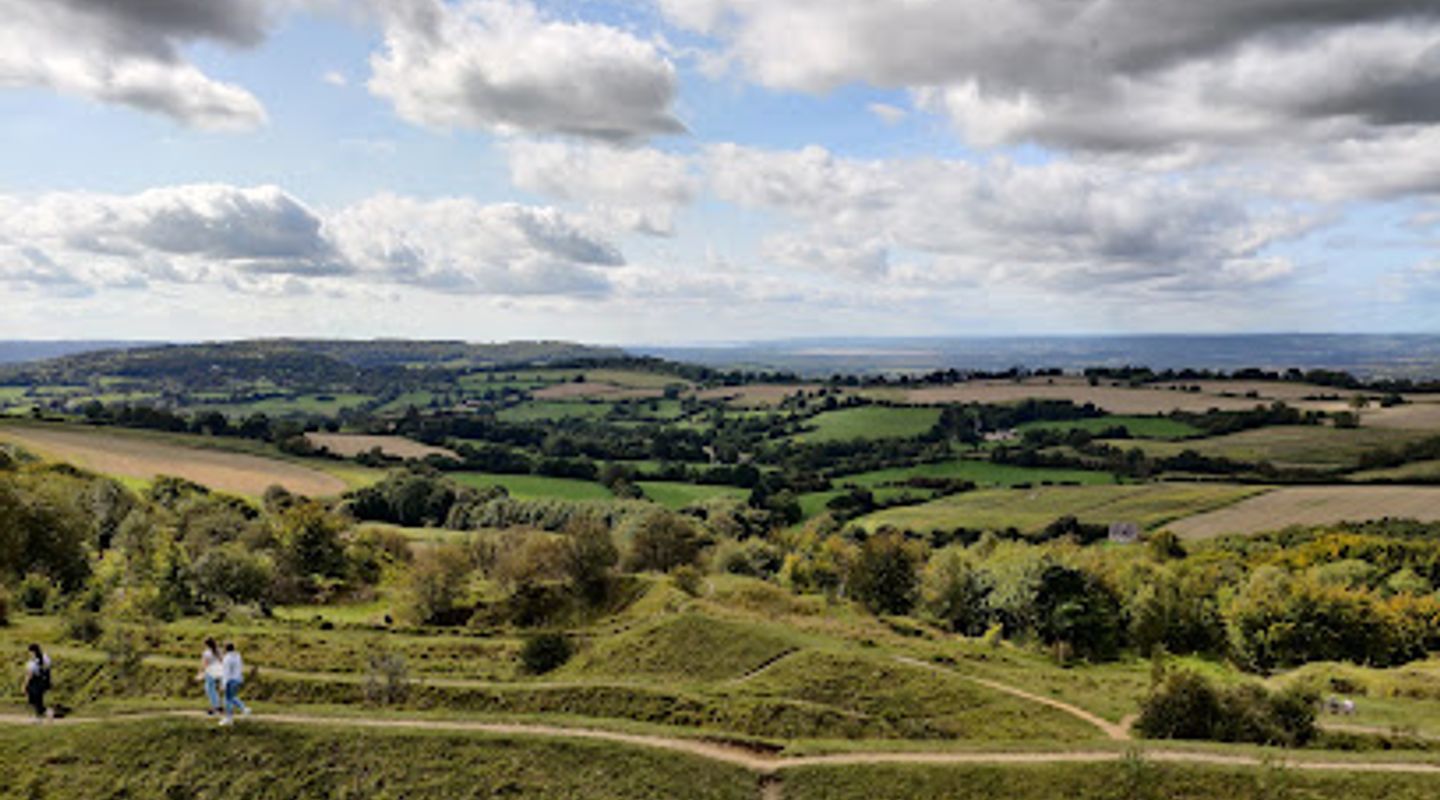
Painswick Beacon, an Iron Age hillfort summit near Painswick in Gloucestershire, offers spectacular 360-degree views across the Cotswold Hills. Rising to 283 meters, this grassy ridge is a popular scenic spot along the Cotswold Way, featuring tranquil walking paths, nearby woodland, and a golf course. Visitors can enjoy sweeping vistas stretching to the Malvern Hills, Forest of Dean, and Brecon Beacons on clear days, making it a cherished natural landmark rich in history and natural beauty.
On-site amenities
 Restrooms
 Drink options
 Food options
 Seating areas
 Trash bins
 Information boards
Opening hours
- Every dayOpen 24 hours
Opening hours as listed on the venue’s Google Business Profile. Hours can change for services and special events, so check with the venue before you go.
- Address
- Painswick, Stroud GL6 6SZ
Getting there
Bus
Car
Walking
Discover more about Painswick Beacon
Historic Significance of Painswick Beacon
Painswick Beacon stands as the site of an ancient Iron Age hillfort, a testament to the region's long history of human settlement and strategic importance. The hillfort's elevated position at 283 meters (928 feet) provided early inhabitants with commanding views over the surrounding landscape, which was crucial for defense and surveillance. This historical backdrop enriches the experience of visitors, who can imagine the lives of those who once occupied this prominent Cotswold ridge.
Natural Setting and Landscape Features
The beacon itself is a grassy summit forming part of the western escarpment of the Cotswolds, characterized by open, rolling hills and expansive countryside. The area is surrounded by a mixture of woodland and pastoral land, including Painswick Golf Course nearby, which adds to the diversity of the landscape. The walk to the beacon often includes a pleasant trek through Popes Wood and alongside the golf course, offering a blend of forested and open terrain.
Panoramic Views and Scenic Highlights
From the summit, visitors are rewarded with some of the most breathtaking 360-degree views in the Cotswolds. On a clear day, the vistas extend to notable landmarks such as the Malvern Hills to the west, the Forest of Dean to the southwest, and even the Brecon Beacons in Wales to the northwest. The sweeping panoramas encompass lush green valleys, patchwork fields, and distant hills, making it an ideal spot for photography, nature appreciation, and quiet reflection.
Walking Routes and Visitor Experience
Painswick Beacon is accessible via several walking routes, including the famous Cotswold Way, a 102-mile long-distance footpath connecting Chipping Campden to Bath. Walkers often start from the village of Painswick, passing historic sites like St Mary’s Church with its ancient yew trees before ascending to the beacon. The trails vary in difficulty but are generally manageable, with some inclines and steps near the summit. The combination of woodland paths, open hilltop walks, and scenic outlooks provides a rewarding experience for hikers and casual visitors alike.
Local Legends and Cultural Context
Local tradition holds that King Charles I, during the English Civil War, visited the beacon and, captivated by the beauty of the valley to the east, declared it 'Paradise.' This legend adds a layer of cultural heritage to the site, linking it to historical events and royal presence. The nearby village of Paradise and the surrounding landscape continue to evoke this romantic association.
Conservation and Visitor Amenities
The area around Painswick Beacon is valued for its natural beauty and historical importance, with efforts to maintain its landscape and walking paths. Visitors will find basic amenities such as parking nearby in Painswick and waymarked trails. The site is open year-round and offers a peaceful retreat into nature with opportunities for birdwatching, picnicking, and enjoying the tranquil rural environment.
Evendo Review Centre
 Google
Guest reviews
Best time to go
Quietest: Jan, Feb & Dec · before 3am
Busy times are Evendo estimates for a typical year, to help you plan. Actual crowds vary with events, school holidays and the weather.
Explore Painswick Beacon on the map
A handpicked selection of must-see spots near Painswick Beacon, mapped for you.
Get your free copy of our complete guide to Painswick Beacon, delivered straight to you.
Everything on this page, from opening hours and how to get there to Eve’s tips and the best time to go, in one PDF you can read offline, print or share.
Already have an account? Sign in
Your Painswick Beacon guide is ready.
We'll send it to · Not you? Sign out

Getting your guide ready…
We are putting together a fresh copy of the Painswick Beacon guide. This can take up to a minute.
This can take a few moments. If your browser asks, choose Allow so the download can start. You'll find the guide in your Downloads folder.
Nothing happened? Download it again
Sorry, the guide is taking longer than usual. Please try again in a minute, or get it by email instead.
Other nearby places you may find interesting
The closest places of the same kind, if this one is not quite what you had in mind.
-
-
-
-
-


Swipe for more places
More to explore near Painswick Beacon

 Best experiences near Painswick Beacon
 Best hotels near Painswick Beacon
 Best landmarks near Painswick Beacon
 Best attractions near Painswick Beacon
 Best shops near Painswick Beacon
 Best restaurants near Painswick Beacon
 Best bars near Painswick Beacon
Do you manage this location?
Take control to get all the benefits, like improved information, better appearance, and stronger visibility across AI-powered discovery.
Explore more

Explore more of Gloucestershire
Discover the charm of Gloucestershire, where rolling hills, historic towns, and vibrant festivals create an unforgettable English countryside experience.
Explore Gloucestershire
Explore more of United Kingdom
Discover the United Kingdom: A blend of rich history, stunning landscapes, and vibrant cities, offering a unique travel experience for every visitor.
Explore United Kingdom
