

Stratford-upon-Avon Canal
A peaceful 25.5-mile canal winding through Warwickshire countryside, perfect for walks, boating and quiet riverside moments in Stratford-upon-Avon.
Winding through the Warwickshire countryside, the Stratford-upon-Avon Canal is a peaceful 25.5-mile waterway linking the River Avon in Stratford-upon-Avon with the Worcester & Birmingham Canal near Birmingham. Built between 1793 and 1816, it features charming split bridges, historic lock cottages, and the famous Edstone Aqueduct. Today, it’s a haven for walkers, boaters, and wildlife, offering gentle towpath strolls, scenic views, and a quiet escape into England’s canal heritage.
A brief summary to Stratford-upon-Avon Canal
- GB
- Duration: 0.5 to 4 hours
- Free
-
 Outdoor
- Mobile reception: 4 out of 5
Local tips
- Start your walk at Bancroft Basin in Stratford-upon-Avon for easy access, lovely views of the Royal Shakespeare Theatre, and plenty of nearby cafes and toilets.
- Visit in spring or early summer to see the canal at its most vibrant, with wildflowers along the towpath and kingfishers darting over the water.
- Look out for the split bridges and barrel-roofed lock cottages on the southern section – they’re unique features of this canal’s history.
- Combine a canal walk with a visit to nearby Wilmcote to see Mary Arden’s Farm, Shakespeare’s mother’s childhood home, just a short walk from the towpath.
- If you’re boating, check water levels and lock opening times in advance, especially after dry spells or heavy rain, and allow plenty of time for the 56 locks.

For the on-the-go comforts that matter to you
- Restrooms
- Drink Options
- Drinking Water
- Food Options
- Seating Areas
- Sheltered Areas
- Trash Bins
- Information Boards
Getting There
-
On foot from Stratford town centre
From Stratford-upon-Avon town centre, follow signs to the Bancroft Gardens and Royal Shakespeare Theatre; the canal is a 10–15 minute walk along riverside paths. The towpath is level and suitable for most walkers, with benches and viewpoints along the way.
-
By train to Stratford-upon-Avon
Stratford-upon-Avon railway station is about 1.5 km from the canal; from there, it’s a 20–25 minute walk through the town to Bancroft Basin. Trains run regularly from Birmingham, London, and other regional hubs, with journey times from Birmingham of around 45–60 minutes.
-
By car to Stratford-upon-Avon
From Birmingham or the M40, drive to Stratford-upon-Avon and use town centre car parks; the nearest to the canal is the Bancroft car park, a 5–10 minute walk to Bancroft Basin. Parking is paid and can be busy in peak season, so arrive early or consider using park-and-ride services.
-
By narrowboat along the canal
The canal is fully navigable and popular with boaters; it connects to the Worcester & Birmingham Canal at Kings Norton and the Grand Union Canal at Kingswood Junction. A full trip from Birmingham to Stratford takes a full day or more, with 56 locks and several hours of cruising.
Stratford-upon-Avon Canal location weather suitability
-
 Any Weather
-
 Rain / Wet Weather
-
 Clear Skies
-
 Mild Temperatures
Discover more about Stratford-upon-Avon Canal
A Gentle Waterway Through the Midlands
Stretching 25.5 miles from Kings Norton near Birmingham to Stratford-upon-Avon, the Stratford-upon-Avon Canal traces a graceful arc through the Warwickshire countryside. Originally conceived as a commercial route to carry coal and goods without relying on rival canals, it was built in stages between 1793 and 1816, finally reaching the River Avon at Stratford in 1816. The canal is traditionally divided into northern and southern sections at Kingswood Junction, where it connects with the Grand Union Canal. Its course follows the natural contours of the land, minimising earthworks and creating a meandering, tranquil journey through fields, woods, and quiet villages.Engineering Charm and Canal Quirks
The canal is full of distinctive features that reflect its 18th–19th century origins and later restoration. The southern section is particularly noted for its split bridges, where the towpath passes through a gap in the arch so that horses towing boats could continue without unhitching their ropes. Alongside these are unique barrel-roofed lock cottages and a series of 56 locks that gradually step the waterway down to the River Avon. One of its most remarkable structures is the Edstone Aqueduct, a cast-iron trough aqueduct that carries the canal over a road and is still the longest of its kind in England. At Kings Norton, the original guillotine stop lock once controlled water flow between canal companies, a rare survival from the competitive canal era.A Story of Decline and Revival
Like many British canals, the Stratford-upon-Avon Canal declined with the rise of railways. Acquired by a railway company in 1856, it gradually fell into disrepair, and by the mid-20th century both sections were in poor condition. In the 1940s and 1950s, the northern section became the focus of a high-profile campaign by the Inland Waterways Association to preserve navigation rights, while the southern section was saved from abandonment by local volunteers and the National Trust. Under the leadership of David Hutchings and the Stratford Canal Society, the southern section was restored between 1961 and 1964, culminating in a re-opening ceremony by Queen Elizabeth the Queen Mother in 1964. This restoration marked a turning point in the British canal revival movement.Today’s Canal: Walks, Boats and Wildlife
Now managed by the Canal & River Trust, the Stratford-upon-Avon Canal is a popular destination for leisure and nature. The towpath offers a level, well-maintained route ideal for walking, cycling, and dog walking, with access points at Stratford, Wilmcote, Lapworth, and Kings Norton. Boaters enjoy its scenic, relatively quiet stretches, passing through historic villages like Wootton Wawen and the Shakespearean village of Wilmcote, home to Mary Arden’s Farm. The waterway supports rich wildlife, including waterfowl, kingfishers, dragonflies, and waterside plants, making it a rewarding spot for birdwatching and quiet contemplation.Stratford’s Riverside Heart
In Stratford-upon-Avon itself, the canal meets the River Avon at the Bancroft Basin, a picturesque spot surrounded by gardens and close to the Royal Shakespeare Theatre. Here, moored boats, swans gliding on the water, and riverside paths create a peaceful, postcard-perfect scene. The basin is a natural starting point for exploring the canal, whether by foot along the towpath or by narrowboat. From Stratford, the canal heads south through the Warwickshire countryside, offering a gentle, immersive way to experience the landscape and history of Shakespeare’s county.Iconic landmarks you can’t miss

Shakespeare & Company Holiday Home
10.2 km
Discover the enchanting Shakespeare & Company Holiday Home in Stratford-upon-Avon, where history and comfort blend seamlessly for an unforgettable stay.

The Shakespeare Birthplace Shop
10.5 km
Discover the essence of Shakespeare's legacy at The Shakespeare Birthplace Shop, a unique gift shop in the heart of Stratford-upon-Avon.
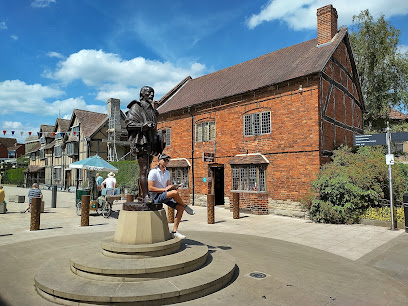
Statue Of Shakespeare Stratford-upon-Avon
10.6 km
A bronze tribute to the Bard in the heart of Stratford-upon-Avon, where literature and history come alive on Henley Street.
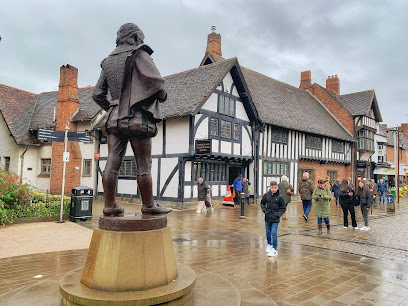
The Shakespeare Memorial Fountain
10.6 km
A Victorian Gothic tribute in Stratford’s marketplace celebrating Shakespeare, Queen Victoria, and Anglo-American friendship.
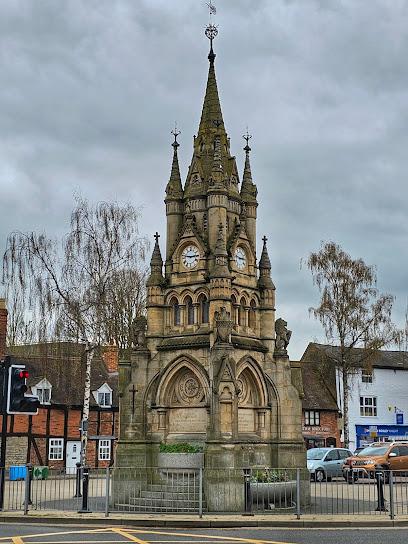
The Randolph Turpin Statue
10.7 km
Celebrate the legacy of British boxing champion Randolph Turpin with this striking bronze statue in Warwick’s historic Market Square.

Garrick
10.8 km
Step into Stratford-upon-Avon's oldest pub, where medieval charm meets hearty fare and centuries of captivating history.
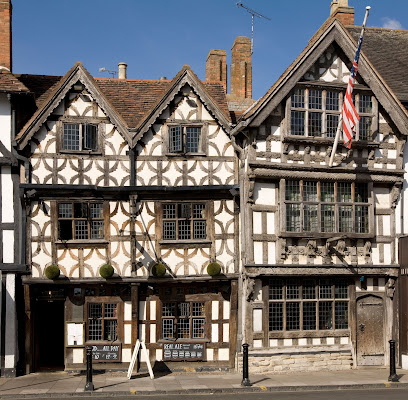
Sinister Stratford
10.8 km
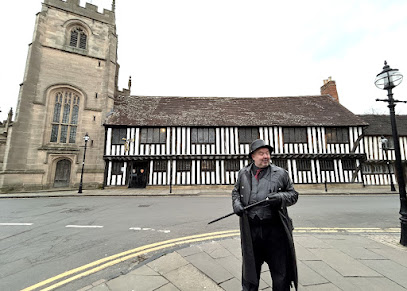
Explore the darker side of Stratford-upon-Avon with Sinister Stratford's captivating tours of haunted history and folklore.
Stratford Waterside Market
10.8 km
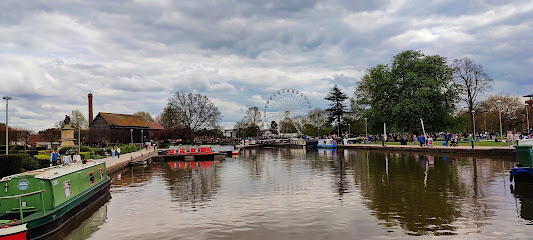
Discover unique artisan treasures and vibrant street food in Stratford-upon-Avon's charming riverside market.
Stratford-upon-Avon Town Hall
10.8 km
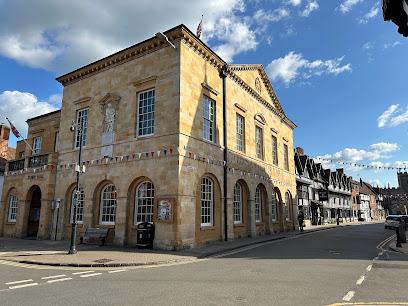
Elegant Palladian landmark in Stratford-upon-Avon, blending rich history, Shakespearean heritage, and civic tradition since 1767.
Stratford-upon-Avon Town Council
10.8 km
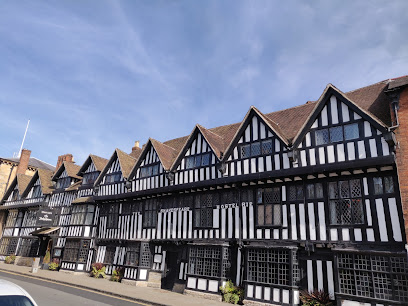
Explore Stratford-upon-Avon and its rich heritage at the Town Council, your gateway to local culture and events in Shakespeare's hometown.
The Countess of Evesham
10.8 km
Indulge in traditional British cuisine at The Countess of Evesham, a charming restaurant on the waterside in Stratford-upon-Avon, surrounded by natural beauty.
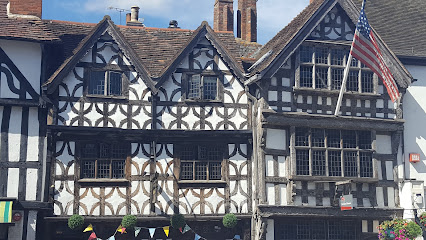
Shakespeare's England
10.9 km
Discover the enchanting world of Shakespeare's England in Stratford-upon-Avon, where literary history meets picturesque landscapes and rich culture.
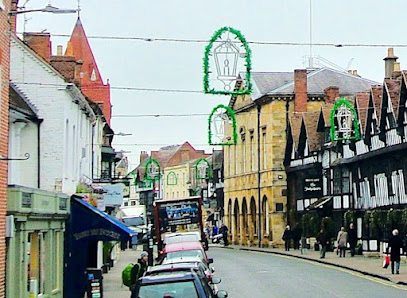
Royal Shakespeare Theatre
10.9 km
Discover the Royal Shakespeare Theatre in Stratford-upon-Avon, where the legacy of Shakespeare comes to life through captivating performances and stunning architecture.
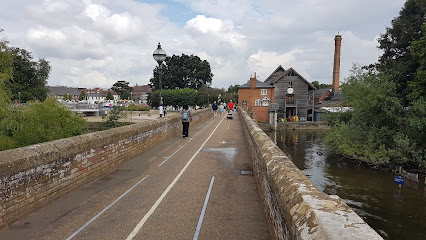
Tramway Bridge
10.9 km
Historic 1826 red brick pedestrian bridge over the River Avon, blending industrial heritage with tranquil riverside views in Stratford-upon-Avon.
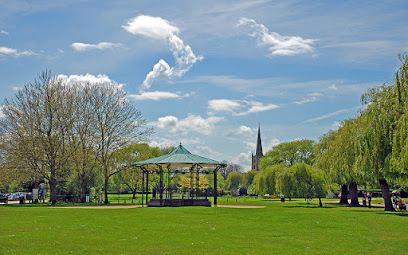
Stratford Upon Avon Bandstand
11.0 km
Historic bandstand in Stratford-upon-Avon offering free summer concerts and a vibrant community atmosphere in a scenic park setting.
Unmissable attractions to see

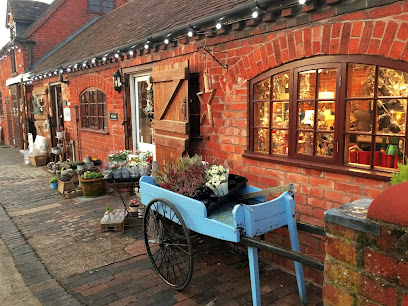
Yew Tree Farm Shopping Village
2.6 km
A charming rural shopping village blending antiques, crafts, and local food in Warwickshire’s scenic countryside.
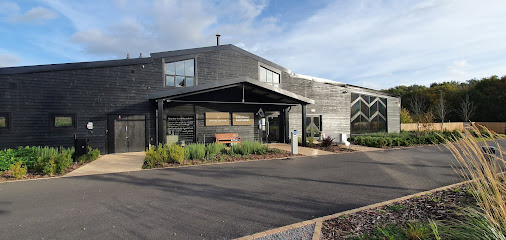
Stratford Armouries
6.5 km
Discover a captivating collection of arms and armour in a relaxed, family-friendly museum nestled near Stratford-upon-Avon.
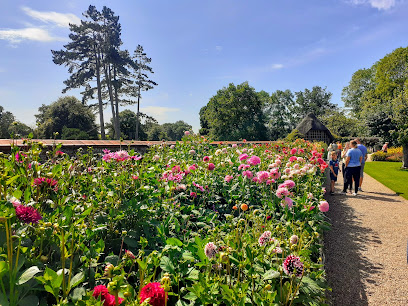
National Trust - Baddesley Clinton
6.7 km
Explore 500 years of history, secret priest holes, and tranquil gardens at Warwickshire’s enchanting Baddesley Clinton manor.
Mary Arden's Farm
7.2 km
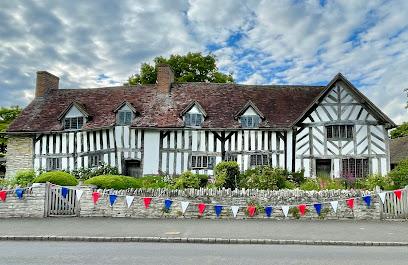
Step back into Tudor times at Mary Arden’s Farm, Shakespeare’s mother’s childhood home, where history comes alive through farm life and nature.
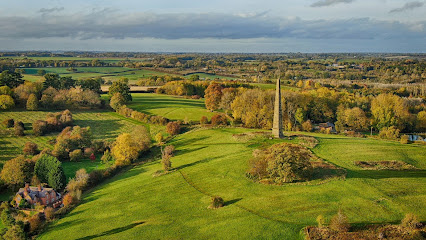
Welcombe Hills Obelisk
9.0 km
Historic 100-foot obelisk atop Welcombe Hills offering panoramic Warwickshire views and a peaceful nature escape near Stratford-upon-Avon.
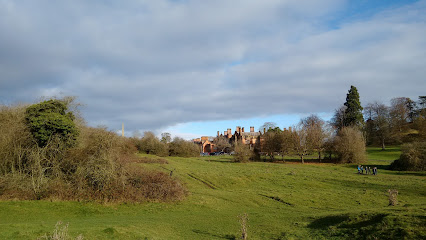
Welcombe Hills
9.1 km
Tranquil rolling hills with panoramic views and rich wildlife just outside Stratford-upon-Avon’s historic centre.
Faerie Tale Farm Alpacas
10.4 km
Discover the charm of Kenilworth’s countryside with immersive alpaca walks, meet-and-greets, and family-friendly farm experiences.

The Cape Of Good Hope
10.4 km
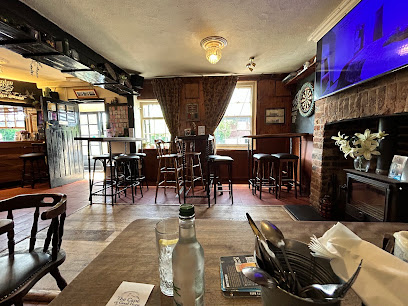
A welcoming canal-side gastropub in Warwick serving hearty British classics and quality ales in a scenic waterside setting.
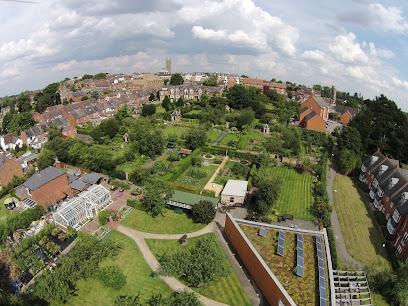
Hill Close Gardens Trust Warwick
10.4 km
A rare Victorian detached garden oasis in Warwick, blending horticultural heritage with community spirit and tranquil charm.
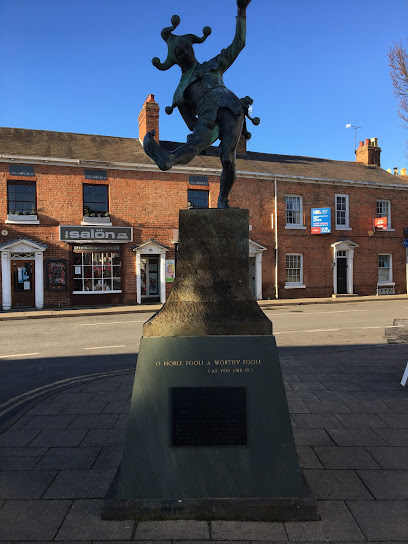
The Jester
10.4 km
A dynamic sculpture celebrating Shakespeare’s iconic jester, symbolizing the balance of comedy and tragedy in his birthplace.
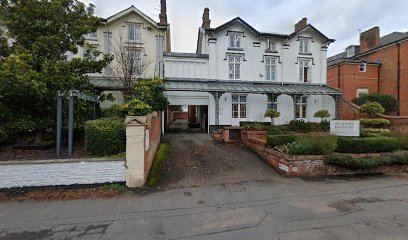
Stratford Historic Buildings Trust
10.5 km
Preserving Stratford-upon-Avon's historic buildings through expert restoration and community-driven heritage conservation.
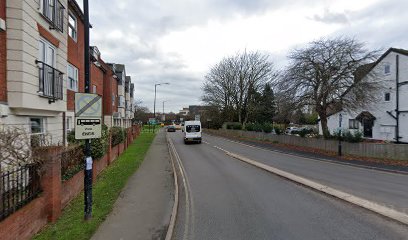
Stratford-Upon-Avon
10.5 km
Modern gated living in the heart of historic Stratford-upon-Avon, steps from Shakespeare’s heritage and scenic riverside charm.
Shakespeare Birthplace Trust Record Office & Library
10.5 km
Explore the world’s largest Shakespeare archive and immerse yourself in Stratford’s rich literary and local history at this renowned research library.
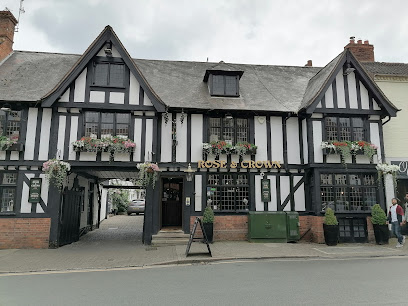
Stratford-upon-Avon Picturehouse - Cinema
10.5 km
A cozy, intimate cinema in Stratford-upon-Avon offering classic and current films with a welcoming bar and inclusive screenings.
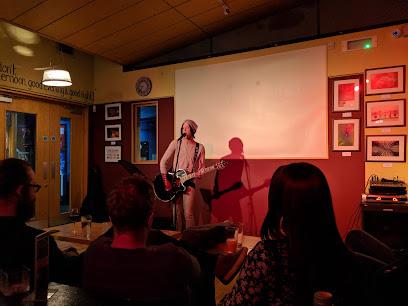
Shakespeare's Birthplace
10.5 km
Step inside the Tudor home where Shakespeare was born and begin your journey into the life of the world’s greatest playwright.
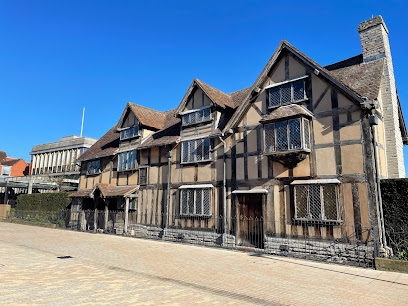
Essential places to dine

Riverside Venue
10.2 km
Modern riverside dining and vibrant events venue with stunning views on the River Avon near Stratford-upon-Avon.
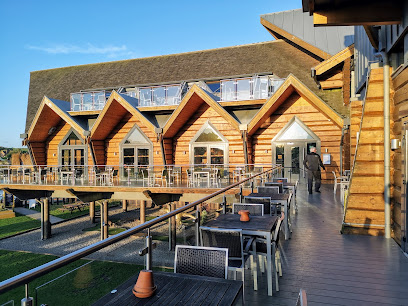
The One Elm
10.4 km
Experience modern British cuisine at The One Elm, Stratford-upon-Avon's charming gastropub offering local flavors in a cozy atmosphere.
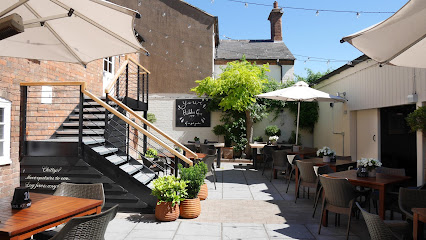
Bensons Restaurant & Tea Rooms
10.5 km
Cozy English breakfasts, hearty lunches, and classic afternoon teas in the heart of Shakespeare’s Stratford-upon-Avon.
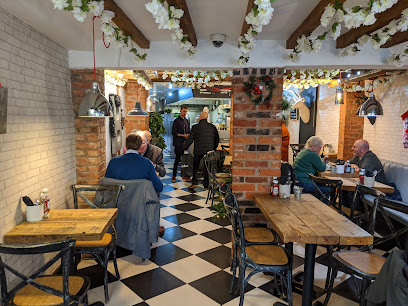
FOUR Seasons PHO Vietnamese restaurant
10.5 km
Authentic Vietnamese flavors and warm hospitality in the heart of Stratford-upon-Avon, serving fresh pho and gluten-free delights daily.
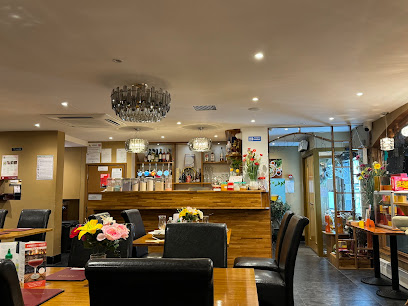
Avon Spice
10.5 km
Experience authentic Indian cuisine with generous portions and friendly service in the heart of Stratford-upon-Avon.
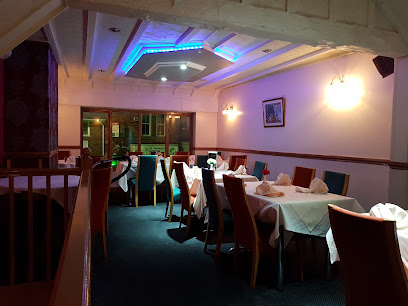
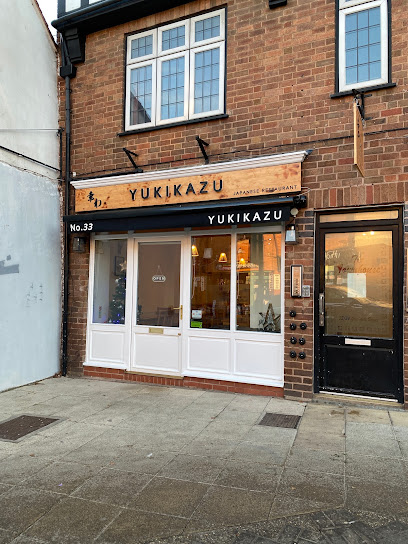
Yukikazu Japanese Restaurant
10.6 km
Authentic Japanese flavors and handcrafted sushi in the heart of Stratford-upon-Avon’s historic district.
El Greco
10.6 km
Discover authentic Greek cuisine and vibrant Mediterranean flavors in the historic heart of Stratford-upon-Avon at El Greco.
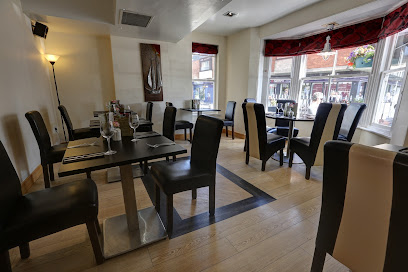
Osteria Da Gino
10.6 km
Experience authentic Italian cuisine with wood-fired pizzas and fresh pasta in a warm, family-friendly setting in Stratford-upon-Avon.
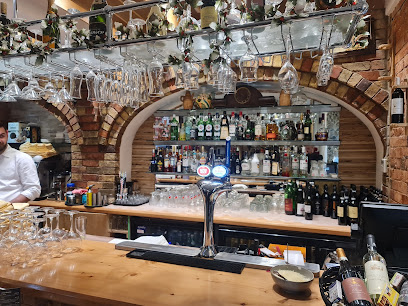
The Old Thatch Tavern
10.6 km
Step into Stratford’s oldest pub for hearty British classics, real ales, and centuries of historic charm in a cozy, lively setting.
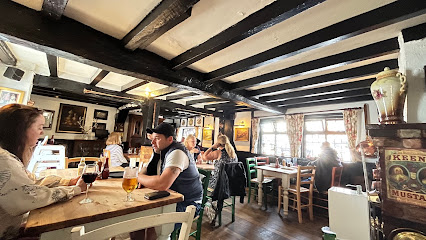
Bella Italia - Stratford Upon Avon
10.6 km
Enjoy authentic Italian classics with gluten-free and vegan options in the heart of historic Stratford Upon Avon.
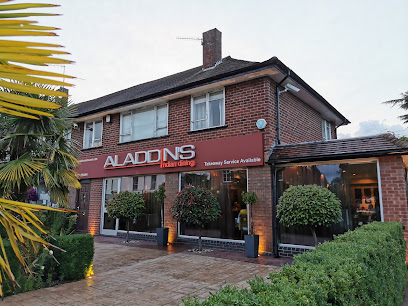
Aladdin's Indian Dining
10.6 km
Experience authentic Indian flavors in a warm, elegant setting with award-winning chefs and attentive service in Stratford-upon-Avon.
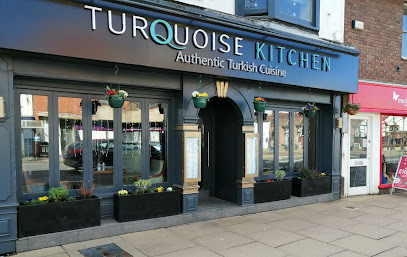
Turquoise Kitchen
10.6 km
Experience authentic Turkish flavors and warm hospitality in the heart of Stratford-upon-Avon at Turquoise Kitchen.
Sabai Sabai - Stratford-upon-Avon
10.6 km
Elegant Thai dining with authentic flavors and warm hospitality in the heart of Stratford-upon-Avon.
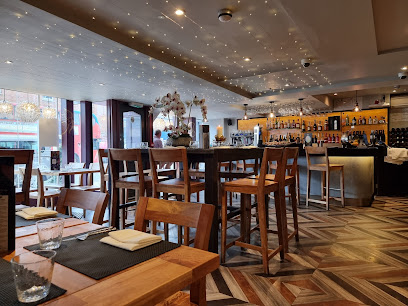
The Globe
10.7 km
Historic Warwick pub and hotel offering Mediterranean-inspired dining, cozy rooms, and a lively yet welcoming atmosphere in the town center.

Prospero Lounge
10.7 km
Eclectic British dining with inclusive menus and lively atmosphere in the heart of Stratford-upon-Avon.
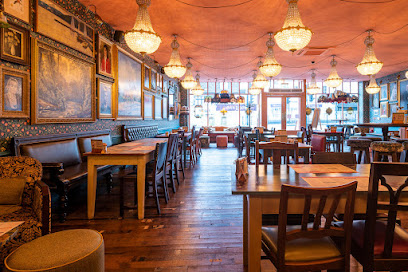
Markets, malls and hidden boutiques

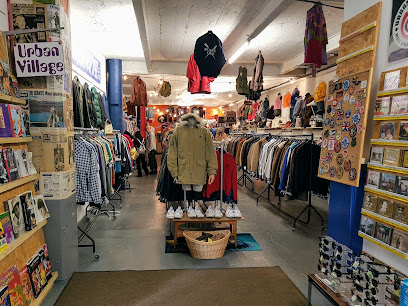
Urban Village
2.3 km
A vibrant vintage clothing and record shop in Henley-in-Arden, offering authentic retro fashion and classic vinyl in a friendly, dog-friendly setting.
MEADOWS BOUTIQUE
6.3 km
Discover elegant French and Italian fashion and unique gifts in the serene setting of Hatton Country World’s Meadows Boutique.

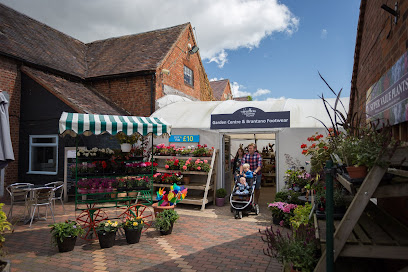
Hatton Shopping Village
6.3 km
Discover boutique shopping, artisan crafts, and countryside charm in historic Victorian farm buildings at Hatton Shopping Village near Warwick.
Maybird Shopping Park
9.7 km
A convenient and sustainable shopping destination near Stratford-upon-Avon’s historic heart, offering diverse stores and ample free parking.
Frog & Mouse
10.5 km
Discover unique gifts, home adornments, and furniture at Frog & Mouse, a boutique shop offering exclusive finds in Stratford-upon-Avon’s historic heart.
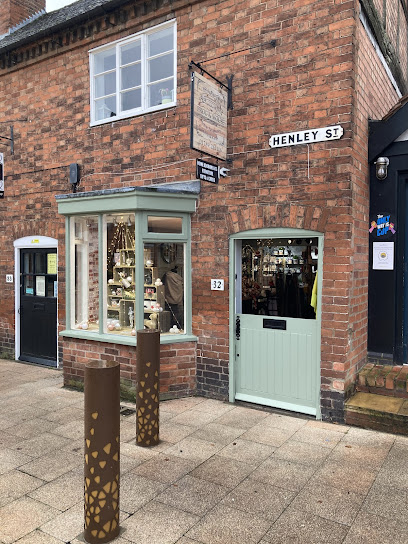
Bright Ideas Gifts
10.5 km
A bright, independent gift shop on Henley Street, perfect for stylish cards, quirky homewares, and unique souvenirs in the heart of Stratford-upon-Avon.
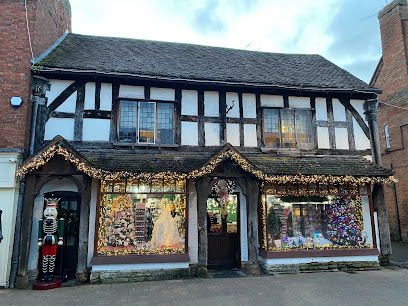
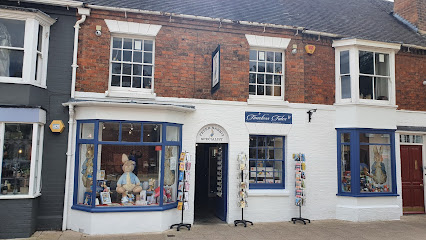
Timeless Tales
10.5 km
Discover charming collectibles, books, and toys in the heart of Shakespeare’s Stratford at Timeless Tales gift shop.
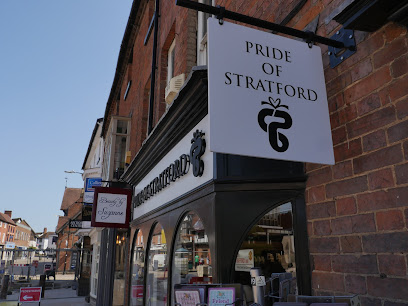
Pride of Stratford
10.5 km
Discover unique Shakespearean souvenirs and handcrafted local gifts in the heart of Stratford-upon-Avon at Pride of Stratford.
Entourage
10.6 km
Discover unique gifts and local crafts at Entourage, a charming shop in the heart of Stratford-upon-Avon. Experience friendly service and a welcoming atmosphere.

Dorothy & Theodore
10.6 km
Discover unique gifts and local charm at Dorothy & Theodore, a beloved boutique in the heart of Stratford-upon-Avon.
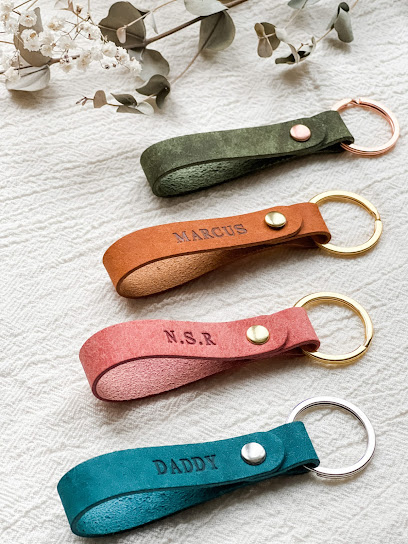
Anne Hathaway's Cottage Gift Shop
10.6 km
Discover Shakespearean treasures and charming garden gifts beside Anne Hathaway’s historic cottage in Stratford-upon-Avon.
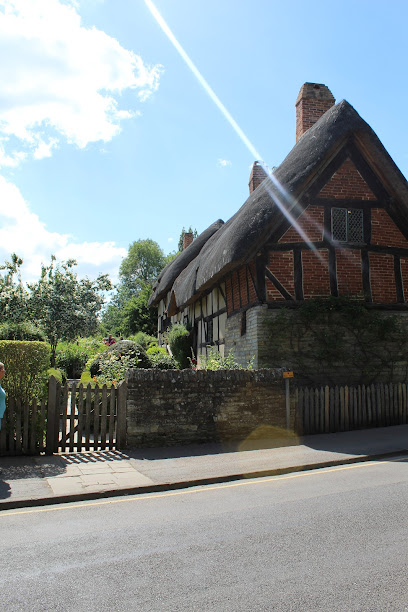
The Emporium (Stratford)
10.6 km
Discover unique gifts and warm hospitality at The Emporium, a charming Stratford-upon-Avon shop nestled in the town’s historic heart.
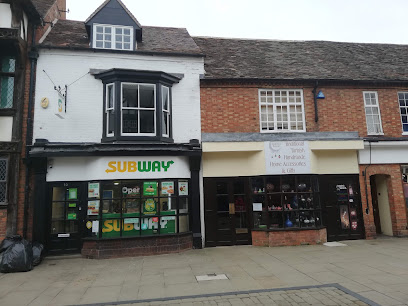
For Something Different
10.6 km
Discover unique gifts and local crafts in a welcoming boutique nestled in the heart of historic Stratford-upon-Avon.
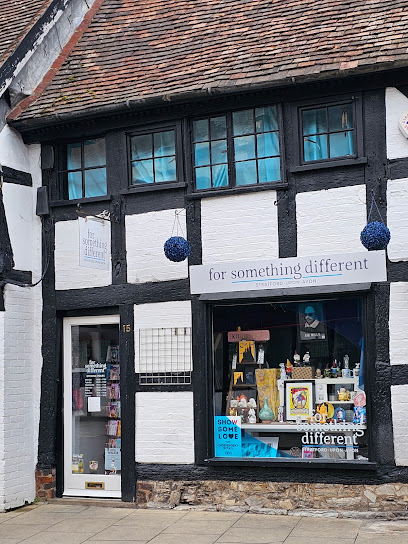
Shabby Chic Sister Clothing Boutique
10.6 km
Unique vintage-inspired fashion and homeware in historic Stratford-upon-Avon's charming Minories.
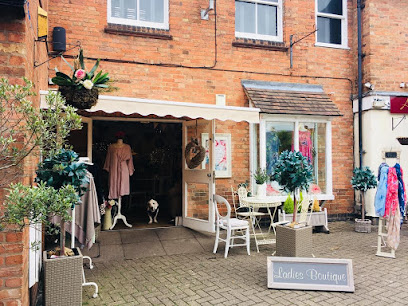
Box of Delights
10.6 km
Discover unique gifts and charming souvenirs in the heart of Stratford-upon-Avon’s historic Henley Street at Box of Delights.
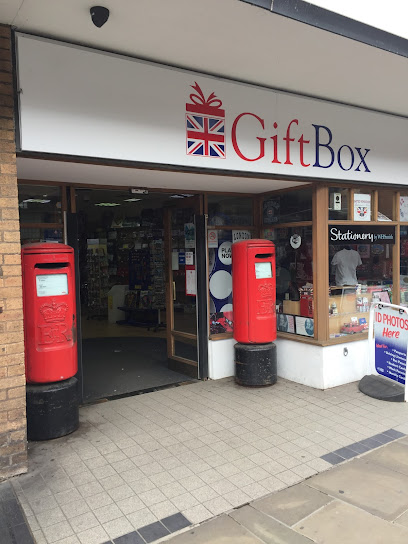
Essential bars & hidden hideouts

The Hatton Arms
7.0 km
A charming canal-side gastropub in Warwick blending traditional British fare with a cozy, scenic atmosphere and friendly service.
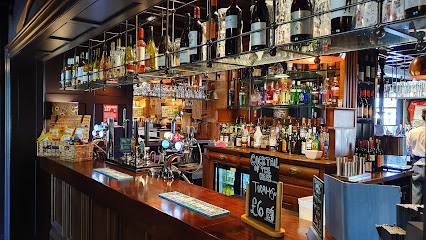
The Warwickshire Lad
9.1 km
A charming country pub in Wood End offering hearty British fare, real ales, and cozy outdoor pods in a welcoming, traditional setting.
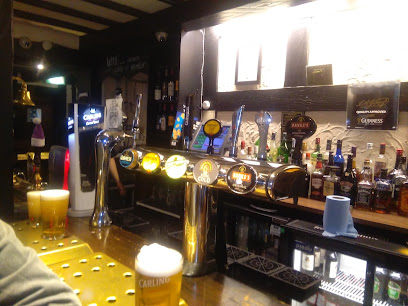
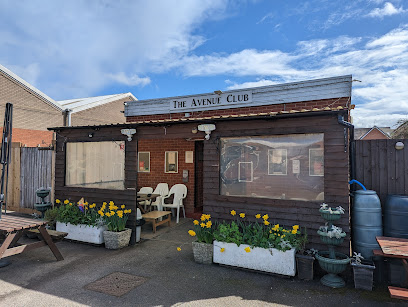
The Avenue Club
9.6 km
A friendly and affordable bar with live music and games, offering a relaxed social scene in Stratford-upon-Avon’s industrial heart.
Unicorn
9.7 km
A warm, family-friendly pub in Warwick offering excellent British fare, accommodating service, and a welcoming local atmosphere.
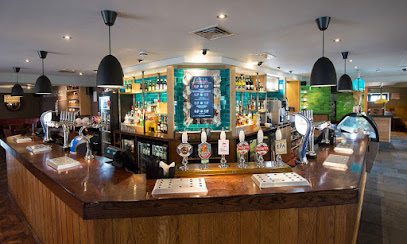
The Castle Inn
10.5 km
A historic Warwick pub with quirky charm, lively entertainment, and a welcoming beer garden for locals and visitors alike.
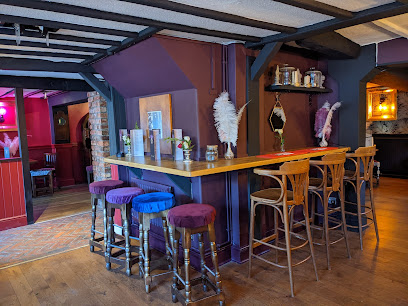
The Stratford Alehouse
10.5 km
A cozy micropub in Stratford-upon-Avon celebrated for exceptional real ales, live music, and a warm, welcoming atmosphere.
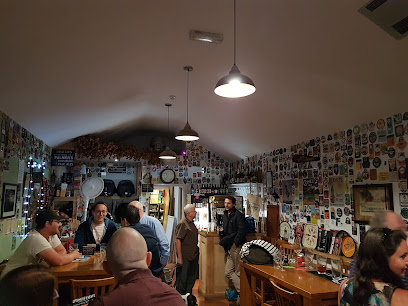
The Phoenix
10.6 km
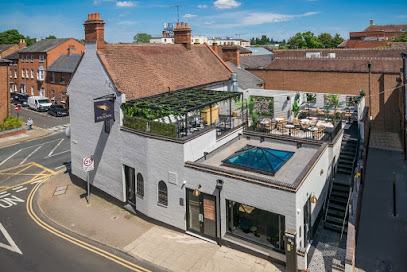
A vibrant independent bar in Stratford-upon-Avon offering craft beers, authentic Neapolitan pizza, and a leafy rooftop terrace for a lively social experience.
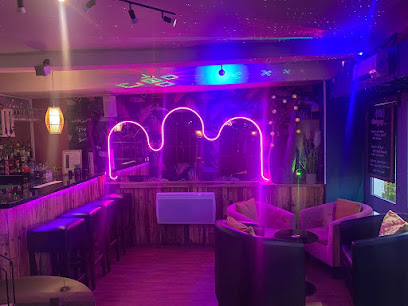
The Avon Lounge
10.6 km
A lively cocktail bar in Stratford-upon-Avon known for friendly hosts, great music, and a welcoming atmosphere perfect for evening socializing.
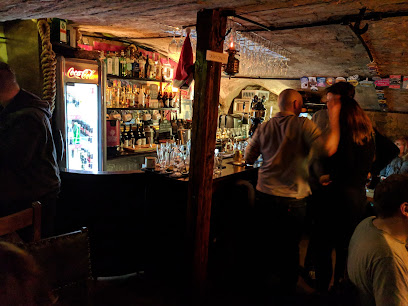
Rigsby's Cellar Bar
10.7 km
Cozy cellar charm meets heartfelt hospitality in Warwick’s intimate and quirky Rigsby's Cellar Bar.
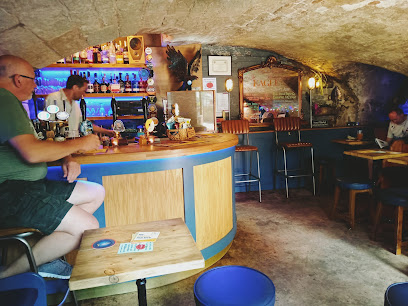
The Eagle
10.7 km
A cozy, quirky cellar micro pub in Warwick serving expertly curated real ales and craft beers in an intimate, friendly atmosphere.
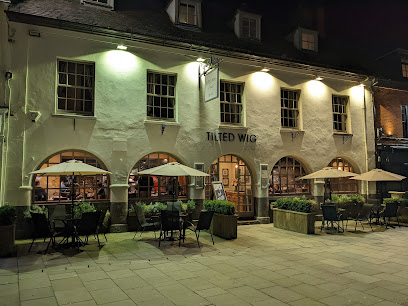
Tilted Wig
10.7 km
Historic gastropub and cozy inn in Warwick’s Market Place, blending traditional charm with modern British cuisine and welcoming accommodation.
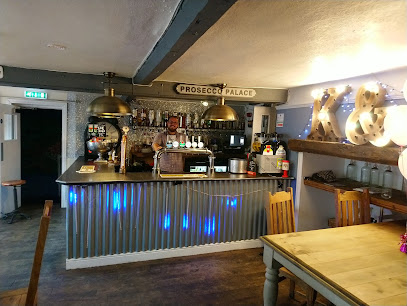
The Keys
10.8 km
A friendly and inviting pub in Stratford-upon-Avon with a quirky garden, great drinks, and classic pub fare in a relaxed atmosphere.
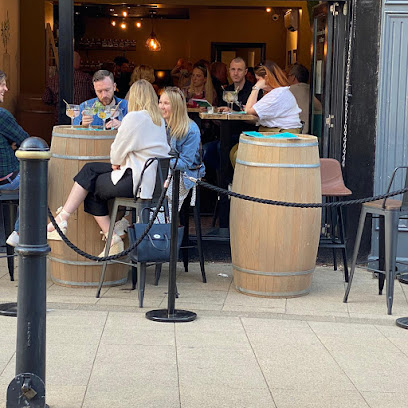
The Old Coffee Tavern
10.8 km
Charming historic pub and boutique hotel in Warwick’s Old Square, blending cosy style, excellent food, and comfortable rooms in a central location.
That Little Gin & Prosecco Bar
10.8 km
A cozy, intimate gin and Prosecco bar tucked away in Stratford-upon-Avon, offering an extensive spirit selection and warm, friendly vibes.
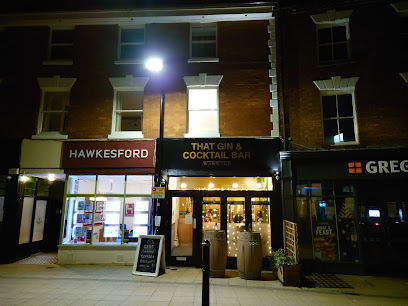
That Gin & Cocktail Bar (That Gin Company)
10.8 km
Discover Warwick’s premier gin destination, blending bold handcrafted flavors with a cozy, inviting cocktail bar experience.
Nightclubs & after hour spots

The Cavern
10.3 km
A vibrant night club in Warwick offering energetic music, lively dancing, and a social atmosphere for unforgettable nights out.
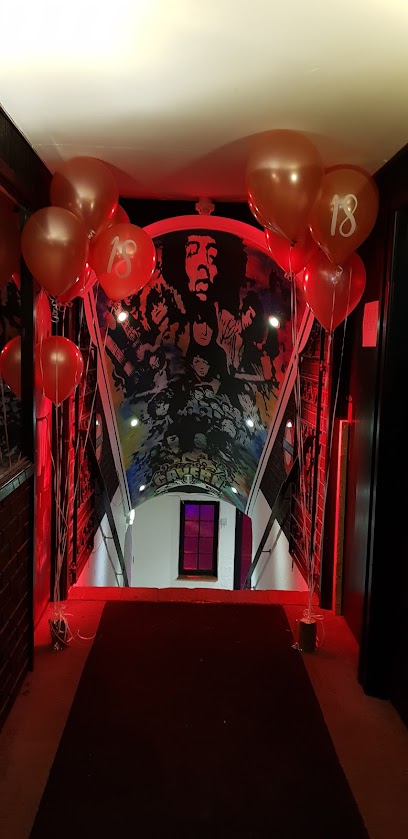
Caz Bar Nightclub
10.6 km
Experience Stratford-upon-Avon's glamorous late-night vibe at Caz Bar, a vintage cellar nightclub with live DJs, dancers, and premium drinks until dawn.

The Stratford Upon Avon Bridge Club
11.2 km
Explore the vibrant community of The Stratford Upon Avon Bridge Club, where bridge enthusiasts gather for games, camaraderie, and local culture in a picturesque setting.
Altoria Nightclub
14.4 km
Experience Leamington Spa’s vibrant nightlife at Altoria Nightclub with diverse music floors, VIP service, and a unique rooftop terrace open till 3 am.
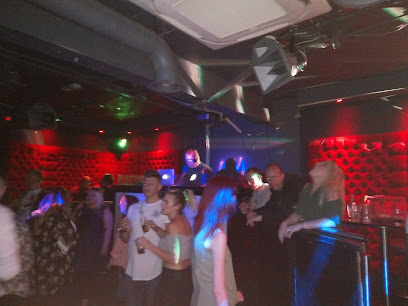
Smack
14.4 km
Leamington Spa’s energetic and affordable two-floor nightclub with a storied past and a lively, if sometimes challenging, atmosphere.
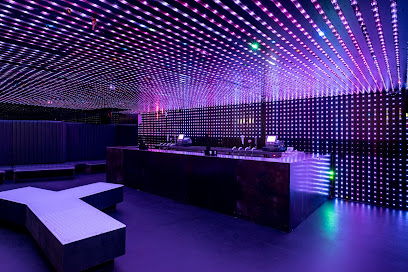
Neon
14.5 km
Leamington Spa’s largest nightclub, Neon delivers vibrant music, themed nights, and a dynamic party atmosphere every Friday until dawn.

Club PST
22.7 km
Compact, bass-driven Digbeth club with reggae roots, stacked rooms and late-night underground parties.

Disco Wonderland
22.9 km
Dive into Birmingham's dazzling disco haven, where retro beats, neon lights, and endless energy light up Deritend's nightlife.

VOID Nightclub
23.0 km
Dive into Digbeth's underground heartbeat at VOID Nightclub, where marathon raves and thunderous bass fuel Birmingham's rawest nightlife from dusk till dawn.

The Night Owl
23.0 km
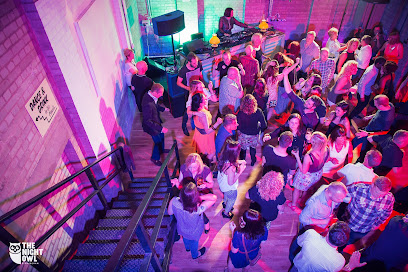
A cozy Digbeth venue where soulful retro beats and friendly vibes create unforgettable nights for all music lovers.
Quantum Vnues
23.0 km
Dive into Digbeth's beating heart: Quantum Venues delivers electrifying nights of music, lights, and unbridled energy in Birmingham's creative core.
Next Door & Spotlight
23.0 km
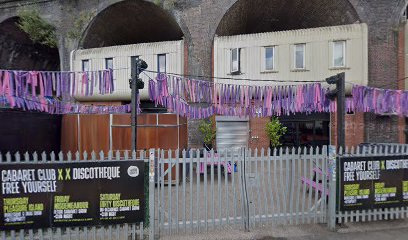
Two adjoining Digbeth nightspots — a pulse-driven DJ room and an intimate bar space with street-food pop-ups and a raw, industrial vibe.

Nightingale Club
23.1 km
Birmingham's legendary LGBTQIA+ superclub: three floors of pulsating beats, go-go glamour, and five decades of unapologetic queer joy in the Gay Village.

Sector 57
23.2 km
Experience Birmingham’s vibrant nightlife at Sector 57, where eclectic music and electric vibes create unforgettable nights in Deritend.

Mango Night Club
23.2 km
A high‑energy Bristol Street nightclub serving Afrobeats, hip‑hop and R&B for late‑night dancers and party crowds in central Birmingham.

For the vibe & atmosphere seeker
- Relaxing
- Tranquil
- Scenic
- Fun-filled
- Lively
- Unique
For the design and aesthetic lover
- Rustic Designs
- Vintage Styles
For the architecture buff
- Historic
- Landmarks
- Parks & Gardens
- Heritage Neighborhoods
For the view chaser and sunset hunter
- Waterfront
- Panoramas
For the social media creator & influencer
- Instagrammable
- Photo Spots
- Selfie Spots
- Aesthetic Corners
For the eco-conscious traveler
- Eco-Friendly
- Public-Transport Accessible
- Leave-No-Trace Critical
- Wildlife Habitat
For the kind of experience you’re after
- Cultural Heritage
- Photowalk
- Nature Escape
- Day Trip
- Weekend Getaway
For how adventurous you want the journey to be
- Easy Access
Location Audience
- Family Friendly
- Senior Friendly
- Child Friendly
- Teen Friendly
- Wheelchair Access
- Pet Friendly
- Solo Friendly
- Couple Friendly
- Solo Female Friendly
- Vegetarian Friendly
- Vegan Friendly


