

The Lord Leycester: A Living Medieval Treasure in Warwick
Step into a living medieval masterpiece where Tudor history breathes through centuries-old timber walls and enduring traditions.
Nestled on Warwick’s historic High Street, The Lord Leycester is one of Britain’s most complete medieval complexes, dating back over 700 years. Originally built by the United Guilds of Warwick and later transformed by Robert Dudley, Earl of Leicester, it serves as a unique charitable home for retired soldiers. Visitors experience Tudor architecture, a tranquil courtyard garden, and a rich history preserved by a living community still adhering to ancient traditions.
A brief summary to The Lord Leycester
- 60 High St, Warwick, CV34 4BH, GB
- +441926491422
- Visit website
- Duration: 1 to 3 hours
- Mid ranged
-
 Outdoor
- Mobile reception: 4 out of 5
- Tuesday 10 am-4 pm
- Wednesday 10 am-4 pm
- Thursday 10 am-4 pm
- Friday 10 am-4 pm
- Saturday 10 am-4 pm
- Sunday 10 am-4 pm
Local tips
- Visit on a weekday morning to enjoy a quieter experience and take time to explore the tranquil gardens.
- Don’t miss the Guildhall and the Master’s garden featuring unique historical artifacts like the nilometer and pineapple pit.
- Take advantage of the interactive Tudor café for a taste of period-inspired refreshments.
- Check the schedule for special events such as concerts or lectures held in the historic great hall.
- Wear comfortable shoes to fully enjoy the courtyard and garden areas, which include some uneven medieval stone paths.

For the on-the-go comforts that matter to you
- Restrooms
- Drink Options
- Food Options
- Seating Areas
- Information Boards
- Visitor Center
Getting There
-
Train and Bus
From Warwick Train Station, take a local bus or taxi for a 10-15 minute journey to 60 High Street. Buses run regularly but check schedules as frequency varies; a taxi costs approximately £7-£10.
-
Car
Driving to The Lord Leycester is straightforward via the A46 or A425. Nearby public car parks are available within a 5-10 minute walk. Parking fees typically range from £2 to £5 per hour. Note that the High Street is pedestrianized during market days.
-
Walking
If staying in central Warwick, the site is accessible by foot within 10-20 minutes over mostly flat terrain. The medieval streets have some cobbled sections, so comfortable shoes are recommended.
The Lord Leycester location weather suitability
-
 Any Weather
-
 Mild Temperatures
-
 Rain / Wet Weather
-
 Clear Skies
Discover more about The Lord Leycester
Medieval Origins and Architectural Heritage
The Lord Leycester stands as a remarkable example of medieval corporate architecture, originally constructed by the United Guilds of Warwick over 700 years ago. The complex includes a meeting room, banqueting hall, the Master’s mansion, storerooms, and lodgings for travellers, all built from timber felled in the 1200s across England. Its honey-coloured half-timbered buildings have survived centuries of history, making it one of the most intact medieval sites in the British Isles. The buildings surround a galleried courtyard adorned with heraldic devices, including the Earl of Leicester’s bear and ragged staff and the Sidney family porcupine, symbolizing the site’s noble connections.Robert Dudley’s Vision and the Hospital Foundation
In 1571, Robert Dudley, Earl of Leicester and a favourite of Queen Elizabeth I, founded the Lord Leycester Hospital as a philanthropic community for retired soldiers injured in Tudor wars and their wives. Unlike a modern hospital, it was a communal home with living quarters, a kitchen, and a chapel where daily prayers are still observed. Dudley’s foundation established a Master and twelve Brethren who lived according to strict rules, some of which remain respected today. This institution is a quieter, older forerunner to the Royal Hospital Chelsea, continuing to provide sanctuary for those who served their country.A Living Community and Historical Continuity
The Lord Leycester is not merely a museum but a living community where the Master and Brethren still reside, wearing Tudor livery and maintaining centuries-old traditions. The site’s communal spaces, including the great hall and Guildhall, have been adapted over time but retain their historic character. The Guildhall, once used for town business and soldiers’ quarters, now hosts concerts, plays, and lectures. The community garden features rare historical elements such as a 900-year-old nilometer, a Victorian pineapple pit, and a Norman arch, enriching the visitor experience with layers of history.Restoration and Visitor Experience Enhancements
The Lord Leycester has undergone several restoration phases, notably in the 1800s, 1950s, and most recently a major £5 million project starting in 2017 funded by grants including the National Heritage Lottery Fund. These efforts have preserved the building fabric and modernized exhibition spaces, improving accessibility and interpretation. Visitors can explore interactive displays, see Robert Dudley’s original will, and engage with costumed interpreters and real-life Brethren. The Tudor-style café and tactile exhibits make the site welcoming for families and history enthusiasts alike.Architectural and Cultural Significance in Warwick
Situated on Warwick’s High Street, The Lord Leycester complements the town’s rich heritage, which includes Warwick Castle and other medieval landmarks. Its Grade I listed status underscores its national importance. The site’s architecture and enduring community life provide a unique window into England’s social and military history, reflecting the evolving role of charitable institutions from medieval guilds to Tudor philanthropy. The hospital’s chapel, gardens, and historic interiors offer a tranquil retreat amid the bustling market town.Engaging with History and Tradition
Visitors to The Lord Leycester can immerse themselves in centuries of history, from the medieval timber framing to the Tudor-era foundation documents. The site’s ongoing use as a residence for the Brethren, who follow centuries-old customs, adds a rare dimension of authenticity. The hospital has also featured in films and television, highlighting its picturesque and historic charm. Whether exploring the great hall, the chapel, or the gardens, visitors encounter a living heritage that bridges past and present in Warwick’s historic heart.Iconic landmarks you can’t miss

The Randolph Turpin Statue
0.2 km
Celebrate the legacy of British boxing champion Randolph Turpin with this striking bronze statue in Warwick’s historic Market Square.

Shakespeare & Company Holiday Home
12.4 km
Discover the enchanting Shakespeare & Company Holiday Home in Stratford-upon-Avon, where history and comfort blend seamlessly for an unforgettable stay.
Tramway Bridge
12.5 km
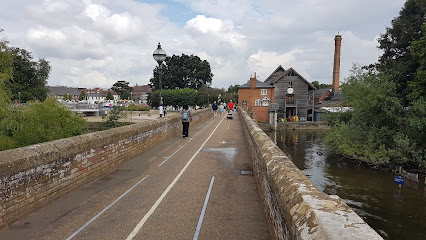
Historic 1826 red brick pedestrian bridge over the River Avon, blending industrial heritage with tranquil riverside views in Stratford-upon-Avon.
The Countess of Evesham
12.5 km
Indulge in traditional British cuisine at The Countess of Evesham, a charming restaurant on the waterside in Stratford-upon-Avon, surrounded by natural beauty.
Stratford Waterside Market
12.5 km
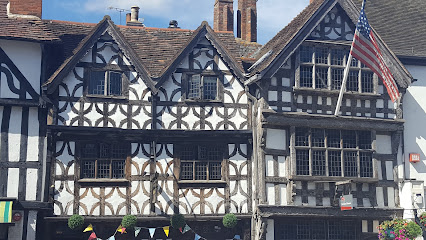
Discover unique artisan treasures and vibrant street food in Stratford-upon-Avon's charming riverside market.
Stratford upon Avon
12.5 km
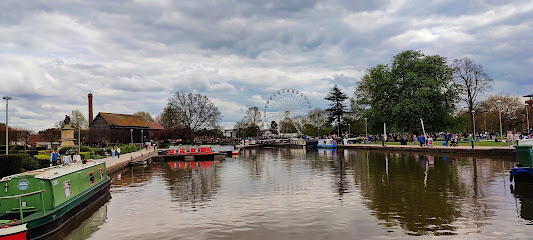
Historic market town on the River Avon, birthplace of Shakespeare, blending timeless Tudor charm with vibrant cultural life and scenic riverside beauty.
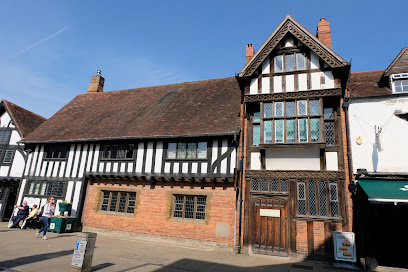
The Shakespeare Birthplace Shop
12.5 km
Discover the essence of Shakespeare's legacy at The Shakespeare Birthplace Shop, a unique gift shop in the heart of Stratford-upon-Avon.
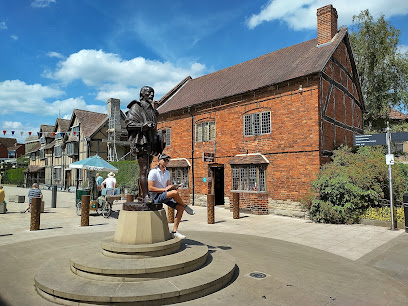
Statue Of Shakespeare Stratford-upon-Avon
12.5 km
A bronze tribute to the Bard in the heart of Stratford-upon-Avon, where literature and history come alive on Henley Street.
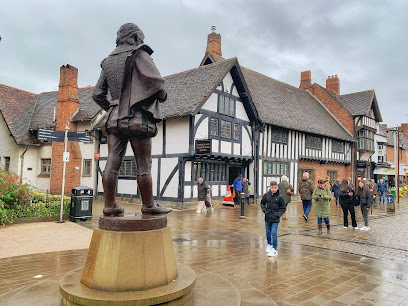
Royal Shakespeare Theatre
12.6 km
Discover the Royal Shakespeare Theatre in Stratford-upon-Avon, where the legacy of Shakespeare comes to life through captivating performances and stunning architecture.
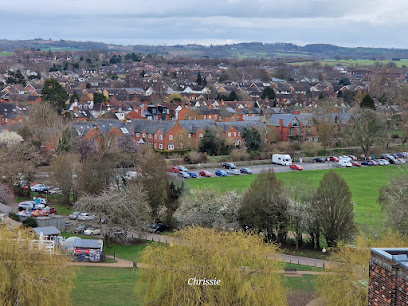
Magic Alley
12.6 km
Discover the magic and folklore at Magic Alley, a whimsical attraction in Stratford-upon-Avon that brings stories to life in enchanting displays.
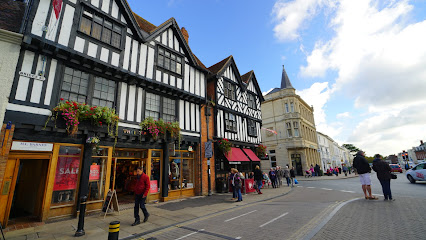
Sinister Stratford
12.6 km
Explore the darker side of Stratford-upon-Avon with Sinister Stratford's captivating tours of haunted history and folklore.
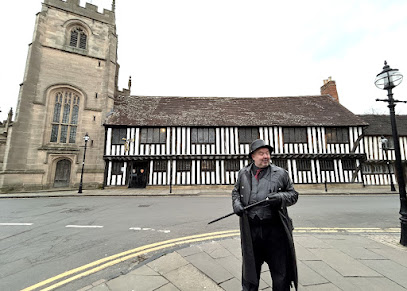
Stratford Upon Avon Bandstand
12.7 km
Historic bandstand in Stratford-upon-Avon offering free summer concerts and a vibrant community atmosphere in a scenic park setting.
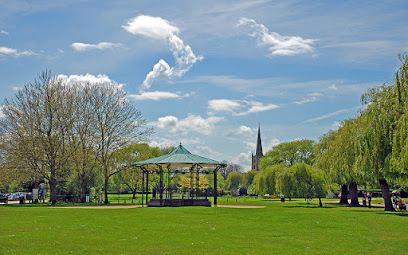
Garrick
12.7 km
Step into Stratford-upon-Avon's oldest pub, where medieval charm meets hearty fare and centuries of captivating history.
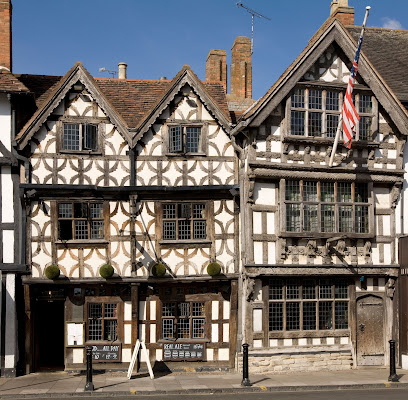
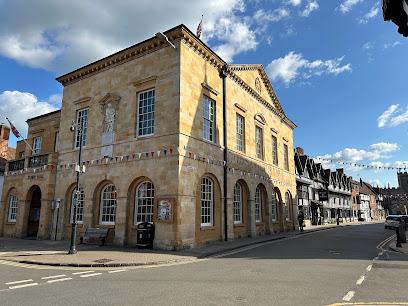
Stratford-upon-Avon Town Hall
12.7 km
Elegant Palladian landmark in Stratford-upon-Avon, blending rich history, Shakespearean heritage, and civic tradition since 1767.
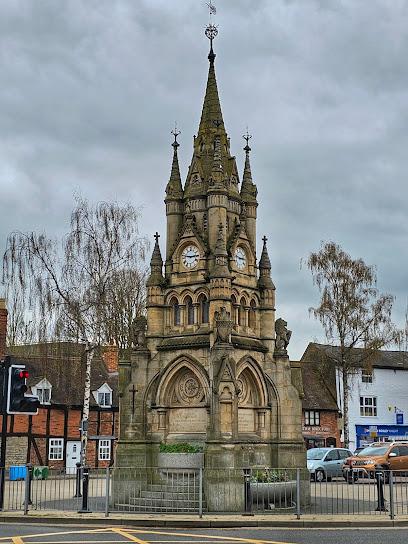
The Shakespeare Memorial Fountain
12.7 km
A Victorian Gothic tribute in Stratford’s marketplace celebrating Shakespeare, Queen Victoria, and Anglo-American friendship.
Unmissable attractions to see

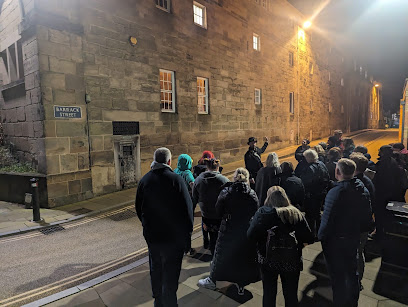
The Weird Walk of Warwick
0.0 km
Explore centuries of military history and medieval charm at the Lord Leycester Hospital’s Weird Walk of Warwick, a unique living heritage site.
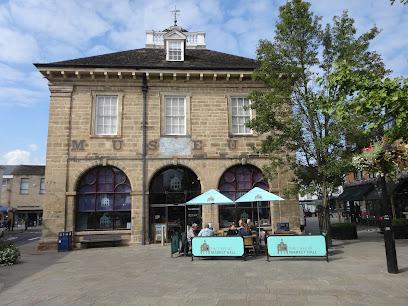
Market Hall Museum, Warwick
0.2 km
Discover Warwickshire’s rich history in a 17th-century landmark with fossils, Roman treasures, and a live beehive at Market Hall Museum.
Market Pl
0.2 km
Discover Warwick Market’s vibrant Saturday stalls in the historic Market Place, where fresh local produce and unique crafts come alive every week.
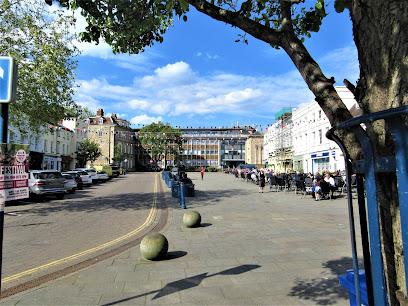
Warwickshire Yeomanry Museum
0.2 km
Explore the rich history of the Warwickshire Yeomanry cavalry regiment in the historic Georgian Court House of Warwick.
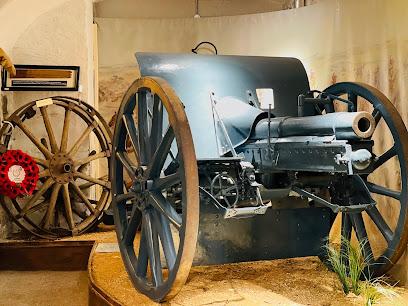
The Rose & Crown
0.2 km
Historic Warwick gastropub and inn offering seasonal cuisine, fine ales, and cozy accommodation in the heart of Market Place.

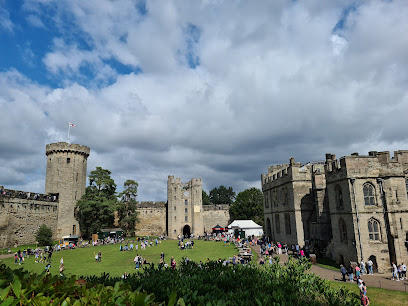
Warwick Castle
0.2 km
Discover over 1,100 years of history, thrilling live shows, and breathtaking views at Warwick Castle, one of Britain’s finest medieval fortresses.
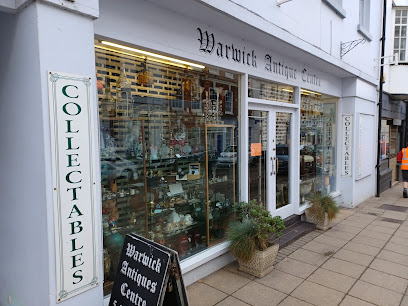
Warwick Antiques Centre
0.2 km
Discover timeless treasures and vintage charm at Warwick Antiques Centre, a historic marketplace in the heart of Warwick.
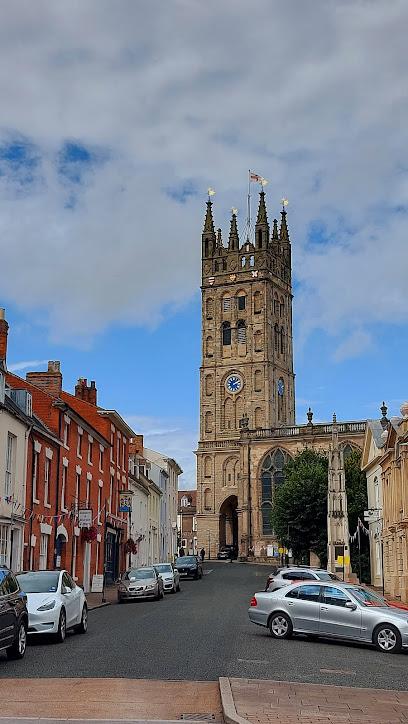
St Mary’s Church
0.3 km
Discover St Mary’s Church, Warwick: a historic collegiate church blending medieval grandeur with post-fire Gothic revival in the heart of Warwick.
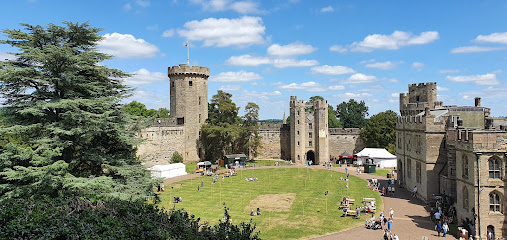
Warwick Castle Main Entrance
0.3 km
Step into over 1,100 years of history at Warwick Castle, where medieval grandeur meets immersive live entertainment and scenic grounds.
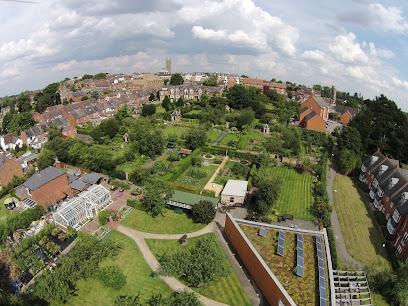
Hill Close Gardens Trust Warwick
0.3 km
A rare Victorian detached garden oasis in Warwick, blending horticultural heritage with community spirit and tranquil charm.
Time Tower
0.3 km
Step inside the Time Tower at Warwick Castle for an immersive journey through centuries of history with captivating audiovisual storytelling and stunning views.
The Castle Dungeon
0.4 km
Step into Warwick Castle’s dark past with The Castle Dungeon, a spine-chilling immersive journey through plague, torture, and medieval terror.
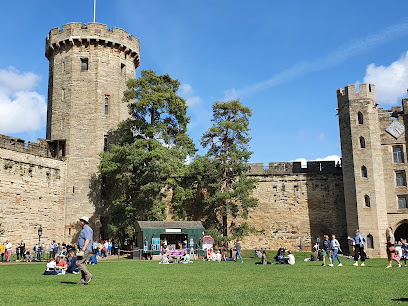
Warwick East Gate Victorian Type PB1 Postbox
0.4 km
Discover Warwick’s charming Victorian cast iron postbox, a vibrant red relic of 19th-century British postal heritage still in use beside East Gate clock tower.
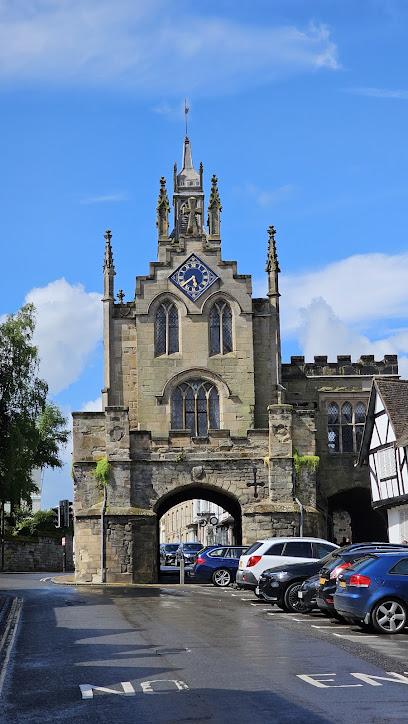
Warwick
0.4 km
Discover Warwick’s timeless medieval castle, charming historic streets, and tranquil river setting in the heart of Warwickshire.
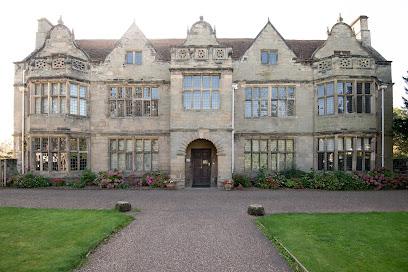
St John's House
0.7 km
Explore nearly 900 years of history in Warwick’s Jacobean St John's House, a Grade I listed mansion blending heritage, education, and intimate events.
Essential places to dine

The Art Kitchen
0.1 km
Experience vibrant Thai cuisine in Warwick’s dynamic art gallery setting, where fresh flavors meet contemporary creativity.
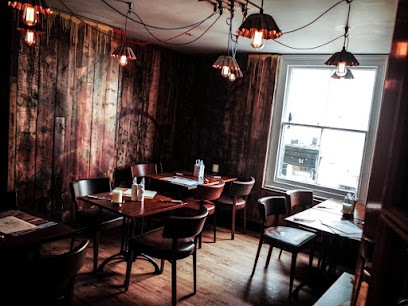
Giggling Squid - Warwick
0.2 km
Vibrant Thai tapas and bold flavours in Warwick’s historic High Street, with a welcoming atmosphere and dedicated vegan options.
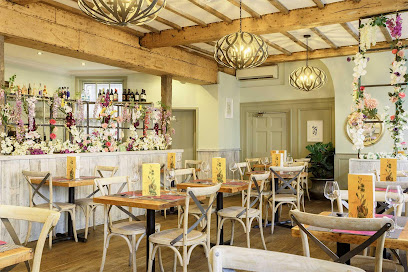
La Mesa
0.2 km
Experience intimate Spanish-Mediterranean fusion dining in Warwick’s historic Old Square with exquisite five-course menus and warm hospitality.
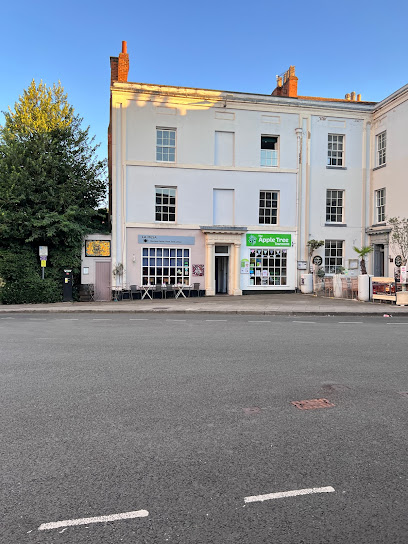
7 Square Restaurant
0.2 km
Experience refined French-inspired cuisine and unique artistic ambiance in the heart of Warwick’s historic Old Square.
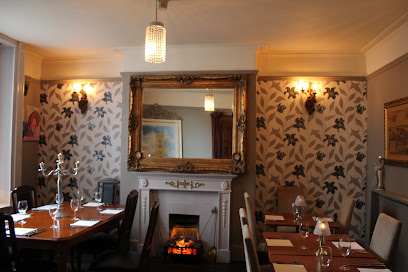
Tasca Dali
0.2 km
Experience authentic Spanish flavors with a surprise 5-course tasting menu in the heart of Warwick’s Market Place.
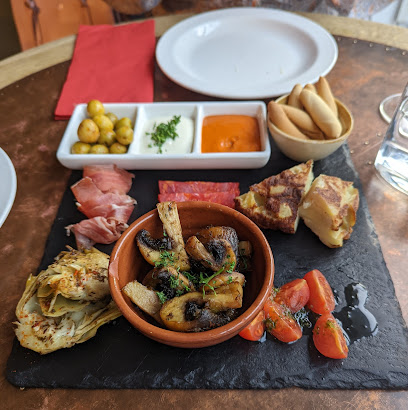
The Globe
0.3 km
Historic Warwick pub and hotel offering Mediterranean-inspired dining, cozy rooms, and a lively yet welcoming atmosphere in the town center.
Aqua Food & Mood Lebanese Restaurant
0.3 km
Authentic Lebanese flavors and warm hospitality combine in Warwick’s cozy Mediterranean gem.
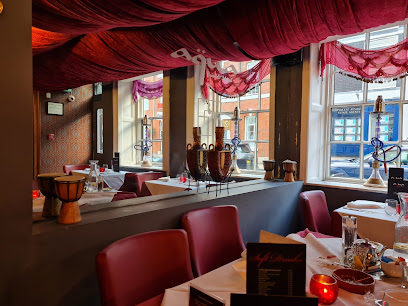
The Aubergine Turkish Restaurant
0.5 km
Experience authentic Turkish cuisine with vibrant flavors and warm ambiance in the heart of historic Warwick.
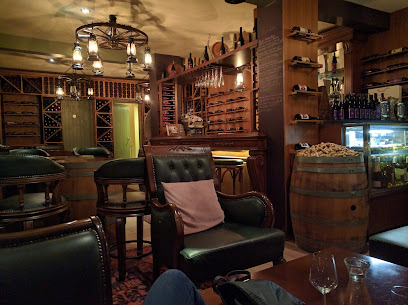
Saxon Mill Warwick
2.5 km
Historic riverside gastropub in Warwick blending traditional mill charm with modern British cuisine and scenic views.
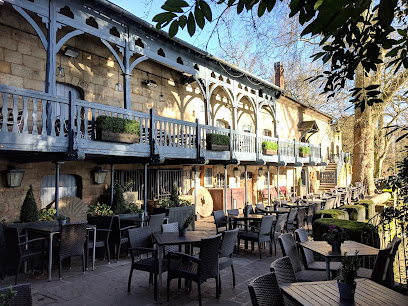
The Moorings at Myton
2.9 km
A charming canal-side gastropub in Royal Leamington Spa, serving locally sourced English classics in a family- and dog-friendly setting.
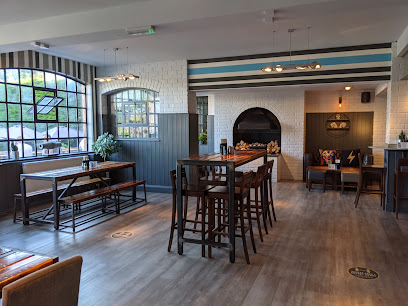
The Star & Garter
3.5 km
A stylish gastropub in Leamington Spa blending traditional charm with modern dining and lively social vibes.
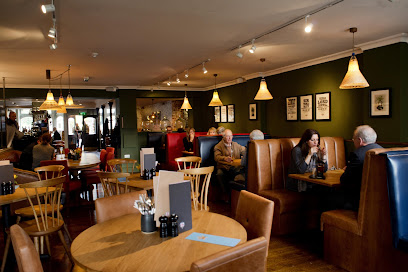
Habano Restaurant & Wine Bar
3.8 km
A vibrant Pan-Latin dining experience with fresh Cuban and Spanish flavors, friendly service, and a lively wine bar in the heart of Leamington Spa.
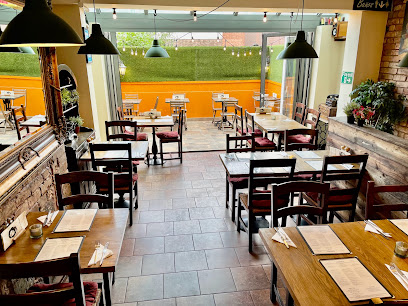
La Coppola Ristorante & Oyster Bar
3.9 km
Authentic Italian and seafood dining in an elegant, welcoming setting at the heart of Leamington Spa’s Parade.
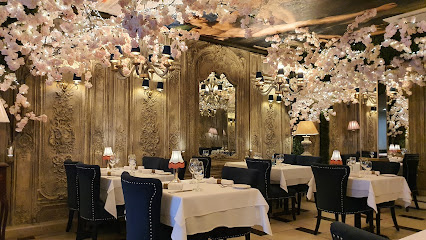
Giggling Squid - Leamington Spa
4.0 km
Experience vibrant Thai flavors and stylish sharing plates in the heart of Leamington Spa’s Royal Priors Shopping Centre.
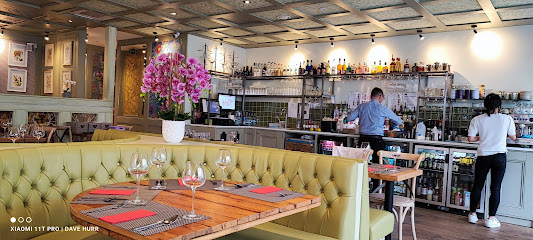
Côte Leamington Spa
4.0 km
Experience modern French cuisine and warm brasserie charm in the heart of Leamington Spa’s historic town centre.
Markets, malls and hidden boutiques

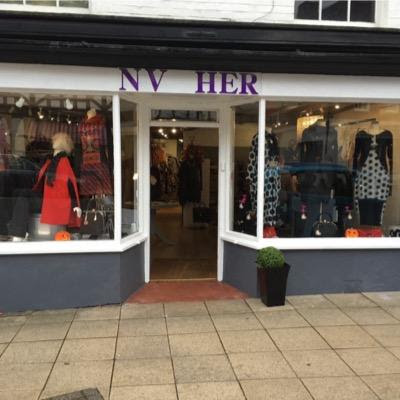
NV Her
0.1 km
Discover unique, sophisticated ladies’ fashion with a raw edge at NV Her, Warwick’s independent boutique in Market Place.
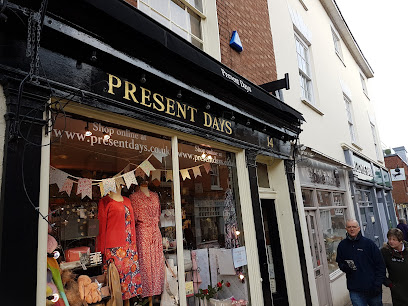
Present Days
0.1 km
Discover unique local crafts and charming gifts at Present Days, Warwick’s beloved boutique gift shop on historic Swan Street.
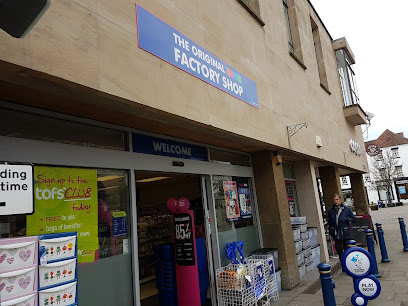
The Original Factory Shop (Warwick)
0.2 km
Discover unbeatable bargains on fashion, beauty, and home essentials in the heart of Warwick’s historic Market Place.
BeHoptimystic
0.2 km
Discover an eclectic mix of unique collectibles and rare treasures in the heart of Warwick’s historic Market Place.
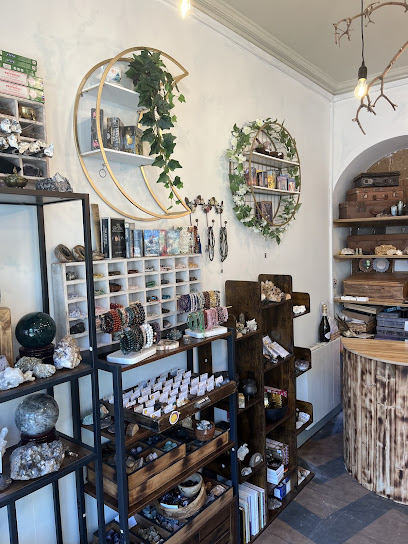
The Shop at Market Hall
0.2 km
Explore The Shop at Market Hall for handcrafted treasures and local gifts that capture the heart of Warwick, England.
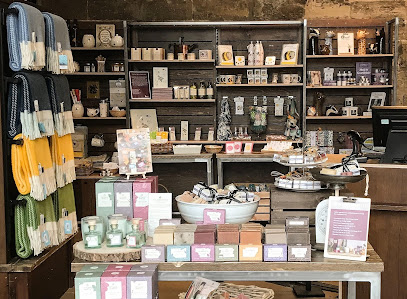
Trinkets & Treasures Ltd
0.5 km
Discover unique gifts and charming homewares in Warwick’s welcoming boutique, perfect for every special occasion.
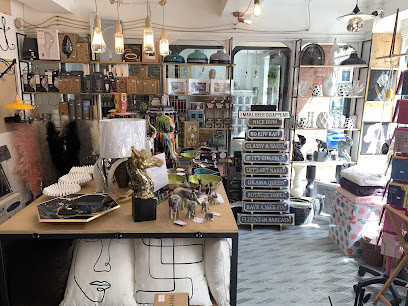
Browsers
0.6 km
Discover unique gifts and charming keepsakes in the heart of historic Warwick at Browsers, your cozy local gift shop on Smith Street.
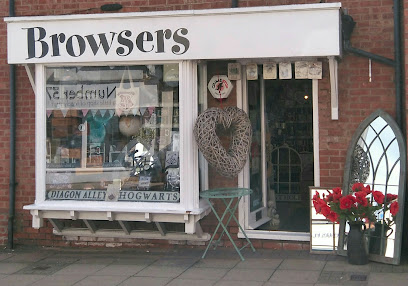
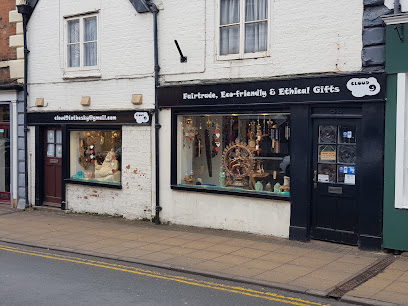
Cloud 9
0.6 km
Discover handcrafted fair trade treasures at Cloud 9, Warwick’s boutique for ethical gifts and global artisan crafts.
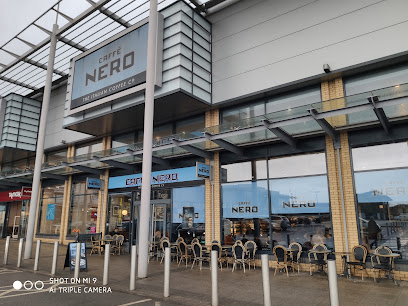
Leamington Shopping Park
2.7 km
Discover a vibrant shopping destination with free parking, top brands, and a welcoming open-air environment in the heart of Royal Leamington Spa.
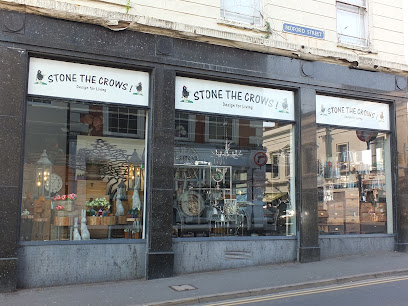
Stone The Crows
3.8 km
Discover quirky gifts and stylish homeware at Stone The Crows, a beloved Leamington Spa boutique known for unique finds and excellent service.
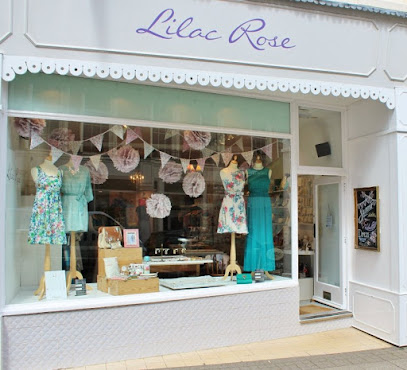
Lilac Rose
3.8 km
Discover unique British fashion and accessories at Lilac Rose, Leamington Spa’s vibrant independent boutique with a curated, colourful collection.
Flying Tiger Copenhagen
3.9 km
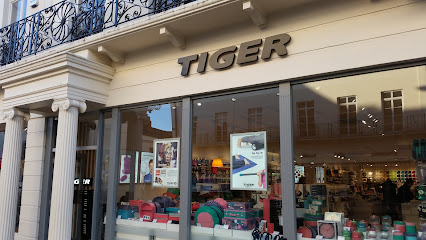
Discover quirky gifts, creative homewares, and joyful party supplies at Flying Tiger Copenhagen in Leamington Spa’s vibrant town centre.
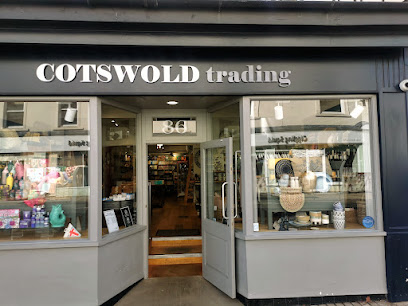
Cotswold Trading - Leamington Spa
4.0 km
Discover stylish homewares and unique gifts at Cotswold Trading, Leamington Spa’s award-winning destination for curated, quirky collections.
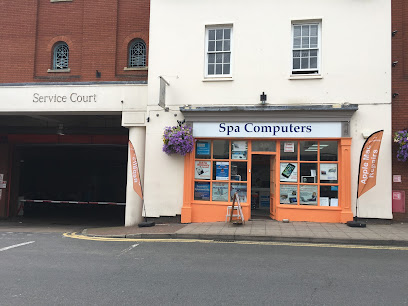
Royal Priors Shopping Centre
4.0 km
Leamington Spa’s premier indoor shopping centre with spacious malls, diverse stores, and convenient access in the town’s historic heart.
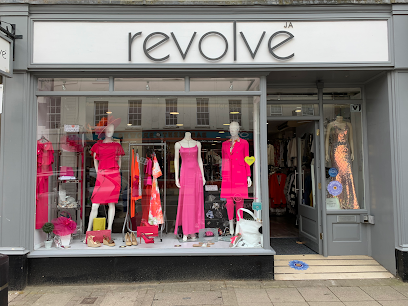
Revolve
4.0 km
Discover exclusive ladies’ fashion and wedding wear with personalized service at Revolve, Leamington Spa’s stylish boutique on Warwick Street.
Essential bars & hidden hideouts

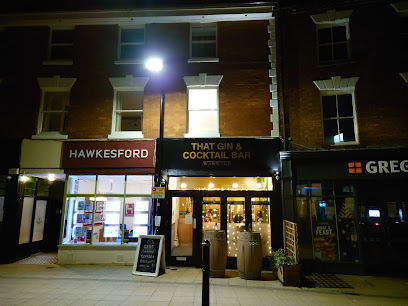
That Gin & Cocktail Bar (That Gin Company)
0.1 km
Discover Warwick’s premier gin destination, blending bold handcrafted flavors with a cozy, inviting cocktail bar experience.
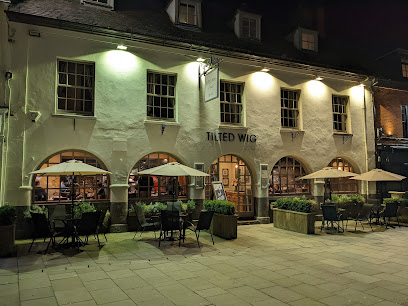
Tilted Wig
0.2 km
Historic gastropub and cozy inn in Warwick’s Market Place, blending traditional charm with modern British cuisine and welcoming accommodation.
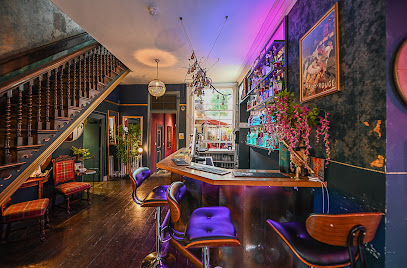
The Old Coffee Tavern
0.2 km
Charming historic pub and boutique hotel in Warwick’s Old Square, blending cosy style, excellent food, and comfortable rooms in a central location.
Ronnie's of Warwick
0.3 km
Eclectic bar in Warwick blending retro style, live music, and a vibrant atmosphere with a welcoming garden space.
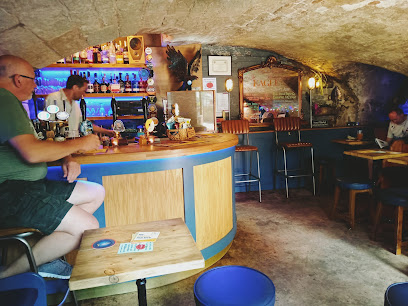
The Eagle
0.3 km
A cozy, quirky cellar micro pub in Warwick serving expertly curated real ales and craft beers in an intimate, friendly atmosphere.
Rigsby's Cellar Bar
0.3 km
Cozy cellar charm meets heartfelt hospitality in Warwick’s intimate and quirky Rigsby's Cellar Bar.
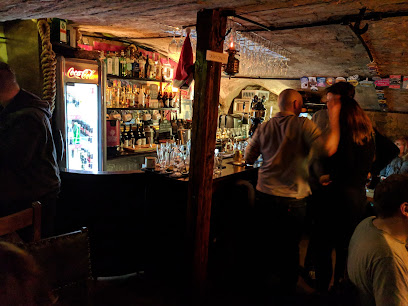
The Castle Inn
0.4 km
A historic Warwick pub with quirky charm, lively entertainment, and a welcoming beer garden for locals and visitors alike.
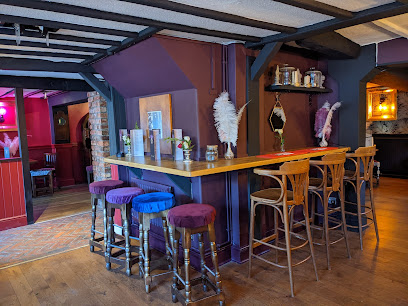
The Black Pug
1.0 km
A historic Tudor pub in Warwick offering quirky charm, great drinks, dog-friendly warmth, and a lively beer garden atmosphere.
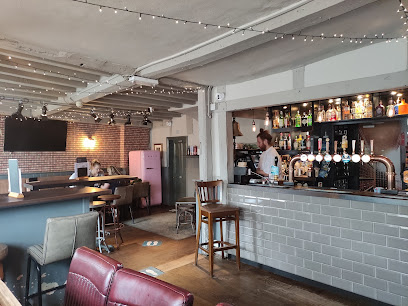
The Wild Boar
1.0 km
A cozy Warwick pub blending traditional charm, hearty British fare, and well-kept real ales in a welcoming atmosphere.
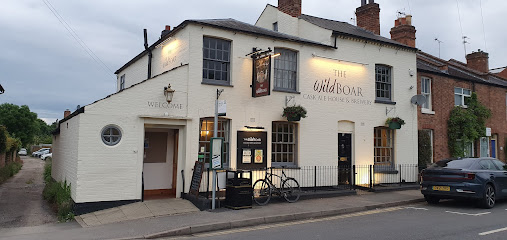
Unicorn
1.7 km
A warm, family-friendly pub in Warwick offering excellent British fare, accommodating service, and a welcoming local atmosphere.
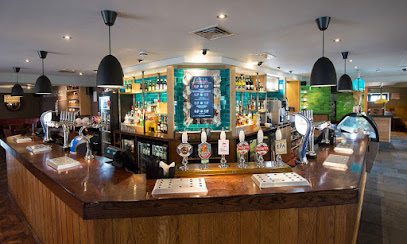
The Fat Pug
3.1 km
Quirky and welcoming gastro pub in Leamington Spa serving hearty British dishes and lively drinks in a vibrant, eclectic setting.
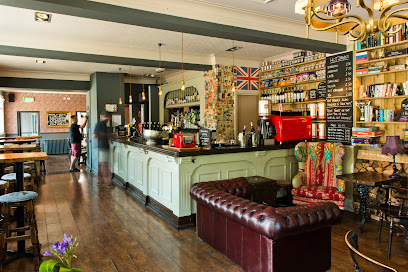
Fizzy Moon Brewhouse & Grill
3.7 km
Eclectic brewhouse and grill in Leamington Spa offering craft beers, hearty pub fare, and a uniquely stylish atmosphere.
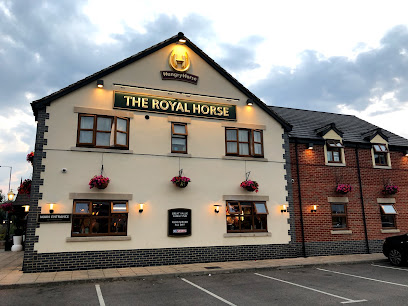
Royal Horse
3.8 km
A vibrant, family-friendly pub in Royal Leamington Spa offering hearty British fare, lively events, and warm hospitality since 2013.
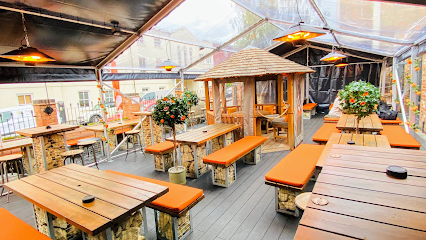
Bedford Street Bar
3.8 km
Lively grill and bar venue in Leamington Spa offering live jazz, classic British dishes, and a vibrant social atmosphere with heated outdoor seating.
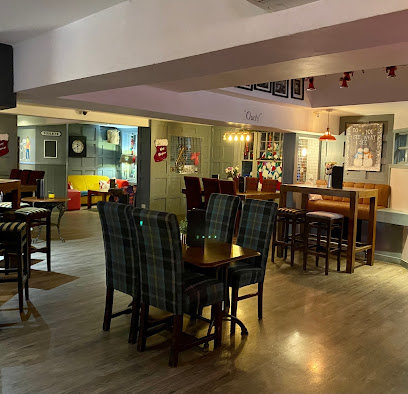
The White Horse
3.8 km
A charming blend of historic character and modern comfort, The White Horse offers classic British pub fare and a lively atmosphere in the heart of Leamington Spa.
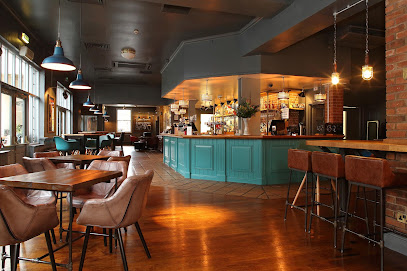
Nightclubs & after hour spots

The Cavern
1.4 km
A vibrant night club in Warwick offering energetic music, lively dancing, and a social atmosphere for unforgettable nights out.
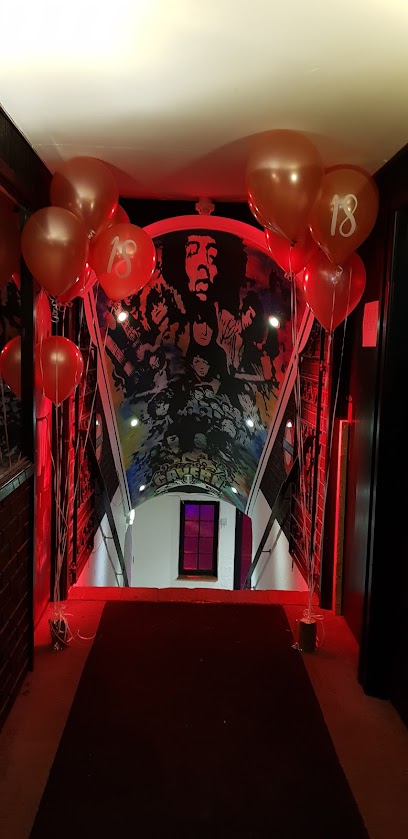
Altoria Nightclub
3.8 km
Experience Leamington Spa’s vibrant nightlife at Altoria Nightclub with diverse music floors, VIP service, and a unique rooftop terrace open till 3 am.
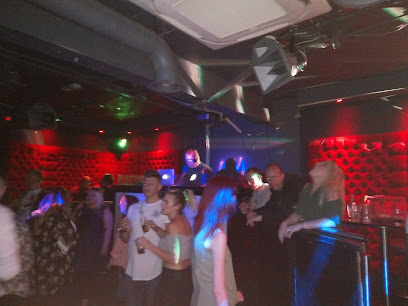
Neon
3.8 km
Leamington Spa’s largest nightclub, Neon delivers vibrant music, themed nights, and a dynamic party atmosphere every Friday until dawn.
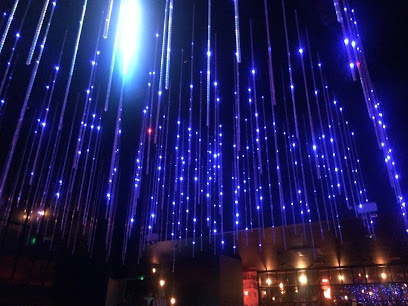
Smack
3.9 km
Leamington Spa’s energetic and affordable two-floor nightclub with a storied past and a lively, if sometimes challenging, atmosphere.
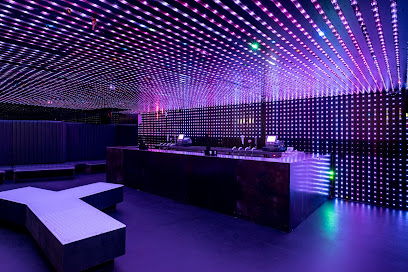
Caz Bar Nightclub
12.5 km
Experience Stratford-upon-Avon's glamorous late-night vibe at Caz Bar, a vintage cellar nightclub with live DJs, dancers, and premium drinks until dawn.
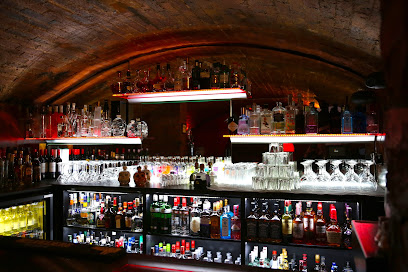
Fat Cat Comedy Club
12.7 km
Discover the joy of laughter at Fat Cat Comedy Club in Stratford-upon-Avon, where each show promises an unforgettable night of entertainment.
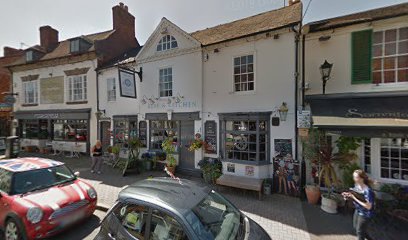
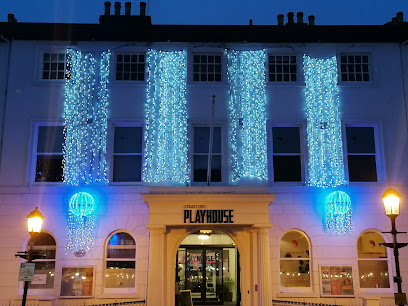
Stratford Play House
12.7 km
Discover the vibrant world of performing arts at Stratford Play House, where drama, comedy, and culinary delights come together in Stratford-upon-Avon.
The Stratford Upon Avon Bridge Club
13.3 km
Explore the vibrant community of The Stratford Upon Avon Bridge Club, where bridge enthusiasts gather for games, camaraderie, and local culture in a picturesque setting.
Club PST
29.3 km
Compact, bass-driven Digbeth club with reggae roots, stacked rooms and late-night underground parties.

Disco Wonderland
29.3 km
Dive into Birmingham's dazzling disco haven, where retro beats, neon lights, and endless energy light up Deritend's nightlife.
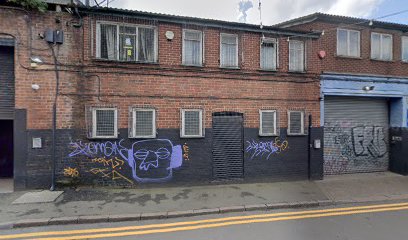
VOID Nightclub
29.3 km
Dive into Digbeth's underground heartbeat at VOID Nightclub, where marathon raves and thunderous bass fuel Birmingham's rawest nightlife from dusk till dawn.

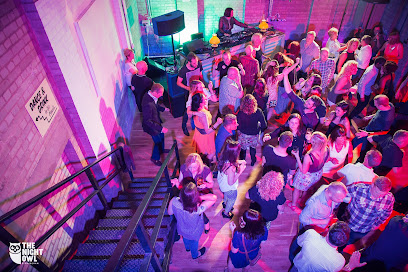
The Night Owl
29.4 km
A cozy Digbeth venue where soulful retro beats and friendly vibes create unforgettable nights for all music lovers.
Quantum Vnues
29.4 km
Dive into Digbeth's beating heart: Quantum Venues delivers electrifying nights of music, lights, and unbridled energy in Birmingham's creative core.
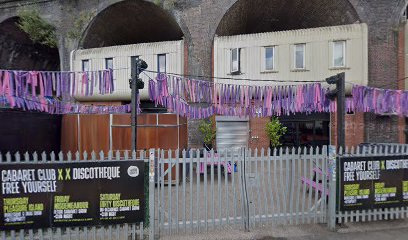
Next Door & Spotlight
29.4 km
Two adjoining Digbeth nightspots — a pulse-driven DJ room and an intimate bar space with street-food pop-ups and a raw, industrial vibe.
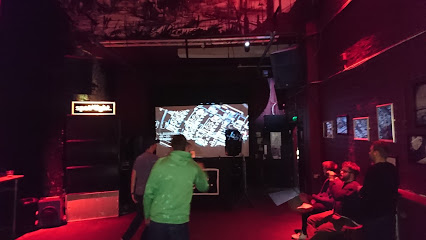
Sector 57
29.6 km
Experience Birmingham’s vibrant nightlife at Sector 57, where eclectic music and electric vibes create unforgettable nights in Deritend.
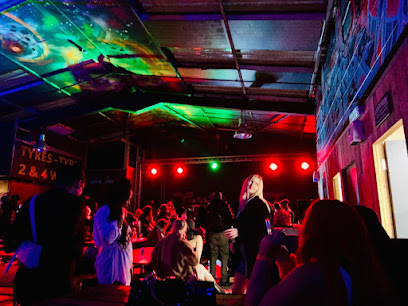
For the vibe & atmosphere seeker
- Tranquil
- Historic
- Unique
- Relaxing
- Scenic
For the design and aesthetic lover
- Vintage Styles
- Rustic Designs
For the architecture buff
- Historic
- Landmarks
- Heritage Neighborhoods
- Parks & Gardens
- Sacred Sites
For the view chaser and sunset hunter
- Iconic Views
- Panoramas
For the social media creator & influencer
- Instagrammable
- Photo Spots
- Architectural Shots
For the eco-conscious traveler
- Protected Area
- Public-Transport Accessible
- Locally Managed
For the kind of experience you’re after
- Cultural Heritage
- Myth & Legends
- Photowalk
- Day Trip
- Weekend Getaway
For how adventurous you want the journey to be
- Easy Access
Location Audience
- Family Friendly
- Senior Friendly
- Child Friendly
- Teen Friendly
- Wheelchair Access
- Solo Friendly
- Couple Friendly
- Vegetarian Friendly
- Vegan Friendly


