

St Albans Cathedral, Surrey Travel Guide
Discover England’s longest nave and a millennium of sacred history at St Albans Cathedral, a masterpiece of Norman and Gothic architecture.
St Albans Cathedral, located in the heart of St Albans, England, is a monumental site of Christian worship with over 1700 years of history. Renowned for having the longest nave in England and a remarkable Norman tower built from recycled Roman bricks, the cathedral blends architectural styles from Norman to Gothic and Victorian restorations. It houses medieval wall paintings, the Shrine of St Alban, and offers free guided tours, making it a captivating destination for history, architecture, and spirituality enthusiasts.
A brief summary to St Albans Cathedral
- Cathedral, Sumpter Yard, St Albans, AL1 1BY, GB
- Click to display
- Click to display
- Duration: 1 to 3 hours
- Free
-
 Mixed
Mixed
- Mobile reception: 4 out of 5
- Monday 9 am-5 pm
- Tuesday 9 am-5 pm
- Wednesday 9 am-5 pm
- Thursday 9 am-5 pm
- Friday 9 am-5 pm
- Saturday 9 am-5 pm
- Sunday 9 am-5 pm

Know before you go
Hi, I'm Eve. Here are a few practical things to know before exploring St Albans Cathedral.
- Join one of the free daily guided tours to fully appreciate the cathedral’s rich history and architectural details.
- Climb the Norman tower’s 211 steps for spectacular panoramic views of St Albans and beyond.
- Visit the Shrine of St Alban and the restored shrine of St Amphibalus to connect with the cathedral’s spiritual heritage.
- Explore the medieval wall paintings and the unique wooden painted ceiling in the presbytery for artistic highlights.
- Use the accessible entrances and facilities if mobility is a concern; wheelchair loans and hearing loops are available.
Do you manage this location?
Take control to get all the benefits, like improved information, better appearance, and stronger visibility across AI-powered discovery. Learn more about listing your business on Evendo
Activate your presenceOther nearby places you may find interesting
The closest places of the same kind, if this one is not quite what you had in mind.



Explore St Albans Cathedral on the Map
A handpicked selection of must-see spots near St Albans Cathedral, mapped for you.
Unlock the Best of St Albans Cathedral
Buy tickets
-
No tickets available
Book tours with entry

Book tours without entry
-
No tours available
Getting There
-
Train
From London St Pancras, take a direct train to St Albans City station, approximately a 20-minute journey. From the station, a 20-minute walk through the city center leads to the cathedral. Trains run frequently with standard fares around £10-£15 one way.
-
Bus
Local bus services connect St Albans city center with various parts of Hertfordshire. Buses run regularly, with a journey time of 10-20 minutes from key points. Tickets cost approximately £2-£4. The cathedral is a short walk from the main bus stops in the city.
-
Car
Driving to St Albans Cathedral is possible with several public car parks nearby. Travel times vary from 30 minutes to over an hour depending on traffic. Parking fees typically range from £1.50 to £3.50 per hour. Note that the cathedral area has limited direct parking and some pedestrianized zones.
-
Walking
For visitors staying within St Albans, the cathedral is accessible on foot via paved, mostly flat city streets. Walking times from central locations range from 5 to 20 minutes. The route is suitable for wheelchairs and strollers with some accessible ramps at the cathedral entrances.
For the on-the-go comforts that matter to you
-
 Restrooms
-
 Drink Options
-
 Food Options
-
 Seating Areas
-
 Information Boards
-
 Visitor Center
Discover more about St Albans Cathedral
Ancient Origins and Spiritual Significance
St Albans Cathedral stands on the sacred burial site of Saint Alban, Britain’s first Christian martyr, whose story dates back over 1700 years. The cathedral’s spiritual heart is the Shrine of St Alban, a revered pilgrimage destination for centuries. The site’s continuous Christian worship tradition makes it one of the oldest in Britain, symbolizing enduring faith and historical depth.Architectural Evolution Spanning a Millennium
The cathedral’s core was constructed between 1077 and 1115, primarily by the Norman architect Robert, using Roman bricks salvaged from the nearby ancient city of Verulamium. This reuse of Roman materials gives the building a distinctive rugged aesthetic with contrasting brick and stone patterns. The Norman tower, the only great crossing tower from the 1000s still standing in England, is a highlight, showcasing early Romanesque architecture.The cathedral’s architecture reflects centuries of development, including Gothic additions such as the spectacular presbytery and the Lady Chapel completed by 1308. Victorian restorations in the 19th century introduced a neo-Gothic west front and a high-pitched roof for the nave, which is the longest in England, measuring approximately 85 meters. Despite some controversies over restoration choices, these interventions preserved the cathedral’s structural integrity and enriched its architectural tapestry.Artistic Treasures and Interior Highlights
Inside, visitors encounter a wealth of medieval wall paintings, some uncovered beneath whitewash in the 19th century, offering rare glimpses into pre-Reformation religious art. The cathedral also features a wooden painted ceiling in the presbytery from the mid-20th century, adding to its visual richness.The Shrine of St Alban and the restored shrine of St Amphibalus, the priest who converted Alban to Christianity, are focal points within the cathedral, surrounded by intricate carvings and historical artifacts. The carved altar screen and the Norman arches supporting the tower further enhance the interior’s grandeur.Visitor Experience and Accessibility
St Albans Cathedral welcomes visitors daily with free entry and suggested donations. It offers free guided tours multiple times a day, led by knowledgeable guides who illuminate the cathedral’s history, architecture, and spiritual significance. Visitors can climb 211 steps to the Norman tower’s lantern for panoramic views of St Albans and, on clear days, even the London skyline.The cathedral is accessible with level and ramped entrances, wheelchair availability, and facilities for the visually and hearing impaired. The recently added Welcome Centre and café provide modern amenities while respecting the cathedral’s historic character.Community and Cultural Role
Beyond its architectural and historical importance, St Albans Cathedral remains an active place of worship and community gathering. It hosts regular services, concerts, educational programs, and special events that engage visitors and locals alike. The cathedral’s Learning Department is notably active, attracting thousands of students annually.Preservation and Legacy
The cathedral has undergone careful preservation efforts, including significant 20th-century restorations to stabilize the Norman tower and maintain the fabric of the building. These efforts ensure that St Albans Cathedral continues to stand as a testament to England’s religious heritage and architectural ingenuity for future generations.












Your all‑in‑one travel companion app
Explore expert travel guides, compare and book tours, experiences, hotels, and more—all from the palm of your hand. Download now for seamless trip planning wherever your wanderlust takes you.


Explore More of Surrey
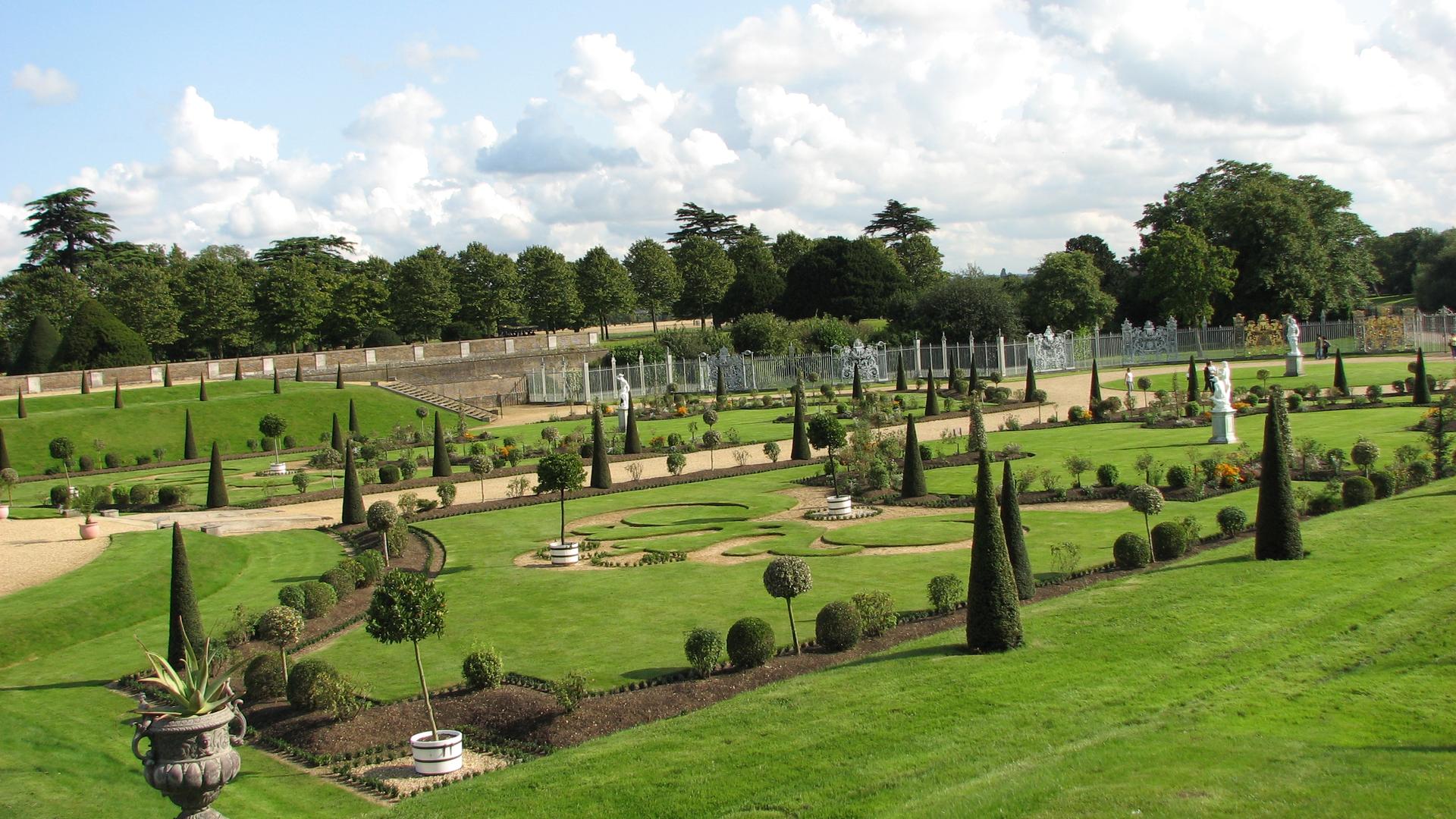
Looking beyond St Albans Cathedral? Discover Surrey for broader travel guides, local hot-spots, and regional highlights.
Explore Surrey

