Magna Carta, Surrey Travel Guide
Historic riverside meadow where Magna Carta was sealed in 1215, shaping the foundation of liberty and constitutional law.
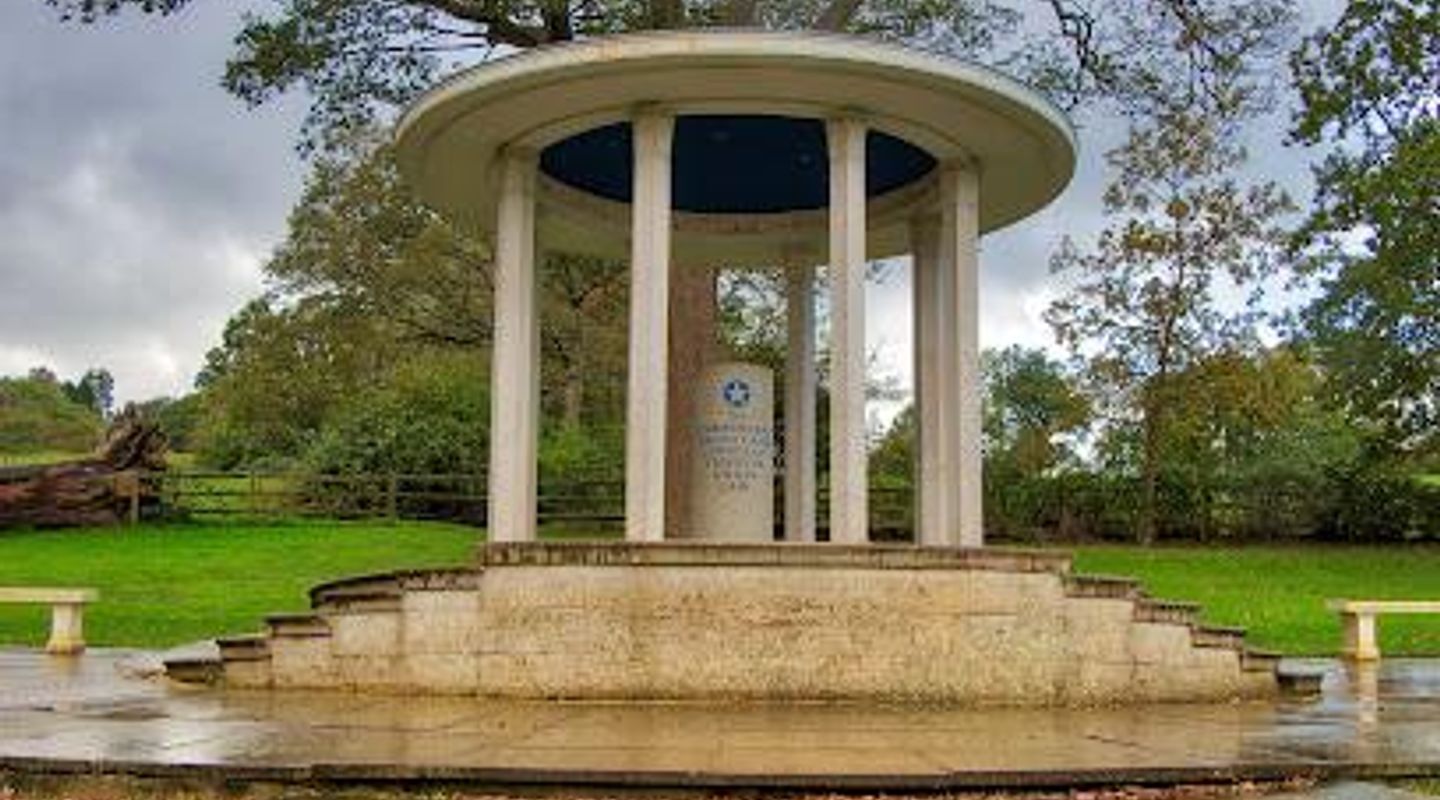
The Magna Carta site at Runnymede near Windsor is the historic meadow where King John sealed the Magna Carta in 1215, a foundational document limiting royal power and establishing key legal rights. This iconic landmark symbolizes the rule of law, individual liberties, and the origins of constitutional governance, drawing visitors to explore its rich history and tranquil riverside setting.
A brief summary to Magna Carta
- Windsor Rd, Windsor, Old Windsor, Englefield Green, TW20 0YU, GB
- Click to display
- Click to display
- Duration: 1 to 3 hours
- Mid ranged
-
 Outdoor
- Mobile reception: 4 out of 5

Know before you go
Hi, I'm Eve. Here are a few practical things to know before exploring Magna Carta.
- Visit early in the day for a tranquil experience and better photo opportunities of the riverside meadow.
- Explore the visitor centre to deepen your understanding of the Magna Carta’s historical context and legacy.
- Wear comfortable shoes as the site involves walking on natural terrain along the riverbank.
- Combine your visit with nearby Windsor attractions for a full day of history and culture.
Do you manage this location?
Take control to get all the benefits, like improved information, better appearance, and stronger visibility across AI-powered discovery. Learn more about listing your business on Evendo
Activate your presenceOther nearby places you may find interesting
The closest places of the same kind, if this one is not quite what you had in mind.
Explore Magna Carta on the Map
A handpicked selection of must-see spots near Magna Carta, mapped for you.
Unlock the Best of Magna Carta
Buy tickets
-
No tickets available
Book tours with entry


Book tours without entry

Getting There
-
Train and Bus
Take a train from London Waterloo to Egham station (approximately 40 minutes). From Egham, catch a local bus towards Runnymede or a taxi for a 10-minute ride to the Magna Carta site. Bus services run regularly but check schedules in advance. Train fares range from £10-£20 one way.
-
Car
Driving from central London takes about 45-60 minutes via the M25 and A308. Parking is available near the site but limited, so early arrival is recommended, especially on weekends. There is a moderate parking fee of around £5-£10.
-
Walking
For visitors staying in nearby Windsor or Old Windsor, a scenic 30-45 minute walk along the Thames Path leads to Runnymede. The terrain is mostly flat and suitable for most fitness levels but may be muddy after rain.
For the on-the-go comforts that matter to you
-
 Restrooms
-
 Information Boards
-
 Visitor Center
-
 Seating Areas
-
 Trash Bins
Discover more about Magna Carta
The Historic Signing of the Magna Carta
The Magna Carta, or "Great Charter," was sealed by King John on June 15, 1215, at Runnymede, a riverside meadow near Windsor. This landmark event marked a pivotal moment in history when the king was compelled by rebellious barons to accept limitations on his authority. The charter promised protection of church rights, protection from illegal imprisonment, swift justice, and restrictions on feudal payments to the Crown. Although initially annulled and followed by conflict, its legacy endured as a symbol of liberty and the foundation of constitutional law.Legacy and Legal Significance
Magna Carta laid the groundwork for many principles central to modern democracy and legal systems, including the rule of law, due process, trial by jury, and parliamentary governance. Its clauses inspired later documents such as the English Bill of Rights, the U.S. Declaration of Independence, and the U.S. Constitution. While originally focused on baronial rights, the charter evolved into a universal symbol of individual freedoms and legal protections against arbitrary power.The Runnymede Landscape and Setting
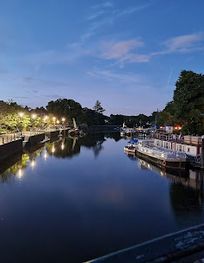
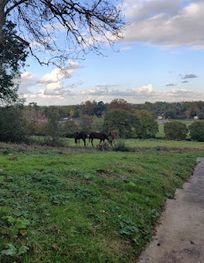
The site itself is a serene riverside meadow beside the Thames, offering a peaceful environment that contrasts with the momentous events of 1215. The natural beauty of the area includes open grassland, mature trees, and views of the river, making it a contemplative space for visitors reflecting on the charter’s enduring ideals. The location is managed by the National Trust, ensuring preservation and accessibility.Visitor Experience and Interpretation
Visitors to Magna Carta at Runnymede can explore the landscape that bore witness to this historic agreement. Interpretive panels and a visitor centre provide context on the charter’s origins, content, and impact. The site invites reflection on the evolution of rights and governance, connecting medieval history to contemporary concepts of justice and liberty.Symbolism and Global Influence
Beyond its English roots, Magna Carta resonates worldwide as an emblem of freedom and the limitation of governmental power. It has been cited by political leaders, legal scholars, and human rights advocates as a foundational document asserting that no one is above the law. Its influence extends to international human rights and constitutional law, underscoring its timeless relevance.Preservation and Cultural Importance
Runnymede and the Magna Carta site are protected as a heritage landmark, reflecting their cultural and historical importance. The National Trust maintains the grounds and facilitates educational programs, ensuring that this symbol of liberty continues to inspire future generations. The site remains a powerful reminder of the enduring struggle for justice and the rule of law.












Your all‑in‑one travel companion app
Explore expert travel guides, compare and book tours, experiences, hotels, and more—all from the palm of your hand. Download now for seamless trip planning wherever your wanderlust takes you.


Explore More of Surrey
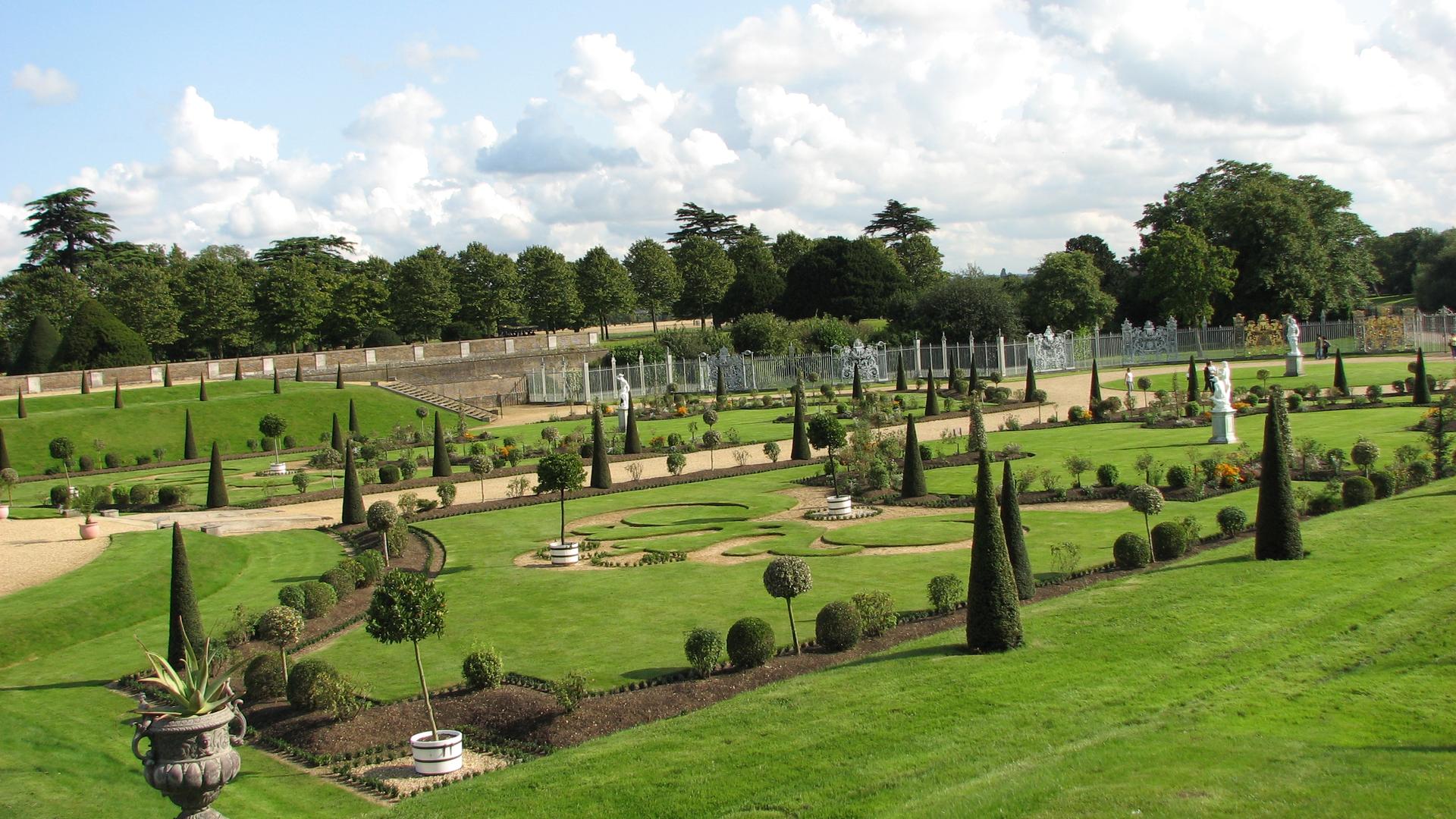
Looking beyond Magna Carta? Discover Surrey for broader travel guides, local hot-spots, and regional highlights.
Explore Surrey