
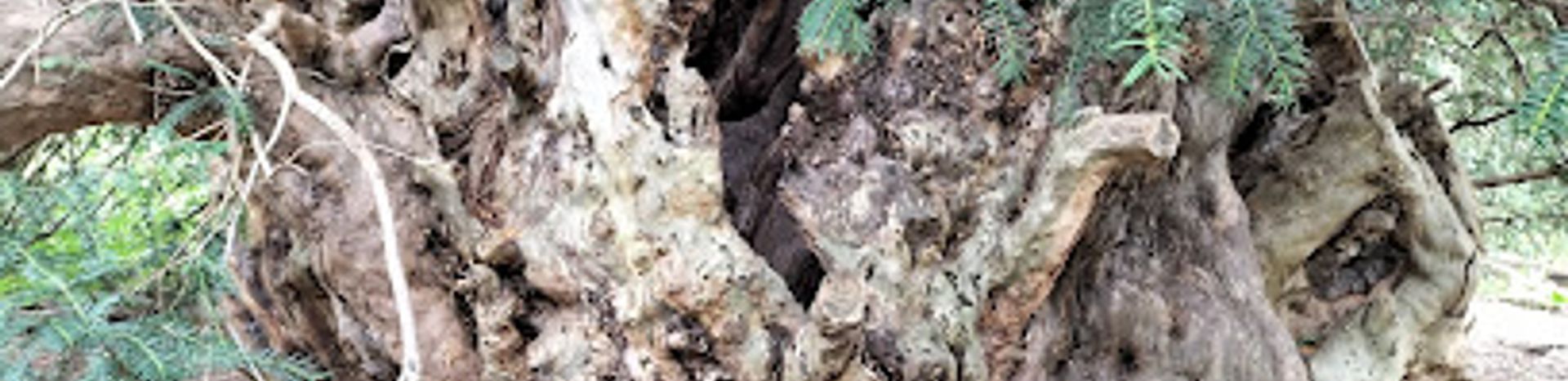
Ankerwycke Yew
Ancient yew, 2,500 years old, witness to Magna Carta and royal secrets on the Thames.
Stand beneath one of England's most ancient trees, a gnarled yew estimated between 1,400 and 2,500 years old, nestled beside the ruins of a 12th-century Benedictine priory on the banks of the River Thames. This venerable giant, with a girth of 8 metres, is said to have witnessed the sealing of Magna Carta and the secret courtship of Henry VIII and Anne Boleyn. Managed by the National Trust, Ankerwycke offers peaceful meadows, woodland walks, and a profound connection to English medieval history.
A brief summary to National Trust - Ankerwycke Yew
- Staines, Wraysbury, TW19 5AD, GB
- +441784432891
- Visit website
- Duration: 0.5 to 2 hours
- Free
-
 Outdoor
- Mobile reception: 4 out of 5
Local tips
- Wear waterproof Wellington boots, especially in winter and after rain. The meadows can become extremely muddy, making sturdy footwear essential for comfortable exploration.
- Visit during golden hour—early morning or late afternoon—for the best light when photographing the ancient yew and experiencing fewer crowds.
- Bring a picnic basket and enjoy the beautiful meadows surrounding the tree. The riverside setting provides a peaceful atmosphere for a leisurely meal.
- Keep dogs on a lead at all times, as cattle graze in the meadows. Observe all signage at gates and maintain a safe distance from grazing animals.
- Allow at least 30 minutes to an hour to fully appreciate the tree and explore the priory ruins. The circular walk takes approximately 30 minutes at a leisurely pace.

For the on-the-go comforts that matter to you
- Seating Areas
- Picnic Areas
- Trash Bins
- Information Boards
- Restrooms
Getting There
-
By Car
From the M25 motorway, exit at junction 13 onto the A30. At the roundabout junction with the M25, take the first exit if approaching from the south or the third exit from the north toward Wraysbury and the B376. Follow the road for approximately 1 mile until Magna Carta Lane appears on the left, just before entering the Wraysbury 30 mph zone. Turn onto Magna Carta Lane and proceed for 100 yards to the turning area and notice board marking the main entrance. Parking is limited to a small National Trust car park; during busy periods, consider visiting at quieter times. Estimated travel time from central London: 45–60 minutes depending on traffic.
-
By Train and Walk
Travel by train to Wraysbury railway station, located approximately 1.2 kilometres (0.8 miles) from Ankerwycke. From the station, walk via local roads toward Magna Carta Lane. Note that Wraysbury Road approaching Magna Carta Lane does not have a dedicated footpath, so use caution when walking along the road. The walk from the station to the site takes approximately 20–25 minutes. This option is ideal for those without a car and provides a pleasant introduction to the local countryside.
-
By Bus
Local bus services connect Wraysbury and surrounding areas to the site. Services vary seasonally and by day of the week; check local transport schedules for current routes and timetables serving the Wraysbury area. Bus stops are located in Wraysbury village, from which Magna Carta Lane is accessible via a 15–20 minute walk. Journey times from nearby towns such as Staines or Windsor typically range from 20–40 minutes depending on the service and traffic conditions.
-
By Bicycle
Cycling is a pleasant option for reaching Ankerwycke from nearby towns. The route via local roads to Magna Carta Lane is relatively flat and takes approximately 30–45 minutes from Wraysbury or Windsor depending on your starting point. Once at the site, bicycles can be secured near the car park. The surrounding countryside offers additional cycling opportunities for those wishing to explore the wider Runnymede and Thames Valley area.
National Trust - Ankerwycke Yew location weather suitability
-
 Any Weather
-
 Rain / Wet Weather
-
 Clear Skies
-
 Mild Temperatures
Discover more about National Trust - Ankerwycke Yew
A Living Monument to Medieval England
The Ankerwycke Yew stands as the National Trust's oldest tree and one of Britain's most historically significant natural monuments. Estimated to be between 1,400 and 2,500 years old, this ancient male yew possesses a girth of 8 metres and spreads its gnarled branches across a broad natural canopy near the River Thames. Its sheer age and resilience inspire awe in all who stand beneath it, offering visitors a tangible connection to centuries of English history. The tree's longevity is a testament to the fertile ground it occupies and the protective care it has received over generations.Witness to Magna Carta and Royal Intrigue
Legend holds that the Ankerwycke Yew stood witness to one of history's most pivotal moments: the sealing of Magna Carta by King John in 1215. While some accounts place this event on the opposite bank at Runnymede, the tree's proximity to the site and its location on slightly raised, dry ground within the Thames floodplain lend credibility to the claim that it may have observed this watershed moment in the struggle for rule of law. Beyond its association with Magna Carta, the tree is rumoured to be the place where Henry VIII conducted his early courtship with Anne Boleyn during the 1530s, adding layers of royal intrigue to its already remarkable story.The Priory and Medieval Landscape
Adjacent to the yew stand the ruins of St Mary's Priory, a Benedictine nunnery founded in the 12th century by Gilbert de Montfichet, Lord of the Manor. The priory grew to considerable wealth and influence, eventually owning over 960 acres of land by 1400, despite styling themselves as "the poor nuns of Ankerwycke." The medieval chalk-built structures that replaced earlier timber buildings around the cloister remain visible today, offering glimpses into monastic life. Following the Dissolution, the estate passed through various hands, including Sir Thomas Smith, a Tudor intellectual and Secretary of State, whose mansion incorporated the medieval walls. The landscape has evolved considerably since those medieval times, yet the priory ruins remain a poignant reminder of centuries past.A Sanctuary for Nature and Reflection
Ankerwycke Estate encompasses peaceful woodlands, open meadows, and wetland habitats managed under Countryside Stewardship to enhance biodiversity. The site is rich with wildlife, including kingfishers, owls, bats, and a variety of birds and insects. Cattle graze in the meadows during much of the year, playing a vital role in maintaining these habitats. The Thames-side location provides scenic backdrop and opportunities for quiet contemplation, making it an ideal destination for those seeking both historical immersion and natural tranquility. Recent improvements by the National Trust, completed in 2024 as part of the Runnymede Explored Project, have enhanced accessibility with new pathways, boardwalks, and information panels.Visiting the Ancient Giant
Visitors access the Ankerwycke Yew via marked paths through Ankerwycke Meadow, beginning from a small National Trust car park on Magna Carta Lane. A gentle circular walk of approximately 1 kilometre takes visitors through the orchard, past the black walnut tree, and through woodland before arriving at the yew itself. The tree's sprawling canopy creates a natural shelter, and standing beneath its ancient branches offers a profound sense of stepping back in time. The site is free to access and open during daylight hours year-round, though ground conditions can be muddy, particularly in winter months. Photography enthusiasts find the golden hours of early morning and late afternoon particularly rewarding for capturing the tree's majestic form.Iconic landmarks you can’t miss

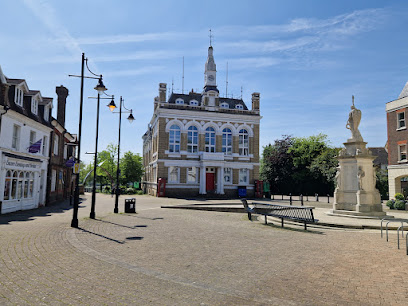
Staines War Memorial
3.2 km
A dignified Portland stone monument in Staines Market Square honoring local heroes of both World Wars with annual Remembrance ceremonies.
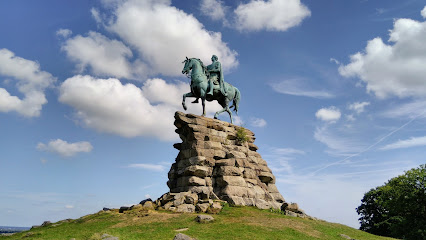
King George III & His Horse Statue
3.7 km
Majestic bronze statue of King George III atop Snow Hill, crowned by stunning views along Windsor Great Park’s historic Long Walk.
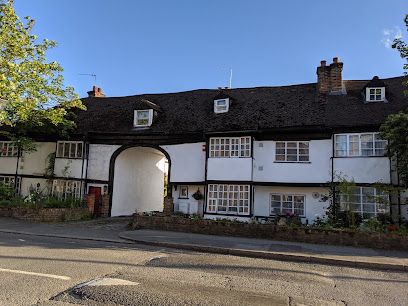
King John's Palace
4.9 km
Step into medieval England at King John's Palace, a royal residence and charity school with centuries of history in Colnbrook.
Harry Greenwood Blue Plaque
5.2 km
Discover the legacy of WWI hero Lt Col Harry Greenwood at his birthplace marked by a blue plaque in historic Windsor.
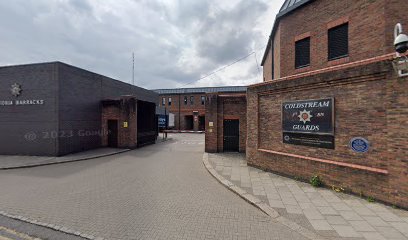
St Anne's Well
5.3 km
Discover the tranquil historic spring of St Anne's Well, a sacred site famed for its healing waters and medieval spiritual heritage.
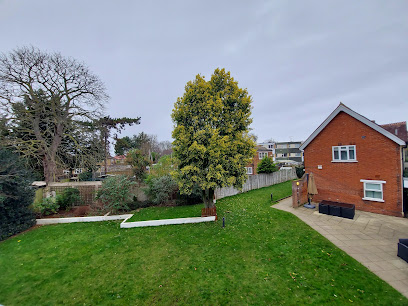
The Windsor Lady (The Queen and her Corgis)
5.3 km
Celebrate Queen Elizabeth II’s enduring love for her iconic corgis at Windsor’s charming historical landmark, The Windsor Lady.
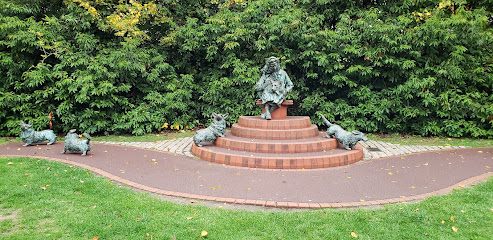
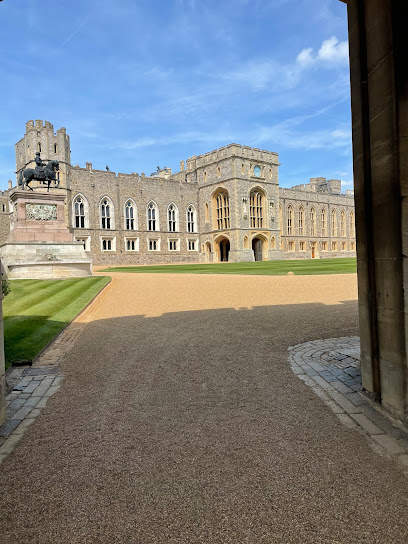
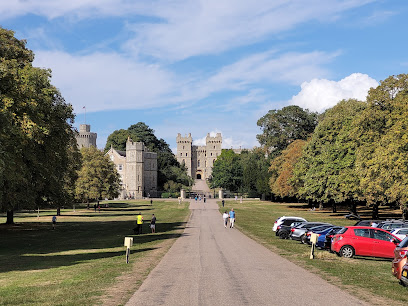
Windsor Castle Quadrangle
5.4 km
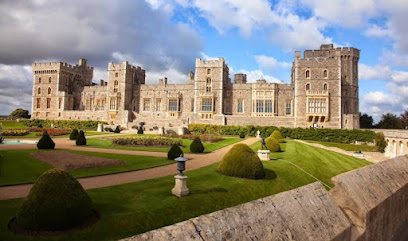
The ceremonial heart of Windsor Castle where royal pageantry, Gothic architecture, and 700 years of monarchy converge.
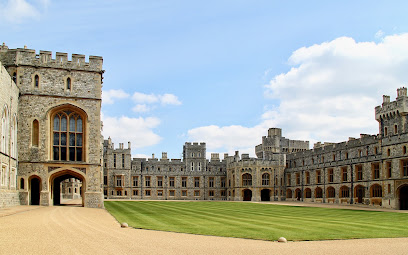
King Edward III Tower
5.4 km
Explore the majestic King Edward III Tower, a stunning medieval landmark within Windsor Castle offering rich history and scenic Thames views.
Mary Delany and Fanny Burney blue plaque
5.4 km
A commemorative plaque honoring Mary Delany’s botanical artistry and Frances Burney’s literary legacy at Windsor Castle’s historic wall.
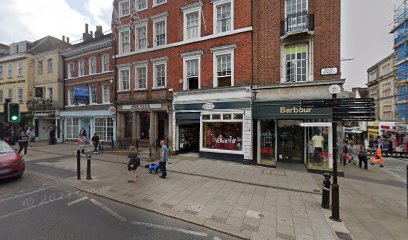
H. G. Wells White Plaque
5.5 km
Discover the H. G. Wells White Plaque on Windsor’s High Street, marking the early footsteps of a legendary science fiction pioneer.
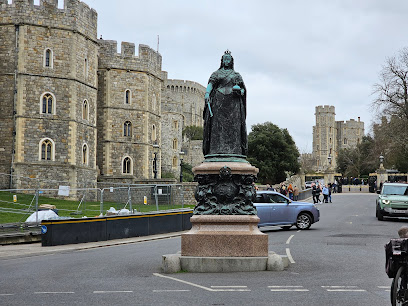
Queen Victoria Statue
5.5 km
A majestic bronze tribute to Queen Victoria’s Golden Jubilee, standing proudly at Windsor Castle’s entrance, celebrating Victorian royal heritage.
The Curfew Tower
5.6 km
Explore the medieval Curfew Tower, a historic bell tower and fortress sentinel within Windsor Castle’s ancient walls.
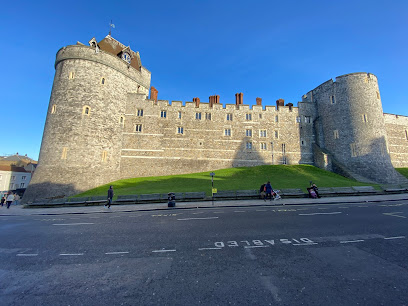
Bronze Plaque № 10828
5.7 km
A subtle yet significant bronze plaque marking Windsor’s rich historical heritage on Thames Street.
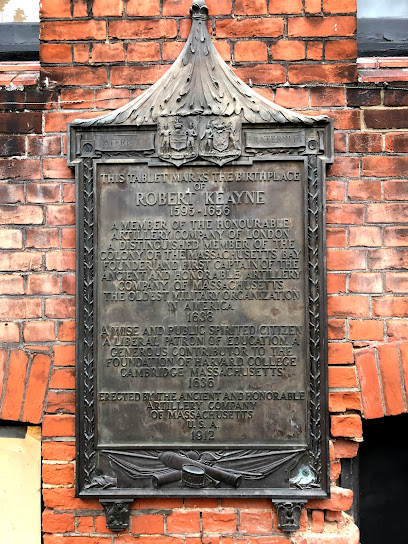
Windsor Martyrs' Memorial
5.7 km
A solemn tribute in Windsor honoring Protestant martyrs who bravely faced persecution during England's Reformation.
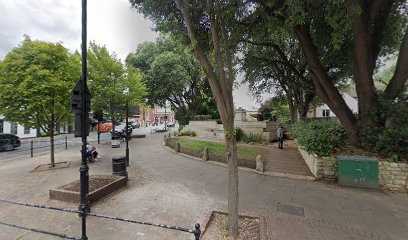
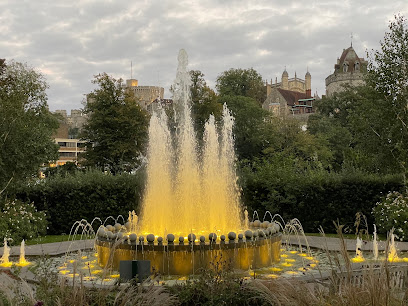
Diamond Jubilee Water Fountains
5.8 km
Immerse yourself in the beauty and history of the Diamond Jubilee Water Fountains, a captivating landmark in Windsor celebrating Queen Elizabeth II.
Unmissable attractions to see

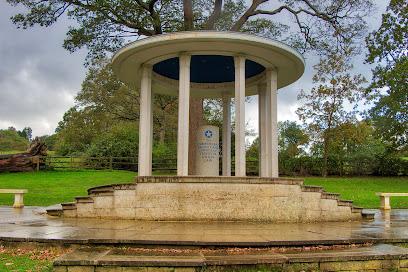
Magna Carta
0.7 km
Explore the historic Magna Carta site, a UNESCO World Heritage location that represents the foundations of democracy and justice.
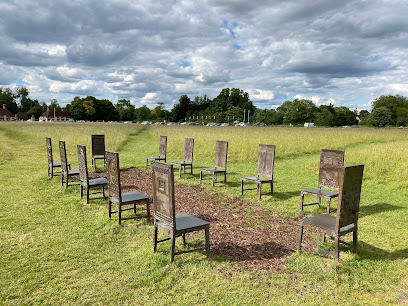
The Jurors
0.7 km
A powerful circle of ten bronze chairs at Runnymede, commemorating Magna Carta and inviting reflection on justice, freedom and the voices that shape them.
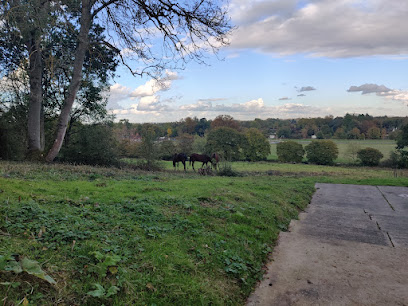
John F Kennedy Memorial
0.8 km
Explore the John F. Kennedy Memorial in Englefield Green, a serene tribute surrounded by stunning gardens, reflecting JFK’s lasting legacy.
Runnymede Air Forces Memorial
1.0 km
A solemn Grade II* listed memorial honoring over 20,000 WWII airmen lost without graves, set amidst historic Runnymede’s scenic landscape.
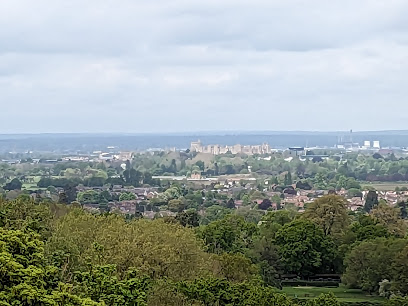
Lammas Recreation Ground
2.5 km
A vibrant riverside park in Staines offering boating, mini golf, splash park, and family-friendly outdoor fun along the Thames.
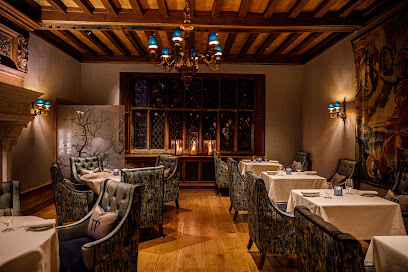
The Tudor Pass at Great Fosters
3.2 km
Exclusive Michelin-starred dining at Great Fosters, blending historic Tudor charm with seasonal, locally sourced culinary artistry in an intimate setting.
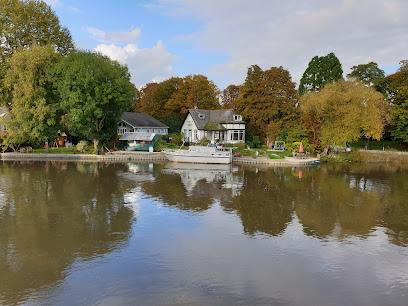
Two Rivers
3.2 km
A vibrant riverside shopping and leisure destination in Staines, blending retail, dining, and entertainment with modern amenities and scenic charm.
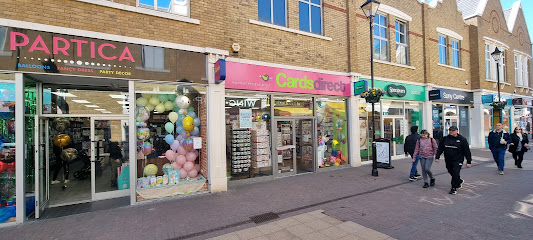
Elmsleigh Shopping Centre
3.4 km
A vibrant shopping hub in Staines-upon-Thames, blending popular brands and local shops with convenient access and modern amenities.

Windsor Great Park Illuminated
3.5 km
A magical winter light trail through Windsor Great Park’s enchanting woodland, alive with dazzling displays and festive cheer.
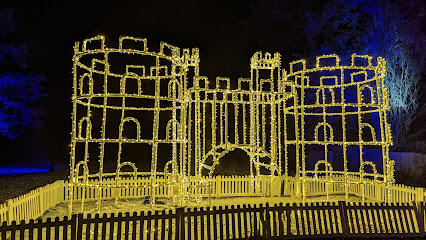
The Savill Garden
3.5 km
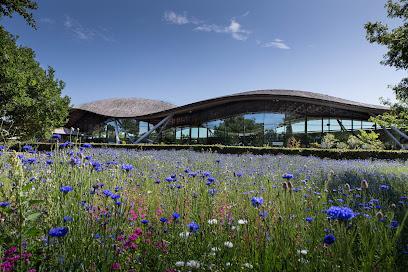
A 35-acre royal botanical garden in Windsor Great Park, blending historic charm with vibrant seasonal displays and tranquil woodland walks.
Albert Bridge
3.5 km
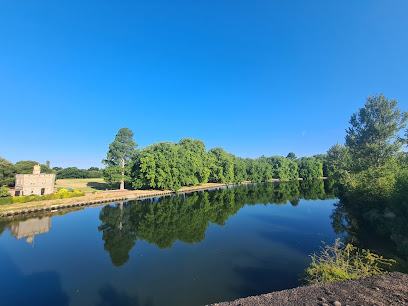
Explore the stunning Victorian architecture and picturesque views at Albert Bridge, a charming landmark in Windsor along the scenic River Thames.
Boris the Bear
4.1 km
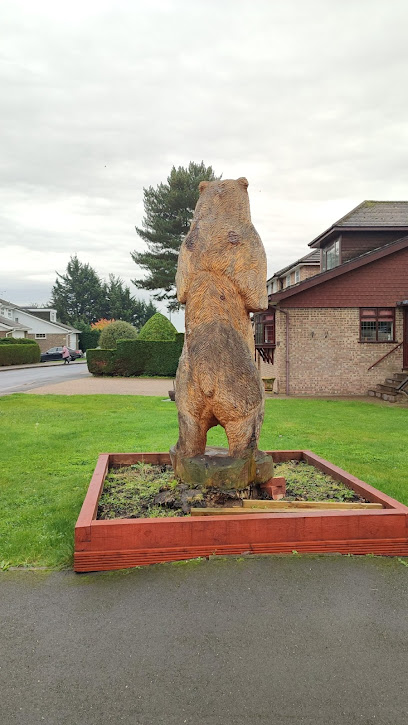
Discover the enchanting world of Boris the Bear in Datchet, a delightful tourist attraction perfect for families and bear enthusiasts alike.
Truss's Island
4.1 km
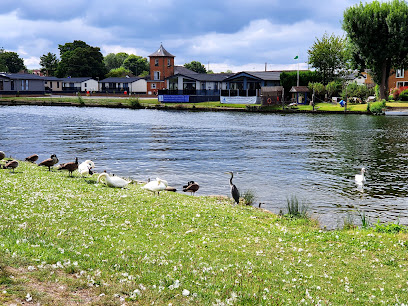
A tranquil Thames river island blending 18th-century heritage with natural beauty near Staines.
Frogmore House and Gardens
4.2 km
An intimate royal retreat where centuries of monarchy found solace in elegant gardens and private chambers.
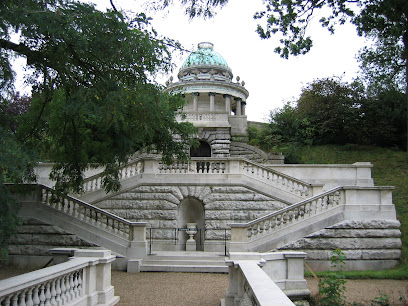
Duchess of Kent Mausoleum
4.3 km
A serene royal memorial nestled in the tranquil gardens of Frogmore Estate, honoring Queen Victoria’s mother with Victorian elegance.
Essential places to dine

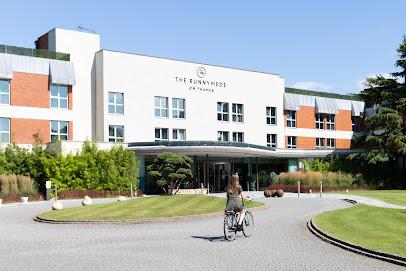
The Runnymede on Thames Hotel and Spa
1.5 km
Tranquil riverside luxury with spa, pools, and scenic views near historic Runnymede in Egham.
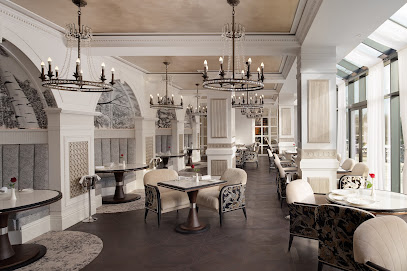
1215 Restaurant
2.6 km
Refined British fine dining inspired by history, local produce, and seasonal elegance in the heart of Surrey’s Fairmont Windsor Park.
The Loch & The Tyne by Adam Handling Old Windsor
2.7 km
A refined yet relaxed modern British gastropub in Old Windsor, blending bold flavors, sustainable sourcing, and rustic charm under chef Adam Handling.
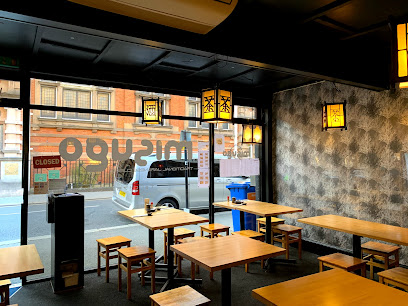
Misugo Japanese Windsor
5.3 km
Authentic Japanese flavors and fresh sushi crafted with passion in a warm, family-run setting in Windsor.
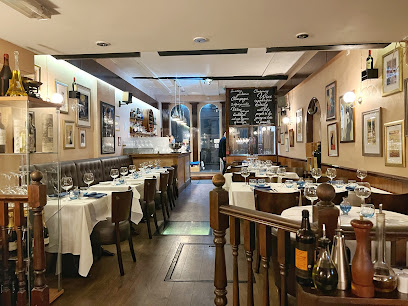
À la Russe
5.3 km
Experience authentic French cuisine and elegant dining just steps from Windsor Castle at À la Russe, a cherished culinary gem on High Street.
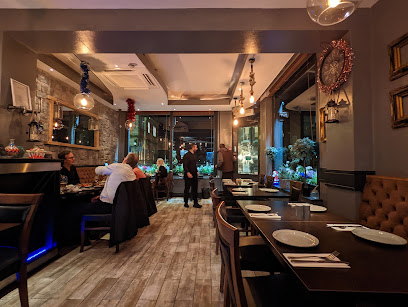
Best Meze Grill
5.3 km
Experience the rich, authentic flavors of Turkish meze and grilled specialties in a warm, inviting atmosphere in the heart of Windsor.
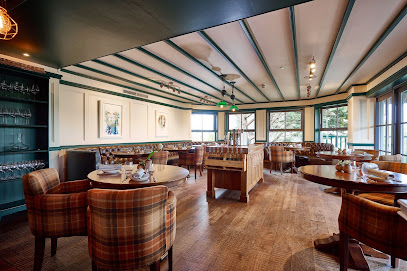
Windsor Grill
5.4 km
Experience expertly grilled British and European classics in a relaxed, elegant setting at Windsor Grill in the heart of Windsor.
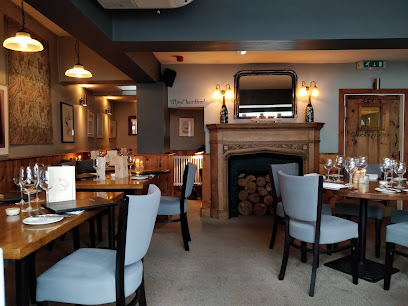
Meat At The Parish
5.4 km
A vibrant steakhouse and cocktail bar in Windsor offering expertly dry-aged steaks and a cozy, contemporary atmosphere near Windsor Castle.
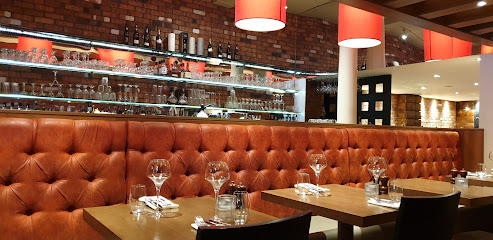
Long Walk Grill
5.4 km
Cozy Mediterranean dining with stone-baked pizzas and fresh seafood in the heart of historic Windsor’s High Street.
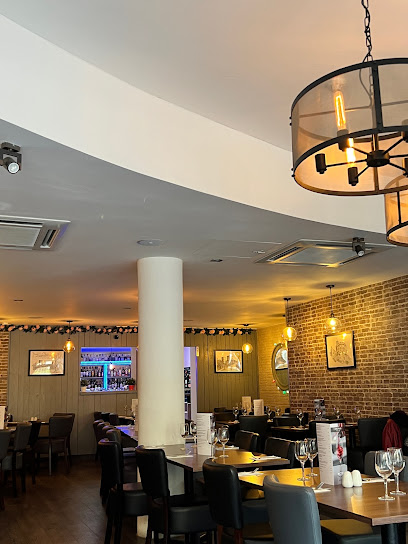
The Queen Charlotte
5.4 km
A welcoming British pub near Windsor Castle, offering hearty roasts, local ales, and cozy charm in the heart of Windsor.
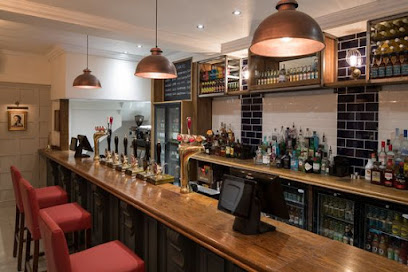
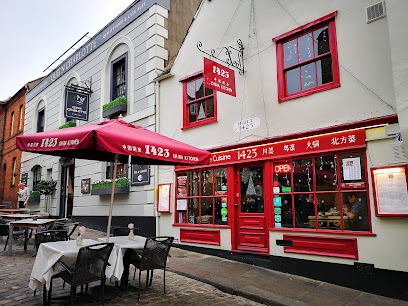
1423 China Kitchen
5.4 km
Experience authentic Chinese flavors in a historic Windsor setting, blending centuries-old heritage with vibrant Cantonese, Sichuan, and Shanghainese cuisine.
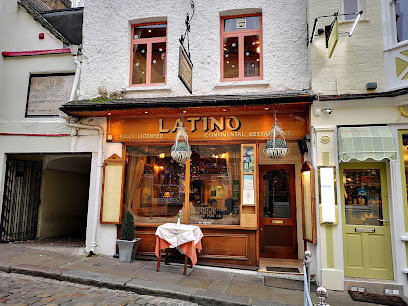
Latino
5.4 km
Experience authentic Latin American flavors in a vibrant, spotless setting at the heart of Windsor’s lively dining scene.
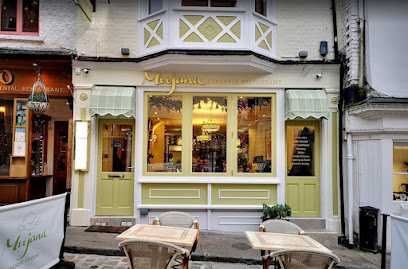
Maison Meejana
5.4 km
Discover authentic Lebanese cuisine in a cozy Windsor setting, blending traditional flavors with modern hospitality near Windsor Castle.
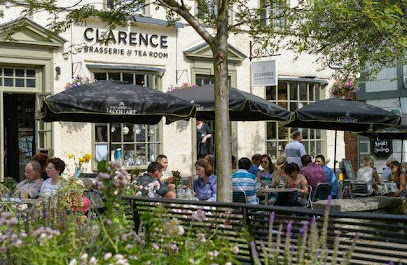
Clarence Brasserie & Tea Room
5.4 km
A cozy blend of Italian flavors and traditional English tea near Windsor Castle, perfect for relaxed dining and classic afternoon tea.
Eighteen
5.4 km
Elegant dining on Windsor’s High Street, blending classic charm with modern culinary excellence and warm hospitality.
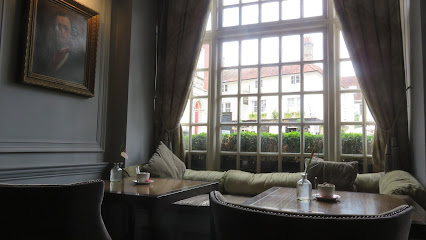
Markets, malls and hidden boutiques

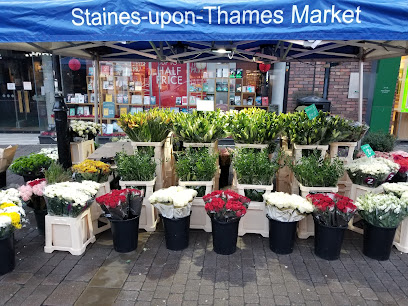
Staines Market
3.4 km
Experience the vibrant tradition of Staines Market, where fresh local produce and diverse stalls bring community spirit to Staines High Street.
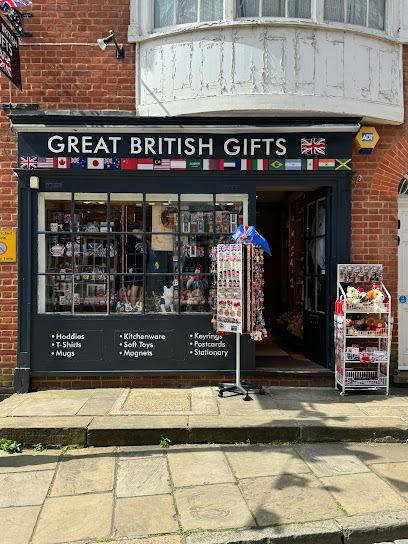
Great British Gifts
5.4 km
Discover authentic British souvenirs and artisan treasures just steps from Windsor Castle at Great British Gifts.
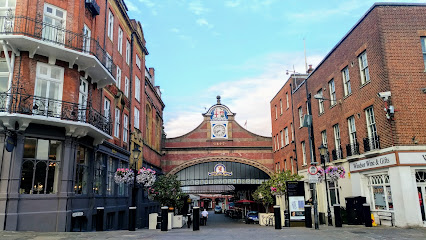
Windsor Gifts & Souvenirs
5.4 km
Discover charming and affordable keepsakes at Windsor Gifts & Souvenirs, your perfect stop for memorable treasures near Windsor Castle.
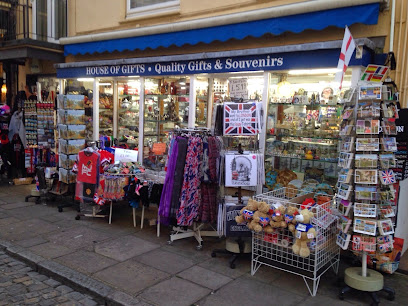
House Of Gifts
5.5 km
Discover charming Windsor souvenirs and gifts at House Of Gifts, your friendly stop near the castle for memorable keepsakes and affordable treasures.
Roz Clarke
5.5 km
Discover chic elegance and personalized style at Roz Clarke, Windsor’s premier boutique for women’s fashion, accessories, and expert styling advice.

Vinegar Hill
5.5 km
A curated lifestyle shop in Windsor offering stylish homewares, gifts, and fashion in a warm, boutique setting.
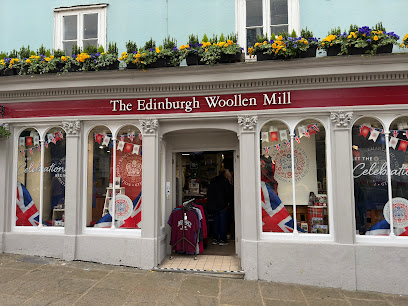
The Edinburgh Woollen Mill
5.5 km
Discover timeless Scottish knitwear and classic styles at The Edinburgh Woollen Mill in Windsor’s historic Castle Hill.
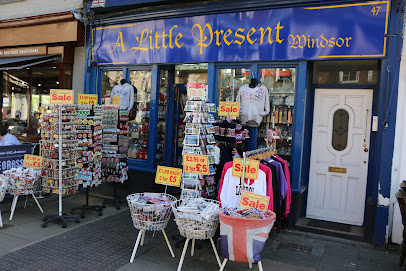
A Little Present
5.5 km
Explore 'A Little Present' in Windsor - your destination for unique gifts, handcrafted souvenirs, and local treasures to cherish forever.
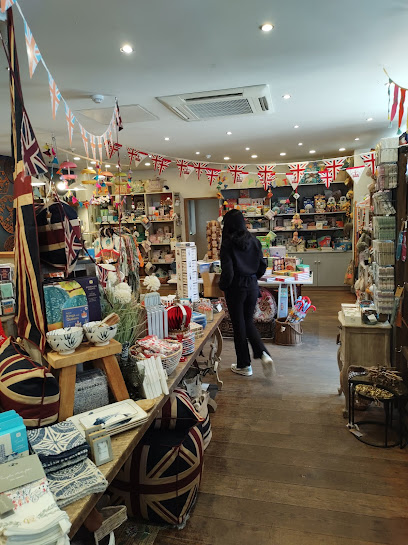
King & Queen Gift Shop
5.5 km
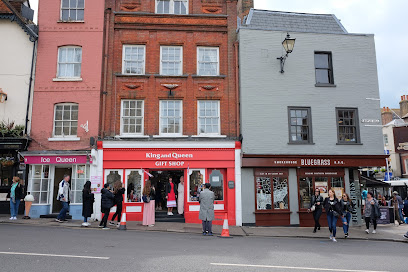
Discover royal-themed gifts and charming souvenirs steps from Windsor Castle at the King & Queen Gift Shop.
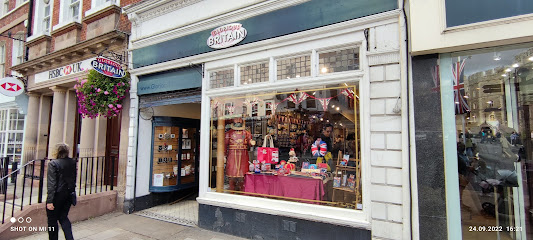
Glorious Britain
5.5 km
Discover authentic British souvenirs and gifts in the heart of historic Windsor at Glorious Britain gift shop.
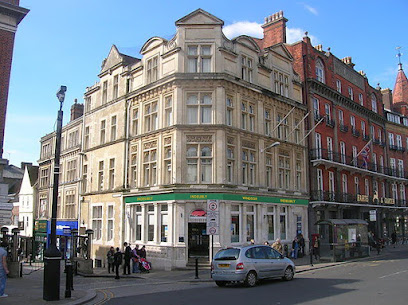
Indelibly Windsor
5.5 km
Discover Windsor’s culture and heritage through unique gifts and expert visitor services at Indelibly Windsor on High Street.
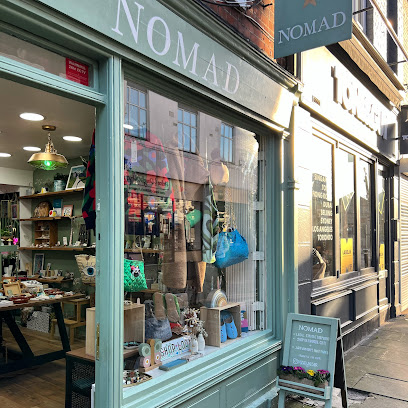
Nomad Concept Store
5.5 km
A vibrant concept store and art studio in Windsor, blending vintage fashion, handmade crafts, and spiritual curiosities in a colorful, bohemian space.
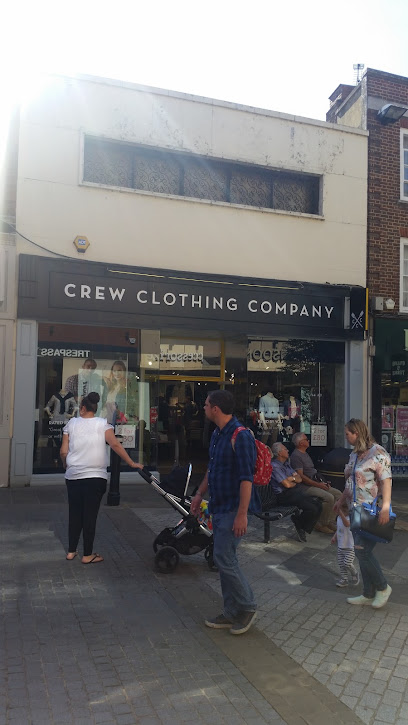
Crew Clothing
5.5 km
Classic British smart casual wear in the heart of historic Windsor, blending timeless style with quality craftsmanship.
Temptation Gifts
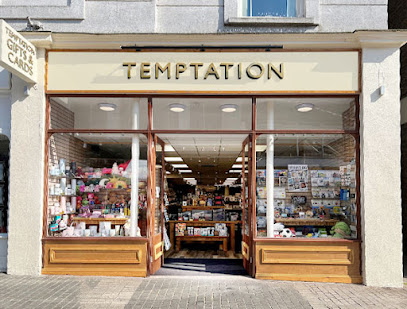
5.5 km
Discover unique gifts and over 1,000 greeting cards in Windsor’s welcoming and ever-changing Temptation Gifts store on Peascod Street.
The Works
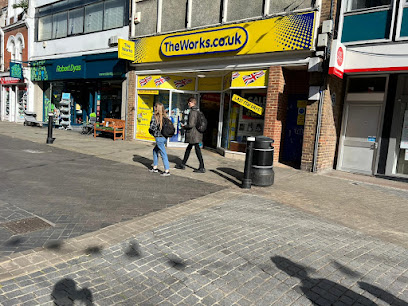
5.5 km
Affordable books, crafts, toys, and stationery in the heart of Windsor’s vibrant shopping district.
Essential bars & hidden hideouts

The Kings Arms
1.4 km
Award-winning boutique pub, restaurant, and inn in Egham offering elevated British classics, stylish rooms, and warm hospitality near Windsor.
Turtle Bay Staines
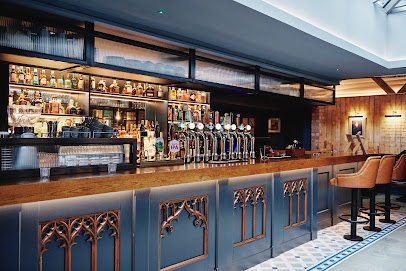
3.3 km
Experience vibrant Caribbean flavors, tropical cocktails, and lively island vibes in the heart of Staines-upon-Thames.
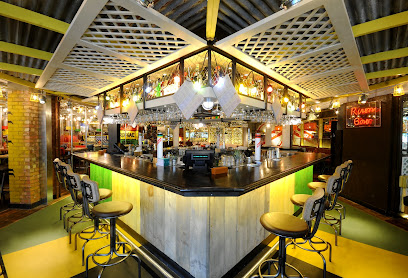
The Two Brewers
5.2 km
Historic 18th-century pub near Windsor Castle offering classic British ales, cozy ambiance, and a charming floral exterior.
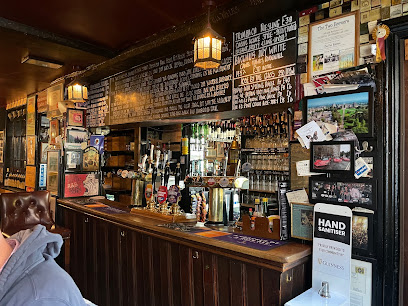
The Corner House
5.2 km
A lively two-floor pub and sports bar in Windsor, offering great drinks, live sports on HD screens, and versatile event spaces.
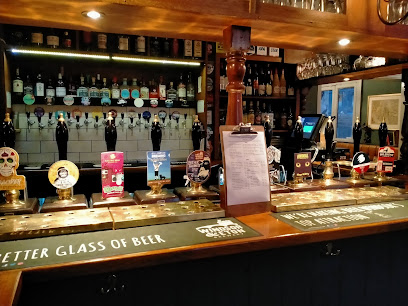
The Acre
5.3 km
A lively Windsor bar with engaging karaoke, live music, and a welcoming atmosphere for locals and visitors alike.

The Prince Harry
5.4 km
Historic pub steps from Windsor Castle, serving traditional British fare and real ales in a charming, centuries-old setting.
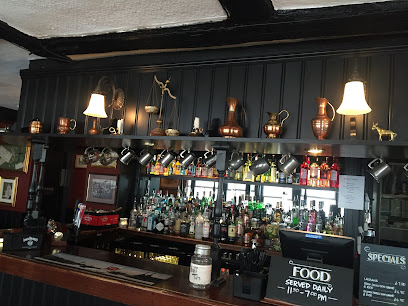
The Cobbles
5.4 km
Cozy cocktail bar in a historic 17th-century building opposite Windsor Castle, blending heritage charm with exceptional drinks and warm service.
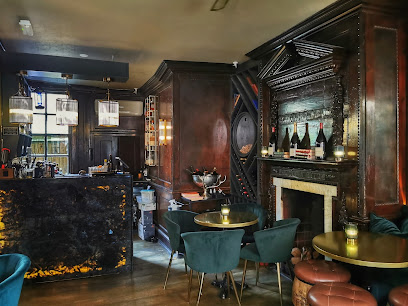
The Shambles
5.5 km
Discover Windsor’s award-winning bar housed in a charmingly tilted historic building, famed for creative cocktails and warm hospitality.
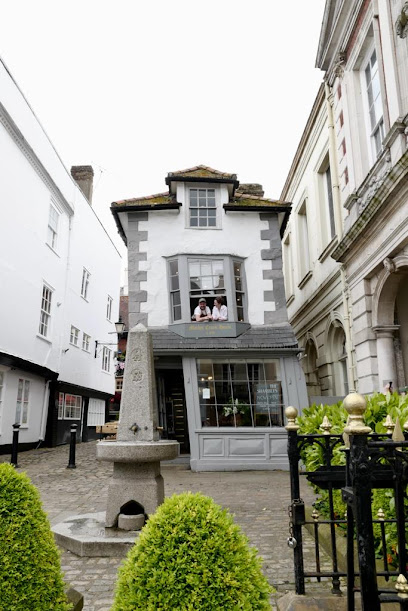
The Carpenters Arms
5.5 km
Historic pub in Windsor serving classic British fare and cask ales in a welcoming, artisan-inspired setting near Windsor Castle.
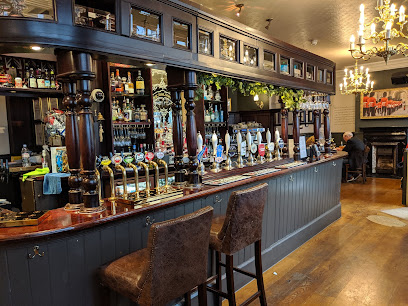
The Sinner Bar
5.5 km
A stylish cocktail bar in Windsor offering vibrant nightlife, expertly crafted drinks, and an intimate, seductive atmosphere.
No5 St Leonards Road
5.5 km
Elegant cocktails, sparkling chandeliers, and a welcoming atmosphere combine at No5 St Leonards Road, Windsor’s premier cocktail bar.
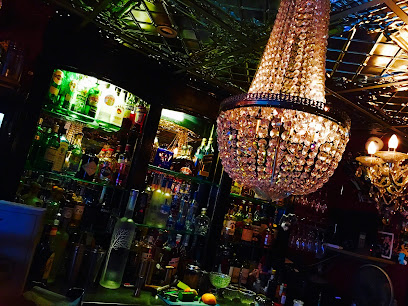
The Horse & Groom
5.5 km
Historic and welcoming English pub opposite Windsor Castle, offering hearty food, local ales, and cosy accommodation in the heart of Windsor.
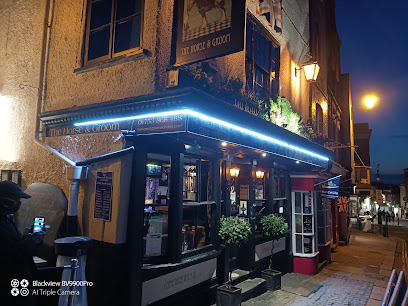
The Queen Victoria
5.5 km
Step into The Queen Victoria for an authentic 18th-century English pub experience with hearty food, real ales, and a welcoming, dog-friendly atmosphere in Windsor.
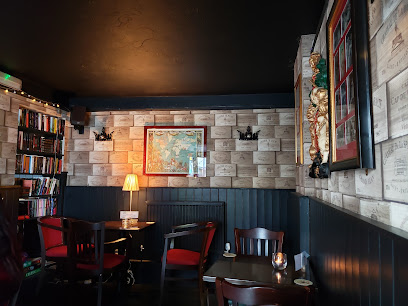
The Piper Art Bar
5.5 km
Discover a vibrant Scottish-themed bar and contemporary art space in the heart of Windsor, offering an extensive whisky selection and eclectic ambiance.
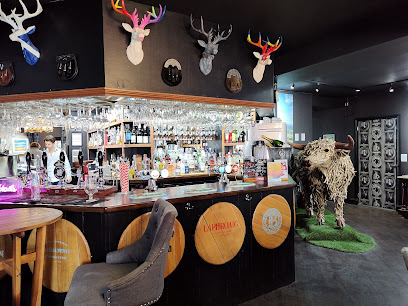
The King & Castle - JD Wetherspoon
5.7 km
A spacious, friendly JD Wetherspoon pub in Windsor offering affordable drinks and classic British fare near the historic Windsor Castle.
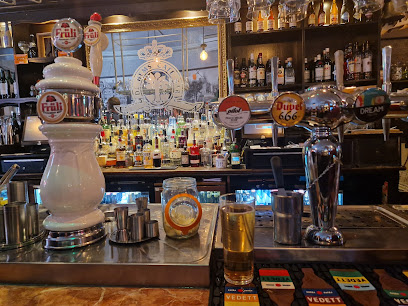
Nightclubs & after hour spots

Labyrinth Nightclub Windsor
5.6 km
Experience Windsor’s vibrant nightlife with live DJs, multiple bars, and an electrifying atmosphere at Labyrinth Nightclub.
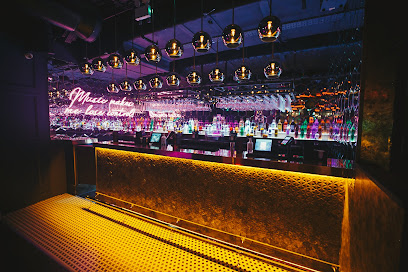
Pink Gentleman's Club.
5.6 km
Sophisticated adult entertainment with exclusive VIP rooms and topless pole shows in the heart of Windsor’s nightlife scene.
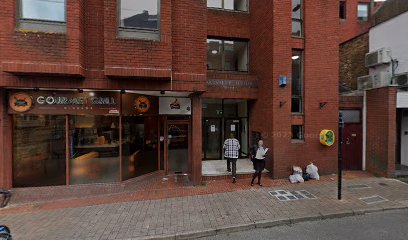
The Scotch
5.6 km
Windsor’s iconic Victorian arch nightclub blending historic charm with eclectic music and circus-themed nightlife.
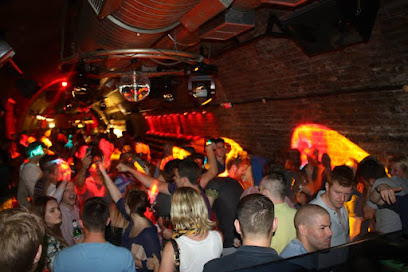
The Boom
5.6 km
Historic arches meet vibrant beats at The Boom, Windsor’s energetic nightclub and bar for unforgettable nights.
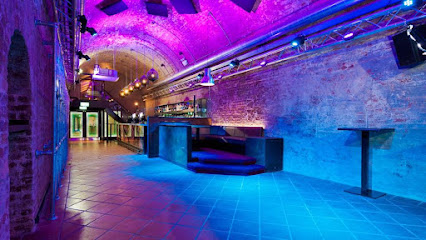
The Music & Words Club
5.8 km
Discover the heartbeat of Windsor at The Music & Words Club, where live performances and creative energy come alive in a cozy atmosphere.

The Binfield Club
16.3 km
Historic social club in Binfield offering vibrant nightlife, live music, sports, and community events in a welcoming atmosphere.
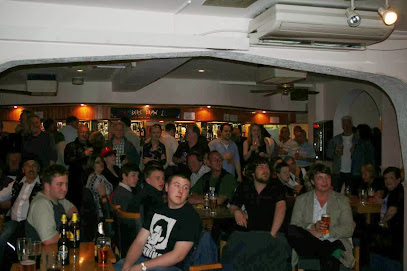
Winkers Nightclub
18.2 km
A lively, budget-friendly nightclub in Gerrards Cross offering energetic music and a casual local vibe for weekend partygoers.
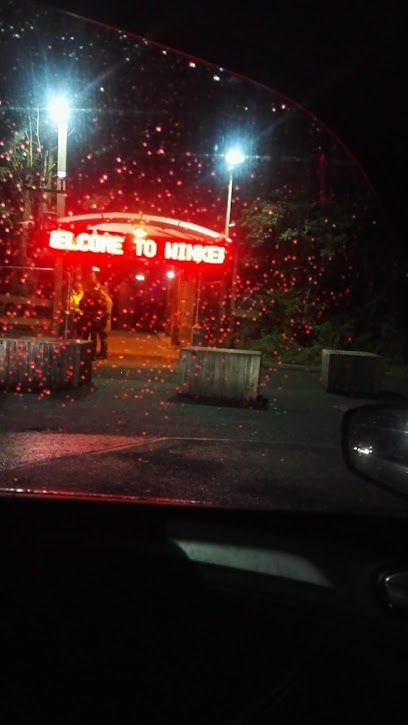
Diligence
22.1 km
Experience the vibrant nightlife and dynamic music scene at Diligence, High Wycombe’s energetic nightclub on London Road.

Lost In Disco
23.5 km
An intimate West London disco night celebrating 1970s–80s funk, soul and floor-filling classics with DJs, guest singers and a glittering dancefloor.
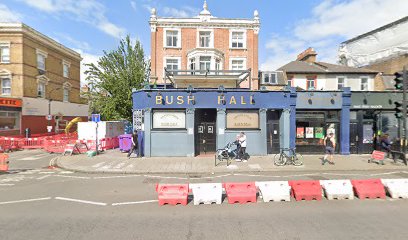
Le Fez
23.6 km
Experience Putney’s premier Moroccan-inspired nightclub with lush lounges, vibrant dancefloors, and unforgettable late-night entertainment.
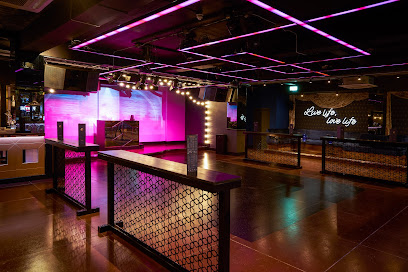
Trilogy Nightclub High Wycombe
24.5 km
A lively multi-room nightclub in High Wycombe offering dynamic music, vibrant crowds, and late-night fun on Paul’s Row.

The Venue, Bucks
24.5 km
Experience High Wycombe’s vibrant nightlife at The Venue, Bucks – a lively nightclub with great music, friendly staff, and a welcoming atmosphere.

Ricco London
24.7 km
A plush, performance‑led lounge in Kensington Olympia where cocktails, Mediterranean sharers and cabaret create theatrical late‑night nights.

Electric House
25.6 km
Experience the vibrant social scene at Electric House, a chic social club in Notting Hill, London, blending style, comfort, and culinary delights.
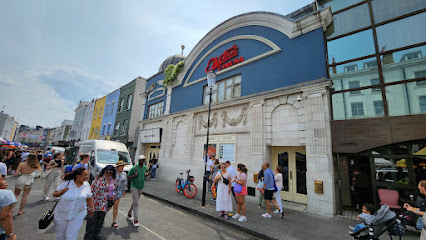
The Duke of Wellington
25.6 km
Historic Young's pub on Portobello Road: Victorian screens, market views, British roasts, and Notting Hill legends in every pint.
For the vibe & atmosphere seeker
- Scenic
- Tranquil
- Unique
- Adventurous
For the design and aesthetic lover
- Rustic Designs
For the architecture buff
- Historic
- Sacred Sites
- Parks & Gardens
For the view chaser and sunset hunter
- Iconic Views
- Panoramas
- Waterfront
- Sunset Spots
For the social media creator & influencer
- Instagrammable
- Photo Spots
- Architectural Shots
For the eco-conscious traveler
- Protected Area
- Eco-Friendly
- Locally Managed
- Wildlife Habitat
- Public-Transport Accessible
For the kind of experience you’re after
- Myth & Legends
- Cultural Heritage
- Photowalk
- Nature Escape
- Day Trip
- Mindfulness
For how adventurous you want the journey to be
- Easy Access
- Requires Hike
Location Audience
- Family Friendly
- Senior Friendly
- Child Friendly
- Pet Friendly
- Solo Friendly
- Couple Friendly
- Wheelchair Access


