
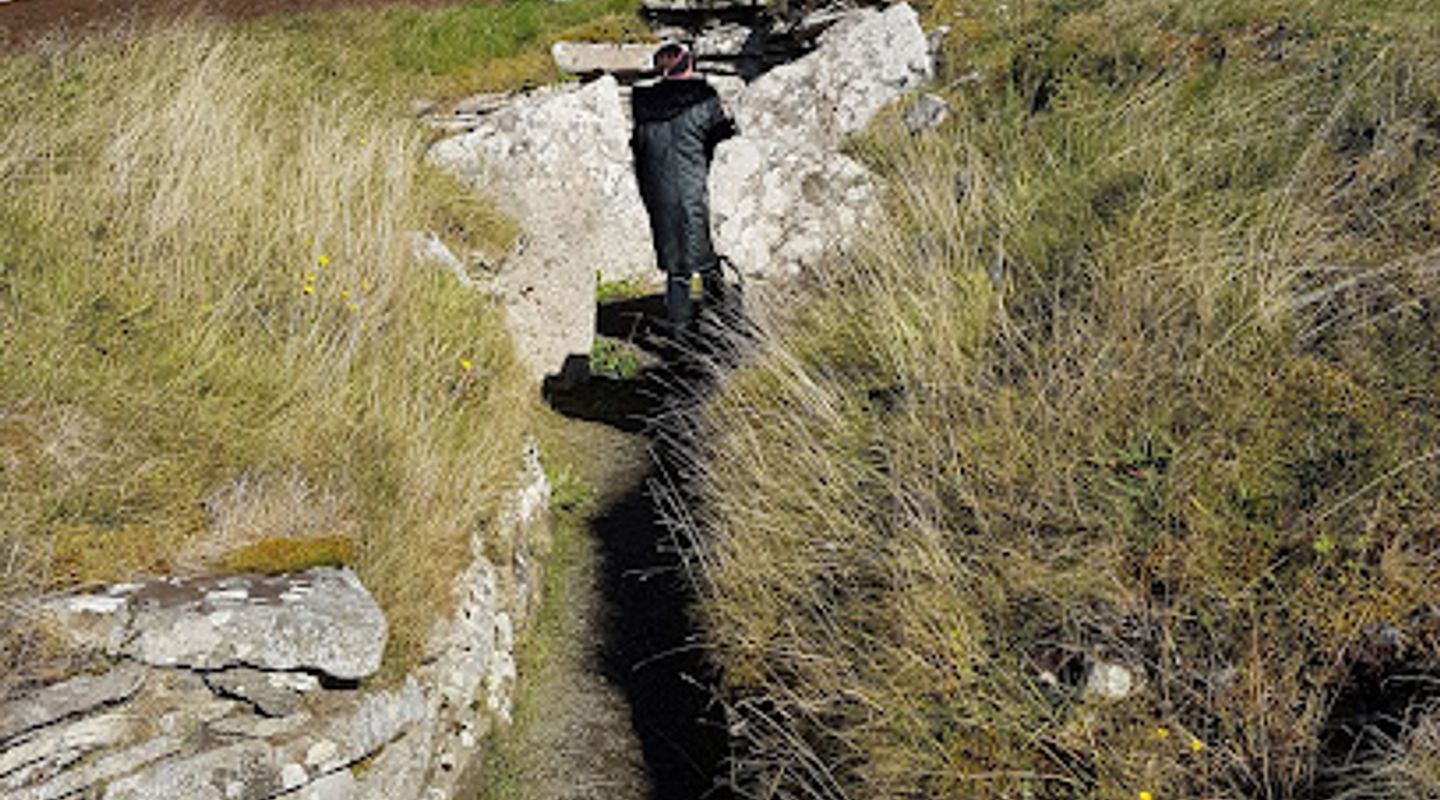
Cairn of Get, Sutherland Travel Guide
Discover Cairn o'Get, a 5,000-year-old chambered burial cairn standing as a silent testament to ancient ritual life in northern Scotland’s prehistoric landscape.
Cairn o'Get is a prehistoric chambered burial cairn near Lybster, Scotland, dating back around 5,000 years. Originally standing over 3 meters tall with a corbelled central chamber accessed by a paved passage, it served as a significant ritual site for cremations and burials. Today, the roofless cairn and upright stones remain visible within a rich archaeological landscape, offering insight into ancient burial practices and the evolving human settlement patterns of northern Scotland.
A brief summary to Cairn of Get
- Lybster, GB
- Click to display
- Duration: 0.5 to 2 hours
- Free
-
 Outdoor
- Mobile reception: 3 out of 5

Know before you go
Hi, I'm Eve. Here are a few practical things to know before exploring Cairn of Get.
- Wear sturdy footwear and be prepared for a walk over rough, boggy terrain to reach the cairn.
- Visit during daylight hours to fully appreciate the site's details and surrounding landscape.
- Bring weather-appropriate clothing as the area is exposed and can be windy or wet.
- Respect the site by not climbing on the fragile stone structures to help preserve them.
Do you manage this location?
Take control to get all the benefits, like improved information, better appearance, and stronger visibility across AI-powered discovery. Learn more about listing your business on Evendo
Activate your presenceOther nearby places you may find interesting
The closest places of the same kind, if this one is not quite what you had in mind.
Explore Cairn of Get on the Map
A handpicked selection of must-see spots near Cairn of Get, mapped for you.
Getting There
-
Car
Driving from Lybster to Cairn o'Get takes approximately 20 to 30 minutes. The final approach involves a walk over rough, uneven terrain, so park at the designated area near the site. Parking is limited and there are no facilities at the cairn itself.
-
Bus and Walk
Take a regional bus from Wick or Thurso to Lybster, with journey times ranging from 45 to 70 minutes depending on the departure point. From Lybster, expect a 30 to 45-minute walk over uneven and boggy ground to reach the cairn. Wear suitable footwear and plan for limited shelter.
-
Walking
For experienced walkers, a hike from Lybster to Cairn o'Get takes about 1 to 1.5 hours across rural and boggy terrain. The path is unpaved and can be challenging in wet weather, so proper gear and navigation skills are recommended.
For the on-the-go comforts that matter to you
-
 Information Boards
Discover more about Cairn of Get
Echoes of Prehistoric Rituals
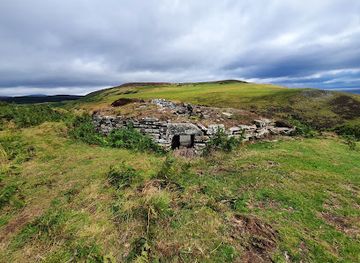
Cairn o'Get is a remarkable round chambered cairn located near Lybster in northern Scotland, constructed approximately 5,000 years ago during the Neolithic period. Originally, the cairn's walls would have soared over 3 meters high, capped by massive lintel stones forming a corbelled central chamber. Visitors enter through a short, paved passage leading to this chamber, which was once roofed but is now open to the sky due to stone robbing in the 19th century. This tomb was used for cremations and burials, reflecting the ritual beliefs and funerary practices of early farming communities in the region.Archaeological Significance and Landscape Context
The cairn sits within an exceptionally well-preserved prehistoric landscape rich with monuments spanning several millennia. Excavations in the 19th and 20th centuries revealed that while some original deposits were removed, the site still offers valuable insights into ancient land use and social organization. The cairn features projecting 'horns' and is edged by a double wall, suggesting a complex construction that served as a fixed ritual point amid a landscape of transient settlements. Nearby, four short cists have been found, further emphasizing the area's long-term significance as a burial and ceremonial site.Historical Changes and Conservation
First excavated in 1866, Cairn o'Get has undergone periods of neglect and partial collapse, with the roof lost before early archaeological investigations. The site came under state guardianship in 1961, ensuring its protection and ongoing study. Minor excavations in 1985 and detailed mapping in 2004 have contributed to understanding the cairn's construction and its role within the broader prehistoric environment. The loss of the roof and stone robbing for local building projects in the 19th century have altered its original appearance, but the monument remains a powerful symbol of ancient ritual landscapes.Visitor Experience and Setting
Approaching Cairn o'Get involves a walk across rough, boggy terrain, which adds to the sense of remoteness and connection to the ancient environment. The cairn and its upright stones are still clearly visible, standing as silent witnesses to thousands of years of human history. The surrounding landscape is evocative and tranquil, offering visitors a contemplative experience amid prehistoric remains that shaped the development of northern Scotland’s farming communities.Architectural Features and Cultural Insights
Despite the loss of its roof, the cairn's architectural elements, including the paved passage and upright stones marking the entrance, reveal sophisticated construction techniques. The use of large lintel stones and double walls indicates the importance of the site in prehistoric ritual life. The cairn’s enduring presence highlights shifts in land use from transient to more permanent settlements, reflecting broader social and economic changes in Neolithic Scotland.Connection to Wider Prehistoric Scotland
Cairn o'Get is part of a network of burial cairns and prehistoric sites across northern Scotland, sharing cultural and material links such as the use of flint tools sourced from distant areas. This connectivity underscores the cairn’s role not only as a local ritual site but also as part of a wider prehistoric landscape where communities engaged in shared beliefs and practices over millennia.












Your all‑in‑one travel companion app
Explore expert travel guides, compare and book tours, experiences, hotels, and more—all from the palm of your hand. Download now for seamless trip planning wherever your wanderlust takes you.


Explore More of Sutherland

Looking beyond Cairn of Get? Discover Sutherland for broader travel guides, local hot-spots, and regional highlights.
Explore Sutherland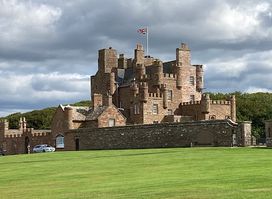
Explore the historic Castle & Gardens of Mey, a royal Highland sanctuary blending heritage, stunning coastal views, and tranquil gardens.
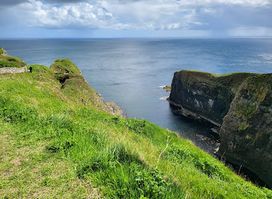
Descend the historic 330+ stone steps to a hidden natural harbour framed by towering cliffs and rich maritime heritage in Caithness.
