

Free Sutherland Travel Guide & Mobile App
Explore Sutherland with free travel guides. Discover regional history, expert tips, proposed trips, and audio guides on web or mobile app.


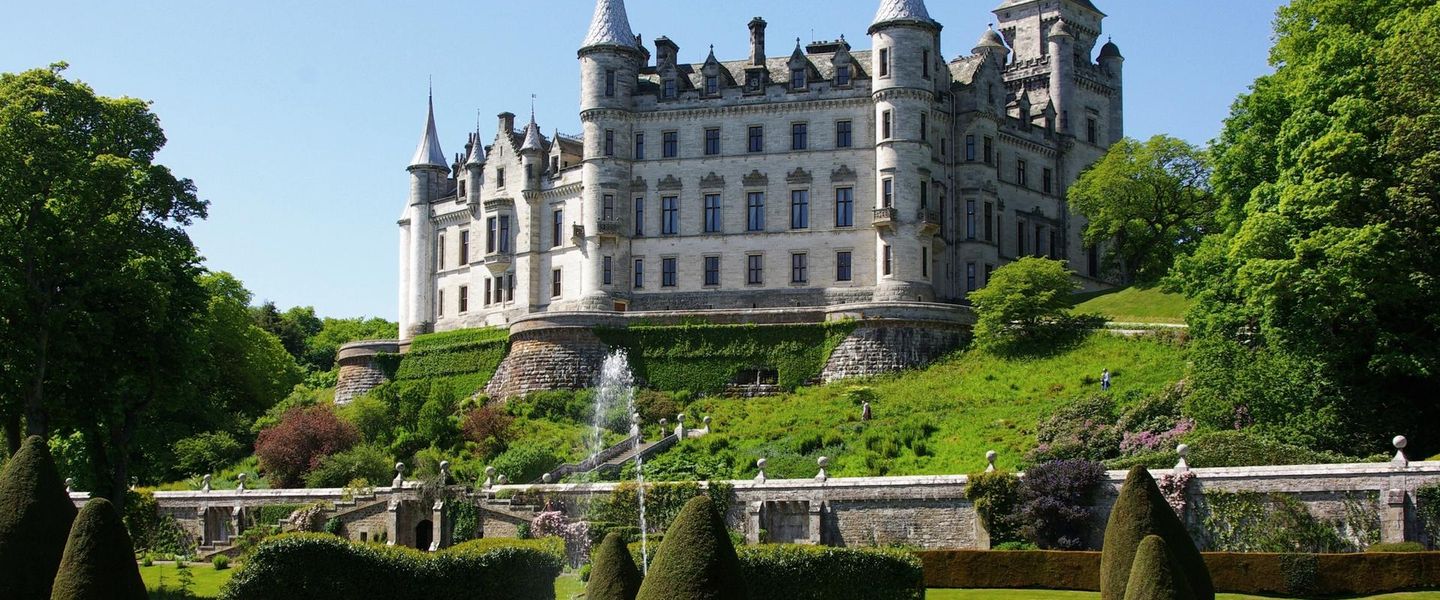


Explore Sutherland’s wild Atlantic shores, mountain landscapes, ancient sites, crofting heritage and remote Highland roads in northern Scotland.
Read more about Sutherland
When is the best time to visit Sutherland?
Best: June–August · 15–17°C| Month | High (°C) | Rainfall (mm) |
|---|---|---|
| January | 5 | 80 |
| February | 6 | 70 |
| March | 7 | 70 |
| April | 9 | 60 |
| May | 13 | 60 |
| June (best) | 15 | 70 |
| July (best) | 17 | 80 |
| August (best) | 16 | 80 |
| September | 14 | 70 |
| October | 11 | 80 |
| November | 7 | 80 |
| December | 6 | 80 |
Getting to and around Sutherland
How to get there
Transportation
Top city travel guides in Sutherland
The cities of Sutherland, and the easiest places to base yourself.

Swipe for more cities
Best attractions in Sutherland
Sutherland’s attractions are primarily landscape-based, but they are interwoven with archaeology, local history and outdoor activity. In Assynt, visitors can explore the shores of Lochinver and Kylesku, walk among distinctive mountains such as Suilven and Quinag, and seek out sites including Ardvreck Castle and Clachtoll Broch. Durness combines Smoo Cave, Balnakeil Bay and access towards Cape Wrath, while Scourie provides a base for boat trips and wildlife excursions to Handa Island. The northern interior presents a quieter, peatland landscape at Forsinard Flows, where boardwalks and interpretation explain the ecology of the Flow Country. On the east coast, Dunrobin Castle and its grounds provide a major historic attraction, while Dornoch offers cathedral history, a compact old town and beaches beside the firth. Walking, birdwatching, geology, kayaking, surfing and scenic driving are central experiences, but conditions and access arrangements vary considerably by season.
-
Castle
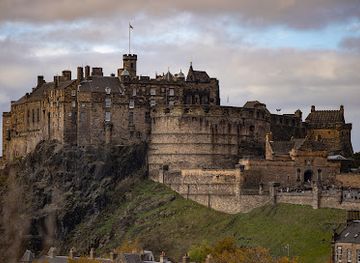
Edinburgh Castle
Historic fortress atop Edinburgh’s Castlehill, home to Scotland’s Crown Jewels and iconic panoramic city views.
-
Castle
Stirling Castle
Explore Stirling Castle’s majestic Renaissance palace, historic halls, and stunning gardens atop Scotland’s iconic volcanic crag.
-
Park and Garden
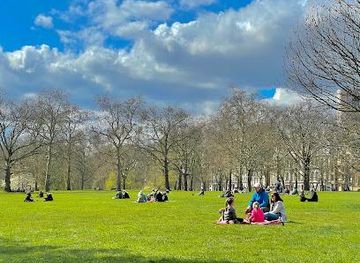
The Green Park
A tranquil 40-acre Royal Park in central London offering peaceful lawns, historic memorials, and scenic views near Buckingham Palace.
-
 Castle
Urquhart Castle
Explore the dramatic ruins of Urquhart Castle, perched on Loch Ness with panoramic Highland views and over a millennium of Scottish history.

Best landmarks in Sutherland
Dunrobin Castle near Golspie is one of Sutherland’s most recognisable buildings, its château-like architecture and formal setting reflecting the long prominence of the earls of Sutherland. Dornoch Cathedral, founded in the thirteenth century, anchors the historic town and remains an important example of medieval ecclesiastical architecture in the far north. On the west coast, Ardvreck Castle stands in a dramatic position beside Loch Assynt, its ruined walls associated with the MacLeods and later the MacKenzies. Castle Varrich, a small medieval tower above Tongue, commands views over the Kyle of Tongue and represents the region’s layered clan history. Natural landmarks are equally important: Suilven and Quinag define the Assynt skyline, Ben Hope is the highest mountain wholly within Sutherland, and Cape Wrath marks the exposed north-western edge of mainland Britain. The broad peatlands of the Flow Country provide a less monumental but internationally significant landscape landmark, shaped by water, bog vegetation and immense horizons.
-
Monument
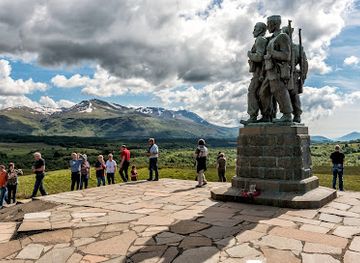
Commando Memorial
A stirring World War II tribute set against breathtaking Highland vistas, honoring the bravery of British Commandos.
-
Historical landmark
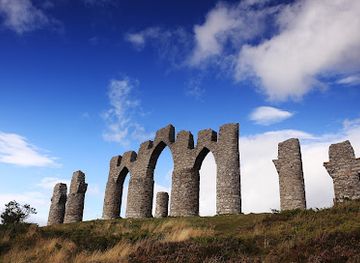
Fyrish Monument
An iconic Highland landmark blending Indian-inspired architecture with rich history and breathtaking views over the Cromarty Firth.
-
Historical landmark
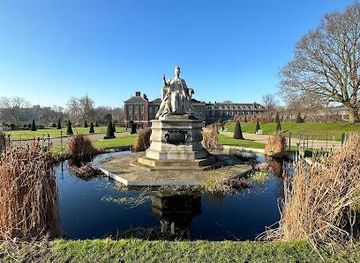
Queen Victoria Statue
A majestic marble statue by Princess Louise honors Queen Victoria’s youth and legacy outside her birthplace, Kensington Palace.
-
Hotel
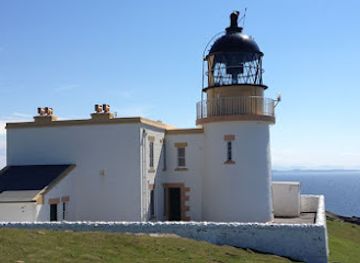
Stoer Lighthouse
Experience a unique self-catering lighthouse stay with panoramic coastal views on Scotland’s remote and rugged Stoer Head.
Explore Sutherland on the map
Plan your trip on one map. See where the top cities, national parks and sights are, and book hotels and experiences in a few clicks.
Best hotels in Sutherland
Best restaurants in Sutherland
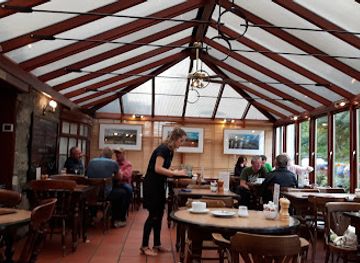
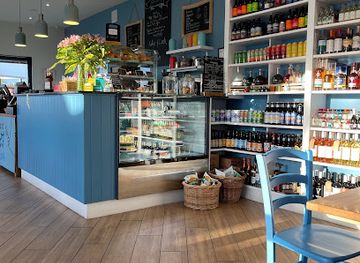
Sutherland’s dining reflects its coast, crofting tradition and long distances between settlements. Seafood is prominent, with locally landed fish and shellfish appearing in restaurants, cafés and seasonal food outlets along the western and northern coasts. Highland beef, lamb, venison and game feature in menus, while smoked products, farmhouse baking, soups and hearty lunches suit the region’s outdoor culture. Durness, Lochinver, Scourie, Dornoch, Golspie and other larger settlements offer the widest choice, ranging from cafés and bakeries to pubs, hotels and contemporary restaurants. Small shops and community stores are useful for picnic supplies, though opening arrangements can be limited outside the main season. Farmers’ markets and local food producers may offer preserves, breads, oat-based baking and other regional provisions. Scottish whisky and craft beer are widely available, but dining traditions are not confined to alcohol: tea rooms, coffee shops and simple takeaway food are important parts of the rural food landscape.
-
Gift shop
The Storehouse
A charming Highland retreat offering fresh local fare, vegan delights, and stunning Cromarty Firth views in a welcoming farm shop and gift boutique.
-
Restaurant
The Pier
Relax and savor local flavors with breathtaking panoramic views over Loch Shin at The Pier in Lairg.
-
Restaurant
Lochinver Larder
Savor handcrafted Highland pies amid stunning Scottish scenery in the welcoming village of Lochinver.
-
Cafe
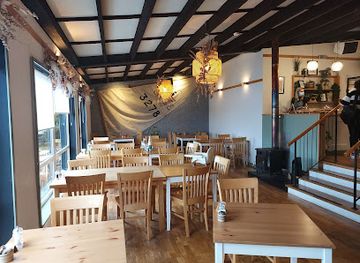
Highland Farm Cafe
Eco-friendly Highland Farm Cafe in Dingwall offers hearty British fare, scenic views, and cyclist-friendly amenities in a welcoming rural setting.
Best bars in Sutherland
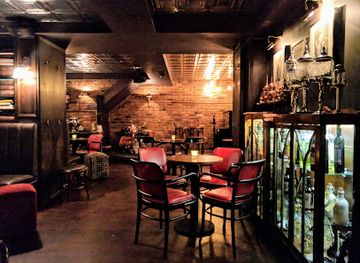
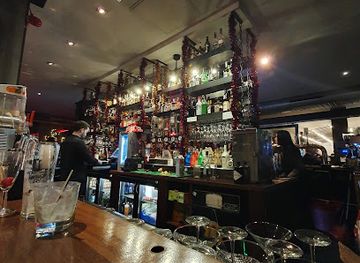
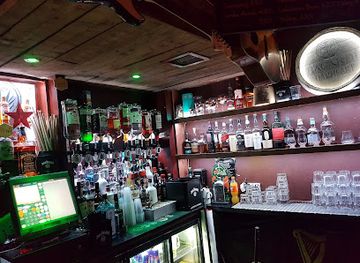
Sutherland has little conventional nightclub culture; evenings are centred on pubs, hotel bars, cafés, restaurants and occasional live music rather than late-night entertainment. Dornoch, Golspie, Brora, Helmsdale, Lochinver and Durness provide some of the region’s most accessible evening options, although choice and opening arrangements vary with the season and the size of the settlement. Traditional pubs may serve local ales, whisky and straightforward meals, while community venues sometimes host music, ceilidhs or other events. Coastal villages can feel particularly quiet outside summer, and remote areas may have no evening venue within easy walking distance. Visitors should plan transport carefully, avoid driving after drinking and check locally before relying on a late meal or bar. The region’s evening appeal often lies in dark skies, coastal walks, conversation and live community events rather than a large entertainment district.
-
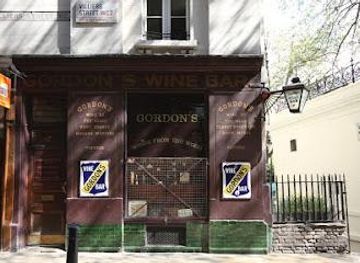
Wine bar
Gordon's Wine Bar
Step into London's oldest wine bar, where history, candlelight, and award-winning wines create an unforgettable cellar experience.
-
Cocktail bar
Nightjar Shoreditch
Step into Nightjar Shoreditch for an authentic 1920s speakeasy experience with innovative cocktails and live jazz every night.
-
Live music bar
Maggies Rock n Rodeo
Experience Glasgow’s wild side with live music, line dancing, and a mechanical bull at Maggie’s Rock n Rodeo in Merchant City.
-
Live music bar
Whistlebinkies
Edinburgh’s legendary underground live music bar offering free entry, vibrant bands, and a cozy vaults atmosphere every night until the early hours.
Best nightclubs in Sutherland
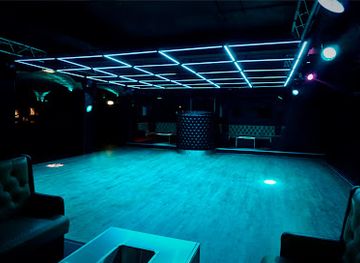
Sutherland has little conventional nightclub culture; evenings are centred on pubs, hotel bars, cafés, restaurants and occasional live music rather than late-night entertainment. Dornoch, Golspie, Brora, Helmsdale, Lochinver and Durness provide some of the region’s most accessible evening options, although choice and opening arrangements vary with the season and the size of the settlement. Traditional pubs may serve local ales, whisky and straightforward meals, while community venues sometimes host music, ceilidhs or other events. Coastal villages can feel particularly quiet outside summer, and remote areas may have no evening venue within easy walking distance. Visitors should plan transport carefully, avoid driving after drinking and check locally before relying on a late meal or bar. The region’s evening appeal often lies in dark skies, coastal walks, conversation and live community events rather than a large entertainment district.
-
Nightclub
Why Not Nightclub
Edinburgh’s energetic late-night hotspot with unique LED rooms, lively crowds, and a spacious outdoor garden for unforgettable nights.
-
Nightclub
Popworld Glasgow
Popworld Glasgow: Dive into a vibrant world of cheesy pop hits, retro fun, and unforgettable party nights in the city centre.
-
Nightclub
Shanghai Nightclub
Edinburgh’s underground hotspot blending Oriental charm, vibrant music, and exclusive nightlife on George Street.
-
Nightclub
The Bongo Club
Edinburgh’s vibrant underground nightclub blending diverse music, live events, and a welcoming community spirit in the heart of Old Town.



Best shops in Sutherland
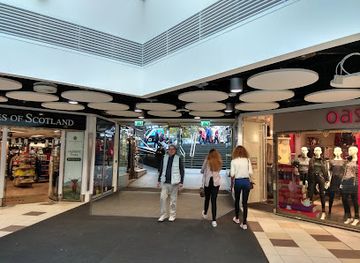
Shopping in Sutherland is concentrated in small market towns and village centres rather than large retail districts. Dornoch has the broadest mix of independent shops, galleries, books, clothing, gifts and food outlets, while Golspie, Brora, Lairg, Lochinver and Durness provide practical provisions alongside locally made goods. Craft shopping may include woollens, knitwear, jewellery, artwork, ceramics, woodwork and photography inspired by the region’s landscapes. Farm shops, community stores and seasonal markets are useful places to look for smoked foods, preserves, baking, whisky, local beer and other gifts, although stock and opening days vary. In remote areas, buying supplies before a long excursion is more important than browsing for souvenirs. Regional products make more meaningful keepsakes than generic Highland merchandise, and galleries or studios can offer a direct connection with contemporary makers working in northern Scotland. Larger-scale shopping is outside Sutherland, particularly around Inverness, so visitors should not expect extensive high-street or luxury retail provision within the region.
-
Shopping outlet
Bicester Village
Discover luxury shopping with over 150 designer boutiques and exclusive services in the stylish open-air Bicester Village near London.
-
Shopping Centre
Waverley Market
Historic shopping and dining hub in Edinburgh’s heart, blending tradition with modern retail on iconic Waverley Bridge.
-
Shop
Heart of The Shires
Discover unique independent shops in a charming Victorian courtyard with quality products, free parking, and a relaxed countryside atmosphere.
-
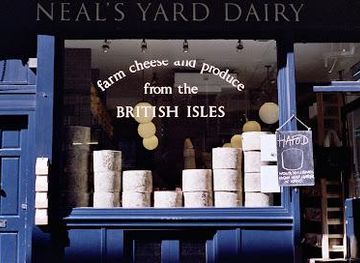
Cheese shop
Neal's Yard Dairy (Covent Garden Shop)
Discover the finest British and Irish farmhouse cheeses expertly matured and hand-cut in the heart of Covent Garden.


Get your free copy of our complete guide to Sutherland, delivered straight to you.
Everything on this page, from attractions and restaurants to essentials and local phrases, in one PDF you can read offline, print or share.
Already have an account? Sign in
Your Sutherland guide is ready.
We'll send it to · Not you? Sign out

Getting your guide ready…
We are putting together a fresh copy of the Sutherland guide. This can take up to a minute.
This can take a few moments. If your browser asks, choose Allow so the download can start. You'll find the guide in your Downloads folder.
Nothing happened? Download it again
Sorry, the guide is taking longer than usual. Please try again in a minute, or get it by email instead.
Sutherland essentials
Currency and Payment
Safety
Emergency Situations
Do's and Don'ts
Local Tips
From Eve
Local phrases worth knowing
You don't need to get them perfect. A few words go a long way, and locals appreciate the effort.
Basics
| English | Local | Say it |
|---|---|---|
| Hello | Hello | [həˈloʊ] |
| Goodbye | Goodbye | [ɡʊdˈbaɪ] |
| Yes | Yes | [jɛs] |
| No | No | [noʊ] |
| Please/You're welcome | Please / You're welcome | [pliːz / jʊr ˈwɛlkəm] |
| Thank you | Thank you | [θæŋk ju] |
| Excuse me/Sorry | Excuse me / Sorry | [ɪkˈskjuːz mi / ˈsɔːri] |
| How are you? | How are you? | [haʊ ɑr ju] |
| Fine. And you? | Fine. And you? | [faɪn. ənd ju] |
| Do you speak English? | Do you speak English? | [du jʊ spiːk ˈɪŋɡlɪʃ] |
| I don't understand | I don't understand | [aɪ doʊnt ˌʌndərˈstænd] |
Eating & Drinking
| English | Local | Say it |
|---|---|---|
| I'd like to see the menu, please | I'd like to see the menu, please | [aɪd laɪk tə si ðə ˈmɛnjuː, pliːz] |
| I don't eat meat | I don't eat meat | [aɪ doʊnt iːt miːt] |
| Cheers! | Cheers! | [ʧɪrz] |
| I would like to pay, please | I would like to pay, please | [aɪ wʊd laɪk tə peɪ, pliːz] |
Emergencies
| English | Local | Say it |
|---|---|---|
| Help! | Help! | [hɛlp] |
| Go away! | Go away! | [ɡoʊ əˈweɪ] |
| Call the Police! | Call the Police! | [kɔl ðə pəˈliːs] |
| Call a doctor! | Call a doctor! | [kɔl ə ˈdɒktər] |
| I'm lost | I'm lost | [aɪm lɔst] |
| I'm ill | I'm ill | [aɪm ɪl] |
Shopping
| English | Local | Say it |
|---|---|---|
| I'd like to buy... | I'd like to buy... | [aɪd laɪk tə baɪ...] |
| I'm just looking | I'm just looking | [aɪm dʒʌst ˈlʊkɪŋ] |
| How much is it? | How much is it? | [haʊ mʌʧ ɪz ɪt] |
| That's too expensive | That's too expensive | [ðæts tuː ɪkˈspɛnsɪv] |
| Can you lower the price? | Can you lower the price? | [kæn ju ˈloʊər ðə praɪs] |
Time & Numbers
| English | Local | Say it |
|---|---|---|
| What time is it? | What time is it? | [wʌt taɪm ɪz ɪt] |
| It's one o'clock | It's one o'clock | [ɪts wʌn əˈklɒk] |
| Half past (10) | Half past (10) | [hɑf pæst (10)] |
| Morning | Morning | [ˈmɔrnɪŋ] |
| Afternoon | Afternoon | [ˌæftərˈnun] |
| Evening | Evening | [ˈivnɪŋ] |
| Yesterday | Yesterday | [ˈjɛstərdeɪ] |
| Today | Today | [təˈdeɪ] |
| Tomorrow | Tomorrow | [təˈmɔroʊ] |
| 1 | 1 | [wʌn] |
| 2 | 2 | [tu] |
| 3 | 3 | [θri] |
| 4 | 4 | [fɔr] |
| 5 | 5 | [faɪv] |
| 6 | 6 | [sɪks] |
| 7 | 7 | [sɛvən] |
| 8 | 8 | [eɪt] |
| 9 | 9 | [naɪn] |
| 10 | 10 | [tɛn] |
Transport & Directions
| English | Local | Say it |
|---|---|---|
| Where's a/the...? | Where's a/the...? | [wɛrz ə/ði...] |
| What's the address? | What's the address? | [wʌts ði əˈdrɛs] |
| Can you show me (on the map)? | Can you show me (on the map)? | [kæn ju ʃoʊ mi (ɑn ðə mæp)?] |
| When's the next (bus)? | When's the next (bus)? | [wɛn z ðə nɛkst (bʌs)?] |
| A ticket (to ....) | A ticket (to ....) | [ə ˈtɪkɪt (tə ....)] |
History of Sutherland
Prehistoric Settlements and Brochs
Sutherland preserves evidence of settlement from the prehistoric period, including stone-built brochs, hut circles, chambered cairns and later settlements. Clachtoll Broch on the west coast is a prominent Iron Age example, while sites around Assynt and the north coast reveal how communities adapted to exposed terrain, limited soils and access to marine resources. Brochs were substantial round structures whose exact functions remain debated, but they demonstrate organised construction and social complexity. Archaeological remains at Balnakeil, Grummore and elsewhere help place the region within the wider prehistoric culture of northern Scotland.
Pictish and Norse Northern Scotland
In the early historic period, northern Scotland was shaped by Pictish communities and later by Norse influence arriving across the sea routes from Scandinavia and the Northern Isles. Place names, carved stones and patterns of settlement preserve traces of these overlapping cultures, particularly around the northern and western coasts. Norse control and influence were strongest in the maritime north, where sea travel connected communities more readily than overland routes. Sutherland’s coastal geography therefore linked it to a wider North Atlantic world rather than leaving it isolated from external power.
Medieval Earldoms and Clan Power
The medieval history of Sutherland involved the earldom of Sutherland, the powerful Clan Sutherland and competing interests including the Mackays and MacLeods. Castles and fortified sites, such as Castle Varrich near Tongue and Ardvreck Castle beside Loch Assynt, reflect the importance of controlling glens, routes and coastal approaches. Dornoch developed as an ecclesiastical and administrative centre, and Dornoch Cathedral remains one of the most significant medieval buildings in the region. Political authority was personal and territorial, expressed through kinship, landholding and fortified residences.
The Reformation and the Earls of Sutherland
The sixteenth and seventeenth centuries brought religious change, dynastic rivalry and continuing competition over land. The Reformation altered the role of churches and religious institutions, while the earls of Sutherland strengthened their authority over extensive estates. Dornoch Cathedral survived the upheavals but, like many Scottish churches, underwent significant changes in use and fabric. Rivalries among Highland families could become violent, and estates were also affected by the wider political conflicts that culminated in the Wars of the Three Kingdoms and the Jacobite era.
The Highland Clearances
The Highland Clearances transformed Sutherland during the late eighteenth and nineteenth centuries. Estate owners reorganised landholding, often moving tenants from inland townships to coastal settlements or removing them altogether to make way for large-scale sheep farming. Strathnaver is closely associated with these upheavals, and the remains of abandoned settlements and the churchyard at Farr provide places to understand their human cost. Clearance encouraged emigration to other parts of Scotland and overseas, while reshaping crofting communities, language patterns and the distribution of population across the county.
Fishing, Crofting and Transport
Nineteenth-century Sutherland combined subsistence and commercial crofting with fishing, kelp gathering, small-scale industry and expanding transport links. Coastal settlements depended on boats and seasonal work, while roads, steamers and later railways connected the east with Inverness and the wider Scottish economy. The Far North Railway reached Sutherland in stages during the late nineteenth century, serving places including Helmsdale, Brora, Golspie and Lairg. These routes did not erase the region’s distances, but they changed the movement of people, livestock, mail and goods.
The Flow Country and Modern Conservation
The peatlands of northern Sutherland form part of the Flow Country, one of the world’s great blanket-bog landscapes. For much of the twentieth century, forestry proposals and planting altered some areas, prompting growing recognition of the ecological importance of intact peatlands. Research and conservation at the Forsinard Flows National Nature Reserve have helped explain the role of bog pools, peat formation and breeding waders. The modern history of Sutherland therefore includes a shift from viewing remote ground mainly as a resource to recognising its importance for biodiversity, climate regulation and cultural landscape.
Sutherland in Photos
Browse through our photo collection highlighting the charm and character of the destination.
Neighbouring regions of Sutherland
The closest regions to Sutherland, if you have time for more than one.
-

-

-

-

-


Swipe for more regions
Explore more

Explore more of United Kingdom
Discover the United Kingdom: A blend of rich history, stunning landscapes, and vibrant cities, offering a unique travel experience for every visitor.
Explore United Kingdom