Neath Abbey Travel Guide
Free Guide: Explore the atmospheric ruins of Neath Abbey, a majestic 12th-century Cistercian monastery steeped in history and industrial heritage.


A brief summary of Neath Abbey
Explore the atmospheric ruins of Neath Abbey, a majestic 12th-century Cistercian monastery steeped in history and industrial heritage.
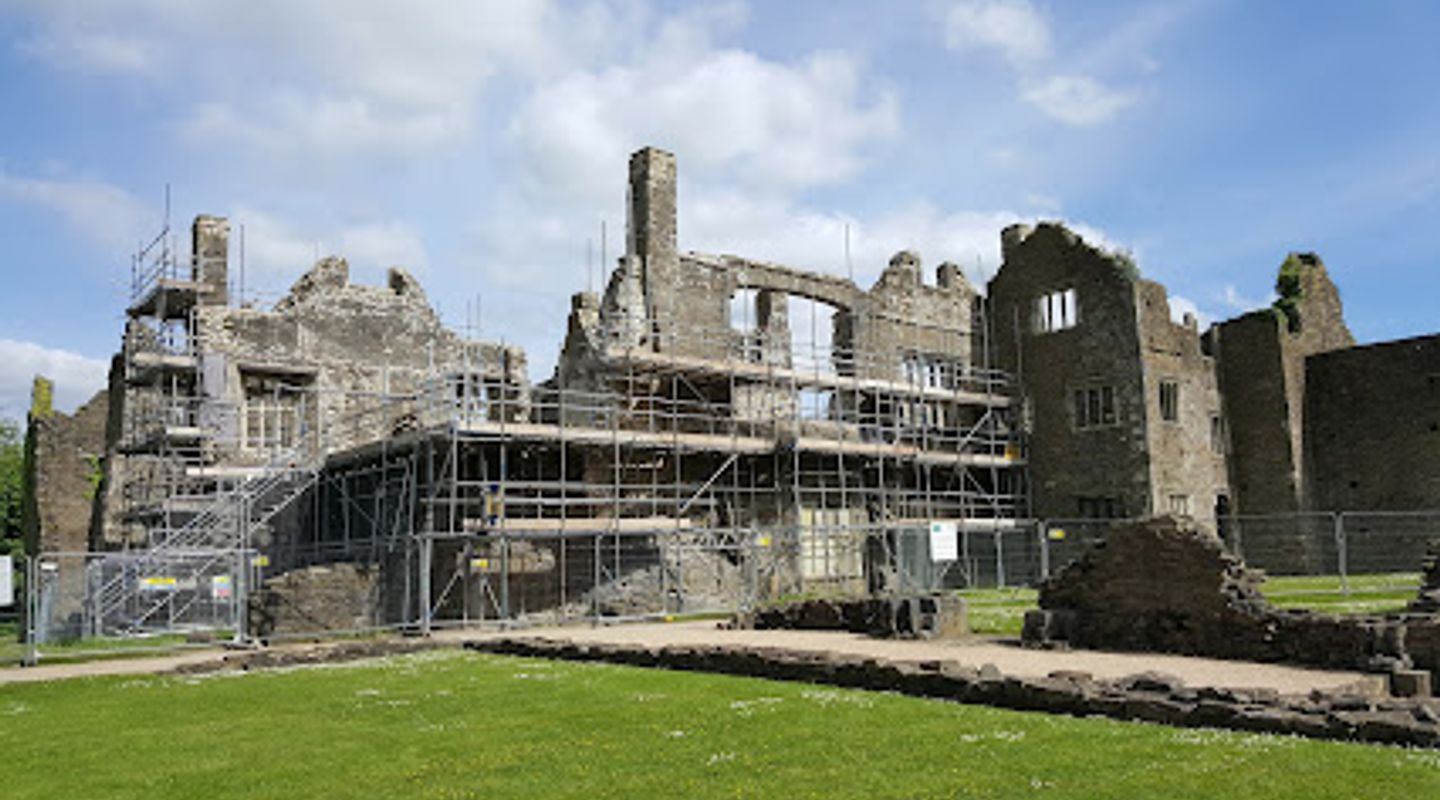
Neath Abbey, founded in 1130 by Norman knight Sir Richard de Granville, is one of South Wales’ most significant monastic ruins. Once home to around 50 monks and numerous lay brothers, it thrived as a wealthy religious site before later becoming an industrial hub. Today, visitors can explore extensive ruins including cloisters, chapter house, and refectory, all set in a tranquil, accessible parkland near Neath town, with free entry and open daily from 10am to 4pm.
On-site amenities
 Seating areas
 Trash bins
 Information boards
Opening hours
- Every day10 am–4 pm
Opening hours as listed on the venue’s Google Business Profile. Hours can change for services and special events, so check with the venue before you go.
- Address
- Monastery Rd, Neath Abbey, Neath SA10 7DW
- Phone
- Website
Getting there
Car
Bus
Bicycle
Walking
Discover more about Neath Abbey
Foundations of Faith and Power
Neath Abbey was established in 1130 by Sir Richard de Granville, a Norman knight, marking it as a pivotal religious site in medieval Wales. As a Cistercian monastery, it quickly grew wealthy and influential, housing about 50 monks alongside a larger community of lay brothers who managed the abbey’s extensive estates. These estates likely included coal mining operations for domestic use, highlighting the abbey’s role not only in spiritual life but also in early industrial activity.
Architectural Grandeur and Layout
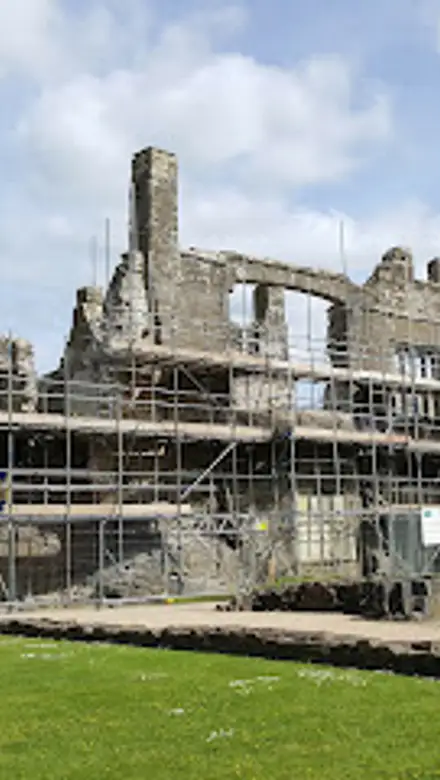
The ruins of Neath Abbey reveal the impressive scale and complexity of this monastic settlement. Visitors can discern the full layout of the abbey’s buildings, including the cloisters, chapter house, refectory, and other key structures. The stone remains stand as a testament to the abbey’s former grandeur and the craftsmanship of the medieval period. The site’s flat terrain and gravel paths make it accessible for visitors to explore the ruins comfortably.
Industrial Transformation and Survival
Following the Dissolution of the Monasteries, Neath Abbey’s religious function ceased, and it underwent a dramatic transformation during the Industrial Revolution. The abbey grounds became a copper smelting plant, complete with furnaces, workshops, and workers’ dwellings, while an ironworks operated nearby. Despite this industrial repurposing, the abbey’s ruins survived, preserving its historical significance and architectural heritage.
Visitor Experience and Setting
Set in peaceful parkland just west of Neath town, the abbey offers a unique blend of history and natural beauty. The site is open daily from 10am to 4pm, with free entry. Visitors can enjoy the tranquil atmosphere, explore the extensive ruins, and appreciate the surrounding greenery. Dogs on short leads are welcome on ground-level paths, and the terrain is mostly level with some minor dips. Nearby parking is limited but available.
Community and Preservation
Neath Abbey is managed as a heritage site, with efforts to preserve its ruins and promote public engagement. Local volunteers and historical groups occasionally provide guided tours and events, enriching the visitor experience. The abbey’s survival through centuries of change reflects both its cultural importance and the dedication to conserving Welsh heritage.
Practical Information for Visitors
The abbey is accessible year-round except for Christmas holidays (24-26 December) and New Year’s Day. Last admission is 30 minutes before closing. While there are no restrooms on site, nearby town facilities are available. Visitors are advised to wear sturdy footwear due to uneven surfaces. The site’s free entry and scenic setting make it an ideal stop for history enthusiasts and casual explorers alike.
Evendo Review Centre
 Google
Guest reviews
Best time to go
Quietest: Jan, Feb & Dec · before 8am or from 7pm
Busy times are Evendo estimates for a typical year, to help you plan. Actual crowds vary with events, school holidays and the weather.
Explore Neath Abbey on the map
A handpicked selection of must-see spots near Neath Abbey, mapped for you.
Get your free copy of our complete guide to Neath Abbey, delivered straight to you.
Everything on this page, from opening hours and how to get there to Eve’s tips and the best time to go, in one PDF you can read offline, print or share.
Already have an account? Sign in
Your Neath Abbey guide is ready.
We'll send it to · Not you? Sign out

Getting your guide ready…
We are putting together a fresh copy of the Neath Abbey guide. This can take up to a minute.
This can take a few moments. If your browser asks, choose Allow so the download can start. You'll find the guide in your Downloads folder.
Nothing happened? Download it again
Sorry, the guide is taking longer than usual. Please try again in a minute, or get it by email instead.
Unlock the best of Neath Abbey
Skip-the-line tickets, guided tours with entry, and walking tours of the area, booked in a few clicks.

Other nearby places you may find interesting
The closest places of the same kind, if this one is not quite what you had in mind.
-
-
-
-
-


Swipe for more places
More to explore near Neath Abbey

 Best experiences near Neath Abbey
 Best hotels near Neath Abbey
 Best landmarks near Neath Abbey
 Best attractions near Neath Abbey
 Best shops near Neath Abbey
 Best restaurants near Neath Abbey
 Best bars near Neath Abbey
Do you manage this location?
Take control to get all the benefits, like improved information, better appearance, and stronger visibility across AI-powered discovery.
Explore more

Explore more of Wales
Discover Wales: Ancient castles, stunning landscapes, and vibrant culture in the heart of the United Kingdom.
Explore Wales
Explore more of United Kingdom
Discover the United Kingdom: A blend of rich history, stunning landscapes, and vibrant cities, offering a unique travel experience for every visitor.
Explore United Kingdom