
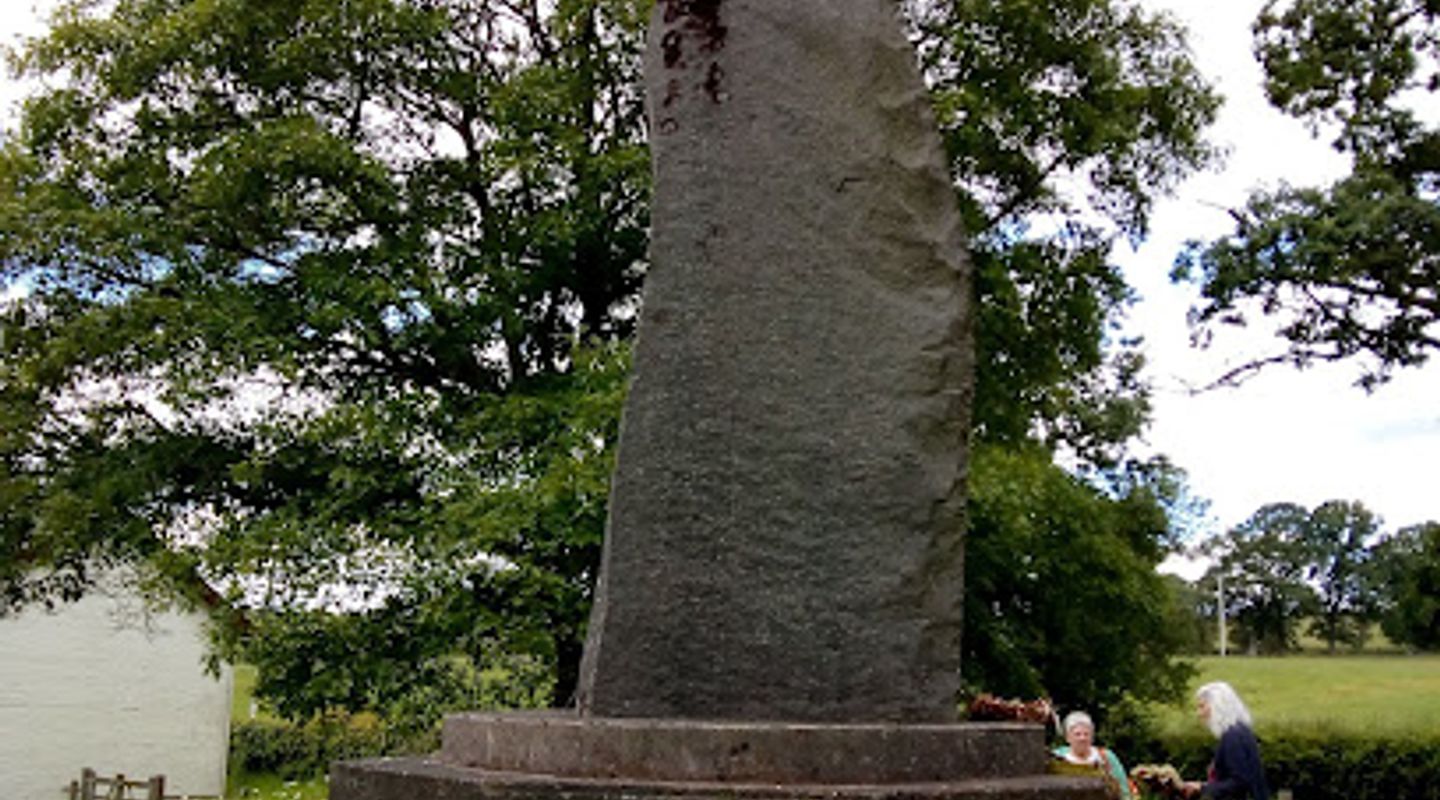
Llywelyn Monument, Wales Travel Guide
A solemn granite memorial in tranquil Cilmeri marking the death site of Llywelyn the Last, Wales’ final native prince and symbol of national heritage.
The Llywelyn Monument at Cilmeri near Builth Wells commemorates Llywelyn ap Gruffudd, the last native Prince of Wales, who died in battle in 1282. This granite memorial, set on a low mound, marks the historic site where Llywelyn fell during the Battle of Irfon Bridge, a pivotal moment that ended hopes for an independent medieval Wales. Surrounded by tranquil countryside, the monument stands as a solemn reminder of Welsh resilience and heritage.
A brief summary to Llywelyn Monument
- Builth Wells, Cilmery, GB
- Click to display
- Duration: 0.5 to 1.5 hours
- Free
-
 Outdoor
- Mobile reception: 3 out of 5

Know before you go
Hi, I'm Eve. Here are a few practical things to know before exploring Llywelyn Monument.
- Visit during daylight hours to fully appreciate the monument and surrounding countryside.
- Bring a camera to capture the serene rural landscape and the monument’s austere granite form.
- Combine your visit with nearby historical sites around Builth Wells for a deeper understanding of Welsh medieval history.
- Wear sturdy footwear as the terrain around the monument is natural and may be uneven.
Do you manage this location?
Take control to get all the benefits, like improved information, better appearance, and stronger visibility across AI-powered discovery. Learn more about listing your business on Evendo
Activate your presenceOther nearby places you may find interesting
The closest places of the same kind, if this one is not quite what you had in mind.
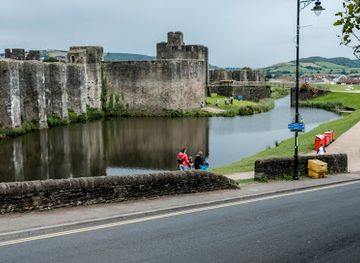
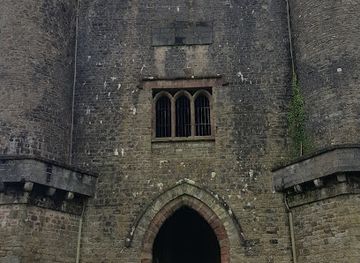
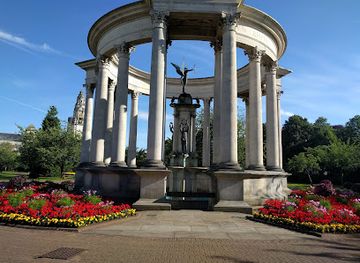

Explore Llywelyn Monument on the Map
A handpicked selection of must-see spots near Llywelyn Monument, mapped for you.
Getting There
-
Car
Driving from Builth Wells town center, the monument is approximately a 10-minute drive (about 6 km) via local roads. Parking is limited near the site, so plan to park responsibly without obstructing local access. No parking fees apply.
-
Bus
Regional buses connect Builth Wells with nearby villages; from Builth Wells, a taxi or local ride service is recommended for the final 6 km to Cilmeri, as direct bus service to the monument is not available. Bus fares typically range from £3 to £6.
-
Walking
For the adventurous, walking from Builth Wells to the monument is possible but requires about 1.5 to 2 hours over rural terrain with some uneven paths. Suitable footwear and weather-appropriate clothing are advised.
For the on-the-go comforts that matter to you
-
 Information Boards
-
 Seating Areas
-
 Trash Bins
Discover more about Llywelyn Monument
A Historic Marker of Welsh Sovereignty
The Llywelyn Monument at Cilmeri is a powerful symbol marking the site where Llywelyn ap Gruffudd, also known as Llywelyn the Last, was killed in December 1282. Llywelyn was the Prince of Gwynedd and the last native ruler to hold the title Prince of Wales before English conquest. His death near Builth Wells during the Battle of Irfon Bridge was a decisive event that shaped the future of Wales, effectively ending the possibility of Welsh independence for centuries. The monument replaced an earlier stone obelisk erected in 1902 and is made from granite quarried in Llywelyn’s native Caernarfonshire, emphasizing its deep connection to Welsh soil and identity.Design and Setting of the Memorial
The monument consists of a solid granite block embedded in a plinth, placed atop a low mound in the peaceful rural landscape of Cilmeri. Its austere and enduring design reflects the solemnity of the site and the gravity of Llywelyn’s legacy. The surrounding area is characterized by open fields and gentle hills, offering visitors a tranquil environment for reflection on the historical significance of the location. The site’s simplicity and natural beauty enhance its role as a place of remembrance and cultural pride.The Battle of Irfon Bridge and Its Consequences
The Battle of Irfon Bridge, fought near this site, was a critical confrontation between Llywelyn’s forces and those of Edward I of England. The battle’s outcome decisively shifted power, with Llywelyn’s death marking the collapse of native Welsh resistance to English rule. Contemporary chronicles and correspondence from the period highlight the battle’s importance, though accounts vary in detail. Llywelyn’s demise was not only a military loss but also a symbolic moment that reverberated through Welsh history, folklore, and national identity.Legacy and Cultural Significance
Llywelyn ap Gruffudd remains a revered figure in Welsh history, symbolizing the struggle for autonomy and national pride. The monument at Cilmeri serves as a focal point for commemorations and cultural remembrance. It stands as a testament to Llywelyn’s role in Welsh heritage and the enduring spirit of the Welsh people. The site attracts historians, cultural enthusiasts, and visitors interested in the medieval history of Wales and its fight for sovereignty.Visitor Experience and Atmosphere
Visitors to the Llywelyn Monument can experience a profound sense of history amid the serene Welsh countryside. The quiet surroundings invite contemplation and offer a connection to the past. The monument’s remote and peaceful setting allows for an immersive experience, where one can appreciate both the natural beauty of the region and the weight of the historical events commemorated here.Preservation and Recognition
Maintained as a protected historical landmark, the Llywelyn Monument is an important cultural asset for Wales. Its granite construction ensures durability, and its location near Builth Wells makes it accessible for those wishing to explore Welsh medieval history. The site is recognized for its educational and commemorative value, linking present-day Wales to its medieval roots and the legacy of its last native prince.












Your all‑in‑one travel companion app
Explore expert travel guides, compare and book tours, experiences, hotels, and more—all from the palm of your hand. Download now for seamless trip planning wherever your wanderlust takes you.


Explore More of Wales
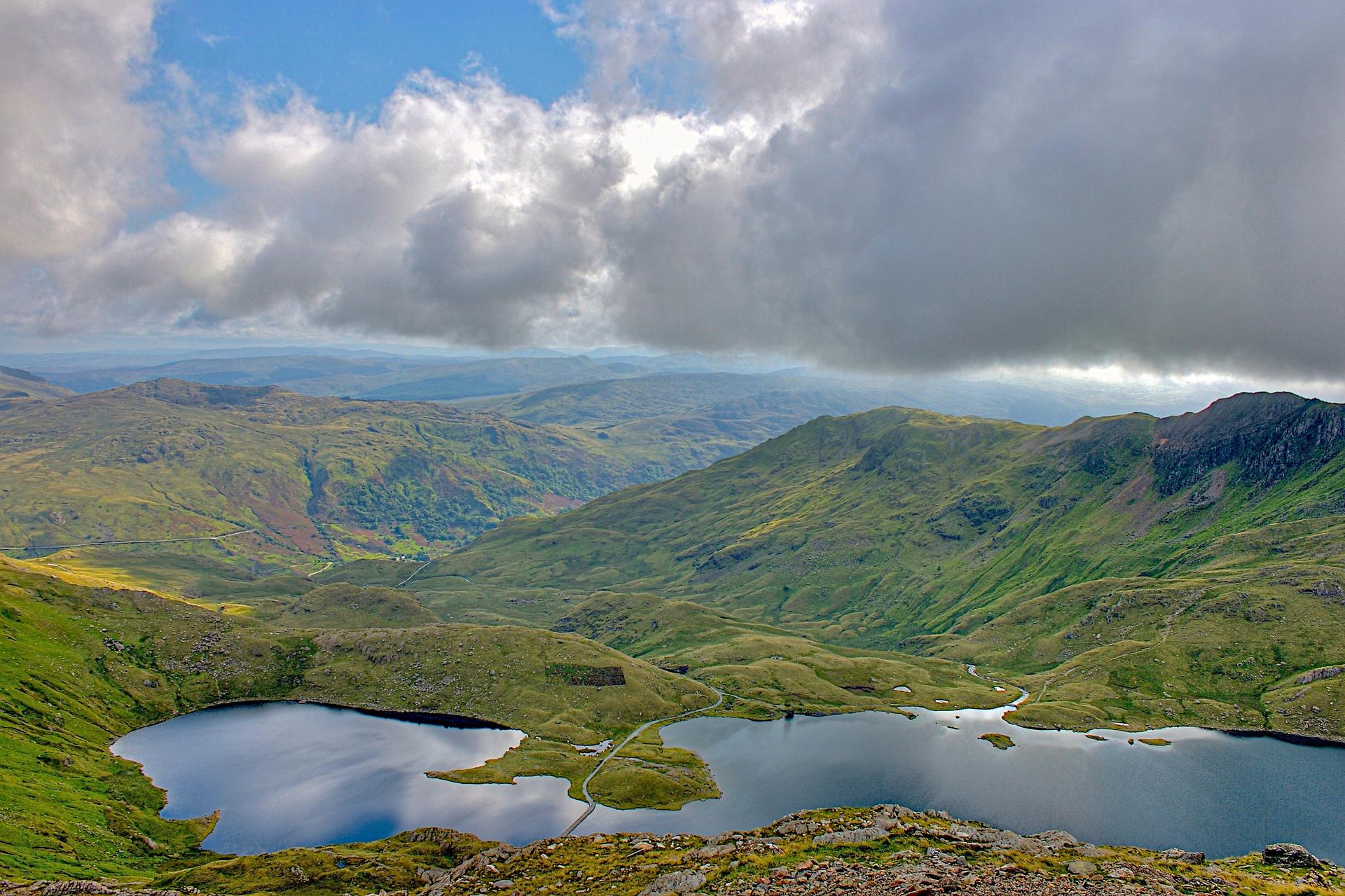
Looking beyond Llywelyn Monument? Discover Wales for broader travel guides, local hot-spots, and regional highlights.
Explore Wales
Explore Y Bwlwarcau, a serene Iron Age hillfort nestled on Mynydd Margam’s slopes, revealing ancient Welsh heritage amidst tranquil countryside.
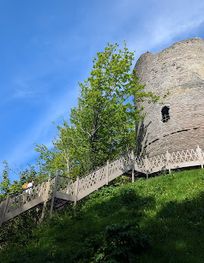
A free-to-enter Norman motte-and-bailey castle in the Brecon Beacons, offering panoramic views and a quiet step back into medieval Wales.
