
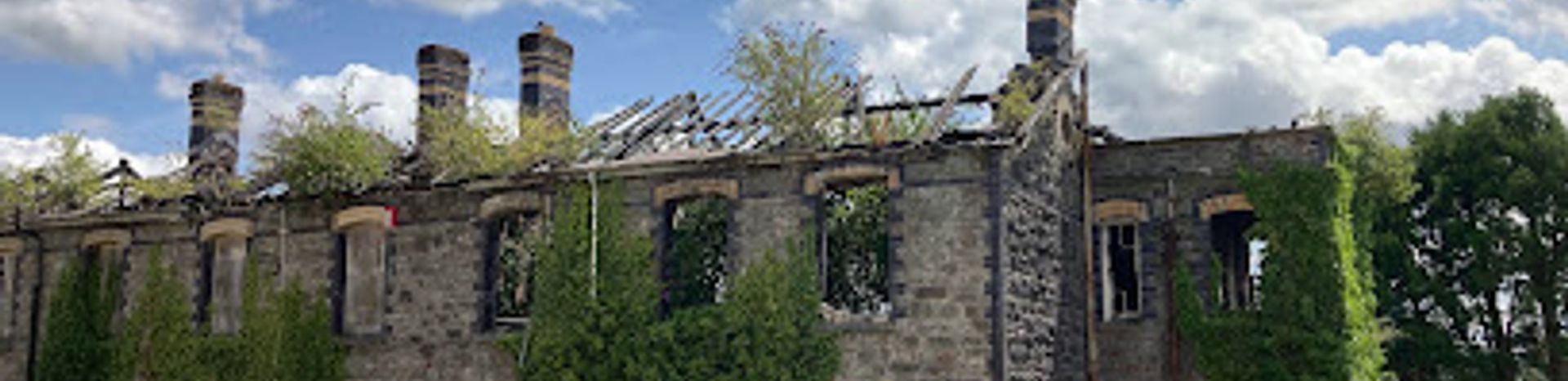
Carmarthen Work House: A Window into Welsh Social History
Explore the historic Carmarthen Work House, a powerful testament to Wales’ social welfare past and resilience through times of hardship.
The Carmarthen Work House, established in the early 19th century on Penlan Road, Carmarthen, is a significant historical landmark that reflects the harsh realities of social welfare in Wales. Originally built in 1805 and expanded in the mid-19th century, it housed the destitute under strict conditions. The site witnessed notable events such as the 1843 Rebecca Riots and a devastating fire in 1906. Today, the workhouse stands as a poignant reminder of past social care practices and the evolution of welfare in the UK.
A brief summary to Carmarthen Work House
- Carmarthen, GB
- Duration: 0.5 to 1.5 hours
- Free
-
 Outdoor
- Mobile reception: 4 out of 5
Local tips
- Visit during daylight hours to fully appreciate the architecture and surrounding peaceful environment.
- Read about the Rebecca Riots beforehand to understand the social unrest connected to the workhouse.
- Combine your visit with exploring Carmarthen’s other historic sites like Carmarthen Castle and the Old Priory.
- Look for interpretive displays that detail the daily life of workhouse inmates and the building’s evolution.

For the on-the-go comforts that matter to you
- Information Boards
- Seating Areas
- Trash Bins
Getting There
-
Bus
Take the local bus service from Carmarthen town center to Penlan Road, with a journey time of approximately 10-15 minutes. Services run frequently during the day but check schedules for weekends. Tickets cost around £2-£3 GBP one way.
-
Car
Driving to the workhouse is straightforward via Penlan Road. Parking is limited nearby, so arrive early during peak times. The drive from Carmarthen town center takes about 5 minutes. No parking fees apply.
-
Walking
From Carmarthen town center, a flat and accessible 25-minute walk along well-paved streets leads to the workhouse. Suitable for most visitors, including those with mobility aids.
Carmarthen Work House location weather suitability
-
 Any Weather
-
 Rain / Wet Weather
-
 Clear Skies
-
 Mild Temperatures
Discover more about Carmarthen Work House
Origins and Architectural Evolution of Carmarthen Work House
The Carmarthen Work House traces its origins to 1758 when part of the Old Priory was rented as a poorhouse. By 1799, the vestry decided to erect a new, purpose-built workhouse at Waundew Common, which opened in 1805. This initial building proved costly, leaving the parish with significant debts. In 1836, the workhouse underwent enlargement, retaining the original gatehouse and adding a register office in 1845. The expanded two-storey main building featured a double-courtyard layout, accommodating up to 260 inmates. After a fire in 1906 gutted the master and matron’s quarters, the main block was rebuilt in 1908 with a three-storey T-shaped design, reflecting early 20th-century architectural sensibilities.Life and Conditions within the Workhouse
The workhouse was designed to provide shelter and employment to the impoverished, but conditions were deliberately austere to discourage reliance on public assistance. Families were separated upon entry, and inmates were subject to strict rules and labor requirements. The institution housed a wide range of residents, including children, the elderly, and those with mental health conditions. Nearby buildings possibly served as isolation wards for infectious diseases. Birth certificates from 1905 onward listed the workhouse address to protect children from social stigma later in life.Historical Turmoil and Social Unrest
Carmarthen Work House was a focal point during the Rebecca Riots of 1843, a protest movement against high toll charges in rural Wales. On 19 June 1843, rioters diverted their anger to the workhouse, breaking in and causing extensive damage before military forces restored order. This event underscored the widespread resentment toward poor relief systems perceived as punitive. Later, in 1906, a fire caused by an inmate severely damaged the building, but no casualties occurred. These episodes highlight the workhouse’s role as both a social institution and a site of conflict.The Workhouse in the Context of Carmarthen’s Rich Heritage
Situated in Carmarthen, one of Wales’ oldest towns with roots back to Roman times, the workhouse forms part of a broader historical tapestry. Carmarthen’s strategic location on the River Tywi made it a hub of commerce and governance through centuries, with notable landmarks like Carmarthen Castle nearby. The workhouse’s story is intertwined with the town’s evolution from a Roman fort to a medieval market center and beyond, reflecting changing social and economic conditions.Present-Day Significance and Visitor Experience
Today, the Carmarthen Work House stands as a preserved historical site offering insight into 18th- and 19th-century social welfare. Visitors can explore its architecture and exhibits that illuminate the lives of those who lived and worked there, the societal attitudes of the time, and the evolution of care for the less fortunate. The surrounding area provides a tranquil setting for reflection on the hardships endured and the progress made in social care. This landmark is essential for those interested in Welsh history and social heritage.Legacy and Social Impact
The Carmarthen Work House symbolizes the stark realities of poverty and social policy in historical Wales. It serves as a reminder of the challenges faced by the vulnerable and the changing approaches to welfare over time. The site’s preservation allows contemporary audiences to engage with this complex history, fostering understanding and dialogue about social justice and community responsibility.Iconic landmarks you can’t miss

Carmarthen Work House
0.0 km
Explore the historic Carmarthen Work House, a powerful testament to Wales’ social welfare past and resilience through times of hardship.
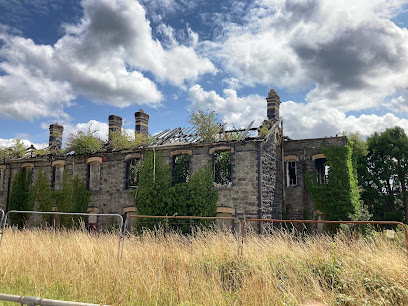
South African War Memorial
0.5 km
A dignified tribute in Carmarthen’s Guildhall Square commemorating local heroes of the Anglo-Boer War with a striking marble soldier statue.
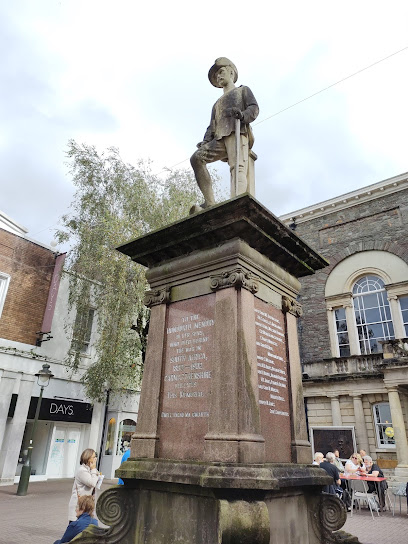
Dyfed Powys Police Federation
1.6 km
Discover the Dyfed Powys Police Federation in Carmarthen for a unique perspective on local law enforcement and community safety initiatives.
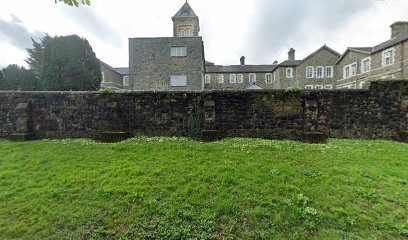
Kilns of Mynyddcerrig
10.7 km
Explore the historic limekilns of Mynyddcerrig, a window into Carmarthenshire’s rural industrial heritage and traditional limeburning craft.
Dyfed Chimneys
12.4 km
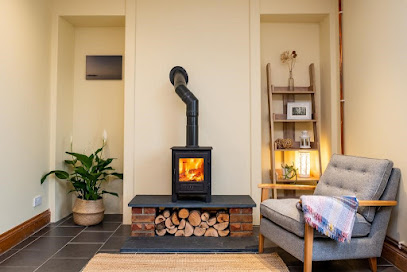
Discover expert chimney sweeping and stove building at Dyfed Chimneys in Carmarthen, where safety meets craftsmanship in the heart of Wales.
The Baltic Inn & Restaurant
12.6 km
A welcoming countryside inn in Pontyates offering cozy rooms, hearty dining, and a peaceful Welsh village atmosphere.

St Clears Castle
14.0 km
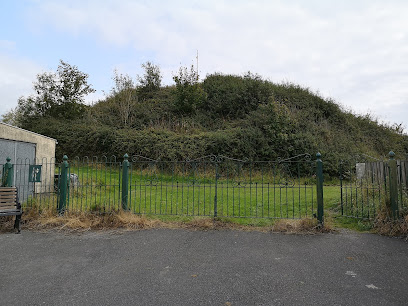
Explore the earthwork remains of St Clears Castle, a Norman motte-and-bailey fortress steeped in medieval Welsh history at the rivers’ confluence.
Dyfed Menswear
16.0 km
Explore Llanelli with ease at Dyfed Menswear, a central bus stop connecting you to the town’s vibrant culture and attractions.
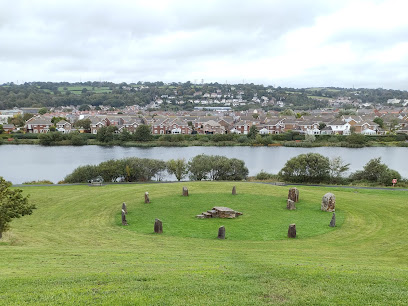
Gorsedd Circle
21.8 km
A modern stone circle in Llanelli celebrating Welsh culture, poetry, and the spirit of the National Eisteddfod.
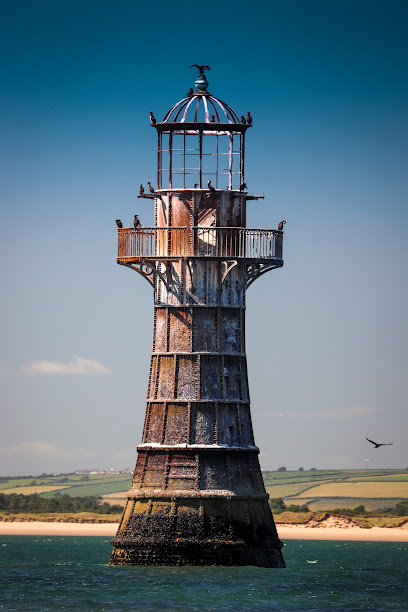
Whiteford Lighthouse
23.5 km
A rare cast-iron lighthouse standing in the tidal estuary of the Gower Peninsula, reachable only at low tide across vast sands and saltmarsh.
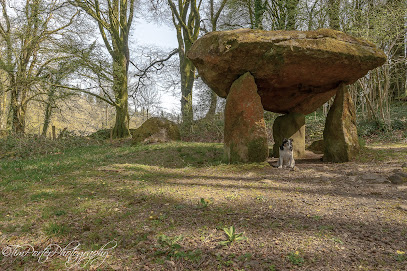
Gwal y Filiast
24.5 km
Explore Gwal y Filiast, a mysterious Neolithic burial chamber steeped in Welsh legend and ancient history near Whitland.
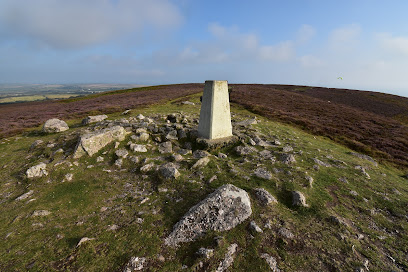
Rhossili Downs
31.5 km
Experience breathtaking coastal panoramas and ancient heritage atop the highest point of Wales' Gower Peninsula.
Sloeberry Farm
31.8 km
Eco-friendly lodges and canvas tents near Aberporth beach offering peaceful countryside escapes with private hot tubs and stunning starry skies.

St. Catherine's Island
33.8 km
Explore the enchanting St. Catherine's Island in Tenby, a blend of stunning nature, rich history, and breathtaking coastal views.
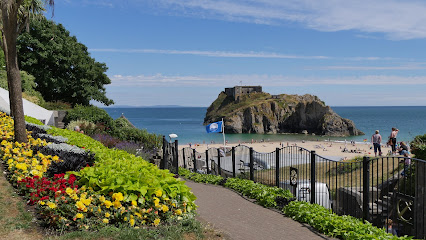
St. Catherines Island and fort
33.8 km
Explore St. Catherine's Island and Fort, a historic site with breathtaking views, rich history, and a unique coastal experience on your next adventure.
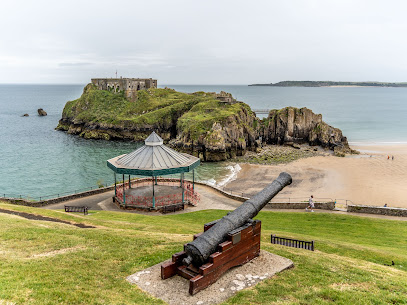
Unmissable attractions to see

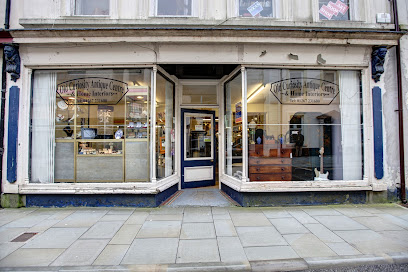
The Old Curiosity
0.5 km
Discover timeless antiques and unique collectibles in the heart of historic Carmarthen at The Old Curiosity.
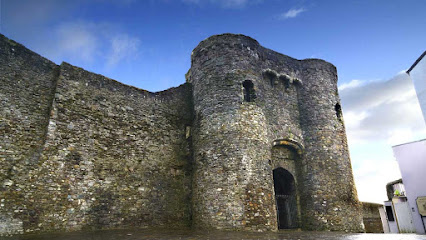
Carmarthen Castle
0.6 km
Explore the evocative medieval ruins of Carmarthen Castle, perched above the River Twyi with panoramic views and rich Welsh history.
Parc Hinds
0.8 km
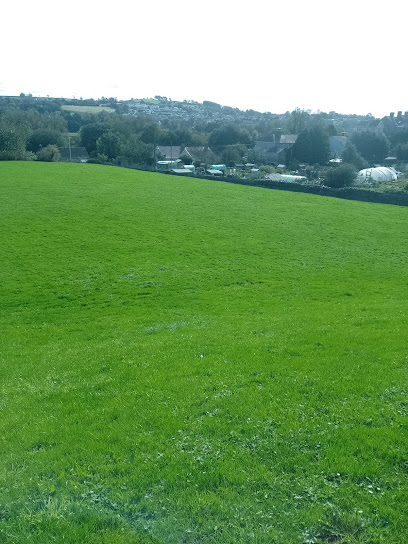
A quiet green retreat in eastern Carmarthen, perfect for a relaxed stroll, children’s play, or a peaceful dog walk.
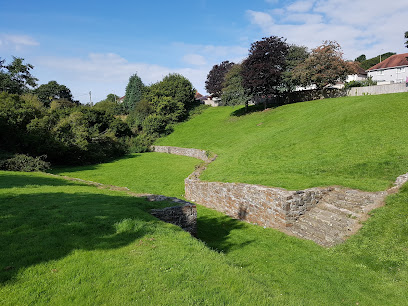
Moridunum Roman Amphitheatre
0.9 km
Explore the rare 2nd-century Roman amphitheatre in Carmarthen, a unique window into ancient Wales and the far west of the Roman Empire.
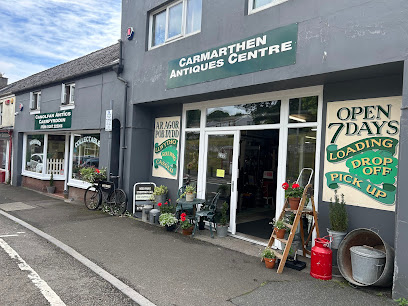
Carmarthen Antiques Centre
0.9 km
Discover a vast collection of Welsh antiques, vintage treasures, and unique collectibles in Carmarthen's premier two-floor antiques emporium.
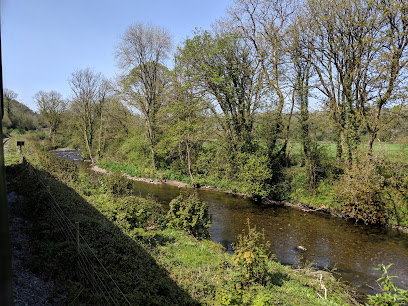
Gwili Steam Railway
2.1 km
Step aboard the Gwili Steam Railway for a scenic, nostalgic steam train journey through the tranquil Carmarthenshire countryside.
Amgueddfa Sir Gâr - Carmarthenshire Museum
3.0 km
Discover Carmarthenshire’s rich heritage in a 700-year-old bishop’s palace with themed galleries, historic charm, and family-friendly exhibits.
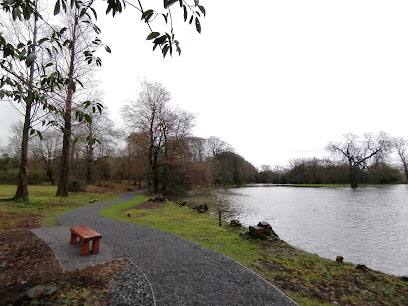
Green Castle Wood
4.5 km
Explore ancient oaks, vibrant meadows, and riverside tranquility in Carmarthenshire’s Green Castle Woods, a year-round nature haven.
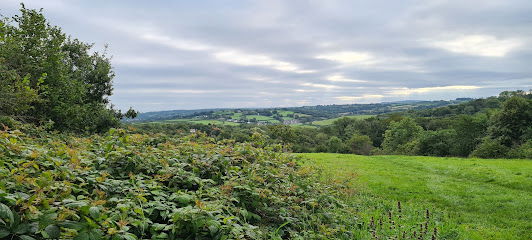
National Botanic Garden of Wales
11.1 km
Explore Wales’ premier botanical sanctuary featuring the world’s largest glasshouse, themed gardens, wildlife displays, and serene natural landscapes.
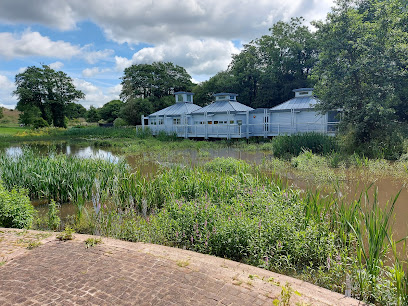
Llansteffan Castle
12.0 km
Explore Llansteffan Castle’s dramatic Norman ruins perched above Carmarthen Bay, where ancient history meets breathtaking coastal views.
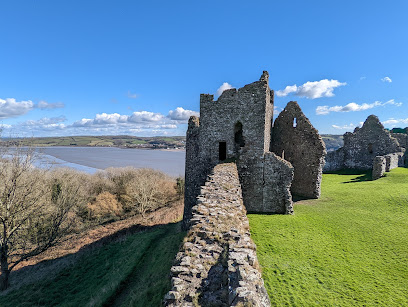
National Trust - Paxton's Tower
13.0 km
A Neo-Gothic folly atop Llanarthney hill offering breathtaking views and a glimpse into Regency history in the heart of Wales.
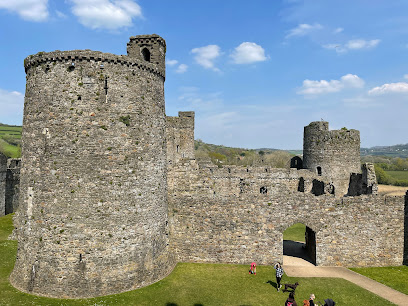
Castell Cydweli / Kidwelly Castle
13.5 km
Explore the majestic Norman fortress of Kidwelly Castle, where medieval history meets stunning Welsh coastal views.
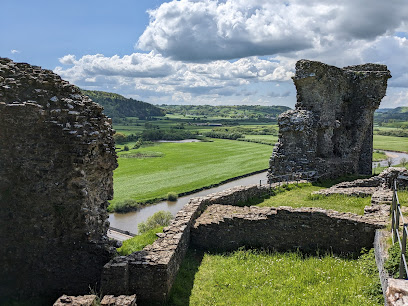
Castell Dryslwyn
14.2 km
Explore the evocative ruins of Castell Dryslwyn, a 13th-century Welsh stronghold with panoramic Tywi Valley views and rich medieval heritage.
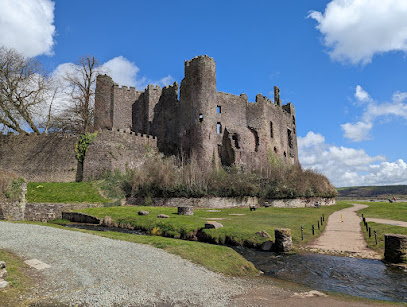
Castell Talacharn / Laugharne Castle
14.6 km
Explore the medieval and Tudor ruins of Dylan Thomas’s beloved Laugharne Castle, set against stunning estuary views in scenic Carmarthenshire.
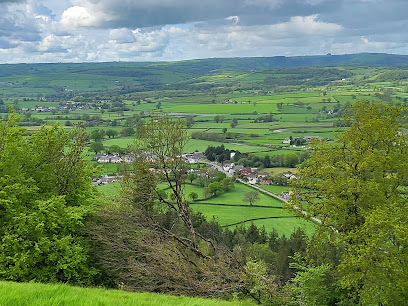
Llyn Llech Owain Country Park
16.4 km
Explore 180 acres of woodland, lake, and adventure playgrounds at Llyn Llech Owain Country Park, a family-friendly natural gem in Carmarthenshire.
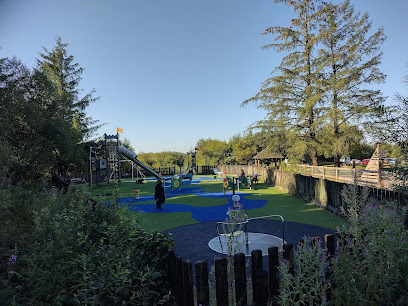
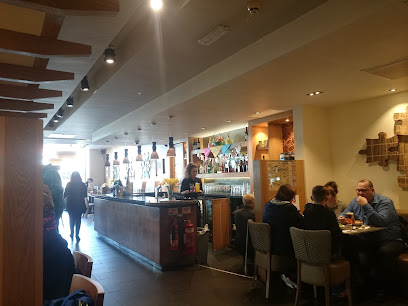
Essential places to dine

Harvester St Catherines Walk
0.2 km
Family-friendly British grill restaurant in Carmarthen with fresh food, unlimited salad bar, and a welcoming atmosphere in St Catherine's Walk.
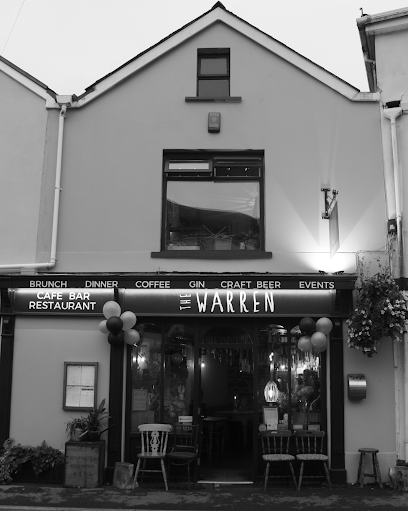
The Warren
0.5 km
A top-rated restaurant in Carmarthen offering exceptional modern cuisine in a warm, inviting setting on historic Mansel Street.
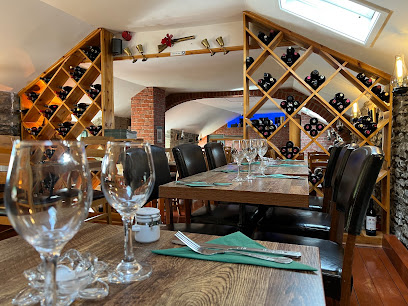
Florentino's
0.5 km
Experience authentic Italian cuisine with homemade gluten-free pasta and wood-fired pizzas in a charming Welsh Longhouse setting in Carmarthen.
Sloppy Joe's Streetfood
0.5 km
Family-friendly grill and streetfood spot in Carmarthen with lively vibes, local brews, and a menu full of hearty favorites.
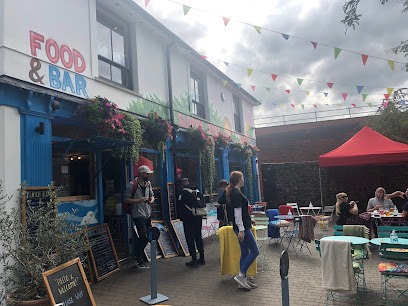
The New Curiosity
0.5 km
Experience contemporary Welsh cuisine in a warm, stylish setting with outstanding food and attentive service in Carmarthen’s heart.
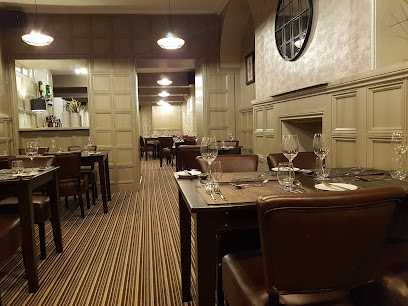
Cegin Myrddin
0.5 km
A cozy Carmarthen café offering traditional Welsh breakfasts, homemade cakes, and artisan coffee in a warm, welcoming setting.
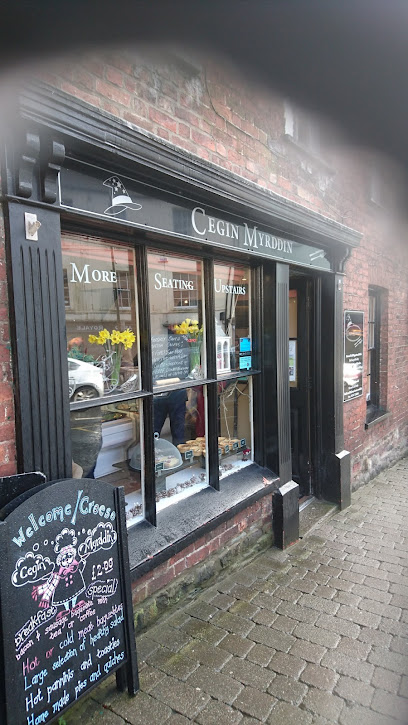
Cofio Lounge
0.5 km
Historic Guildhall café in Carmarthen serving diverse, fresh dishes with vegan and gluten-free options in a welcoming atmosphere.
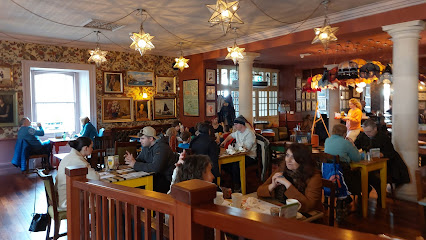
Pantri Blakeman Restaurant
0.6 km
Cozy, home-cooked Welsh and English fare served with generous portions and genuine hospitality in the heart of Carmarthen.
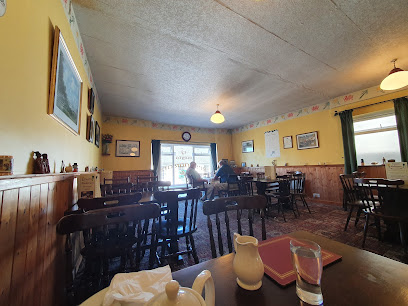
Dexters
0.7 km
Savor premium locally sourced steaks and scenic estuary views at Dexters Steakhouse & Grill in Carmarthen’s inviting riverside setting.
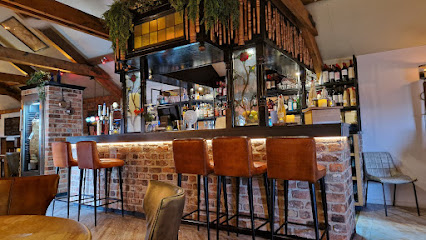
The Black Ox
2.8 km
A welcoming gastropub in Abergwili serving hearty British fare with a friendly village atmosphere and inclusive amenities.
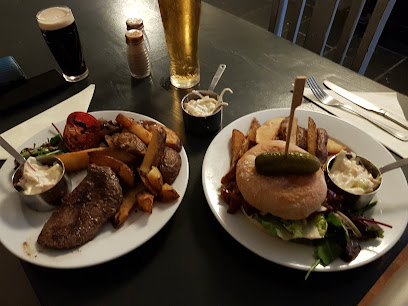
Hollol Gymraeg
7.5 km
Discover authentic Welsh flavors and warm hospitality at Hollol Gymraeg, a family-run culinary gem near Carmarthen.
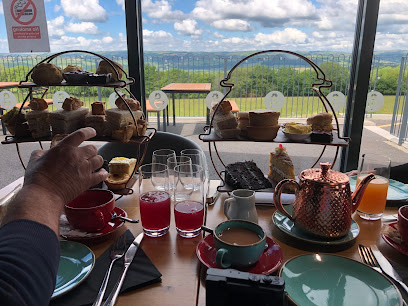
Y Polyn
8.4 km
A rustic yet refined country pub in Carmarthenshire serving hearty Provençal-inspired dishes with local Welsh ingredients and warm hospitality.
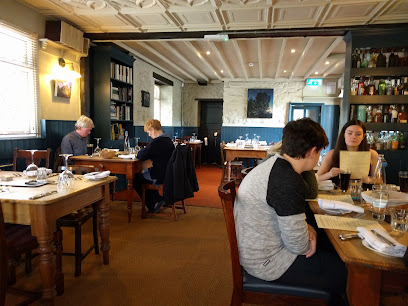
The Fox & Hounds
9.0 km
Welcoming Welsh pub and restaurant in Bancyfelin offering hearty traditional fare, cozy rooms, and friendly local charm.
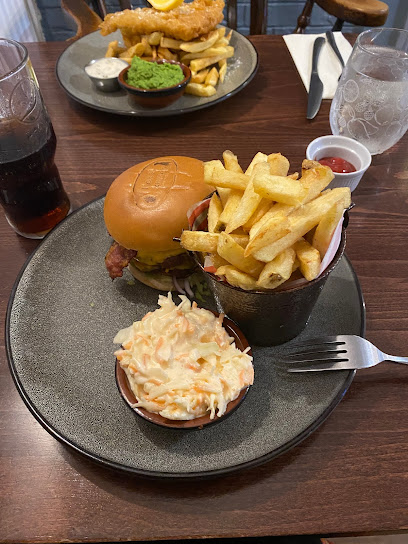
Cresselly Arms
9.5 km
A charming riverside grill and pub near Carmarthen, offering warm Welsh hospitality, well-kept ales, and a dog-friendly beer garden.
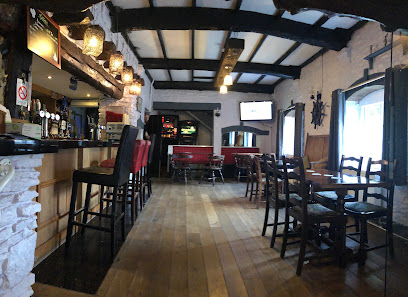
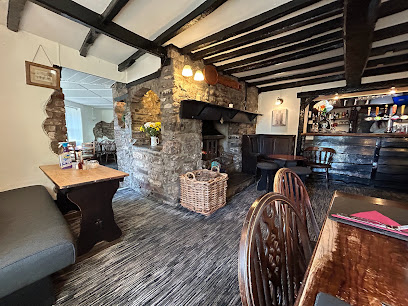
The Butchers Arms
9.9 km
A welcoming Welsh country pub in Llanddarog offering traditional oak-beamed charm, local cuisine, and a cozy fireplace.
Markets, malls and hidden boutiques

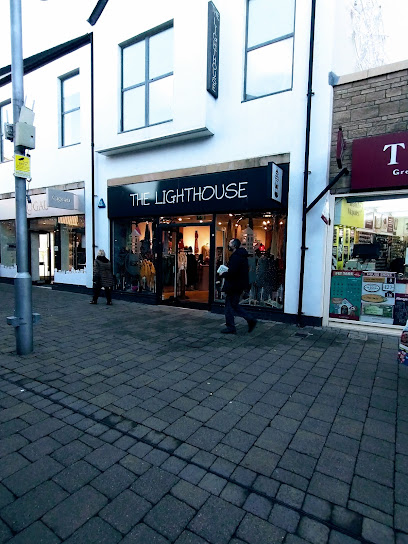
The Lighthouse
0.3 km
Stylish, quality fashion and footwear inspired by coastal and country life in the heart of Carmarthen.
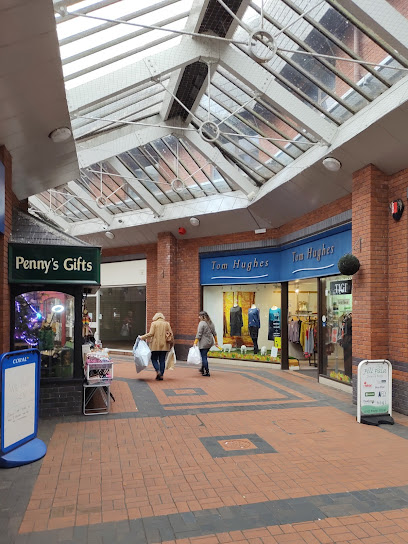
Cambrian Way Shopping Centre
0.3 km
Experience the heart of Carmarthen at Cambrian Way Shopping Centre, where shopping, dining, and lively atmosphere come together.
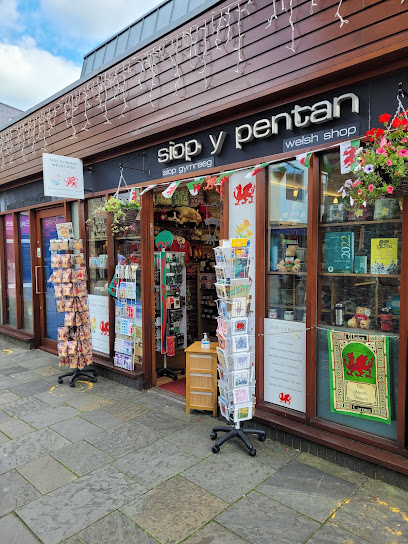
Siop Y Pentan
0.4 km
A cozy Carmarthen bookshop blending Welsh literature with unique local gifts and a warm, inviting atmosphere.
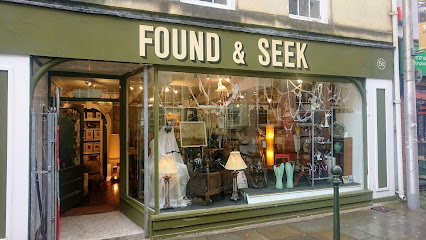
Found & Seek
0.5 km
Discover Carmarthen’s charming boutique blending local crafts with vintage treasures in a unique and welcoming setting.
Days Department Store
0.5 km
A welcoming department store in Carmarthen offering diverse fashion and accessories at reasonable prices with convenient hours.
Mooch etc
0.5 km
Discover unique Welsh gifts and local crafts at Mooch etc, a cozy and creative gem in Carmarthen’s historic King Street.
Muddlebox
0.5 km
Trendy cocktail bar and alcohol retailer in Carmarthen offering creative drinks, retail convenience, and delivery services in a vibrant setting.
Weird Fish Carmarthen
0.5 km
Quality casual clothing in Wales's oldest town, where legend meets modern retail.
Nomads
0.5 km
Discover unique global treasures and quality handcrafted gifts at Nomads, Carmarthen’s boutique gift and clothing shop.
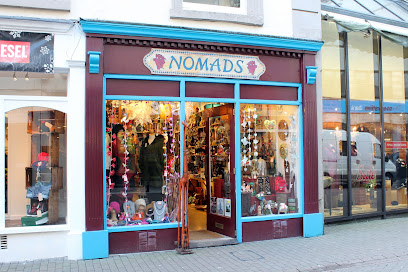
Poundland
0.6 km
Affordable everyday essentials and family fashion in the heart of Carmarthen’s Merlin's Walk Shopping Centre.
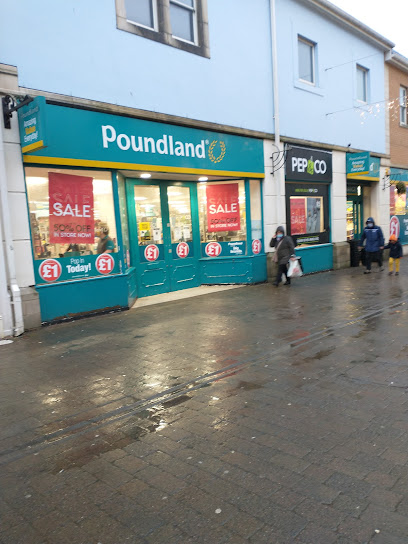
Merlin's Walk Shopping Centre
0.6 km
A vibrant Carmarthen shopping centre blending local legend, specialty stores, and convenient access for a welcoming retail experience.
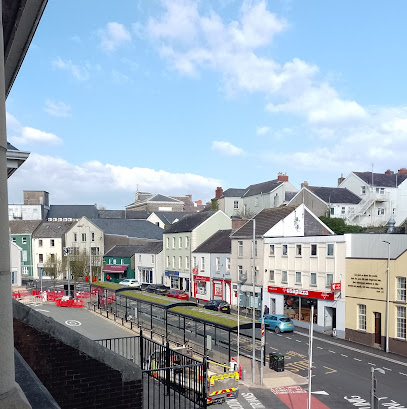
TK Maxx
0.6 km
Discover unbeatable deals on designer fashion and homeware at TK Maxx Carmarthen, where style meets savings in the heart of Merlin's Walk.
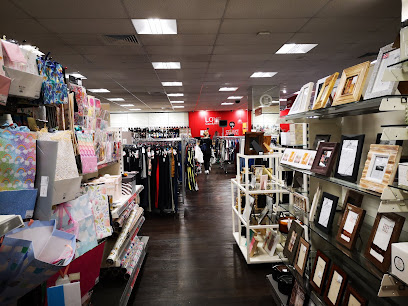
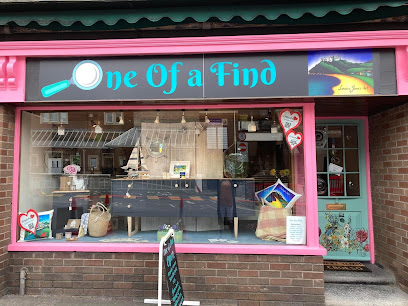
One of a Find
0.6 km
Discover unique vintage gifts and charming home accents at One of a Find, Carmarthen’s beloved boutique on Blue Street.
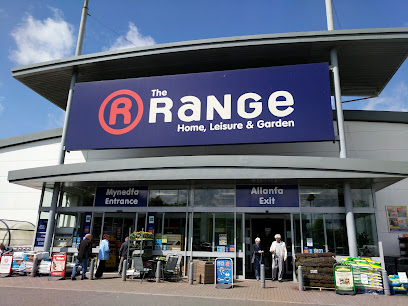
The Range, Carmarthen
0.9 km
Your one-stop homeware destination in South Wales with furniture, décor, garden supplies, and more.
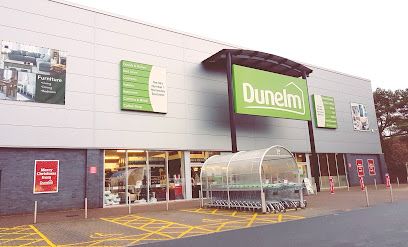
Dunelm
1.4 km
Explore a vast selection of homewares and furnishings at Dunelm Carmarthen, your local destination for stylish and practical living solutions.
Essential bars & hidden hideouts

Coracle Tavern
0.4 km
A lively Carmarthen pub blending traditional charm with homemade British fare and live entertainment.
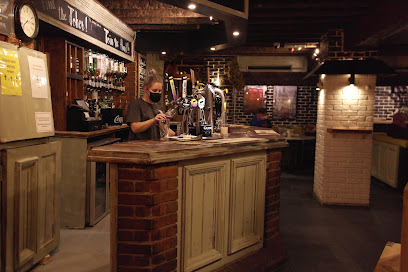
The New Stags Head
0.4 km
A cozy Carmarthen pub blending traditional charm with locally sourced food and a lively, welcoming atmosphere.
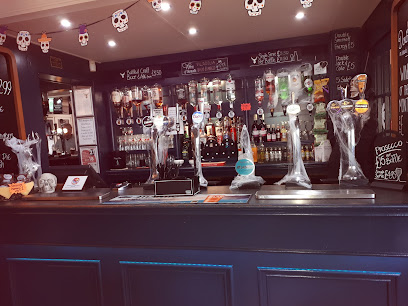
The Dog & Piano
0.5 km
A lively Carmarthen pub blending classic charm with live piano music, cocktails, and a welcoming atmosphere for all.
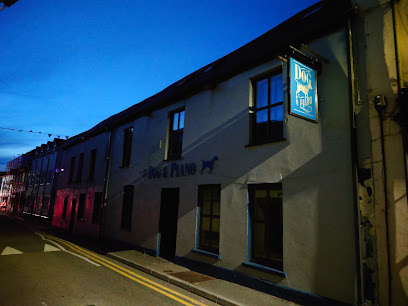
CWRW
0.5 km
CWRW blends craft beers, creative arts, and live music in a vibrant Carmarthen venue full of character and community spirit.
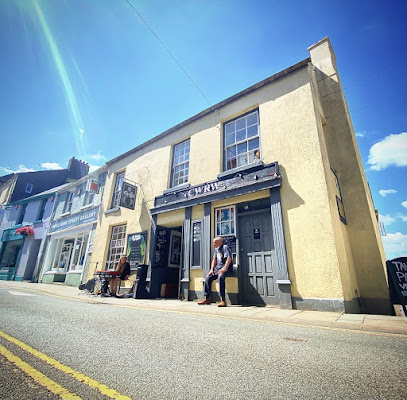
Rose and Crown Hotel
0.5 km
A charming coaching inn in Carmarthen blending historic Welsh warmth with modern comfort and hearty local fare.
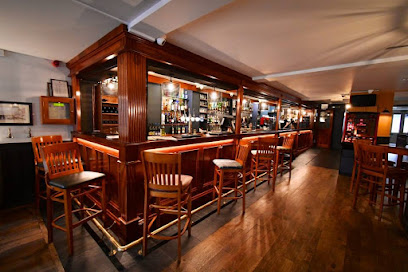
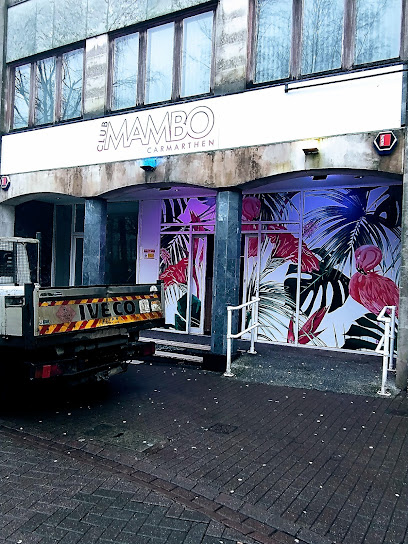
Club Mambo
0.5 km
Experience Carmarthen’s vibrant nightlife at Club Mambo, a lively bar and dance venue known for its energetic atmosphere and welcoming crowd.
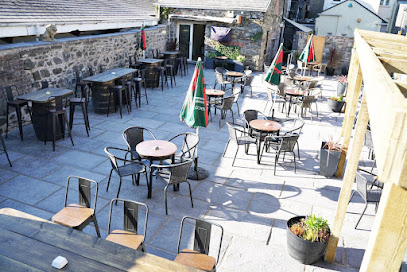
Golden Lion Hotel
0.5 km
Historic Carmarthen pub with lively music, a popular beer garden, and welcoming atmosphere for locals and visitors alike.
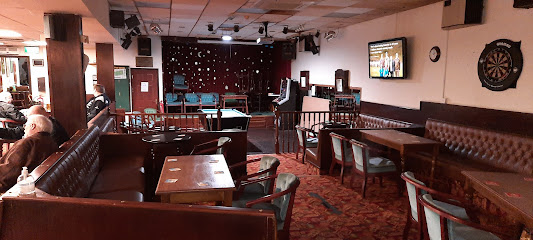
The Gremlin Club
0.5 km
Discover the vibrant nightlife of Carmarthen at The Gremlin Club, where great drinks and lively entertainment await every visitor.
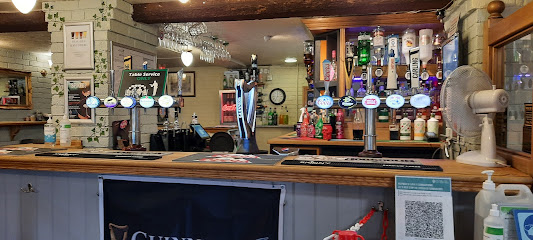
Stag & Pheasant
0.6 km
A lively, dog-friendly pub in Carmarthen offering great beers, hearty meals, and a welcoming local atmosphere.
Plume of Feathers Inn
0.6 km
Discover Wales’ smallest pub, The Plume of Feathers Inn in Carmarthen—where cozy charm meets warm welcomes and great food.
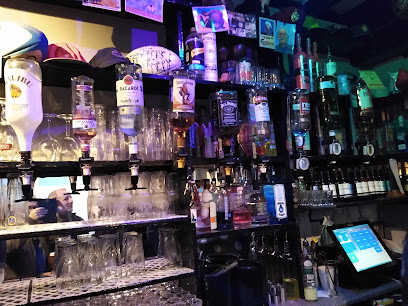
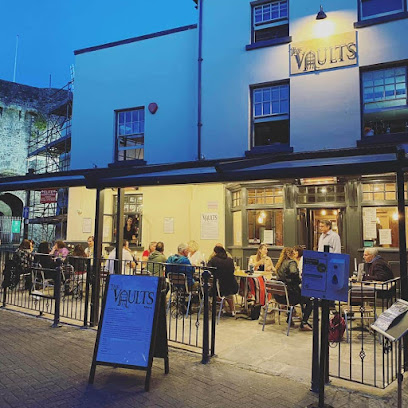
The Vaults
0.6 km
Historic charm meets vibrant nightlife in Carmarthen’s oldest cocktail bar with stunning castle views and live music weekends.
Tafarn Tanerdy
1.3 km
Traditional Welsh pub with scenic river views, family-friendly amenities, and hearty pub classics in Carmarthen’s countryside.
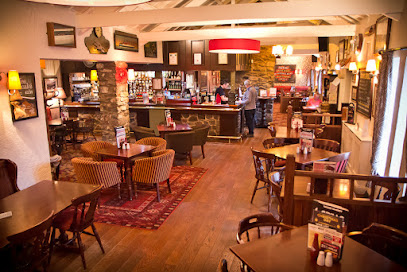
Brains S A
1.3 km
Traditional Welsh pub with scenic river views, classic ales, and a family-friendly atmosphere in Carmarthen’s charming Tanerdy village.
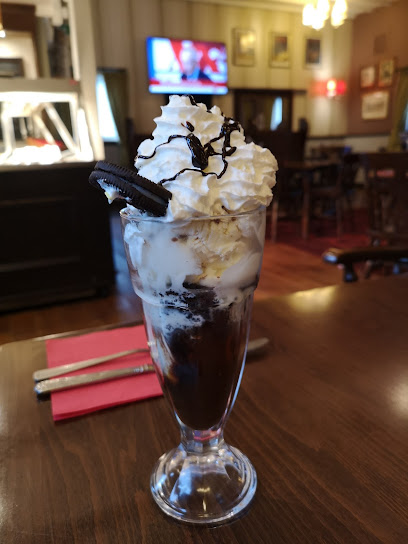
Friends Arms Public House
1.4 km
A cosy, traditional Welsh pub in Carmarthen offering real ales, friendly vibes, and a welcoming spot for locals and visitors alike.
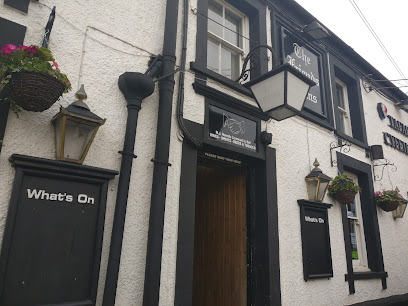
Caraway
1.5 km
A family-friendly pub in Carmarthen with great food, traditional ales, a large beer garden, and a warm, welcoming atmosphere.
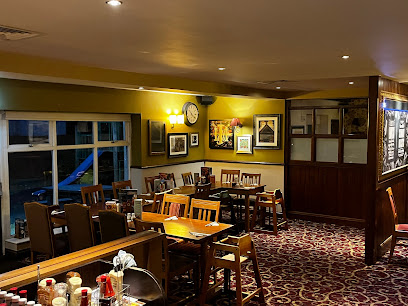
Nightclubs & after hour spots

Savannah's Night Club
0.5 km
Experience Carmarthen’s vibrant nightlife at Savannah's Night Club—where music, dance, and stylish vibes create unforgettable Saturday nights.
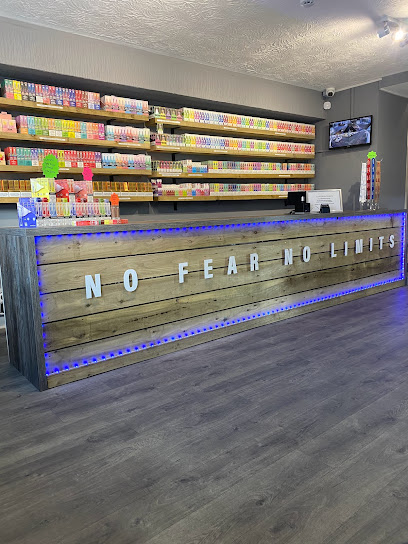
Lucifer's Nightlife
0.6 km
Experience Carmarthen's vibrant nightlife and fast food fusion at Lucifer's Nightlife, where music, dancing, and late-night bites come alive on Queen Street.
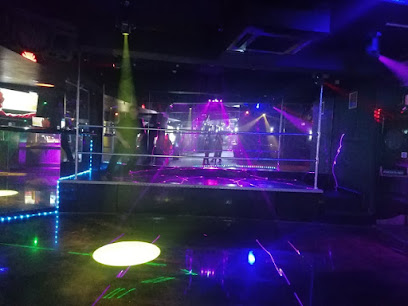
The Rainbow Rooms Bar & Club
28.6 km
Experience lively nights and vibrant music at The Rainbow Rooms Bar & Club, Gorseinon’s premier destination for unforgettable nightlife.
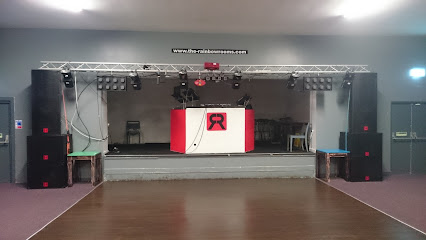
Sands Nightclub
31.6 km
Saundersfoot’s lively nightclub with dance, drinks, and a vibrant atmosphere near the beach.
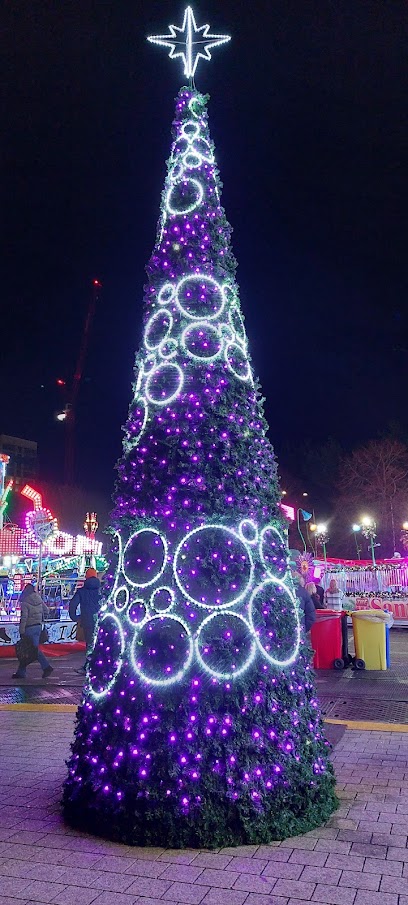
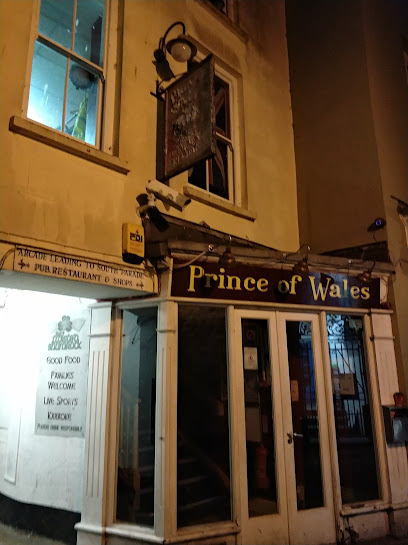
Prince Of Wales
34.2 km
Tenby’s iconic late-night nightclub blending lively music, classic charm, and a spirited atmosphere in the heart of Town Wall Arcade.
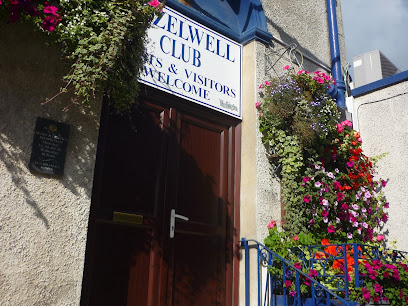
Hazewell Club
34.3 km
Discover the Hazewell Club in Tenby: a cozy sports club offering a warm atmosphere and local drinks amidst stunning coastal views.
Cuba Escape
36.5 km
Experience Swansea’s vibrant nightlife at Cuba Escape, where live music, energetic crowds, and a colorful atmosphere come together for unforgettable nights.
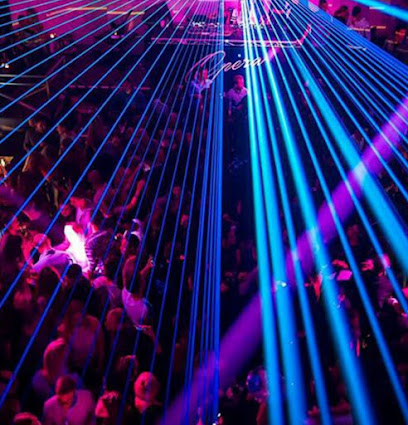
PlanB
36.5 km
Swansea’s energetic two-floor nightclub with a focus on dance music, lively DJs, and great drink deals for a night to remember.

Sin City
36.5 km
Energetic Swansea nightclub with live music, affordable drinks, and a lively atmosphere on Dillwyn Street.
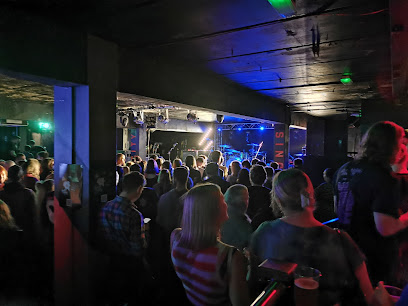
Popworld - Swansea
36.9 km
Experience Swansea’s energetic retro nightclub with affordable cocktails, themed events, and a lively dance floor in the heart of the city.

Comlongon
38.4 km
Experience vibrant nightlife in the charming village of St Florence with Comlongon, Tenby’s energetic nightclub gem.
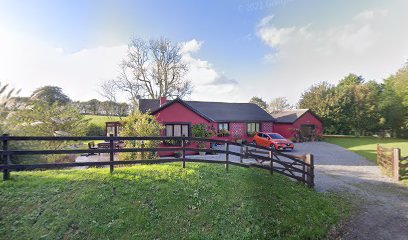
The Cliff Hotel & Spa
38.6 km
Discover unparalleled relaxation and coastal beauty at The Cliff Hotel & Spa, where luxury meets adventure in Cardigan, Wales.
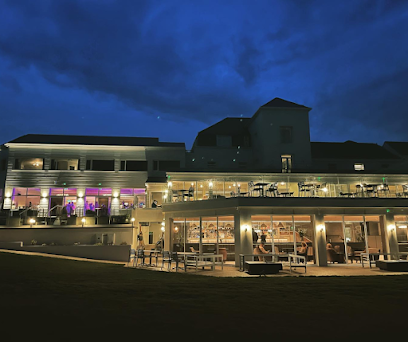
The Arch Bar & Nightclub
40.9 km
A lively Neath hotspot blending nightclub energy, live music, pub charm, and Thai cuisine in one vibrant venue.
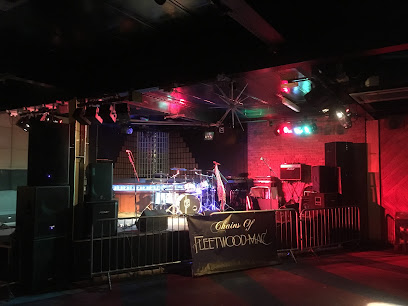
Eddie Rocks
45.8 km
A vibrant multi-floor nightclub in Haverfordwest offering energetic nights, diverse music, and a welcoming atmosphere by the waterfront.

Labirynth
45.8 km
Experience the vibrant nightlife of Haverfordwest at Labirynth, where unique cocktails and a lively atmosphere await you.

For the vibe & atmosphere seeker
- Tranquil
- Scenic
- Unique
- Historical
For the design and aesthetic lover
- Rustic Designs
- Vintage Styles
For the architecture buff
- Historic
- Landmarks
For the view chaser and sunset hunter
- Iconic Views
For the social media creator & influencer
- Instagrammable
- Photo Spots
For the eco-conscious traveler
- Public-Transport Accessible
For the kind of experience you’re after
- Cultural Heritage
- Myth & Legends
- Photowalk
- Day Trip
For how adventurous you want the journey to be
- Easy Access
Location Audience
- Family Friendly
- Senior Friendly
- Child Friendly
- Solo Friendly
- Couple Friendly


