Loughor Castle, Wales Travel Guide
Medieval tower ruin commanding Roman-era strategic crossroads above the River Loughor estuary.
Loughor Castle is a compact medieval ruin perched on a grassy motte overlooking the River Loughor estuary in South Wales. Maintained by Cadw, this historic site features the remains of a stone tower and curtain walls dating to the 12th and 13th centuries, built atop a Roman fort foundation. The elevated position offers commanding views across the estuary and surrounding landscape, making it a worthwhile stop for history enthusiasts exploring Wales' rich Norman heritage.
A brief summary to Loughor Castle
- Castle St, Swansea, Loughor, SA4 6TS, GB
- Click to display
- Duration: 0.25 to 1.5 hours
- Free
-
 Outdoor
- Mobile reception: 4 out of 5

Know before you go
Hi, I'm Eve. Here are a few practical things to know before exploring Loughor Castle.
- Wear sturdy, closed-toe footwear with good grip. The grassy motte is steep and uneven underfoot, particularly after rain when surfaces become slippery.
- Visit during clear weather to maximize the panoramic views across the River Loughor estuary and surrounding landscape from the tower summit.
- Allow time to examine the fallen spiral staircase and outer wall brickwork details that reveal medieval construction techniques and daily life.
- Combine your visit with nearby attractions in Loughor town, including shops, pubs, and restaurants within easy walking distance of the castle.
- Bring a camera or smartphone to capture the elevated views, but be cautious of uneven ground and loose stones while photographing.
Do you manage this location?
Take control to get all the benefits, like improved information, better appearance, and stronger visibility across AI-powered discovery. Learn more about listing your business on Evendo
Activate your presenceOther nearby places you may find interesting
The closest places of the same kind, if this one is not quite what you had in mind.
Explore Loughor Castle on the Map
A handpicked selection of must-see spots near Loughor Castle, mapped for you.
Getting There
-
Car
From Swansea city center, take the A4070 northwest toward Loughor, approximately 11 kilometers (7 miles), a journey of roughly 20–25 minutes depending on traffic. The castle is located on Castle Street in Loughor. Parking is available at street level below the castle; proceed up the short hill using the steps on the right side of the site. No designated parking lot exists, so use available roadside parking near the base of the mound.
-
Train and Walk
Take a train to Gowerton station, approximately 4 kilometers (2.5 miles) from the castle. Journey time from Swansea is roughly 10–15 minutes. From Gowerton station, walk or take a local taxi to reach the castle; the walk takes approximately 45 minutes to 1 hour on local roads. Contact Traveline Cymru or National Rail Enquiries for current train schedules and fares.
-
Bicycle
Loughor Castle is located on National Cycle Network Route 4, making it accessible for cyclists. The route connects through the Gower Peninsula, offering a scenic cycling approach from Swansea or surrounding towns. Journey time varies depending on your starting point; allow 30–60 minutes from central Swansea depending on your cycling pace and route taken.
-
Walking from Loughor Town
If you are in Loughor town center, the castle is accessible on foot via a moderate uphill walk of approximately 10–15 minutes. The terrain involves climbing the short hill to reach the castle entrance. Wear appropriate footwear, as the final approach involves steps and uneven ground.
For the on-the-go comforts that matter to you
-
 Trash Bins
-
 Information Boards
-
 Picnic Areas
Discover more about Loughor Castle
From Roman Fort to Norman Stronghold
Loughor Castle stands on ground steeped in over two millennia of military history. The Romans first recognized the strategic value of this location around 75 AD, establishing the fort of Leucarum to control a crucial fording point across the River Loughor. This ford provided access across the Gower Peninsula and allowed the Romans to monitor maritime traffic in the Bristol Channel. The Romans occupied the site intermittently until the early 4th century, leaving behind the foundations upon which later fortifications would rise.Following the Norman Conquest of Wales, Henry de Beaumont, Earl of Warwick, received the Gower Peninsula from King Henry I around 1106. He immediately recognized the site's continued strategic importance and constructed a new castle, initially built as an oval-shaped ringwork with timber ramparts and wooden domestic buildings. This early Norman structure controlled the main road running across Gower from Beaumont's principal seat at Swansea Castle and served as a valuable coastal port.A Contested Stronghold Through Medieval Centuries
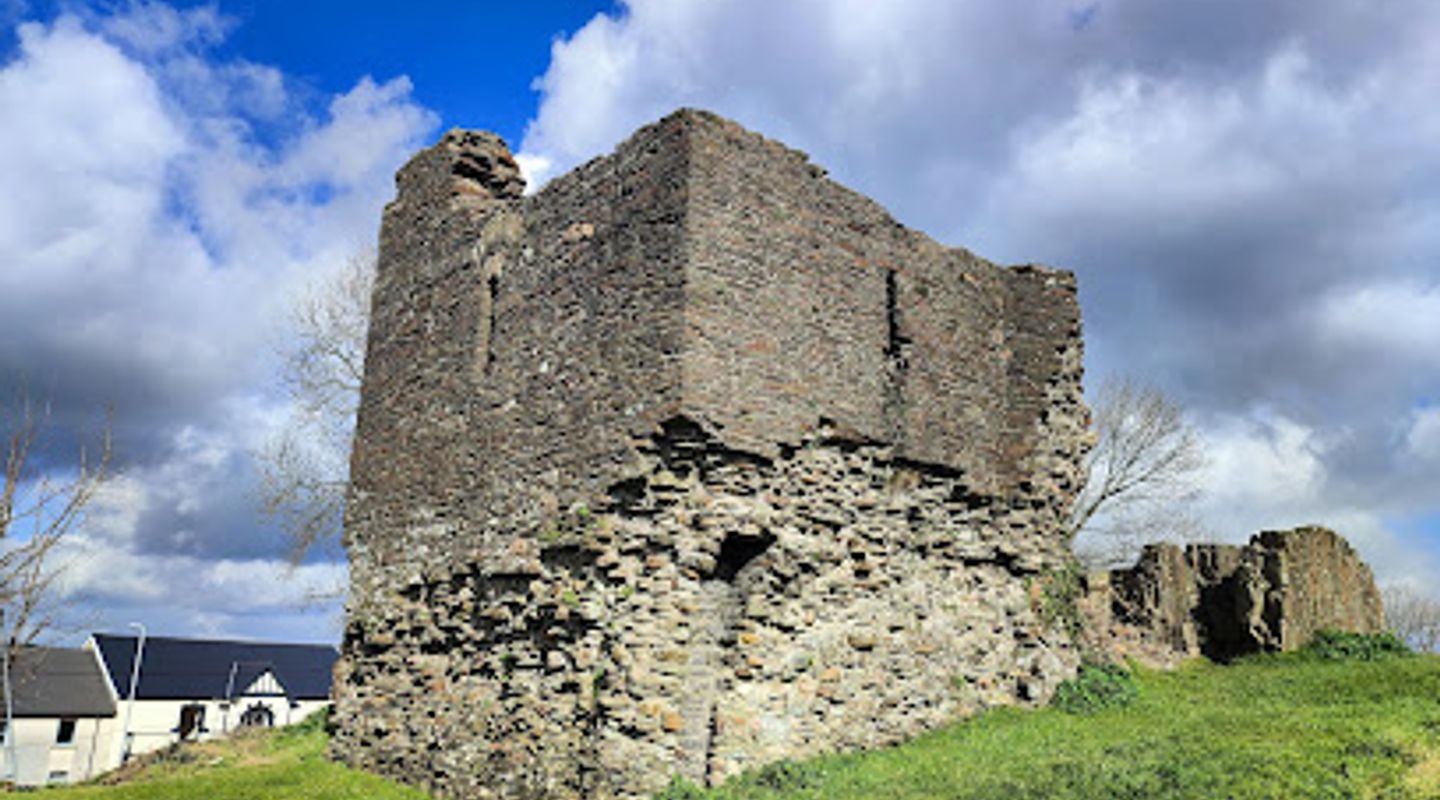
The castle's medieval history is marked by conflict and reconstruction. In 1151, Welsh forces attacked and burned the wooden fortifications, demonstrating the ongoing tensions between Norman settlers and native Welsh rulers. The castle changed hands several times over the following decades until 1220, when John de Braose took control and undertook significant improvements. De Braose replaced the vulnerable timber defenses with substantial stone walls, transforming Loughor into a more formidable fortress.By the mid-13th century, the castle faced renewed threats during the intensified Welsh resistance. Following an attack in 1251, the Norman lords decided to strengthen the castle further. They constructed a square stone tower with three stories, featuring a ground floor with a garderobe and fireplace, along with additional stone buildings within the curtain walls and a new gate through the southern defenses. These additions reflected the evolving military architecture of the late medieval period.The Surviving Tower and Estuary Views
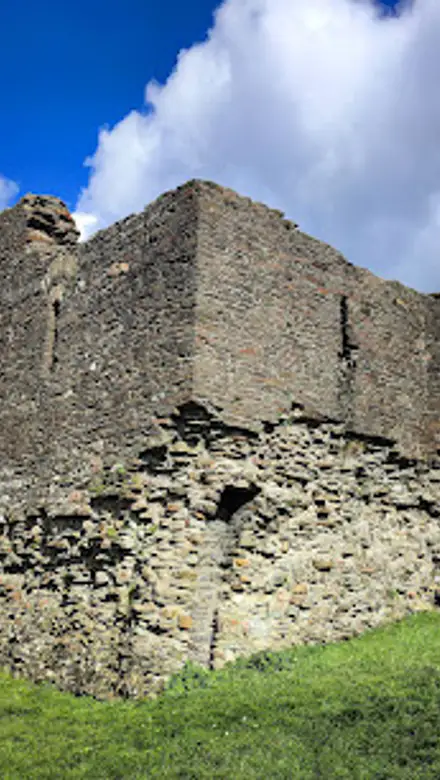
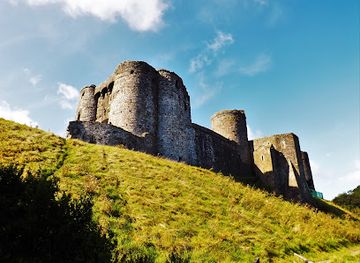
Today, the most prominent feature is the shattered remains of the stone tower that crowns the motte, its spiral staircase fallen but still visible as a tangible link to its past inhabitants. Visitors can examine sections of the outer wall brickwork, which showcase the construction techniques employed by medieval masons. The elevated position of the castle, commanding views across the River Loughor estuary, explains why this location remained strategically valuable for over a thousand years. From the summit of the mound, the panoramic vistas reveal why both Romans and Normans chose this spot to monitor movement and control access.Exploring the Ruins Today
The site is maintained as an open-air monument by Cadw, Wales' historic monuments service, and remains accessible during daylight hours throughout the year. The grassy motte is well-maintained, and the grounds provide ample space for exploration and contemplation. The terrain is relatively easy to navigate, though the mound itself is sloped and uneven in places, requiring sturdy footwear. Visitors typically spend between 5 and 10 minutes examining the main ruins, though those who linger to absorb the historical atmosphere and enjoy the estuary views may spend considerably longer. The site's compact nature makes it an ideal addition to a broader exploration of Gower's medieval heritage or a rewarding waypoint on a coastal journey through South Wales.












Your all‑in‑one travel companion app
Explore expert travel guides, compare and book tours, experiences, hotels, and more—all from the palm of your hand. Download now for seamless trip planning wherever your wanderlust takes you.


Explore More of Wales
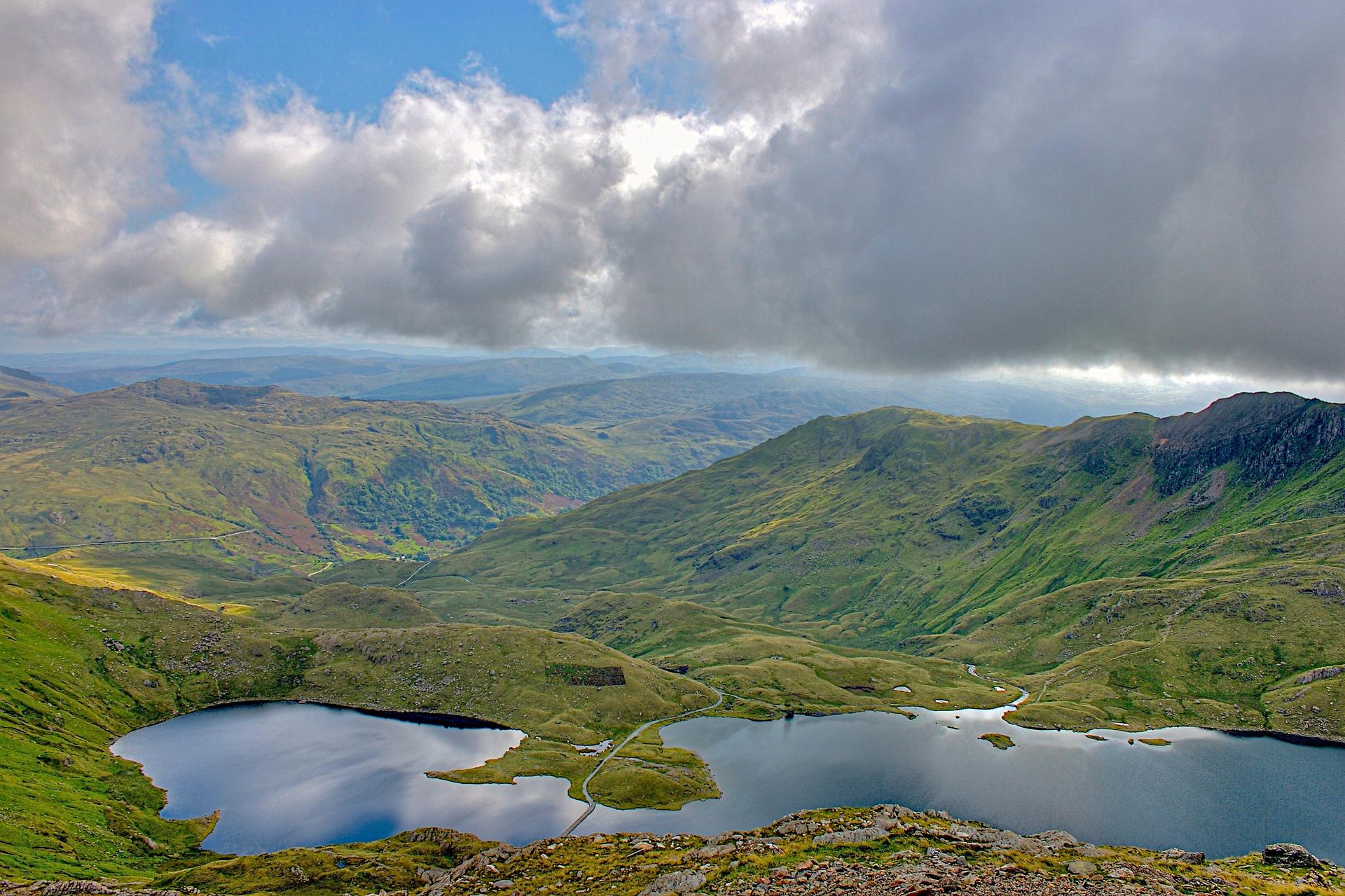
Looking beyond Loughor Castle? Discover Wales for broader travel guides, local hot-spots, and regional highlights.
Explore Wales
Explore the historic Carmarthen Work House, a powerful testament to Wales’ social welfare past and resilience through times of hardship.
Discover Llanelli’s rich heritage and innovation in a beautifully restored mansion set within 24 acres of stunning gardens.