
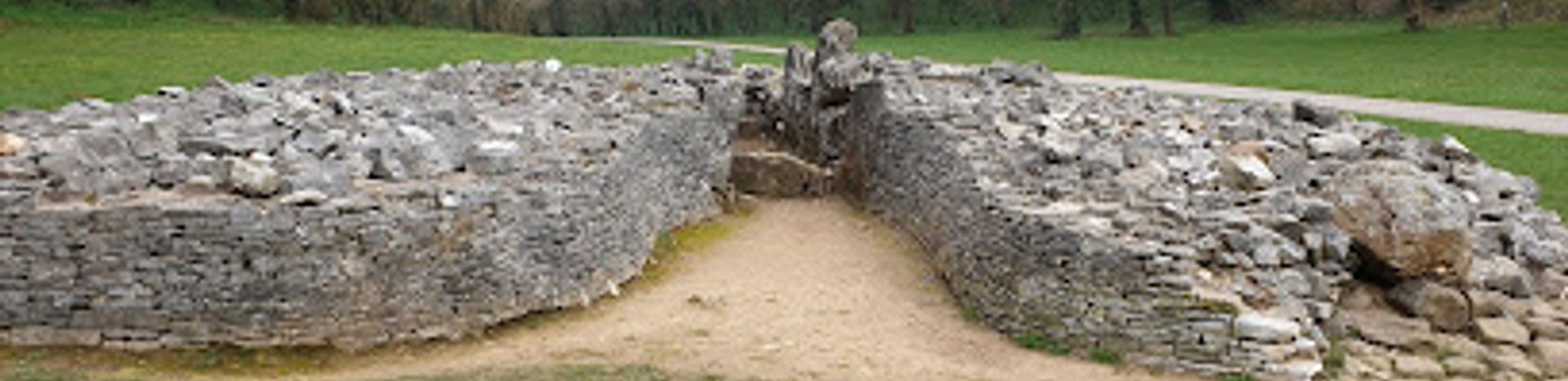
Parc Cwm Long Cairn (Giant's Grave) Neolithic Burial Chamber
Explore a 6,000-year-old Neolithic chambered tomb nestled in a tranquil Welsh valley, revealing ancient burial rites and prehistoric heritage.
Parc Cwm Long Cairn, also known as the Giant's Grave, is a well-preserved Neolithic chambered tomb located in Parkmill, Swansea. Dating back around 6,000 years, this trapezoidal long cairn features a central passageway with side chambers where the bones of at least 40 individuals were found. Set in a tranquil valley once part of a medieval deer park, it offers visitors a glimpse into ancient funerary practices and prehistoric life in Wales.
A brief summary to Giant's Grave
- Swansea, Parkmill, SA3 2EH, GB
- Visit website
- Duration: 0.5 to 1.5 hours
- Free
-
 Outdoor
- Mobile reception: 4 out of 5
Local tips
- Visit during daylight hours to fully appreciate the site and read the informative boards.
- Wear comfortable footwear for a mostly flat and accessible walk along an asphalt path.
- Bring a camera to capture the unique stone architecture and serene valley views.
- Combine your visit with a walk to nearby Cathole Cave to explore more prehistoric sites.

For the on-the-go comforts that matter to you
- Restrooms
- Seating Areas
- Information Boards
- Parking
Getting There
-
Car
Driving from Swansea city center takes approximately 25 to 35 minutes. There is a small Forestry Commission car park for about 20 vehicles located 250 meters from the site. Parking is free but limited, so arriving early is recommended, especially on weekends.
-
Public Transport
Take the bus from Swansea to Parkmill village; the journey typically lasts 40 to 50 minutes depending on service frequency. From Parkmill, the site is a 15-minute walk along a mostly flat asphalt path. Check local bus schedules in advance as services may be infrequent on weekends.
-
Walking
For those staying nearby or exploring the Gower Peninsula, a pleasant 30-minute walk from Parkmill village leads to the cairn via a smooth, accessible path suitable for most fitness levels and wheelchair users.
Giant's Grave location weather suitability
-
 Any Weather
-
 Mild Temperatures
-
 Rain / Wet Weather
Discover more about Giant's Grave
Ancient Origins and Archaeological Significance
Parc Cwm Long Cairn, locally known as the Giant's Grave, is a Neolithic chambered tomb dating from around 3500 BC. It belongs to the Cotswold-Severn tradition of long barrows, characterized by an elongated trapezoidal shape and a narrow central passage flanked by burial chambers. Excavations in 1869 and the early 1960s uncovered the remains of at least 40 individuals, along with pottery fragments and animal bones, some of which predate the tomb itself. The site reveals important insights into prehistoric burial customs and social structures in early farming communities of Wales.Architectural Features and Layout
The cairn measures approximately 21 meters (70 feet) in length and is constructed from limestone rubble, edged with dry-stone walling. Its most distinctive feature is the bell-shaped forecourt at the southern end, flanked by broad horns, which leads into a central passageway lined with upright limestone slabs. This passageway opens into four small side chambers or cells, once covered by large capstones that have since disappeared. The tomb’s design reflects a hybrid style between typical Cotswold-Severn long barrows and megalithic traditions from the western Atlantic coasts.Setting Within the Landscape and Historical Context
Nestled in a narrow, leafy valley on the Gower Peninsula, the cairn sits near a stream that now flows underground. The surrounding area was once a medieval deer park, adding layers of historical significance to the landscape. The site is surrounded by woodland and accessed via a flat, asphalt path, making it accessible to most visitors. Nearby features include Cathole Cave, an Ice Age hunting camp and Bronze Age burial site, which links the area to a deep prehistoric past.Visitor Experience and Access
Visitors can explore the exposed burial chambers and forecourt, with information boards providing archaeological context. The walk to the cairn is gentle and mostly flat, suitable for families and those with limited mobility. The site is maintained by Cadw, the Welsh Government’s historic environment division, and offers free access year-round during daylight hours. Parking is available nearby, and the tranquil valley setting enhances the contemplative atmosphere of this ancient monument.Legends and Cultural Resonance
The name 'Giant’s Grave' stems from early reports describing the robust skeletal remains of males found during excavation, which were once thought to be giants. Local folklore and Arthurian legends enrich the cultural tapestry of the area, with nearby prehistoric sites linked to mythic tales. The cairn stands as a testament not only to Neolithic engineering but also to the enduring human fascination with death, memory, and the landscape.Conservation and Educational Importance
Parc Cwm Long Cairn is a protected archaeological site that offers invaluable educational opportunities about Neolithic life and death practices. Its preservation allows scholars and visitors alike to connect with Wales’ prehistoric heritage. The site’s management prioritizes accessibility and sustainability, ensuring that this ancient monument remains a vital part of the cultural landscape for future generations.Iconic landmarks you can’t miss

Glamorgan History Society
8.1 km
Explore Glamorgan’s rich history through dedicated research, publications, and community events at the heart of Swansea’s heritage.
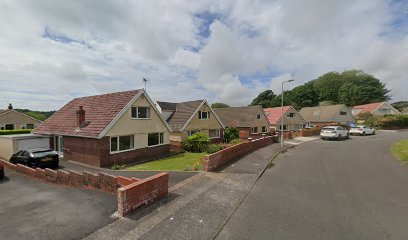
Gorsedd Circle
11.4 km
A modern stone circle in Llanelli celebrating Welsh culture, poetry, and the spirit of the National Eisteddfod.
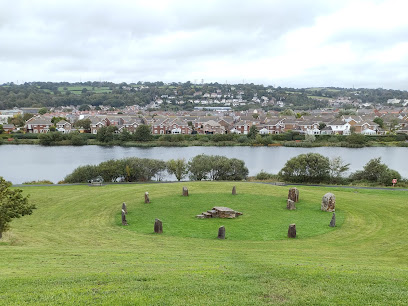
Rhossili Downs
11.6 km
Experience breathtaking coastal panoramas and ancient heritage atop the highest point of Wales' Gower Peninsula.
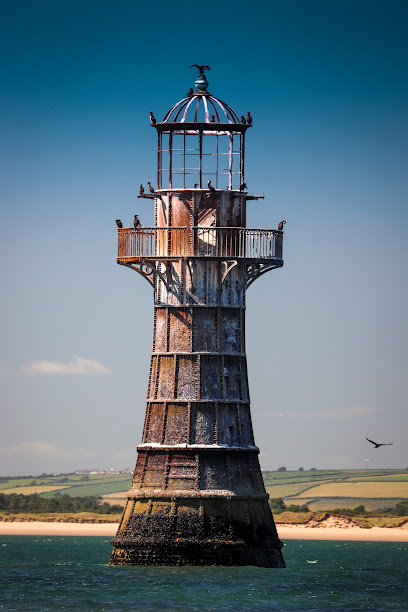
Whiteford Lighthouse
11.9 km
A rare cast-iron lighthouse standing in the tidal estuary of the Gower Peninsula, reachable only at low tide across vast sands and saltmarsh.
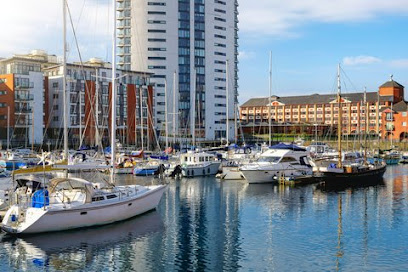
Delta Hotels Swansea
12.0 km
Stylish waterfront hotel in Swansea’s Maritime Quarter with modern comforts, stunning bay views, and versatile event spaces.
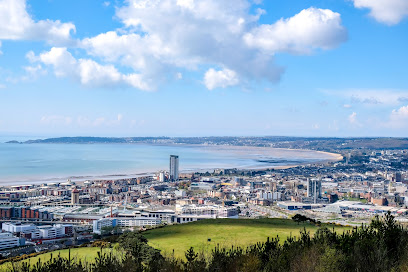
Cwtsh Hostel
12.3 km
Modern, friendly, and centrally located hostel offering comfortable stays and social spaces in the vibrant heart of Swansea.
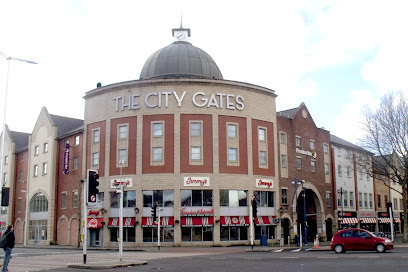
Premier Inn Swansea City Centre hotel
12.5 km
Comfortable city-centre hotel on vibrant Wind Street, with spacious rooms, tasty dining, and easy access to Swansea’s cultural and coastal highlights.
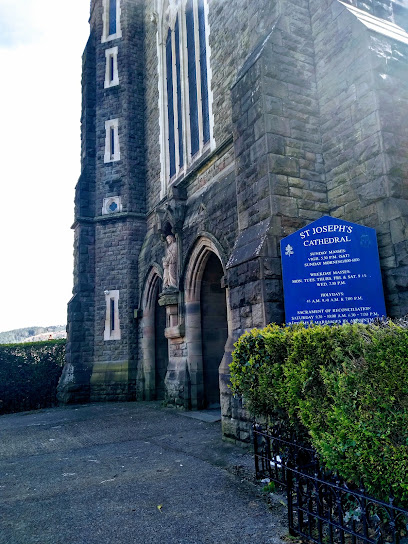
Cathedral Church of Saint Joseph (Eglwys Gadeirlan Siôseff Sant)
12.7 km
A majestic Gothic Revival cathedral in Swansea, symbolizing faith, history, and community since 1888.
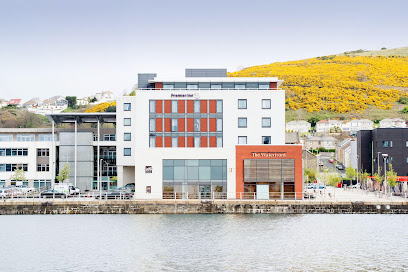
Premier Inn Swansea Waterfront hotel
13.2 km
Modern comfort and scenic marina views combine at Premier Inn Swansea Waterfront, your gateway to Swansea’s vibrant coastal charm.
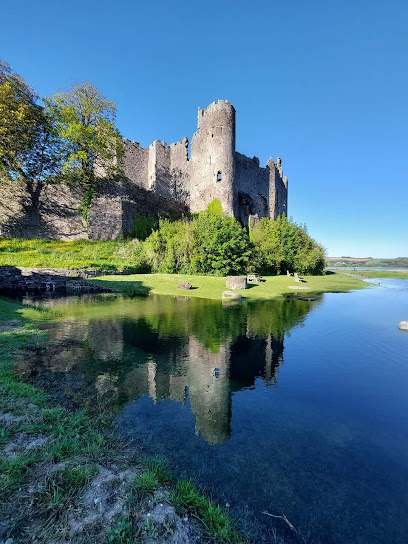
The Baltic Inn & Restaurant
20.7 km
A welcoming countryside inn in Pontyates offering cozy rooms, hearty dining, and a peaceful Welsh village atmosphere.

Tours of Wales
21.4 km
Discover Wales’ rich history and stunning landscapes on small-group, expertly guided day tours with Tours of Wales.
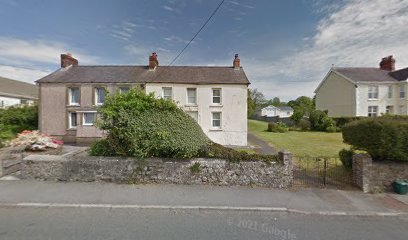
Dyfed Menswear
24.0 km
Explore Llanelli with ease at Dyfed Menswear, a central bus stop connecting you to the town’s vibrant culture and attractions.
Kilns of Mynyddcerrig
24.5 km
Explore the historic limekilns of Mynyddcerrig, a window into Carmarthenshire’s rural industrial heritage and traditional limeburning craft.
Y Bwlwarcau
30.1 km
Explore Y Bwlwarcau, a serene Iron Age hillfort nestled on Mynydd Margam’s slopes, revealing ancient Welsh heritage amidst tranquil countryside.
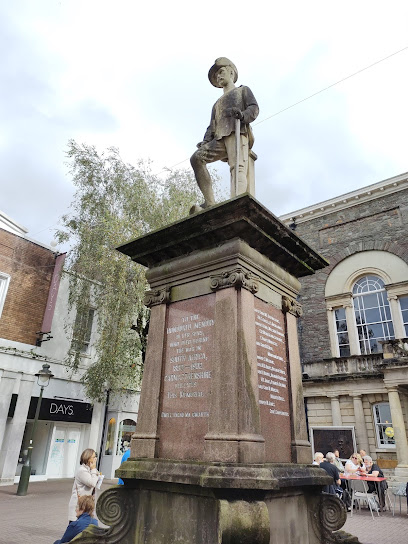
South African War Memorial
32.7 km
A dignified tribute in Carmarthen’s Guildhall Square commemorating local heroes of the Anglo-Boer War with a striking marble soldier statue.
Unmissable attractions to see

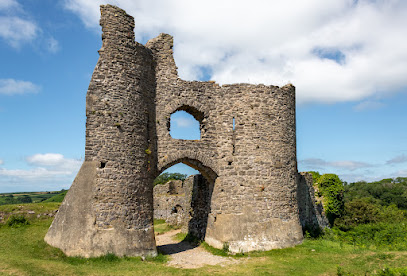
Pennard Castle
1.5 km
Explore the evocative ruins of Pennard Castle perched above Three Cliffs Bay, where medieval history meets wild coastal beauty and shifting sands.
Pobbles Bay
2.0 km
A hidden limestone cove where effort rewards you with solitude, soft sand, and sweeping coastal views.
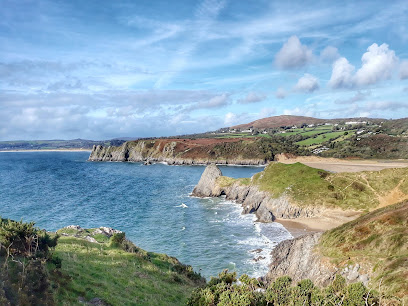
Three Cliffs Bay
2.3 km
Discover the wild beauty and iconic limestone cliffs of Three Cliffs Bay, a serene coastal escape on Wales’ Gower Peninsula.
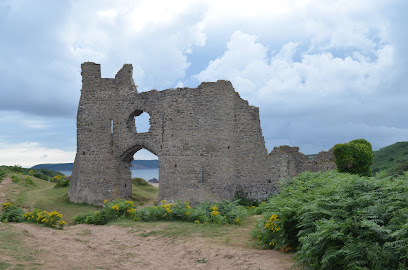
Gower National Landscape
4.1 km
Explore the UK’s first Area of Outstanding Natural Beauty, where dramatic coastlines, ancient history, and diverse habitats create an unforgettable Welsh landscape.
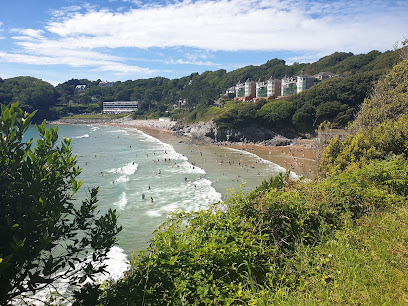
King Arthur's Stone
4.6 km
Discover the enchanting myth of King Arthur at King Arthur's Stone, a historical landmark where legends meet breathtaking Welsh scenery.

Castell Oxwich
5.3 km
Explore Castell Oxwich, a grand Tudor manor house blending mock-fortified elegance with stunning coastal views on Wales’ Gower Peninsula.
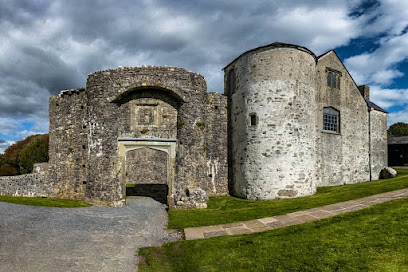
Weobley Castle
6.6 km
Explore the windswept ruins of Weobley Castle, a fortified medieval manor with stunning views over Gower’s saltmarshes and rich Tudor history.

Clyne Gardens
7.6 km
Discover Clyne Gardens, Swansea’s historic botanical haven with rare plants, scenic views, and tranquil parkland open year-round.
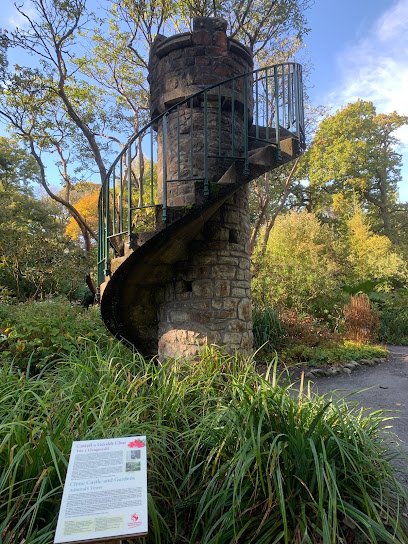
Rotherslade Bay
7.7 km
A tranquil, sandy cove near Mumbles offering scenic coastal views, family-friendly waters, and charming local artistry.
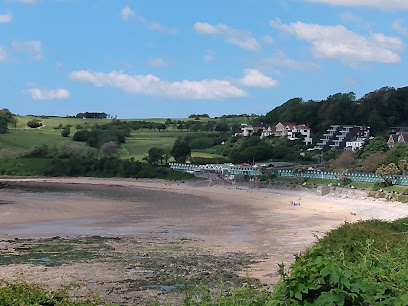
Oystermouth Castle
7.7 km
Explore Oystermouth Castle, a majestic 12th-century Norman fortress with stunning views over Swansea Bay and a rich medieval heritage.
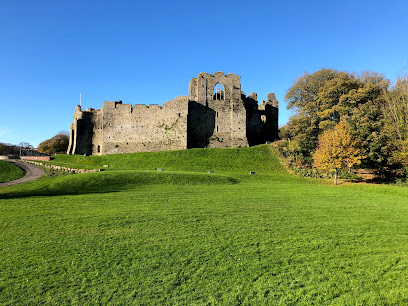
The Lovespoon Gallery
8.0 km
Discover the timeless charm of Welsh lovespoons at The Lovespoon Gallery, where tradition and artistry unite in Mumbles, Swansea.

WWT Llanelli Wetland Centre
8.6 km
Explore 500 acres of rich wetlands, rare wildlife, and family-friendly adventures at WWT Llanelli on the Carmarthenshire coast.
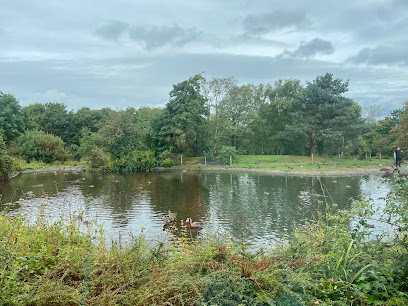
Loughor Castle
8.6 km
Explore the ancient ruins of Loughor Castle, a historic gem in Wales offering rich medieval history and stunning views of the surrounding landscape.
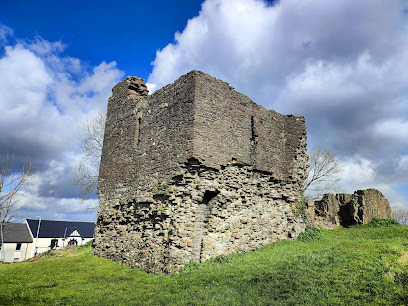
Mumbles Hill Local Nature Reserve
9.1 km
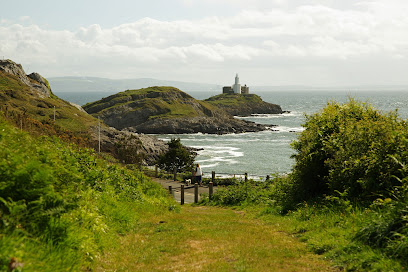
Explore diverse habitats, panoramic Swansea Bay views, and WWII history at Mumbles Hill Local Nature Reserve near Swansea.
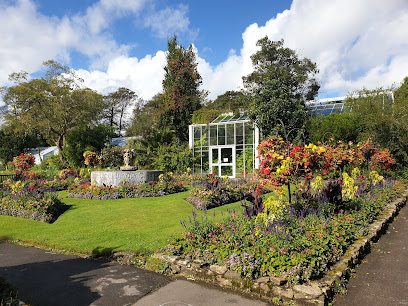
Parc Singleton Park
9.5 km
Swansea’s largest urban park offers lush gardens, a boating lake, wildlife, and vibrant events across 250 scenic acres.
Essential places to dine

Beach House Restaurant
4.8 km
Michelin-starred fine dining with stunning Oxwich Bay views, showcasing the best of Welsh seasonal produce in a rustic-chic beachside setting.
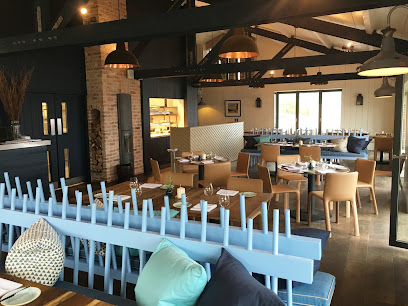
Fredricks Bar & Brasserie
8.3 km
Relax and dine in style with stunning golf course views at Fredricks Bar & Brasserie, Llanelli’s refined yet welcoming culinary spot.
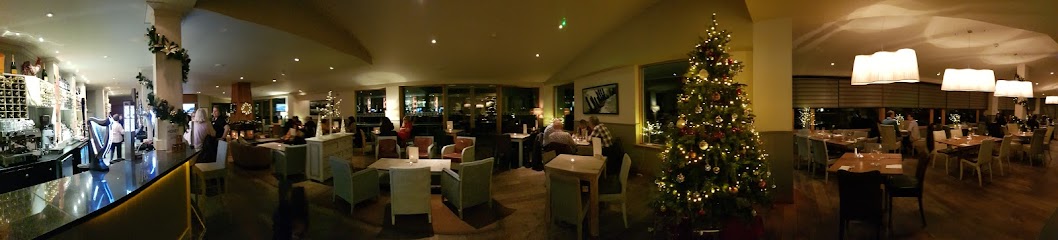
The Lighthouse Bar & Kitchen And Lounge
9.4 km
Seaside dining with stunning views, fresh flavors, and a welcoming atmosphere in the heart of Mumbles, Swansea.
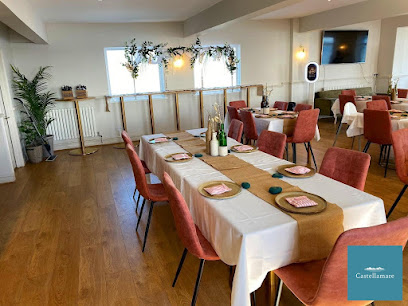
The Secret Beach Bar & Kitchen
10.5 km
A vibrant modern British beachside bar and kitchen with stunning Swansea Bay views and a welcoming, dog-friendly atmosphere.
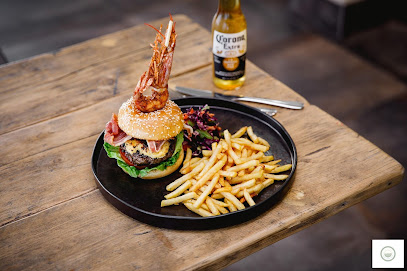
Morgans Restaurant
12.6 km
Elegant European dining and refined bar experiences in a historic Swansea hotel near the marina and city centre.

Lezzet Authentic Restaurant
12.9 km
Experience authentic Turkish cuisine in a bright, welcoming setting with expertly crafted dishes and attentive service in Swansea.
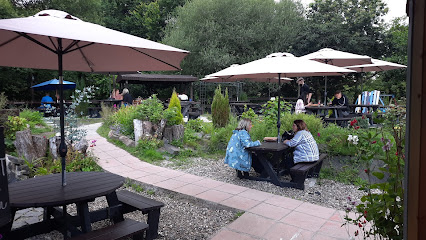
The River House
12.9 km
Scenic waterfront dining with seasonal modern European cuisine and award-winning cocktails in Swansea’s vibrant SA1 district.
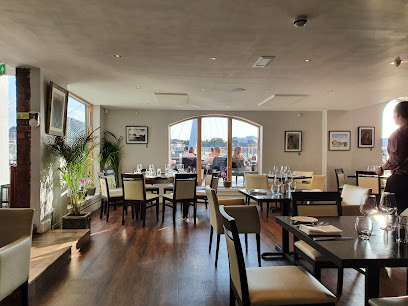
Garden Room Restaurant
14.0 km
A bright, plant-filled restaurant inside Pontarddulais Garden Centre, serving generous British classics and Sunday roasts in a relaxed, family-friendly setting.
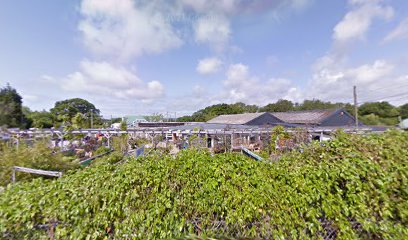
The Bird In Hand
15.4 km
A welcoming country pub in Swansea offering hearty British fare, friendly service, and a lively bar in a family-friendly setting.
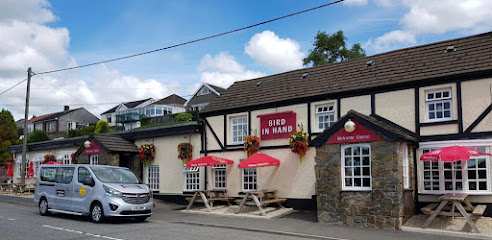
Harvester Llandarcy Neath
19.2 km
A family-friendly British bar & grill near the M4, offering hearty meals, a free salad bar, and casual dining in Neath’s Llandarcy.
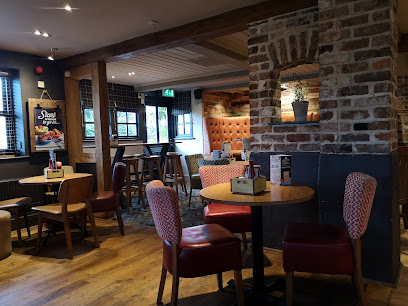
The Travellers Well
19.7 km
Cozy pub in Skewen offering great food, live music, and a friendly atmosphere for casual dining and special events.
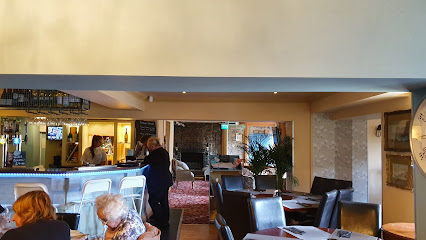
The Front
20.7 km
Enjoy fresh seafood and classic British dishes with friendly service in a relaxed seaside setting on Port Talbot’s Princess Margaret Way.

Bagle Brook Beefeater
21.3 km
Family-friendly Beefeater steakhouse in Port Talbot offering classic British and American dishes with vegan options and lively weekend vibes.
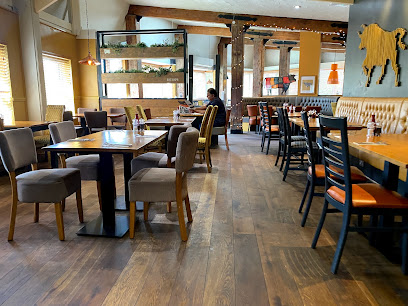
The Coach House
22.0 km
Historic charm and scenic gardens combine at The Coach House, Neath’s premier wedding venue and steakhouse restaurant.
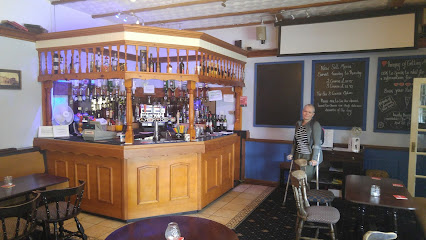
The Welsh House
22.8 km
Experience authentic Welsh flavors and warm hospitality in a cozy Neath setting with a charming beer garden and locally sourced dishes.
Markets, malls and hidden boutiques

Parc Pemberton Retail Park
10.3 km
Llanelli’s vibrant retail park offering leading brands, leisure spots, and easy access near Parc Y Scarlets stadium.

Quadrant Shopping Centre
12.0 km
Swansea's covered shopping destination blending high street chains with independent boutiques in a modern, accessible setting.

Wax 2 Relax
15.4 km
Discover handcrafted candles, bespoke perfumes, and unique local crafts in a cozy Morriston boutique that celebrates artisan creativity.

Obsessive Koi Disorder
15.9 km
A vibrant Swansea shop blending koi fish expertise with unique aquatic-themed gifts and apparel for enthusiasts and pond keepers alike.
The Range
16.7 km
A spacious and affordable homewares and leisure store in Swansea offering everything from furniture to crafts and garden supplies.

Best-one Convenience Store
17.2 km
Discover the Best-one Convenience Store in Swansea - your go-to spot for local snacks and essentials while exploring the area.

Inspired Aroma
17.3 km
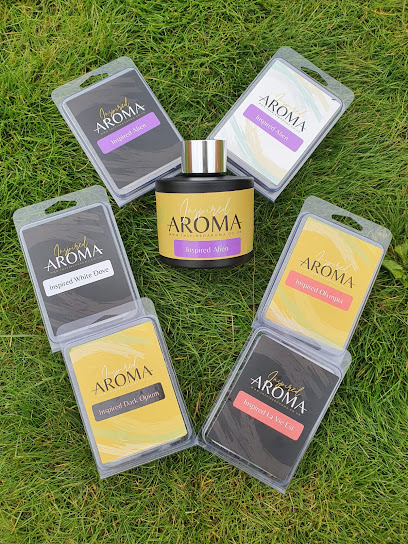
Explore the enchanting world of scents at Inspired Aroma, Swansea's beloved candle shop, where every fragrance tells a story.
The Funny Gift Store
17.5 km
Discover quirky, handmade novelty gifts that bring laughter and joy to Swansea and beyond at The Funny Gift Store.
Peniel Green Food & Wine
17.7 km
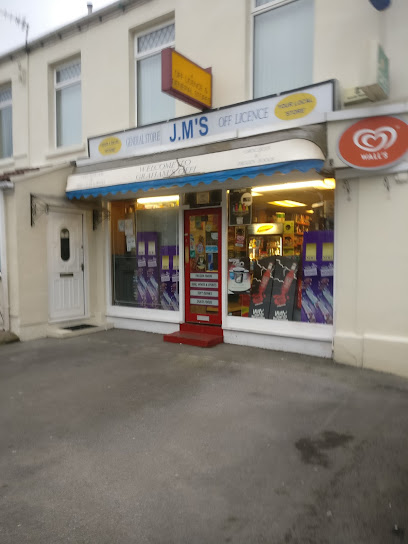
A friendly family-run off licence and convenience store in Swansea offering wide selection and late hours for local shoppers.
Juno candles
18.1 km
Discover handcrafted candles that tell a story of scent and craftsmanship in the heart of Birchgrove, Swansea.
Wooscrafts
18.1 km
Discover unique handmade gifts and artisan crafts in the heart of Birchgrove, Swansea at Wooscrafts.

Seren Jewellery
18.2 km
Handcrafted wedding jewelry in Swansea blending traditional silversmithing with personal service in a charming Birchgrove boutique.
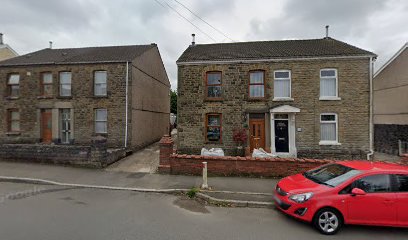
Books and Bobs
18.5 km
Discover rare books and thousands of vinyl records in this family-run Swansea shop blending literature and music.
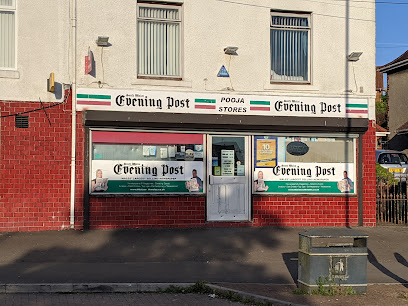
Pooja Stores
18.5 km
Discover the charm of Pooja Stores in Birchgrove, Swansea - your go-to convenience store for quick shopping and local flavors.
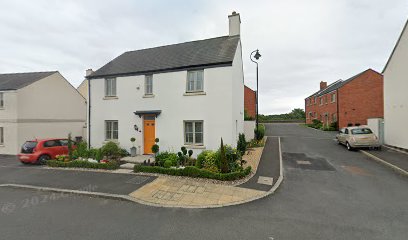
Lush and Tidy
18.6 km
Explore Lush and Tidy, a charming gift shop in Skewen offering unique treasures and local artistry for every traveler.
Essential bars & hidden hideouts

Uplands Tavern
10.6 km
Experience the vibrant local spirit and classic British pub charm at Swansea’s Uplands Tavern, a lively hub for great drinks and live music.
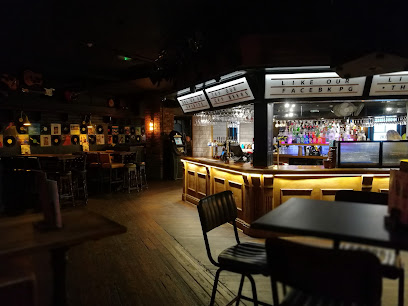
Noah's Yard
10.6 km
Discover Swansea’s quirky Noah's Yard—a vibrant bar blending artistic charm, live jazz, and a welcoming community spirit.
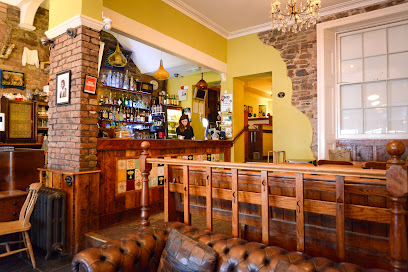
Maltsters Arms
12.3 km
Cozy and vibrant pub in Swansea’s Cwmbwrla, offering local ales, hearty food, and a warm community atmosphere.
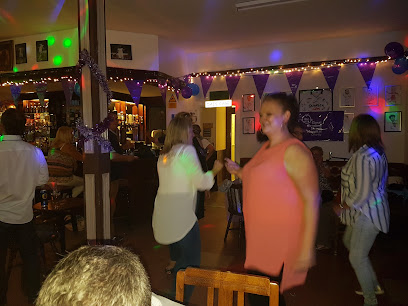
Hogarths
12.3 km
Discover Hogarths Swansea, a lively Victorian gin palace offering over 120 gins, cozy booths, and a vibrant city centre atmosphere.
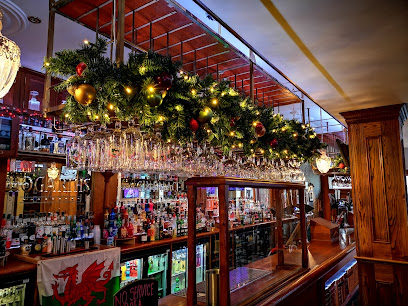
The Perch
12.3 km
Experience Swansea’s energetic live music scene and rustic charm at The Perch, Wind Street’s vibrant bar with cocktails and great vibes.

No Sign Wine Bar
12.4 km
A cozy, character-rich Swansea pub blending real ales, live music, and acclaimed Sunday lunches in the heart of Wind Street.
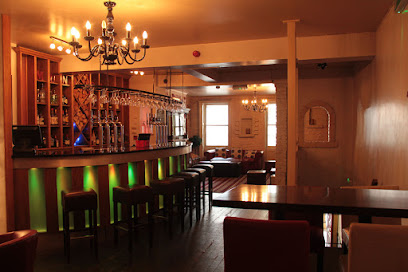
Bambu Beach Bar
12.4 km
Experience Swansea’s vibrant Latin tiki nightlife with tropical cocktails, rooftop dancing, and unforgettable party vibes at Bambu Beach Bar.

Peppermint
12.4 km
Sophisticated cocktails, vibrant nightlife, and exclusive VIP lounges in the heart of Swansea’s city centre.
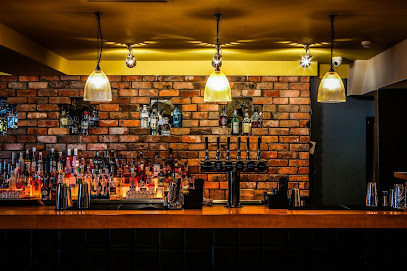
Pump House
12.6 km
Classic British pub fare and refreshing drinks with stunning views of Swansea Marina in a lively, dog-friendly setting.
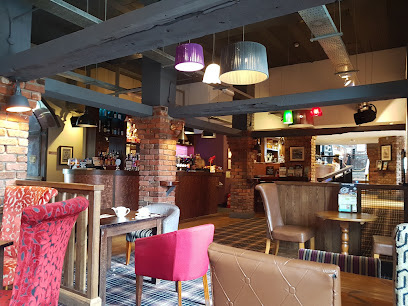
BeerRiff Brewing co
12.9 km
Discover innovative craft beers and vibrant community spirit at BeerRiff Brewing Co, Swansea’s waterside brewery and taproom.
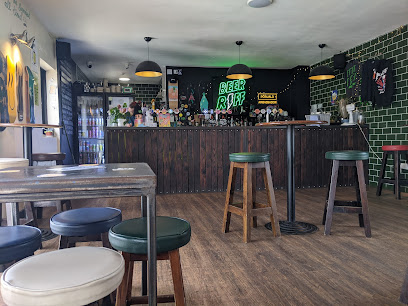
The Ship Inn
13.0 km
Experience authentic Welsh hospitality and hearty local ales in the cozy, welcoming atmosphere of The Ship Inn in Swansea.
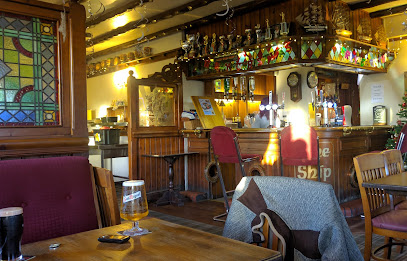
The Wern Inn
13.4 km
Friendly traditional Swansea pub with hearty food, a lively atmosphere, and a spacious beer garden, newly refurbished in 2025.
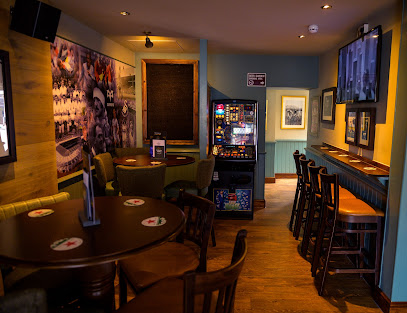
Ivorites Arms
13.7 km
Cozy Welsh pub in Swansea’s Plasmarl offering local ales, hearty food, and warm hospitality in a friendly, inviting atmosphere.
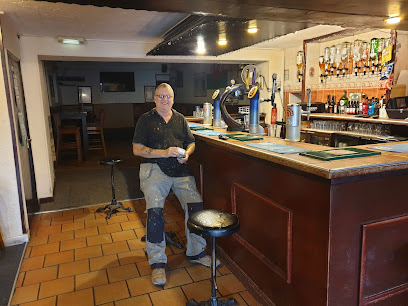
The Copper Pot
16.2 km
A friendly Swansea pub offering hearty meals, generous portions, and a relaxed atmosphere in the heart of Swansea Enterprise Park.
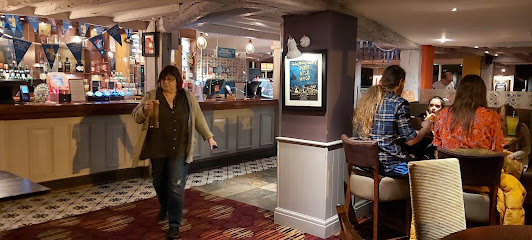
Tafarn Tawe
16.4 km
Lively and welcoming bar at Swansea University Bay Campus, perfect for drinks, events, and socializing in a vibrant student atmosphere.
Nightclubs & after hour spots

The Rainbow Rooms Bar & Club
10.4 km
Experience lively nights and vibrant music at The Rainbow Rooms Bar & Club, Gorseinon’s premier destination for unforgettable nightlife.

Sin City
11.7 km
Energetic Swansea nightclub with live music, affordable drinks, and a lively atmosphere on Dillwyn Street.

Cuba Escape
11.9 km
Experience Swansea’s vibrant nightlife at Cuba Escape, where live music, energetic crowds, and a colorful atmosphere come together for unforgettable nights.

PlanB
12.0 km
Swansea’s energetic two-floor nightclub with a focus on dance music, lively DJs, and great drink deals for a night to remember.

Popworld - Swansea
12.4 km
Experience Swansea’s energetic retro nightclub with affordable cocktails, themed events, and a lively dance floor in the heart of the city.

The Arch Bar & Nightclub
22.6 km
A lively Neath hotspot blending nightclub energy, live music, pub charm, and Thai cuisine in one vibrant venue.

Jimmy's Bar
22.9 km
Experience the vibrant nightlife and live music scene at Jimmy's Bar, Port Talbot’s lively local hotspot with a welcoming atmosphere.
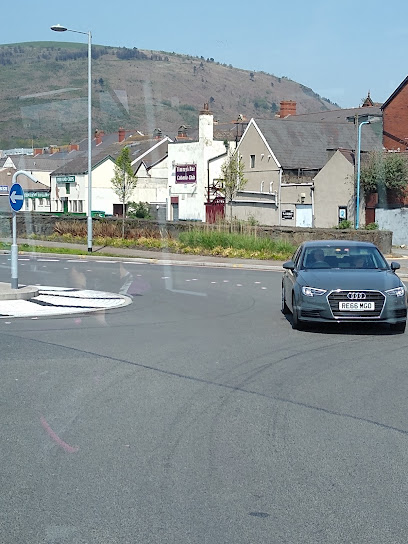
Lucifer's Nightlife
32.6 km
Experience Carmarthen's vibrant nightlife and fast food fusion at Lucifer's Nightlife, where music, dancing, and late-night bites come alive on Queen Street.

Savannah's Night Club
32.8 km
Experience Carmarthen’s vibrant nightlife at Savannah's Night Club—where music, dance, and stylish vibes create unforgettable Saturday nights.
The Top Club
36.3 km
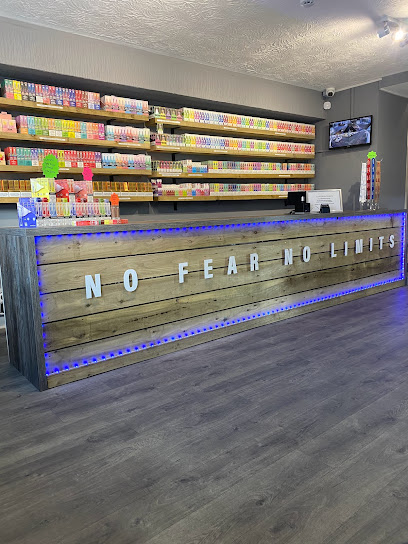
Experience Blaengarw’s vibrant nightlife at The Top Club, where electrifying entertainment meets community spirit in the heart of South Wales.

Hazewell Club
41.6 km
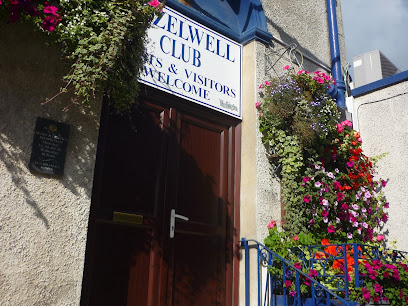
Discover the Hazewell Club in Tenby: a cozy sports club offering a warm atmosphere and local drinks amidst stunning coastal views.
Prince Of Wales
41.7 km
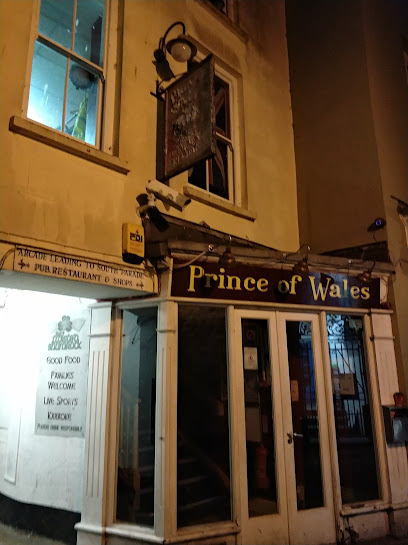
Tenby’s iconic late-night nightclub blending lively music, classic charm, and a spirited atmosphere in the heart of Town Wall Arcade.
Sands Nightclub
42.7 km
Saundersfoot’s lively nightclub with dance, drinks, and a vibrant atmosphere near the beach.
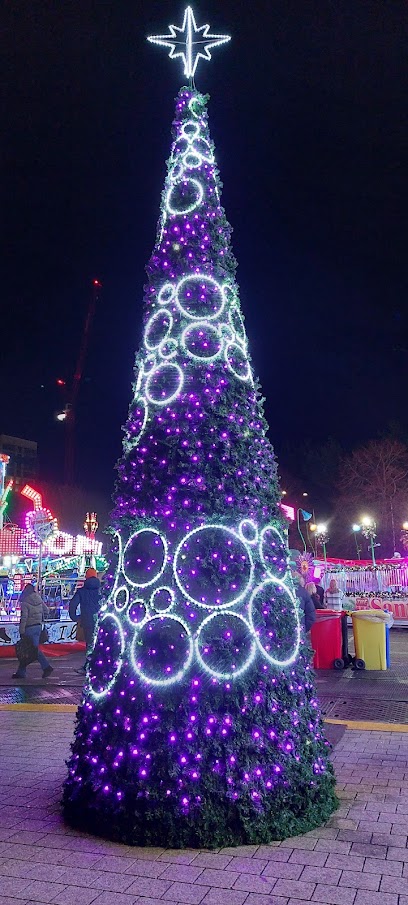
Comlongon
46.8 km
Experience vibrant nightlife in the charming village of St Florence with Comlongon, Tenby’s energetic nightclub gem.
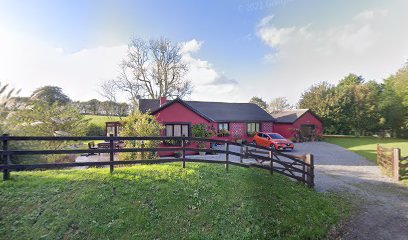
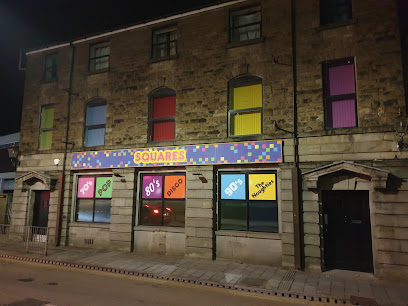
Squares Night club
48.7 km
Experience Porth’s vibrant nightlife at Squares Nightclub, where music, dance, and unforgettable evenings come alive every weekend.
For the vibe & atmosphere seeker
- Tranquil
- Scenic
- Unique
- Relaxing
For the design and aesthetic lover
- Rustic Designs
For the architecture buff
- Historic
- Landmarks
For the view chaser and sunset hunter
- Iconic Views
- Panoramas
For the social media creator & influencer
- Instagrammable
- Photo Spots
For the eco-conscious traveler
- Public-Transport Accessible
- Leave-No-Trace Critical
- Locally Managed
For the kind of experience you’re after
- Cultural Heritage
- Photowalk
- Day Trip
- Nature Escape
For how adventurous you want the journey to be
- Easy Access
Location Audience
- Family Friendly
- Senior Friendly
- Child Friendly
- Wheelchair Access
- Solo Friendly
- Couple Friendly


