

Almshouses, Warwickshire Travel Guide
Step back into Tudor Stratford at the medieval Almshouses, a living legacy of charity and history nestled on Church Street.
The Almshouses on Church Street in Stratford-upon-Avon are a remarkable row of 22 Grade I listed medieval buildings dating back to 1427-8, likely the oldest surviving domestic structures in the town. Originally built by the Guild of the Holy Cross to provide charitable housing for the poor and elderly, these half-timbered homes retain their historic charm and continue to serve as residences today, offering a tangible link to Stratford's rich social and architectural heritage.
A brief summary to Almshouses
- Church St, Stratford-upon-Avon, CV37 6HD, GB
- Duration: 0.5 to 1.5 hours
- Free
-
 Outdoor
- Mobile reception: 4 out of 5

Know before you go
Hi, I'm Eve. Here are a few practical things to know before exploring Almshouses.
- Visit early in the morning for peaceful surroundings and optimal natural light for photography.
- Combine your visit with nearby Shakespeare-related sites like the Grammar School and New Place for a full historical experience.
- Take time to enjoy the quiet gardens adjacent to the almshouses, a serene spot often missed by visitors.
Do you manage this location?
Take control to get all the benefits, like improved information, better appearance, and stronger visibility across AI-powered discovery. Learn more about listing your business on Evendo
Activate your presenceOther nearby places you may find interesting
The closest places of the same kind, if this one is not quite what you had in mind.


Explore Almshouses on the Map
A handpicked selection of must-see spots near Almshouses, mapped for you.
Unlock the Best of Almshouses
Buy tickets
-
No tickets available
Book tours with entry
-
No tours available


Getting There
-
Bus
Take the Stratford-upon-Avon town bus service from the railway station, which runs every 15-30 minutes and stops within a 5-minute walk of Church Street. The journey takes about 10-15 minutes. Single fares cost around £2-£3 GBP.
-
Taxi
A taxi from Stratford-upon-Avon railway station to the Almshouses takes approximately 5-10 minutes depending on traffic, with fares typically ranging from £6 to £10 GBP.
-
Walking
If staying in central Stratford, the Almshouses are easily accessible on foot via paved streets, with a 10-20 minute walk from major landmarks such as Shakespeare's Birthplace. Terrain is flat and suitable for most visitors.
For the on-the-go comforts that matter to you
-
 Information Boards
-
 Seating Areas
-
 Trash Bins
Discover more about Almshouses
Medieval Origins and Charitable Purpose
The Almshouses in Stratford-upon-Avon were constructed in 1427-8 under the auspices of the Guild of the Holy Cross, a powerful religious and semi-political organization in the town during the medieval period. These buildings were designed to provide shelter for the poor, elderly, and those in need within the parish at a time when no formal government welfare existed. The row consists of 22 individual homes, with one additional house attached at the rear, making it one of the longest surviving terraces of medieval domestic architecture in England.Architectural Features and Preservation
These almshouses showcase classic medieval half-timbered construction, with jettied upper floors that extend beyond the ground floor footprint. Originally, the roofs would have been thatched, although modern renovations have updated the interiors for contemporary living while preserving the rustic exterior appearance. The buildings are Grade I listed, reflecting their exceptional historic and architectural significance. Despite modernizations in the 1980s, the almshouses maintain their original charm and remain a striking feature on Church Street.Connection to Stratford’s Cultural Landscape
Situated near Shakespeare’s Grammar School and other historic sites, the almshouses would have been familiar to the young William Shakespeare, who likely passed them regularly. Their presence is a vivid reminder of the social fabric of Tudor Stratford, illustrating how charitable institutions provided vital support to vulnerable community members. The almshouses are part of the town’s rich heritage tapestry, complementing nearby landmarks like Shakespeare’s New Place and the Guild Chapel.Continuing Legacy and Community Role
Unlike many historic buildings that have become solely tourist attractions, the almshouses still function as private residences, continuing their original purpose of providing affordable housing. This ongoing use adds a living dimension to their history, connecting past and present. The gardens and communal spaces around the almshouses offer a tranquil atmosphere often overlooked by visitors but cherished by residents.Visiting Experience and Atmosphere
While the almshouses are not open to the public internally, their exterior offers a photogenic glimpse into medieval life. Early mornings provide the best light for photography and a quieter experience. The row’s length and uniformity create a striking visual narrative of community and care that has endured for nearly six centuries. Nearby information plaques and the Stratford historic walking trail provide context for visitors eager to explore the town’s social history.Historical Significance in Broader Context
Almshouses like these were once common across England, founded by guilds, religious orders, and philanthropists to care for the needy. Stratford’s almshouses are a rare surviving example from the early 15th century, representing the medieval tradition of charity housing. Their preservation offers insight into the evolution of social welfare and architectural styles, bridging medieval and modern eras with dignity and grace.












Your all‑in‑one travel companion app
Explore expert travel guides, compare and book tours, experiences, hotels, and more—all from the palm of your hand. Download now for seamless trip planning wherever your wanderlust takes you.


Explore More of Warwickshire
Looking beyond Almshouses? Discover Warwickshire for broader travel guides, local hot-spots, and regional highlights.
Explore Warwickshire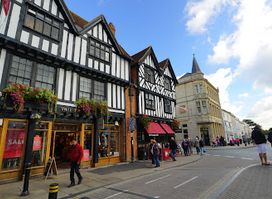
Discover Stratford's magical escape room adventure and enchanting gift shop filled with puzzles, curiosities, and spellbinding delights.
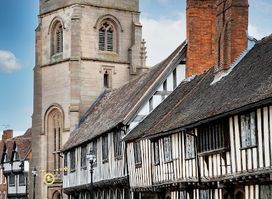
Step back into Tudor England where Shakespeare learned, played, and was inspired in this immersive medieval schoolroom and guildhall.
