

Free West Glamorgan Travel Guide & Mobile App
Explore West Glamorgan with free travel guides. Discover regional history, expert tips, proposed trips, and audio guides on web or mobile app.


West Glamorgan combines Swansea's waterfront, Gower beaches, Welsh food, valley trails and the industrial heritage of south-west Wales.
Read more about West Glamorgan
When is the best time to visit West Glamorgan?
Best: June–August · 19–21°C| Month | High (°C) | Rainfall (mm) |
|---|---|---|
| January | 8 | 80 |
| February | 9 | 70 |
| March | 11 | 70 |
| April | 14 | 60 |
| May | 17 | 60 |
| June (best) | 19 | 70 |
| July (best) | 21 | 70 |
| August (best) | 20 | 80 |
| September | 18 | 70 |
| October | 15 | 80 |
| November | 11 | 90 |
| December | 8 | 90 |
Getting to and around West Glamorgan
How to get there
Transportation
Best attractions in West Glamorgan
West Glamorgan's attractions range from coastal walking and beach days to museums, castles and industrial heritage. On Gower, the Wales Coast Path leads across cliffs, dunes, limestone scenery and broad sands around Rhossili, Oxwich, Three Cliffs Bay and the Mumbles area. Swansea offers the National Waterfront Museum, Swansea Museum, the Dylan Thomas Centre and waterfront public spaces, while the city market provides an everyday cultural experience alongside its formal attractions. Inland, Neath Abbey and Aberdulais Falls explain different phases of medieval religious life, waterpower and industrial development. Margam Country Park combines parkland, gardens and the setting of Margam Castle, and the valleys provide opportunities for walking, mountain biking, fishing and forest recreation. Aberavon's open beach and the Afan Forest area add further contrast, although outdoor routes can be weather-dependent. The result is a varied attraction landscape in which natural scenery and working history are closely connected rather than separated into distinct tourism zones.
-
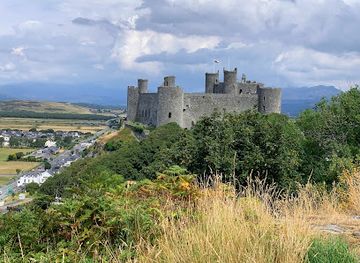
National park
Eryri National Park (Snowdonia)
Wales’ largest national park, Eryri (Snowdonia) blends towering peaks, rich heritage, and thrilling outdoor adventures in a breathtaking natural setting.
-
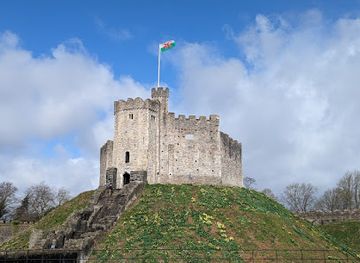
Castle
Cardiff Castle
Discover nearly 2,000 years of history and Victorian grandeur at Cardiff Castle, the heart of Wales’ vibrant capital city.
-
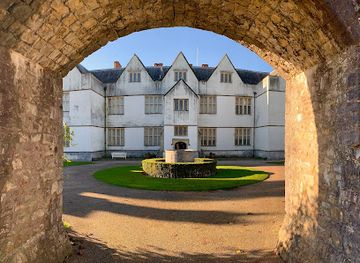
History museum
St. Fagans National Museum of History
Explore Wales’ rich history through authentic buildings, crafts, and culture at one of Europe’s premier open-air museums.
-
Shopping outlet
Designer Outlet Bridgend
Discover top designer brands with up to 60% off in a relaxed village-style setting at McArthurGlen Designer Outlet Bridgend.

Best landmarks in West Glamorgan
The region's most recognisable landmarks express its movement from medieval lordship to industrial powerhouse and coastal recreation. Oystermouth Castle stands above Mumbles, with views across Swansea Bay and a history tied to the medieval lordship of Gower. The ruins of Neath Abbey mark the importance of the Cistercian order and the medieval Neath valley, while Loughor Castle occupies the site of a strategically important Roman and medieval crossing. Swansea's historic civic buildings, maritime waterfront and surviving dock infrastructure reflect the port's industrial age, complemented by the modern architecture of the National Waterfront Museum. Port Talbot's steelworks form a powerful contemporary industrial landmark, even though much of the complex is not a conventional visitor attraction. Along the coast, Rhossili's headland, Worm's Head and the limestone cliffs around Three Cliffs Bay are geographical landmarks as much as scenic viewpoints. Margam Castle provides a contrasting nineteenth-century country-house presence within a long-established parkland setting.
-
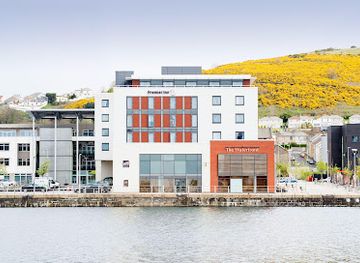
Hotel
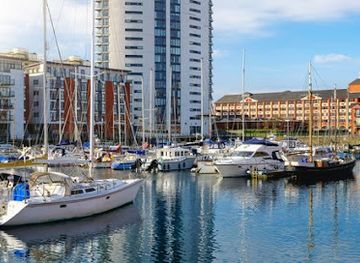
Premier Inn Swansea Waterfront hotel
Modern comfort and scenic marina views combine at Premier Inn Swansea Waterfront, your gateway to Swansea’s vibrant coastal charm.
-
Hotel
Delta Hotels Swansea
Stylish waterfront hotel in Swansea’s Maritime Quarter with modern comforts, stunning bay views, and versatile event spaces.
-
Hotel
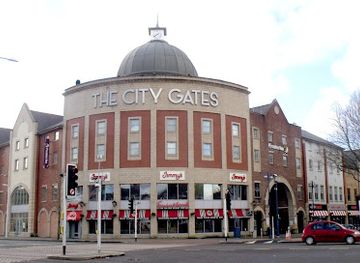
Premier Inn Swansea City Centre hotel
Comfortable city-centre hotel on vibrant Wind Street, with spacious rooms, tasty dining, and easy access to Swansea’s cultural and coastal highlights.
-
Castle
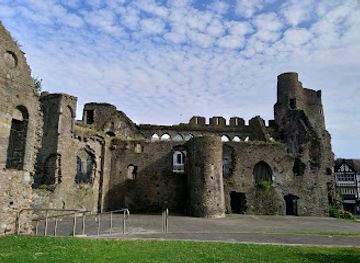
Swansea Castle
Medieval fortress ruins in Swansea's city centre, where Norman heritage meets modern urban design.
Explore West Glamorgan on the map
Plan your trip on one map. See where the top cities, national parks and sights are, and book hotels and experiences in a few clicks.
Best hotels in West Glamorgan
Best restaurants in West Glamorgan
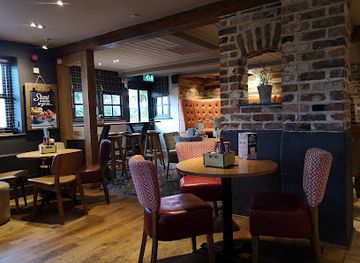
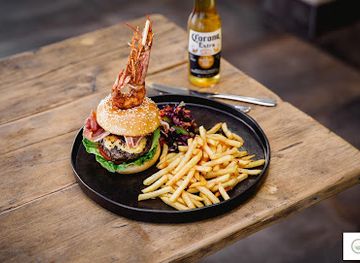
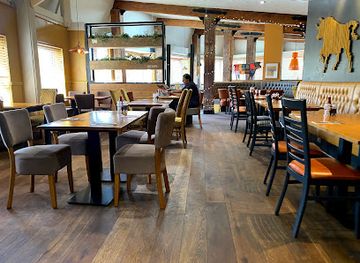
Dining in West Glamorgan draws on the coast, farms and working-town traditions of south-west Wales. Swansea Market is a useful place to encounter Welsh cakes, laverbread, cockles, local meat, cheese and baked goods, while restaurants around Swansea Marina, the city centre, Mumbles and the Gower villages offer everything from cafés and pubs to contemporary cooking. Laverbread, made from seaweed gathered along parts of the Welsh coast, is a particularly distinctive local food, often served with breakfast ingredients or seafood. Coastal menus may feature fish and shellfish from the Bristol Channel, although availability changes with season and supply. Inland pubs, cafés and rural inns commonly emphasise Welsh produce without following one fixed regional style. Visitors will also find familiar British dishes and international food, particularly in Swansea's diverse urban centre. Welsh beer, cider and non-alcoholic drinks are widely available, while food markets and farm shops provide practical ways to sample products from the surrounding countryside.
-
Brasserie
The Lighthouse Bar & Kitchen And Lounge
Seaside dining with stunning views, fresh flavors, and a welcoming atmosphere in the heart of Mumbles, Swansea.
-
Family friendly
Harvester Llandarcy Neath
A family-friendly British bar & grill near the M4, offering hearty meals, a free salad bar, and casual dining in Neath’s Llandarcy.
-
Modern British
The Secret Beach Bar & Kitchen
A stylish beachfront bar and kitchen in Swansea offering modern British cuisine with stunning bay views and warm, attentive service.
-
Steak
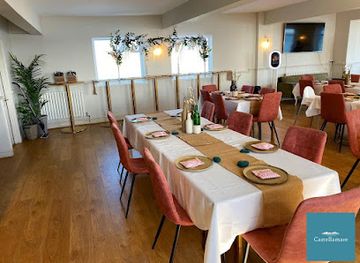
Bagle Brook Beefeater
Family-friendly Beefeater steakhouse in Port Talbot offering classic British and American dishes with vegan options and lively weekend vibes.
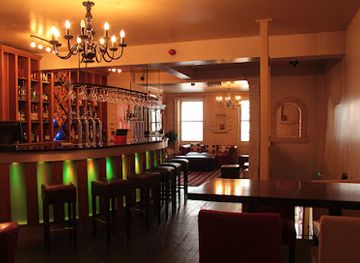
Best bars in West Glamorgan
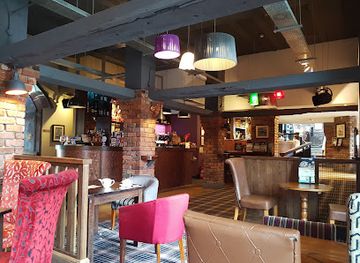
Nightlife is concentrated in Swansea, where the city centre, waterfront and student districts provide pubs, bars, live music, comedy, cinemas and late venues. The character ranges from traditional pubs and Welsh-language cultural events to modern cocktail bars and clubs, with the busiest evenings generally linked to the university calendar and weekends. Mumbles has a more compact evening scene centred on restaurants, pubs and bars, while Neath and Port Talbot offer local pubs, music venues and dining rather than a large club circuit. In Gower and the valleys, evenings are more likely to revolve around village pubs, food-led venues and occasional live performances than late-night entertainment. Brewery and cider offerings appear in pubs and specialist venues, but alcohol is not necessary to experience the region's evening culture. Check current arrangements before travelling, as individual venues and event programmes change regularly.
-
Pub
Pump House
Classic British pub fare and refreshing drinks with stunning views of Swansea Marina in a lively, dog-friendly setting.
-
Pub
The Copper Pot
A friendly Swansea pub offering hearty meals, generous portions, and a relaxed atmosphere in the heart of Swansea Enterprise Park.
-
Pub
No Sign Wine Bar
A cozy, character-rich Swansea pub blending real ales, live music, and acclaimed Sunday lunches in the heart of Wind Street.
-
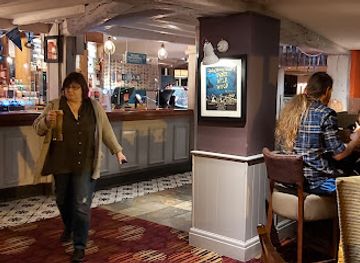
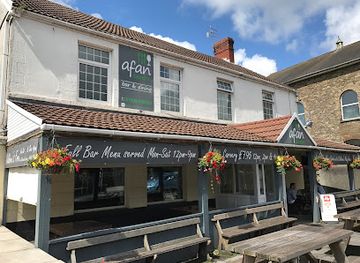
Grill
Afan Tavern
Cozy grill and pub in Cwmafan offering generous portions, local ales, and warm Welsh hospitality in a family-friendly setting.
Best nightclubs in West Glamorgan
Nightlife is concentrated in Swansea, where the city centre, waterfront and student districts provide pubs, bars, live music, comedy, cinemas and late venues. The character ranges from traditional pubs and Welsh-language cultural events to modern cocktail bars and clubs, with the busiest evenings generally linked to the university calendar and weekends. Mumbles has a more compact evening scene centred on restaurants, pubs and bars, while Neath and Port Talbot offer local pubs, music venues and dining rather than a large club circuit. In Gower and the valleys, evenings are more likely to revolve around village pubs, food-led venues and occasional live performances than late-night entertainment. Brewery and cider offerings appear in pubs and specialist venues, but alcohol is not necessary to experience the region's evening culture. Check current arrangements before travelling, as individual venues and event programmes change regularly.
-
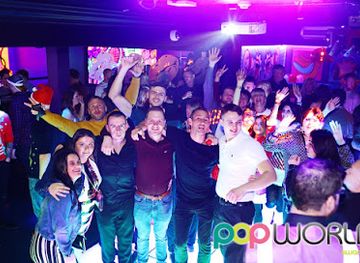
Nightclub
Popworld - Swansea
Experience Swansea’s energetic retro nightclub with affordable cocktails, themed events, and a lively dance floor in the heart of the city.
-
Nightclub
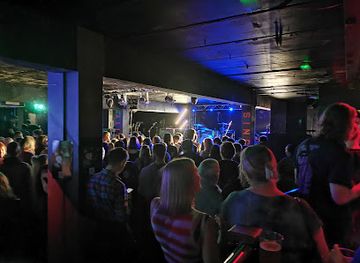
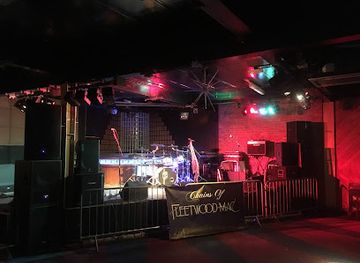
Sin City
Swansea’s energetic nightclub and live music venue known for affordable drinks, late-night parties, and a raw, authentic atmosphere.
-
Nightclub
PlanB
Swansea’s energetic two-floor nightclub with a focus on dance music, lively DJs, and great drink deals for a night to remember.
-
Nightclub
The Arch Bar & Nightclub
A lively Neath hotspot blending nightclub energy, live music, pub charm, and Thai cuisine in one vibrant venue.

Best shops in West Glamorgan
Swansea Market is the region's principal traditional shopping experience, offering food stalls, baked goods, Welsh produce and everyday goods in a long-established covered setting. Swansea city centre and the Quadrant area provide mainstream retail, cafés and services, while the marina, Uplands and Mumbles have a more local mix of independent shops, galleries, boutiques and food businesses. Gower villages are suited to browsing farm shops, craft outlets, galleries and small stores rather than extensive high-street shopping. Neath retains a market-town character with independent retailers and food shops, and Port Talbot provides practical town-centre shopping. Suitable regional purchases include Welsh cakes, preserves, local cheese, beer, textiles, pottery, books about Welsh history and locally made artwork. Opening days and stall line-ups vary, particularly in smaller communities, so visitors should treat market shopping as part of a wider town visit rather than relying on a particular temporary trader.
-
Shopping Centre
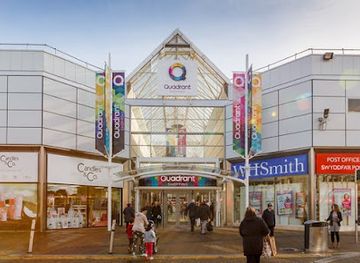
Quadrant Shopping Centre
Swansea’s central shopping destination blending convenience, variety, and community spirit in a compact, accessible setting.
-
Homewares Shop
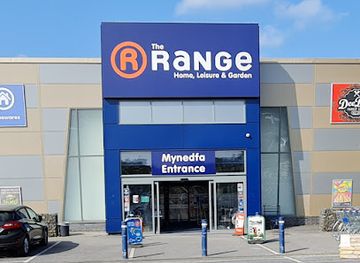
The Range
A spacious and affordable homewares and leisure store in Swansea offering everything from furniture to crafts and garden supplies.
-
Gift shop
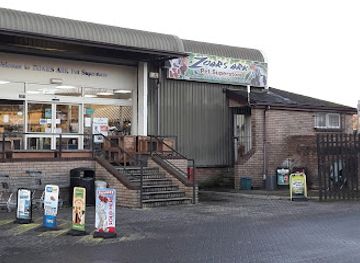
Zoar's Ark Pet Superstore
Family-run since 1949, Zoar's Ark Pet Superstore offers expert pet care, equestrian supplies, and country living essentials in a welcoming Neath setting.
-
Gift shop
Maple
Discover handcrafted artisan chocolates and unique gifts in the heart of Porthcawl’s vibrant John Street.
Get your free copy of our complete guide to West Glamorgan, delivered straight to you.
Everything on this page, from attractions and restaurants to essentials and local phrases, in one PDF you can read offline, print or share.
Already have an account? Sign in
Your West Glamorgan guide is ready.
We'll send it to · Not you? Sign out

Getting your guide ready…
We are putting together a fresh copy of the West Glamorgan guide. This can take up to a minute.
This can take a few moments. If your browser asks, choose Allow so the download can start. You'll find the guide in your Downloads folder.
Nothing happened? Download it again
Sorry, the guide is taking longer than usual. Please try again in a minute, or get it by email instead.
West Glamorgan essentials
Currency and Payment
Safety
Emergency Situations
Do's and Don'ts
Local Tips
From Eve
Local phrases worth knowing
You don't need to get them perfect. A few words go a long way, and locals appreciate the effort.
Basics
| English | Local | Say it |
|---|---|---|
| Hello | Shwmae | [shoo-my] |
| Goodbye | Hwyl fawr | [hoyl vowr] |
| Yes | Ydw | [uh-doo] |
| No | Nac ydw | [nak uh-doo] |
| Please/You're welcome | Os gwelwch yn dda | [oss gwel-ookh un thah] |
| Thank you | Diolch | [dee-olkh] |
| Excuse me/Sorry | Mae'm ddrwg gennyf | [my em dhroog gen-iv] |
| How are you? | Sut wyt ti? | [sit weet tee] |
| Fine. And you? | Da. A ti? | [dah. ah tee] |
| Do you speak English? | Ydych chi'n siarad Saesneg? | [uh-dikh cheen sha-rad sighs-neg] |
| I don't understand | Dydw i ddim yn deall | [dih-doo ee dim un deh-ahl] |
Eating & Drinking
| English | Local | Say it |
|---|---|---|
| I'd like to see the menu, please | Hoffwn i weld y fwydlen, os gwelwch yn dda | [hoh-foon ee weld uh voo-id-len, oss gwel-ookh un thah] |
| I don't eat meat | Dydw i ddim yn bwyta cig | [dih-doo ee dim un boo-ee-ta keeg] |
| Cheers! | Iechyd da! | [yeh-khid dah] |
| I would like to pay, please | Hoffwn i dalu, os gwelwch yn dda | [hoh-foon ee tal-ee, oss gwel-ookh un thah] |
Emergencies
| English | Local | Say it |
|---|---|---|
| Help! | Cymorth! | [kum-orth] |
| Go away! | Dos i ffwrdd! | [dohs ee foorth] |
| Call the Police! | Galwch am y heddlu! | [gal-ookh am uh heth-lee] |
| Call a doctor! | Galwch am ddoctor! | [gal-ookh am thock-tor] |
| I'm lost | Dw i wedi colli | [doo ee wed-ee koh-lee] |
| I'm ill | Dw i'n sâl | [doo een sah-ll] |
Shopping
| English | Local | Say it |
|---|---|---|
| I'd like to buy... | Hoffwn i brynu... | [hoh-foon ee brin-ee] |
| I'm just looking | Dw i'n edrych dim ond | [doo een ed-rikh dim ond] |
| How much is it? | Faint ydy hi? | [faint uh-dee hee] |
| That's too expensive | Mae hynny'n rhy drud | [my hun-ynn ree threed] |
| Can you lower the price? | Allwch chi leihau'r pris? | [al-lukh chee lay-hai'r prees] |
Time & Numbers
| English | Local | Say it |
|---|---|---|
| What time is it? | Faint o'r gloch ydy hi? | [faint or gloch uh-dee hee] |
| It's one o'clock | Mae hi'n un o'r gloch | [my hee'n een or gloch] |
| Half past (10) | Hanner awr (10) | [han-er ow-r (10)] |
| Morning | Bore | [bor-eh] |
| Afternoon | Pryd nôl | [prid nohl] |
| Evening | Noswaith | [nos-wah-eeth] |
| Yesterday | Ddoe | [thoy] |
| Today | Heddiw | [heh-dee] |
| Tomorrow | Fory | [vor-ee] |
| 1 | Un | [een] |
| 2 | Dau | [die] |
| 3 | Tri | [tree] |
| 4 | Pedwar | [ped-war] |
| 5 | Pum | [pim] |
| 6 | Chwech | [kh-wekh] |
| 7 | Saith | [sigh-th] |
| 8 | Wyth | [weeth] |
| 9 | Naw | [naw] |
| 10 | Ddeg | [dheg] |
Transport & Directions
| English | Local | Say it |
|---|---|---|
| Where's a/the...? | Ble mae'r...? | [blee my-er...?] |
| What's the address? | Beth yw'r cyfeiriad? | [beth ee-er kuh-veh-ree-ad?] |
| Can you show me (on the map)? | Allwch chi ddangos i mi (ar y map)? | [al-lukh chee thang-os ee mee (ar uh map)?] |
| When's the next (bus)? | Pryd mae'r (bws) nesaf? | [prid my-er (bus) ne-saf?] |
| A ticket (to ....) | Tocyn (i ....) | [toe-kin (ee ....)] |
History of West Glamorgan
Prehistoric Gower and Early Settlement
Gower contains important evidence of prehistoric occupation, including caves, burial monuments and traces of communities that exploited its coast, limestone grasslands and sheltered valleys. Paviland Cave is associated with the discovery of the so-called Red Lady of Paviland, a famous Upper Palaeolithic burial found on the Gower coast in the nineteenth century and later understood to be far older than originally believed. Neolithic and Bronze Age monuments, together with later hillforts, show that the peninsula was not an empty wilderness but a landscape repeatedly used for ritual, settlement and farming.
Roman and Early Medieval Landscapes
Roman influence reached the area through military and administrative activity in south-west Wales. The fort at Leucarum, near modern Loughor, controlled an important crossing and formed part of the Roman network along the southern Welsh coast. After Roman rule ended, local kingdoms developed and Christian communities became important agents of cultural change. The later medieval landscape retained elements of these earlier routes and settlements, while churches, rural communities and emerging castles reflected the political complexity of the region.
Norman Lordships and Medieval Castles
Following the Norman conquest of parts of south Wales, lordships were established around Swansea, Gower and Neath. Castles at Swansea, Oystermouth, Neath and Loughor expressed control over river crossings, ports, markets and agricultural territory. Oystermouth Castle, overlooking the Mumbles area, is particularly associated with the lordship of Gower. Medieval monasteries and churches also shaped settlement, including the Cistercian foundation at Neath. These buildings survive as reminders of a period when authority was divided among the Crown, marcher lords, Welsh rulers and religious institutions.
Ports, Coal and the Growth of Swansea
From the eighteenth century, Swansea became a major centre for the export of coal and the processing of metals. Copper smelting gave the town an international industrial reputation, and the surrounding port, canals, tramroads and docks connected mines and works with overseas markets. The concentration of furnaces and smoke led to Swansea's historic nickname, Copperopolis. Industrial wealth also financed civic buildings, commercial institutions and seaside development, although it brought severe pollution and difficult working conditions for many communities.
Iron, Tinplate and Valley Industry
Industrialisation spread through the Neath and Afan valleys, where waterpower, coal, ironstone and transport routes supported ironworks, tinplate production and later steelmaking. Neath Abbey's earlier industrial history was followed by works and collieries that altered the valley settlements. The opening of railways and mineral lines accelerated the movement of coal and manufactured goods. Communities grew around works, chapels, schools and clubs, creating the social landscape of industrial south Wales that remains visible in the valleys and former workers' settlements.
Docks, Railways and Maritime Trade
Swansea's docks expanded to handle coal, metals and general trade, while railway development connected the port with industrial districts throughout the region. Neath and Port Talbot also became important transport and industrial centres. Coastal shipping linked the Bristol Channel with Ireland, England and international markets, and the Mumbles area developed its own maritime and seaside identity. These networks brought migration, commercial growth and urban expansion, but they also exposed the region to the fluctuations of global industry.
Port Talbot and the Steel Age
Port Talbot's modern identity was shaped by large-scale iron and steel production, especially from the early twentieth century onwards. The works became one of the dominant industrial complexes in Wales and a major source of employment, while associated housing, transport infrastructure and community institutions transformed the town. Steel remains a powerful symbol of the region's industrial contribution, even as technology, ownership, employment patterns and the wider economy have changed. The landscape around the coast and lower valleys records this continuing tension between heavy industry and environmental renewal.
Post-Industrial Change and Regional Reorganisation
The later twentieth century brought the decline of coal mining, changes in metal manufacturing and the redevelopment of former docklands and industrial sites. Swansea's waterfront gained museums, cultural buildings and public spaces, while parts of the valleys moved towards forestry, outdoor recreation and heritage tourism. West Glamorgan was created as an administrative county in 1974 but abolished in 1996, when Swansea and Neath Port Talbot became separate unitary authorities. The historic name nevertheless continues to describe a coherent cultural and geographical travel area.
West Glamorgan in Photos
Browse through our photo collection highlighting the charm and character of the destination.
Neighbouring regions of West Glamorgan
The closest regions to West Glamorgan, if you have time for more than one.
-

-

-

-

-


Swipe for more regions
Explore more

Explore more of United Kingdom
Discover the United Kingdom: A blend of rich history, stunning landscapes, and vibrant cities, offering a unique travel experience for every visitor.
Explore United Kingdom