
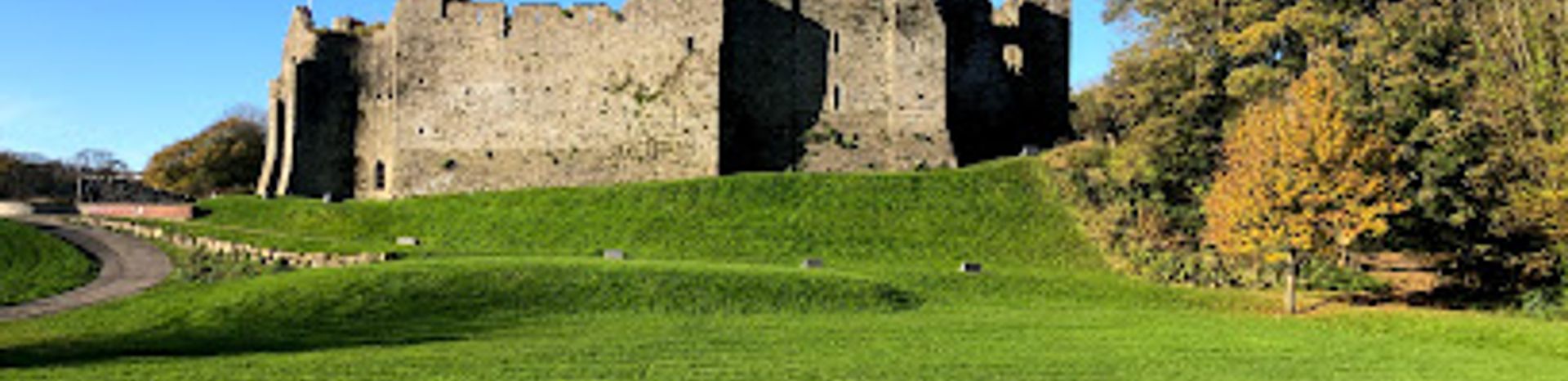
Oystermouth Castle: A Majestic Medieval Stronghold Overlooking Swansea Bay
Explore Oystermouth Castle, a majestic 12th-century Norman fortress with stunning views over Swansea Bay and a rich medieval heritage.
Oystermouth Castle, perched on a hill in Mumbles near Swansea, is a remarkably well-preserved Norman stone castle dating back to the early 12th century. Once the principal residence of the Lords of Gower, it offers visitors a fascinating glimpse into medieval life, with extensive ruins, a restored chapel, and panoramic views of Swansea Bay. Managed by Swansea Council and supported by the Friends of Oystermouth Castle, it hosts guided tours and events that bring history vividly to life.
A brief summary to Oystermouth Castle
- Castle Ave, Swansea, Mumbles, SA3 4BA, GB
- Visit website
- Duration: 1 to 3 hours
- Mid ranged
-
 Outdoor
- Mobile reception: 4 out of 5
- Monday 11 am-5 pm
- Wednesday 11 am-5 pm
- Thursday 11 am-5 pm
- Friday 11 am-5 pm
- Saturday 11 am-5 pm
- Sunday 11 am-5 pm
Local tips
- Wear comfortable shoes as the castle features steep and uneven staircases throughout its ruins.
- Join one of the free guided tours offered Wednesday to Sunday during the open season for in-depth historical insights.
- Visit the restored chapel to see rare medieval wall paintings and enjoy panoramic views of Swansea Bay.
- Check for special events like medieval open days or 'Dark Side' ghost tours to enrich your visit.
- Be prepared for limited accessibility; some areas are challenging for wheelchairs or those with mobility issues.

For the on-the-go comforts that matter to you
- Restrooms
- Seating Areas
- Information Boards
- Visitor Center
Getting There
-
Bus
Take the local bus service from Swansea city centre to Mumbles, which runs approximately every 15-30 minutes. The journey takes around 30-40 minutes. From the Mumbles bus stop, it is a 10-minute uphill walk to the castle. Tickets cost about £2-£4 one way.
-
Car
Driving from Swansea city centre to Oystermouth Castle takes around 15-20 minutes via the A4067. Limited parking is available near the castle, including a free car park accessed via Newton Road, approximately a 10-minute walk uphill to the site. Parking can be challenging during peak summer months.
-
Walking
For those staying in Mumbles village, a scenic 15-20 minute walk along coastal paths leads to the castle. The terrain includes some steep sections and uneven surfaces, so suitable footwear is recommended.
Oystermouth Castle location weather suitability
-
 Any Weather
-
 Clear Skies
-
 Mild Temperatures
-
 Rain / Wet Weather
Discover more about Oystermouth Castle
Origins and Early History of Oystermouth Castle
Oystermouth Castle was founded shortly after 1106 by William de Londres, a Norman lord who played a key role in the conquest of the Gower Peninsula. Initially a wooden motte-and-bailey structure, it was repeatedly attacked and burnt by Welsh forces during the 12th and early 13th centuries, reflecting the turbulent border conflicts of the era. By the 13th century, the castle was rebuilt in stone under the de Braose family, who transformed it into a formidable fortress and the main residence for the Lords of Gower. Its strategic location provided commanding views over Swansea Bay and the surrounding area.Architectural Features and Medieval Life
The castle’s stone keep, dating from the 12th century, forms the core of the surviving structure. Over time, extensive additions were made, including a high curtain wall, residential buildings with fireplaces and garderobes, and a chapel renowned for its faint 700-year-old wall paintings. The castle was designed both for defense and comfort, with features such as basements, a great hall, and fortified gateways. Medieval graffiti etched into the stone walls offers a unique window into the lives of its former inhabitants. A modern glass mezzanine bridge now provides visitors with panoramic views of Swansea Bay, blending ancient and contemporary architectural elements.Historical Significance and Ownership Transitions
Throughout its history, Oystermouth Castle changed hands among prominent families, including the de Londres, de Braose, de Mowbray, Herberts, Somersets, and Dukes of Beaufort. It was a focal point of regional power struggles and witnessed sieges and attacks, notably by Welsh princes such as Llywelyn ap Gruffydd. Edward I visited the castle in 1284, underscoring its importance. After the Middle Ages, the castle declined into ruin but was restored in the 19th century and again in recent decades, preserving its historical fabric for public enjoyment.Visitor Experience and Events
Today, visitors can explore the castle’s maze-like ruins, climb spiral staircases, and discover the chapel’s restored features. The site offers spectacular coastal views, especially from the battlements and chapel area. Free guided tours run regularly during the open season, sharing stories of medieval life and the castle’s rich past. Special events, including medieval-themed open days and paranormal 'Dark Side' tours, add immersive layers to the visitor experience. While the castle’s uneven terrain and stairs pose accessibility challenges, surfaced paths and a visitor centre provide some accommodation.Conservation and Community Involvement
Oystermouth Castle remains under the care of Swansea Council, with ongoing specialist conservation work to maintain its structure and historical integrity. The Friends of Oystermouth Castle, a volunteer group founded in 1989, manage daily operations and promote educational and cultural activities. Their efforts ensure the castle remains a vibrant heritage site, connecting visitors with the medieval history of the Gower Peninsula.Setting and Scenic Importance
Set on a small hill overlooking Swansea Bay, the castle’s location offers stunning views of the Mumbles and the seascape beyond. Its elevated position was originally chosen for defensive advantage but today provides a tranquil and scenic backdrop for visitors. The combination of rugged ruins, coastal panoramas, and the interplay of ancient stone with modern glass elements creates a unique atmosphere blending history, nature, and architectural interest.Iconic landmarks you can’t miss

Glamorgan History Society
4.1 km
Explore Glamorgan’s rich history through dedicated research, publications, and community events at the heart of Swansea’s heritage.
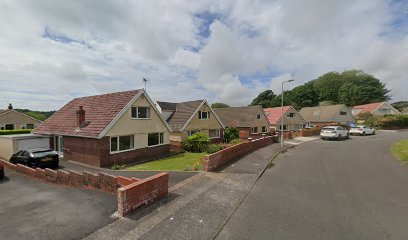
Delta Hotels Swansea
5.7 km
Stylish waterfront hotel in Swansea’s Maritime Quarter with modern comforts, stunning bay views, and versatile event spaces.
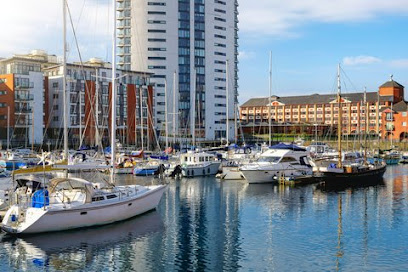
Cwtsh Hostel
6.4 km
Modern, friendly, and centrally located hostel offering comfortable stays and social spaces in the vibrant heart of Swansea.
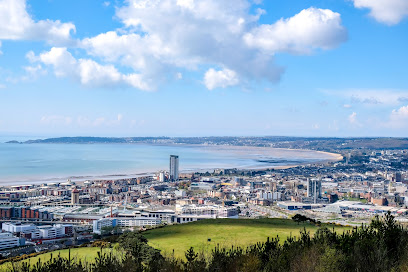
Premier Inn Swansea City Centre hotel
6.4 km
Comfortable city-centre hotel on vibrant Wind Street, with spacious rooms, tasty dining, and easy access to Swansea’s cultural and coastal highlights.
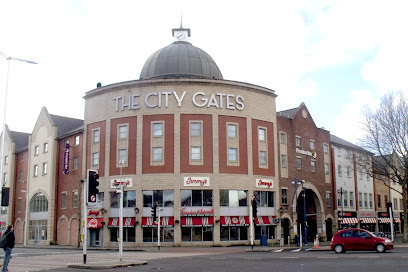
Premier Inn Swansea Waterfront hotel
7.0 km
Modern comfort and scenic marina views combine at Premier Inn Swansea Waterfront, your gateway to Swansea’s vibrant coastal charm.
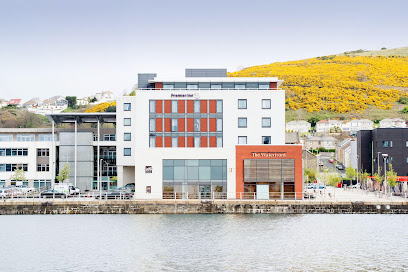
Cathedral Church of Saint Joseph (Eglwys Gadeirlan Siôseff Sant)
7.4 km
A majestic Gothic Revival cathedral in Swansea, symbolizing faith, history, and community since 1888.
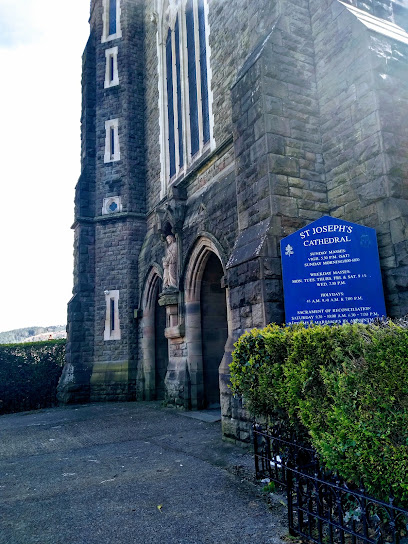
Tours of Wales
15.5 km
Discover Wales’ rich history and stunning landscapes on small-group, expertly guided day tours with Tours of Wales.
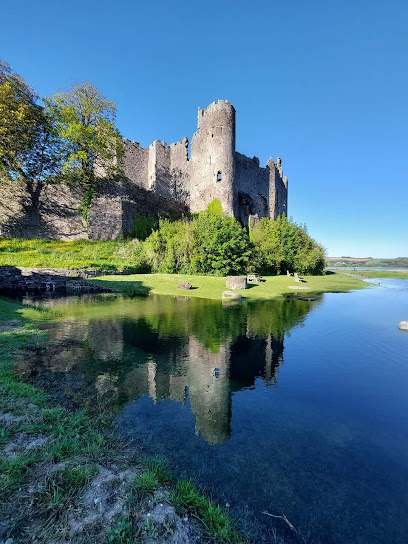
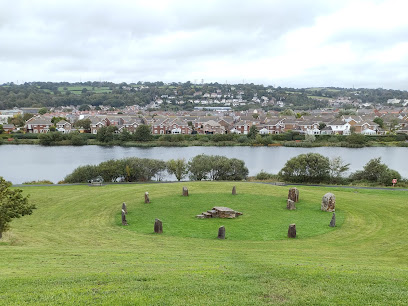
Gorsedd Circle
16.9 km
A modern stone circle in Llanelli celebrating Welsh culture, poetry, and the spirit of the National Eisteddfod.
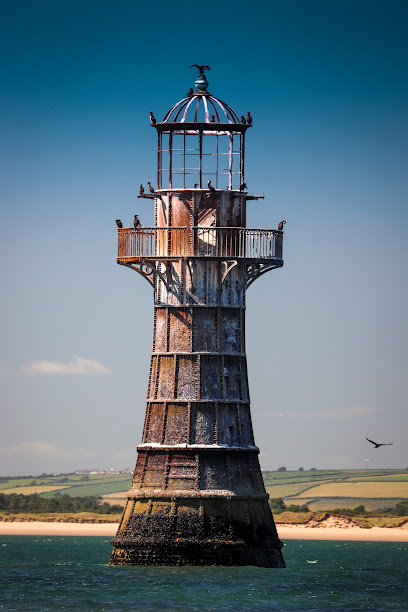
Whiteford Lighthouse
19.1 km
A rare cast-iron lighthouse standing in the tidal estuary of the Gower Peninsula, reachable only at low tide across vast sands and saltmarsh.
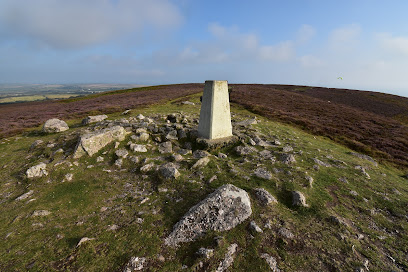
Rhossili Downs
19.2 km
Experience breathtaking coastal panoramas and ancient heritage atop the highest point of Wales' Gower Peninsula.
Y Bwlwarcau
22.5 km
Explore Y Bwlwarcau, a serene Iron Age hillfort nestled on Mynydd Margam’s slopes, revealing ancient Welsh heritage amidst tranquil countryside.

The Baltic Inn & Restaurant
25.4 km
A welcoming countryside inn in Pontyates offering cozy rooms, hearty dining, and a peaceful Welsh village atmosphere.
Dyfed Menswear
26.0 km
Explore Llanelli with ease at Dyfed Menswear, a central bus stop connecting you to the town’s vibrant culture and attractions.
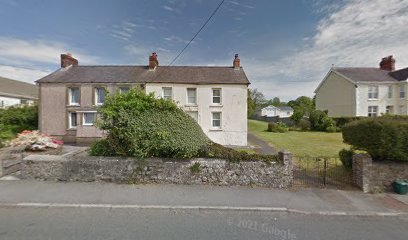
Kilns of Mynyddcerrig
28.2 km
Explore the historic limekilns of Mynyddcerrig, a window into Carmarthenshire’s rural industrial heritage and traditional limeburning craft.
Ewenny Priory
31.6 km
Explore the captivating history and serene beauty of Ewenny Priory, a must-visit landmark in Bridgend, Wales, perfect for history lovers and couples alike.
Unmissable attractions to see

The Lovespoon Gallery
0.2 km
Discover the timeless charm of Welsh lovespoons at The Lovespoon Gallery, where tradition and artistry unite in Mumbles, Swansea.

Rotherslade Bay
1.1 km
A tranquil, sandy cove near Mumbles offering scenic coastal views, family-friendly waters, and charming local artistry.
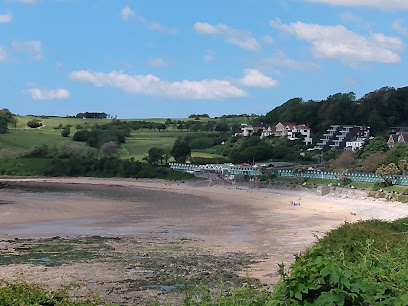
Mumbles Hill Local Nature Reserve
1.5 km
Explore diverse habitats, panoramic Swansea Bay views, and WWII history at Mumbles Hill Local Nature Reserve near Swansea.
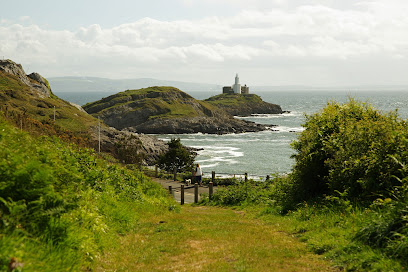
Mumbles Pier
2.0 km
Historic Victorian pier in Swansea Bay offering seaside amusements, fishing, panoramic views, and maritime heritage near Mumbles village.
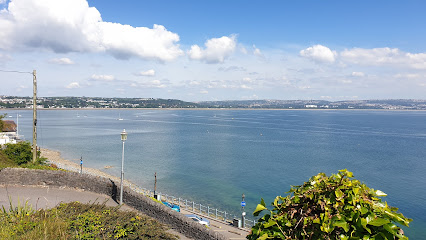
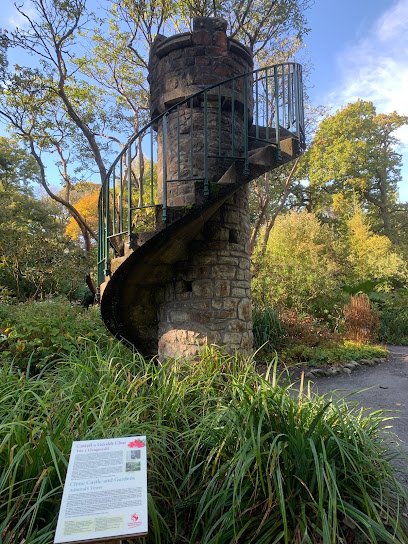
Clyne Gardens
2.1 km
Discover Clyne Gardens, Swansea’s historic botanical haven with rare plants, scenic views, and tranquil parkland open year-round.
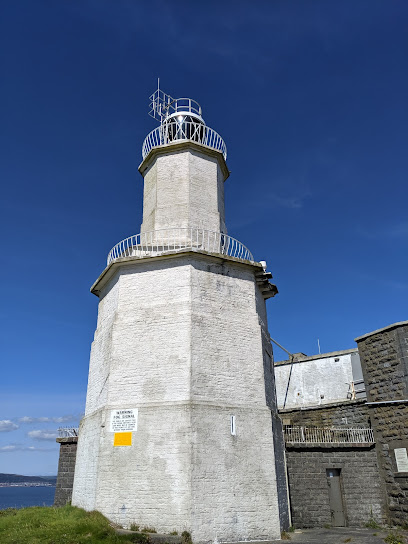
Mumbles Lighthouse
2.4 km
Historic coastal sentinel guiding ships safely past Swansea Bay’s hazards with centuries of maritime and military legacy.
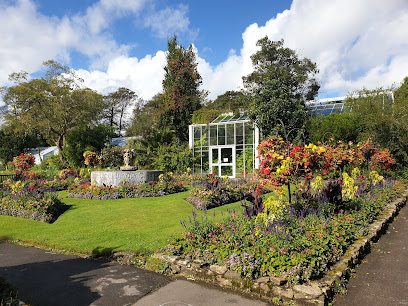
Parc Singleton Park
4.3 km
Swansea’s largest urban park offers lush gardens, a boating lake, wildlife, and vibrant events across 250 scenic acres.
The National Waterfront Museum
6.2 km
Discover Wales’ industrial heritage and innovation over 300 years in a stunning waterfront museum blending historic and modern architecture.
Castle Square
6.4 km
Where medieval ruins meet modern fountains — Castle Square is Swansea’s vibrant heart of history and community life.

Swansea Museum
6.4 km
Explore Wales’ oldest museum in Swansea’s Maritime Quarter, featuring diverse exhibits from Egyptian mummies to local maritime heritage.

Swansea Castle
6.4 km
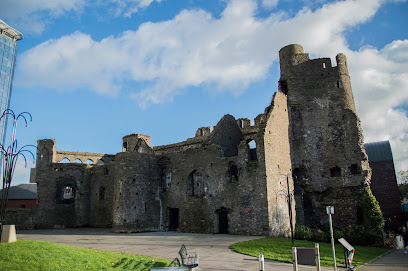
Explore the evocative 13th-century ruins of Swansea Castle nestled in a vibrant city square blending history with modern life.
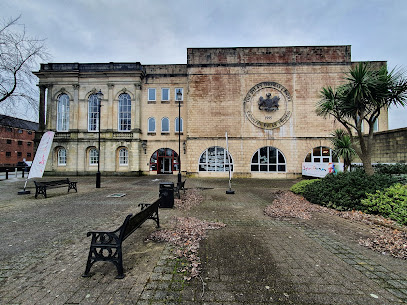
Dylan Thomas Centre
6.6 km
Explore the life and legacy of Dylan Thomas at Swansea’s vibrant cultural centre with free entry and engaging exhibits.
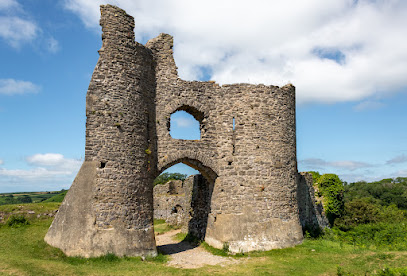
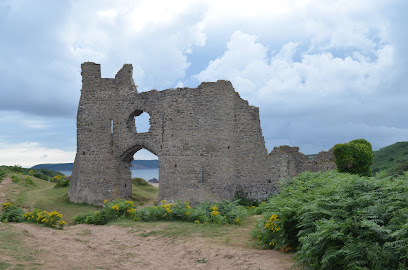
Pennard Castle
6.9 km
Explore the evocative ruins of Pennard Castle perched above Three Cliffs Bay, where medieval history meets wild coastal beauty and shifting sands.
Pobbles Bay
7.3 km
A hidden limestone cove where effort rewards you with solitude, soft sand, and sweeping coastal views.
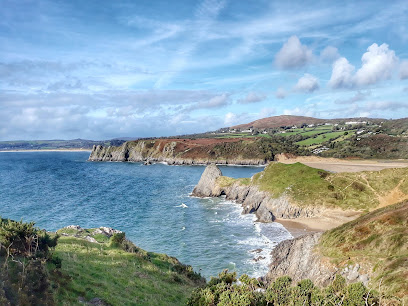
Three Cliffs Bay
7.7 km
Discover the wild beauty and iconic limestone cliffs of Three Cliffs Bay, a serene coastal escape on Wales’ Gower Peninsula.
Essential places to dine

The Lighthouse Bar & Kitchen And Lounge
1.9 km
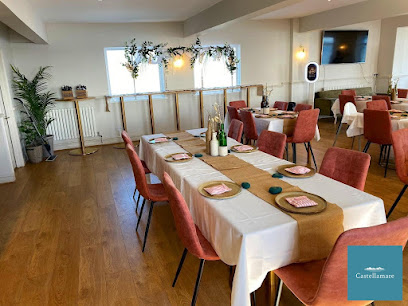
Seaside dining with stunning views, fresh flavors, and a welcoming atmosphere in the heart of Mumbles, Swansea.
The Secret Beach Bar & Kitchen
4.6 km
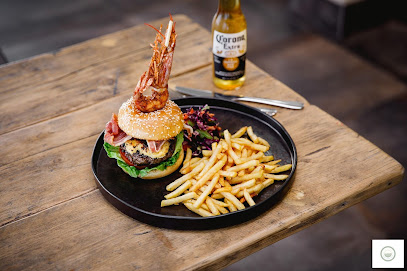
A vibrant modern British beachside bar and kitchen with stunning Swansea Bay views and a welcoming, dog-friendly atmosphere.
Morgans Restaurant
6.5 km
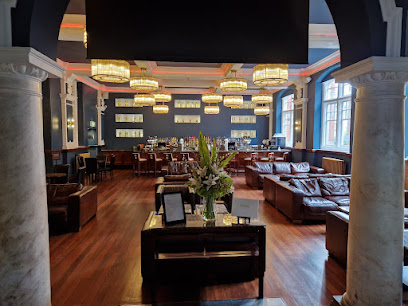
Elegant European dining and refined bar experiences in a historic Swansea hotel near the marina and city centre.
The River House
6.8 km
Scenic waterfront dining with seasonal modern European cuisine and award-winning cocktails in Swansea’s vibrant SA1 district.
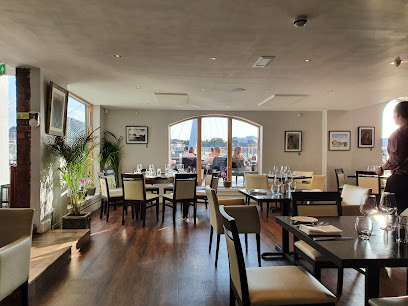
Lezzet Authentic Restaurant
11.0 km
Experience authentic Turkish cuisine in a bright, welcoming setting with expertly crafted dishes and attentive service in Swansea.
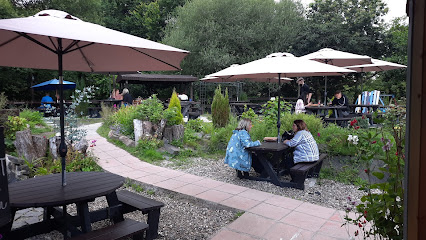
Beach House Restaurant
11.2 km
Michelin-starred fine dining with stunning Oxwich Bay views, showcasing the best of Welsh seasonal produce in a rustic-chic beachside setting.
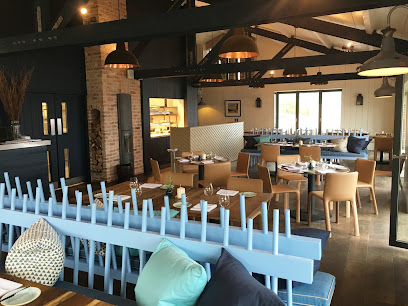
Harvester Llandarcy Neath
13.1 km
A family-friendly British bar & grill near the M4, offering hearty meals, a free salad bar, and casual dining in Neath’s Llandarcy.
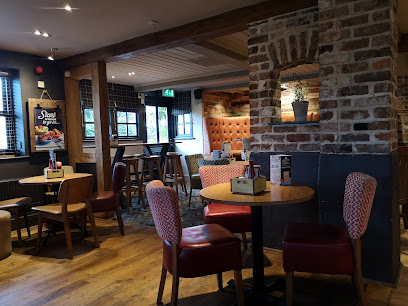
The Front
13.2 km
Enjoy fresh seafood and classic British dishes with friendly service in a relaxed seaside setting on Port Talbot’s Princess Margaret Way.
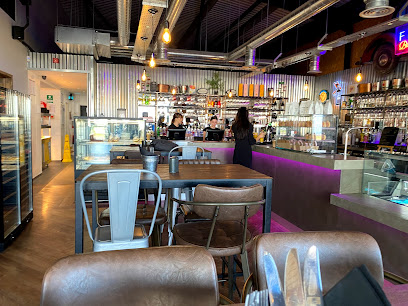
Fredricks Bar & Brasserie
13.7 km
Relax and dine in style with stunning golf course views at Fredricks Bar & Brasserie, Llanelli’s refined yet welcoming culinary spot.
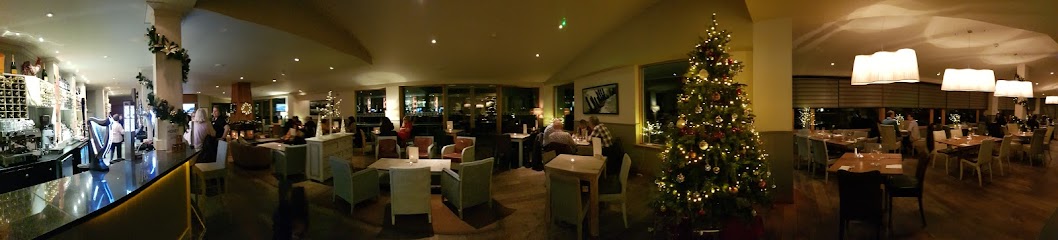
Garden Room Restaurant
13.8 km
A bright, plant-filled restaurant inside Pontarddulais Garden Centre, serving generous British classics and Sunday roasts in a relaxed, family-friendly setting.
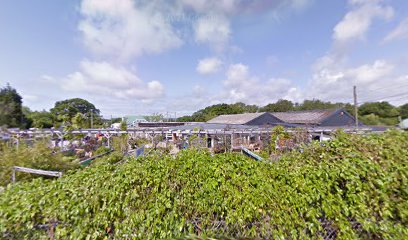
The Travellers Well
13.9 km
Cozy pub in Skewen offering great food, live music, and a friendly atmosphere for casual dining and special events.
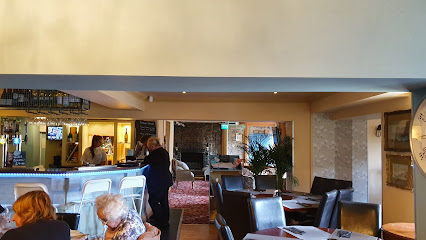
Bagle Brook Beefeater
14.1 km
Family-friendly Beefeater steakhouse in Port Talbot offering classic British and American dishes with vegan options and lively weekend vibes.
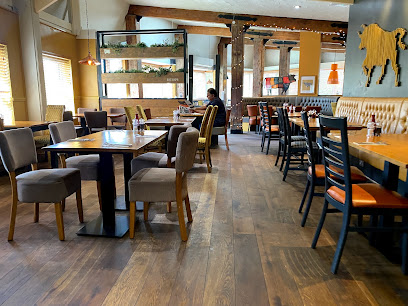
The Coach House
16.4 km
Historic charm and scenic gardens combine at The Coach House, Neath’s premier wedding venue and steakhouse restaurant.
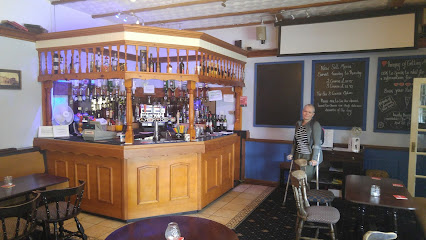
The Bird In Hand
16.7 km
A welcoming country pub in Swansea offering hearty British fare, friendly service, and a lively bar in a family-friendly setting.
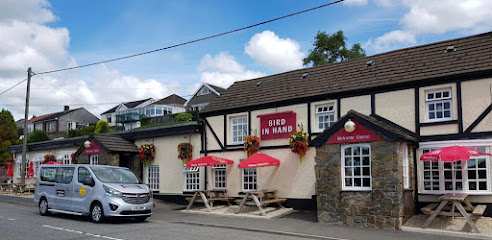
The Welsh House
16.7 km
Experience authentic Welsh flavors and warm hospitality in a cozy Neath setting with a charming beer garden and locally sourced dishes.
Markets, malls and hidden boutiques

Quadrant Shopping Centre
6.1 km
Swansea's covered shopping destination blending high street chains with independent boutiques in a modern, accessible setting.

Obsessive Koi Disorder
10.6 km
A vibrant Swansea shop blending koi fish expertise with unique aquatic-themed gifts and apparel for enthusiasts and pond keepers alike.
Wax 2 Relax
11.1 km
Discover handcrafted candles, bespoke perfumes, and unique local crafts in a cozy Morriston boutique that celebrates artisan creativity.

The Range
11.3 km
A spacious and affordable homewares and leisure store in Swansea offering everything from furniture to crafts and garden supplies.

Best-one Convenience Store
11.8 km
Discover the Best-one Convenience Store in Swansea - your go-to spot for local snacks and essentials while exploring the area.

Inspired Aroma
12.1 km
Explore the enchanting world of scents at Inspired Aroma, Swansea's beloved candle shop, where every fragrance tells a story.
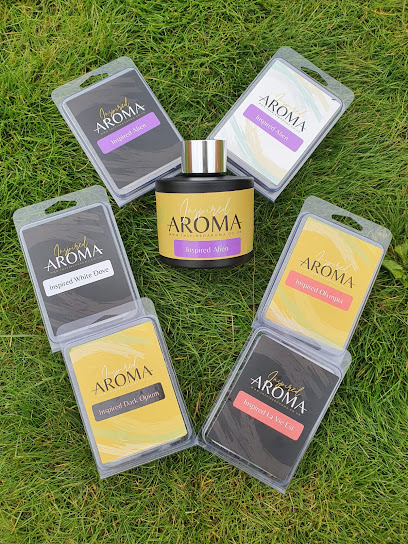
The Funny Gift Store
12.2 km
Discover quirky, handmade novelty gifts that bring laughter and joy to Swansea and beyond at The Funny Gift Store.
Peniel Green Food & Wine
12.4 km
A friendly family-run off licence and convenience store in Swansea offering wide selection and late hours for local shoppers.
Lush and Tidy
12.4 km
Explore Lush and Tidy, a charming gift shop in Skewen offering unique treasures and local artistry for every traveler.
SPAR - Park Avenue
13.0 km
Discover convenience at SPAR - Park Avenue, your essential stop for snacks, local products, and travel supplies in Port Talbot.

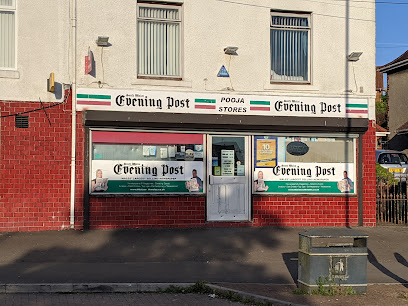
Pooja Stores
13.1 km
Discover the charm of Pooja Stores in Birchgrove, Swansea - your go-to convenience store for quick shopping and local flavors.
Seren Jewellery
13.2 km
Handcrafted wedding jewelry in Swansea blending traditional silversmithing with personal service in a charming Birchgrove boutique.
Wooscrafts
13.3 km
Discover unique handmade gifts and artisan crafts in the heart of Birchgrove, Swansea at Wooscrafts.

Juno candles
13.3 km
Discover handcrafted candles that tell a story of scent and craftsmanship in the heart of Birchgrove, Swansea.
Books and Bobs
13.4 km
Discover rare books and thousands of vinyl records in this family-run Swansea shop blending literature and music.
Essential bars & hidden hideouts

Noah's Yard
5.2 km
Discover Swansea’s quirky Noah's Yard—a vibrant bar blending artistic charm, live jazz, and a welcoming community spirit.
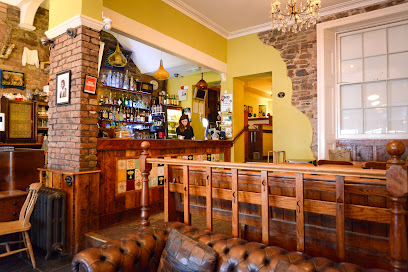
Uplands Tavern
5.2 km
Experience the vibrant local spirit and classic British pub charm at Swansea’s Uplands Tavern, a lively hub for great drinks and live music.
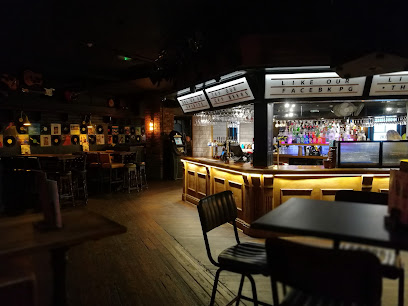
Hogarths
6.3 km
Discover Hogarths Swansea, a lively Victorian gin palace offering over 120 gins, cozy booths, and a vibrant city centre atmosphere.
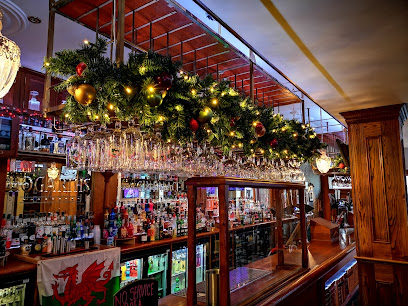
Pump House
6.3 km
Classic British pub fare and refreshing drinks with stunning views of Swansea Marina in a lively, dog-friendly setting.
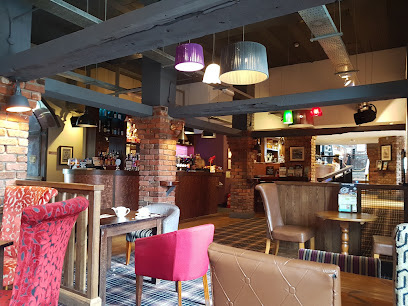
The Perch
6.4 km
Experience Swansea’s energetic live music scene and rustic charm at The Perch, Wind Street’s vibrant bar with cocktails and great vibes.
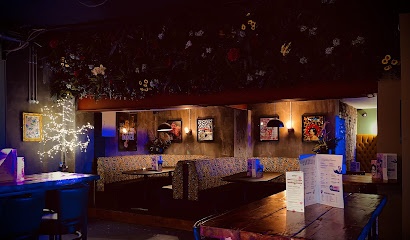
No Sign Wine Bar
6.4 km
A cozy, character-rich Swansea pub blending real ales, live music, and acclaimed Sunday lunches in the heart of Wind Street.
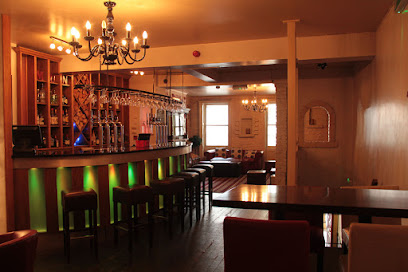
Bambu Beach Bar
6.4 km
Experience Swansea’s vibrant Latin tiki nightlife with tropical cocktails, rooftop dancing, and unforgettable party vibes at Bambu Beach Bar.

Peppermint
6.4 km
Sophisticated cocktails, vibrant nightlife, and exclusive VIP lounges in the heart of Swansea’s city centre.
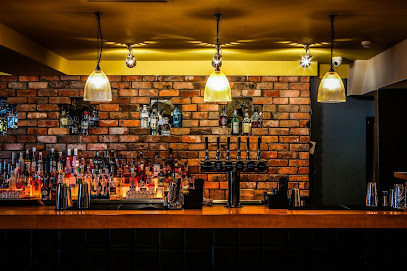
BeerRiff Brewing co
6.6 km
Discover innovative craft beers and vibrant community spirit at BeerRiff Brewing Co, Swansea’s waterside brewery and taproom.
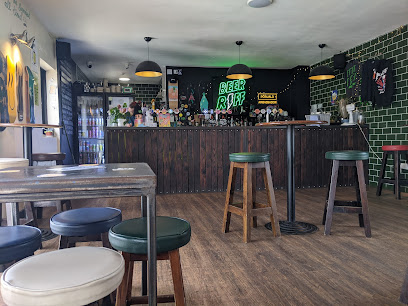
The Ship Inn
7.0 km
Experience authentic Welsh hospitality and hearty local ales in the cozy, welcoming atmosphere of The Ship Inn in Swansea.
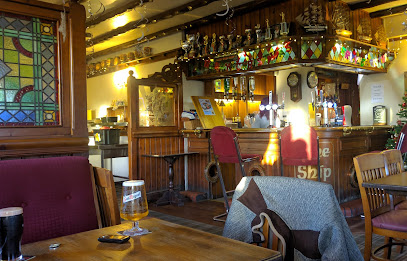
Maltsters Arms
7.5 km
Cozy and vibrant pub in Swansea’s Cwmbwrla, offering local ales, hearty food, and a warm community atmosphere.
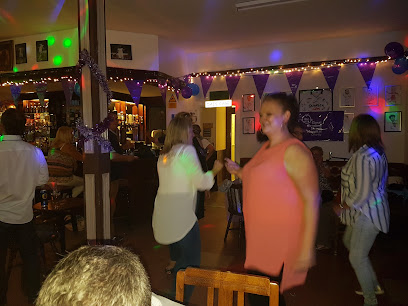
The Wern Inn
8.6 km
Friendly traditional Swansea pub with hearty food, a lively atmosphere, and a spacious beer garden, newly refurbished in 2025.
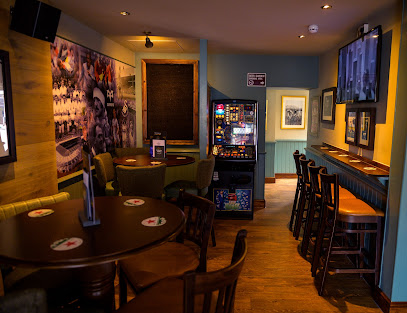
Ivorites Arms
9.0 km
Cozy Welsh pub in Swansea’s Plasmarl offering local ales, hearty food, and warm hospitality in a friendly, inviting atmosphere.
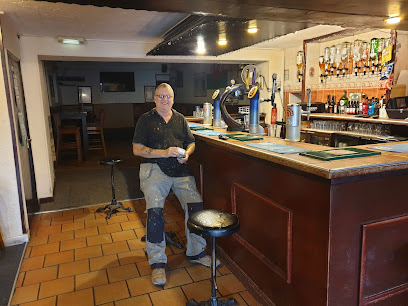
Tafarn Tawe
9.6 km
Lively and welcoming bar at Swansea University Bay Campus, perfect for drinks, events, and socializing in a vibrant student atmosphere.
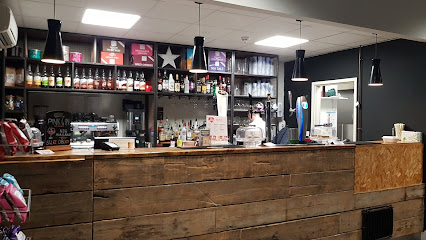
The Copper Pot
11.4 km
A friendly Swansea pub offering hearty meals, generous portions, and a relaxed atmosphere in the heart of Swansea Enterprise Park.
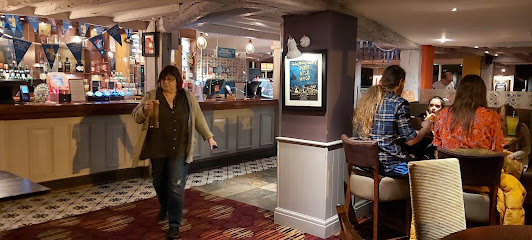
Nightclubs & after hour spots

Sin City
5.9 km
Energetic Swansea nightclub with live music, affordable drinks, and a lively atmosphere on Dillwyn Street.

Cuba Escape
6.2 km
Experience Swansea’s vibrant nightlife at Cuba Escape, where live music, energetic crowds, and a colorful atmosphere come together for unforgettable nights.

PlanB
6.2 km
Swansea’s energetic two-floor nightclub with a focus on dance music, lively DJs, and great drink deals for a night to remember.

Popworld - Swansea
6.4 km
Experience Swansea’s energetic retro nightclub with affordable cocktails, themed events, and a lively dance floor in the heart of the city.

The Rainbow Rooms Bar & Club
10.4 km
Experience lively nights and vibrant music at The Rainbow Rooms Bar & Club, Gorseinon’s premier destination for unforgettable nightlife.

Jimmy's Bar
15.4 km
Experience the vibrant nightlife and live music scene at Jimmy's Bar, Port Talbot’s lively local hotspot with a welcoming atmosphere.
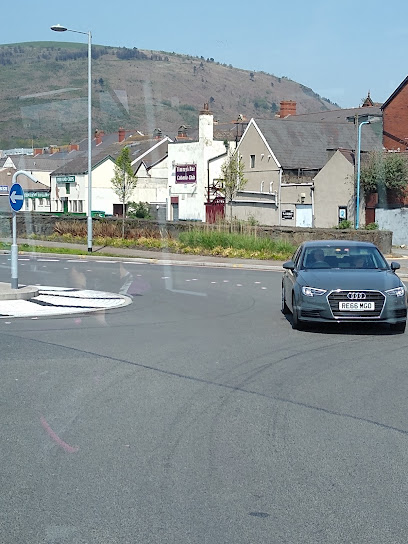
The Arch Bar & Nightclub
16.5 km
A lively Neath hotspot blending nightclub energy, live music, pub charm, and Thai cuisine in one vibrant venue.
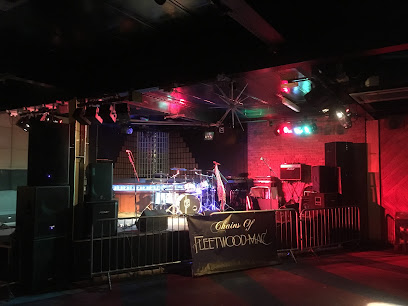
The Top Club
29.0 km
Experience Blaengarw’s vibrant nightlife at The Top Club, where electrifying entertainment meets community spirit in the heart of South Wales.
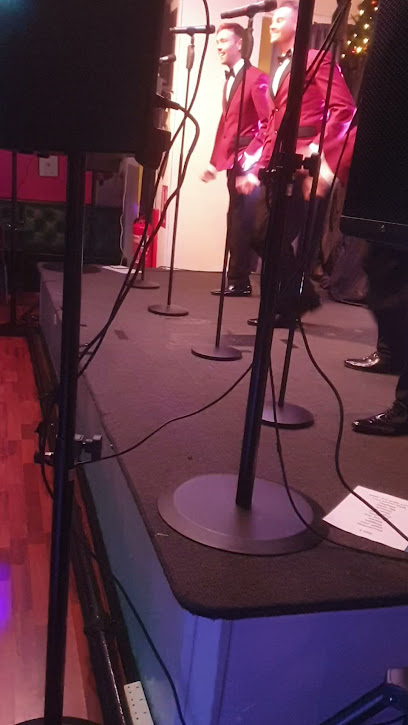
Lucifer's Nightlife
37.4 km
Experience Carmarthen's vibrant nightlife and fast food fusion at Lucifer's Nightlife, where music, dancing, and late-night bites come alive on Queen Street.

Savannah's Night Club
37.7 km
Experience Carmarthen’s vibrant nightlife at Savannah's Night Club—where music, dance, and stylish vibes create unforgettable Saturday nights.
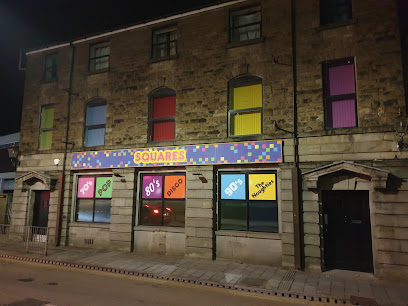
Squares Night club
41.2 km
Experience Porth’s vibrant nightlife at Squares Nightclub, where music, dance, and unforgettable evenings come alive every weekend.
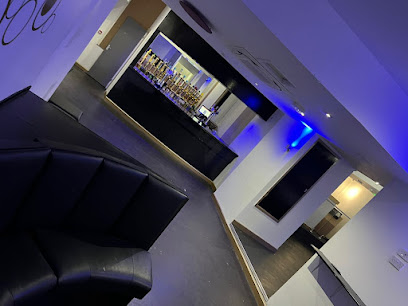
Eclipse Nightclub
46.6 km
Experience Pontypridd’s vibrant midweek nightlife at Eclipse Nightclub, where music, dancing, and community come alive every Wednesday night.

The Kirkhouse Nightclub (Koolers)
46.7 km
Experience the vibrant and friendly nightlife of Merthyr Tydfil at The Kirkhouse Nightclub, known locally as Koolers.

Pure Bar & Nightclub Ltd
47.0 km
A lively nightclub and cocktail bar in Merthyr Tydfil offering vibrant music, crafted drinks, and late-night entertainment in South Wales.
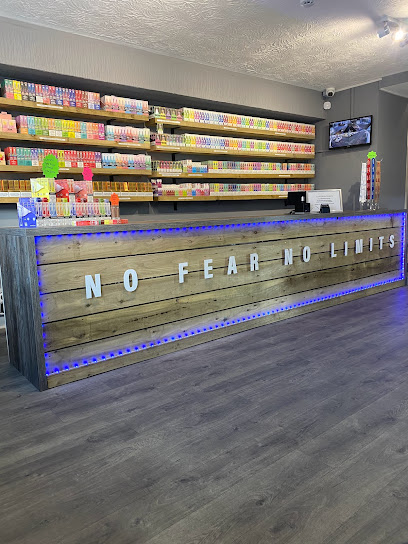
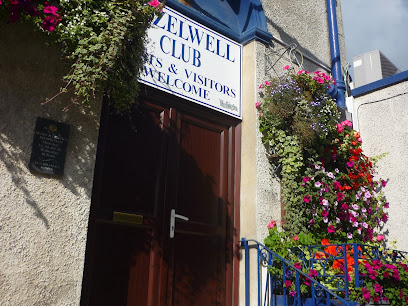
Hazewell Club
49.3 km
Discover the Hazewell Club in Tenby: a cozy sports club offering a warm atmosphere and local drinks amidst stunning coastal views.
For the vibe & atmosphere seeker
- Scenic
- Historic
- Relaxing
- Unique
- Quirky
For the design and aesthetic lover
- Rustic Designs
- Vintage Styles
For the architecture buff
- Historic
- Landmarks
- Sacred Sites
For the view chaser and sunset hunter
- Iconic Views
- Panoramas
- Waterfront
- Sunset Spots
For the social media creator & influencer
- Instagrammable
- Photo Spots
- Selfie Spots
- Architectural Shots
For the eco-conscious traveler
- Public-Transport Accessible
- Locally Managed
- Leave-No-Trace Critical
For the kind of experience you’re after
- Cultural Heritage
- Photowalk
- Day Trip
- Weekend Getaway
- Myth & Legends
For how adventurous you want the journey to be
- Easy Access
Location Audience
- Family Friendly
- Senior Friendly
- Child Friendly
- Teen Friendly
- Solo Friendly
- Couple Friendly
- Vegetarian Friendly
- Vegan Friendly


