

Mumbles Lighthouse, West Glamorgan Travel Guide
Historic coastal sentinel guiding ships safely past Swansea Bay’s hazards with centuries of maritime and military legacy.
Mumbles Lighthouse, perched on the outermost island off Mumbles Head, Swansea, has stood since 1794 as a vital maritime beacon. Originally coal-lit and now solar-powered, it guides vessels safely past the treacherous Mixon Shoal into Swansea Bay. The lighthouse’s historic stone base is a former Palmerston Fort, reflecting its strategic military significance. With panoramic views and rich history, it remains one of the most iconic landmarks along the Welsh coast.
A brief summary to Mumbles Lighthouse
- Swansea, Mumbles, GB
- Click to display
- Duration: 0.5 to 2 hours
- Free
-
 Outdoor
- Mobile reception: 4 out of 5
- Monday 8:30 am-6 pm
- Tuesday 8:30 am-6 pm
- Wednesday 8:30 am-6 pm
- Thursday 8:30 am-6 pm
- Friday 8:30 am-6 pm
- Saturday 8:30 am-6 pm
- Sunday 8:30 am-6 pm

Know before you go
Hi, I'm Eve. Here are a few practical things to know before exploring Mumbles Lighthouse.
- Visit during low tide to appreciate the surrounding shoreline and spot local marine life such as seals and starfish.
- Bring a camera to capture the iconic lighthouse against the dramatic backdrop of Swansea Bay, especially at sunrise or sunset.
- Explore the nearby remnants of the WWII causeway and fortifications for a glimpse into the site’s military history.
- Wear sturdy footwear if you plan to walk around the rocky coastal areas near the lighthouse.
Do you manage this location?
Take control to get all the benefits, like improved information, better appearance, and stronger visibility across AI-powered discovery. Learn more about listing your business on Evendo
Activate your presenceOther nearby places you may find interesting
The closest places of the same kind, if this one is not quite what you had in mind.

Explore Mumbles Lighthouse on the Map
A handpicked selection of must-see spots near Mumbles Lighthouse, mapped for you.
Getting There
-
Bus
Take the local bus service from Swansea city center to Mumbles, which typically takes 25 to 35 minutes. Buses run frequently but check schedules for weekend variations. From Mumbles, the lighthouse is accessible by a short walk along the coastal path. Bus fares range from £2 to £4 one-way.
-
Car
Driving from Swansea city center to Mumbles Lighthouse takes approximately 15 to 20 minutes via the A4067. Limited parking is available near Mumbles village; expect to walk 10 to 15 minutes on foot to reach the lighthouse area. Parking fees vary, generally £1 to £3 per hour.
-
Walking
For those staying nearby in Mumbles village, a scenic 20-minute walk along the coastal promenade leads to the lighthouse. The terrain is mostly flat and suitable for most walkers, but some rocky sections near the shore require careful footing.
For the on-the-go comforts that matter to you
-
 Restrooms
-
 Food Options
-
 Drink Options
-
 Seating Areas
-
 Information Boards
Discover more about Mumbles Lighthouse
A Beacon Born from Maritime Necessity
Mumbles Lighthouse was completed in 1794, commissioned by the Swansea Harbour Trust to warn mariners of the hazardous Mixon Shoal lying half a mile to the south. Its original illumination came from two open coal braziers, a challenging and labor-intensive method that was soon replaced by a single oil lamp housed within a cast-iron lantern. Over the 19th century, the lighthouse’s lighting technology evolved, including the addition of a dioptric lens in 1860, enhancing its visibility to ships navigating the often treacherous waters of Swansea Bay.Strategic Fortifications and Military Heritage
The lighthouse stands atop a circular stone foundation originally constructed as a Palmerston Fort during the Victorian era. This fortification was part of a nationwide defense strategy prompted by fears of French naval threats, championed by Prime Minister Lord Palmerston. The fort’s military role was reinforced during World War II with concrete emplacements and searchlights that illuminated the bay to detect enemy vessels. Two 4.7-inch guns were stationed alongside the lighthouse, manned by Royal Artillery and Home Guard personnel, underscoring the site’s dual role as both a navigational aid and coastal defense point.Technological Advancements and Modern Operation
In 1934, the lighthouse was partially automated, and after the original cast-iron lantern deteriorated, a new lantern was installed in 1987. A significant modernization occurred in 1995 when Trinity House converted the lighthouse to solar power, enabling remote monitoring and operation from their Planning Centre in Harwich, Essex. Today, the lighthouse emits a powerful light visible up to 15 nautical miles, with an intensity of 13,700 candela, continuing its centuries-old mission to safeguard vessels along the Welsh coast.Local Legends and Lifeboat History
The lighthouse’s history intertwines with that of the Mumbles lifeboat service, which has saved countless lives from the perilous Mixon Sands. Notably, in 1883, a dramatic rescue near the lighthouse saw the lifeboat capsized multiple times, resulting in tragic losses but also heroic acts by the lighthouse keeper’s family and local volunteers. These stories form an enduring part of the community’s maritime heritage, reflecting the lighthouse’s role beyond navigation—as a symbol of courage and resilience.Natural Beauty and Visitor Experience
Set against the backdrop of Swansea Bay, the lighthouse offers stunning views of the coastline and is a favored subject for photographers. Visitors often spot seals and starfish in the surrounding waters, adding to the location’s natural charm. The fractured remains of a WWII concrete causeway nearby hint at the island’s layered history. Though the lighthouse itself is not open to the public, the surrounding area invites tranquil walks and moments of reflection amid the sea breeze and panoramic vistas.Architectural Character and Cultural Significance
Standing 17 metres tall, the lighthouse’s two-tiered tower retains its historic charm, blending functional maritime architecture with the ruggedness of its military fort base. Its presence is a testament to centuries of coastal vigilance and community identity. As one of the most photographed landmarks in Mumbles, it continues to inspire both locals and visitors, symbolizing the enduring relationship between the sea and the people of Swansea.












Your all‑in‑one travel companion app
Explore expert travel guides, compare and book tours, experiences, hotels, and more—all from the palm of your hand. Download now for seamless trip planning wherever your wanderlust takes you.


Explore More of West Glamorgan
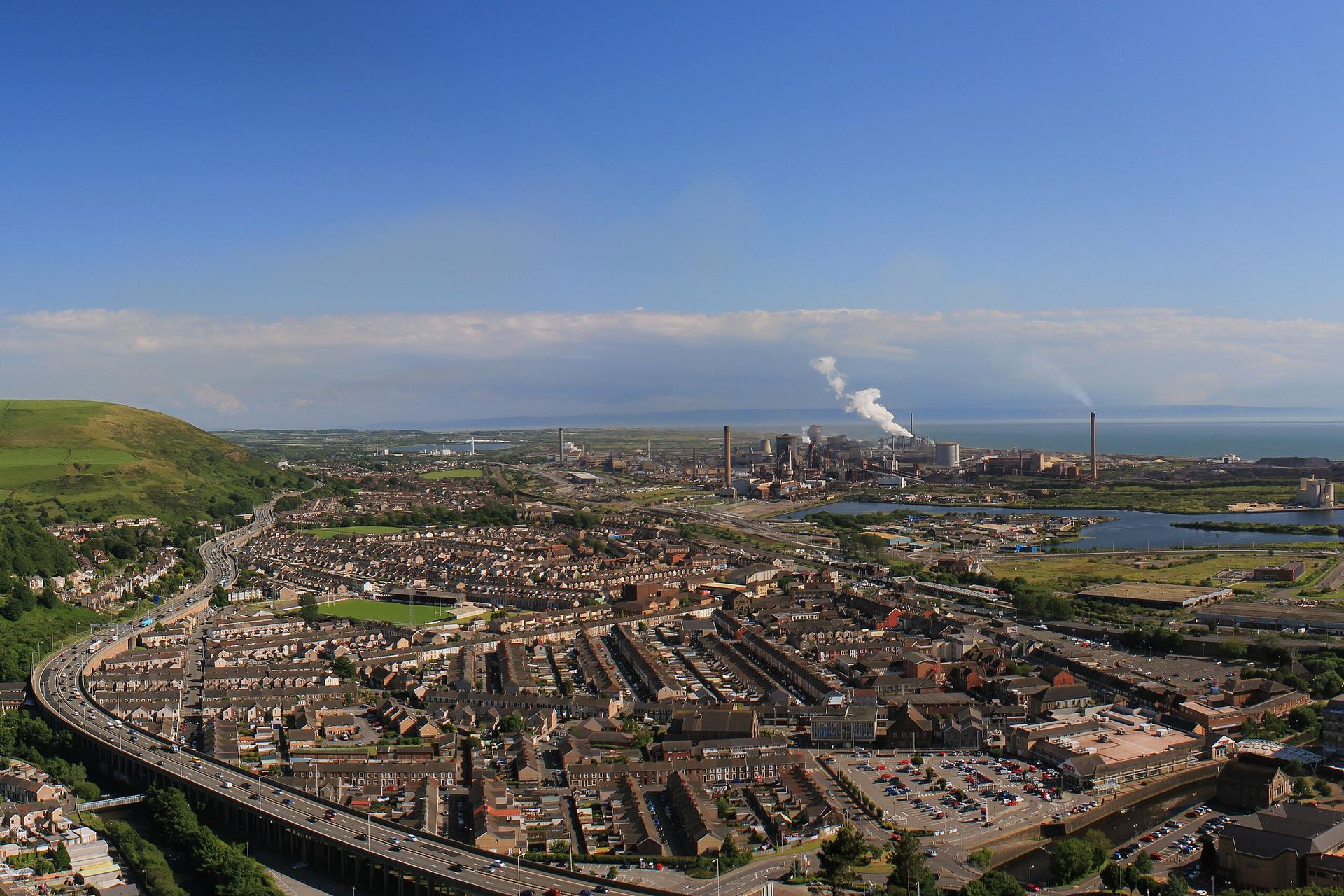
Looking beyond Mumbles Lighthouse? Discover West Glamorgan for broader travel guides, local hot-spots, and regional highlights.
Explore West Glamorgan
Explore a 6,000-year-old Neolithic chambered tomb nestled in a tranquil Welsh valley, revealing ancient burial rites and prehistoric heritage.
Historic Victorian pier in Swansea Bay offering seaside amusements, fishing, panoramic views, and maritime heritage near Mumbles village.
