

Hadrian's Wall Travel Guide
Free Guide: Explore the 73-mile Roman frontier of Hadrian's Wall, a UNESCO World Heritage Site rich with history, stunning landscapes, and ancient military architecture.


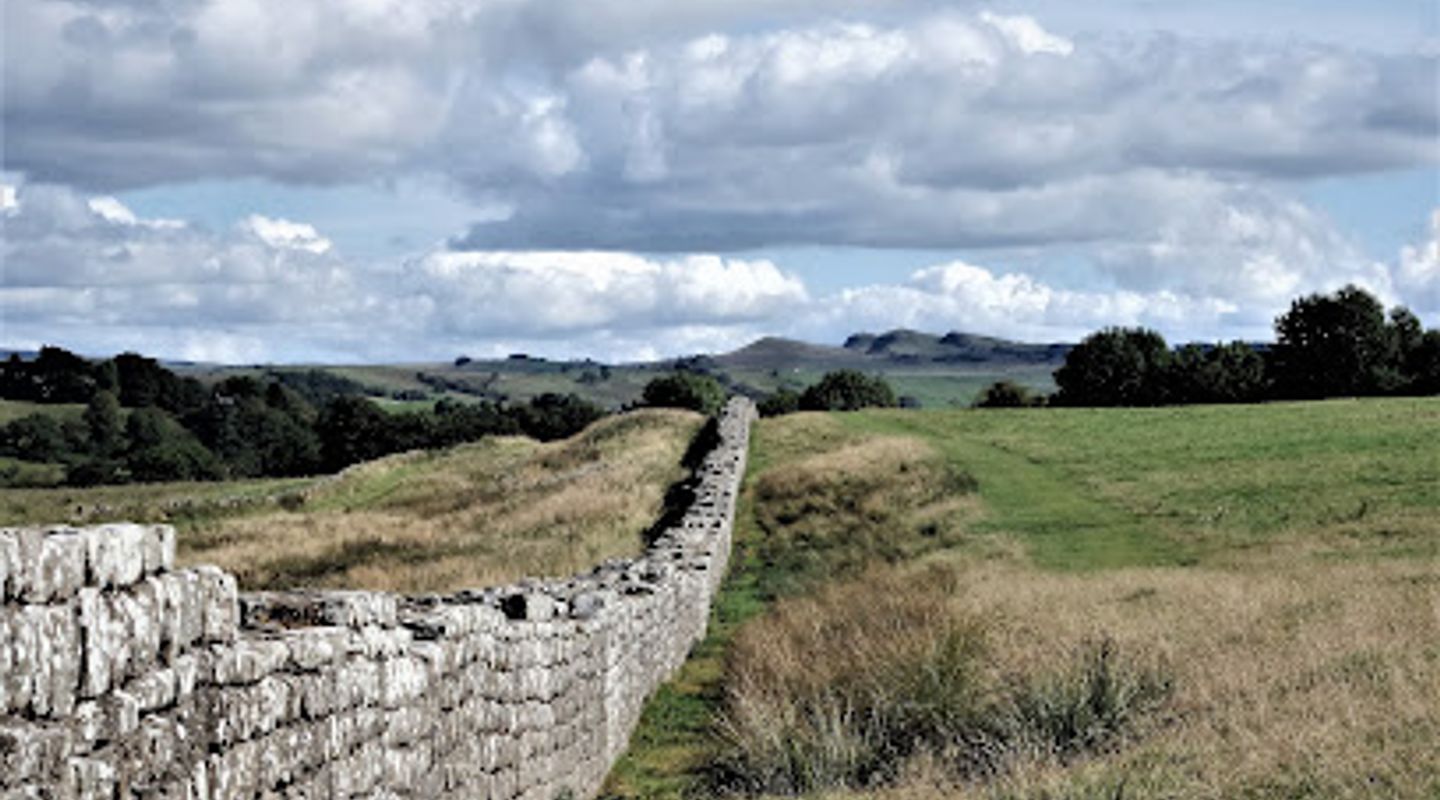
A brief summary of Hadrian's Wall
Explore the 73-mile Roman frontier of Hadrian's Wall, a UNESCO World Heritage Site rich with history, stunning landscapes, and ancient military architecture.
Hadrian's Wall is a monumental Roman frontier stretching 73 miles across northern England from the North Sea to the Irish Sea. Built on Emperor Hadrian's orders in AD 122, this UNESCO World Heritage Site features forts, milecastles, turrets, and museums that reveal the military and civilian life of Roman Britain. Visitors can explore well-preserved sites like Housesteads Roman Fort and Chesters Roman Fort, enjoy stunning landscapes, and discover rich archaeological collections.
On-site amenities
 Restrooms
 Drink options
 Food options
 Seating areas
 Information boards
 Visitor centre
 Trash bins
- Address
- Brampton CA8 7DD
- Phone
- Website
Getting there
Train and Bus
Car
Walking and Cycling
Discover more about Hadrian's Wall
Origins and Strategic Importance of Hadrian's Wall
Hadrian's Wall was commissioned by Emperor Hadrian following his visit to Britain in AD 122 as a defensive fortification marking the north-west boundary of the Roman Empire. Stretching approximately 73 miles from Wallsend on the River Tyne in the east to Bowness-on-Solway in the west, it was constructed over about six years by around 15,000 soldiers. The wall was designed to separate Roman-controlled territory from the northern 'barbarian' lands, controlling immigration, trade, and military incursions. It consisted of a stone or turf wall, a deep ditch to the north, milecastles spaced every Roman mile, and turrets between them, supported by 14 forts and an earthwork known as the Vallum to the south.
Architectural Features and Military Life
The wall's stone sections were about 3 meters wide and up to 4.6 meters high, with a walkway along the top for patrols. The turf section in the west was wider but less durable. The forts, such as Housesteads and Chesters, housed garrisons of soldiers including cavalry units. These forts included barracks, hospitals, granaries, baths, and latrines, reflecting a complex military infrastructure. Housesteads Roman Fort, set high on an escarpment, is the most complete example, offering panoramic views and archaeological remains like the oldest known flush toilets. Chesters Roman Fort features well-preserved baths and a museum with Roman artefacts and inscriptions.
Cultural Interactions and Daily Life on the Wall
Hadrian's Wall was more than a military boundary; it was a place of cultural exchange and diversity. Soldiers came from across the Roman Empire, including regions as distant as Syria and modern Belgium. The frontier saw a mingling of languages, religions, and customs, evidenced by artefacts such as statues, jewellery, and votive offerings found along the wall. The forts and towns supported civilian life, with Corbridge Roman Town serving as a bustling supply base where soldiers and civilians interacted. Museums along the wall display collections that illuminate the daily lives, beliefs, and leisure activities of those stationed here.
Exploring the Wall Today
Today, Hadrian's Wall is a protected World Heritage Site offering numerous visitor experiences. Key sites managed by English Heritage include Housesteads Roman Fort, Chesters Roman Fort and Museum, Corbridge Roman Town, and Birdoswald Roman Fort, which features the longest continuous remaining stretch of the wall. Visitors can explore ruins, interactive museums, and exhibitions, enjoy scenic walking and cycling trails along the wall, and discover lesser-known sites such as milecastles, turrets, and signal towers. The landscape is dramatic and varied, offering stunning views and a tangible connection to ancient history.
Legacy and Recognition
Hadrian's Wall remains the largest Roman artefact in the world and a symbol of Roman engineering and military strategy. It was inscribed as a UNESCO World Heritage Site in 1987 and forms part of the Frontiers of the Roman Empire World Heritage Site, which includes other Roman frontier monuments across Europe. The wall's preservation and ongoing archaeological discoveries continue to enrich understanding of Roman Britain and its frontier societies. Annual events and commemorations, such as the 1,900th anniversary of its construction, celebrate its enduring historical significance.
Visitor Amenities and Surrounding Attractions
The wall's visitor sites offer amenities including interactive museums, tearooms, and walking trails. Many sites provide information boards and facilities such as restrooms and seating areas. Nearby attractions include Lanercost Priory and various smaller forts and turrets scattered along the wall's length. The area is accessible for families and history enthusiasts, with opportunities for both casual visits and in-depth exploration of Roman heritage in northern England.
Evendo Review Centre
 Google
Guest reviews
Best time to go
Quietest: Jan, Feb & Dec · before 6am or at 9pm
Busy times are Evendo estimates for a typical year, to help you plan. Actual crowds vary with events, school holidays and the weather.
Explore Hadrian's Wall on the map
A handpicked selection of must-see spots near Hadrian's Wall, mapped for you.
Get your free copy of our complete guide to Hadrian's Wall, delivered straight to you.
Everything on this page, from opening hours and how to get there to Eve’s tips and the best time to go, in one PDF you can read offline, print or share.
Already have an account? Sign in
Your Hadrian's Wall guide is ready.
We'll send it to · Not you? Sign out

Getting your guide ready…
We are putting together a fresh copy of the Hadrian's Wall guide. This can take up to a minute.
This can take a few moments. If your browser asks, choose Allow so the download can start. You'll find the guide in your Downloads folder.
Nothing happened? Download it again
Sorry, the guide is taking longer than usual. Please try again in a minute, or get it by email instead.
Unlock the best of Hadrian's Wall
Skip-the-line tickets, guided tours with entry, and walking tours of the area, booked in a few clicks.
 Tour with entry
Cumbrian Coast - Online Self Guided Road Trip Plan
from $13.86 Tour with entry
Roman Fort and Short Guided Walk along Hadrian's Wall
from $56.74 Tour with entry
Hadrian's Wall, Roman Britain and the Borders small group day tour
from $112.86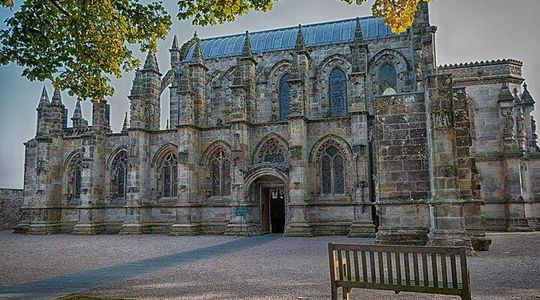 Tour with entry
Private Tour to Rosslyn Chapel and Hadrian Wall
from $1,869.64


Other nearby places you may find interesting
The closest places of the same kind, if this one is not quite what you had in mind.
-
-
-
-
-


Swipe for more places
More to explore near Hadrian's Wall

 Best experiences near Hadrian's Wall
 Best hotels near Hadrian's Wall
 Best landmarks near Hadrian's Wall
 Best attractions near Hadrian's Wall
 Best shops near Hadrian's Wall
 Best restaurants near Hadrian's Wall
 Best bars near Hadrian's Wall
Do you manage this location?
Take control to get all the benefits, like improved information, better appearance, and stronger visibility across AI-powered discovery.
Explore more

Explore more of Westmorland
Discover Westmorland: A charming blend of stunning natural landscapes, historic villages, and delicious local cuisine in the heart of the English countryside.
Explore Westmorland
Explore more of United Kingdom
Discover the United Kingdom: A blend of rich history, stunning landscapes, and vibrant cities, offering a unique travel experience for every visitor.
Explore United Kingdom
