Lower Slaughter Museum, Wiltshire Travel Guide
Step into the historic Old Mill at Lower Slaughter and explore the rich milling heritage and tranquil riverside charm of the Cotswolds.
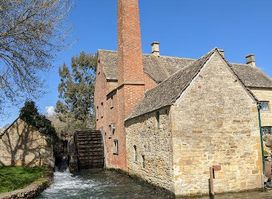
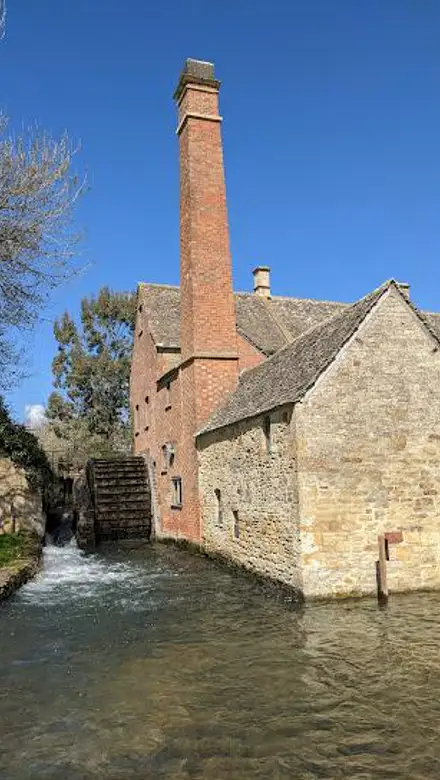
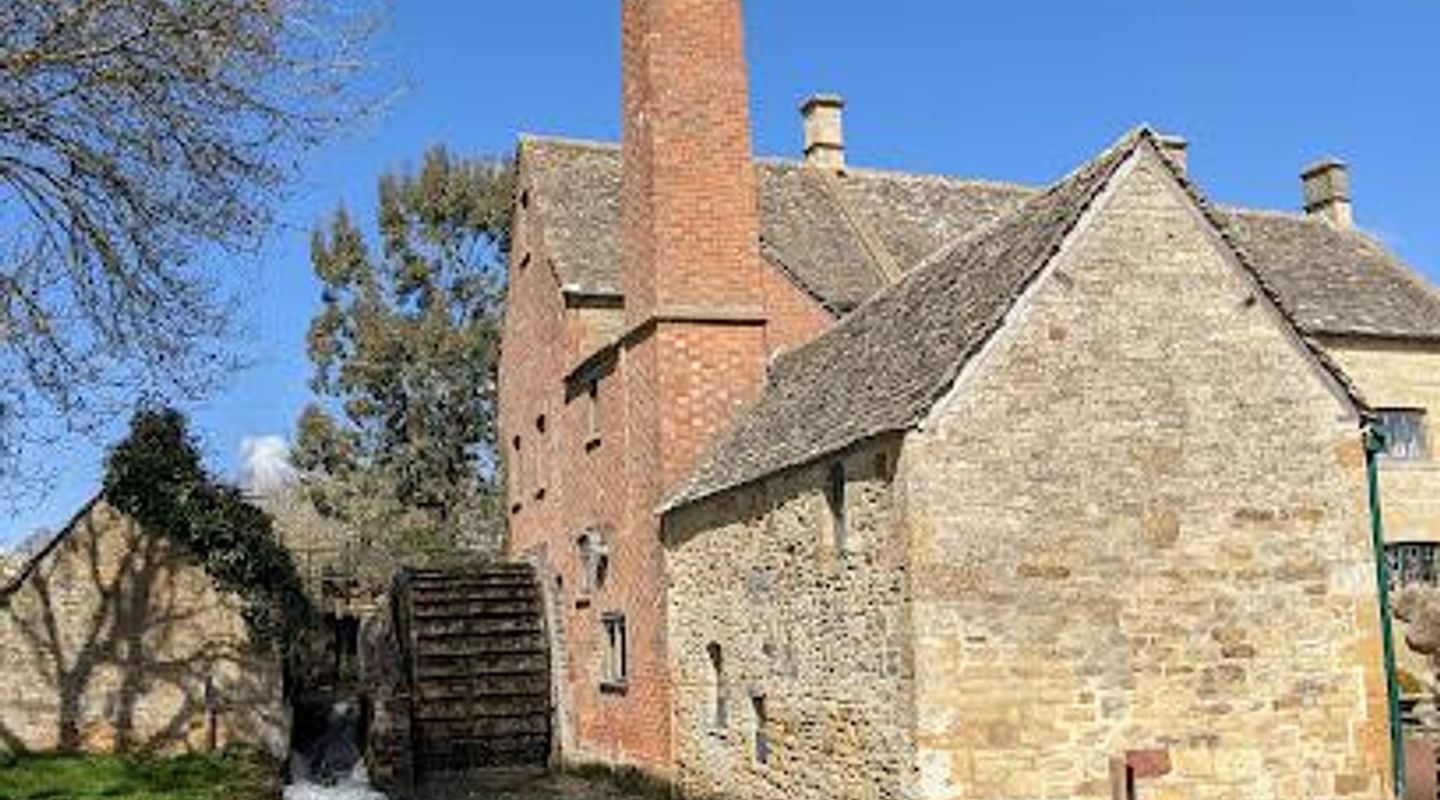
Located at 14 Mill Lane in the picturesque village of Lower Slaughter near Cheltenham, the Lower Slaughter Museum is housed within the historic Old Mill, a building dating back to the 18th century. This museum offers an insightful glimpse into the traditional milling industry and rural life in the Cotswolds, featuring a working waterwheel and exhibits on flour production. Though currently closed for renovations, the site remains a cultural landmark set beside the tranquil River Eye, surrounded by quintessential Cotswold stone architecture and scenic walking paths.
A brief summary to Lower Slaughter Museum
- 14 Mill Ln, Cheltenham, Lower Slaughter, GL54 2HX, GB
- Duration: 1 to 2 hours
- Mid ranged
-
 Outdoor
- Mobile reception: 4 out of 5

Know before you go
Hi, I'm Eve. Here are a few practical things to know before exploring Lower Slaughter Museum.
- Visit on weekdays to enjoy a quieter, more intimate experience away from larger weekend crowds.
- Combine your museum visit with a scenic walk along the River Eye to fully appreciate Lower Slaughter’s natural beauty.
- Check ahead for special events or workshops that may be hosted at the museum or nearby Village Hall.
- Bring a camera to capture the picturesque stone architecture and riverside views surrounding the Old Mill.
- Explore nearby attractions such as St Mary’s Church and the Slaughters Manor House for a broader historical perspective.
Do you manage this location?
Take control to get all the benefits, like improved information, better appearance, and stronger visibility across AI-powered discovery. Learn more about listing your business on Evendo
Activate your presenceOther nearby places you may find interesting
The closest places of the same kind, if this one is not quite what you had in mind.
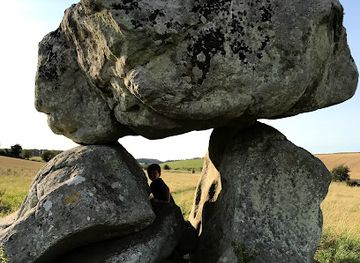
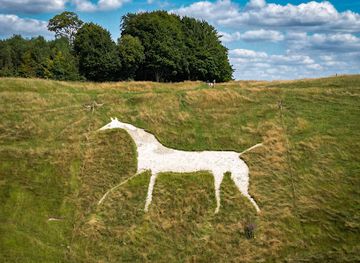
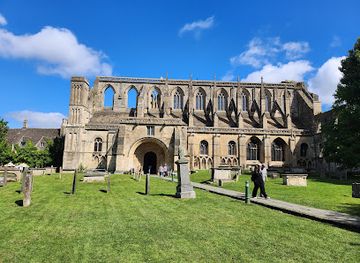
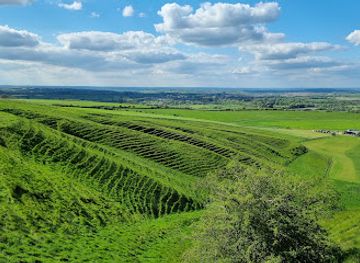
Explore Lower Slaughter Museum on the Map
A handpicked selection of must-see spots near Lower Slaughter Museum, mapped for you.
Unlock the Best of Lower Slaughter Museum
Buy tickets
-
No tickets available
Book tours with entry


Book tours without entry
-
No tours available
Getting There
-
Bus
From Oxford city center, take bus number 801 to Cheltenham (approximately 1 hour). Transfer to bus number 540 towards Lower Slaughter, then walk about 10 minutes along Mill Lane to the museum. Bus services run regularly but check schedules for weekend frequency; fares typically range from £8 to £12.
-
Car
Driving from Cheltenham takes about 25-30 minutes via local roads. Parking in Lower Slaughter is limited and can fill quickly during peak times, so arriving early is recommended. No parking is available directly at the museum.
-
Walking
For visitors staying nearby, a scenic 15-20 minute walk along well-maintained village paths leads to the museum. Terrain is mostly flat and suitable for most walkers, though some sections may be uneven due to historic paving.
For the on-the-go comforts that matter to you
-
 Seating Areas
-
 Information Boards
Discover more about Lower Slaughter Museum
A Living Testament to Cotswold Milling Heritage
The Lower Slaughter Museum is located in the iconic Old Mill, a structure with roots tracing back to the Domesday Book of 1086. The current building, constructed in the 18th century, functioned as a working flour mill until 1958. The mill’s undershot waterwheel, still visible today, powered the milling machinery that ground flour for generations. After ceasing operation, the mill was repurposed as a post office and local shop before being transformed into a museum in 1995. Visitors could explore the milling room where original stones and machinery illustrate the traditional flour production process, providing a tangible connection to rural industrial history.Architectural Charm and Riverside Setting
The Old Mill stands out with its distinctive red brick and tall chimney, contrasting with the honey-colored Cotswold stone typical of the village. Nestled alongside the gently flowing River Eye, the mill’s setting is idyllic, offering visitors serene views and a peaceful atmosphere. The surrounding village of Lower Slaughter is renowned for its unspoiled character, stone footbridges, and historic buildings, making the museum a key cultural anchor within this quintessential English countryside locale.Visitor Experience and Cultural Significance
Though the museum is currently closed for renovations as of 2023, it historically included a small gift shop and a riverside café, enhancing the visitor experience with local crafts and refreshments. The museum played an important role in preserving and interpreting the milling heritage and rural life of the Cotswolds. The village itself has served as a filming location for notable productions such as the 2020 film "Emma," adding to its cultural cachet. Nearby attractions include St Mary’s Church, dating from the 13th century, and the Slaughters Manor House, enriching the historical context of the visit.Engaging with Local History and Nature
Visitors to Lower Slaughter Museum often combine their visit with scenic walks along the River Eye and through the village’s charming streets. The museum’s exhibits highlighted traditional crafts and the evolution of breadmaking, connecting visitors with the agricultural and industrial past of the area. The tranquil natural surroundings and historic architecture create a harmonious blend of cultural heritage and countryside beauty, inviting contemplation and leisurely exploration.Community and Future Prospects
The Old Mill and its museum have been a focal point for community engagement, hosting events and exhibitions that celebrate local history. Plans for reopening include developing a new shop and café to continue welcoming visitors and supporting the village’s tourism. This renewal aims to preserve the mill’s legacy while adapting to contemporary visitor needs, ensuring the site remains a vibrant part of Lower Slaughter’s cultural landscape.Exploring Beyond the Museum
Lower Slaughter offers more than just the museum experience. Nearby, the Village Hall hosts art exhibitions from spring through early autumn, and the surrounding Cotswolds region is rich with historic sites like Snowshill Manor and Hailes Abbey. The Old Mill’s riverside location also makes it a perfect starting point for photowalks and nature escapes, with picturesque views and peaceful ambiance that appeal to cultural heritage enthusiasts and nature lovers alike.












Your all‑in‑one travel companion app
Explore expert travel guides, compare and book tours, experiences, hotels, and more—all from the palm of your hand. Download now for seamless trip planning wherever your wanderlust takes you.


Explore More of Wiltshire
Looking beyond Lower Slaughter Museum? Discover Wiltshire for broader travel guides, local hot-spots, and regional highlights.
Explore Wiltshire