
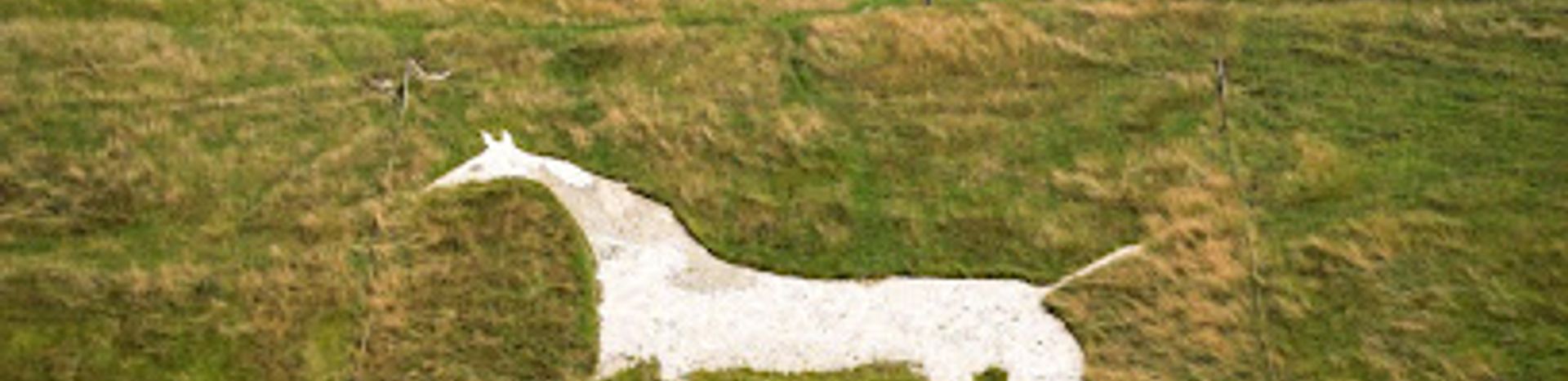
Cherhill White Horse: Wiltshire's Historic Chalk Figure
Historic chalk hill figure carved in 1780, offering stunning views and a unique glimpse into Wiltshire’s heritage.
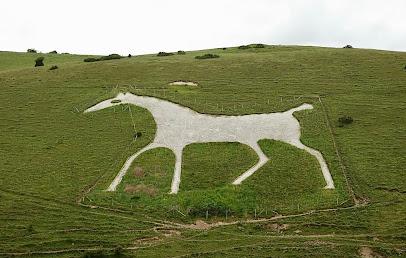
The Cherhill White Horse is an iconic chalk hill figure carved in 1780 on Cherhill Down near Calne, Wiltshire. As the third oldest white horse in Britain, it offers striking views of the surrounding countryside and symbolizes local heritage. Maintained by volunteers and protected by the National Trust, this vast figure is a captivating blend of history, art, and nature.
A brief summary to Cherhill White Horse
- Calne, SN11 8XY, GB
- Visit website
- Duration: 0.5 to 2 hours
- Free
-
 Outdoor
- Mobile reception: 4 out of 5
- Monday 12 am-12 am
- Tuesday 12 am-12 am
- Wednesday 12 am-12 am
- Thursday 12 am-12 am
- Friday 12 am-12 am
- Saturday 12 am-12 am
- Sunday 12 am-12 am
Local tips
- Wear sturdy footwear, as paths can be muddy and slippery, especially after rain.
- Respect the site by not walking on the horse itself to help preserve this historic monument.
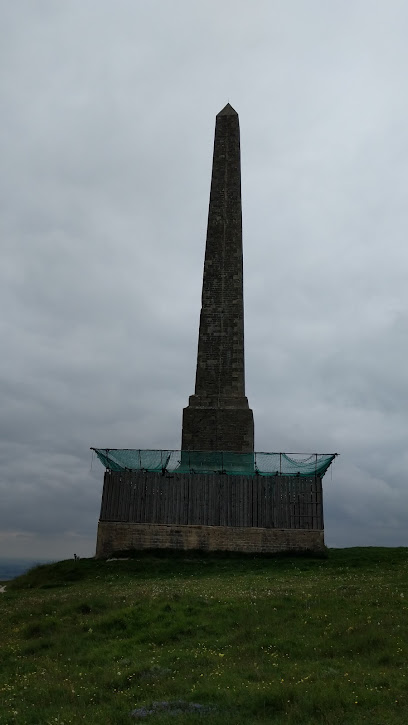
- Visit the nearby Lansdowne Monument for panoramic views of the Wiltshire countryside.
- Consider exploring the White Horse Trail to see all eight of Wiltshire’s remaining white horses.

For the on-the-go comforts that matter to you
- Seating Areas
- Information Boards
- Picnic Areas
- Trash Bins
Getting There
-
Bus and Walk
Take a local bus from Calne to a stop near the A4 road; from there, a 20-30 minute uphill walk on well-marked footpaths leads to the Cherhill White Horse. Bus services run several times daily; tickets cost approximately £3-£5 one way.
-
Car
Drive via the A4 road to the Cherhill lay-by on the westbound carriageway, where parking is limited but available. From the lay-by, a gentle 10-15 minute walk on a footpath ascends to the horse. No parking fees apply, but spaces can be scarce during peak times.
-
Long-Distance Walking
For hiking enthusiasts, the Cherhill White Horse lies on the White Horse Trail, a 94-mile route connecting all Wiltshire white horses. Walking sections vary in length and terrain; suitable for experienced walkers and requiring preparation for uneven ground.
Cherhill White Horse location weather suitability
-
 Any Weather
-
 Rain / Wet Weather
-
 Clear Skies
-
 Mild Temperatures
-
 Windy Conditions
Discover more about Cherhill White Horse
A Storied Chalk Giant of the Wiltshire Downs
The Cherhill White Horse, cut into the chalk hillside in 1780, stands as one of England's most historic hill figures and the third oldest white horse geoglyph in Britain. Commissioned and overseen by Dr Christopher Alsop, a local physician known as the "mad doctor," the horse was created by stripping turf to reveal the white chalk beneath. Its original dimensions were approximately 165 feet by 220 feet, making it a grand and visible landmark across the Wiltshire landscape. The horse likely drew inspiration from the nearby Westbury White Horse and has itself influenced other chalk horses, such as the Alton Barnes White Horse.Artistic Origins and Unique Features
Dr Alsop reportedly directed the carving from a distance, shouting instructions through a megaphone to workers on the hillside. The design may have been influenced by the equine paintings of George Stubbs, an artist friend of Alsop. A distinctive feature once included a gleaming glass eye made from upturned bottles embedded in the chalk, reflecting sunlight and visible from afar. Though these bottles were eventually removed by souvenir hunters, subsequent replacements were also lost, and today the eye is fashioned from stone and concrete.Preservation and Community Stewardship
The Cherhill White Horse has been maintained through regular scouring and re-chalking by dedicated volunteers and local groups. A significant restoration in 2002 involved re-cutting the outline and resurfacing with fresh chalk, ensuring the figure’s sharp definition endures. The National Trust owns the land encompassing Cherhill Down, protecting the site as part of its cultural and natural heritage. Visitors are encouraged to view the horse from a respectful distance to preserve its condition, as walking on the figure itself is prohibited.Scenic Surroundings and Nearby Landmarks
Situated on the edge of Cherhill Down, the horse shares its hill with the Lansdowne Monument, a 38-meter stone obelisk erected in 1845 to honor Sir William Petty. The area offers sweeping panoramic views of the rolling Wiltshire countryside, making it a favored spot for walkers, picnickers, and photographers. The chalk grassland habitat also supports diverse flora and fauna, adding ecological value to the cultural significance of the site.Visitor Experience and Cultural Significance
The Cherhill White Horse is a symbol of Wiltshire’s rich history and tradition of chalk hill figures. It connects visitors to centuries-old landscape art practices and local identity. The site is accessible via footpaths from the A4 road and nearby Calne, and it forms part of the long-distance White Horse Trail, linking all eight of Wiltshire’s remaining white horses. The horse’s presence continues to inspire community involvement and cultural appreciation.Legacy and Modern Recognition
Over the centuries, the Cherhill White Horse has captured public imagination, appearing in music videos and local lore. Its preservation reflects ongoing efforts to safeguard England’s unique chalk hill figures, which blend natural beauty with historical storytelling. The horse remains a striking emblem of Wiltshire’s heritage, visible for miles and cherished by locals and visitors alike.Iconic landmarks you can’t miss

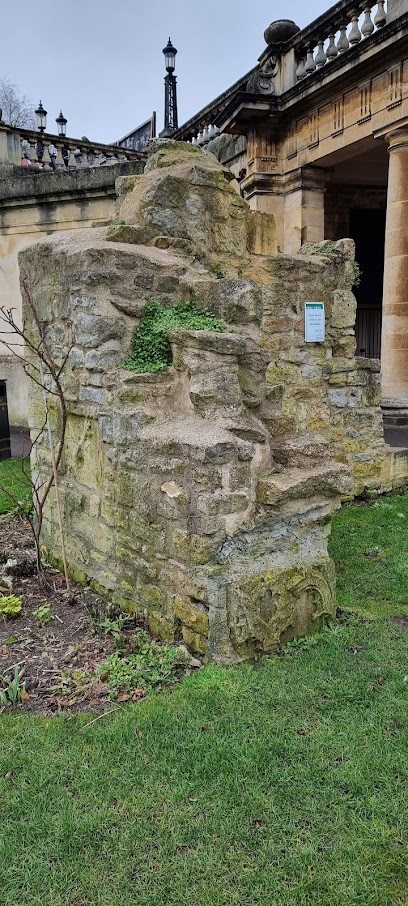
Monks Mill
30.0 km
Discover Monks Mill, a rare medieval watermill ruin nestled in Bath’s picturesque Parade Gardens, echoing centuries of monastic industry and wool trade heritage.
Pulteney Bridge
30.1 km
Experience the stunning Pulteney Bridge in Bath, a unique architectural gem adorned with shops, offering picturesque views and rich history.

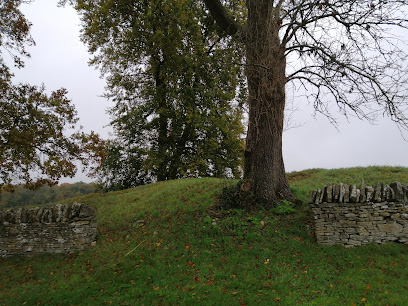
Rodmarton Long Barrow
30.1 km
Uncover the ancient secrets of Rodmarton Long Barrow, a Neolithic burial site that invites you to journey through time in the heart of the English countryside.
Bizarre Bath
30.1 km
Experience the quirky and humorous side of Bath with Bizarre Bath, a unique attraction that blends comedy with captivating local history.
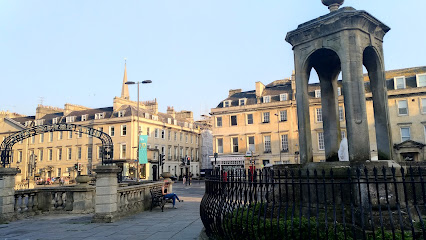
The EASTGATE
30.1 km
Explore The EASTGATE, a captivating historical landmark in Bath, showcasing stunning Georgian architecture and rich cultural heritage.
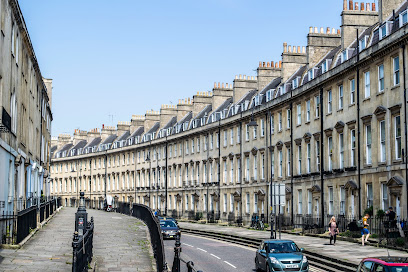
North Parade, Bath
30.1 km
Experience the historic beauty and vibrant atmosphere of North Parade, Bath, where Georgian architecture meets the charm of the River Avon.
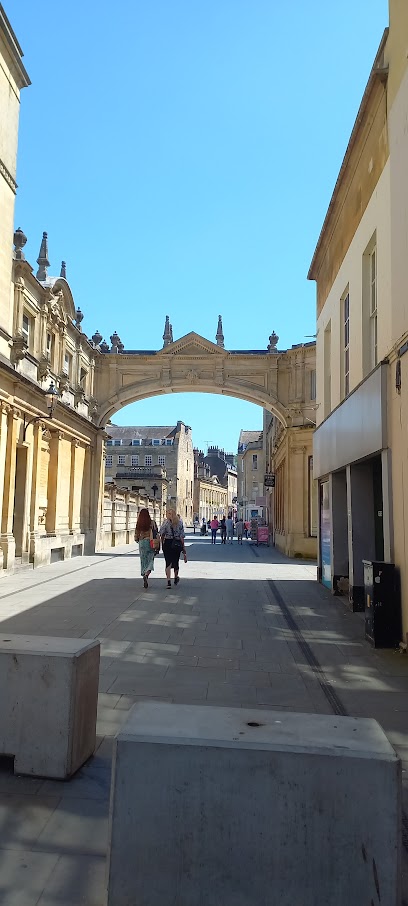
In and Beyond Bath
30.1 km
Experience the rich history and stunning architecture of Bath with personalized tours from In and Beyond Bath, your expert local travel guide.
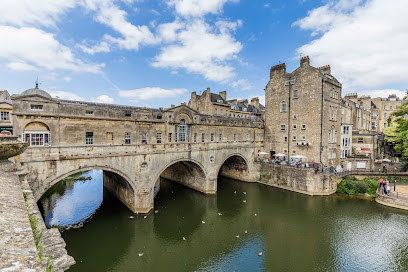
Victoria Art Gallery
30.1 km
Explore the Victoria Art Gallery in Bath, where diverse art collections and serene ambiance come together for an unforgettable cultural experience.
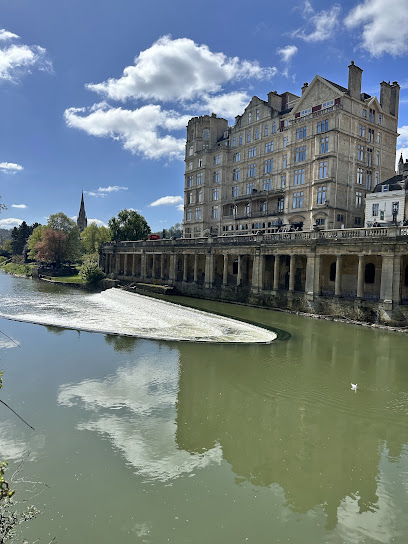
Bath Masonic Hall
30.1 km
Discover the hidden history and architectural beauty of Bath Masonic Hall, a unique tourist attraction that unveils the secrets of Freemasonry.
Old Theatre Royal
30.1 km
Discover the historic Old Theatre Royal in Bath, a cultural hub blending stunning architecture and vibrant events for an unforgettable experience.
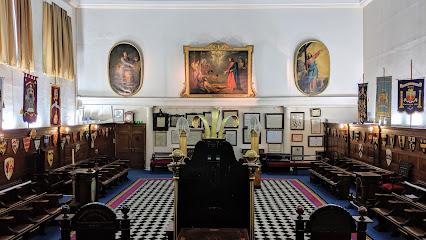
Bath Guildhall Market
30.1 km
Explore Bath’s oldest indoor market with over 800 years of history, vibrant stalls, and charming cafes beneath a stunning domed roof.
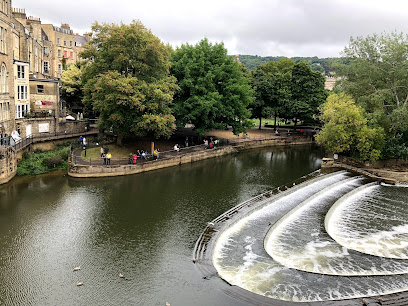
Sally Lunn’s Historic Eating House & Museum
30.1 km
Experience the rich history and delectable flavors at Sally Lunn’s Historic Eating House & Museum in Bath, where tradition meets taste.
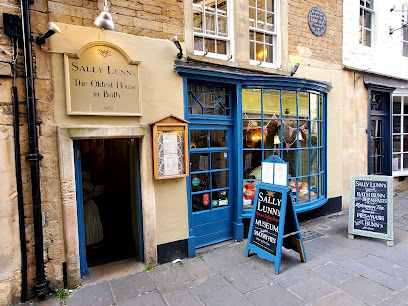
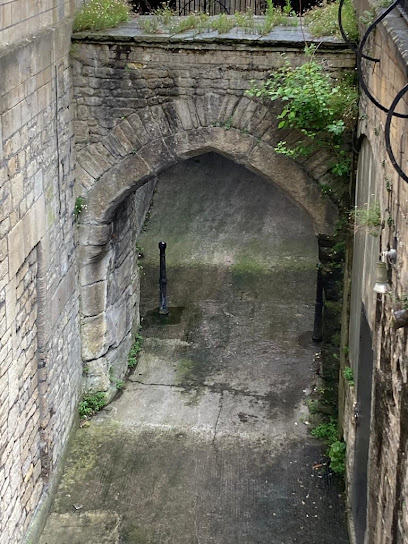
Parte de la muralla medieval de la ciudad de Bath
30.1 km
Explore a rare surviving fragment of Bath’s medieval city wall, a gateway to the city’s rich Roman and medieval heritage.
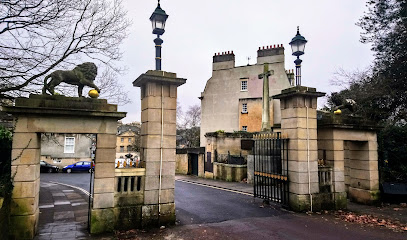
Bath Abbey
30.2 km
Experience the awe-inspiring beauty and rich history of Bath Abbey, a stunning Gothic masterpiece in the heart of Bath, England.
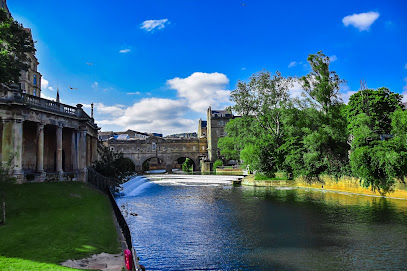
Museum of Bath Architecture
30.2 km
Explore Bath’s architectural evolution from medieval roots to Georgian grandeur in a compact, richly detailed museum setting.
Unmissable attractions to see

Oldbury Castle Hillfort
0.3 km
Explore Oldbury Castle Hillfort, an ancient Iron Age stronghold with breathtaking views and rich prehistoric heritage on Wiltshire’s Cherhill Downs.
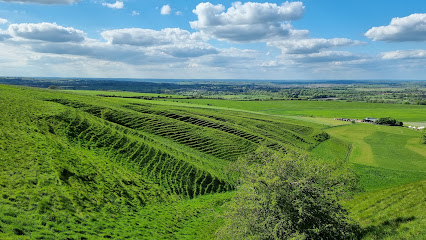
Morgan's Hill
3.5 km
Discover Morgan's Hill, a tranquil chalk grassland reserve rich in rare orchids, butterflies, historic earthworks, and sweeping Wiltshire vistas.
Windmill Hill, Avebury
4.1 km
Explore Windmill Hill, a vast Neolithic causewayed enclosure with panoramic views and deep prehistoric significance within Avebury's ancient landscape.
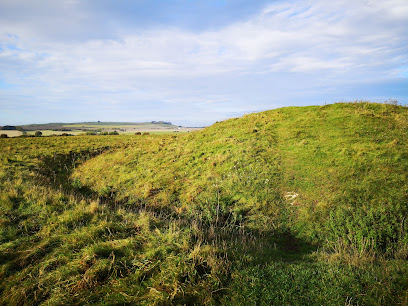
National Trust - Avebury Manor
4.9 km
Explore a historic 16th-century manor and stunning gardens nestled within the world’s largest Neolithic stone circle in Wiltshire.
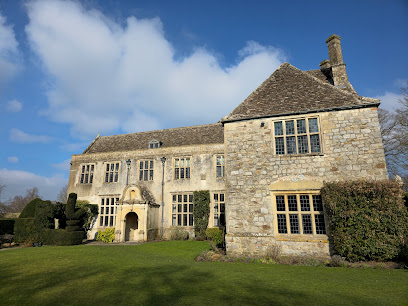
National Trust Museum
5.1 km
Explore Britain’s prehistoric heritage through the remarkable artefacts and stories at the Alexander Keiller Museum in Avebury’s ancient heartland.
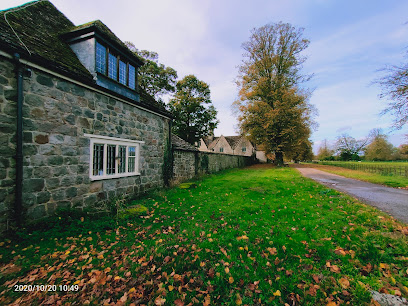
Silbury Hill
5.1 km
Explore Silbury Hill, Europe's largest prehistoric chalk mound, a monumental mystery towering over the Wiltshire landscape since 2400 BC.
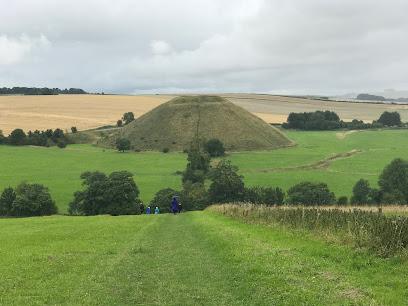
Avebury
5.2 km
Explore Avebury, the world’s largest Neolithic stone circle, a monumental prehistoric landscape of mystery, ritual, and enduring heritage.
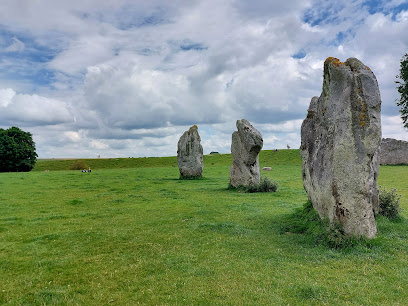
West Kennet Long Barrow
5.8 km
Explore one of Britain’s largest Neolithic tombs, a monumental burial site offering ancient history and stunning Wiltshire views.
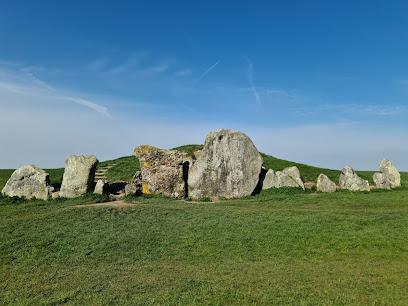
The Sanctuary
7.0 km
Explore the ancient timber circles and earthworks of The Sanctuary, a mystical Neolithic site within the Avebury World Heritage landscape.
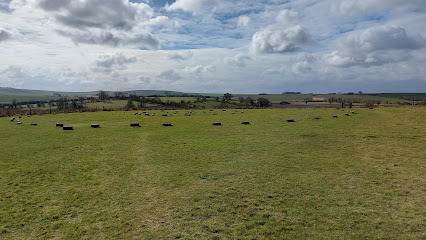
Bowood House & Gardens
7.5 km
Historic Bowood House & Gardens: Timeless heritage, stunning Capability Brown parkland, and family adventure in Wiltshire’s countryside.
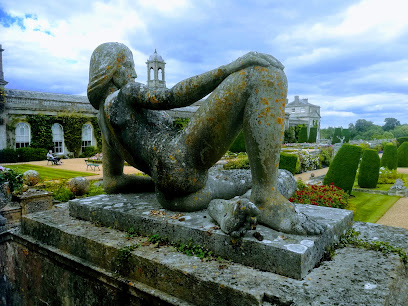
The Alton Barnes White Horse
8.1 km
An iconic chalk hill figure on Wiltshire’s highest point, blending history, legend, and stunning panoramic views across the Pewsey Vale.
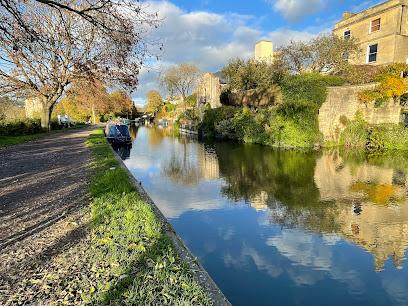
Kennet and Avon Canal
9.0 km
Historic 57-mile canal linking London to Bristol with iconic locks, aqueducts, and scenic towpaths through England’s picturesque countryside.
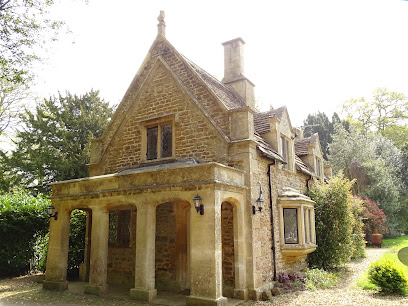
Bowood Woodland Gardens
9.1 km
A seasonal floral haven in Wiltshire showcasing spectacular bluebells, magnolias, azaleas, and rhododendrons across 30 serene woodland acres.
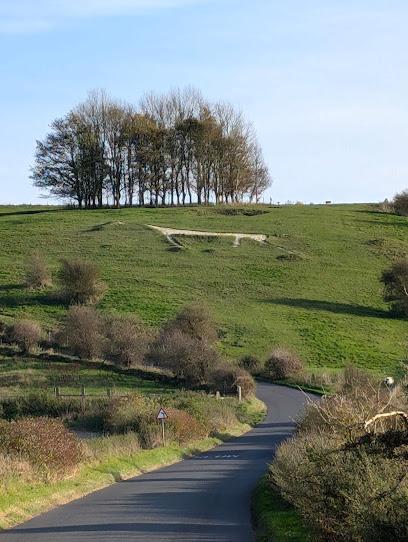
Hackpen White Horse
9.4 km
Discover the unique square-shaped Hackpen White Horse, a chalk hill figure commemorating Queen Victoria’s coronation, set amidst Wiltshire’s scenic downs.
Wiltshire Museum
9.5 km
Discover 500,000 years of Wiltshire’s history through award-winning galleries and stunning Bronze Age treasures in the heart of Devizes.
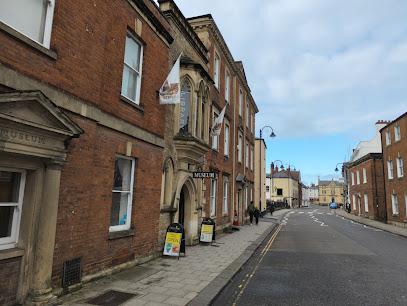
Essential places to dine

Sign of the Angel
13.4 km
Step into history at Sign of the Angel, a 15th-century coaching inn in Lacock offering cozy charm, excellent food, and timeless English hospitality.
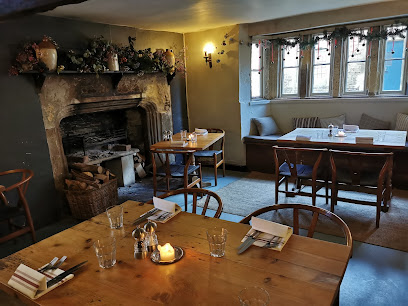
The Silks
14.2 km
Historic Victorian pub in Wiltshire serving seasonal British fare by MasterChef Champion Thomas Frake, blending heritage with community spirit.
Bybrook
22.3 km
Michelin-starred modern British fine dining in a historic Cotswold manor with fresh, seasonal produce from its own kitchen garden.
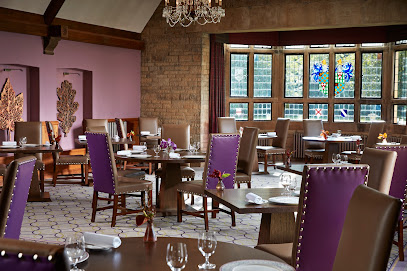
Grey's Brasserie
23.3 km
Sophisticated yet relaxed dining at Whatley Manor, featuring globally inspired small plates and traditional Sunday roasts in a stunning Cotswolds setting.
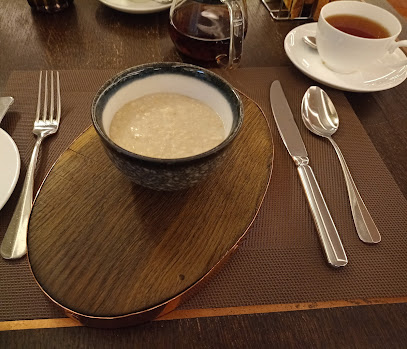
The Old Boathouse
27.5 km
Charming lakeside gastropub offering hearty British and European dishes with scenic views at Cotswold Water Park.
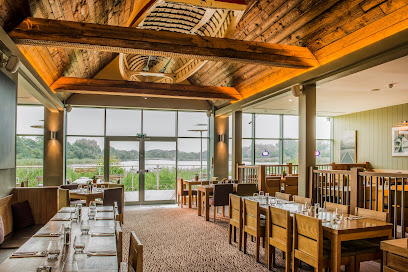
Bathampton Mill Bath
27.6 km
Historic riverside gastropub blending traditional British charm with scenic views and modern dining near Bath.
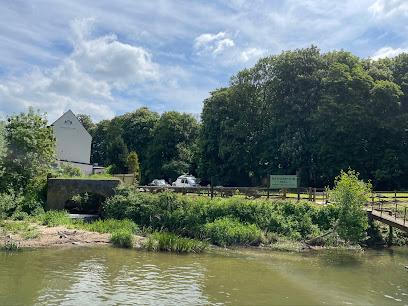
Bathwick Boatman Riverside
29.4 km
Charming riverside dining in Bath’s historic boathouse, serving fresh seasonal dishes with warm, family-run hospitality.
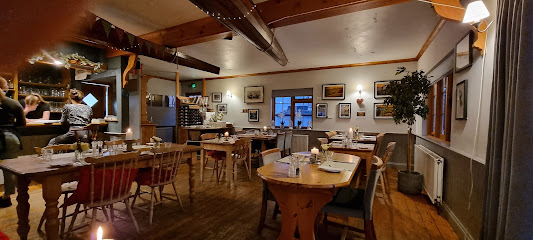
The Restaurant at The Bird
29.6 km
Stylish, sustainable dining in Bathwick with modern British dishes, festive charm, and stunning views of Bath Abbey.
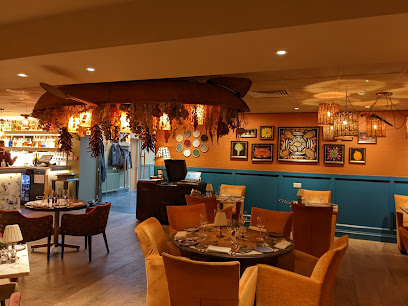
Opa Bath
30.0 km
Experience authentic Greek meze and vibrant nightlife in atmospheric vaulted cellars by Bath’s River Avon.
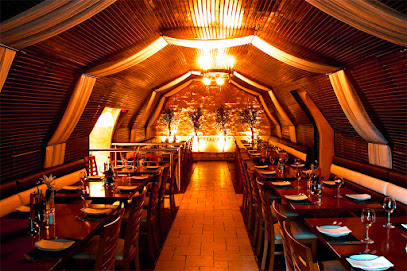
Ponte Vecchio
30.0 km
Bath’s finest Italian restaurant in a converted riverside boathouse, with stunning views of Pulteney Bridge and the weir.
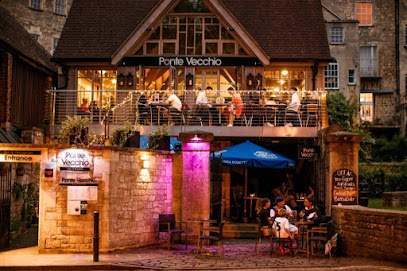
La Perla
30.0 km
Discover authentic Spanish tapas and vibrant flavors in the cozy, atmospheric arches beneath Bath’s historic streets.
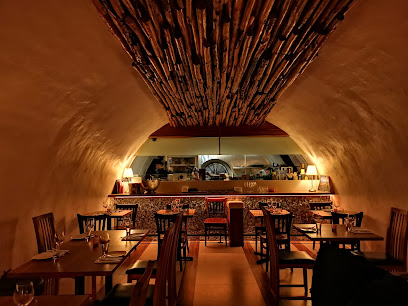
The Herd Steak Restaurant
30.0 km
A cozy, family-run steakhouse in Bath famed for locally sourced, dry-aged beef and impeccable service in a unique basement setting.
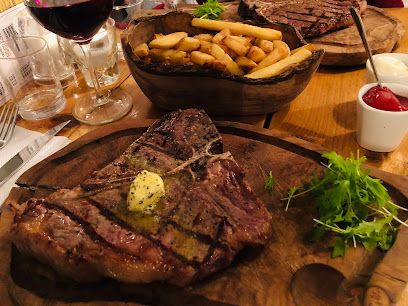
The Elder Restaurant
30.0 km
Experience refined modern British cuisine with a focus on seasonal wild game in Bath’s elegant Georgian setting.
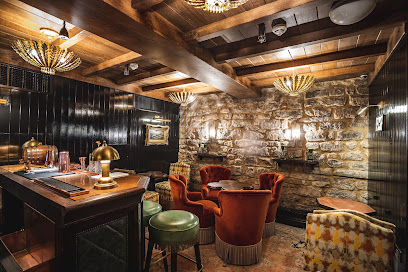
Hudson Steakhouse
30.0 km
Experience expertly aged steaks and Victorian charm in Bath’s beloved Hudson Steakhouse, where tradition meets refined dining.
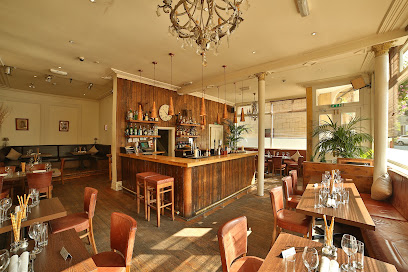
Sotto Sotto
30.0 km
Discover authentic Italian cuisine in a romantic vaulted cellar setting beneath Bath’s historic streets.
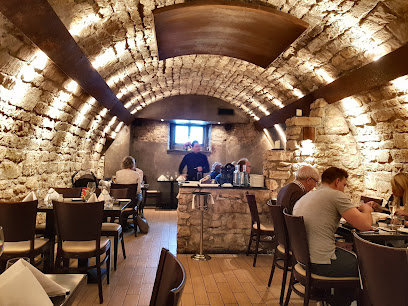
Markets, malls and hidden boutiques

National Trust shop
5.1 km
Discover unique gifts and local artisan treasures in a historic stables building at the heart of Avebury’s ancient village.
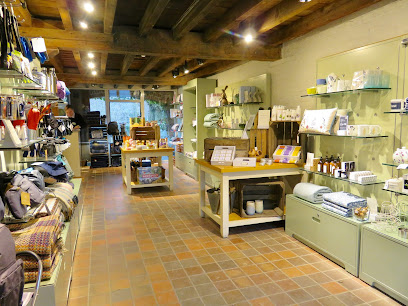
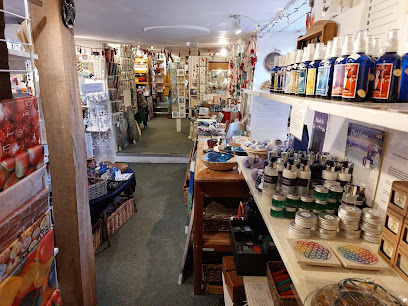
The Henge Shop
5.1 km
Explore Celtic and Pagan treasures, spiritual guidance, and artisan crafts in the heart of Avebury Stone Circle.
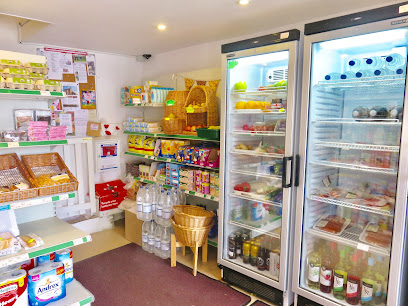
Avebury Community Shop
5.2 km
Explore the Avebury Community Shop for unique local products, artisan goods, and a taste of Marlborough's vibrant culture.
Elements of Avebury
5.2 km
Discover authentic local artistry and spiritual treasures in the heart of Avebury’s ancient stone circle.
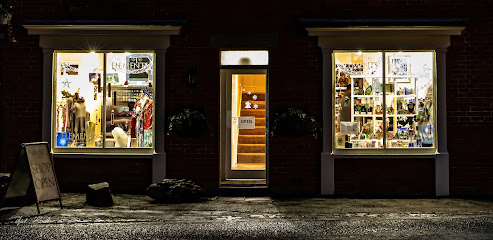
The Gift Box
5.3 km
Discover unique gifts and stylish fashion accessories in a charming Calne boutique with a warm, welcoming atmosphere.
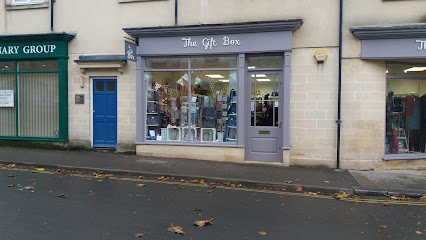
O L I V
13.3 km
Discover artisan candles, homewares, and unique gifts at O L I V, a charming boutique nestled in historic Lacock village.
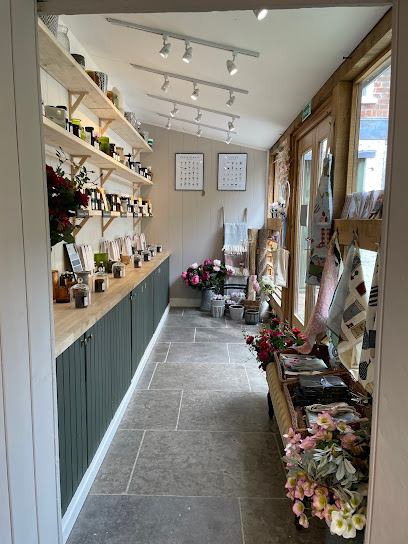
National Trust Gift Shop
13.4 km
Discover unique, eco-friendly gifts and local artisan treasures in a historic Lacock High Street setting.
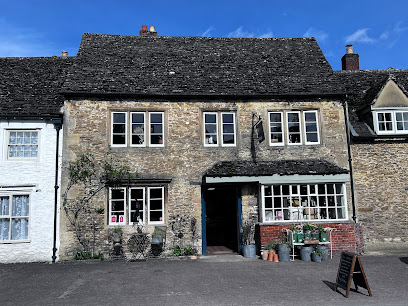
Emery Gate Shopping Centre
13.4 km
Chippenham’s only covered shopping centre offering national brands, local shops, cafes, and ample parking in a convenient central location.

Quintessentially English
13.4 km
A charming Wiltshire gift shop in Lacock, specializing in handmade soaps, candles, and artisanal beauty products with a distinctly English character.
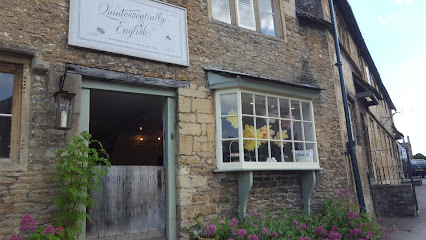
CoCo Chemistry Chocolates
13.5 km
Handcrafted luxury chocolates in the historic village of Lacock, blending tradition, quality, and charm for a truly sweet experience.
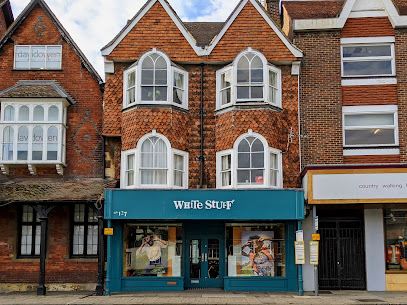
White Stuff Marlborough
13.8 km
Discover timeless, sustainable fashion and accessories at White Stuff Marlborough on the historic High Street.
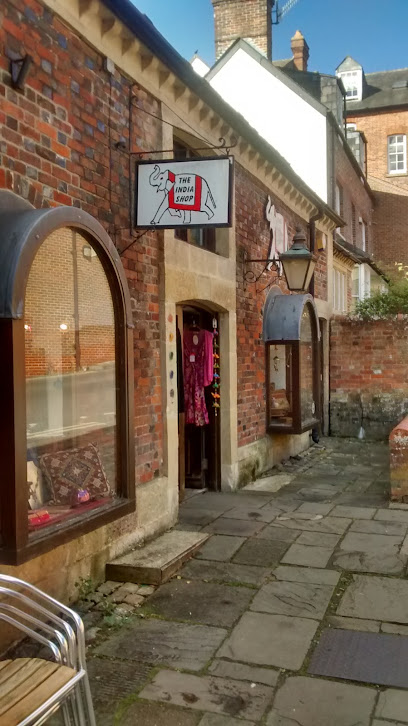
The India Shop
13.8 km
Discover vibrant fair trade treasures and authentic Indian craftsmanship in the heart of Marlborough’s charming market town.
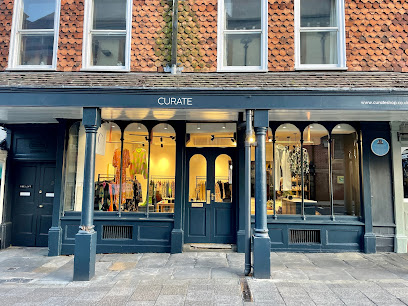
Curate
13.9 km
Discover artistically inspired fashion and homewares at Curate, Marlborough’s award-winning independent boutique on High Street.
The Wiltshire Gift Co
14.0 km
Discover unique gifts and candles in a vibrant garden centre setting with family-friendly attractions and local charm.

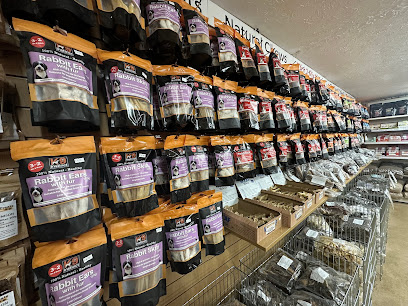
Natural Treats Wiltshire - Raw Dog Food Store
15.5 km
Premium raw dog food and natural treats in Melksham, serving conscious pet owners with expert nutrition guidance.
Essential bars & hidden hideouts

The White Horse Inn
2.9 km
Traditional Wiltshire pub and guesthouse offering homemade food, local ales, cosy rooms, and a warm countryside welcome in Compton Bassett.
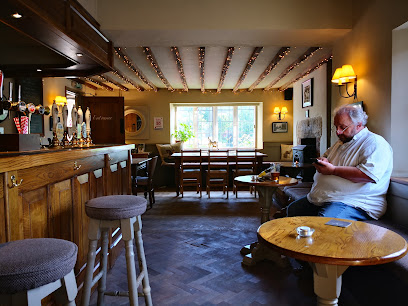
Waggon & Horses
4.1 km
Historic 17th-century gastropub with cosy charm, scenic garden views of Silbury Hill, and a celebrated menu featuring local and gluten-free delights.
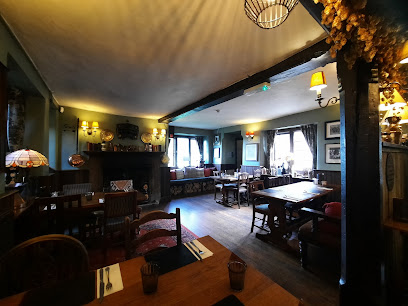
Red Lion
5.2 km
A charming traditional pub in Avebury offering hearty food, local stories, and a warm, welcoming atmosphere near the ancient stone circles.
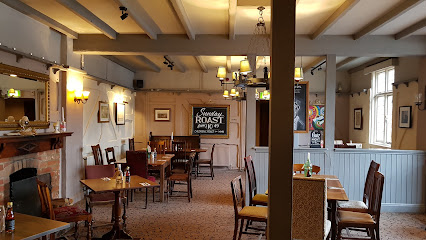
The Ivy Inn
5.9 km
A traditional Wiltshire pub offering cozy charm, fresh food, real ales, and a welcoming atmosphere in the heart of Heddington.
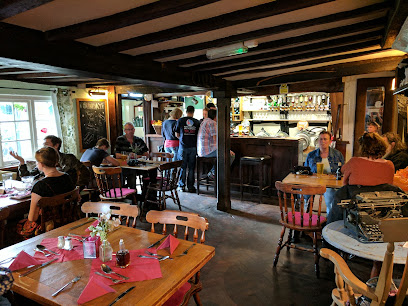
The George Inn
8.6 km
A classic village pub in Sandy Lane offering hearty home-cooked meals, cozy rooms, and warm local hospitality.
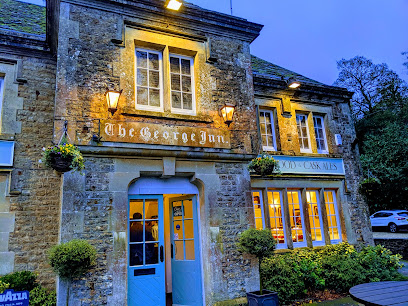
Westbrook Inn
10.1 km
Charming countryside pub near Chippenham offering extensive vegan options, hearty meals, and a warm, relaxed atmosphere.
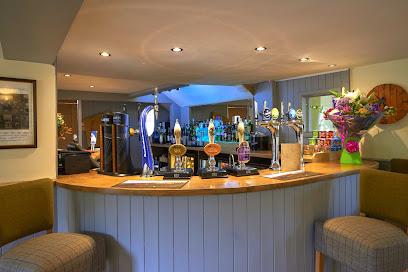
The Three Crowns
13.0 km
A lively, traditional pub in Chippenham known for real ales, live music, and a welcoming community spirit.
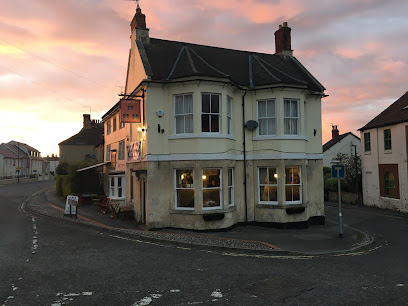
The Flying Monk
13.3 km
A friendly and lively pub in Chippenham’s Market Place, renowned for craft ales, community events, and warm hospitality.
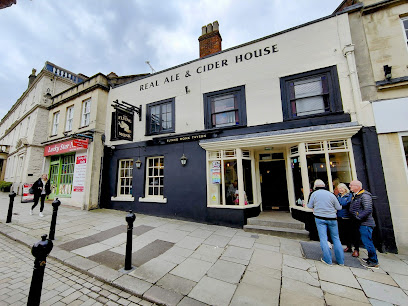
The Cellar by Wine Monkey
13.5 km
A boutique wine bar and shop in Chippenham offering expertly curated wines, small plates, and a cozy, stylish atmosphere for wine lovers.
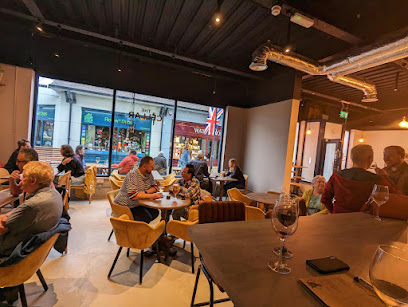
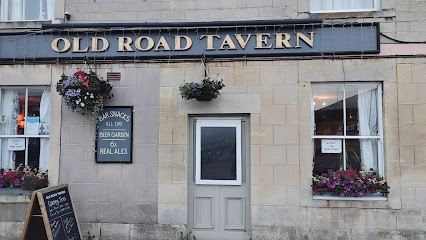
Old Road Tavern
13.7 km
A traditional Chippenham pub with quality ales, lively music, and a welcoming garden, cherished by locals and visitors alike.
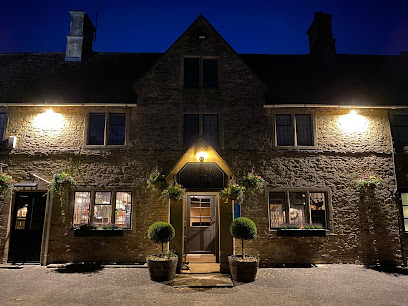
The Wellesley Arms
14.0 km
Historic coaching inn turned gastropub offering hearty British fare and cozy village charm in Sutton Benger near Chippenham.
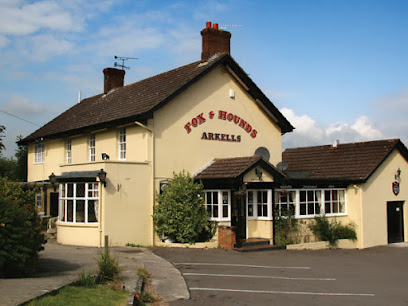
The Fox & Hounds
14.1 km
Quirky garden bar and lively pub in Wroughton offering hearty British fare, live music, and memorable community events.
The Somerford Arms
16.9 km
A family-run village pub in Little Somerford offering exceptional food, warm hospitality, and a charming countryside atmosphere.
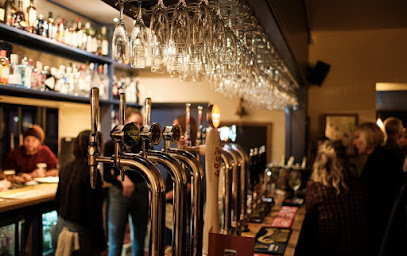
The Hop Inn
17.6 km
A vibrant Swindon pub famed for its craft ales, hearty contemporary fare, and welcoming community atmosphere.
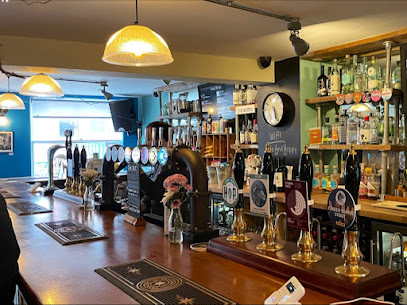
The Tuppenny
17.6 km
Swindon’s cozy craft beer haven with quirky charm, live music, and a vibrant social scene for all beer lovers and culture seekers.
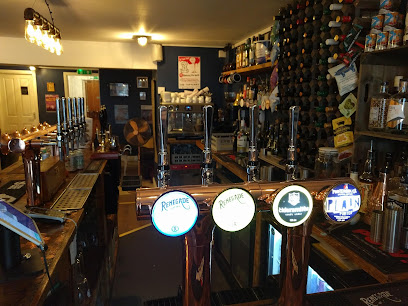
Nightclubs & after hour spots

Venue Five-0 Night Club
13.2 km
Energetic weekend nights and diverse music await at Venue Five-0 Night Club, Royal Wootton Bassett’s lively nightlife hotspot.
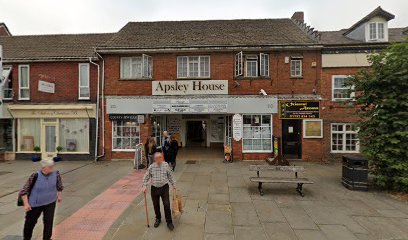
E11evn's Nightclub
13.6 km
A lively late-night hotspot in Chippenham offering weekend clubbing with a spirited local vibe and energetic dance floors.
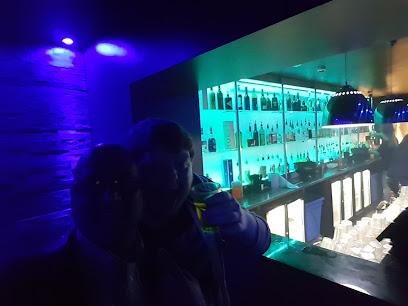
The Tub
28.0 km
A vibrant student nightclub on University of Bath campus, perfect for dancing, socializing, and late-night fun in a lively, welcoming atmosphere.
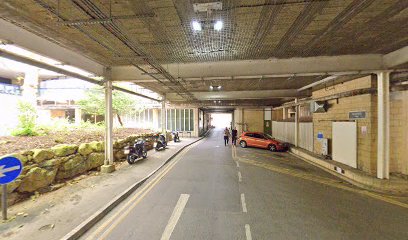
Labyrinth Bar & Nightclub
30.0 km
Experience Bath’s vibrant nightlife at Labyrinth Bar & Nightclub with four unique rooms, eclectic music, and a lively social atmosphere.
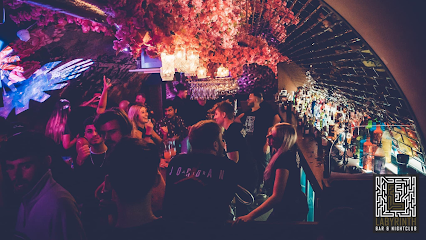
Second Bridge
30.1 km
A lively nightclub in Bath offering cocktails, shisha, and a buzzing beer garden for vibrant nightlife experiences.
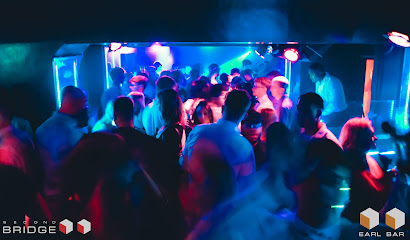
Lomah
30.1 km
Experience Bath’s industrial-chic nightlife at Lomah, a stylish underground club with hip hop beats and a laidback vibe for 21+ guests.
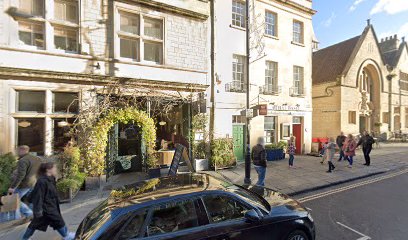
Zero / Zero
30.2 km
Experience Bath’s vibrant nightlife at Zero / Zero, a cozy nightclub and cocktail lounge with a lively atmosphere and late-night beats.
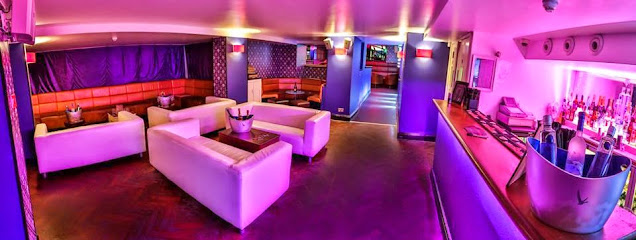
Sub 13
30.3 km
Bath’s award-winning cocktail bar and nightclub offering masterclasses, vibrant nightlife, and a heated terrace in a stylish three-floor venue.
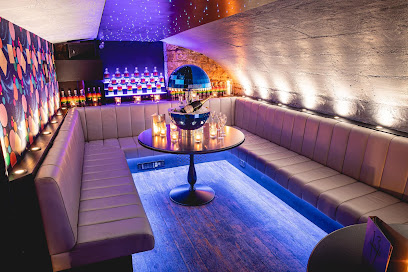
Komedia
30.4 km
Bath’s vibrant community-owned venue offering comedy, live music, cabaret, and more in a beautifully restored historic cinema.
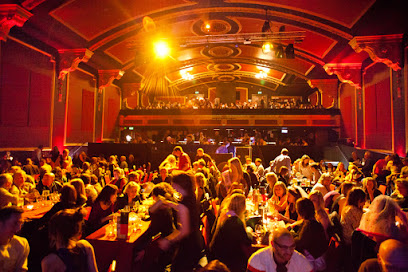
ReVA Nightclub
32.5 km
Cirencester’s largest nightclub offering electrifying music, stylish cocktails, and a vibrant atmosphere for unforgettable nights.
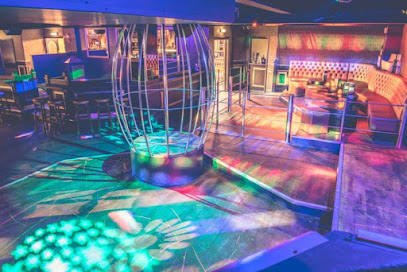
Trio Nightclub
40.7 km
Experience Stroud’s vibrant nightlife at Trio Nightclub, where music, dancing, and energetic vibes light up weekend nights.

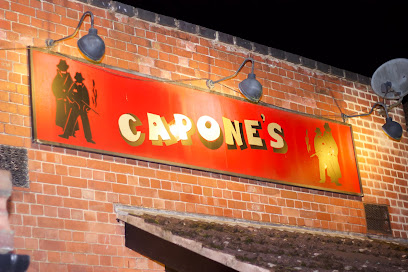
Capones
40.9 km
Historic nightclub in Dursley with legendary ties to Al Capone, offering vibrant weekend nightlife and pulsating music.
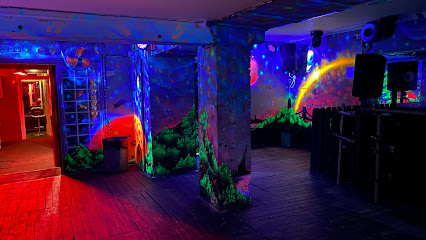
Dare to Club
44.8 km
Experience Bristol’s vibrant, inclusive nightlife at Dare to Club, where diverse music and welcoming vibes create unforgettable nights.
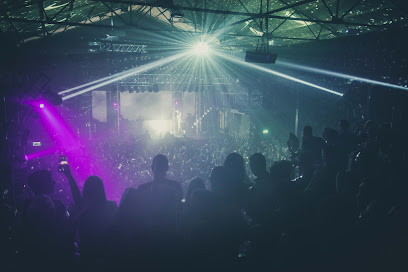
Motion
44.9 km
Bristol’s iconic warehouse nightclub, Motion, pulses with underground beats and community spirit, celebrating decades of electronic music culture.
The Loco Klub
45.4 km
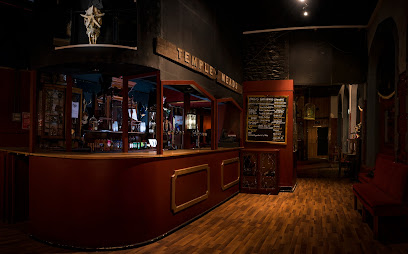
An atmospheric subterranean arts venue in Brunel’s Temple Meads arches, where tunnels, brick vaults and intimate soundscapes host club nights, theatre and live music.
For the vibe & atmosphere seeker
- Scenic
- Relaxing
- Tranquil
- Unique
- Casual
For the design and aesthetic lover
- Rustic Designs
For the architecture buff
- Historic
- Landmarks
- Parks & Gardens
For the view chaser and sunset hunter
- Iconic Views
- Panoramas
- Sunrise Spots
- Sunset Spots
For the social media creator & influencer
- Instagrammable
- Photo Spots
- Selfie Spots
- Aesthetic Corners
For the eco-conscious traveler
- Protected Area
- Nature Reserve
- Car-Free Access
- Public-Transport Accessible
- Locally Managed
For the kind of experience you’re after
- Cultural Heritage
- Photowalk
- Nature Escape
- Day Trip
- Weekend Getaway
For how adventurous you want the journey to be
- Easy Access
- Requires Hike
Location Audience
- Family Friendly
- Senior Friendly
- Child Friendly
- Teen Friendly
- Wheelchair Access
- Pet Friendly
- Couple Friendly
- Solo Friendly
- Solo Female Friendly
- Vegetarian Friendly
- Vegan Friendly


