

Wiltshire, United Kingdom Travel Guide
Discover Wiltshire: Home to Stonehenge, stunning landscapes, and charming villages, this county offers a perfect blend of history, nature, and quintessential English charm.
Wiltshire, located in the heart of England, is a county rich in history, natural beauty, and charming villages. The area is most famous for being home to Stonehenge, one of the world's most iconic prehistoric monuments. This ancient stone circle attracts visitors from all over the globe, eager to witness its mysterious and powerful presence. Nearby, the Avebury stone circle offers another fascinating glimpse into the region's ancient past. The county's rolling chalk hills, known as the Wiltshire Downs, provide a stunning backdrop for outdoor enthusiasts. The landscape is dotted with picturesque villages, each with its own unique character and history. Lacock, for example, is a quintessential English village with half-timbered houses and a beautiful abbey that has been featured in numerous films and TV shows. Salisbury, the county's only city, is home to the magnificent Salisbury Cathedral, which boasts the tallest spire in the UK. The city offers a mix of medieval charm and modern amenities, with plenty of shops, restaurants, and cultural attractions to explore. Wiltshire's diverse attractions make it an ideal destination for history buffs, nature lovers, and anyone looking to experience the quintessential English countryside.

Know before you go
Hi, I'm Eve. Here are a few practical things to know before exploring Wiltshire.
- Visit Stonehenge early in the morning or late in the afternoon to avoid the crowds and get the best photos.
- Explore the lesser-known Avebury stone circle for a more intimate and equally fascinating experience.
- Take a walk in the Wiltshire Downs for breathtaking views and a peaceful escape into nature.
- Spend some time in Lacock village to see its historical buildings and enjoy a traditional English tea.
- Don't miss Salisbury Cathedral; consider a guided tour to fully appreciate its history and architecture.
Top City Travel Guides in Wiltshire
The cities of Wiltshire, and the easiest places to base yourself.


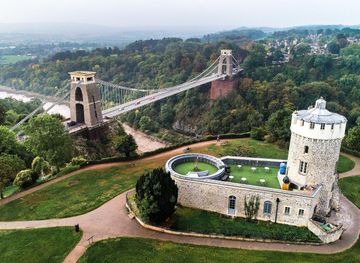
Destinations in Wiltshire
Resorts, valleys and scenic spots worth a trip of their own.
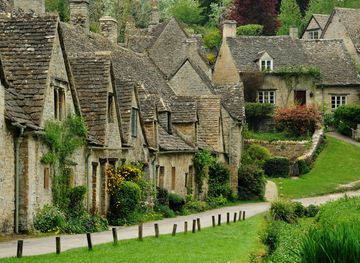

Explore Wiltshire: Things to Do, Places to Eat, Hotels & More
Handpicked recommendations for top attractions, local dining, accommodations, and more

Top Attractions & Sightseeing in Wiltshire
Top-rated picks
Best Attractions

Avebury
Explore Avebury, the world’s largest Neolithic stone circle, a monumental prehistoric landscape of mystery, ritual, and enduring heritage.

Bath
Step back 2,000 years at Bath’s Roman Baths, a stunning ancient spa complex where history, architecture, and natural hot springs converge.

Bath Abbey
Discover the awe-inspiring Gothic beauty and rich history of Bath Abbey, a vibrant spiritual and cultural landmark in the heart of Bath.

Longleat House
Explore England’s grand Elizabethan estate with the UK’s first drive-through safari, enchanting gardens, and unforgettable wildlife encounters.

Best landmarks in Wiltshire
Top-rated picks
Best Landmarks
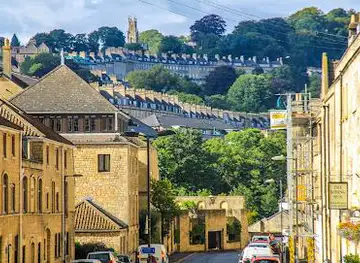
Argyle St & Pulteney Bridge
One of the world’s rare shop-lined bridges, Pulteney Bridge is a Georgian masterpiece spanning the River Avon in Bath, blending elegant Palladian architecture with lively commerce.
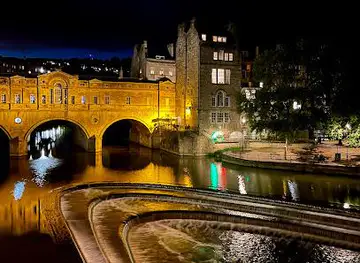
Pulteney weir
One of the world’s rare shop-lined bridges, Pulteney Bridge is a Georgian masterpiece spanning the River Avon in the heart of Bath.
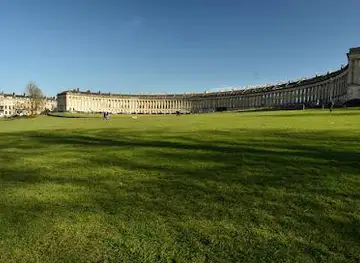
Royal Cres
Experience Bath’s Royal Crescent, a stunning Georgian crescent with iconic Ionic columns, historic charm, and sweeping parkland views.

Nunney Castle
A French-influenced medieval fortress where a Hundred Years' War veteran built his legacy in stone.

Best restaurants in Wiltshire
Top-rated picks
Best Restaurants

Sign of the Angel
15th-century coaching inn in Lacock serving 2 AA Rosette British fare by log fires or garden streams—timeless charm meets seasonal flavours in a National Trust gem.
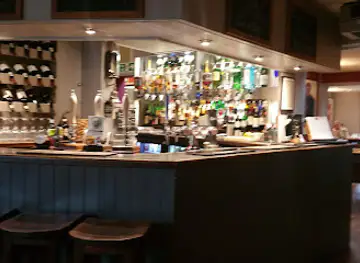
The Silks
Community-owned Wiltshire gem serving MasterChef-crafted pub classics, local ales, and heartfelt hospitality in a historic village setting—perfect for dogs, families, and downs walkers.
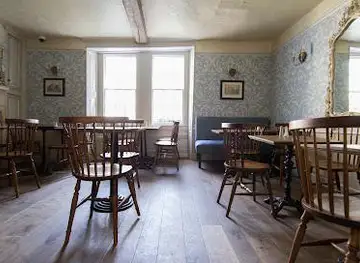
Sally Lunn’s Historic Eating House & Museum
Discover Bath’s oldest house where history and the famous Sally Lunn bun come together in a unique dining and museum experience.

Bybrook
Michelin-starred modern British fine dining in a historic Cotswold manor with fresh, seasonal produce from its own kitchen garden.

Best bars in Wiltshire
Top-rated picks
Best Bars

Melt Bars - Mobile Event & Cocktail Bars
Bespoke handcrafted mobile bars and expert cocktail service tailored for events across the UK from Chippenham’s premier specialists.

The Crystal Palace, Bath
Historic Bath pub named after the Great Exhibition’s Crystal Palace, blending rich heritage with lively local charm at Abbey Green.

The Dark Horse
Discover Bath’s moody, intimate cocktail bar with inventive drinks, warm service, and a hidden underground charm.
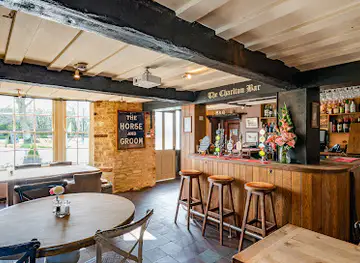
The Horse & Groom, Charlton
A historic 16th-century Wiltshire pub and inn blending cosy charm, seasonal British cuisine, and luxury rooms in a tranquil countryside setting.

Best nightclubs in Wiltshire
Top-rated picks
Best Nightclubs

Labyrinth Bar & Nightclub
Dive into Bath’s vibrant nightlife at Labyrinth Bar & Nightclub, where diverse music zones and themed nights create unforgettable party experiences.

E11evn's Nightclub
A lively late-night hotspot in Chippenham offering weekend clubbing with a spirited local vibe and energetic dance floors.

Venue Five-0 Night Club
Energetic weekend nights and diverse music await at Venue Five-0 Night Club, Royal Wootton Bassett’s lively nightlife hotspot.

Best shops in Wiltshire
Top-rated picks
Best Shops

Elements of Avebury
Discover authentic local artistry and spiritual treasures in the heart of Avebury’s ancient stone circle.

Fudge Kitchen Ltd - Bath
Watch, taste and buy handmade fudge in the heart of Bath, just steps from the Abbey.

Wadswick Country Store
Wiltshire’s premier country store offering expert equestrian gear, outdoor clothing, and rural lifestyle essentials in a scenic countryside setting.

Natural Treats Wiltshire - Raw Dog Food Store
Premium raw dog food and natural treats in Melksham, serving conscious pet owners with expert nutrition guidance.

Explore Wiltshire on the Map
A handpicked selection of must-see spots in Wiltshire, mapped for you.
Wiltshire Essentials
-
Wiltshire is easily accessible from various parts of the United Kingdom and Europe. The nearest major airports are London Heathrow and Bristol Airport. From London, you can take a direct train from Paddington Station to Swindon or Salisbury, which are key towns in Wiltshire. The train journey from London to Swindon typically takes around an hour, while it takes about an hour and a half to Salisbury. If traveling by car, Wiltshire is well-connected by the M4 motorway, which runs through the northern part of the county.
-
Wiltshire offers a variety of transportation options for getting around. Trains connect major towns like Swindon, Salisbury, and Chippenham. Local buses operate within towns and between rural areas, though schedules may be less frequent in more remote locations. Taxis are available, and ride-sharing services like Uber operate in some areas. Renting a car is a convenient option for exploring the countryside and visiting attractions at your own pace.
-
The official currency in Wiltshire, as in the rest of the United Kingdom, is the British Pound Sterling (GBP). Credit and debit cards are widely accepted in hotels, restaurants, and shops. Contactless payment methods are also popular. ATMs are readily available in towns and cities. However, it's advisable to carry some cash, especially if you plan to visit smaller villages or rural areas where card payment may not be accepted.
-
Wiltshire is generally a safe destination for tourists. Crime rates are relatively low, but it's always wise to take standard precautions. Avoid leaving valuables in your car and keep an eye on your belongings in crowded areas. While there are no specific high-crime areas targeting tourists, it's advisable to stay vigilant and be aware of your surroundings, particularly in unfamiliar places.
-
In case of an emergency, dial 999 for police, fire, or medical assistance. Wiltshire has several hospitals and medical facilities, including Great Western Hospital in Swindon and Salisbury District Hospital. Pharmacies are available in most towns for minor health issues and over-the-counter medications. Ensure you have travel insurance that covers medical emergencies.
-
Fashion: Do dress appropriately for the weather. Layers are advisable due to the UK's variable climate. Avoid overly casual attire when dining in upscale restaurants. Religion: Do respect local customs and traditions when visiting religious sites. Cover your head in churches if required. Public Transport: Do be courteous and offer your seat to elderly passengers. Don't eat or drink on public transport. Greetings: Do greet people with a friendly 'hello' or handshake. Eating & Drinking: Do try local delicacies and traditional English fare. Don't tip excessively; 10-15% is usually sufficient if service charges aren't included.
-
To experience Wiltshire like a local, visit the weekly farmers' markets in towns like Marlborough and Devizes, where you can buy fresh produce and local crafts. Explore the stunning countryside on foot or by bike, especially the scenic trails in the Marlborough Downs and Salisbury Plain. Engage with locals in village pubs to learn more about the area's history and culture. Don't miss visiting iconic landmarks like Stonehenge and Avebury, as well as lesser-known gems like Lacock Abbey and the Kennet & Avon Canal.
When is the best time to visit Wiltshire?
Useful Local Phrases for Wiltshire
You don't need to speak the language perfectly. Even learning a few simple words can make conversations warmer—and locals usually appreciate the effort.
— Eve

Here are the phrases I use most often in Wiltshire. Try a few—you'll be surprised how far they go! 😊
❤️
-
- HelloAlright
[aw-reet] - GoodbyeTa-ra
[ta-rah] - YesYeah
[yeh] - NoNope
[nohp] - Please/You’re welcomePlease
[pleez] - Thank youCheers
[cheerz] - Excuse me/SorryS'cuse me
[skewz mee] - How are you?How's it going?
[hows it goin] - Fine. And you?I'm good, and you?
[I'm gud, and yew?] - Do you speak English?Do yer speak English?
[doo yer speek ing-glish] - I don't understandI ain't got a clue
[I ain't got a klew]
- HelloAlright
-
- I’d like to see the menu, pleaseCan I see the menu, please?
[kan I see thuh men-yoo, pleez?] - I don't eat meatI don't eat meat
[I don't eet meet] - Cheers!Cheers!
[cheerz] - I would like to pay, pleaseCan I pay, please?
[kan I pay, pleez?]
- I’d like to see the menu, pleaseCan I see the menu, please?
-
- Help!Help!
[help] - Go away!Clear off!
[kleer off] - Call the Police!Ring the coppers!
[ring thuh kop-ers] - Call a doctor!Get a doc!
[get a dok] - I’m lostI'm a bit lost
[I'm a bit lost] - I’m illI don't feel well
[I don't feel wel]
- Help!Help!
-
- I’d like to buy...I want to buy...
[I want to bye...] - I’m just lookingI'm just having a look
[I'm just havin a luk] - How much is it?How much's this?
[How much's this?] - That’s too expensiveThat's a bit pricey
[That's a bit pry-see] - Can you lower the price?Can you knock a bit off?
[Can you nok a bit off?]
- I’d like to buy...I want to buy...
-
- What time is it?What time is it?
[what time is it?] - It's one o'clockIt's one o'clock
[it's wun o'clock] - Half past (10)Half past ten
[half past ten] - MorningMornin'
[mornin] - AfternoonAfternoon
[afternun] - EveningEvenin'
[evenin] - YesterdayYest'day
[yest-day] - TodayToday
[today] - TomorrowTomorrah
[tomorrah] - 1One
[wun] - 2Two
[too] - 3Three
[three] - 4Four
[for] - 5Five
[five] - 6Six
[siks] - 7Seven
[sev-en] - 8Eight
[ait] - 9Nine
[nain] - 10Ten
[ten]
- What time is it?What time is it?
-
- Where's a/the...?Where's the...?
[where's thuh...?] - What's the address?What's the address?
[what's thuh uh-dress?] - Can you show me (on the map)?Can you point it out?
[can you point it out?] - When's the next (bus)?When's the next bus?
[when's thuh next bus?] - A ticket (to ....)A ticket to...
[a tik-it to...]
- Where's a/the...?Where's the...?
History of Wiltshire
-
Stonehenge, one of the most iconic landmarks in the world, is located in Wiltshire. This prehistoric monument, believed to have been constructed from 3000 BC to 2000 BC, has fascinated historians and archaeologists for centuries. The purpose of Stonehenge remains a mystery, with theories ranging from astronomical observatory to religious site.
-
Avebury is another monumental prehistoric site in Wiltshire, featuring the largest stone circle in Europe. Constructed around 2600 BC, the Avebury complex includes a large henge, several smaller stone circles, and avenues of stones. It offers unique insights into the ceremonial practices of Neolithic people.
-
Built between 1220 and 1258, Salisbury Cathedral is a stunning example of Early English Gothic architecture. It boasts the tallest church spire in the UK at 404 feet and houses one of the four remaining original copies of the Magna Carta. The cathedral's cloisters and chapter house are noteworthy for their architectural beauty.
-
Old Sarum is a historic site where the original city of Salisbury was located before it was moved to its current location. It was originally an Iron Age hillfort and later became a Roman, Saxon, and Norman settlement. The ruins include the foundations of a Norman cathedral and a royal castle.
-
Lacock Abbey, founded in the early 13th century, originally served as a nunnery before being converted into a Tudor family home. The abbey is also famous for being the birthplace of photography; William Henry Fox Talbot, who invented the negative-positive photographic process, lived here.
-
The Battle of Roundway Down, fought on July 13, 1643, was a significant conflict during the English Civil War. Royalist forces achieved a decisive victory over the Parliamentarians near Devizes, securing control of the West Country for King Charles I.
-
Wiltshire is famous for its hillside white horses, large figures of horses carved into the chalk hillsides. The Uffington White Horse, though technically in Oxfordshire, is often associated with the region. The figures are believed to date back to the late Bronze Age or early Iron Age and are a testament to the area's ancient heritage.
-
Devizes is a historic market town known for its medieval origins and well-preserved Georgian architecture. The town grew around the Norman Devizes Castle, built in the 11th century. Today, Devizes is famous for its annual street festival and the Wadworth Brewery, which has been brewing beer since 1875.
-
The Kennet and Avon Canal, completed in 1810, was a crucial waterway during the Industrial Revolution, linking London with the Bristol Channel. The canal passes through picturesque Wiltshire countryside, featuring impressive engineering works such as the Caen Hill Locks near Devizes.
Neighbouring Regions of Wiltshire
The closest regions to Wiltshire, if you have time for more than one.



Your all‑in‑one travel companion app
Explore expert travel guides, compare and book tours, experiences, hotels, and more—all from the palm of your hand. Download now for seamless trip planning wherever your wanderlust takes you.


Explore More of United Kingdom

Looking beyond Wiltshire? Discover United Kingdom for broader travel guides, local hot-spots, and regional highlights.
Explore United KingdomWiltshire in Photos
Browse through our photo collection highlighting the charm and character of the destination.


Wiltshire: A Timeless Journey Through History and Nature
Wiltshire, located in the heart of England, is a county rich in history, natural beauty, and charming villages. The area is most famous for being home to Stonehenge, one of the world's most iconic prehistoric monuments. This ancient stone circle attracts visitors from all over the globe, eager to witness its mysterious and powerful presence. Nearby, the Avebury stone circle offers another fascinating glimpse into the region's ancient past. The county's rolling chalk hills, known as the Wiltshire Downs, provide a stunning backdrop for outdoor enthusiasts. The landscape is dotted with picturesque villages, each with its own unique character and history. Lacock, for example, is a quintessential English village with half-timbered houses and a beautiful abbey that has been featured in numerous films and TV shows. Salisbury, the county's only city, is home to the magnificent Salisbury Cathedral, which boasts the tallest spire in the UK. The city offers a mix of medieval charm and modern amenities, with plenty of shops, restaurants, and cultural attractions to explore. Wiltshire's diverse attractions make it an ideal destination for history buffs, nature lovers, and anyone looking to experience the quintessential English countryside.