Westgate Buildings Travel Guide
Free Guide: Discover Westgate Buildings, Bath’s historic street where Georgian grandeur meets rare Tudor and Stuart architectural treasures.


A brief summary of Westgate Buildings
Discover Westgate Buildings, Bath’s historic street where Georgian grandeur meets rare Tudor and Stuart architectural treasures.
Westgate Buildings in Bath is a distinguished historic street blending Georgian elegance with surviving Stuart architecture. It stands as a testament to Bath's evolution from a Tudor health resort to a sophisticated Georgian city, featuring notable structures like the Abbey Church House and 22 Westgate Buildings. This area encapsulates Bath's rich heritage, with architectural layers reflecting its medieval city walls, aristocratic lodgings, and cultural significance within the World Heritage site.
On-site amenities
 Restrooms
 Drink options
 Food options
 Seating areas
 Information boards
- Address
- Bath
Getting there
Bus
Train
Walking
Discover more about Westgate Buildings
Architectural Heritage of Westgate Buildings
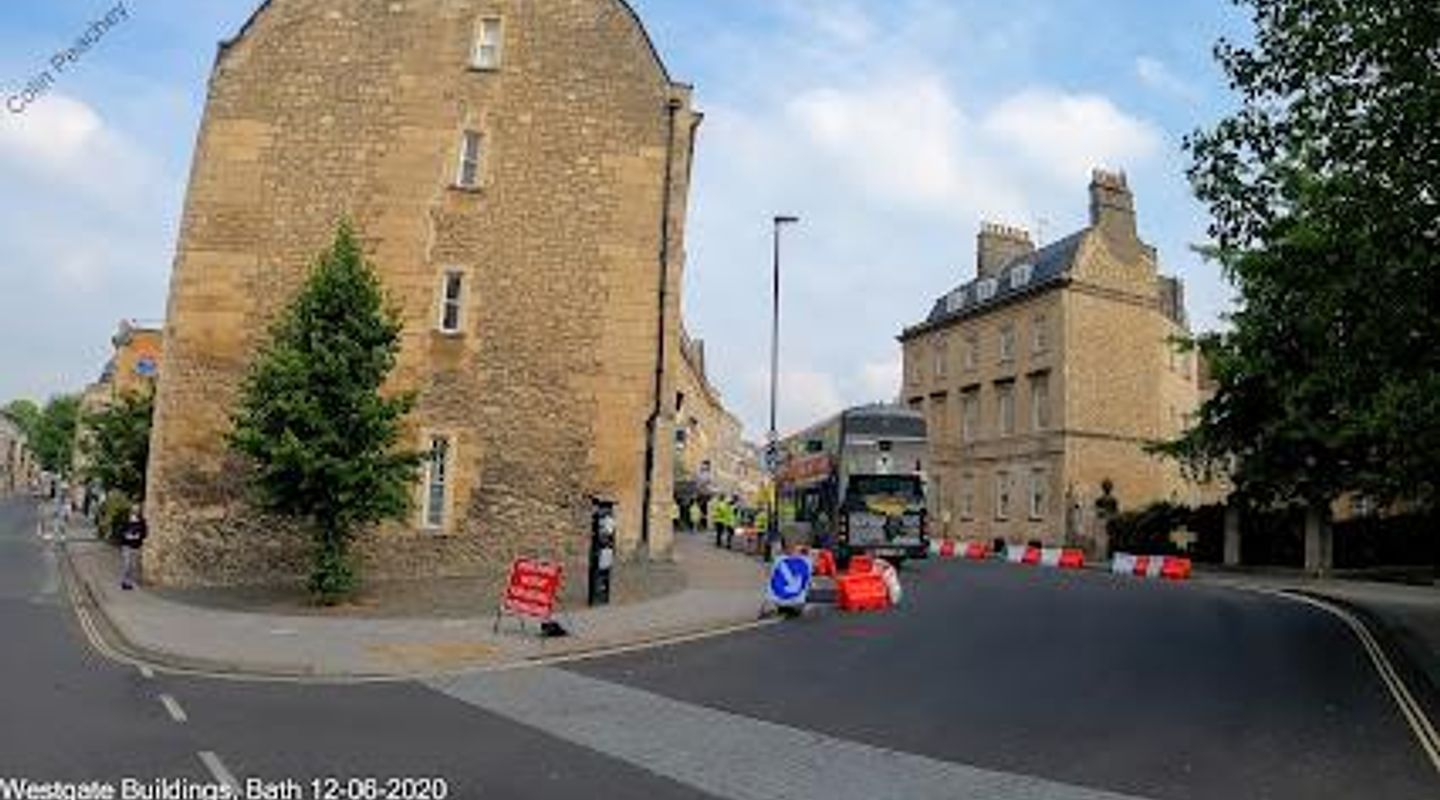
Westgate Buildings is a celebrated historic street in Bath, England, showcasing a remarkable blend of Georgian and Stuart architecture. The Georgian redevelopment of Bath in the 18th century brought a wave of elegant facades and uniformity to the cityscape, yet beneath these grand fronts survive rare remnants of the earlier Stuart period. Among these, the Abbey Church House stands out as a Grade II 16th-century building, one of the few survivors of Bath's Tudor era. This house, built around 1590 by Dr Robert Baker, featured a private bath connected to the city's famous Hot Bath, highlighting Bath's longstanding reputation as a health resort.
Historical Significance and Urban Evolution
Westgate Buildings traces its origins to the Tudor period when Bath grew as a spa town attracting nobility and physicians. The street was once part of the medieval city walls circuit, with the West Gate itself providing access to the countryside. Although the medieval gates were mostly demolished in the 18th century to accommodate Georgian expansion, the street retains its historical importance as a former reception area for travelers and goods. The architectural layering here reflects Bath's transition from a fortified medieval town to a refined Georgian city, with several buildings concealing earlier historic elements beneath later renovations.
Conservation and World Heritage Context
Situated within Bath's conservation area and World Heritage site, Westgate Buildings is surrounded by protected historic structures and archaeological significance. The area between Abbey Church House and 22 Westgate Buildings is a Scheduled Monument, notable for its proximity to the Roman Baths and the discovery of the Beau Street Hoard. This status underscores the importance of preserving the architectural and archaeological fabric of the street, which contributes to Bath’s unique character and heritage.
The Living Fabric of Bath’s Past
Westgate Buildings is more than a collection of historic facades; it is a living narrative of Bath’s social and cultural history. The street was home to prominent figures such as Richard Gay, a 17th-century mayor and MP, and Dr John Ostendorph, a German physician who settled in Bath during its rise as a European health destination. The survival of Jacobean plasterwork and panelling inside some buildings offers a rare glimpse into the craftsmanship and domestic life of earlier centuries, preserved beneath the Georgian exterior.
Architectural Details and Urban Atmosphere
The street’s architecture is characterized by four-storey Georgian houses with symmetrical facades, sash windows, and classical proportions. Yet, surprises await those who look closer: stone mullioned windows, shell-headed buffets, and other Stuart details peek through the Georgian renovations. The street’s intimate scale and historic ambiance provide a contrast to Bath’s grander landmarks, offering visitors a more nuanced understanding of the city’s layered history.
Westgate Buildings Today
Today, Westgate Buildings remains a vital part of Bath’s historic core, blending residential, commercial, and cultural uses. Its location near key attractions like the Roman Baths and Bath Abbey makes it a significant stop for those exploring the city’s heritage. Preservation efforts continue to balance the needs of modern use with respect for the street’s architectural and archaeological importance, ensuring that Westgate Buildings retains its unique place in Bath’s story.
Evendo Review Centre
 Google
Guest reviews
Best time to go
Quietest: Jan, Feb & Dec · before 6am or at 10pm
Busy times are Evendo estimates for a typical year, to help you plan. Actual crowds vary with events, school holidays and the weather.
Explore Westgate Buildings on the map
A handpicked selection of must-see spots near Westgate Buildings, mapped for you.
Get your free copy of our complete guide to Westgate Buildings, delivered straight to you.
Everything on this page, from opening hours and how to get there to Eve’s tips and the best time to go, in one PDF you can read offline, print or share.
Already have an account? Sign in
Your Westgate Buildings guide is ready.
We'll send it to · Not you? Sign out

Getting your guide ready…
We are putting together a fresh copy of the Westgate Buildings guide. This can take up to a minute.
This can take a few moments. If your browser asks, choose Allow so the download can start. You'll find the guide in your Downloads folder.
Nothing happened? Download it again
Sorry, the guide is taking longer than usual. Please try again in a minute, or get it by email instead.
Other nearby places you may find interesting
The closest places of the same kind, if this one is not quite what you had in mind.
-
-
-
-
-


Swipe for more places
More to explore near Westgate Buildings

 Best experiences near Westgate Buildings
 Best hotels near Westgate Buildings
 Best landmarks near Westgate Buildings
 Best attractions near Westgate Buildings
 Best shops near Westgate Buildings
 Best restaurants near Westgate Buildings
 Best bars near Westgate Buildings
Do you manage this location?
Take control to get all the benefits, like improved information, better appearance, and stronger visibility across AI-powered discovery.
Explore more

Explore more of Wiltshire
Discover Wiltshire: Home to Stonehenge, stunning landscapes, and charming villages, this county offers a perfect blend of history, nature, and quintessential English charm.
Explore Wiltshire
Explore more of United Kingdom
Discover the United Kingdom: A blend of rich history, stunning landscapes, and vibrant cities, offering a unique travel experience for every visitor.
Explore United Kingdom