

Gayle Mill: A Living Testament to Industrial Evolution in Wensleydale
Explore the oldest unaltered cotton mill in the UK, a working water-powered sawmill steeped in industrial and wartime history in the heart of Wensleydale.
Gayle Mill, located in Hawes, North Yorkshire, is the oldest structurally unaltered cotton mill in the UK, built in 1784. This historic water-powered mill transitioned through cotton, flax, wool, and sawmill uses, reflecting the Industrial Revolution’s impact. Now a restored Victorian sawmill and museum, it showcases original machinery powered by its historic turbines and offers a unique glimpse into industrial heritage and wartime history.
A brief summary to Gayle Mill
- Mill, Gayle Ln, Hawes, DL8 3RZ, GB
- +441969629348
- Visit website
- Duration: 1 to 2 hours
- Mid ranged
-
 Outdoor
- Mobile reception: 4 out of 5
- Thursday 10 am-4 pm
Local tips
- Visit on Thursdays between 10am and 4pm for guided tours that showcase the mill’s historic machinery in action.
- Allow 1 to 2 hours to fully explore the mill and appreciate the detailed demonstrations and exhibits.
- Bring a camera to capture the unique Victorian industrial architecture and water-powered equipment.
- Check opening times in advance as the mill is only open to the public one day a week, typically Thursday.

For the on-the-go comforts that matter to you
- Restrooms
- Seating Areas
- Information Boards
Getting There
-
Bus
Take the local bus service from Hawes town center to Gayle Mill, a 10-minute ride. Buses run several times a day but check schedules in advance. The stop is a short walk on a rural lane. Tickets cost approximately £3-£5 one way.
-
Car
Driving from Hawes town center takes about 5 minutes via rural roads. Limited parking is available near the mill. Note that the lane is narrow and may be busy during peak season. There is no charge for parking.
-
Walking
A scenic 30-minute walk from Hawes town center along quiet country lanes and footpaths leads to Gayle Mill. The terrain is mostly flat but includes some uneven surfaces. Suitable for most walkers with moderate fitness.
Gayle Mill location weather suitability
-
 Any Weather
-
 Mild Temperatures
-
 Rain / Wet Weather
-
 Clear Skies
Discover more about Gayle Mill
Origins and Industrial Significance
Gayle Mill was constructed in 1784 at the dawn of the First Industrial Revolution, making it one of the earliest cotton mills in Wensleydale and the oldest structurally unaltered cotton mill in the United Kingdom. Originally powered by a 22-foot diameter water wheel, it epitomizes the shift from home-based craft-making to mechanized manufacturing. Its design was influenced by the pioneering Arkwright system, marking an important technological advancement of the era.Evolution Through Industries
As industrial demands changed, Gayle Mill adapted several times. By 1810, it shifted from cotton to flax production, supplying materials for sails and sacking. However, the flax industry declined after the Napoleonic Wars, prompting another conversion in the 1820s to wool production, which lasted until the 1840s. Subsequently, the mill transformed into a sawmill by 1860, a role it fulfilled until its closure in 1988. This adaptability highlights the mill's resilience and its reflection of broader industrial trends.Technological Heritage and Machinery
In 1879, the original water wheel was replaced by a Thompson double vortex turbine, crafted by Williamson Brothers of Kendal. This turbine remains operational today, driving the Victorian-era line shafting and machinery preserved within the mill. Gayle Mill houses three turbines in total, with the 1879 turbine being the oldest working turbine in its original position in the UK. The machinery and power systems offer visitors a rare, tangible connection to 19th-century industrial technology.Wartime Role and Historical Layers
During World War II, Gayle Mill played a secretive role in the national defense effort. Soldiers from the Border Regiment and The Scots Guards were billeted on its top floor, and blackout screens still mark some windows. The mill pond was used to test Churchill tanks for resilience in preparation for the D-Day landings, embedding the site with poignant military history alongside its industrial legacy.Restoration and Public Engagement
After closing in 1988, the mill remained largely untouched until 2003 when it was acquired by the North of England Civic Trust (now Cultura Trust). Restoration efforts began in earnest, including the installation of a biomass boiler and refurbishment of turbines. Gayle Mill was featured on the BBC’s Restoration series in 2004, raising awareness of its significance. It opened to the public in 2008 as a museum and working sawmill, offering guided tours and educational programs that celebrate its industrial heritage and craftsmanship.Visitor Experience and Cultural Importance
Today, Gayle Mill offers visitors an immersive journey through industrial history, with operational Victorian machinery and demonstrations of water-powered woodworking. The mill’s tranquil rural setting in the Yorkshire Dales enhances the experience, providing a scenic backdrop to a site rich in cultural heritage. It stands as a rare example of industrial evolution, community resilience, and historical preservation, making it a compelling destination for history enthusiasts and curious travelers alike.Iconic landmarks you can’t miss

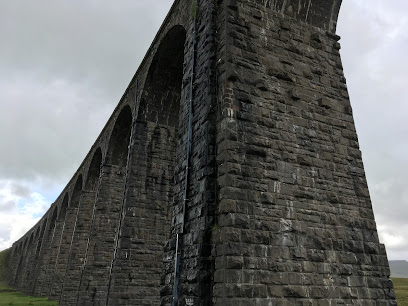
Ribblehead Viaduct
14.9 km
Explore the awe-inspiring Ribblehead Viaduct, an architectural marvel surrounded by the breathtaking beauty of the Yorkshire Dales.
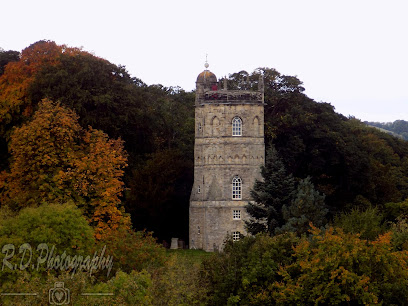
Culloden Tower
31.6 km
Historic Culloden Tower in Richmond offers a unique self-catering stay blending heritage charm with modern comfort in Yorkshire’s scenic market town.
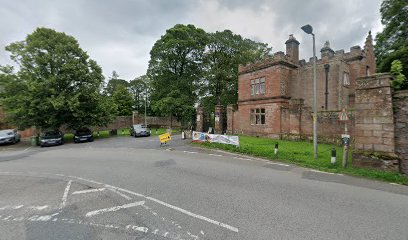
The Norman Centre
35.9 km
Uncover the historical marvels of The Norman Centre in Appleby-in-Westmorland, where medieval architecture meets rich storytelling.
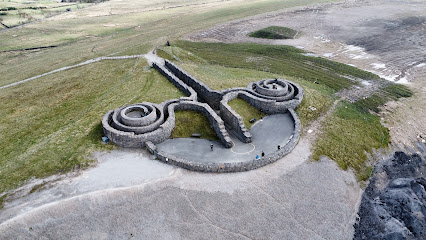
The Coldstones Cut
35.9 km
A monumental outdoor sculpture blending art, heritage, and sweeping Nidderdale vistas in a dramatic natural setting.
Nidderdale National Landscape
36.8 km
Experience the breathtaking beauty of Nidderdale National Landscape, where nature meets adventure in an unforgettable Yorkshire escape.
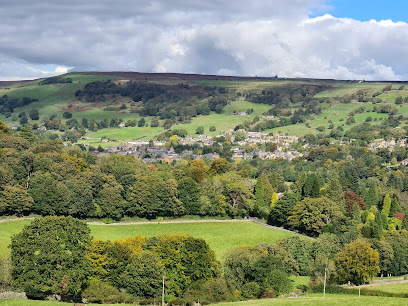
National Trust - Sizergh
37.2 km
Discover the enchanting Sizergh Manor, a historical gem in the Lake District with beautiful gardens and rich heritage.
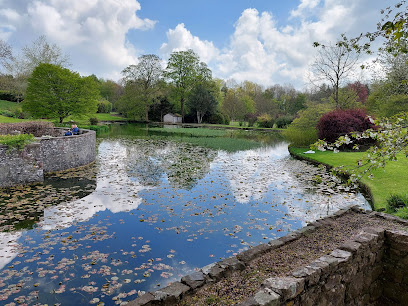
Levens Hall
37.7 km
Explore the enchanting gardens and rich history of Levens Hall, a stunning landmark in Kendal, perfect for nature lovers and history enthusiasts alike.
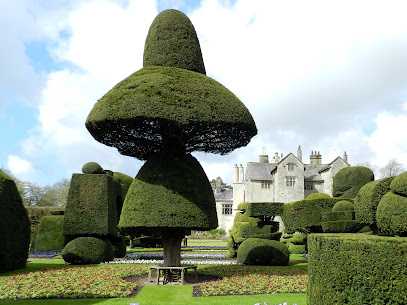
Leighton Hall Estate
40.4 km
Discover the charm and history of Leighton Hall Estate, a captivating destination in Carnforth featuring stunning gardens and rich heritage.

Bolton Priory
40.6 km
Explore the peaceful charm of Bolton Priory, a historic Anglican church set in the stunning Yorkshire Dales, perfect for nature lovers and history enthusiasts alike.
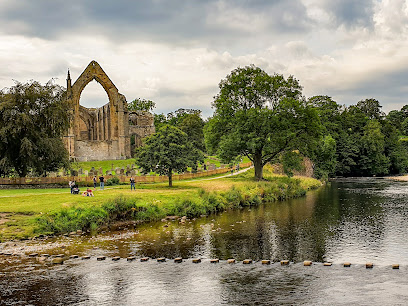
National Trust - Brimham Rocks
42.1 km
Explore Brimham Rocks, a breathtaking country park in Yorkshire Dales known for its spectacular rock formations and diverse hiking trails.
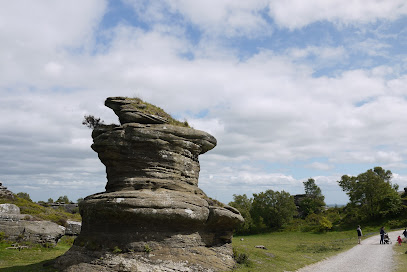
Thornborough Henges
42.6 km
Explore the awe-inspiring Thornborough Henges, a vast Neolithic ritual landscape known as the Stonehenge of the North, free to visit and steeped in ancient mystery.
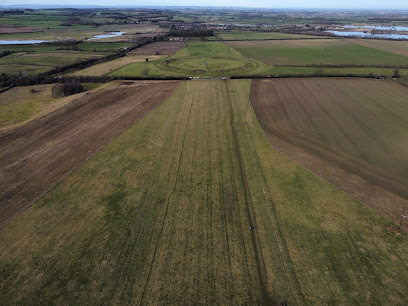
Sawley Abbey
44.0 km
Medieval Cistercian ruins beside the River Ribble, shaped by poverty, conflict, and defiant faith.
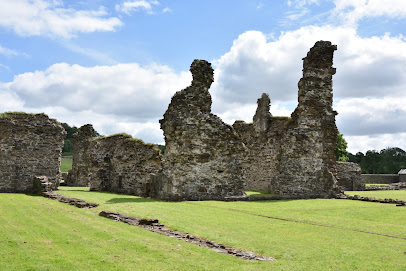
Halton Castle (Remains)
44.5 km
Discover the enchanting ruins of Halton Castle, a historical landmark in Lancaster offering stunning views and a glimpse into medieval heritage.
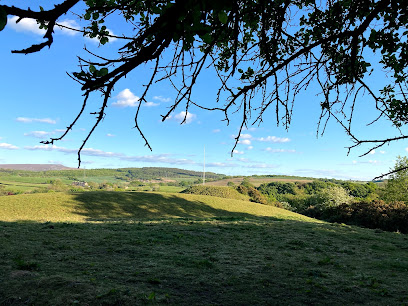
Forest of Bowland National Landscape
44.8 km
Explore the breathtaking beauty of the Forest of Bowland National Landscape, a serene escape filled with rolling hills, diverse wildlife, and rich cultural heritage.
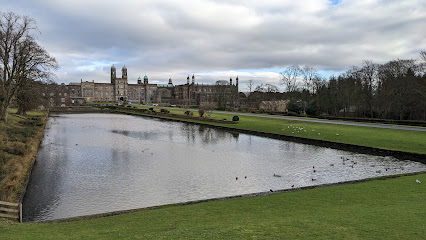
Fountains Abbey
45.4 km
Explore the enchanting ruins and stunning gardens of Fountains Abbey, a UNESCO World Heritage Site, where history meets natural beauty in North Yorkshire.
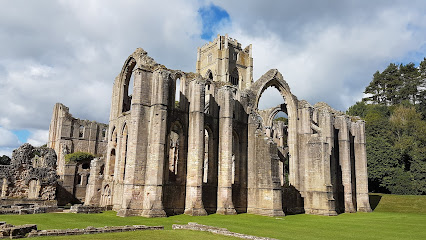
Unmissable attractions to see

Dales Countryside Museum
0.7 km
Discover the Yorkshire Dales’ heritage in a historic railway station with interactive exhibits, family activities, and stunning cultural displays.
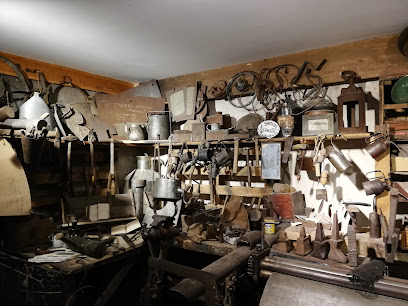
Hardraw Force Waterfall
1.9 km
Experience the breathtaking power of England’s highest single drop waterfall, set in the scenic Yorkshire Dales and steeped in history and natural beauty.
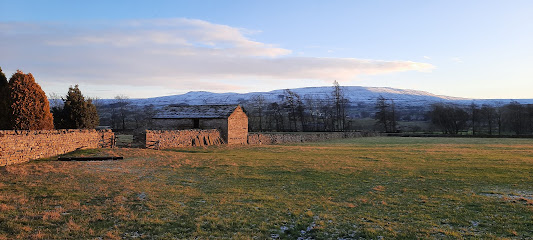
Cotter Force
3.4 km
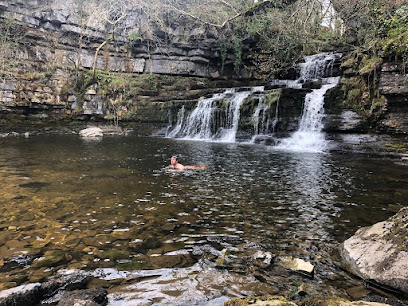
A six-stepped waterfall in peaceful woodland with a fully accessible path and pristine swimming pool.
Yorkshire Dales National Park
4.1 km
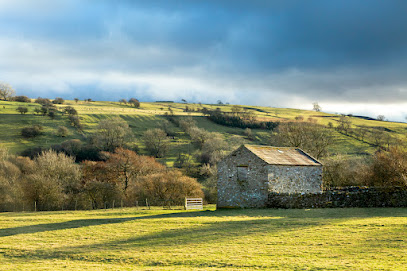
Explore the breathtaking limestone valleys, rugged peaks, and dark skies of Yorkshire’s iconic upland national park.
Snaizeholme Red Squirrel Sanctuary
4.9 km
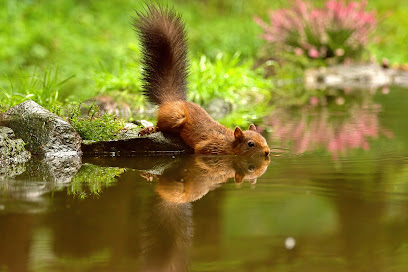
Discover the elusive red squirrels of Yorkshire Dales on a tranquil woodland trail through fragrant spruce forests and scenic wild habitats.
Semer Water Nature Reserve
5.5 km
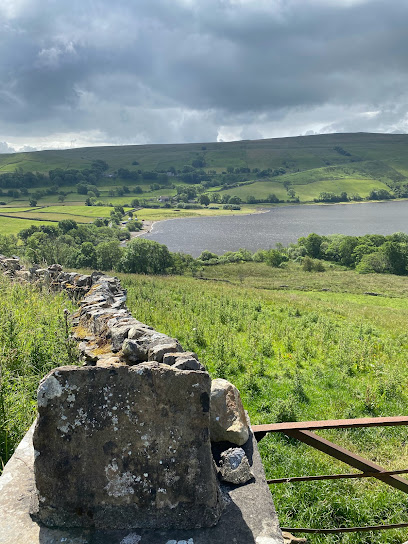
Discover the serene beauty and rich wildlife of Semer Water, a rare natural lake and nature reserve in the heart of the Yorkshire Dales.
Yorkshire Dales National Park Authority
6.1 km
England's limestone heartland: where heritage records meet wild moorland and welcoming valleys.
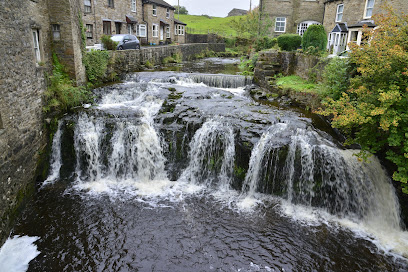
Buttertubs Pass
6.7 km
Experience the breathtaking limestone potholes and thrilling mountain road of Buttertubs Pass, a Yorkshire Dales icon blending natural wonder and historic charm.
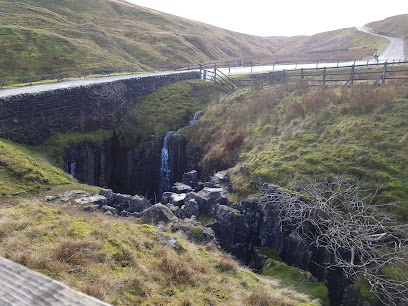
The Moorcock Inn
8.0 km
A welcoming, rustic inn in the heart of the Yorkshire Dales, perfect for hearty meals, local ales, and peaceful countryside stays.
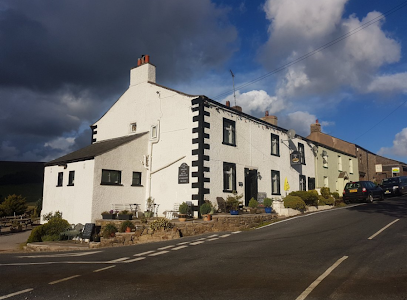
Kisdon Force
11.9 km
Experience the thrilling cascades and serene beauty of Kisdon Force, a spectacular waterfall nestled in the Yorkshire Dales’ limestone gorge.
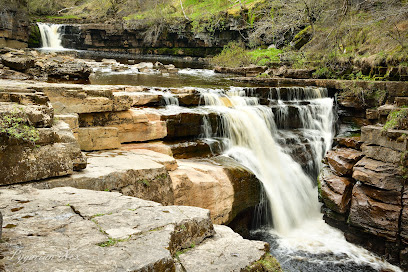
Wain Wath Force
12.2 km
Discover the tranquil beauty and wild swimming delights of Wain Wath Force, a captivating waterfall in the heart of the Yorkshire Dales.
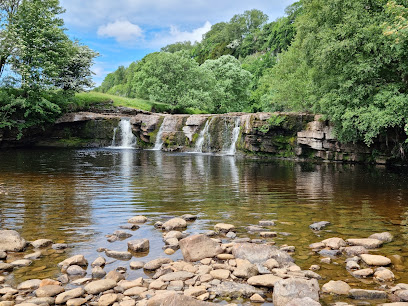
Middle Falls
12.3 km
Discover the tranquil charm of Middle Falls, a hidden waterfall gem nestled in the scenic Yorkshire Dales near Buckden.
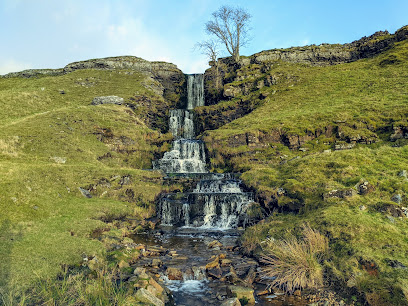
Cray Gill Waterfall
12.5 km
Discover the tranquil charm of Cray Gill Waterfall, a hidden cascade nestled in the scenic Yorkshire Dales countryside.
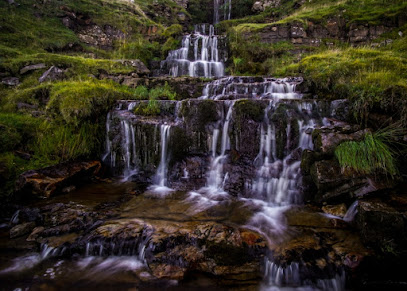
Aysgarth Edwardian Rock Garden
13.1 km
Discover a tranquil Edwardian-era limestone rock garden with winding paths, arches, and a waterfall nestled in the heart of Aysgarth village.
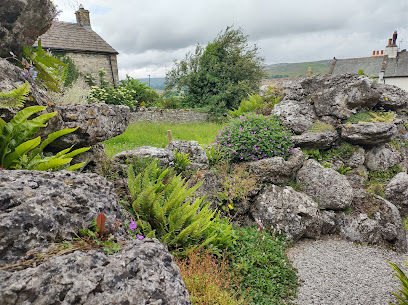
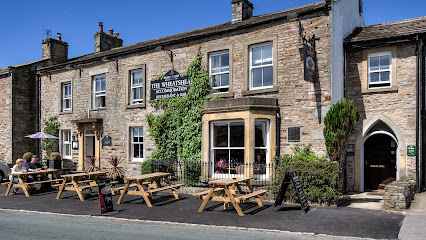
The Wheatsheaf Inn
13.7 km
Traditional Yorkshire hospitality in the heart of Wensleydale—comfort, cuisine, and countryside charm.
Essential places to dine

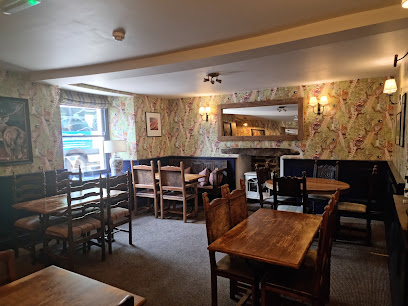
The White Hart Inn, Hawes
0.5 km
A cozy, traditional Yorkshire pub and inn in Hawes offering hearty local fare, comfortable rooms, and warm Dales hospitality.
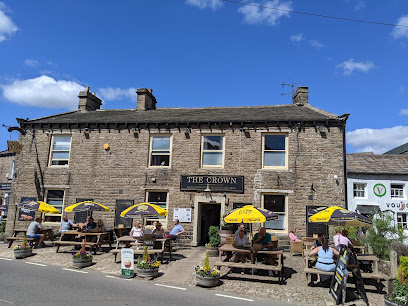
The Crown Hawes
0.5 km
A traditional Yorkshire Dales pub offering hearty meals, local ales, and warm hospitality in the heart of Hawes Market Place.
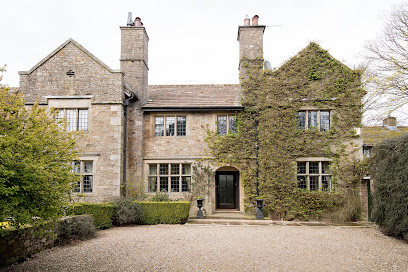
Stone House Hotel
1.8 km
Elegant Edwardian country house hotel offering scenic Yorkshire Dales views, refined dining, and warm hospitality near Hawes.
Sycamore Restaurant
6.3 km
Authentic British dining with rustic charm in the scenic village of Bainbridge, celebrating local flavors and warm hospitality.
Yorebridge House
6.4 km
Experience refined luxury and serene beauty at Yorebridge House, a boutique 5-star retreat in the heart of the Yorkshire Dales.
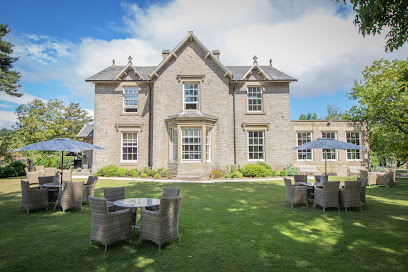
Wensleydale Heifer
18.8 km
Luxury boutique hotel and acclaimed fine dining in the heart of the Yorkshire Dales, offering themed rooms and local culinary delights.
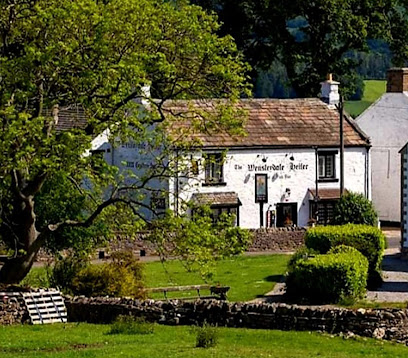
The Fox & Hounds Inn
19.0 km
Experience authentic Yorkshire hospitality at The Fox & Hounds Inn in West Witton - where comfort meets tradition.
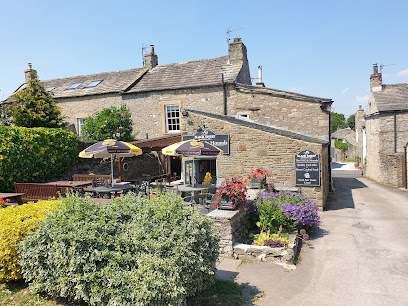
The Foresters Arms
20.1 km
A welcoming community pub in picturesque Carlton-in-Coverdale, blending traditional charm with quality food and local spirit.
The Black Swan
20.8 km
Charming 4-star inn in Ravenstonedale offering award-winning dining, cosy rooms, and a welcoming atmosphere near the Yorkshire Dales and Lake District.
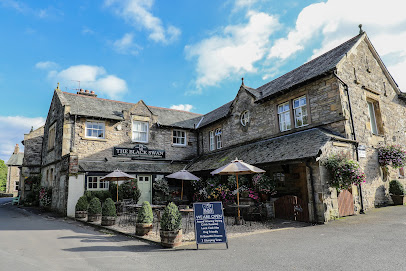
The Saddle Room Restaurant
22.5 km
Experience refined English dining and boutique comfort in the tranquil countryside of Leyburn’s historic Tupgill Park Stables.
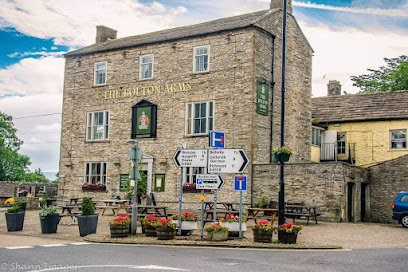
The Bolton Arms
23.9 km
Historic Yorkshire pub offering hearty home-cooked meals, local ales, and a warm, dog-friendly atmosphere in the heart of Leyburn.
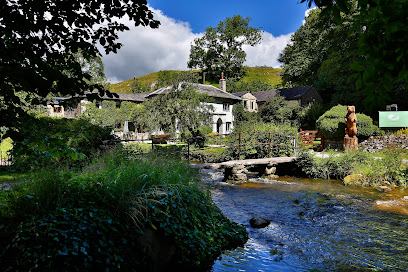
The Secret Garden Bistro
26.5 km
A pioneering plant-based bistro in Malham offering innovative, sustainable dishes in a serene Yorkshire Dales setting.
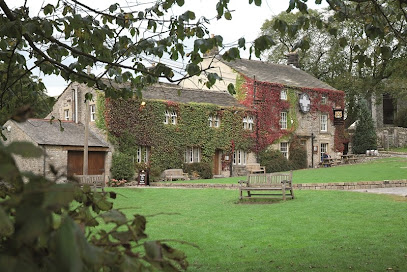
The Lister Arms
26.6 km
Historic 17th-century coaching inn in Malham offering cozy rooms, hearty local cuisine, and a welcoming pub atmosphere in the heart of the Yorkshire Dales.
The Blue Lion Inn, Pub and Restaurant with Accommodation
27.5 km
Quintessential Yorkshire Dales inn blending rustic charm, hearty cuisine, and cozy accommodation in the heart of East Witton village.
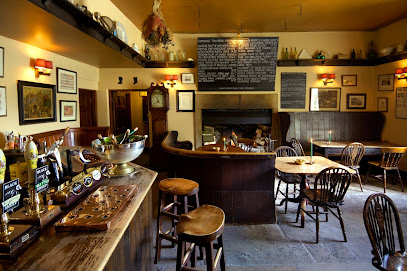
The Old Hall Inn
28.3 km
Historic charm and hearty Yorkshire hospitality await at The Old Hall Inn in the heart of Grassington village.
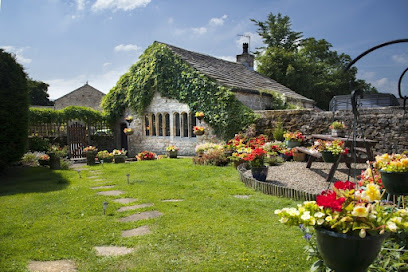
Markets, malls and hidden boutiques

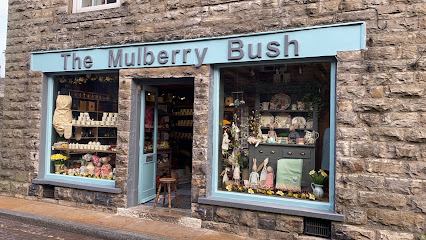
The Mulberry Bush and Yorkshire Sheepskins
0.5 km
A charming Yorkshire gift shop in Hawes offering unique sheepskins, local crafts, and a warm, traditional welcome.
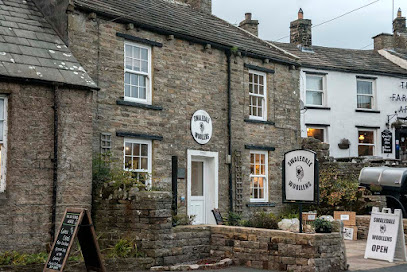
Swaledale Woollens
9.3 km
Discover authentic, handmade woollen knitwear crafted by local artisans in the heart of the Yorkshire Dales at Swaledale Woollens.
Dent Stores B&B
16.7 km
Historic Dent village B&B blending traditional charm with modern comfort and a top-rated breakfast in the heart of the Yorkshire Dales.
Church Gallery
21.7 km
A multi-level gem in Kirkby Stephen: browse quirky gifts and cards, sip coffee, and shop ladies’ clothes in a dog-friendly, relaxed café-shop hybrid.
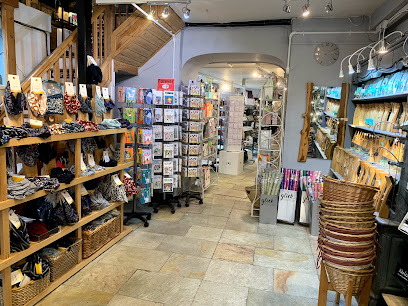
The Walking Shop
24.0 km
Your trusted outdoor gear specialist in Leyburn, offering expert advice and quality equipment for Yorkshire Dales adventures.
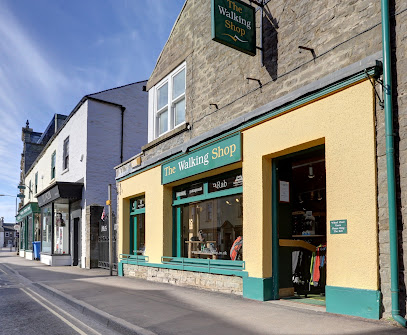
Hillside Toys -Farm Models & Toys
24.5 km
Discover a nostalgic world of farm models and classic toys at Hillside Toys in Ingleton, where agricultural heritage comes to life.
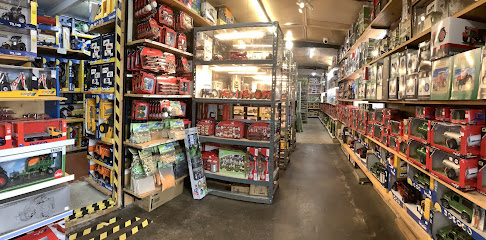
C&K
26.2 km
A charming independent lifestyle store and café in Settle’s Market Place, blending boutique shopping with local flavors and welcoming ambiance.
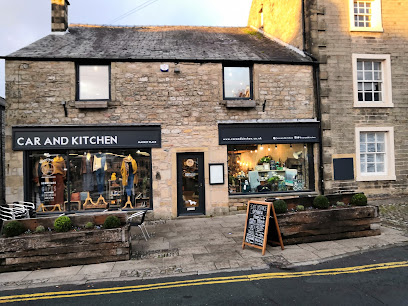
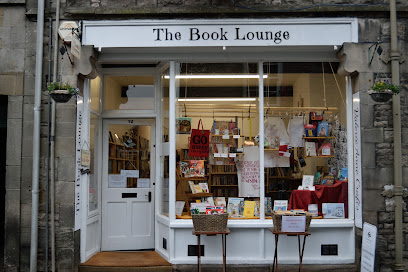
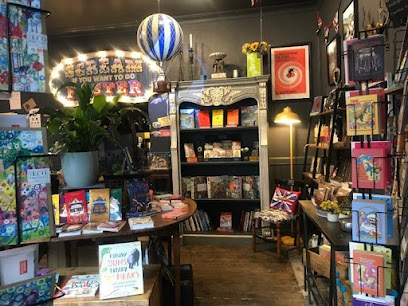
The Book Lounge
28.0 km
Discover a cozy haven of books, puzzles, and community spirit in the heart of Kirkby Lonsdale’s historic Main Street.
The Old Barnard Castle Curiosity Shop
32.4 km
Discover quirky crafts and unique treasures in the heart of historic Barnard Castle at this charming curiosity shop.
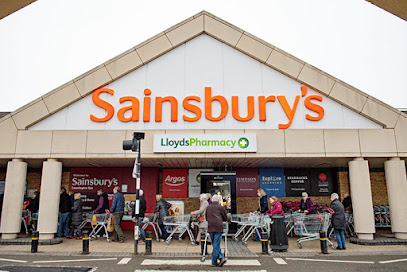
Sainsbury's
35.4 km
Your convenient and comprehensive supermarket destination in Kendal, offering fresh produce, bakery delights, and friendly service daily.
Lakeland Distribution Centre
35.5 km
Explore the Lakeland Distribution Centre for an unparalleled selection of kitchen supplies and home goods in the heart of Kendal.
The Old Curiosity Shop
35.6 km
Explore a treasure trove of antiques at The Old Curiosity Shop in Kendal, where every item tells a story.
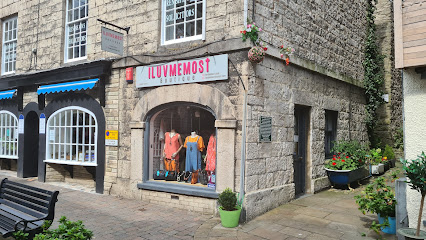
Iluvmemost Boutique
35.6 km
Discover stylish women's fashion in Kendal’s charming Iluvmemost Boutique, where quality meets personalized service in a cozy setting.
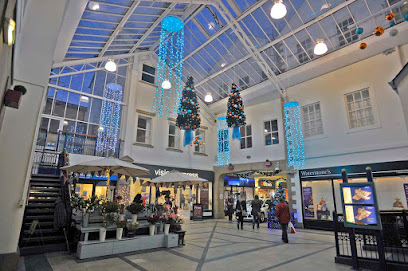
Westmorland Shopping Centre
35.6 km
Explore the diverse shopping and dining experiences at Westmorland Shopping Centre, a must-visit destination in Kendal for tourists.
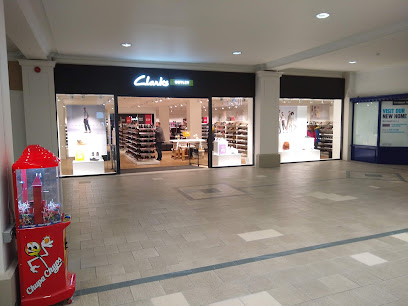
Clarks Outlet
35.6 km
Discover quality footwear and great savings at Clarks Outlet, Kendal’s trusted shoe destination in the Westmorland Shopping Centre.
Essential bars & hidden hideouts

Hawes Club
0.5 km
A friendly, affordable bar on Main Street offering casual drinks, sports, and a pool table in the heart of Hawes.
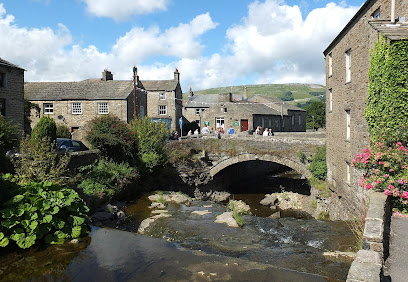
The Green Dragon Inn
1.9 km
Historic Yorkshire coaching inn with cozy fires, hearty pub fare, and scenic Dales setting near Hardraw Force waterfall.
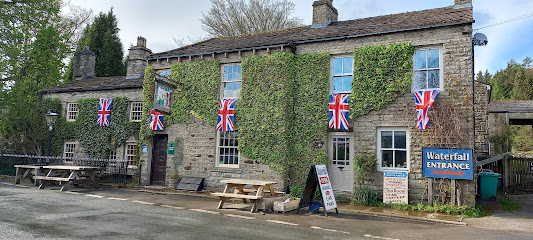
Yorkshire Dales Brewery
7.3 km
Experience authentic Yorkshire craft beers and seasonal taproom charm in the heart of the stunning Yorkshire Dales.
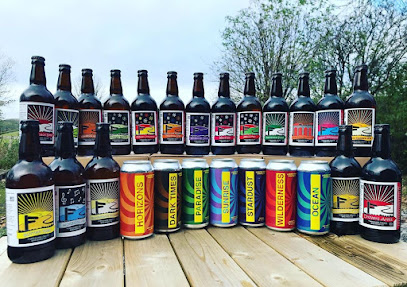
The King's Arms Hotel
7.9 km
Historic Yorkshire Dales pub and hotel famed for warm hospitality, hearty local fare, and charming traditional rooms in Askrigg village.
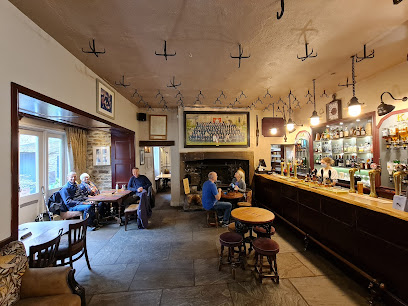
The Crown Inn
8.0 km
A friendly, family-run pub in Askrigg offering hearty local food, fine ales, and a warm Yorkshire welcome in the heart of the Dales.
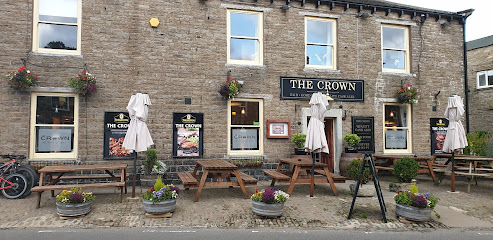
Farmers Arms
9.3 km
A beloved traditional pub in Muker offering hearty food, cozy charm, and a welcoming atmosphere in the heart of the Yorkshire Dales.
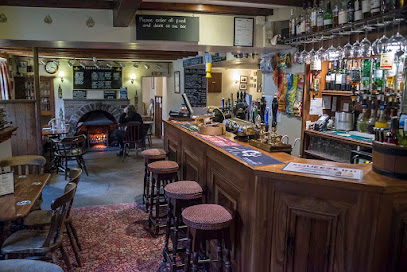
The George Inn
12.5 km
Traditional Yorkshire Dales pub with award-winning pies, cozy rooms, and warm hospitality nestled in the scenic village of Hubberholme.
Street head inn
13.1 km
A cozy Yorkshire Dales pub with hearty meals, local ales, and stunning countryside views in Newbiggin near Leyburn.
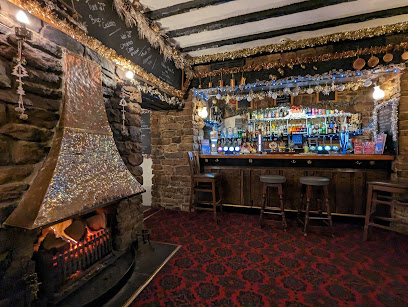
Aysgarth Falls Hotel & Restaurant
14.0 km
Charming hotel with stunning Yorkshire Dales views, fine dining, and cozy rooms near the iconic Aysgarth Falls.
The Queens Arms
15.7 km
Historic 17th-century Yorkshire pub in Litton offering award-winning local cuisine, cozy ambiance, and handcrafted ales in the heart of the Dales.
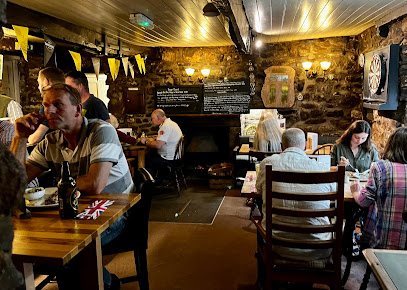
G & P Events and Mobile Bars
19.6 km
Experience bespoke mobile bar services and event hospitality in the scenic heart of Kettlewell, blending professional expertise with rural charm.
The Blue Bell Inn
19.6 km
Historic 17th-century inn offering cozy rooms, hearty local fare, and a welcoming atmosphere in scenic Kettlewell, Yorkshire Dales.
The Taggy Man
21.7 km
A quirky, cosy, and dog-friendly pub in Kirkby Stephen offering hearty pies, local ales, and a warm, welcoming atmosphere.
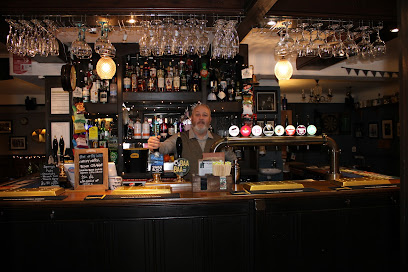
Settle Working Mens Club
26.3 km
Authentic local bar in Settle offering affordable drinks, vibrant community spirit, and a welcoming atmosphere in a historic market town setting.
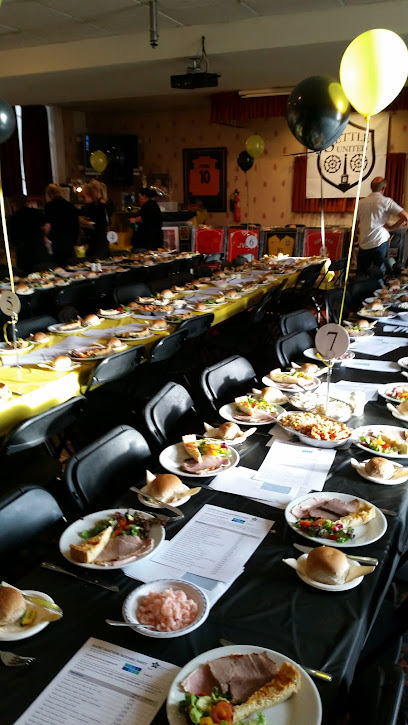
The Buck Inn Malham
26.7 km
A rustic, welcoming pub and inn in Malham offering hearty fare and cozy rooms amid the stunning Yorkshire Dales landscape.
Nightclubs & after hour spots

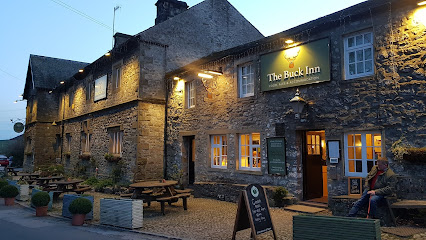
The Queen's Head, Finghall
30.9 km
A quintessential English country pub and inn in Finghall offering hearty British fare, cozy rooms, and warm hospitality in scenic North Yorkshire.
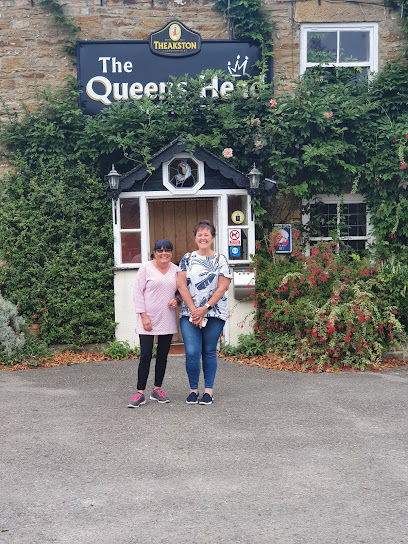
Louis Bar
32.4 km
A vibrant nightclub and bar in Catterick Garrison offering live music, quality food, and a lively atmosphere for all-night entertainment.
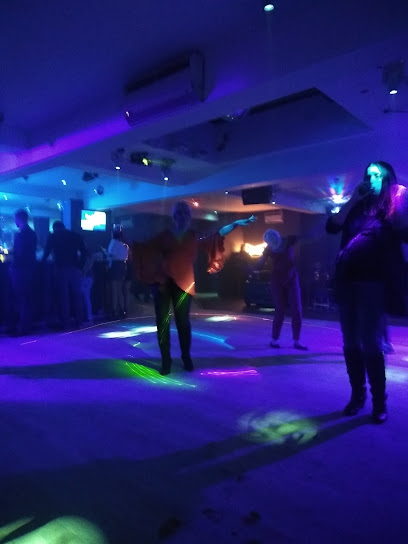
sherdy sherd primary school
33.4 km
Experience Richmond’s vibrant nightlife at Sherdy Sherd Primary School, a uniquely named nightclub with extensive hours and lively atmosphere.
Windermere Social Club
46.7 km
A friendly and versatile social club in Windermere offering games, sports viewing, and community events in a welcoming atmosphere.
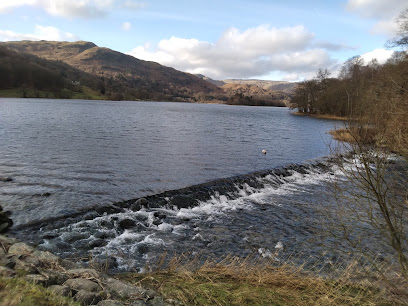
secret bridge
47.1 km
Experience vibrant nightlife and lively music at Secret Bridge, Milburn’s premier nightclub near Penrith in the scenic Eden District.
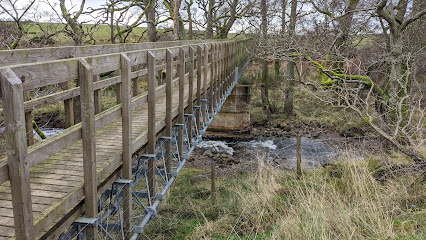
Wheelhouse Nightclub
47.7 km
Experience vibrant weekend nightlife with dynamic music, drinks, and dancing at Wheelhouse Nightclub in scenic Bowness-on-Windermere.
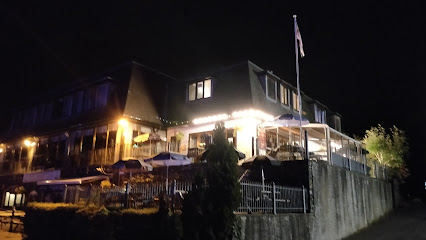
The loose moose
54.0 km
A lively and welcoming nightclub in Penrith offering cocktails, music, and community spirit in the heart of Cumbria’s Eden District.
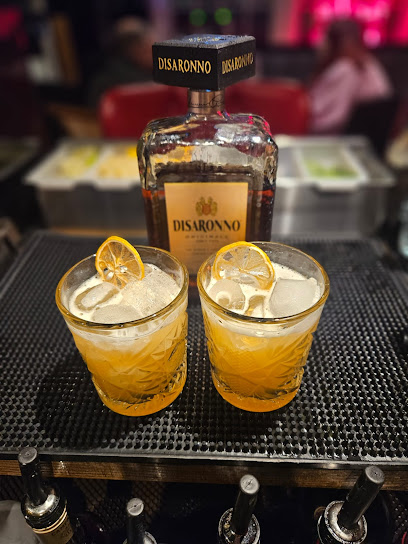
Rendezvous Nightclub & Resteraunt
55.0 km
Vibrant nightclub and restaurant in Whalley offering lively weekend events, diverse music, and friendly service in Ribble Valley’s heart.

Ramblers Bar and the Candleroom
55.7 km
Discover the charm of Ramblers Bar and the Candleroom, a delightful pub and restaurant offering local culinary delights in the heart of Ullswater.
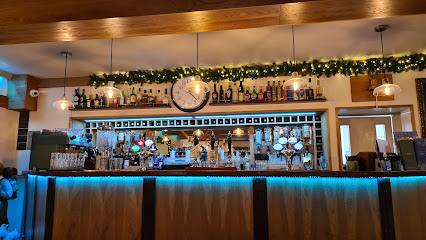
The Redroom Burnley
56.9 km
Experience Burnley’s vibrant nightlife with The Redroom’s lively music, diverse drinks, and late-night party atmosphere in the town centre.
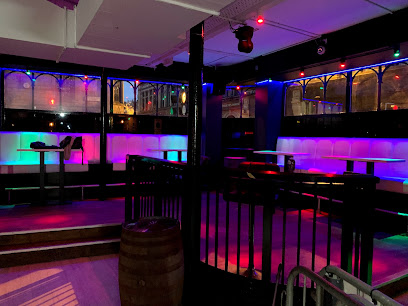
24 North Bailey Club
66.2 km
Immerse yourself in the vibrant atmosphere of Durham's 24 North Bailey Club, where good drinks and great company await.
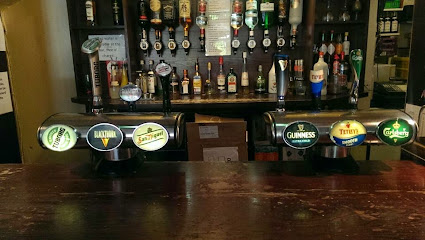
New Inn
66.3 km
Traditional Headingley pub with roaring fires, cask ales, and community spirit on lively Otley Road—a cozy cornerstone of Leeds life.
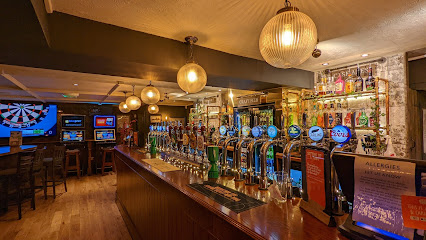
Loft Durham
66.4 km
Discover Loft Durham, the ultimate nightlife destination offering vibrant music, energetic dancing, and a chic atmosphere in the heart of Durham.
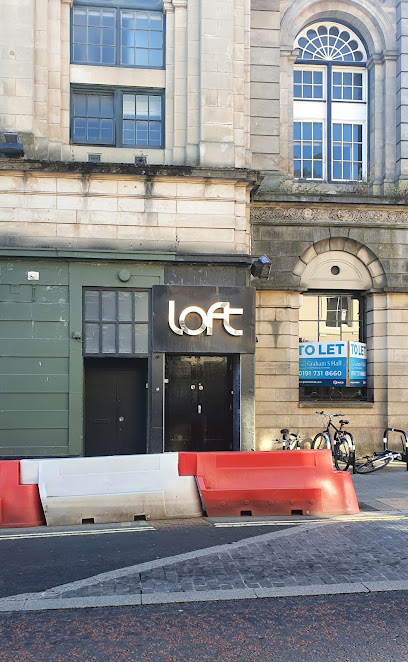
Babylon Durham
66.4 km
Experience the lively atmosphere of Babylon Durham, where great drinks and vibrant nightlife come together in the heart of the city.
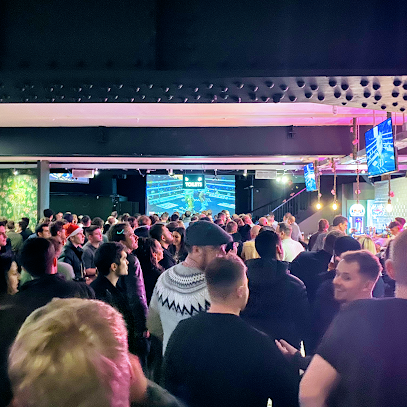
Revolution Durham
66.4 km
Discover the perfect blend of dining and nightlife at Revolution Durham, where delicious food meets vibrant entertainment for an unforgettable experience.

For the vibe & atmosphere seeker
- Tranquil
- Scenic
- Unique
- Relaxing
For the design and aesthetic lover
- Vintage Styles
- Rustic Designs
For the architecture buff
- Historic
- Landmarks
For the view chaser and sunset hunter
- Iconic Views
- Panoramas
For the social media creator & influencer
- Instagrammable
- Photo Spots
For the eco-conscious traveler
- Eco-Friendly
- Public-Transport Accessible
- Locally Managed
For the kind of experience you’re after
- Cultural Heritage
- Photowalk
- Day Trip
- Weekend Getaway
For how adventurous you want the journey to be
- Easy Access
Location Audience
- Family Friendly
- Senior Friendly
- Child Friendly
- Couple Friendly
- Solo Friendly


