Bolton Castle, Yorkshire Travel Guide
Explore Bolton Castle, a stunning 14th-century fortress where history, royalty, and medieval architecture converge in the heart of North Yorkshire.
Bolton Castle, near Leyburn in North Yorkshire, is a remarkably intact 14th-century quadrangular castle built between 1378 and 1399 by Sir Richard le Scrope. Known for its formidable defensive architecture combined with luxurious living quarters, it famously served as the prison of Mary, Queen of Scots, in 1568–69. Surrounded by historic deer parks and medieval landscapes, the castle offers visitors a rich blend of history, architecture, and scenic beauty.
A brief summary to Bolton Castle
- North Yorkshire, Nr Leyburn, DL8 4ET, GB
- Click to display
- Click to display
- Duration: 2 to 4 hours
- Mid ranged
-
 Outdoor
- Mobile reception: 4 out of 5

Know before you go
Hi, I'm Eve. Here are a few practical things to know before exploring Bolton Castle.
- Wear comfortable shoes as the castle has uneven stone floors and spiral staircases that may be challenging for those with mobility issues.
- Visit during spring to autumn (April to October) when the castle and grounds are fully open and falconry displays are available.
- Take time to explore the deer parks and surrounding Wensleydale scenery for picturesque walks and views.
- Allow at least 2–3 hours to fully experience the castle rooms, gardens, maze, and birds of prey shows.
- Check the castle’s event calendar for special tours or paranormal evenings for a unique visit.
Do you manage this location?
Take control to get all the benefits, like improved information, better appearance, and stronger visibility across AI-powered discovery. Learn more about listing your business on Evendo
Activate your presenceOther nearby places you may find interesting
The closest places of the same kind, if this one is not quite what you had in mind.

Explore Bolton Castle on the Map
A handpicked selection of must-see spots near Bolton Castle, mapped for you.
Unlock the Best of Bolton Castle
Buy tickets
-
No tickets available
Book tours with entry


Getting There
-
Car
Driving from Leyburn takes approximately 15 minutes via the A684 and minor roads. Parking is available on-site for a fee. Note that rural roads can be narrow and winding.
-
Bus
Local bus services connect Leyburn to nearby towns with stops within 2 km of Bolton Castle. From the stop, a 25-minute walk on country lanes leads to the castle. Bus frequency varies seasonally.
-
Taxi
Taxis from Leyburn or surrounding villages provide a convenient 10–15 minute ride to the castle. This option is recommended if you prefer not to walk from bus stops or parking.
-
Walking
For active visitors, walking from the village of Castle Bolton takes about 20 minutes over mostly flat terrain. The path is rural and may be muddy after rain.
For the on-the-go comforts that matter to you
-
 Restrooms
-
 Drink Options
-
 Food Options
-
 Seating Areas
-
 Picnic Areas
-
 Information Boards
-
 Visitor Center
Discover more about Bolton Castle
Origins and Architectural Grandeur of Bolton Castle
Bolton Castle was constructed over two decades from 1378 to 1399 by Sir Richard le Scrope, Lord Chancellor to King Richard II. The castle exemplifies the quadrangular style with four imposing corner towers enclosing a large rectangular courtyard. Built with both defense and comfort in mind, it features machicolations for dropping objects on attackers, portcullises guarding courtyard doors, and innovative smoke ventilation tunnels from the hearths. The castle’s construction cost was immense for its time, estimated at 18,000 marks, reflecting the Scrope family's wealth and status.A Fortress Intertwined with Royal History
Bolton Castle’s history is deeply linked to English royalty and nobility. It was a stronghold during the English Civil War and suffered partial damage during a siege but remained largely intact. The castle’s most famous occupant was Mary, Queen of Scots, who was imprisoned here for six months after her defeat at the Battle of Langside in 1568. She resided in the south-west tower’s apartments, where she learned English and was allowed to roam the grounds freely, even going hunting. The castle’s secure yet comfortable design made it suitable for such high-profile captivity.The Surrounding Landscape and Deer Parks
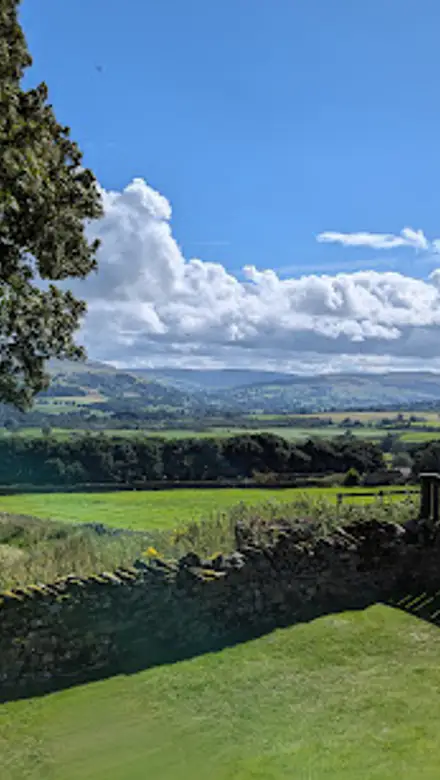
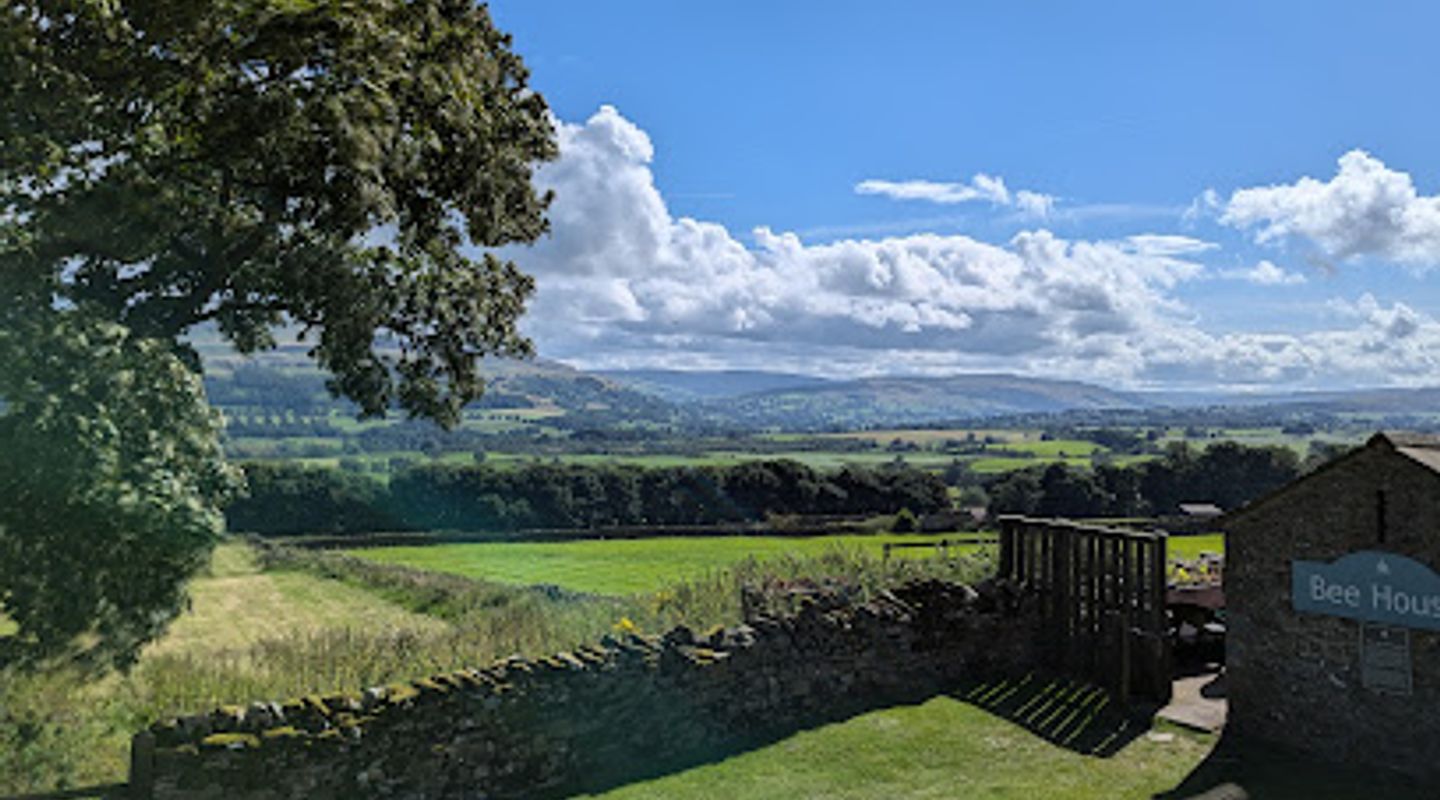
Set in the picturesque Wensleydale valley, Bolton Castle was originally surrounded by extensive gardens and nearly 20 acres of deer parks, whose high walls still stand today. These parks were a symbol of status and provided hunting grounds for the castle’s residents. The castle overlooks the ancient Forest of Wensleydale, offering sweeping views of the surrounding moorland and medieval field systems. The nearby village of Castle Bolton grew closely around the castle, reflecting its historical importance in the region.Conservation and Modern-Day Experience
In the late 20th century, Bolton Castle underwent significant conservation work to stabilize its walls and preserve its historic fabric. Today, it remains privately owned by the descendants of the Scrope family and is a Grade I listed building as well as a Scheduled Ancient Monument. Visitors can explore the castle’s grand chambers, dungeons, and grounds, including a maze and falconry displays. The castle also hosts events, including paranormal evenings, adding to its rich visitor experience.Architectural Features and Interior Highlights
The castle’s design balances military strength with domestic luxury. Each tower contains spacious private apartments with original features like portcullises and murder holes. The Lord’s bedchamber, for example, boasted a private toilet, a rare luxury in medieval times. The gatehouse on the east side, complete with a portcullis, served as the main entrance. The castle chapel, now in ruins, once supported the spiritual needs of its inhabitants. The thick rubble walls with ashlar dressings and the rectangular towers create a formidable yet elegant silhouette.Legacy and Cultural Significance
Bolton Castle stands as a testament to medieval military architecture and aristocratic life in northern England. Its continuous ownership by the Scrope family lineage adds to its unique historical narrative. The castle’s association with Mary, Queen of Scots, links it to broader British and Scottish history, while its survival through civil war and centuries of change highlights its resilience. Today, it remains a captivating destination for history enthusiasts, families, and those seeking to immerse themselves in England’s medieval past.












Your all‑in‑one travel companion app
Explore expert travel guides, compare and book tours, experiences, hotels, and more—all from the palm of your hand. Download now for seamless trip planning wherever your wanderlust takes you.


Explore More of Yorkshire
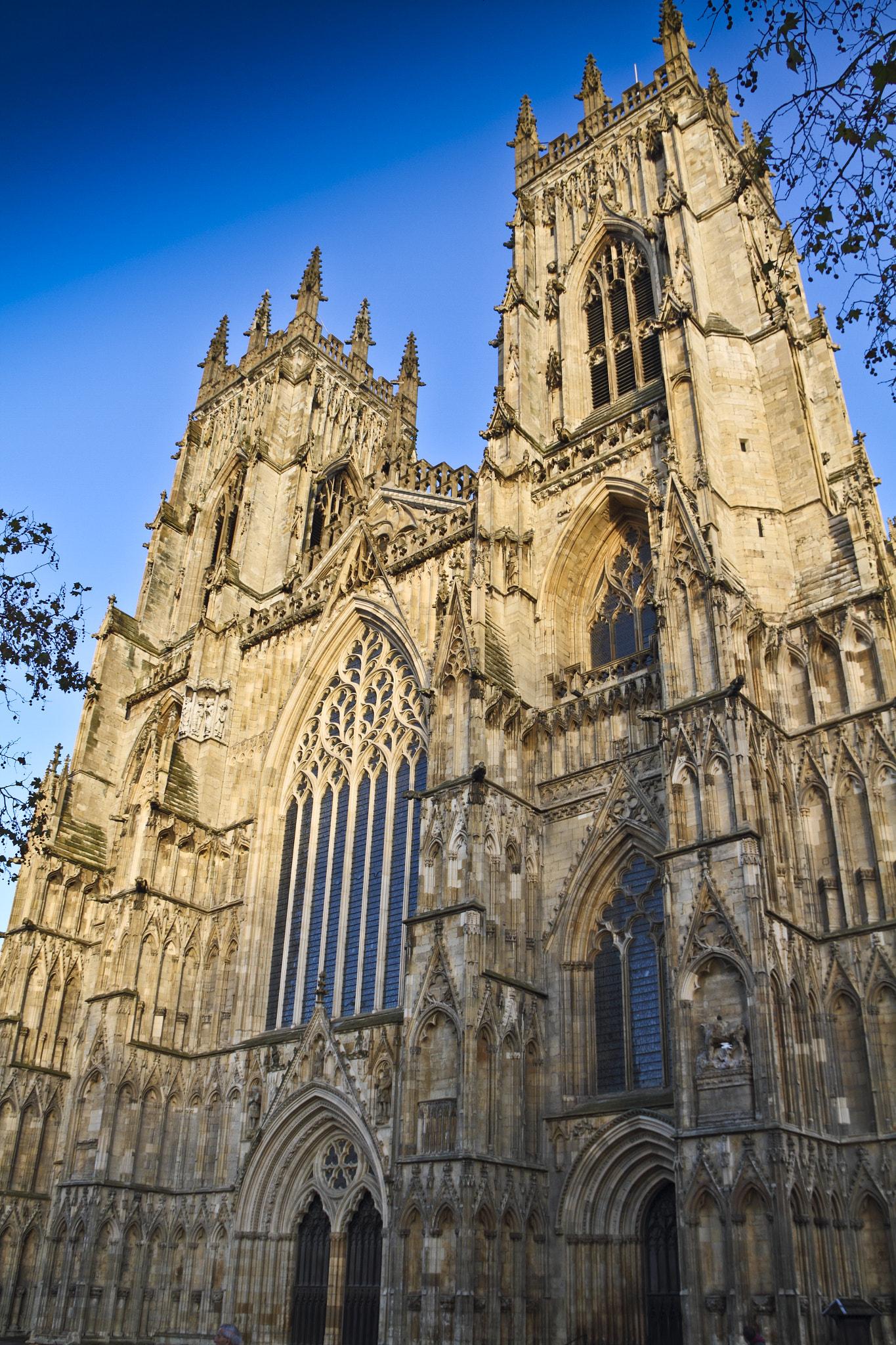
Looking beyond Bolton Castle? Discover Yorkshire for broader travel guides, local hot-spots, and regional highlights.
Explore Yorkshire
Explore England’s largest natural pothole, Hull Pot, a dramatic collapsed cavern with stunning waterfall displays in the heart of the Yorkshire Dales.
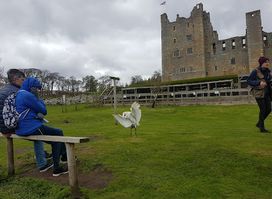
Explore Bolton Castle, a stunning 14th-century fortress in North Yorkshire, famed for its medieval architecture and Mary, Queen of Scots’ imprisonment.