

Free Chirchiq Travel Guide & Mobile App
Plan your Chirchiq trip with Evendo. Get free guides to top attractions, restaurants, hotels, and bars. Web access or download the mobile app.


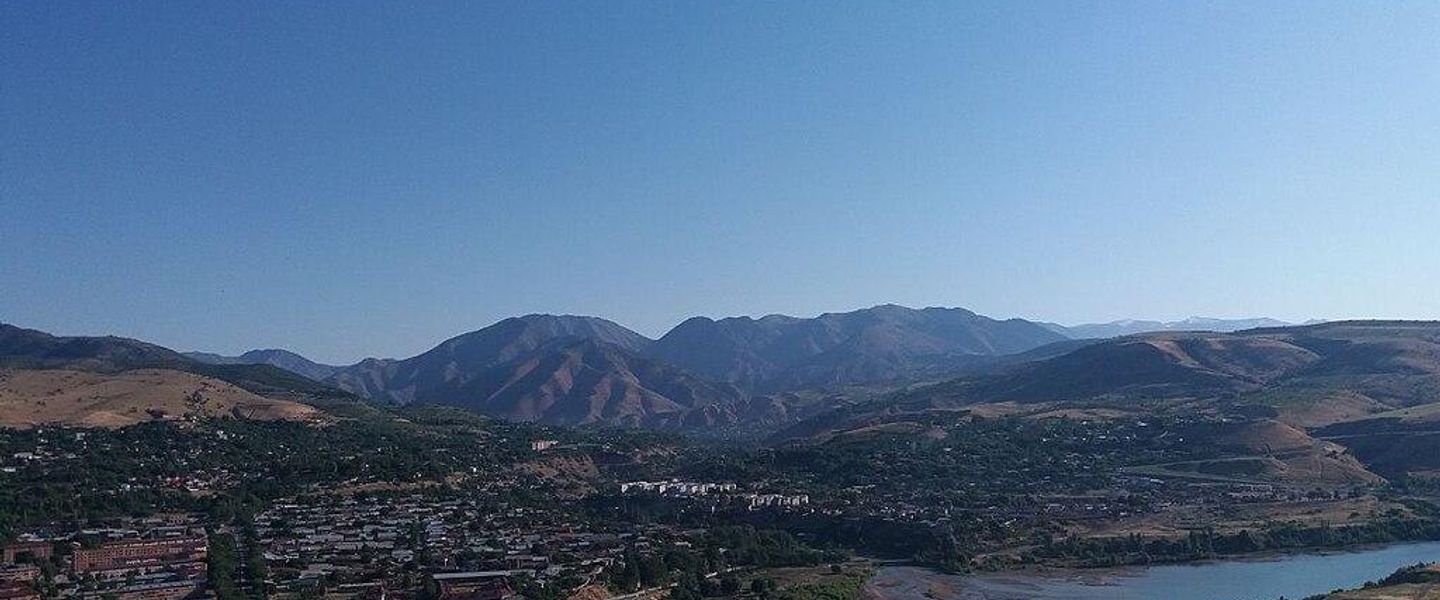


Chirchiq, Uzbekistan, pairs Soviet-era industrial history with riverside landscapes and access to the Tashkent Region’s nearby mountain escapes.
A Planned City beside the Chirchiq River
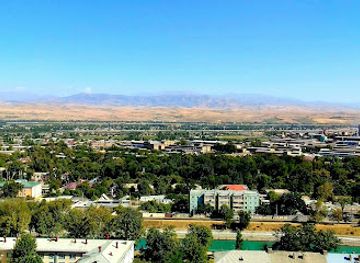
Chirchiq lies in the Tashkent Region of northeastern Uzbekistan, around 30 kilometres north-east of Tashkent. Its setting is defined by the Chirchiq River, a major watercourse formed by the confluence of mountain rivers and long used to support irrigation, settlement and industry. Unlike the monumental historic centres of Samarkand or Bukhara, Chirchiq is a modern planned city whose broad streets, apartment districts and industrial identity reflect Soviet-era development. The city received its present urban form in the 1930s, when hydroelectric and chemical industries were established along the river.Read more about Chirchiq
Gateway to the Tashkent Region's Landscapes
When is the best time to visit Chirchiq?
Best: April–May, September · 21–26°C| Month | High (°C) | Rainfall (mm) |
|---|---|---|
| January | 3 | 22 |
| February | 6 | 17 |
| March | 13 | 15 |
| April (best) | 21 | 10 |
| May (best) | 26 | 6 |
| June | 32 | 4 |
| July | 34 | 3 |
| August | 32 | 4 |
| September (best) | 26 | 7 |
| October | 17 | 13 |
| November | 10 | 16 |
| December | 4 | 20 |
Getting to and around Chirchiq
How to get there
Transportation
Best attractions in Chirchiq
Chirchiq's attractions are primarily urban and regional rather than monumental. Exploring the city reveals broad Soviet-planned avenues, apartment districts and civic spaces shaped by its industrial growth, while the Chirchiq River provides the defining natural setting. Local markets offer a window onto everyday commerce, seasonal produce and the food culture of the Tashkent Region. The city is also a useful starting point for the wider landscapes north-east of Tashkent: the Charvak Reservoir, Chimgan mountain area and Ugam-Chatkal National Park lie outside Chirchiq but can be reached by road as regional excursions. These places bring alpine valleys, reservoirs and hiking terrain into the itinerary, contrasting with the city's factories and planned neighbourhoods. Visitors interested in engineering and modern history may find the hydroelectric and industrial landscape especially distinctive, although industrial sites are working facilities rather than conventional tourist attractions and should be viewed only from publicly accessible areas.
-
Tourist attraction
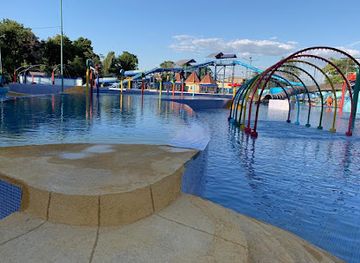
Aquapark Chirchik
Experience the thrill of water adventures at Aquapark Chirchik, the ultimate amusement and water park in Uzbekistan's Chirchik City.
17 min walk · 1.4 km from city centre
-
Tourist attraction
Zhuravli
Explore Zhuravli, a historical gem in Chirchik, Tashkent Region, where rich heritage meets breathtaking landscapes in Uzbekistan.
10 min drive · 3.3 km from city centre
-
Tourist attraction
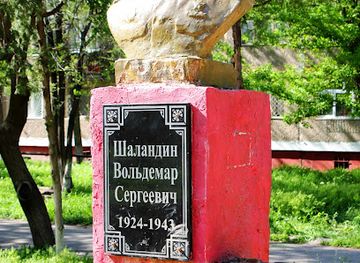
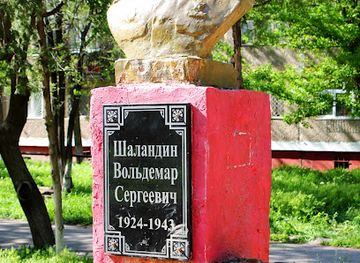
Pamyatnik Shalandinu V.s.
Explore the Monument to Shalandin in Chirchik, Tashkent Region: A captivating tribute to local heritage and history surrounded by serene landscapes.
5 min drive · 1.6 km from city centre
-
Tourist attraction
Krayevedcheskiy Muzey
Explore Krayevedcheskiy Muzey, a hidden gem in Chirchik that unveils the rich history and culture of Uzbekistan through engaging exhibits.
5 min walk · 0.4 km from city centre
Best landmarks in Chirchiq
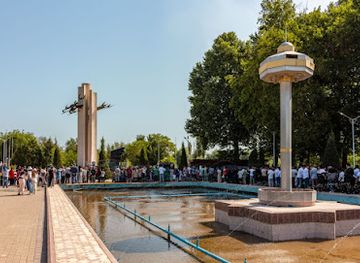
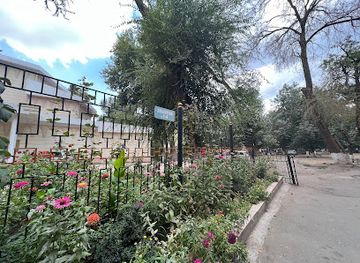
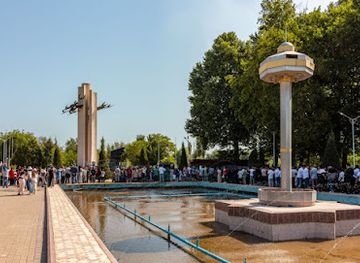
Chirchiq's most meaningful landmarks reflect twentieth-century planning, industry and water management rather than the medieval architecture associated with Uzbekistan's historic cities. The Chirchiq River is the city's defining natural landmark and the reason its hydroelectric and industrial development became possible. The wider Chirchiq-Bozsu hydroelectric system represents a major transformation of the region's waterways, although much of its infrastructure is functional rather than arranged for tourism. Soviet-era apartment districts, broad avenues and civic buildings form an urban heritage of planned industrialisation, revealing how the city was built around factories and a growing workforce. Local public spaces and monuments connected with the Soviet and post-Soviet periods may be encountered during walks, but many are best understood in context rather than as isolated architectural masterpieces. The contrast between this planned cityscape and the mountain landscapes beyond it is central to Chirchiq's identity.
-
Historical landmark
Zhuravli
Explore the captivating historical landmark of Zhuravli in Chirchik, Tashkent Region, and immerse yourself in Uzbekistan's rich cultural heritage.
10 min drive · 3.3 km from city centre
-
Hiking area
Chirchiq Uzbekistan
Explore the breathtaking hiking trails and vibrant landscapes of Chirchiq, a hidden gem in Uzbekistan's Tashkent Region, perfect for nature lovers.
4 min walk · 0.3 km from city centre
-
Monument
Pamyatnik Shalandinu V.s.
Discover the Monument to Shalandin V.S. in Chirchik, a cultural landmark that embodies the rich heritage and artistry of Uzbekistan.
5 min drive · 1.6 km from city centre
-
 Tourist attraction
Pitak
Explore Pitak: A captivating tourist attraction in Uzbekistan's Tashkent Region, offering stunning landscapes and rich cultural heritage.
7 min drive · 2.2 km from city centre
Explore Chirchiq on the map
Plan your Chirchiq trip on one map. See where the top attractions, landmarks, restaurants, bars and hotels are, find what's near where you're staying, and book hotels and experiences in a few clicks.
Best hotels in Chirchiq
Best restaurants in Chirchiq
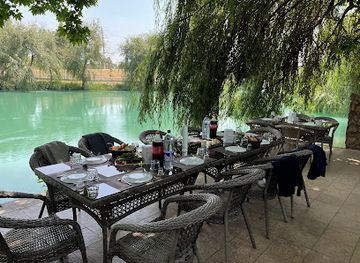
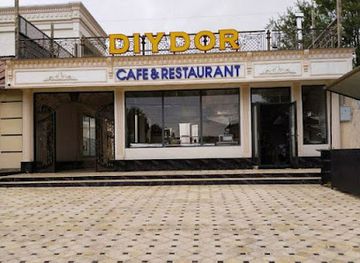
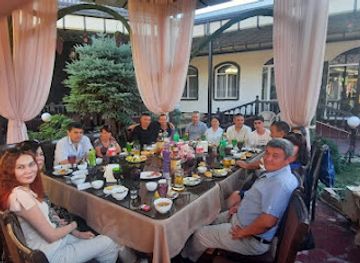
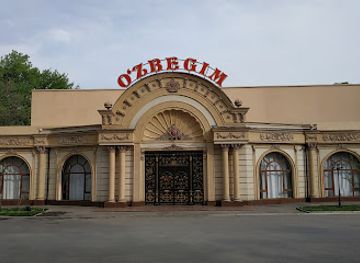
Dining in Chirchiq reflects the broader Uzbek and Tashkent-region table, with filling dishes suited to a working city and a continental climate. Plov, cooked with rice, carrots and meat, is commonly associated with communal meals, while lagman, samsa, shashlik and dimlama provide other familiar choices. Flatbread, or non, accompanies many meals, and tea houses remain important social spaces for conversation and simple food. Markets and neighbourhood cafés are more characteristic than a concentrated fine-dining district, with menus often combining Uzbek staples and wider Central Asian influences. Travellers may also encounter Russian-influenced dishes and everyday soups in local eateries. Mountain villages beyond Chirchiq add their own seasonal produce and rural cooking traditions, but they belong to the surrounding region rather than the city itself. Payment practices vary, so carrying Uzbek som is sensible in smaller establishments.
-
Restaurant
Олтин Диёр
Discover authentic Uzbek flavors at Олтин Диёр, Chirchik's premier dining destination offering traditional dishes in a welcoming atmosphere.
6 min walk · 0.5 km from city centre
-
Restaurant
SHABODA
Discover authentic Uzbek flavors at SHABODA in Chirchik – a culinary delight that captures the essence of local cuisine.
12 min drive · 4.1 km from city centre
-
Restaurant
Zolotaya Korona
Experience authentic Central Asian cuisine at Zolotaya Korona in Chirchiq – a must-visit culinary destination for every traveler.
9 min drive · 2.9 km from city centre
-
Restaurant
Lux Royal
Discover Lux Royal: A top destination in Chirchik offering authentic Uzbek cuisine in a cozy setting.
4 min walk · 0.3 km from city centre
Best bars in Chirchiq
Chirchiq has a quieter evening culture than Tashkent, and nightlife is centred more on cafés, tea houses, restaurants and informal social gatherings than on a large club scene. After work, residents gather for conversation, tea and meals, while occasional cultural programming may take place in local civic or performance venues. The city does not have a widely known entertainment quarter, and visitors should expect evening activity to be dispersed through neighbourhoods rather than concentrated along a single street. Alcohol is available in some restaurants and bars, but public behaviour is expected to remain restrained and respectful. Those seeking a broader selection of live music, late-opening venues and theatrical entertainment will generally find more choice in Tashkent, while Chirchiq's evenings offer a closer view of ordinary regional life.
-
Karaoke bar
Berezka Cafe Chirchik
Experience the vibrant fusion of karaoke, delicious cuisine, and lively entertainment at Berezka Cafe Chirchik in Navoiy, Uzbekistan.
3 min walk · 0.3 km from city centre
-
Hookah bar
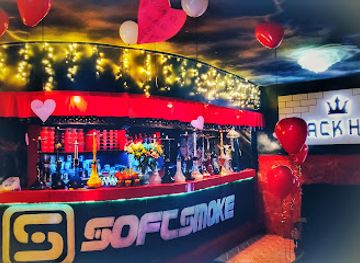
Чирчик, hookah lounge bar 'BlackНова. By Smoke guys.
Experience the best of Chirchik at BlackНова, where premium hookah meets a cozy atmosphere for the ultimate relaxation.
4 min walk · 0.3 km from city centre
-
Restaurant
Gulnur
Experience authentic Uzbek flavors at Gulnur, a must-visit restaurant in Chirchiq, perfect for a memorable culinary journey.
9 min drive · 3.0 km from city centre
-
Bar
Like Point Chirchik
Discover Like Point Chirchik in Chirchik, where delicious barbecue meets a vibrant bar atmosphere in the heart of Uzbekistan.
9 min drive · 2.9 km from city centre

Best nightclubs in Chirchiq
Chirchiq has a quieter evening culture than Tashkent, and nightlife is centred more on cafés, tea houses, restaurants and informal social gatherings than on a large club scene. After work, residents gather for conversation, tea and meals, while occasional cultural programming may take place in local civic or performance venues. The city does not have a widely known entertainment quarter, and visitors should expect evening activity to be dispersed through neighbourhoods rather than concentrated along a single street. Alcohol is available in some restaurants and bars, but public behaviour is expected to remain restrained and respectful. Those seeking a broader selection of live music, late-opening venues and theatrical entertainment will generally find more choice in Tashkent, while Chirchiq's evenings offer a closer view of ordinary regional life.
-
Karaoke bar
Berezka Cafe Chirchik
Experience the vibrant culture of Uzbekistan at Berezka Cafe Chirchik, where delicious food meets lively karaoke entertainment.
3 min walk · 0.3 km from city centre
-
Hookah bar
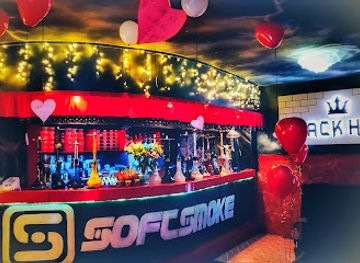
Чирчик, hookah lounge bar 'BlackНова. By Smoke guys.
Experience the vibrant ambiance and rich flavors of hookah at BlackНова Hookah Lounge in Chirchik, a true gem for relaxation and cultural immersion.
4 min walk · 0.3 km from city centre
-
Night club
Shabada
Discover the energetic nightlife of Chirchik at Shabada, a lively night club where music, dancing, and local culture come alive.
5 min drive · 1.6 km from city centre
-
Karaoke bar
Moon lounge
Experience the vibrant nightlife at Moon Lounge, Chirchik's ultimate karaoke destination offering an array of songs and a lively atmosphere.
8 min drive · 2.8 km from city centre

Best shops in Chirchiq
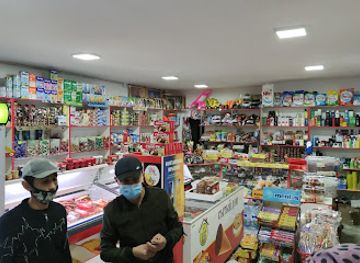
Shopping in Chirchiq is rooted in everyday local commerce, with dehqon markets and neighbourhood bazaars offering fruit, vegetables, bread, dried goods, spices, clothing and household items. These markets are more useful for observing local life and buying regional food products than for finding a concentrated range of tourist souvenirs. Visitors may encounter Uzbek textiles, embroidered goods, ceramics and small handicrafts, although the selection is generally less extensive than in Tashkent, Samarkand or Bukhara. Shops along ordinary commercial streets provide clothing, mobile phones and practical goods for local residents, while larger retail choices are available in the capital. Bargaining may be accepted in market settings, but it is not necessary everywhere; ask the price clearly and keep smaller som notes available for modest purchases.
-
Store
Shoxa market
Discover the vibrant Shoxa Market in Chirchik, Uzbekistan, where local culture, delicious food, and unique crafts await every traveler.
12 min walk · 1.0 km from city centre
-
Grocery store
Magazin
Explore the authentic tastes of Uzbekistan at Magazin, a vibrant grocery store in Chirchik offering local produce and unique culinary delights.
10 min drive · 3.2 km from city centre
-
Store
Uzum
Explore Uzum in Chirchik: Your gateway to authentic Uzbek culture, local products, and unique souvenirs in Tashkent Region.
5 min drive · 1.8 km from city centre
-
Clothing store
Baraka
Explore Baraka in Chirchik, Uzbekistan, for a unique blend of modern fashion and traditional Uzbek culture in a welcoming atmosphere.
13 min walk · 1.1 km from city centre
Get your free copy of our complete guide to Chirchiq, delivered straight to you.
Everything on this page, from attractions and restaurants to essentials and local phrases, in one PDF you can read offline, print or share.
Already have an account? Sign in
Your Chirchiq guide is ready.
We'll send it to · Not you? Sign out

Getting your guide ready…
We are putting together a fresh copy of the Chirchiq guide. This can take up to a minute.
This can take a few moments. If your browser asks, choose Allow so the download can start. You'll find the guide in your Downloads folder.
Nothing happened? Download it again
Sorry, the guide is taking longer than usual. Please try again in a minute, or get it by email instead.
Chirchiq essentials
Currency and Payment
Safety
Emergency Situations
Do's and Don'ts
Local Tips
From Eve
Local phrases worth knowing
You don't need to get them perfect. A few words go a long way, and locals appreciate the effort.
Basics
| English | Local | Say it |
|---|---|---|
| Hello | Салом | [Salom] |
| Goodbye | Хайр | [Hayr] |
| Yes | Ҳа | [Ha] |
| No | Йўқ | [Yoʻq] |
| Please/You're welcome | Марҳабба | [Marhabba] |
| Thank you | Раҳмат | [Rahmat] |
| Excuse me/Sorry | Кечиринг | [Kechiring] |
| How are you? | Сиз қалайсиз? | [Siz qalaysiz?] |
| Fine. And you? | Жуда яхши. Сизча? | [Juda yaxshi. Sizcha?] |
| Do you speak English? | Инглиз тилидамисиз? | [Ingliz tilidamisiz?] |
| I don't understand | Мени боғламайман | [Meni bo'glamayman] |
Eating & Drinking
| English | Local | Say it |
|---|---|---|
| I'd like to see the menu, please | Менюни кўрмоқчиман, илтимос | [Menyuni ko'rmoqchiman, iltimos] |
| I don't eat meat | Мен гўсht юритмайман | [Men go'sht yuritmeyman] |
| Cheers! | Чораклар! | [Choraklar!] |
| I would like to pay, please | Тўлов қилишни хоҳлайман, илтимос | [To'lov qilishni hohlaiman, iltimos] |
Emergencies
| English | Local | Say it |
|---|---|---|
| Help! | Ёрдам! | [Yordam!] |
| Go away! | Ёқилиб кетинг! | [Yoqilib keting!] |
| Call the Police! | Полицияни чақиринг! | [Poliyani chaqiring!] |
| Call a doctor! | Докторни чақиринг! | [Doktorni chaqiring!] |
| I'm lost | Мен йўлни йўқолдим | [Men yo'lni yo'qoldim] |
| I'm ill | Мен касалман | [Men kasalman] |
Shopping
| English | Local | Say it |
|---|---|---|
| I'd like to buy... | Сотиб олишни истайман... | [Sotib olishni istayman...] |
| I'm just looking | Фақат кўриб тураман | [Faqat ko'rib turaman] |
| How much is it? | Бу қанча? | [Bu qancha?] |
| That's too expensive | Бу жуда қиммат | [Bu juda qimmat] |
| Can you lower the price? | Нархни тўлаётган бўлсангиз? | [Narxni to'layotgan bo'lsangiz?] |
Time & Numbers
| English | Local | Say it |
|---|---|---|
| What time is it? | Соат қачон? | [Soat qachon?] |
| It's one o'clock | Бир соат | [Bir soat] |
| Half past (10) | Ўн бир ҳафта | [On bir hafta] |
| Morning | Эрталаб | [Ertalab] |
| Afternoon | Тусталаб | [Tustalab] |
| Evening | Кеч | [Kech] |
| Yesterday | Кеча | [Kecha] |
| Today | Бугун | [Bugun] |
| Tomorrow | Эртага | [Ertaga] |
| 1 | Бир | [Bir] |
| 2 | Икки | [Ikki] |
| 3 | Уч | [Uch] |
| 4 | Тўрт | [To'rt] |
| 5 | Беш | [Besh] |
| 6 | Олти | [Olti] |
| 7 | Етти | [Yetti] |
| 8 | Саккиз | [Sakkiz] |
| 9 | Тўqқиз | [To'qqiz] |
| 10 | Он | [On] |
Transport & Directions
| English | Local | Say it |
|---|---|---|
| Where's a/the...? | ...қа қандай йўл? | [...qa qanday yo'l?] |
| What's the address? | Манзили нима? | [Manzili nima?] |
| Can you show me (on the map)? | Менга кўрсатасизми (харитада)? | [Menga ko'rsatasizmi (xaritada)?] |
| When's the next (bus)? | Кейингиси қачон (автобус)? | [Keyingisi qachon (avtobus)?] |
| A ticket (to ....) | Билет (.... га) | [Bilet (.... ga)] |
History of Chirchiq
River Valleys and Early Settlement
The Chirchiq River has long shaped settlement in the north-east of present-day Uzbekistan. Fed by streams descending from the western Tian Shan, it carries water towards the Syr Darya and supports one of the region's important irrigated landscapes. Communities in the wider Tashkent oasis depended on canals, cultivation and livestock, while routes through the river valleys connected the settled lowlands with mountain communities. Chirchiq's later development was therefore built on an established geographical foundation: abundant water, proximity to Tashkent and access to the valleys leading towards the mountains. The modern city itself is relatively young, but its environment belongs to a much older network of agriculture, transport and river management.
Hydropower and Soviet Planning
Chirchiq emerged as an urban and industrial centre during the Soviet period, particularly in the 1930s, when the Chirchiq-Bozsu hydroelectric cascade and related infrastructure transformed the river system. The availability of power encouraged planned industrial construction and drew workers to new settlements in the river corridor. Streets, housing and public facilities were laid out according to Soviet principles, creating the spacious urban form still visible today. The city was granted city status in 1935. Its development formed part of a wider programme that linked electrical generation, irrigation and industrial production across the Tashkent area rather than treating the settlement as an isolated town.
Chemical Industry and Urban Growth
Industrial expansion gave Chirchiq a role well beyond that of a riverside settlement. Chemical production, machinery and power-related enterprises became central to the local economy, with fertiliser manufacturing particularly associated with the city's industrial profile. Employment attracted people from across Soviet Central Asia and other parts of the Soviet Union, adding to the city's socially diverse population. Apartment blocks, schools, cultural facilities and transport links followed the growth of the factories. This period also connected Chirchiq more closely with Tashkent, whose economic and administrative influence remained strong. The resulting city combined a planned Soviet urban landscape with the older agricultural and riverine geography of the Tashkent oasis.
War, Reconstruction and Everyday Industry
The Second World War and the post-war decades intensified the importance of industrial centres across Soviet Uzbekistan. Production, engineering and infrastructure in the Chirchiq area formed part of the wider wartime and reconstruction economy, while new housing and civic services supported a growing workforce. The city's identity became closely associated with factories, technical expertise and the management of water and energy. Public spaces and institutional buildings reflected Soviet civic culture, while Uzbek traditions continued in family life, food and neighbourhood networks. Although Chirchiq lacked the ancient monuments of Uzbekistan's historic cities, its built environment preserves a different historical record: the story of planned industrialisation and urban change in the twentieth-century Tashkent region.
Chirchiq in Independent Uzbekistan
Following Uzbekistan's independence in 1991, Chirchiq adapted to a new national economy while retaining its industrial foundations. State enterprises and local manufacturing continued to influence employment and the city's physical character, although economic life became more varied through trade, services and private businesses. Uzbek language and national cultural institutions gained greater public prominence, alongside the multicultural legacy of the Soviet decades. Today Chirchiq remains part of the Tashkent metropolitan orbit and a significant urban centre in the region, while its position near the mountains gives it an additional recreational role. Its history is therefore visible less in a single monument than in the relationship between river, factory, planned neighbourhood and modern regional mobility.
Chirchiq in Photos
Browse through our photo collection highlighting the charm and character of the destination.
Cities near Chirchiq
The closest cities to Chirchiq, if you have time for more than one stop.
-

-

-

-

-


Swipe for more cities
Explore more
Explore more of Uzbekistan
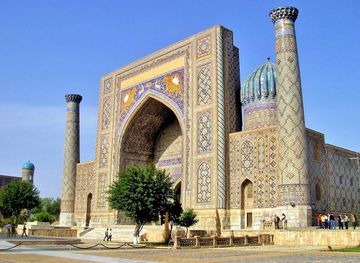
Discover Uzbekistan: A land of ancient cities, vibrant culture, and breathtaking landscapes, where history comes alive along the legendary Silk Road.
Explore Uzbekistan