

Free Angren Travel Guide & Mobile App
Plan your Angren trip with Evendo. Get free guides to top attractions, restaurants, hotels, and bars. Web access or download the mobile app.


Angren, Uzbekistan: explore a coal-mining city in the Chatkal foothills, with mountain routes, Soviet-era history, local markets and railway heritage.
Coal, Mountains and Modern Uzbekistan
Angren lies in eastern Uzbekistan, in the Tashkent Region, where the broad industrial landscape of the Angren–Almalyk area meets the western foothills of the Chatkal Range. It is not a polished sightseeing centre, but a working city shaped by coal extraction, engineering, transport and the movement of people towards the Fergana Valley. Its setting gives the urban landscape a distinctive contrast: apartment blocks, workshops and broad Soviet-planned streets stand beneath dry, folded hills and mountain air.Read more about Angren
A City Shaped by Industry
Gateway to the Eastern Routes
When is the best time to visit Angren?
Best: April–May, September · 22–27°C| Month | High (°C) | Rainfall (mm) |
|---|---|---|
| January | 3 | 19 |
| February | 4 | 18 |
| March | 12 | 17 |
| April (best) | 22 | 11 |
| May (best) | 27 | 5 |
| June | 33 | 1 |
| July | 37 | 0 |
| August | 34 | 0 |
| September (best) | 27 | 0 |
| October | 19 | 5 |
| November | 10 | 12 |
| December | 4 | 16 |
Getting to and around Angren
How to get there
Transportation
Best attractions in Angren
Angren’s principal attractions are connected to its setting and industrial identity rather than to a concentrated historic centre. The city’s coal-mining landscape, with its broad excavated areas and working infrastructure, offers an unusual perspective on Uzbekistan’s modern economic history, although active sites should only be viewed from public areas or with permission. The central streets and apartment districts reveal the planned urban character of a Soviet mining settlement, while the main bazaar provides a lively window onto everyday commerce. The Angren railway area reflects the city’s importance on the route towards the Qamchiq Pass and Fergana Valley. For a change of scene, the dry hills and greener valleys beyond the built-up area provide opportunities for short walks, landscape photography and locally arranged excursions. These surrounding landscapes are more rural than formal parkland, so visitors should obtain directions, check conditions and avoid travelling alone on unfamiliar mountain routes.
-
Museum
Angren shahar tarixi muzeyi
Explore the cultural heritage and intriguing history of Angren at the Angren City History Museum, a must-visit destination for curious travelers.
19 min drive · 6.4 km from city centre
-
Tourist attraction
Airplane
Discover the Airplane Tourist Attraction in Angren, Uzbekistan – a unique blend of aviation history and stunning scenic beauty.
21 min drive · 7.0 km from city centre
-
Tourist attraction
Памятник Аистов / Кольцо
Explore the Aistov Monument in Angren, Tashkent Region – a captivating tribute to Uzbekistan's rich history and artistic heritage.
15 min drive · 4.9 km from city centre
-
 Park
Angren istiroxat bog'i
Discover the serene beauty of Angren Istiroxat Bog'i, a tranquil park in Uzbekistan perfect for relaxation and outdoor activities.
14 min drive · 4.8 km from city centre


Best landmarks in Angren
Angren’s most significant landmarks are modern industrial and transport structures rather than ancient monuments. The Angren coal workings represent the resource that created the city and remain its clearest symbol, linking the urban landscape to the coal basin beneath the surrounding hills. Angren railway station and the railway corridor towards Pap mark the city’s continuing role in eastward transport, while the Qamchiq tunnel on the wider Angren–Pap route is a major feat of contemporary Uzbek infrastructure, though it lies on the regional line rather than functioning as a city-centre monument. The city’s planned avenues, apartment blocks and civic buildings form a coherent Soviet industrial townscape. Local mosques and community buildings reflect the religious and social life of independent Uzbekistan, but visitors should verify access and photography rules before treating them as sightseeing sites.
-
Restaurant
Angren Lend
Discover authentic Uzbek flavors at Angren Lend, a charming restaurant in Angren, offering a delightful dining experience steeped in tradition.
13 min drive · 4.3 km from city centre
-
Farmers' market
Eski Bozor
Discover the authentic flavors and vibrant atmosphere of Eski Bozor, a lively farmers' market in Angren, Uzbekistan, where fresh produce meets local culture.
15 min drive · 5.1 km from city centre
-
Train station
Angren Railway Station
Explore Angren Railway Station, a vital travel hub in Uzbekistan, connecting you to breathtaking landscapes and rich cultural experiences in the Tashkent Region.
16 min drive · 5.5 km from city centre
-
Market
The New Bazaar
Experience the vibrant culture and flavors of Uzbekistan at The New Bazaar in Angren, where local life comes alive through colorful stalls and delicious street food.
21 min drive · 6.9 km from city centre


Explore Angren on the map
Plan your Angren trip on one map. See where the top attractions, landmarks, restaurants, bars and hotels are, find what's near where you're staying, and book hotels and experiences in a few clicks.
Best hotels in Angren
Best restaurants in Angren
Angren’s food scene is modest and practical, reflecting its role as an industrial city rather than a major culinary destination. Small cafés, chaikhanas and market stalls serve familiar Uzbek dishes such as plov, lagman, shashlik, manti, somsa and non, with tea forming an important part of everyday hospitality. Regional cooking commonly combines rice, meat, onions, carrots and seasonal vegetables, while bread is bought fresh from local bakeries and bazaars. Travellers may also encounter Russian-influenced soups, dumplings and simple grilled dishes in a city shaped by several generations of internal migration. The main bazaar is useful for fruit, dried produce, nuts, bread and ready-to-eat snacks, though seating and menus may be informal. In smaller establishments, Uzbek or Russian is more useful than English, and cash should be carried for food bought from stalls or neighbourhood cafés.
-
Restaurant
Angren Lend
Discover authentic Uzbek flavors at Angren Lend - a culinary gem in Tashkent Region showcasing traditional cuisine amidst beautiful landscapes.
13 min drive · 4.3 km from city centre
-
Restaurant
MUMTOZ MILLIY TAOMLARI
Discover authentic Uzbek flavors at Mumtoz Milliy Taomlari in Angren - where tradition meets taste.
17 min drive · 5.8 km from city centre
-
Fast Food
Bloom cafe
Experience delicious fast food at Bloom Cafe in Angren - where comfort meets flavor amidst your travels in Uzbekistan.
14 min drive · 4.7 km from city centre
-
Asian
DODA SHASHLIK
Experience authentic Asian flavors at DODA SHASHLIK in Angren—where tradition meets taste.
18 min drive · 6.1 km from city centre


Best bars in Angren
Angren has a restrained evening scene centred on cafés, tea-drinking, family restaurants and informal socialising rather than a large concentration of clubs. After dark, local life is most visible around central shops, eating places and public areas, while residential districts become quiet. Visitors may find music and celebrations in restaurants or private venues, but opening patterns and entertainment options are changeable and should be checked locally. Alcohol is available in some licensed establishments, yet this is not a city defined by late-night bar culture; tea, conversation and shared meals are more characteristic evening activities. Walking on unfamiliar industrial roads at night is unwise, and taxis are preferable for longer journeys. Cultural events, performances or seasonal celebrations may take place, but they are not necessarily scheduled for international visitors and require local confirmation.
-
Restaurant
Angren Lend
Discover the flavors of Uzbekistan at Angren Lend, where authentic cuisine meets a welcoming atmosphere in the heart of Angren.
13 min drive · 4.3 km from city centre
-
Fast Food
Bloom cafe
Experience the best of local and international fast food at Bloom Cafe in Angren, Uzbekistan - a culinary gem for every traveler.
14 min drive · 4.7 km from city centre
-
Cafe
BUXORO kafe
Discover the cozy ambiance and delightful flavors at BUXORO Kafe, the perfect spot to unwind in Angren, Uzbekistan.
17 min drive · 5.6 km from city centre
-
Japanese
Sushi Bar
Discover the authentic flavors of Japan at Sushi Bar in Angren, Tashkent Region, where every dish is a culinary masterpiece crafted with fresh ingredients.
14 min drive · 4.7 km from city centre


Best nightclubs in Angren
Angren has a restrained evening scene centred on cafés, tea-drinking, family restaurants and informal socialising rather than a large concentration of clubs. After dark, local life is most visible around central shops, eating places and public areas, while residential districts become quiet. Visitors may find music and celebrations in restaurants or private venues, but opening patterns and entertainment options are changeable and should be checked locally. Alcohol is available in some licensed establishments, yet this is not a city defined by late-night bar culture; tea, conversation and shared meals are more characteristic evening activities. Walking on unfamiliar industrial roads at night is unwise, and taxis are preferable for longer journeys. Cultural events, performances or seasonal celebrations may take place, but they are not necessarily scheduled for international visitors and require local confirmation.
-
Bar
Navruz restorani
Discover the vibrant flavors of Uzbekistan at Navruz Restorani, a lively bar in Angren offering authentic local cuisine and a warm atmosphere.
24 min drive · 7.9 km from city centre
-
Apartment complex
Angren
Explore the serene beauty and rich culture of Angren, Uzbekistan - a hidden gem nestled in the Tashkent Region.
14 min drive · 4.8 km from city centre
-
Sports club
Angren shaxar beruniy 38 uy
Experience the energy and community spirit at Angren Sports Club in Tashkent Region, where sports and culture come together for an unforgettable adventure.
16 min drive · 5.5 km from city centre
Best shops in Angren
Shopping in Angren is primarily local and practical, with the main bazaar and neighbourhood shops supplying residents rather than functioning as a specialist tourist quarter. Market stalls offer seasonal fruit, vegetables, dried produce, nuts, spices, bread, household goods and inexpensive clothing, while small bakeries and food sellers provide useful provisions for journeys towards the hills. Visitors may also find embroidered textiles, ceramics or packaged Uzbek food products, although the range is less extensive than in Tashkent or the historic cities of Uzbekistan. Bargaining can be acceptable in some market transactions, but fixed-price shops are increasingly common and prices should be agreed clearly before purchase. Cash in Uzbekistani soms remains the most dependable form of payment. The city’s retail character is valuable precisely because it shows ordinary regional commerce rather than a highly developed souvenir industry.
-
Supermarket
Fresh Super Market
Explore the vibrant flavors of Uzbekistan at Fresh Super Market in Angren, where local produce meets international culinary delights.
18 min drive · 5.8 km from city centre
-
Supermarket
Za
Explore Za Supermarket in Angren for an authentic taste of Uzbekistan's local flavors and a wide range of shopping essentials.
22 min drive · 7.2 km from city centre
-
Supermarket
Korzinka DISKONT — Angren
Discover fresh flavors and local delights at Korzinka DISKONT in Angren — a vibrant supermarket and culinary hub in Uzbekistan.
15 min drive · 5.2 km from city centre
-
Market
The New Bazaar
Explore the vibrant New Bazaar in Angren, a cultural hub offering fresh produce, local delicacies, and unique Uzbek handicrafts.
21 min drive · 6.9 km from city centre


Get your free copy of our complete guide to Angren, delivered straight to you.
Everything on this page, from attractions and restaurants to essentials and local phrases, in one PDF you can read offline, print or share.
Already have an account? Sign in
Your Angren guide is ready.
We'll send it to · Not you? Sign out

Getting your guide ready…
We are putting together a fresh copy of the Angren guide. This can take up to a minute.
This can take a few moments. If your browser asks, choose Allow so the download can start. You'll find the guide in your Downloads folder.
Nothing happened? Download it again
Sorry, the guide is taking longer than usual. Please try again in a minute, or get it by email instead.
Angren essentials
Currency and Payment
Safety
Emergency Situations
Do's and Don'ts
Local Tips
From Eve
Local phrases worth knowing
You don't need to get them perfect. A few words go a long way, and locals appreciate the effort.
Basics
| English | Local | Say it |
|---|---|---|
| Hello | Салом | [Salom] |
| Goodbye | Хайр | [Hayr] |
| Yes | Ҳа | [Ha] |
| No | Йўқ | [Yo'q] |
| Please/You're welcome | Марҳамат | [Marhamat] |
| Thank you | Раҳмат | [Rahmat] |
| Excuse me/Sorry | Кечиринг | [Kechiring] |
| How are you? | Қалсизми? | [Qalsizmi?] |
| Fine. And you? | Жуда яхшиман. Сиз чўйсизми? | [Juda yaxshiman. Siz choyisizmi?] |
| Do you speak English? | Инглиз тилини биласизми? | [Ingiliz tilini bilasizmi?] |
| I don't understand | Мени тушунмадим | [Meni tushunmadim] |
Eating & Drinking
| English | Local | Say it |
|---|---|---|
| I'd like to see the menu, please | Менюни кўрмоқчиман, марҳамат | [Menyuni ko'rmoqchiman, marhamat] |
| I don't eat meat | Мен гўсфурча юмайман | [Men go'sfurcha yumayman] |
| Cheers! | Сог'ингизга! | [Sog'ingizga!] |
| I would like to pay, please | Тўловни амалга ошираман, марҳамат | [Tolovni amalga oshiram, marhamat] |
Emergencies
| English | Local | Say it |
|---|---|---|
| Help! | Ёрдам! | [Yordam!] |
| Go away! | Ёқил! | [Yoqil!] |
| Call the Police! | Полицияга чақиринг! | [Policiyaga chaqiring!] |
| Call a doctor! | Докторни чақиринг! | [Doktorni chaqiring!] |
| I'm lost | Мен ҳовлини йўқолдим | [Men hovlini yo'qoldim] |
| I'm ill | Мен касалман | [Men kasalman] |
Shopping
| English | Local | Say it |
|---|---|---|
| I'd like to buy... | Мен ... сотишни истайман | [Men ... sotishni istayman] |
| I'm just looking | Мен фақат кўзга кўришимди | [Men faqat ko'zga ko'rishimdi] |
| How much is it? | Бунинг нархи қанча? | [Buning narxi qancha?] |
| That's too expensive | Ушбу одамлик | [Ushbu odamlik] |
| Can you lower the price? | Нархни пастга юксалтирасизми? | [Narxni pastga yuksaltirasizmi?] |
Time & Numbers
| English | Local | Say it |
|---|---|---|
| What time is it? | Қачон? | [Qachon?] |
| It's one o'clock | Бир соат | [Bir soat] |
| Half past (10) | Он бирнинг ортаси | [On birning ortasi] |
| Morning | Эрталаб | [Ertalab] |
| Afternoon | Кун ортаси | [Kun ortasi] |
| Evening | Кеч | [Kech] |
| Yesterday | Кеча | [Kecha] |
| Today | Бугун | [Bugun] |
| Tomorrow | Эртага | [Ertaga] |
| 1 | бир | [bir] |
| 2 | икки | [ikki] |
| 3 | уч | [uch] |
| 4 | тўрт | [to'rt] |
| 5 | беш | [besh] |
| 6 | олти | [olti] |
| 7 | етти | [etti] |
| 8 | саккиз | [sakkiz] |
| 9 | тоққиз | [toqqiz] |
| 10 | ўн | [on] |
Transport & Directions
| English | Local | Say it |
|---|---|---|
| Where's a/the...? | ... қаерда? | [... qaerda?] |
| What's the address? | Манзили нима? | [Manzili nima?] |
| Can you show me (on the map)? | Менга кўрсатасизми (харитада)? | [Menga ko'rsatasizmi (haritada)?] |
| When's the next (bus)? | Кейинги (автобус) қачон? | [Keyingi (avtobus) qachon?] |
| A ticket (to ....) | Билет (.... га) | [Bilet .... ga] |
History of Angren
The Angren Coal Basin
The modern history of Angren is inseparable from the coal basin occupying the valleys and uplands east of Tashkent. Geological surveys and prospecting during the early Soviet period identified substantial brown-coal deposits, and industrial development accelerated before and during the Second World War. Mining required roads, railways, power generation, housing and a permanent workforce, turning a sparsely settled area into an industrial zone. The basin’s lignite was generally suited to power generation and local industry rather than the high-quality fuel associated with some other coalfields. This geological foundation explains why Angren’s urban form, employment patterns and infrastructure have long been linked to extraction and energy.
A Soviet Mining Settlement
Angren developed as a planned Soviet industrial settlement in the 1940s, receiving the status of a city in 1946. Its population was assembled from different parts of the Soviet Union and from Uzbekistan, producing the multilingual and socially mixed character common to major mining centres. Apartment neighbourhoods, administrative buildings and industrial facilities were laid out around the needs of the coal industry. The city’s broad roads and functional architecture belong largely to this period of rapid construction. Rather than growing from a medieval core, Angren was created by modern industrial planning, and its historical character is therefore expressed through infrastructure, workers’ districts and the continuing presence of the mining economy.
Industry, Energy and Urban Growth
During the later Soviet decades, Angren expanded as coal extraction supported nearby power generation and industrial activity. The city became part of the wider economic system linking the Tashkent industrial region with the routes towards eastern Uzbekistan. Mining, engineering, transport and energy shaped local employment and encouraged the construction of schools, public services and cultural facilities. The resulting city was practical rather than monumental, with its identity rooted in collective labour and technical expertise. The end of the Soviet Union brought economic disruption and institutional change, but coal and energy remained central to Angren’s significance within Uzbekistan.
Post-Soviet Adaptation
After Uzbekistan became independent in 1991, Angren’s industrial economy was reorganised within a national rather than Soviet framework. Existing mines and energy facilities continued to matter, while authorities also sought to modernise production and attract investment to the broader Angren–Almalyk industrial area. The city’s population and institutions adapted to new administrative, commercial and cultural conditions. Everyday life increasingly combined inherited Soviet urban structures with Uzbek national institutions, religious revival and market-based commerce. This transition can be read in the contrast between older apartment districts, new businesses and the continued movement of goods through the city’s industrial corridors.
The Angren–Pap Transport Link
Angren’s regional importance increased with the completion of the Angren–Pap railway connection, opened in 2016 as part of Uzbekistan’s effort to create a continuous rail route towards the Fergana Valley without relying on routes through neighbouring countries. The line includes the Qamchiq tunnel, one of the major engineering features of the route, and links the eastern railway system with the main Uzbek network. For Angren, the project reinforced a role it had long held as a route between the Tashkent area and eastern Uzbekistan. The railway is both a contemporary transport achievement and a new chapter in the city’s long industrial history.
Angren in Photos
Browse through our photo collection highlighting the charm and character of the destination.
Cities near Angren
The closest cities to Angren, if you have time for more than one stop.
-

-

-

-

-


Swipe for more cities
Explore more
Explore more of Uzbekistan
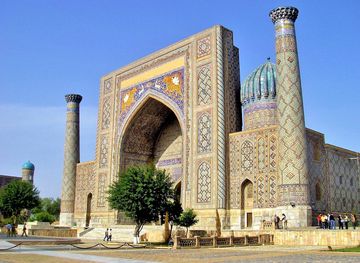
Discover Uzbekistan: A land of ancient cities, vibrant culture, and breathtaking landscapes, where history comes alive along the legendary Silk Road.
Explore Uzbekistan