

Tafea Province Travel Guide - Free Web & App
Your ultimate guide to Tafea Province. Discover top landmarks, proposed trips, and local tips. Free on the web or via the Evendo companion app.


Tafea Province, Vanuatu, brings together Tanna’s volcano, Erromango’s forests, Aneityum’s reefs and remote islands shaped by kastom and ocean culture.
Volcanoes, Forests and Ocean
Tafea Province occupies Vanuatu’s far south, a scattered island region where volcanic landscapes, coral reefs, tropical forests and deeply rooted kastom traditions remain central to everyday life. Its best-known island, Tanna, is dominated by Mount Yasur, one of the world’s most accessible active volcanoes, while the province’s other islands offer a quieter, more remote expression of Vanuatu. Erromango is the largest island and is known for dense forest, rugged coastlines and a history shaped by sandalwood and missionary contact. Aneityum combines mountainous interiors with reef-fringed shores, and the smaller islands of Aniwa and Futuna retain particularly strong local identities and a slower pace of travel.Read more about Tafea Province
Island Communities and Kastom
Exploring the Southern Islands
When is the best time to visit Tafea Province?
Best: July–September · 29°C| Month | High (°C) | Rainfall (mm) |
|---|---|---|
| January | 30 | 212 |
| February | 30 | 211 |
| March | 30 | 210 |
| April | 30 | 208 |
| May | 29 | 206 |
| June | 29 | 205 |
| July (best) | 29 | 203 |
| August (best) | 29 | 202 |
| September (best) | 29 | 200 |
| October | 30 | 199 |
| November | 30 | 198 |
| December | 30 | 197 |
Getting to and around Tafea Province
How to get there
Transportation
Best attractions in Tafea Province
Mount Yasur is Tafea’s defining attraction, with guided visits on Tanna offering views towards its active crater when conditions and local access rules permit. The island also has black volcanic landscapes, cooled lava fields, hot springs, coastal scenery and the forested Blue Cave area, as well as villages where visitors can learn about Tannese culture and the John Frum movement through respectful local arrangements. Around Port Resolution, the coast and volcanic environment provide a contrasting setting to the busier areas near Lenakel. Aneityum offers reef-fringed shores, tropical forest and village-based exploration, with Mystery Island off its southern coast associated especially with cruise excursions. Erromango is valued for its remote beaches, rugged coastline and extensive forest, while Aniwa’s raised limestone terrain and lagoons create a distinctive island environment. Futuna is smaller and less developed for tourism, appealing mainly to travellers prepared for limited facilities and locally organised visits.
-
Island
Tanna
Explore the breathtaking landscapes, active volcanoes, and rich culture of Tanna Island, a hidden paradise in the South Pacific.
-
 National forest
Green Hill Botanical Garden & Conservation Area
Explore the enchanting Green Hill Botanical Garden & Conservation Area, a tranquil oasis in Vanuatu showcasing diverse flora and vital conservation efforts.
-
Beach
Louniel Beach
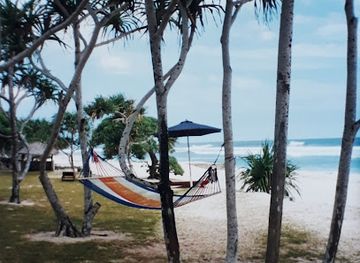
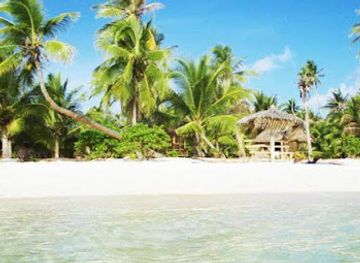
Discover the serene beauty of Louniel Beach in Vanuatu, where pristine sands meet crystal-clear waters, perfect for relaxation and adventure.
Best landmarks in Tafea Province
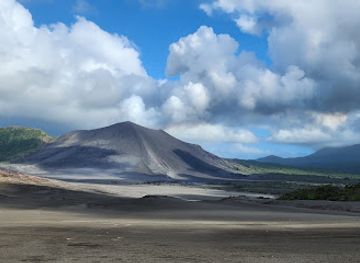
Mount Yasur on Tanna is Tafea’s most prominent natural landmark, an active volcanic cone whose glow and rumbling have made it central to the island’s identity, although access is controlled by conditions and local guidance. Tanna’s eastern volcanic landscape around Port Resolution includes coastlines, hot springs and areas shaped by recent eruptions, while the island’s Blue Cave is a notable coastal feature reached through locally arranged excursions. Erromango’s forested mountains and rugged shorelines reflect its larger, less developed character and its historical association with sandalwood. Aneityum is marked by steep green terrain descending towards reefs and sheltered coastal waters, and nearby Mystery Island is a recognisable low coral island used for some cruise visits. Across Tafea, nakamals, churches, village meeting places and customary lands are cultural landmarks whose significance depends on local permission and interpretation.
-
Volcano
Mount Yasur
Discover the awe-inspiring Mount Yasur, an active volcano in Vanuatu that offers breathtaking views and unforgettable experiences for adventurous travelers.
-
Island
Tanna
Explore Tanna Island, a breathtaking paradise in Vanuatu known for its stunning landscapes, active volcano, and rich local culture.
-
Tourist attraction
Blue Cave
Explore the stunning Blue Cave in Vanuatu – a mesmerizing natural wonder with crystal-clear waters, perfect for adventure and relaxation.
-
Island
Aniwa
Explore Aniwa Island, a hidden gem in Vanuatu, offering stunning beaches, vibrant marine life, and rich cultural experiences.

Explore Tafea Province on the map
Plan your trip on one map. See where the top attractions, landmarks, restaurants and hotels are, and book hotels and experiences in a few clicks.
Best hotels in Tafea Province
Best restaurants in Tafea Province
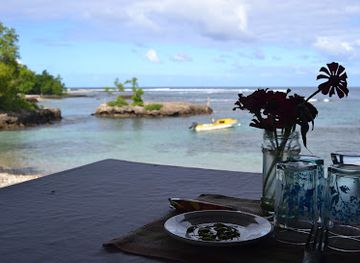
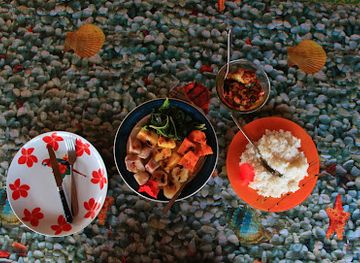
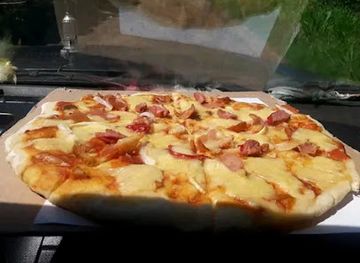
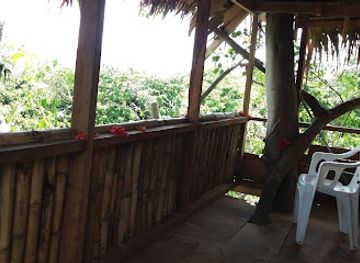
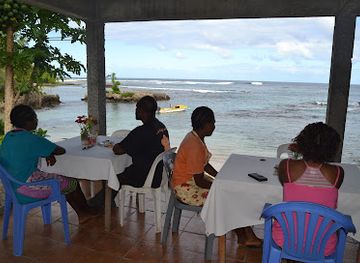
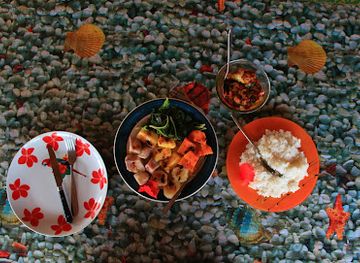
Tafea’s food culture is closely tied to village gardens, fishing and locally available produce rather than a dense restaurant scene. On Tanna, accommodation dining and small locally run eateries provide opportunities to eat laplap, a traditional dish made with grated root crops and other ingredients, as well as taro, yam, sweet potato, coconut, fruit and freshly caught fish where available. Meals may be simple and shaped by seasonal supply, particularly away from Lenakel. Visitors staying in Port Resolution or rural guesthouses should arrange meals in advance rather than assuming that independent cafés are nearby. Aneityum and the smaller islands have even fewer formal dining venues, with food generally organised through accommodation providers or village hosts. Port Vila, outside Tafea, offers the broadest choice of Vanuatu and international cuisine before or after an outer-island stay.
-
Restaurant
Lenakel Sea View Restaurant
Experience stunning ocean views and authentic local cuisine at Lenakel Sea View Restaurant in Vanuatu.
-
Restaurant
Chez Leah Restaurant
Experience authentic Vanuatu cuisine at Chez Leah Restaurant in Tanna Port Resolution - A must-visit culinary destination!
-
Restaurant
Chicken and Chips
Experience mouthwatering fried chicken paired with crispy chips at Chicken and Chips in Lenakel - a culinary gem for every traveler.
-
Restaurant
Tanna Eco Venture
Experience authentic Vanuatuan cuisine at Tanna Eco Venture, where sustainable dining meets breathtaking natural beauty.
Best bars in Tafea Province
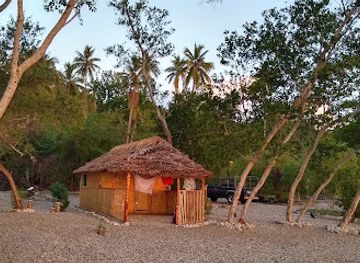
Tafea is not a nightlife destination, and evening entertainment is generally quiet, social and community-centred. On Tanna, small kava bars, locally known as nakamals, may offer an opportunity to observe an important social tradition, but visitors should follow local etiquette and understand that a nakamal is not simply a conventional bar. Some accommodation providers serve drinks and provide communal evening meals, while village gatherings and cultural performances may occur through local arrangements rather than a fixed entertainment schedule. Aneityum, Erromango, Aniwa and Futuna have very limited evening infrastructure, with nights often centred on guesthouse hospitality, conversation and the surrounding natural environment. Port Vila, on Efate and outside Tafea Province, is the nearest place with a substantially broader selection of bars, restaurants and organised nightlife.
-
Restaurant
Lenakel Sea View Restaurant
Experience the breathtaking views and authentic flavors of Vanuatu at Lenakel Sea View Restaurant, a culinary gem by the ocean.
-
Restaurant
Chez Leah Restaurant
Experience authentic Vanuatuan cuisine at Chez Leah Restaurant in Tanna Port Resolution, where fresh ingredients meet island flavors.
-
Restaurant
Chicken and Chips
Experience the delightful fusion of crispy chicken and golden chips at Chicken and Chips, a culinary gem in the heart of Lenakel, Vanuatu.
-
Restaurant
Tanna Early Beach Restaurant & Snorkelling
Experience the best of Vanuatu's cuisine and snorkelling at Tanna Early Beach Restaurant, where tropical flavors meet the vibrant underwater world.
Best nightclubs in Tafea Province
Tafea is not a nightlife destination, and evening entertainment is generally quiet, social and community-centred. On Tanna, small kava bars, locally known as nakamals, may offer an opportunity to observe an important social tradition, but visitors should follow local etiquette and understand that a nakamal is not simply a conventional bar. Some accommodation providers serve drinks and provide communal evening meals, while village gatherings and cultural performances may occur through local arrangements rather than a fixed entertainment schedule. Aneityum, Erromango, Aniwa and Futuna have very limited evening infrastructure, with nights often centred on guesthouse hospitality, conversation and the surrounding natural environment. Port Vila, on Efate and outside Tafea Province, is the nearest place with a substantially broader selection of bars, restaurants and organised nightlife.
-
Bar
Will Smith Kava Bar
Discover authentic Vanuatu culture at Will Smith Kava Bar, where kava flows and community thrives in a vibrant atmosphere.
-
Bar
Bob's Kava Bar
Discover the calming essence of Lowanatom at Bob's Kava Bar, where tradition meets tranquility in every sip of kava.
-
Bar
Mangoes Kava Bar
Discover the essence of Vanuatu at Mangoes Kava Bar, where traditional kava meets vibrant culture in Lowanatom.
-
Bar
Sunset Kava Bar
Discover the authentic taste of Vanuatu at Sunset Kava Bar, where relaxation meets tradition in a picturesque setting.
Best shops in Tafea Province
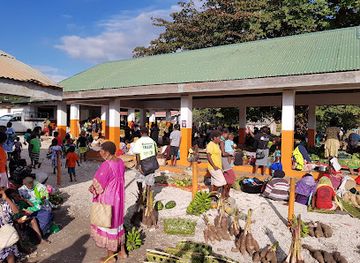
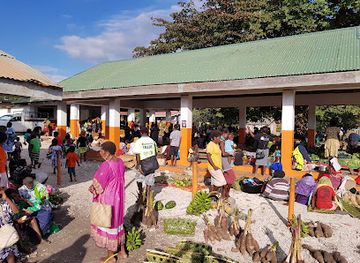
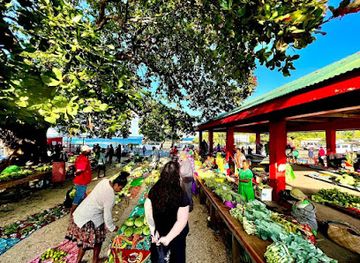
Shopping in Tafea is practical and small-scale rather than concentrated in formal retail districts. Lenakel and other settlements on Tanna provide the most useful access to basic supplies, locally made goods and everyday trade, while accommodation providers may help visitors find produce or handicrafts made within nearby communities. Carvings, woven items, mats, baskets and shell-based crafts may be available, but products, styles and sales locations vary by island and season. On Aneityum, Erromango, Aniwa and Futuna, retail choices are limited and visitors should bring essential personal items with them. Local food such as root crops, fruit and coconut products may be obtained through village contacts or markets when available. Port Vila is outside the province but offers the widest selection of Vanuatu handicrafts, souvenirs and specialist shopping before an outer-island journey.
-
Market
Lenakel Market
Immerse yourself in the vibrant culture of Vanuatu at Lenakel Market, where local flavors and crafts await in a bustling atmosphere.
-
Convenience store
Edmond Store
Discover local treasures and everyday essentials at Edmond Store, your go-to convenience store in Tanna, Vanuatu.
-
Coffee shop
Blue cave tanna tours office
Explore the breathtaking Blue Cave in Tanna, a stunning natural wonder with azure waters and vibrant marine life, perfect for adventure and relaxation.
-
Bakery
Kapan Bakery
Experience the authentic flavors of Vanuatu at Kapan Bakery in Lenakel, where traditional baking meets local culture.
Get your free copy of our complete guide to Tafea Province, delivered straight to you.
Everything on this page, from attractions and restaurants to essentials and local phrases, in one PDF you can read offline, print or share.
Already have an account? Sign in
Your Tafea Province guide is ready.
We'll send it to · Not you? Sign out

Getting your guide ready…
We are putting together a fresh copy of the Tafea Province guide. This can take up to a minute.
This can take a few moments. If your browser asks, choose Allow so the download can start. You'll find the guide in your Downloads folder.
Nothing happened? Download it again
Sorry, the guide is taking longer than usual. Please try again in a minute, or get it by email instead.
Tafea Province essentials
Currency and Payment
Safety
Emergency Situations
Do's and Don'ts
Local Tips
From Eve
Local phrases worth knowing
You don't need to get them perfect. A few words go a long way, and locals appreciate the effort.
Basics
| English | Local | Say it |
|---|---|---|
| Hello | Halo | [ha-lo] |
| Goodbye | Baebae | [bae-bae] |
| Yes | Ioe | [yo-eh] |
| No | Tata | [ta-ta] |
| Please/You're welcome | Plis | [plees] |
| Thank you | Tankiu | [tan-kyu] |
| Excuse me/Sorry | Sori | [so-ree] |
| How are you? | How yu stap? | [hao yu stap] |
| Fine. And you? | Bae. Yu? | [bae yu] |
| Do you speak English? | Yu save toktok long Inglish? | [yu sa-veh tok-tok long in-glish] |
| I don't understand | Mi no save lukluk | [mi no sa-veh look-look] |
Eating & Drinking
| English | Local | Say it |
|---|---|---|
| I'd like to see the menu, please | Mi wantem lukluk long menu, plis | [mi wan-tem look-look long me-nu, plees] |
| I don't eat meat | Mi no kakae mit | [mi no ka-kae meet] |
| Cheers! | Chea! | [chea] |
| I would like to pay, please | Mi wantem pei, plis | [mi wan-tem pay, plees] |
Emergencies
| English | Local | Say it |
|---|---|---|
| Help! | Helpem! | [help-em] |
| Go away! | Go we | [go we] |
| Call the Police! | Kolim Polis! | [ko-lim polis] |
| Call a doctor! | Kolim dokta! | [ko-lim dok-ta] |
| I'm lost | Mi las | [mi las] |
| I'm ill | Mi sik | [mi sik] |
Shopping
| English | Local | Say it |
|---|---|---|
| I'd like to buy... | Mi wantem bae... | [mi wan-tem bai] |
| I'm just looking | Mi jas lukluk | [mi jas look-look] |
| How much is it? | Hao moa nomo? | [hao mor nomor] |
| That's too expensive | Nom nomo | [nom nomor] |
| Can you lower the price? | Yu save katem nomo? | [yu sa-veh ka-tem nomor] |
Time & Numbers
| English | Local | Say it |
|---|---|---|
| What time is it? | Hao moa taem nao? | [hao mor ta-em now] |
| It's one o'clock | I wan taem | [i wan ta-em] |
| Half past (10) | Haf pas (10) | [haf pas (10)] |
| Morning | Moning | [mo-ning] |
| Afternoon | Apinun | [a-pi-nun] |
| Evening | Ifinun | [i-fi-nun] |
| Yesterday | Dei we oli bin | [dei we oli bin] |
| Today | Dei | [dei] |
| Tomorrow | Tumoro | [tu-mo-ro] |
| 1 | Wan | [wan] |
| 2 | Tu | [tu] |
| 3 | Tri | [tri] |
| 4 | Fo | [fo] |
| 5 | Faev | [fa-ev] |
| 6 | Sikis | [si-kis] |
| 7 | Seven | [sev-en] |
| 8 | Eit | [ate] |
| 9 | Nain | [nine] |
| 10 | Ten | [ten] |
Transport & Directions
| English | Local | Say it |
|---|---|---|
| Where's a/the...? | Wea hemi...? | [we-a he-mi] |
| What's the address? | Wea hemi adres? | [we-a he-mi a-dres] |
| Can you show me (on the map)? | Yu save soem mapa hemi? | [yu sa-veh so-em ma-pa he-mi] |
| When's the next (bus)? | Taem nao hemi kamin (bas)? | [ta-em now he-mi ka-min (bas)] |
| A ticket (to ....) | Wan tiket (long ....) | [wan ti-ket long] |
History of Tafea Province
Volcanic Islands and Early Settlement
Tafea’s islands were formed by volcanic and tectonic processes within the active Pacific island arc, producing mountainous interiors, raised limestone landscapes, reefs and black-sand or coral-fringed coasts. Austronesian-speaking communities settled the islands many centuries ago, developing maritime connections, garden agriculture and distinctive local languages. Archaeological evidence across Vanuatu points to Lapita-era settlement and subsequent cultural development, although the surviving historical record differs between islands. Tanna, Erromango, Aneityum, Aniwa and Futuna each developed their own chiefly systems, customs and relationships with the sea, forests and cultivated land.
Island Communities Before Colonial Rule
Before European administration, Tafea’s communities were organised through customary landholding, kinship, exchange and chiefly authority rather than a single province-wide political system. Inter-island voyaging connected communities while also maintaining strong local identities. On Tanna, ritual life and the authority of nakamals, or customary meeting places, became especially important expressions of social organisation. Erromango’s forests supported local economies and later attracted sandalwood traders. The smaller islands developed their own forms of horticulture, fishing and ceremonial life, many of which continue to shape contemporary kastom.
Sandalwood, Missions and Foreign Contact
European contact intensified during the nineteenth century, bringing traders, labour recruiters, missionaries and disease to the southern islands. Erromango became particularly associated with the sandalwood trade, which placed pressure on its forests and drew outside commercial interests into local political networks. Protestant missionary activity expanded during the same period, although conversion and foreign influence were uneven and often contested. Mission stations, churches and imported institutions altered settlement patterns and cultural life, while local communities adapted, resisted or incorporated new practices on their own terms.
The Condominium and Modern Vanuatu
From 1906 until independence in 1980, the New Hebrides were governed under the Anglo-French Condominium, a complicated colonial arrangement that administered different legal and educational systems across the islands. Tafea remained characterised by dispersed rural communities and limited infrastructure, with copra, subsistence agriculture, forestry and local exchange more significant than large-scale urban development. Vanuatu’s independence brought national administration while customary land rights and chiefly authority remained central. Today, tourism on Tanna and Aneityum exists alongside village economies, and the province’s heritage is increasingly understood through both conservation and living kastom.
John Frum and Living Kastom
Tanna is internationally associated with the John Frum movement, which emerged during the twentieth century and expresses a distinct religious and cultural response to colonial authority, Christianity and modernity. Its beliefs and ceremonies are rooted in Tannese history and should not be reduced to a simple tourist attraction. More broadly, kastom remains a living framework governing relationships, ceremonies, land and community obligations across Tafea. Visitors encounter this continuity through locally guided cultural experiences, village protocols and the enduring importance of customary leaders rather than through monuments alone.
Tafea Province in Photos
Browse through our photo collection highlighting the charm and character of the destination.
Cities in Tafea Province
The towns and cities of Tafea Province, and the easiest places to base yourself.
-

-


Swipe for more cities
Neighbouring destination travel guides
The closest destinations to Tafea Province, if you have time for more than one.
-

-

-

-

-


Swipe for more destinations
Explore more

Explore more of Tafea
Discover Tafea, Vanuatu: A blend of active volcanoes, pristine beaches, and rich cultural heritage, offering an unforgettable adventure in the South Pacific.
Explore Tafea
Explore more of Vanuatu
Discover Vanuatu, a pristine South Pacific paradise with breathtaking beaches, vibrant culture, thrilling adventures, and some of the world's best diving spots.
Explore Vanuatu