

Free Sola Travel Guide & Mobile App
Plan your Sola trip with Evendo. Get free guides to top attractions, restaurants, hotels, and bars. Web access or download the mobile app.


Discover Sola: Vanuatu’s untouched paradise where lush rainforests, vibrant coral reefs, and rich Melanesian culture await. Perfect for adventure, relaxation, and cultural immersion.
Read more about Sola
When is the best time to visit Sola?
Best: September–November · 30–31°C| Month | High (°C) | Rainfall (mm) |
|---|---|---|
| January | 30 | 288 |
| February | 30 | 294 |
| March | 30 | 338 |
| April | 30 | 376 |
| May | 30 | 390 |
| June | 29 | 375 |
| July | 29 | 286 |
| August | 29 | 212 |
| September (best) | 30 | 147 |
| October (best) | 30 | 123 |
| November (best) | 31 | 138 |
| December | 31 | 180 |
Getting to and around Sola
How to get there
Transportation
Best attractions in Sola
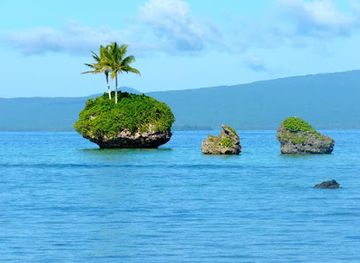
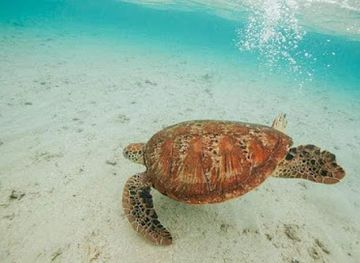
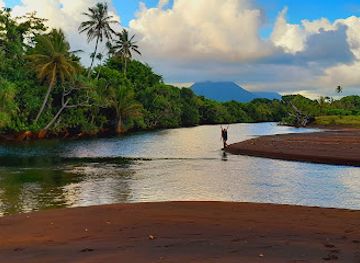
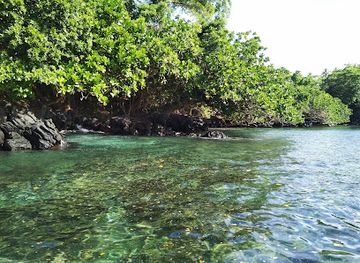
Sola in Vanuatu offers a mesmerizing blend of natural beauty and cultural richness that will captivate any visitor. From the stunning white sandy beaches and crystal-clear turquoise waters perfect for snorkeling and diving, to the lush green mountains and volcanic landscapes waiting to be explored, Sola has something for every nature lover. Immerse yourself in the local customs and traditions by visiting the traditional villages, where you can witness traditional dance performances and interact with the friendly locals. Don't miss the chance to taste the delicious local cuisine and shop for unique handicrafts made by talented artisans. With its breathtaking scenery and rich cultural experiences, Sola is a destination that promises to leave a lasting impression on all who visit.
-
Tourist attraction
Rah Island
Explore Rah Island, Vanuatu - a tropical paradise with stunning beaches, vibrant culture, and endless adventures awaiting every traveler.
45 min drive · 25 km from city centre
-
Tourist attraction
Yemen Conservation Park
Explore the breathtaking beauty and rich biodiversity of Yemen Conservation Park in Ngusui, Vanuatu - a hidden gem for nature lovers and adventurers.
25 min drive · 8.4 km from city centre
-
Hiking area
Sulphur River
Explore the breathtaking Sulphur River in Vanua Lava, a hiking paradise offering stunning landscapes and a chance to unwind in nature's embrace.
12 min drive · 4.1 km from city centre
-
Park
Woiwoinaplal Conservation Park
Discover Woiwoinaplal Conservation Park, a natural paradise on Vanua Lava, offering stunning landscapes and rich biodiversity for an unforgettable escape.
31 min drive · 11 km from city centre
Best landmarks in Sola
Sola in Vanuatu offers visitors a unique blend of natural beauty and cultural heritage. From the stunning panoramic views at Mount Tabwemasana to the traditional villages where locals practice ancient customs, there is something for everyone to explore. Don't miss the chance to visit the famous Nokuku Waterfall, where you can swim in crystal-clear waters surrounded by lush tropical vegetation. For history buffs, the Sola Mission Station provides a glimpse into the island's colonial past, while the Vanuatu Cultural Centre showcases traditional artifacts and performances. Whether you're seeking adventure or relaxation, Sola has it all.
-
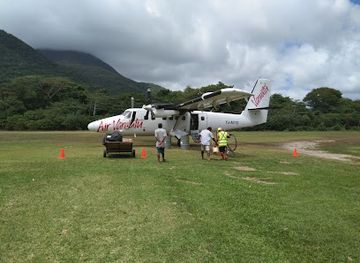
Airport
Sola Airport
Experience the warmth of Vanuatu at Sola Airport, your gateway to stunning islands and cultural adventures.
8 min drive · 2.8 km from city centre
Explore Sola on the map
Plan your Sola trip on one map. See where the top attractions, landmarks, restaurants, bars and hotels are, find what's near where you're staying, and book hotels and experiences in a few clicks.
Best hotels in Sola
Best restaurants in Sola
Sola offers a unique dining scene that combines traditional Vanuatu flavors with international influences. Visitors can indulge in fresh seafood dishes at beachfront restaurants, savor authentic Melanesian cuisine at local eateries, and explore the bustling markets for fresh produce and street food. The city also boasts a variety of cafes and bars where tourists can enjoy a relaxing meal or sip on tropical cocktails while taking in the stunning ocean views. Whether you're craving a taste of the South Pacific or looking to try something new, Sola's dining options are sure to delight your taste buds and leave you wanting more.
-
 Lodging
Dori Lagoon Bungalow
Experience tranquility at Dori Lagoon Bungalow amidst Vanuatu's stunning landscapes - your perfect island getaway.
40 min drive · 20 km from city centre
-
Diner
Sola food stall
Explore authentic Vanuatuan cuisine at Sola Food Stall - A hidden gem for food lovers seeking local delicacies.
1 min walk · 0.1 km from city centre
-
Buffet
Allison’s All You Can Eat Buffet
Experience an endless array of delicious dishes at Allison’s All You Can Eat Buffet in Ngusui - a paradise for food lovers!
31 min drive · 11 km from city centre
Best nightclubs in Sola
Sola offers a unique nightlife experience for visitors, with a variety of bars and nightclubs that cater to different tastes. From laid-back beachfront bars where you can enjoy a cocktail while watching the sunset, to lively clubs with live music and dancing, there is something for everyone. Local DJs often spin a mix of traditional and modern tunes, creating a vibrant atmosphere that is perfect for mingling with both locals and other tourists. Don't miss the chance to try the local kava drink at one of the traditional nakamals, where you can immerse yourself in the local culture and make new friends. The nightlife in Sola is a perfect blend of relaxation and excitement, making it a must-visit destination for anyone looking to unwind and have a great time.
-
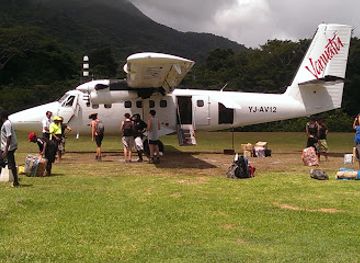
Airport
Sola Airport
Discover the gateway to Vanuatu's stunning islands and vibrant culture at Sola Airport, your starting point for adventure.
8 min drive · 2.8 km from city centre
Best shops in Sola
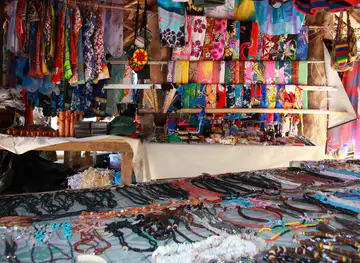
In Sola, visitors can expect a unique shopping experience that combines traditional crafts with modern goods. Explore the local markets filled with colorful handmade items such as woven baskets, intricate wood carvings, and vibrant textiles. Don't miss the opportunity to purchase locally grown produce and freshly caught seafood. For those looking for more contemporary items, there are also shops selling clothing, accessories, and souvenirs. With friendly vendors and a lively atmosphere, shopping in Sola is a great way to immerse yourself in the local culture and take home a piece of Vanuatu with you.
-
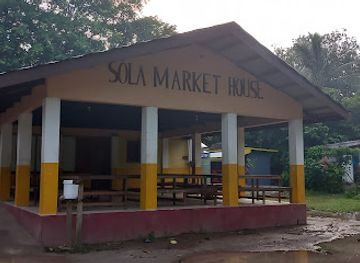
Market
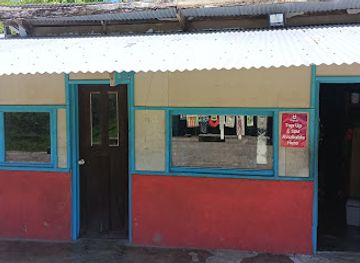
Sola Market House
Experience the vibrant culture of Vanuatu at Sola Market House, where fresh produce and unique crafts come together in a lively atmosphere.
1 min walk · 0.1 km from city centre
-
Store
Tektek store
Discover unique handicrafts and local delicacies at Tektek Store, a vibrant shop in Sola, Vanuatu, showcasing the island's rich culture.
3 min walk · 0.3 km from city centre
-
Store
Adelyn store
Discover the charm of local products at Adelyn Store in Legawenda, Sola - a perfect blend of culture and shopping for every tourist's delight.
5 min walk · 0.4 km from city centre
-
Store
Becky store
Discover unique local crafts and warm hospitality at Becky Store in Sola, a must-visit destination for all tourists exploring Vanuatu.
5 min walk · 0.4 km from city centre
Get your free copy of our complete guide to Sola, delivered straight to you.
Everything on this page, from attractions and restaurants to essentials and local phrases, in one PDF you can read offline, print or share.
Already have an account? Sign in
Your Sola guide is ready.
We'll send it to · Not you? Sign out

Getting your guide ready…
We are putting together a fresh copy of the Sola guide. This can take up to a minute.
This can take a few moments. If your browser asks, choose Allow so the download can start. You'll find the guide in your Downloads folder.
Nothing happened? Download it again
Sorry, the guide is taking longer than usual. Please try again in a minute, or get it by email instead.
Sola essentials
Currency and Payment
Safety
Emergency Situations
Do's and Don'ts
Local Tips
From Eve
Local phrases worth knowing
You don't need to get them perfect. A few words go a long way, and locals appreciate the effort.
Basics
| English | Local | Say it |
|---|---|---|
| Hello | Halo | [ha-loh] |
| Goodbye | Tata | [ta-ta] |
| Yes | Ia | [ee-ah] |
| No | Aore | [ow-reh] |
| Please/You're welcome | Plis | [plees] |
| Thank you | Tankiu | [tan-kyou] |
| Excuse me/Sorry | Sori | [soh-ree] |
| How are you? | Olsem wanem? | [ol-sem wah-nem] |
| Fine. And you? | Hapia nomo. Yu? | [ha-pee-yah noh-moh. yoo] |
| Do you speak English? | Yu save toktok long Inglish? | [yoo sah-veh tohk-tohk lawng ing-gleesh] |
| I don't understand | Mi no save | [mee noh sah-veh] |
Eating & Drinking
| English | Local | Say it |
|---|---|---|
| I'd like to see the menu, please | Mi wantem lukim menu, plis | [mee wan-tem loo-keem meh-noo, plees] |
| I don't eat meat | Mi no kakae mit | [mee noh kah-kah-eh meet] |
| Cheers! | Yu lukim | [yoo loo-keem] |
| I would like to pay, please | Mi wantem pei, plis | [mee wan-tem pay, plees] |
Emergencies
| English | Local | Say it |
|---|---|---|
| Help! | Helpem! | [hel-pem] |
| Go away! | Go lusim! | [goh loo-seem] |
| Call the Police! | Kolem Polis! | [koh-lem poh-lees] |
| Call a doctor! | Kolem dokta! | [koh-lem daw-kah] |
| I'm lost | Mi lusim | [mee loo-seem] |
| I'm ill | Mi sik | [mee seek] |
Shopping
| English | Local | Say it |
|---|---|---|
| I'd like to buy... | Mi wantem baim... | [mee wan-tem bai-m...] |
| I'm just looking | Mi jes lukim | [mee jes loo-keem] |
| How much is it? | Hao moa ia? | [hah-oh moh-ah yah] |
| That's too expensive | Taem ia plenti espensiv | [tie-m yah plen-tee eh-spensiv] |
| Can you lower the price? | Yu save katotem pres? | [yoo sah-veh kah-toh-tem prehss] |
Time & Numbers
| English | Local | Say it |
|---|---|---|
| What time is it? | Hao taem ia? | [hah-oh tie-m yah] |
| It's one o'clock | Em iwan olok | [ehm ee-wahn oh-lohk] |
| Half past (10) | Haef pas (10) | [hah-f pahs (tien)] |
| Morning | Mornin | [mawr-neen] |
| Afternoon | Apinun | [ah-pee-noon] |
| Evening | Ivinin | [ee-vee-neen] |
| Yesterday | Dei ia | [dei yah] |
| Today | Tudei | [too-day] |
| Tomorrow | Tumoro | [too-moh-roh] |
| 1 | Wan | [wahn] |
| 2 | Tu | [too] |
| 3 | Tri | [tree] |
| 4 | Fo | [foh] |
| 5 | Faev | [fah-ev] |
| 6 | Sikis | [see-kees] |
| 7 | Seven | [seh-vehn] |
| 8 | Eit | [ayt] |
| 9 | Nain | [nine] |
| 10 | Ten | [tehn] |
Transport & Directions
| English | Local | Say it |
|---|---|---|
| Where's a/the...? | Wei ia...? | [way yah] |
| What's the address? | Hao dress ia? | [hah-oh dress yah] |
| Can you show me (on the map)? | Yu save soem... | [yoo sah-veh soh-em] |
| When's the next (bus)? | Hao naoem... | [hah-oh now-em] |
| A ticket (to ....) | Wan tiket (long ....) | [wahn tee-ket (lawng ....)] |
History of Sola
Early Settlement and Indigenous Culture
Sola is located in the northern part of Vanuatu on Vanua Lava Island in the Banks Islands group. The area has been inhabited by Melanesian people for thousands of years. Indigenous communities have maintained a deep connection to the land, with a rich cultural heritage that includes traditional music, dance, and storytelling. The local language, Vurës, is spoken by the majority of the population, and traditional customs and practices are still observed in daily life.
European Contact and Colonization
The first European contact with the Banks Islands, including Sola, occurred in the early 17th century. Portuguese navigator Pedro Fernandes de Queirós sighted the islands in 1606. However, it wasn't until the late 18th century that more sustained contact was established through British and French explorers. The British and French eventually established joint colonial control over the New Hebrides, as Vanuatu was then known, in the late 19th century. This period saw significant changes, including the introduction of Christianity, which had a profound impact on local culture and traditions.
World War II and its Aftermath
During World War II, Vanuatu became a strategic location for Allied forces. While the main military bases were established in the southern islands, the northern islands like Vanua Lava also experienced increased activity. The presence of American troops brought about infrastructural developments and a shift in the local economy. After the war, many of these changes persisted, influencing the modernization of Sola and its surroundings.
Path to Independence
The struggle for Vanuatu's independence from colonial rule intensified in the mid-20th century. Political movements advocating for self-determination gained momentum, leading to the establishment of the New Hebrides National Party in 1971. After years of negotiations and political activism, Vanuatu finally achieved independence on July 30, 1980. Sola, like other parts of the country, celebrated this newfound sovereignty and began to develop its local governance and infrastructure.
Cultural Revival and Tourism
In recent decades, there has been a concerted effort to revive and preserve traditional culture in Sola. This cultural renaissance has been supported by both local and national initiatives, aiming to document and promote indigenous practices, languages, and arts. Tourism has become a key part of the local economy, with visitors drawn to Sola's natural beauty, vibrant culture, and historical significance. Cultural festivals, traditional ceremonies, and eco-tourism activities offer travelers a unique and immersive experience.
Sola in Photos
Browse through our photo collection highlighting the charm and character of the destination.
Cities near Sola
The closest cities to Sola, if you have time for more than one stop.
-

-

-

-
-


Swipe for more cities
Explore more

Explore more of Vanuatu
Discover Vanuatu, a pristine South Pacific paradise with breathtaking beaches, vibrant culture, thrilling adventures, and some of the world's best diving spots.
Explore Vanuatu