

Tanna Island Travel Guide - Free Web & App
Your ultimate guide to Tanna Island. Discover top landmarks, proposed trips, and local tips. Free on the web or via the Evendo companion app.


Tanna Island, Vanuatu, pairs Mount Yasur’s volcanic glow with kastom villages, forest, reefs, waterfalls and Pacific landscapes for adventurous travellers.
Volcanic Landscapes and Island Life
Tanna Island lies in southern Vanuatu, east of Aneityum and south of Efate, and is one of the archipelago’s most distinctive destinations. Its landscape is shaped by active volcanic forces, tropical weather and long-established Ni-Vanuatu communities. The island’s centre is dominated by Mount Yasur, one of the world’s most accessible active volcanoes, whose ash-filled crater and intermittent glow have drawn visitors for generations. Access, viewing conditions and permitted areas can change with volcanic activity, so visits are normally arranged locally and undertaken with appropriate guidance.Read more about Tanna Island
Kastom and Community
Coasts, Forests and Rural Exploration
When is the best time to visit Tanna Island?
Best: July–September · 26–27°C| Month | High (°C) | Rainfall (mm) |
|---|---|---|
| January | 31 | 200 |
| February | 31 | 220 |
| March | 30 | 200 |
| April | 30 | 150 |
| May | 29 | 100 |
| June | 27 | 80 |
| July (best) | 27 | 70 |
| August (best) | 26 | 70 |
| September (best) | 27 | 70 |
| October | 28 | 90 |
| November | 29 | 130 |
| December | 30 | 180 |
Getting to and around Tanna Island
How to get there
Transportation
Best attractions in Tanna Island
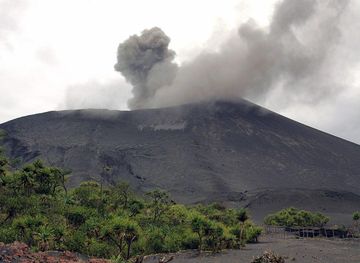
Mount Yasur is Tanna’s defining attraction, offering views into an active volcanic crater when conditions and official access arrangements permit. Around the volcano, the ash landscape and geothermal ground contrast with the island’s greener interior and coastal vegetation. Port Resolution, on the eastern side, combines a historic harbour setting with beaches, bays and access to rural scenery, while Sulphur Bay is associated with the John Frum movement and village-based cultural visits. The south and west offer forest tracks, hot springs, waterfalls and stretches of coast, including places reached by local guides rather than marked tourist infrastructure. The Blue Cave, accessed from the sea on the western coast, is known for its enclosed blue-lit swimming environment, although conditions and access depend on weather and local boat arrangements. Lenakel provides a glimpse of everyday island commerce, and communities such as Yakel may offer carefully arranged cultural encounters centred on kastom, gardens, dance and local storytelling.
-
Tourist attraction
Blue Hole 2
Explore the stunning Blue Hole 2 in Iuiak, Vanuatu, a breathtaking natural wonder perfect for adventure and relaxation amidst vibrant marine life.
-
Tourist attraction
Ash plain’s
Experience the stunning beauty and rich culture at Ash Plain's, a must-visit destination on Tanna Island, Vanuatu.
-
Tour operator
Mt Yasur Volcano Tours - Unity Airlines
Witness the awe-inspiring eruptions of Mt. Yasur, one of the world's most accessible active volcanoes on your unforgettable Vanuatu adventure.
-
Tourist attraction
Ipak Bay Fun Tours
Explore the stunning landscapes and vibrant marine life at Ipak Bay Fun Tours, Tanna Island's hidden gem for adventure and relaxation.

Best landmarks in Tanna Island
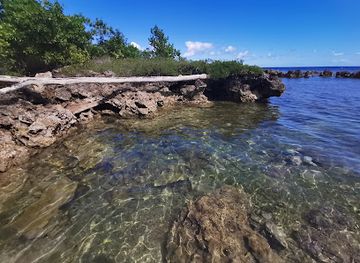
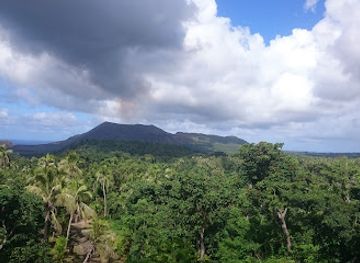
Mount Yasur is Tanna’s principal natural landmark, an active volcano whose crater activity has shaped the island’s image and local cultural geography. The ash-covered slopes and surrounding geothermal terrain form a marked contrast with the tropical forest beyond. Port Resolution is another important landscape landmark, combining a sheltered coastal setting with historical associations as a harbour and a gateway to eastern Tanna. Sulphur Bay is both a coastal feature and a significant location in the history of the John Frum movement. Other notable features include the island’s black-sand shores, hot springs, waterfalls and the Blue Cave on the western coast, where sea conditions and local access determine whether visits are possible. Lenakel’s market and harbour area provide a more human-scale landmark within the island’s commercial life, while village landscapes, gardens and customary meeting places express Tanna’s continuing relationship between land, community and kastom.
-
 Resort hotel
White Grass Ocean Resort & Spa
Experience the ultimate tropical retreat at White Grass Ocean Resort & Spa, where adventure meets luxury in the heart of Vanuatu.
-
Volcano
Mount Yasur
Explore the breathtaking eruptions and stunning landscapes of Mount Yasur, Vanuatu's active volcano, a must-visit for adventure enthusiasts.
-
Island
Tanna
Explore the breathtaking landscapes and rich culture of Tanna Island, a hidden paradise in Vanuatu known for its stunning volcanoes and warm hospitality.
-
Resort hotel
Rockwater Resort
Discover the natural beauty and luxury of Rockwater Resort, a tranquil oasis on Tanna Island, Vanuatu, perfect for relaxation and exploration.
Explore Tanna Island on the map
Plan your trip on one map. See where the top attractions, landmarks, restaurants and hotels are, and book hotels and experiences in a few clicks.
Best hotels in Tanna Island
Best restaurants in Tanna Island
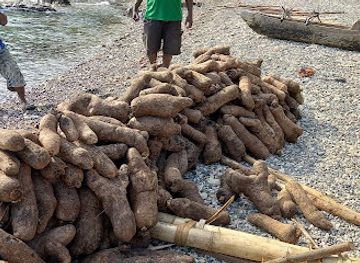
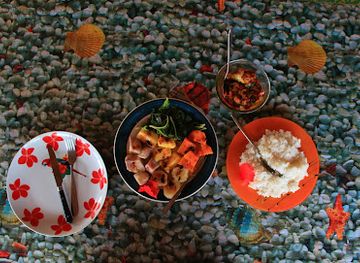
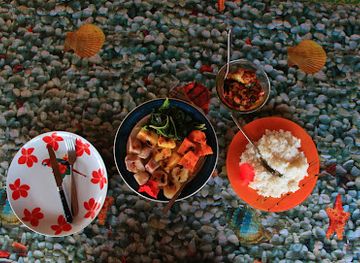
Tanna’s dining scene is small and closely linked to accommodation, village life and the island’s agricultural resources. Guesthouses, bungalows and resorts commonly serve meals built around locally available produce such as root crops, fruit, vegetables, coconut and fish, with menus and meal arrangements varying between properties. In and around Lenakel, visitors may find simple cafés, food stalls and everyday local eating places, while rural bases often require meals to be arranged in advance. Laplap, a baked dish made from grated root crops and often prepared with meat, fish or coconut, is part of Vanuatu’s wider culinary tradition, although preparation differs between households and communities. Fresh produce and cooked food may also be available at local markets or roadside stalls. Carrying snacks and confirming meal times is sensible when travelling to Mount Yasur, Port Resolution or remote villages.
-
Restaurant
Lenakel Sea View Restaurant
Discover Tanna's culinary delights at Lenakel Sea View Restaurant - where every meal comes with a breathtaking ocean view.
-
Restaurant
Chez Leah Restaurant
Experience authentic Vanuatu cuisine at Chez Leah Restaurant in Tanna Port Resolution – where local flavors meet stunning island views.
-
Restaurant
Chicken and Chips
Experience the delightful flavors of Vanuatu at Chicken and Chips - where crispy fried chicken meets vibrant island hospitality.
-
Restaurant
Tanna Eco Venture
Experience authentic Vanuatu cuisine amidst breathtaking landscapes at Tanna Eco Venture - where every meal tells a story.
Best bars in Tanna Island
Tanna has little conventional nightlife, and visitors should not expect a concentration of nightclubs, late bars or entertainment districts. Evenings are generally centred on accommodation dining areas, small local nakamals or village kava venues where these are operating and visitors are welcome, as well as quiet social gatherings within communities. Kava is an important drink in Vanuatu, but customs surrounding its preparation and consumption vary, so travellers should follow local guidance rather than treating a nakamal as a conventional bar. Some cultural visits may include singing, dancing or storytelling, but these are community experiences rather than guaranteed nightly performances. After dark, the island’s rural character is most apparent in the limited lighting, quiet roads and sounds of the forest and coast; transport should be arranged in advance rather than assumed to be available late at night.
-
Restaurant
Chez Leah Restaurant
Experience the authentic taste of Vanuatu at Chez Leah Restaurant, where local flavors meet stunning ocean views in Tanna Port Resolution.
-
Restaurant
Tanna Early Beach Restaurant & Snorkelling
Experience the flavors of Tanna at the beachfront Tanna Early Beach Restaurant, where great food meets vibrant snorkeling adventures.
-
Bar
Will Smith Kava Bar
Discover the tranquil ambiance and authentic kava experience at Will Smith Kava Bar in Lenakel, a perfect spot for relaxation and cultural immersion.
-
Bar
Bob's Kava Bar
Experience the calming effects of kava at Bob's Kava Bar in Lowanatom, where relaxation meets local culture in a serene atmosphere.
Best nightclubs in Tanna Island
Tanna has little conventional nightlife, and visitors should not expect a concentration of nightclubs, late bars or entertainment districts. Evenings are generally centred on accommodation dining areas, small local nakamals or village kava venues where these are operating and visitors are welcome, as well as quiet social gatherings within communities. Kava is an important drink in Vanuatu, but customs surrounding its preparation and consumption vary, so travellers should follow local guidance rather than treating a nakamal as a conventional bar. Some cultural visits may include singing, dancing or storytelling, but these are community experiences rather than guaranteed nightly performances. After dark, the island’s rural character is most apparent in the limited lighting, quiet roads and sounds of the forest and coast; transport should be arranged in advance rather than assumed to be available late at night.
-
Resort hotel
Rockwater Resort
Experience the natural beauty and luxury of Rockwater Resort on Tanna Island, where adventure meets tranquility in a tropical paradise.
-
Bed & breakfast
Port Resolution Nipikamanu Yacht Club & Bungalows
Discover the charm of Tanna at Port Resolution Nipikamanu Yacht Club & Bungalows, where island culture meets natural beauty in a serene getaway.
-
Bar
Will Smith Kava Bar
Experience the heart of Vanuatu's culture at Will Smith Kava Bar in Lenakel, where tradition meets relaxation in every sip of kava.
Best shops in Tanna Island
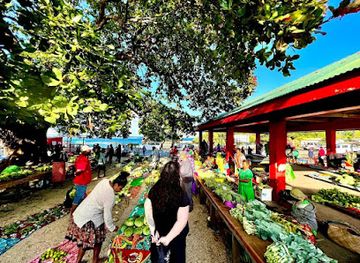
Shopping on Tanna is practical and locally focused rather than extensive. Lenakel is the main place to look for everyday supplies, food, locally grown produce and small-market trading, while roadside stalls and village sellers may offer fruit, vegetables, woven goods or other locally made items. Visitors may encounter carvings, baskets, mats and handicrafts associated with Ni-Vanuatu traditions, but stock, prices and availability vary and purchases should be made directly and respectfully. Some accommodation providers and community visits sell small souvenirs or craftwork, helping income remain with local households. There are few dedicated retail districts, and remote areas around Mount Yasur, Port Resolution and cultural villages may have no shops at all. Carry essential supplies from Port Vila or Lenakel when travelling into rural areas, while avoiding the purchase of archaeological objects, restricted cultural items, plants or volcanic material.
-
Market
Lenakel Market
Explore Lenakel Market for an authentic taste of Vanuatu's culture, crafts, and cuisine in a vibrant community setting.
-
Convenience store
Edmond Store
Discover Edmond Store in Tanna for all your convenience needs while experiencing the local culture and vibrant island life.
-
Coffee shop
Blue cave tanna tours office
Experience the enchanting Blue Cave Tanna Tours Office, your gateway to Tanna Island's breathtaking landscapes and adventures.
-
Bakery
Kapan Bakery
Experience the authentic taste of Vanuatu with fresh breads and pastries at Kapan Bakery in Lenakel, a must-visit for every traveler.
Get your free copy of our complete guide to Tanna Island, delivered straight to you.
Everything on this page, from attractions and restaurants to essentials and local phrases, in one PDF you can read offline, print or share.
Already have an account? Sign in
Your Tanna Island guide is ready.
We'll send it to · Not you? Sign out

Getting your guide ready…
We are putting together a fresh copy of the Tanna Island guide. This can take up to a minute.
This can take a few moments. If your browser asks, choose Allow so the download can start. You'll find the guide in your Downloads folder.
Nothing happened? Download it again
Sorry, the guide is taking longer than usual. Please try again in a minute, or get it by email instead.
Tanna Island essentials
Currency and Payment
Safety
Emergency Situations
Do's and Don'ts
Local Tips
From Eve
Local phrases worth knowing
You don't need to get them perfect. A few words go a long way, and locals appreciate the effort.
Basics
| English | Local | Say it |
|---|---|---|
| Hello | Halo | [ha-lo] |
| Goodbye | Ba-ba | [ba-ba] |
| Yes | Ioo | [ee-oh] |
| No | Tis | [tees] |
| Please/You're welcome | Plis | [plees] |
| Thank you | Tankiu | [tan-ki-oo] |
| Excuse me/Sorry | Sori | [so-ree] |
| How are you? | Yu gud? | [yoo good] |
| Fine. And you? | Gud. Yu? | [good. yoo] |
| Do you speak English? | Yu save toktok long Inglish? | [yoo sa-veh tohk-tohk lawng Ing-gleesh] |
| I don't understand | Mi no save understand | [mee no sa-veh un-der-stahnd] |
Eating & Drinking
| English | Local | Say it |
|---|---|---|
| I'd like to see the menu, please | Mi laekem lukluk long manu, plis | [mee lie-kem look-look lawng mah-noo, plees] |
| I don't eat meat | Mi no kakae mit | [mee no ka-kai meet] |
| Cheers! | Chias! | [chee-as] |
| I would like to pay, please | Mi laekem bayem mani, plis | [mee lie-kem by-em mah-nee, plees] |
Emergencies
| English | Local | Say it |
|---|---|---|
| Help! | Helpem! | [help-em] |
| Go away! | Go we! | [go weh] |
| Call the Police! | Kolem Polis! | [koh-lem poh-lees] |
| Call a doctor! | Kolem dokta! | [koh-lem dock-tah] |
| I'm lost | Mi les long rot | [mee less lawng roht] |
| I'm ill | Mi sik | [mee seek] |
Shopping
| English | Local | Say it |
|---|---|---|
| I'd like to buy... | Mi laekem baem... | [mee lie-kem by-em...] |
| I'm just looking | Mi jas lukluk | [mee jahs look-look] |
| How much is it? | Hao mit long hem? | [hah-oh meet lawng hem] |
| That's too expensive | Hem ia hem ia tumas espensiv | [hem ee-ah hem ee-ah too-mahs es-pen-seev] |
| Can you lower the price? | Yu save putum daon pris? | [yoo sa-veh poo-toom da-own prees] |
Time & Numbers
| English | Local | Say it |
|---|---|---|
| What time is it? | Hao taem nao? | [hah-oh tah-em now] |
| It's one o'clock | Iiwan aklak | [ee-wahn ahk-lak] |
| Half past (10) | Haef past (10) | [haef past (10)] |
| Morning | Monin | [moh-neen] |
| Afternoon | Apinun | [ah-pee-noon] |
| Evening | Ivinin | [ee-vee-neen] |
| Yesterday | Dei befo | [day beh-foh] |
| Today | Dei | [day] |
| Tomorrow | Tomoro | [toh-moh-roh] |
| 1 | Wan | [wahn] |
| 2 | Tu | [too] |
| 3 | Tri | [tree] |
| 4 | Fo | [foh] |
| 5 | Faev | [fayv] |
| 6 | Siks | [siks] |
| 7 | Seven | [sehv-en] |
| 8 | Eit | [ayt] |
| 9 | Nain | [nayn] |
| 10 | Ten | [ten] |
Transport & Directions
| English | Local | Say it |
|---|---|---|
| Where's a/the...? | Wea hemi...? | [weh-ah hem-ee...?] |
| What's the address? | Hao nom nomia? | [hah-oh nom nom-ee-ah?] |
| Can you show me (on the map)? | Yu save soem mi (long map)? | [yoo sa-veh so-ehm mee (lawng map)?] |
| When's the next (bus)? | Hao taem bus i kam? | [hah-oh tah-em bus ee kam?] |
| A ticket (to ....) | Wan tiket (long ....) | [wahn tee-ket (lawng ....)] |
History of Tanna Island
A Volcanic Island in the Pacific
Tanna’s physical history begins with volcanic activity in the New Hebrides island arc, where tectonic processes continue to shape the landscape. Mount Yasur, on the island’s south-eastern side, remains active and has built a long-lived reputation for visible eruptions and crater activity. Ash plains, hot ground and geothermal features around the volcano are part of a living geological environment rather than simply remnants of an ancient eruption. The volcano has also influenced local stories, customary relationships with the land and the island’s modern identity as a destination for visitors interested in active earth processes.
Early Settlement and Customary Society
Ni-Vanuatu communities have lived on Tanna for many generations, developing social, spiritual and economic relationships with the island’s forests, gardens, coastline and volcanic terrain. Tanna is known for the continuing importance of kastom, a term commonly used in Vanuatu for customary knowledge, practices and authority. Local languages, oral traditions, ceremonial exchange and communal responsibilities remain central to island life. Rather than being confined to historic displays, these traditions continue within villages and families, although customs vary between communities and visitors should rely on local hosts to explain what may be observed or shared.
Missionary and Condominium Era
Christian missionaries reached Tanna during the nineteenth century, and mission activity gradually became part of the island’s changing religious and political landscape. Missionary influence interacted with established customary authority rather than simply replacing it, producing a complex history of adaptation and local response. During the period of the Anglo-French Condominium of the New Hebrides, which began in 1906, Tanna was administered within a colonial system jointly controlled by Britain and France. The era brought new forms of commerce, education, labour and administration, while island communities retained strong local identities and customary structures.
The John Frum Movement
Tanna is internationally associated with the John Frum movement, a religious and cultural movement that emerged in the twentieth century and is particularly connected with villages around Sulphur Bay. Its origins and meaning are interpreted through local oral traditions and have often been simplified by outside observers. The movement reflects responses to missionary influence, colonial authority, unfamiliar goods and changing social relations, while remaining part of Tanna’s living cultural landscape. Visitors who attend ceremonies or visit associated communities should treat the subject as a continuing belief tradition rather than a theatrical attraction.
Independence, Cyclones and Tourism
Vanuatu became independent in 1980, and Tanna has since developed a modest visitor economy centred on Mount Yasur, cultural experiences, rural accommodation and coastal scenery. Tourism remains closely tied to village land, local guides and weather-sensitive infrastructure. Severe tropical cyclones, including Cyclone Pam in 2015, have affected homes, roads, vegetation and tourism facilities across the island, demonstrating the vulnerability of remote Pacific communities. Contemporary travel on Tanna therefore takes place within a landscape shaped not only by volcanic activity but also by customary stewardship, climate exposure and locally directed recovery.
Tanna Island in Photos
Browse through our photo collection highlighting the charm and character of the destination.
Cities in Tanna Island
The towns and cities of Tanna Island, and the easiest places to base yourself.
-

-


Swipe for more cities
Neighbouring destination travel guides
The closest destinations to Tanna Island, if you have time for more than one.
-

-

-

-

-


Swipe for more destinations
Explore more
Explore more of Tanna
Discover Tanna in Vanuatu: A land of volcanic wonders, lush rainforests, and rich cultural heritage, perfect for adventure seekers and nature enthusiasts.
Explore Tanna
Explore more of Vanuatu
Discover Vanuatu, a pristine South Pacific paradise with breathtaking beaches, vibrant culture, thrilling adventures, and some of the world's best diving spots.
Explore Vanuatu