

Da Lat Center (Dalat) Travel Guide - Free
Explore Da Lat Center in Dalat with Evendo's free guide. Find the best shops, historic streets, restaurants, and gems on web or mobile.


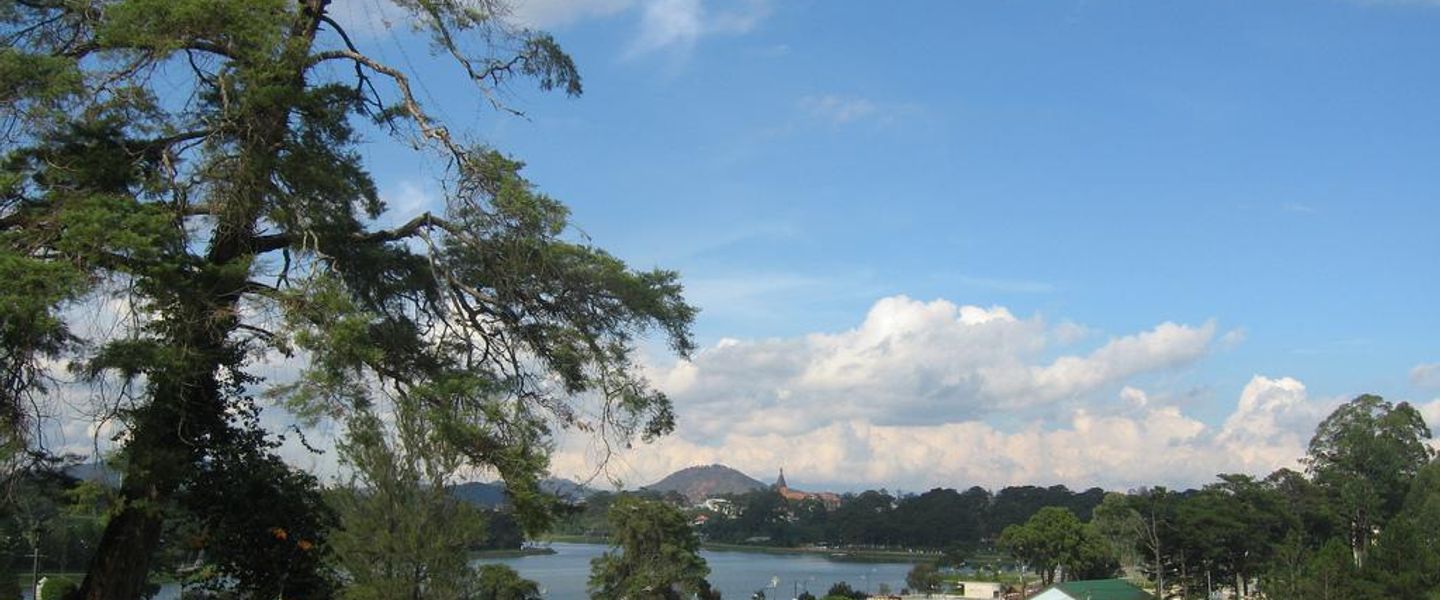


Da Lat Center in Vietnam blends French-era streets, Xuan Huong Lake, Central Market, coffee shops and cool highland evenings for relaxed urban exploring.
Central Highland Character
Da Lat Center is the compact urban core of Da Lat, a cool highland city in Vietnam’s Central Highlands shaped by French colonial planning, pine-covered hills and the broad presence of Xuan Huong Lake. The area is not a formally bounded administrative district so much as the city’s recognisable centre: the streets around Hoa Binh Square, Da Lat Market, the lakefront and Da Lat Cathedral. Its atmosphere changes markedly through the day, from early-morning market trading and lakeside exercise to busy café terraces, flower stalls and softly lit streets after sunset.Read more about Da Lat Center
Streets, Markets and Public Spaces
Everyday Da Lat
Best landmarks in Da Lat Center
The central landmarks of Da Lat form a layered record of the city’s development. Da Lat Cathedral, with its tall tower and prominent position above the central streets, is one of the area’s clearest reminders of the colonial-era resort town. Da Lat Market represents a different kind of local landmark: a practical civic and commercial institution around which daily trade, food culture and visitor activity have gathered for decades. Hoa Binh Square marks the urban heart of the centre and is surrounded by older commercial buildings as well as newer businesses. Xuan Huong Lake is the area’s defining natural and civic feature, while Lam Vien Square adds a contemporary architectural presence on its edge. Together these places show how religious, commercial, public and landscape landmarks overlap in Da Lat’s compact core.
-
Night market
Da Lat Night Market
Experience the vibrant Da Lat Night Market, where delicious street food and unique crafts come together in a lively cultural atmosphere.
2 min walk · 0.2 km from neighbourhood centre
-
Tourist attraction
Lam Vien Square
Explore Lam Vien Square in Da Lat, Vietnam, where vibrant gardens, stunning architecture, and cultural events create an unforgettable experience.
10 min walk · 0.8 km from neighbourhood centre
-
Tourist attraction
French Quarter
Explore the enchanting French Quarter in Dalat, where colonial charm meets vibrant Vietnamese culture amidst stunning landscapes.
5 min drive · 1.5 km from neighbourhood centre
-
Shopping mall
Shop hạ
Discover the vibrant shopping scene at Shop Hạ, where local crafts meet delicious Vietnamese cuisine in the heart of Đà Lạt.
6 min walk · 0.5 km from neighbourhood centre


Explore Da Lat Center on the map
A handpicked selection of must-see spots in Da Lat Center, mapped for you.
Best hotels in Da Lat Center
Best restaurants in Da Lat Center
Eating in Da Lat Center ranges from market snacks and inexpensive Vietnamese meals to cafés and restaurants serving the produce associated with the highlands. Around Da Lat Market, visitors can find warm soups, grilled foods, sweet treats, preserved fruit and drinks suited to the cool climate, while nearby streets contain noodle shops, rice restaurants and bakeries serving both local and broader Vietnamese dishes. Da Lat’s vegetables, strawberries, flowers and locally grown coffee influence menus and retail displays, although not every central venue is devoted to regional specialities. Café culture is an important part of the dining landscape: compact rooms and lake-facing terraces provide places for Vietnamese coffee, tea and modern drinks throughout the day. The central market area is useful for informal tasting, while the lanes around Hoa Binh Square offer a wider range of sit-down options.
-
Restaurant
Goc ha thanh
Discover authentic Vietnamese flavors at Goc Ha Thanh in Da Lat, where every dish tells a story of culinary heritage.
7 min walk · 0.5 km from neighbourhood centre
-
Restaurant
Trang's Cookery Restaurant
Discover the essence of Vietnamese cuisine at Trang's Cookery Restaurant in Da Lat – where every meal tells a story.
10 min walk · 0.8 km from neighbourhood centre
-
Restaurant
Artist Alley restaurant
Experience the artistic culinary delights at Artist Alley Restaurant in Da Lat – where flavor meets creativity in every dish.
9 min walk · 0.7 km from neighbourhood centre
-
Modern European
Chef's Dalat
Experience modern European cuisine in Da Lat at Chef's Dalat, where local flavors meet exquisite culinary artistry.
13 min walk · 1.0 km from neighbourhood centre


Best bars in Da Lat Center
Da Lat Center is more associated with cafés, food stalls and relaxed evening streets than with a large nightclub scene. After dark, the area around Da Lat Market becomes lively with shoppers and visitors looking for warm snacks, while bars and casual drinking venues are scattered through the central lanes around Phan Boi Chau, Truong Cong Dinh and nearby streets. Some establishments focus on cocktails, craft beer or music, but the atmosphere generally remains intimate and informal rather than dominated by large clubs. Night walks around Hoa Binh Square and the market reveal illuminated shopfronts and busy cafés, whereas the lakefront is quieter and cooler. Sound carries easily through the compact centre, so visitors staying above commercial premises should expect some evening activity while residential side streets call for considerate noise levels.
-
Bar
Maze Bar
Experience the vibrant nightlife at Maze Bar in Da Lat, Vietnam - where creative cocktails and a lively atmosphere await every visitor.
6 min walk · 0.5 km from neighbourhood centre
-
Bar
On The Rocks Cocktail Bar
Discover Da Lat's vibrant nightlife at On The Rocks Cocktail Bar, where exquisite cocktails meet a cozy atmosphere for an unforgettable experience.
7 min walk · 0.6 km from neighbourhood centre
-
Cocktail bar
The Classic Pub - NGUYET VONG LAU
Discover the vibrant nightlife of Da Lat at The Classic Pub, where exceptional cocktails meet a lively atmosphere in a charming setting.
7 min walk · 0.6 km from neighbourhood centre
-
Bar
100 Roof Bar
Discover the enchanting nightlife at 100 Roof Bar in Da Lat, Vietnam, where incredible views and delightful drinks await every visitor.
6 min walk · 0.5 km from neighbourhood centre


Best nightclubs in Da Lat Center
Da Lat Center is more associated with cafés, food stalls and relaxed evening streets than with a large nightclub scene. After dark, the area around Da Lat Market becomes lively with shoppers and visitors looking for warm snacks, while bars and casual drinking venues are scattered through the central lanes around Phan Boi Chau, Truong Cong Dinh and nearby streets. Some establishments focus on cocktails, craft beer or music, but the atmosphere generally remains intimate and informal rather than dominated by large clubs. Night walks around Hoa Binh Square and the market reveal illuminated shopfronts and busy cafés, whereas the lakefront is quieter and cooler. Sound carries easily through the compact centre, so visitors staying above commercial premises should expect some evening activity while residential side streets call for considerate noise levels.
-
Cocktail bar
The Classic Pub - NGUYET VONG LAU
Enjoy expertly crafted cocktails and a vibrant atmosphere at The Classic Pub in Da Lat, Vietnam's charming cocktail bar and pub.
7 min walk · 0.6 km from neighbourhood centre
-
Bar
100 Roof Bar
Experience the breathtaking views and vibrant atmosphere at 100 Roof Bar, Da Lat's premier destination for relaxation and socializing.
6 min walk · 0.5 km from neighbourhood centre
-
Bar
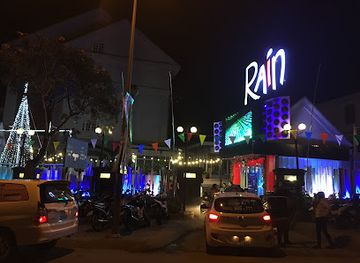
Rain Nightclub Dalat
Discover the ultimate nightlife experience at Rain Nightclub in Dalat, where music, dance, and fun come together in a vibrant atmosphere.
10 min walk · 0.8 km from neighbourhood centre
-
Bar
Le Retour
Experience the charm of Le Retour, a cozy wine club and bar in Da Lat, Vietnam, offering a diverse selection of exquisite wines and a welcoming atmosphere.
6 min walk · 0.5 km from neighbourhood centre



Best shops in Da Lat Center
Shopping in Da Lat Center is anchored by Da Lat Market and the surrounding streets, where the retail experience mixes everyday commerce with visitor-oriented goods. Market stalls display highland vegetables, flowers, strawberries, dried fruit, preserves, coffee and tea, alongside clothing, household items and souvenirs. The central lanes around Hoa Binh Square contain small fashion shops, bakeries, convenience stores and cafés rather than a single enclosed luxury shopping district. Visitors interested in local produce will find the market more revealing than polished retail spaces, although products and stall arrangements change with season and demand. The flower and agricultural identity of the plateau is particularly visible in the centre, where gifts and food products often reflect Da Lat’s farming economy. Bargaining is not equally expected everywhere, so it is sensible to observe how a stall operates before negotiating.
-
Night market
Da Lat Night Market
Explore the vibrant Da Lat Night Market for a culinary and cultural experience filled with local delights and handmade treasures.
2 min walk · 0.2 km from neighbourhood centre
-
Hypermarket
GO! Da Lat
Discover the best of local and international products at GO! Da Lat, your go-to hypermarket in the heart of Vietnam's picturesque city.
10 min walk · 0.8 km from neighbourhood centre
-
Book store
Phuong Nam Bookstore and Stationery
Explore the literary treasures of Phuong Nam Bookstore in Da Lat, where a love for books meets a cozy ambiance and local charm.
14 min walk · 1.1 km from neighbourhood centre
-
Shopping mall
Maika Dalat Center
Experience the charm of Vietnamese shopping and culture at Maika Dalat Center, a vibrant mall in the heart of Da Lat.
5 min walk · 0.4 km from neighbourhood centre


Da Lat Center essentials
Getting There
Getting Around
Safety
Emergency Situations
Do's and Don'ts
Local Tips

From Eve
Local phrases worth knowing
You don't need to get them perfect. A few words go a long way, and locals appreciate the effort.
Basics
| English | Local | Say it |
|---|---|---|
| Hello | Xin chào | [sin chow] |
| Goodbye | Tạm biệt | [tahm byet] |
| Yes | Có | [koh] |
| No | Không | [kohng] |
| Please/You're welcome | Xin vui lòng | [sin vwee long] |
| Thank you | Cảm ơn | [kahm uhn] |
| Excuse me/Sorry | Xin lỗi | [sin loy] |
| How are you? | Bạn khỏe không? | [bahn kweh kohng] |
| Fine. And you? | Khỏe. Còn bạn? | [kweh. kohn bahn] |
| Do you speak English? | Bạn có nói tiếng Anh không? | [bahn koh noy tyeng ahn kohng] |
| I don't understand | Tôi không hiểu | [toy kohng hyew] |
Eating & Drinking
| English | Local | Say it |
|---|---|---|
| I'd like to see the menu, please | Tôi muốn xem menu, vui lòng | [toy mwohn sem menu, vwee long] |
| I don't eat meat | Tôi không ăn thịt | [toy kohng an tit] |
| Cheers! | Chúc sức khỏe! | [chook sook kweh] |
| I would like to pay, please | Tôi muốn thanh toán, vui lòng | [toy mwohn thanh toan, vwee long] |
Emergencies
| English | Local | Say it |
|---|---|---|
| Help! | Cứu! | [kyoo] |
| Go away! | Đi đi! | [dee dee] |
| Call the Police! | Gọi cảnh sát! | [goy kahng saht] |
| Call a doctor! | Gọi bác sĩ! | [goy bahk see] |
| I'm lost | Tôi bị lạc | [toy bee lahk] |
| I'm ill | Tôi ốm | [toy ohm] |
Shopping
| English | Local | Say it |
|---|---|---|
| I'd like to buy... | Tôi muốn mua... | [toy mwohn mwa] |
| I'm just looking | Tôi chỉ xem | [toy chee sem] |
| How much is it? | Nó giá bao nhiêu? | [noh zah bao nyew] |
| That's too expensive | Đắt quá | [dat kwah] |
| Can you lower the price? | Bạn có thể giảm giá không? | [bahn koh te zahm zah kohng] |
Time & Numbers
| English | Local | Say it |
|---|---|---|
| What time is it? | Bây giờ là mấy giờ? | [bay zoh la may zoh] |
| It's one o'clock | Bây giờ là một giờ | [bay zoh la moht zoh] |
| Half past (10) | Mười giờ nửa | [mooee zoh nwa] |
| Morning | Buổi sáng | [bwoy sahng] |
| Afternoon | Buổi chiều | [bwoy chee-ew] |
| Evening | Buổi tối | [bwoy toy] |
| Yesterday | Hôm qua | [hohm kwah] |
| Today | Hôm nay | [hohm ny] |
| Tomorrow | Ngày mai | [nye mai] |
| 1 | Một | [moht] |
| 2 | Hai | [hai] |
| 3 | Ba | [ba] |
| 4 | Bốn | [bon] |
| 5 | Năm | [nahm] |
| 6 | Sáu | [sow] |
| 7 | Bảy | [bahy] |
| 8 | Tám | [tahm] |
| 9 | Chín | [cheen] |
| 10 | Mười | [mooee] |
Transport & Directions
| English | Local | Say it |
|---|---|---|
| Where's a/the...? | Chỗ...ở đâu? | [cho oh dow] |
| What's the address? | Địa chỉ là gì? | [dee-a chi la zee] |
| Can you show me (on the map)? | Bạn có thể chỉ cho tôi (trên bản đồ) không? | [bahn koh te chee cho toy (tren bahn doh) kohng] |
| When's the next (bus)? | Khi nào có chuyến xe buýt kế tiếp? | [khee now koh choo-ee-en se byut keh tyep] |
| A ticket (to ....) | Một vé (đi đến ...) | [moht veh (dee den)] |
History of Da Lat Center
From Plateau to Resort
The Da Lat area was developed as a highland retreat during the French colonial period after European interest in the Lang Biang Plateau grew in the late nineteenth century. Surveying and planning expanded from the 1890s, with the cooler climate encouraging the creation of villas, administrative buildings, roads and public spaces. The central area gradually became the settlement’s commercial and civic focus, while the surrounding hills retained agricultural and forested land. Da Lat’s identity was therefore shaped from the outset by a combination of resort planning, local commerce and the environmental appeal of the plateau.
A Planned Colonial Centre
During the first half of the twentieth century, Da Lat developed as a resort town with a town centre planned around public institutions, markets, hotels and the lake. French architectural influence appeared in villas, churches and civic buildings, although the built environment was never exclusively European. Da Lat Cathedral, completed in 1931, became one of the central area’s most recognisable landmarks, while the railway connection to Thap Cham, opened in stages and completed in the 1930s, strengthened the town’s role as a destination. The central streets increasingly linked tourism, administration and the daily trade of the growing settlement.
Market and Civic Renewal
Da Lat Market became increasingly important as the city expanded and its central commercial district took shape. The present market complex is associated with post-colonial rebuilding and the modernisation of the centre during the mid-twentieth century, when concrete civic and commercial architecture joined the earlier villas and religious buildings. After the end of the war in 1975, Da Lat continued to serve as a regional centre for agriculture, education and tourism. The central market, surrounding shopping streets and lakefront remained closely tied to everyday life rather than being preserved solely as a historic scene.
A Contemporary Tourist Core
In recent decades, Da Lat Center has absorbed rapid growth in domestic and international tourism while retaining its role as the city’s main marketplace and meeting place. Cafés, small hotels, restaurants and souvenir shops have multiplied around the traditional commercial streets, and public spaces such as Lam Vien Square have added contemporary landmarks beside Xuan Huong Lake. The result is a changing centre in which market traditions, highland produce, coffee culture and older architecture coexist with new construction and heavier traffic. This layered character is central to understanding Da Lat today.
Da Lat Center in Photos
Browse through our photo collection highlighting the charm and character of the destination.
Neighbourhoods near Da Lat Center
The closest neighbourhoods to Da Lat Center, if you have time for more than one stop.
-

-

-

-


Swipe for more neighbourhoods
Explore more

Explore more of Dalat
Dalat blends cool highland air, French-era architecture, flower gardens, waterfalls and Vietnamese coffee culture with memorable highland sightseeing.
Explore Dalat