

District 10 (Ho Chi Minh City) Travel Guide - Free
Explore District 10 in Ho Chi Minh City with Evendo's free guide. Find the best shops, historic streets, restaurants, and gems on web or mobile.


District 10, Ho Chi Minh City, combines Buddhist pagodas, FITO Museum, Le Thi Rieng Park, local food streets and everyday Saigon culture.
A Central District with a Local Rhythm
District 10 sits just west of Ho Chi Minh City's historic core, between the more formal avenues of District 3 and the Chinese-Vietnamese commercial districts of Districts 5 and 11. It is a predominantly urban neighbourhood of busy arterial roads, tightly packed side streets, apartment blocks, family homes, hospitals, schools and small businesses. The district feels less staged for sightseeing than the central quarters, which makes its everyday rhythm part of the attraction: coffee on pavements, soup kitchens and noodle shops opening early, scooters threading through lanes, and family-run businesses continuing behind narrow frontages.Read more about District 10
Pagodas, Memory and Green Space
Food Streets and Evening Culture
Best attractions in District 10
District 10's attractions are varied rather than concentrated in one pedestrian precinct. FITO Museum, the Museum of Traditional Vietnamese Medicine, presents an extensive collection of medicinal objects, books and furnishings in a purpose-built wooden setting, offering context for Vietnamese healing traditions. Viet Nam Quoc Tu Pagoda, on 3 Thang 2 Street, is one of the district's most recognisable religious buildings, while An Quang Pagoda provides another important window into local Buddhist life. Le Thi Rieng Park brings open space, paths and family recreation to a dense urban area, and Hoa Binh Theatre contributes a performing-arts venue to the neighbourhood's cultural landscape. Between these destinations, the districts's main roads and side lanes are attractions in their own right, revealing cafés, food stalls, shopfront shrines and the practical rhythm of everyday Ho Chi Minh City.
-
Tourist attraction
Bui Vien Walking Street
Experience the vibrant nightlife and rich culture of Ho Chi Minh City at Bui Vien Walking Street, a must-visit for all travelers.
7 min drive · 2.2 km from neighbourhood centre
-
Tourist attraction
September 23rd Park
Experience the tranquility of September 23rd Park, a green haven in the heart of Ho Chi Minh City, blending nature with local culture.
6 min drive · 2.0 km from neighbourhood centre
-
Tourist attraction
White Rabbit Amusement Park
Discover the excitement of White Rabbit Amusement Park, a thrilling amusement park in Ho Chi Minh City, perfect for families and adventure seekers alike.
6 min drive · 2.1 km from neighbourhood centre
-
Tourist attraction
Lake Park Ky Hoa
Experience the serene beauty of Lake Park Ky Hoa, a tranquil oasis in the heart of Ho Chi Minh City with lush greenery and a picturesque lake.
10 min walk · 0.8 km from neighbourhood centre


Best landmarks in District 10
Viet Nam Quoc Tu Pagoda is District 10's most prominent architectural landmark, with its tall, multi-level form making it visible from the busy 3 Thang 2 corridor and marking the continuing importance of Buddhism in the district. An Quang Pagoda is another significant religious site, recognised for its connection with Buddhist study and community activity in Ho Chi Minh City. FITO Museum is notable not only for its collection but also for its traditional Vietnamese architectural language and timber interiors, which distinguish it from the surrounding concrete streetscape. Le Thi Rieng Park is a landmark of a different kind: its greenery and recreational grounds provide a substantial public landscape within a tightly developed district. Hoa Binh Theatre represents the area's institutional cultural infrastructure, linking District 10's everyday commercial life with the city's performing-arts tradition.
-
Theme park
White Rabbit Amusement Park
Discover fun and excitement for all ages at White Rabbit Amusement Park, the premier amusement destination in Ho Chi Minh City, Vietnam.
6 min drive · 2.1 km from neighbourhood centre
-
Park
Lake Park Ky Hoa
Explore the lush landscapes and vibrant culture of Lake Park Ky Hoa, a peaceful retreat in the heart of Ho Chi Minh City.
10 min walk · 0.8 km from neighbourhood centre
-
Monument
Đài tưởng niệm Bồ tát Thích Quảng Đức
Explore the rich history and cultural significance of the Ho Chi Minh City Memorial, a poignant tribute to Vietnam's spiritual heritage and resilience.
5 min drive · 1.6 km from neighbourhood centre
-
Place of worship
Ha Chuong Assembly Hall
Explore Ha Chuong Assembly Hall, a cultural gem in Ho Chi Minh City, showcasing stunning architecture and vibrant local traditions.
7 min drive · 2.4 km from neighbourhood centre


Explore District 10 on the map
A handpicked selection of must-see spots in District 10, mapped for you.
Best hotels in District 10
Best restaurants in District 10
District 10 has one of Ho Chi Minh City's most useful dining landscapes for visitors who want to eat where residents live and work. Nguyen Tri Phuong Street is associated with a wide range of Vietnamese meals, snacks and desserts, while Ba Thang Hai Street and the lanes leading off it offer everything from cơm and noodle dishes to hotpot, grilled food, chè and coffee. The district's dense mixture of homes, schools, hospitals and offices sustains breakfast stalls, modest family restaurants and evening venues rather than a single formal dining quarter. Visitors will encounter southern Vietnamese flavours alongside dishes and cooking styles brought by people from other parts of the country. Menus can be informal and seating is often close to the pavement, so observing local ordering habits is part of the experience; individual businesses and opening arrangements change, making local checks sensible.
-
Buffet
SPICY BOX VAN HANH MALL
Discover a world of flavors at Spicy Box Van Hanh Mall, Ho Chi Minh City's ultimate buffet destination offering diverse culinary delights.
7 min walk · 0.6 km from neighbourhood centre
-
Restaurant
Hoang Ty Restaurant
Discover authentic Vietnamese flavors at Hoang Ty Restaurant in Ho Chi Minh City’s lively District 10.
16 min walk · 1.3 km from neighbourhood centre
-
Asian
Nhà hàng Đất Sét
Discover the rich flavors of Vietnamese cuisine at Nhà hàng Đất Sét, where every dish tells a story in an inviting bistro setting.
10 min walk · 0.8 km from neighbourhood centre
-
Steak
Cow Express
Experience the best steak and American cuisine at Cow Express in Ho Chi Minh City - A must-visit culinary destination!
10 min walk · 0.8 km from neighbourhood centre


Best bars in District 10
District 10's nightlife is generally social and food-oriented rather than dominated by large nightclubs. After dark, restaurants, Vietnamese beer venues, dessert shops and cafés become meeting places along Ba Thang Hai, Nguyen Tri Phuong and the larger connecting roads. Some establishments cater to groups with lively conversation and televised sport, while quieter cafés suit a slower evening away from the central tourist districts. Hoa Binh Theatre adds a formal performance option when a suitable programme is scheduled, and nearby cultural venues may provide occasional music or stage entertainment. The neighbourhood's busiest streets remain active late, but much of District 10 is residential, so nightlife varies significantly from one block to the next. Visitors should keep noise down in narrow lanes and confirm current programmes or opening arrangements locally rather than assuming a venue operates every night.
-
Bar
X-Pose Beer Club & Buffet
Experience the vibrant nightlife of Ho Chi Minh City at X-Pose Beer Club & Buffet, where delicious food and refreshing drinks await.
16 min walk · 1.3 km from neighbourhood centre
-
Beer Garden
The Gangs Hoả Xa
Discover the vibrant atmosphere of The Gangs Hoả Xa, a top beer garden in Ho Chi Minh City, offering delicious food, drinks, and live entertainment.
9 min walk · 0.7 km from neighbourhood centre
-
Bar
Bjs Beer Garden
Discover the vibrant nightlife at Bjs Beer Garden, where a diverse selection of drinks and a lively atmosphere await in Ho Chi Minh City.
9 min walk · 0.7 km from neighbourhood centre
-
Cocktail bar
CAPY - Cocktail Bar
Discover the vibrant flavors of CAPY Cocktail Bar, a cocktail haven in Ho Chi Minh City, offering innovative drinks and a lively atmosphere.
8 min walk · 0.6 km from neighbourhood centre


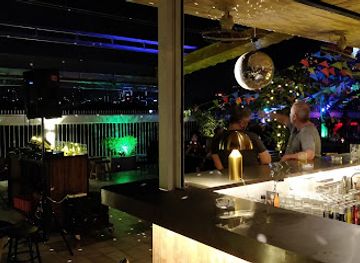
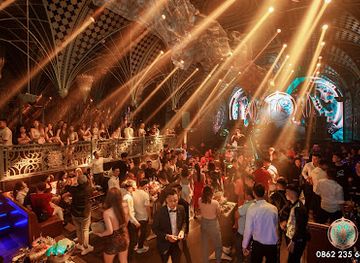
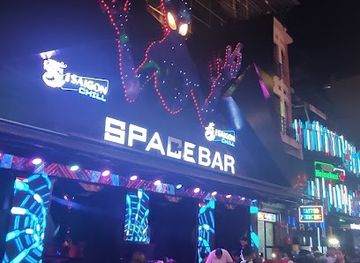
Best nightclubs in District 10
District 10's nightlife is generally social and food-oriented rather than dominated by large nightclubs. After dark, restaurants, Vietnamese beer venues, dessert shops and cafés become meeting places along Ba Thang Hai, Nguyen Tri Phuong and the larger connecting roads. Some establishments cater to groups with lively conversation and televised sport, while quieter cafés suit a slower evening away from the central tourist districts. Hoa Binh Theatre adds a formal performance option when a suitable programme is scheduled, and nearby cultural venues may provide occasional music or stage entertainment. The neighbourhood's busiest streets remain active late, but much of District 10 is residential, so nightlife varies significantly from one block to the next. Visitors should keep noise down in narrow lanes and confirm current programmes or opening arrangements locally rather than assuming a venue operates every night.
-
Club
The Observatory
Experience the vibrant nightlife at The Observatory, where stunning views and electrifying music meet in the heart of Ho Chi Minh City.
6 min drive · 1.9 km from neighbourhood centre
-
Night club
New DC Club
Discover the heart of Ho Chi Minh City's nightlife at New DC Club, where unforgettable experiences await every night.
5 min drive · 1.7 km from neighbourhood centre
-
Night club
Double Lounge Saigon
Experience the vibrant nightlife at Double Lounge Saigon, where eclectic music and creative cocktails create unforgettable nights in Ho Chi Minh City.
13 min walk · 1.1 km from neighbourhood centre
-
Night club
Space Bar Club
Dive into the vibrant nightlife at Space Bar Club in Ho Chi Minh City, where music, dance, and unforgettable memories await every night.
6 min drive · 2.0 km from neighbourhood centre

Best shops in District 10
Shopping in District 10 is primarily practical, local and street-based rather than centred on a landmark retail boulevard. The major roads contain pharmacies, clothing shops, mobile-phone sellers, household businesses, cafés and small specialist retailers, while side streets reveal the compact storefronts that support the neighbourhood's residential population. Hùng Vương Plaza, near the district's western side, provides a more conventional shopping and entertainment environment, although its position should be checked carefully against the boundaries of adjacent District 5. Food shopping is especially visible in the morning, with fresh ingredients and prepared snacks sold through local markets and independent vendors. Visitors are more likely to find everyday Vietnamese goods, modest clothing, accessories and household products than a concentrated selection of souvenirs or international luxury brands. Bargaining varies by shop, so a courteous enquiry is preferable to assuming every price is negotiable.
-
Shopping mall
Van Hanh Mall
Experience the energy of Van Hanh Mall, a premier shopping destination in Ho Chi Minh City, blending local culture with international brands.
7 min walk · 0.6 km from neighbourhood centre
-
Clothing store
YaMe.vn
Discover the latest fashion trends at YaMe.vn, a vibrant clothing store in Ho Chi Minh City, offering stylish apparel and unique local designs.
10 min walk · 0.8 km from neighbourhood centre
-
Vintage clothing store
VẠC
Explore Ho Chi Minh City's vintage goldmine at VẠC, where retro fashion comes to life with unique styles and timeless pieces.
11 min walk · 0.9 km from neighbourhood centre
-
Gift shop
Yêu Là Đủ Shop
Explore Yêu Là Đủ Shop in Ho Chi Minh City for unique gifts and souvenirs reflecting Vietnam's rich culture and artistry.
7 min walk · 0.6 km from neighbourhood centre


District 10 essentials
Getting There
Getting Around
Safety
Emergency Situations
Do's and Don'ts
Local Tips

From Eve
Local phrases worth knowing
You don't need to get them perfect. A few words go a long way, and locals appreciate the effort.
Basics
| English | Local | Say it |
|---|---|---|
| Hello | Xin chào | [sin chow] |
| Goodbye | Tạm biệt | [tam byet] |
| Yes | Có | [koh] |
| No | Không | [khome] |
| Please/You're welcome | Làm ơn | [lam urn] |
| Thank you | Cảm ơn | [gam uhn] |
| Excuse me/Sorry | Xin lỗi | [sin loy] |
| How are you? | Bạn khỏe không? | [bun kwee khome?] |
| Fine. And you? | Khỏe. Còn bạn? | [kwee. kawn bun?] |
| Do you speak English? | Bạn có nói tiếng Anh không? | [bun koh noi tyeng ang khome?] |
| I don't understand | Tôi không hiểu | [toy khome hye-u] |
Eating & Drinking
| English | Local | Say it |
|---|---|---|
| I'd like to see the menu, please | Tôi muốn xem menu, làm ơn | [toy muhn sem menu, lam urn] |
| I don't eat meat | Tôi không ăn thịt | [toy khome un tit] |
| Cheers! | Chúc sức khỏe! | [chuck sook kwee] |
| I would like to pay, please | Tôi muốn thanh toán, làm ơn | [toy muhn thanh toan, lam urn] |
Emergencies
| English | Local | Say it |
|---|---|---|
| Help! | Giúp! | [joop] |
| Go away! | Đi đi! | [dee dee] |
| Call the Police! | Gọi cảnh sát! | [g-oi keng sat] |
| Call a doctor! | Gọi bác sĩ! | [g-oi back see] |
| I'm lost | Tôi lạc đường | [toy lak doong] |
| I'm ill | Tôi ốm | [toy ohm] |
Shopping
| English | Local | Say it |
|---|---|---|
| I'd like to buy... | Tôi muốn mua... | [toy muhn mwa] |
| I'm just looking | Tôi chỉ xem | [toy chi sem] |
| How much is it? | Bao nhiêu tiền? | [bow nyew tyen?] |
| That's too expensive | Đắt quá | [dat kwa] |
| Can you lower the price? | Có thể giảm giá không? | [koh te ziam zia khome?] |
Time & Numbers
| English | Local | Say it |
|---|---|---|
| What time is it? | Bây giờ là mấy giờ? | [bay zoi la may zoi] |
| It's one o'clock | Một giờ | [moot zoi] |
| Half past (10) | Mười giờ mười phút | [moo-ee zoi moo-ee foot] |
| Morning | Buổi sáng | [bu-oi sang] |
| Afternoon | Buổi chiều | [bu-oi chee-oo] |
| Evening | Buổi tối | [bu-oi toy] |
| Yesterday | Hôm qua | [home qua] |
| Today | Hôm nay | [home nai] |
| Tomorrow | Ngày mai | [nai mai] |
| 1 | Một | [moot] |
| 2 | Hai | [high] |
| 3 | Ba | [baa] |
| 4 | Bốn | [bon] |
| 5 | Năm | [nahm] |
| 6 | Sáu | [sow] |
| 7 | Bảy | [byee] |
| 8 | Tám | [tahm] |
| 9 | Chín | [cheen] |
| 10 | Mười | [moo-ee] |
Transport & Directions
| English | Local | Say it |
|---|---|---|
| Where's a/the...? | Chỗ/Địa chỉ...ở đâu? | [cho/da chee... uh dow?] |
| What's the address? | Địa chỉ là gì? | [da chee la zi?] |
| Can you show me (on the map)? | Bạn có thể chỉ cho tôi (trên bản đồ) không? | [bun koh te chi cho toy (tran bun do) khome?] |
| When's the next (bus)? | Khi nào là chuyến xe buýt tiếp theo? | [khi now la chuyen se buet tyep theo?] |
| A ticket (to ....) | Một vé (đi ...) | [moot vee (dee ...)] |
History of District 10
From Villages to Urban Saigon
Before twentieth-century urban expansion, the area now recognised as District 10 consisted largely of village land, gardens, paths and scattered settlement beyond Saigon's older central quarters. Its position west of the historic core placed it along routes connecting the city with surrounding districts and market areas. As Saigon expanded during the colonial and later South Vietnamese periods, roads were widened, residential construction increased and previously semi-rural land was absorbed into the continuous urban fabric. The area's present character therefore reflects gradual incorporation rather than a single founding event, with older religious sites and local institutions remaining among the clearest reminders of its earlier landscape.
Roads, Institutions and Dense Settlement
During the mid-twentieth century, the district's growth accelerated as Saigon's population increased and major roads such as 3 Thang 2, Ba Thang Hai and Ly Thuong Kiet became important urban corridors. Housing, schools, medical institutions, markets and small workshops filled the spaces between them, creating the compact mixture of uses visible today. Religious institutions, including Buddhist pagodas, served not only as places of worship but also as centres of education and community life. The resulting district was neither a purely commercial quarter nor an exclusively residential suburb: it developed as a practical, interconnected part of the expanding city.
Post-1975 Reorganisation and Continuity
After 1975, Ho Chi Minh City's administrative and social landscape was reorganised, while District 10 continued to develop as a densely settled inner urban district. Existing homes and religious buildings stood alongside public institutions, new apartment projects and commercial premises, and the district's food and service economy adapted to changing patterns of city life. Later redevelopment brought busier traffic corridors, shopping complexes and upgraded public facilities without erasing the narrow lanes and family businesses that give many parts of the area their local texture. Contemporary District 10 is consequently a layered urban neighbourhood, shaped by post-war change as much as by pre-existing streets, institutions and communities.
District 10 in Photos
Browse through our photo collection highlighting the charm and character of the destination.
Neighbourhoods near District 10
The closest neighbourhoods to District 10, if you have time for more than one stop.
-

-

-

-


Swipe for more neighbourhoods
Explore more

Explore more of Ho Chi Minh City
Ho Chi Minh City blends French-colonial landmarks, lively markets, Southern Vietnamese cuisine and riverfront energy with layered history and culture.
Explore Ho Chi Minh City