

Downtown Roanoke (Roanoke) Travel Guide - Free
Explore Downtown Roanoke in Roanoke with Evendo's free guide. Find the best shops, historic streets, restaurants, and gems on web or mobile.


Downtown Roanoke pairs railroad heritage with the City Market, museums, mountain views, independent dining, live music and walkable Virginia city streets.
A Railway-Built Centre
Downtown Roanoke is the compact civic and cultural centre of Virginia’s Roanoke Valley, shaped by the railway industry that established the city as an important regional crossroads. Its streets extend around Market Street and the City Market area, where historic commercial buildings, civic institutions, restaurants and public spaces create a walkable urban core beneath the Blue Ridge foothills. The district is not a preserved historic quarter in isolation: it is a working centre where offices, apartments, museums, theatres, shops and locally run businesses occupy a changing city landscape.Read more about Downtown Roanoke
Museums, Markets and Public Spaces
Everyday Downtown Roanoke
Best attractions in Downtown Roanoke
Downtown Roanoke concentrates several of the city’s principal cultural attractions within a walkable central area. The Virginia Museum of Transportation occupies the former Norfolk and Western Passenger Station and displays locomotives, rolling stock, automobiles and aviation material, making the railway story tangible rather than purely architectural. Center in the Square combines science, natural-history and aquarium exhibits in a revitalised market building, while the Taubman Museum of Art presents changing exhibitions in a striking contemporary structure on Salem Avenue. Market Street and the surrounding City Market district provide the best setting for observing downtown life, with cafés, restaurants, public art and historic commercial façades. Elmwood Park adds lawns, paths and a substantial outdoor venue for concerts and civic events. The Roanoke Star and Mill Mountain are nearby city attractions, but they lie outside Downtown Roanoke and require a separate journey.
-
Park
Elmwood Park
Explore Elmwood Park in Roanoke, Virginia - a vibrant park offering green spaces, events, and local culture in the heart of the city.
5 min walk · 0.4 km from neighbourhood centre
-
Art museum
Taubman Museum of Art
Discover the Taubman Museum of Art, where contemporary creativity meets stunning architecture in the heart of Roanoke, Virginia.
4 min walk · 0.3 km from neighbourhood centre
-
Museum
Roanoke Pinball Museum
Experience the joy of pinball at the Roanoke Pinball Museum, where nostalgia and fun come together for all ages in Virginia.
2 min walk · 0.1 km from neighbourhood centre
-
Memorial park
Roanoke Valley War Memorial
Explore the Roanoke Valley War Memorial, a serene tribute to military valor in the heart of Virginia's historic downtown.
4 min walk · 0.3 km from neighbourhood centre


Best landmarks in Downtown Roanoke
The City Market Building is one of Downtown Roanoke’s defining landmarks, linking the present-day restaurant and cultural district with the area’s long commercial history. The former Norfolk and Western Passenger Station, now part of the Virginia Museum of Transportation, preserves a direct architectural connection to the railway company that made Roanoke a major industrial city. The Taubman Museum of Art is a landmark of a different kind: its angular contemporary design gives the central district a strong modern visual counterpoint to older commercial façades. The Hotel Roanoke, a historic railway-era hotel complex near the downtown core, remains an important civic and architectural presence, while Elmwood Park functions as a major public landmark through its lawns and performance setting. Mill Mountain’s illuminated Roanoke Star is a symbol of the city, but it stands outside the neighbourhood.
-
Heritage museum
Virginia Museum of Transportation, Inc.
Immerse yourself in the history of transportation at the Virginia Museum of Transportation, featuring vintage locomotives, classic cars, and interactive exhibits.
6 min walk · 0.5 km from neighbourhood centre
-
Arts organization
Center In The Square
Discover the heart of Roanoke's culture at Center In The Square, where art, community, and creativity come together in a vibrant atmosphere.
2 min walk · 0.1 km from neighbourhood centre
-
Local history museum
O. Winston Link & Roanoke History Museum
Uncover the captivating history of Roanoke at the O. Winston Link & Roanoke History Museum, where stunning photography meets engaging local stories.
5 min walk · 0.4 km from neighbourhood centre
-
Museum
Elmwood Park Art Walk
Explore the Elmwood Park Art Walk in Roanoke, VA—a vibrant outdoor gallery celebrating local art and culture amidst beautiful park scenery.
4 min walk · 0.3 km from neighbourhood centre


Explore Downtown Roanoke on the map
A handpicked selection of must-see spots in Downtown Roanoke, mapped for you.
Best hotels in Downtown Roanoke
Best restaurants in Downtown Roanoke
Downtown Roanoke’s dining scene is concentrated around Market Street, the City Market Building and adjoining blocks, where restaurants, cafés, bars and dessert spots occupy historic commercial premises and newer mixed-use spaces. The area supports a broad local pattern rather than one single cuisine: visitors will find Southern and Appalachian influences alongside burgers, Mexican dishes, contemporary American cooking, coffee and casual food suited to a museum or theatre outing. City Market’s long association with everyday commerce still informs the way people meet and eat downtown, while evening restaurants around Market Street give the central district much of its social energy. Individual venues and menus change, so current listings are worth checking before arranging a meal. Dining is generally more concentrated than in a suburban shopping area, with several options reachable on foot, but the most atmospheric tables may be affected by concerts, festivals and other downtown events.
-
American
BILLY’S
Experience exquisite American cuisine at Billy's in Downtown Roanoke—where tradition meets modern dining in an elegant setting.
3 min walk · 0.3 km from neighbourhood centre
-
Grill
Martin's Downtown
Experience vibrant dining at Martin's Downtown in Roanoke - where innovative grilling meets local flavors in an inviting atmosphere.
2 min walk · 0.2 km from neighbourhood centre
-
American
Beamer's 25
Experience vibrant American dining at Beamer's 25 in Downtown Roanoke—home of delicious hamburgers and lively entertainment.
8 min walk · 0.7 km from neighbourhood centre
-
American
202 Social House
Discover 202 Social House: A vibrant American restaurant and bar in Downtown Roanoke offering delicious cuisine and a lively atmosphere.
3 min walk · 0.2 km from neighbourhood centre



Best bars in Downtown Roanoke
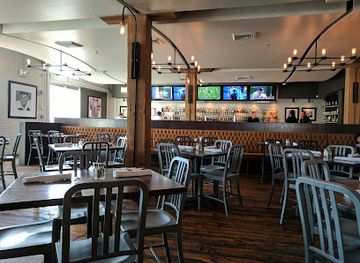
Downtown Roanoke’s evening scene is centred on restaurants with substantial bar offerings, traditional drinking places, live-music rooms and event venues around Market Street and the City Market blocks rather than on a large nightclub strip. The atmosphere can shift from quiet after-work drinks to a busy concert or festival crowd, particularly when Elmwood Park or a nearby theatre is hosting an event. Local bars often provide a place to hear regional performers, watch sport or continue a meal, while downtown’s cultural calendar adds performances beyond conventional nightlife. Visitors should distinguish venues in the central district from bars in adjacent neighbourhoods, as Roanoke’s entertainment areas are spread across the city. Check current event information and entry policies, use marked crossings between venues and remember that some downtown streets become noticeably calmer once offices close.
-
Grill
Martin's Downtown
Discover the vibrant taste of Roanoke at Martin's Downtown, where exceptional grill cuisine meets a lively atmosphere in the heart of the city.
2 min walk · 0.2 km from neighbourhood centre
-
American
202 Social House
Experience the best of American cuisine and vibrant social atmosphere at 202 Social House in Roanoke, Virginia.
3 min walk · 0.2 km from neighbourhood centre
-
American
Fork in the Market
Experience the heart of Roanoke at Fork in the Market, where delicious American comfort food meets a vibrant market atmosphere.
3 min walk · 0.2 km from neighbourhood centre
-
American
Lucky Restaurant
Experience exceptional American cuisine and delightful cocktails at Lucky Restaurant, a top dining destination in Downtown Roanoke, Virginia.
1 min walk · 0.1 km from neighbourhood centre


Best nightclubs in Downtown Roanoke
Downtown Roanoke’s evening scene is centred on restaurants with substantial bar offerings, traditional drinking places, live-music rooms and event venues around Market Street and the City Market blocks rather than on a large nightclub strip. The atmosphere can shift from quiet after-work drinks to a busy concert or festival crowd, particularly when Elmwood Park or a nearby theatre is hosting an event. Local bars often provide a place to hear regional performers, watch sport or continue a meal, while downtown’s cultural calendar adds performances beyond conventional nightlife. Visitors should distinguish venues in the central district from bars in adjacent neighbourhoods, as Roanoke’s entertainment areas are spread across the city. Check current event information and entry policies, use marked crossings between venues and remember that some downtown streets become noticeably calmer once offices close.
-
American
202 Social House
Experience the vibrant atmosphere and diverse menu at 202 Social House, the premier American restaurant and event venue in Downtown Roanoke.
3 min walk · 0.2 km from neighbourhood centre
-
Bar
Sidewinders
Experience the vibrant nightlife of Roanoke at Sidewinders, where delicious steaks and crafted cocktails create the perfect evening getaway.
1 min walk · 0.1 km from neighbourhood centre
-
Grill
The Front Row
Experience the vibrant flavors and lively atmosphere at The Front Row, Roanoke's favorite grill and bar, perfect for a delicious night out.
8 min walk · 0.6 km from neighbourhood centre
-
Lounge
213 Lux Lounge
Experience vibrant nightlife at 213 Lux Lounge in Roanoke, where cocktails, hookah, and music create an unforgettable evening.
3 min walk · 0.3 km from neighbourhood centre


Best shops in Downtown Roanoke
Shopping in Downtown Roanoke is compact and mixed-use rather than dominated by a single retail street. Market Street and the City Market area contain independent boutiques, gift shops, galleries, specialist stores and businesses that support the district’s dining and cultural life, while museum shops provide books, design objects and gifts connected to art, science and regional history. The commercial character changes from block to block: some premises serve office workers and residents, while others are oriented towards visitors attending museums, performances or seasonal events. The City Market’s historic identity remains important even though modern downtown retail is not the same as a traditional produce market. Visitors seeking broader high-street or mall shopping will need to travel beyond the neighbourhood, but Downtown Roanoke is more rewarding for locally oriented browsing, small businesses, art-related purchases and products connected with the city’s railway and Appalachian setting.
-
General store
Mast General Store Roanoke
Experience the spirit of Roanoke at Mast General Store, your one-stop shop for outdoor gear, clothing, and local treasures.
1 min walk · 0.1 km from neighbourhood centre
-
Women's clothing store
La De Da
Explore La De Da in Downtown Roanoke for unique women's clothing, stylish accessories, and exquisite home goods that reflect local artistry.
2 min walk · 0.2 km from neighbourhood centre
-
Women's clothing store
She's International Boutique
Explore She's International Boutique in Downtown Roanoke for unique women's clothing, exquisite jewelry, and fashion accessories that celebrate individuality.
3 min walk · 0.3 km from neighbourhood centre
-
Clothing store
Gypsy Palooza
Explore Gypsy Palooza for unique clothing and artistic treasures in Downtown Roanoke, Virginia, where fashion meets creativity.
2 min walk · 0.2 km from neighbourhood centre


Downtown Roanoke essentials
Getting There
Getting Around
Safety
Emergency Situations
Do's and Don'ts
Local Tips

From Eve
Local phrases worth knowing
You don't need to get them perfect. A few words go a long way, and locals appreciate the effort.
Basics
| English | Local | Say it |
|---|---|---|
| Hello | Howdy | [haw-dee] |
| Goodbye | See ya | [see yah] |
| Yes | Yeah | [yeh] |
| No | Nah | [nah] |
| Please/You're welcome | Please/No problem | [pleez/no prob-lem] |
| Thank you | Thanks | [thanks] |
| Excuse me/Sorry | Pardon me/My bad | [par-dun me/my bad] |
| How are you? | How y'all doin'? | [how y'all doin'] |
| Fine. And you? | Good. How 'bout you? | [good. how 'bout yah] |
| Do you speak English? | Y'all speak English? | [y'all speak english] |
| I don't understand | I ain't gettin' it | [I ain't get-tin' it] |
Eating & Drinking
| English | Local | Say it |
|---|---|---|
| I'd like to see the menu, please | Show me the menu, please | [show me the menu, please] |
| I don't eat meat | I don't eat meat | [I don't eat meat] |
| Cheers! | Cheers! | [cheers] |
| I would like to pay, please | Check, please | [check, please] |
Emergencies
| English | Local | Say it |
|---|---|---|
| Help! | Help! | [help] |
| Go away! | Get lost! | [get lost] |
| Call the Police! | Call the cops! | [call the cops] |
| Call a doctor! | Get a doc! | [get a doc] |
| I'm lost | I'm lost | [I'm lost] |
| I'm ill | I'm sick | [I'm sick] |
Shopping
| English | Local | Say it |
|---|---|---|
| I'd like to buy... | I wanna buy... | [I wanna buy] |
| I'm just looking | Just lookin' | [just lookin'] |
| How much is it? | How much? | [how much] |
| That's too expensive | Too pricey | [too pricey] |
| Can you lower the price? | Can you do a deal? | [can you do a deal] |
Time & Numbers
| English | Local | Say it |
|---|---|---|
| What time is it? | What time is it? | [what time is it] |
| It's one o'clock | It's one | [it's one] |
| Half past (10) | Ten thirty | [ten thirty] |
| Morning | Morning | [morning] |
| Afternoon | Afternoon | [afternoon] |
| Evening | Evening | [evening] |
| Yesterday | Yesterday | [yesterday] |
| Today | Today | [today] |
| Tomorrow | Tomorrow | [tomorrow] |
| 1 | One | [one] |
| 2 | Two | [two] |
| 3 | Three | [three] |
| 4 | Four | [four] |
| 5 | Five | [five] |
| 6 | Six | [six] |
| 7 | Seven | [seven] |
| 8 | Eight | [eight] |
| 9 | Nine | [nine] |
| 10 | Ten | [ten] |
Transport & Directions
| English | Local | Say it |
|---|---|---|
| Where's a/the...? | Where's...? | [where's] |
| What's the address? | What's the address? | [what's the address] |
| Can you show me (on the map)? | Show me (on the map) | [show me (on the map)] |
| When's the next (bus)? | When's the next (bus)? | [when's the next (bus)] |
| A ticket (to ....) | A ticket (to ....) | [a ticket (to ....)] |
History of Downtown Roanoke
Before the Railway City
The area now understood as Downtown Roanoke developed within the wider Roanoke Valley, whose earlier history included Indigenous presence, agricultural land use and small settlements connected by regional roads. A decisive change came in the nineteenth century when railway construction linked the valley to expanding commercial networks. The settlement known as Big Lick grew around those connections, and its position between the Blue Ridge and Allegheny regions gave the emerging town an importance far beyond its local population. Downtown’s later street plan, commercial concentration and civic role all grew from this transport-oriented beginning.
Norfolk and Western Transformations
In the 1880s, the arrival and expansion of the Norfolk and Western Railway transformed Big Lick into the incorporated city of Roanoke. Railway shops, offices and related businesses created employment, attracted new residents and concentrated commercial activity around the central district. Roanoke became closely associated with locomotive manufacture, repair and operation, and the railway helped shape its civic identity as well as its economy. The passenger station, industrial facilities and company institutions formed a built environment whose surviving traces remain central to understanding Downtown Roanoke.
A Regional Commercial Centre
During the late nineteenth and twentieth centuries, downtown developed as the Roanoke Valley’s principal shopping, banking, administrative and entertainment centre. Market Street and the City Market area served everyday commerce, while theatres, department stores, offices and public buildings drew people from surrounding communities. Improvements to roads and the spread of suburban retail later reduced downtown’s dominance, as happened in many American cities, but its concentration of civic institutions and historic commercial buildings preserved its regional significance.
Cultural Renewal and Adaptive Reuse
From the late twentieth century onwards, redevelopment efforts increasingly treated downtown’s historic buildings and railway associations as assets rather than remnants of a declining commercial era. The former Norfolk and Western Passenger Station became home to the Virginia Museum of Transportation, while projects around the City Market district and former market buildings created space for museums, restaurants, offices and public events. The Taubman Museum of Art, opened in 2008, added a major contemporary cultural institution. These changes have made Downtown Roanoke more visitor-oriented while retaining its role as a working civic centre.
Downtown Roanoke in Photos
Browse through our photo collection highlighting the charm and character of the destination.
Neighbourhoods near Downtown Roanoke
The closest neighbourhoods to Downtown Roanoke, if you have time for more than one stop.
-

-


Swipe for more neighbourhoods
Explore more

Explore more of Roanoke
Roanoke, Virginia combines Blue Ridge scenery, railway heritage, museums, local food and the famous Mill Mountain Star in an Appalachian city.
Explore Roanoke