

Free Eau Claire Travel Guide & Mobile App
Plan your Eau Claire trip with Evendo. Get free guides to top attractions, restaurants, hotels, and bars. Web access or download the mobile app.


Eau Claire, Wisconsin blends Chippewa River scenery, lumber heritage, live music, galleries, local food and welcoming small-city culture in northwest Wisconsin.
Where the Rivers Shape the City
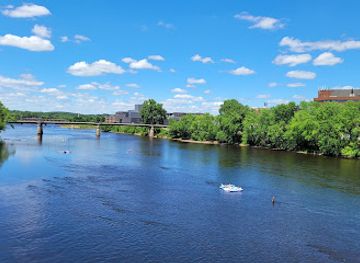
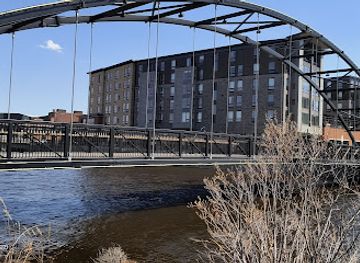
Eau Claire lies in west-central Wisconsin, where the Eau Claire and Chippewa rivers meet amid wooded hills, former timber country and fertile river valleys. The waterways remain central to the city’s identity: Phoenix Park occupies a prominent confluence downtown, while riverside trails, wooded parks and the Chippewa River State Trail create an easy connection between urban exploration and the surrounding landscape. Eau Claire is compact enough for visitors to understand on foot, yet its neighbourhoods and cultural venues offer more depth than a brief stop might suggest.Read more about Eau Claire
Lumber, Culture and Contemporary Life
Parks, Trails and Four-Season Escapes
When is the best time to visit Eau Claire?
Best: June, August–September · 21–26°C| Month | High (°C) | Rainfall (mm) |
|---|---|---|
| January | -4 | 31 |
| February | -1 | 25 |
| March | 7 | 36 |
| April | 15 | 56 |
| May | 21 | 81 |
| June (best) | 26 | 102 |
| July | 28 | 97 |
| August (best) | 26 | 97 |
| September (best) | 21 | 81 |
| October | 14 | 56 |
| November | 6 | 46 |
| December | 0 | 36 |
Getting to and around Eau Claire
How to get there
Transportation
Best attractions in Eau Claire
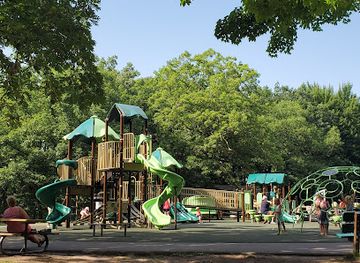
Eau Claire’s attractions are closely tied to its rivers, parks and timber past. Phoenix Park is the natural downtown starting point, with open lawns, the farmers’ market in season and views towards the confluence of the Eau Claire and Chippewa rivers. Across town, Carson Park combines wooded paths and recreational space with the Chippewa Valley Museum, which interprets local social and industrial history, and the Paul Bunyan Logging Camp, where reconstructed buildings evoke the work of a nineteenth-century logging crew. The Pablo Center at the Confluence brings theatre, music, dance and cultural events to the riverfront, adding a contemporary counterpoint to the museums. Outdoors, the Chippewa River State Trail extends west from the city for cycling, walking and cross-country skiing, while Half Moon Lake and nearby parks provide opportunities for paddling and quiet shoreline views. Baseball supporters may also know Carson Park for its historic municipal ballpark and summer games.
-
Tourist attraction
Phoenix Park
Explore the scenic beauty and vibrant community spirit of Phoenix Park in Eau Claire, Wisconsin, an essential destination for nature lovers and tourists alike.
12 min walk · 0.9 km from city centre
-
Tourist attraction
Carson Park
Discover Carson Park, a stunning urban oasis in Eau Claire, Wisconsin, offering lush landscapes, recreational activities, and a glimpse into local history.
7 min drive · 2.4 km from city centre
-
Tourist attraction
Phoenix Park
Discover the natural beauty and vibrant culture of Phoenix Park, a scenic gem in Eau Claire with lush landscapes and community events.
12 min walk · 0.9 km from city centre
-
Tourist attraction
Carson Park
Discover the natural beauty and rich history of Carson Park in Eau Claire, Wisconsin, a perfect destination for outdoor enthusiasts and family adventures.
7 min drive · 2.4 km from city centre


Best landmarks in Eau Claire
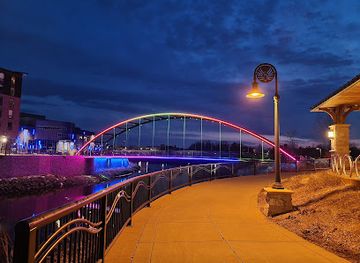
Eau Claire’s most meaningful landmarks reveal how the city grew from a river settlement into a modern cultural centre. Phoenix Park marks the meeting of the Eau Claire and Chippewa rivers and has become a civic symbol of the city’s relationship with water. The Pablo Center at the Confluence, with its prominent riverfront position, represents a newer chapter in downtown cultural development. In Carson Park, the Chippewa Valley Museum and Paul Bunyan Logging Camp preserve the memory of the lumber economy through collections, interpreted buildings and reconstructed working spaces. Historic commercial blocks in the downtown core and older residential streets provide quieter evidence of nineteenth- and early twentieth-century growth. Carson Park’s municipal baseball ground is another local landmark, linking recreation with long-standing community tradition. Together, these places explain Eau Claire through landscape, industry, performance and public life rather than through a single monumental building.
-
Park
Phoenix Park
Discover the natural beauty and vibrant community events at Phoenix Park, a serene urban oasis on the banks of the Chippewa River in Eau Claire.
12 min walk · 0.9 km from city centre
-
Amusement center
Action City
Experience unparalleled fun and excitement at Action City, Eau Claire's ultimate amusement center with laser tag, arcade games, and more for the whole family.
19 min drive · 6.4 km from city centre
-
Children's museum
Children’s Museum of Eau Claire
Explore, learn, and play at the Children's Museum of Eau Claire – a family-friendly attraction with interactive exhibits and endless fun in downtown Eau Claire.
9 min walk · 0.7 km from city centre
-
Hotel
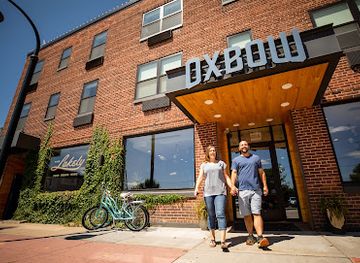
The Oxbow Hotel
Experience the unique blend of comfort and local culture at The Oxbow Hotel in downtown Eau Claire, Wisconsin, your gateway to vibrant adventures.
7 min walk · 0.5 km from city centre
Explore Eau Claire on the map
Plan your Eau Claire trip on one map. See where the top attractions, landmarks, restaurants, bars and hotels are, find what's near where you're staying, and book hotels and experiences in a few clicks.
Best hotels in Eau Claire
Best restaurants in Eau Claire
Eau Claire’s food culture reflects west-central Wisconsin’s farm country, Midwestern comfort cooking and an increasingly confident independent dining scene. Cheese curds, burgers, bratwurst, fish fries and traditional Friday-night supper-club fare sit alongside modern cafés, breweries and restaurants that use seasonal produce, grains and locally sourced meat when available. Downtown, Water Street and the blocks around the Pablo Center offer the broadest concentration of casual restaurants, coffee shops and places suited to an evening meal, while food trucks and seasonal markets add variety in warmer months. Bakery counters and cafés provide an easy introduction to everyday local eating, and Wisconsin’s dairy tradition appears in cheeses, ice cream and creamy dishes. The city’s restaurants are generally more relaxed than formal, with university influence bringing affordable, informal options alongside more polished contemporary cooking.
-
Restaurant
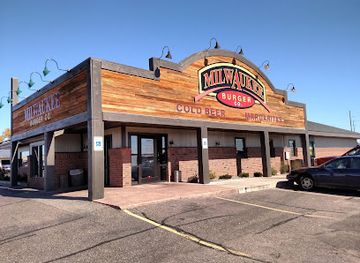
Milwaukee Burger Company - Eau Claire
Experience gourmet burgers and craft beers in a vibrant sports bar setting at Milwaukee Burger Company - Eau Claire.
11 min drive · 3.5 km from city centre
-
Steak
Texas Roadhouse
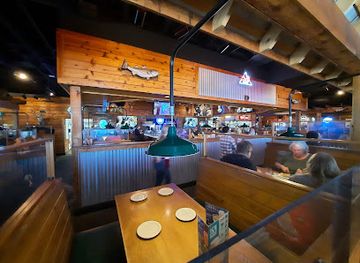
Experience delicious hand-cut steaks and warm Southern hospitality at Texas Roadhouse in Eau Claire - a true American dining gem.
22 min drive · 7.5 km from city centre
-
Family-friendly
Randy's Family Restaurant
Discover the warmth of family dining at Randy's Family Restaurant in Eau Claire, WI - your go-to spot for delicious breakfasts and hearty meals.
11 min drive · 3.8 km from city centre
-
Grill
Cowboy Jack's Saloon
Experience hearty American grill cuisine at Cowboy Jack's Saloon in Altoona—where flavor meets fun in a vibrant atmosphere.
8 min drive · 2.7 km from city centre
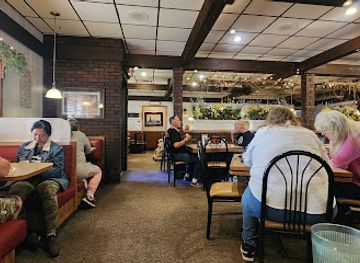
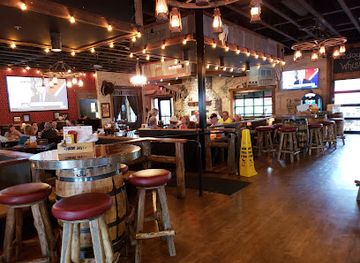
Best bars in Eau Claire
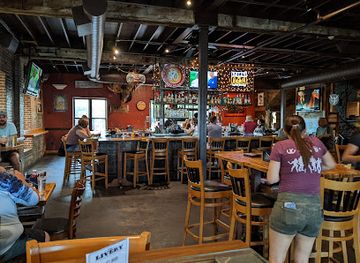
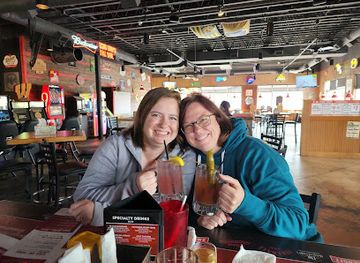
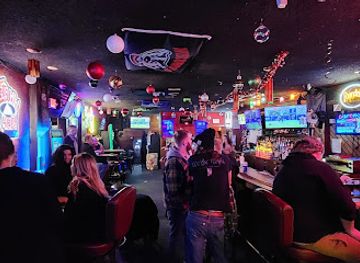
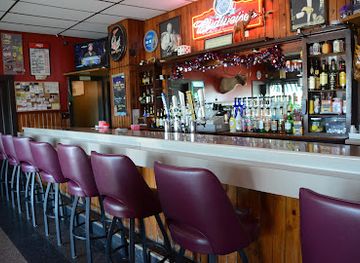
Eau Claire’s evening life is shaped by its university population, independent music culture and compact downtown districts rather than by a large club scene. Water Street has long been associated with student-oriented bars, casual pubs and late-evening socialising, while downtown offers breweries, cocktail-led venues and places to hear live music. The Brewing Projekt and Lazy Monk Brewing are among the local brewing names associated with the city’s craft-beer culture, although the atmosphere varies from relaxed taproom visits to busier event nights. The Pablo Center presents theatre, concerts and other performances, and smaller venues contribute to the city’s connection with touring and local musicians. Larger festivals and special events can change the rhythm of the streets, but visitors should expect a friendly regional-city nightlife with options for conversation, music and drinks rather than an extensive all-night club circuit.
-
Restaurant
Northern Taphouse - Eau Claire
Experience the best of American cuisine and vibrant sports culture at Northern Taphouse in Eau Claire, a must-visit for food and sports lovers.
22 min drive · 7.3 km from city centre
-
Bar
The District Pub & Grill
Explore the vibrant flavors of Eau Claire at The District Pub & Grill, where American cuisine meets a lively pub atmosphere in the heart of downtown.
11 min walk · 0.9 km from city centre
-
Grill
The Livery Restaurant & Saloon
Experience the vibrant flavors and lively atmosphere at The Livery Restaurant & Saloon in Eau Claire, where great food meets great company.
8 min walk · 0.7 km from city centre
-
Sports bar
Wisco's Bar & Eatery Eau Claire
Experience the ultimate sports bar atmosphere at Wisco's Bar & Eatery in Eau Claire, where great food and exciting games await.
9 min drive · 3.1 km from city centre
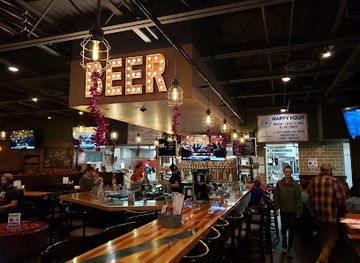
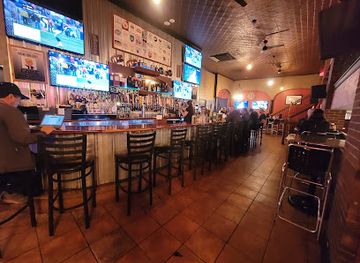
Best nightclubs in Eau Claire
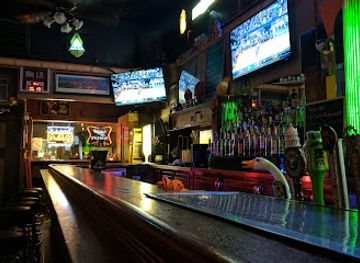
Eau Claire’s evening life is shaped by its university population, independent music culture and compact downtown districts rather than by a large club scene. Water Street has long been associated with student-oriented bars, casual pubs and late-evening socialising, while downtown offers breweries, cocktail-led venues and places to hear live music. The Brewing Projekt and Lazy Monk Brewing are among the local brewing names associated with the city’s craft-beer culture, although the atmosphere varies from relaxed taproom visits to busier event nights. The Pablo Center presents theatre, concerts and other performances, and smaller venues contribute to the city’s connection with touring and local musicians. Larger festivals and special events can change the rhythm of the streets, but visitors should expect a friendly regional-city nightlife with options for conversation, music and drinks rather than an extensive all-night club circuit.
-
Grill
The Alibi Lounge
Experience the vibrant atmosphere and delicious grill offerings at The Alibi Lounge, your go-to spot in Eau Claire, Wisconsin.
10 min drive · 3.3 km from city centre
-
Bar
Mousetrap Tavern
Experience the lively atmosphere of Mousetrap Tavern in Eau Claire, a top destination for great drinks and live music in a welcoming environment.
12 min walk · 0.9 km from city centre
-
Bar
Five O'Clock Club
Discover the vibrant nightlife at Five O'Clock Club in Eau Claire, where karaoke and a lively crowd await every night.
8 min drive · 2.6 km from city centre
-
Bar
Ole's Southside Tavern
Discover the lively Ole's Southside Tavern in Eau Claire, WI - a perfect blend of delicious food, karaoke fun, and vibrant social atmosphere.
12 min drive · 3.9 km from city centre
Best shops in Eau Claire
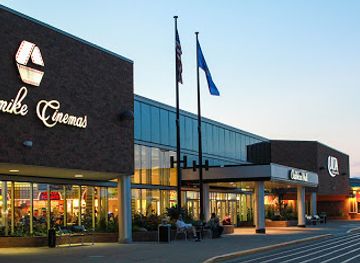
Shopping in Eau Claire combines an independent downtown core with practical suburban retail and seasonal local produce. Downtown streets around Water Street and Grand Avenue contain locally owned boutiques, gift shops, galleries, cafés and specialist businesses, making this the most characterful area for browsing between cultural visits. Phoenix Park hosts a farmers’ market during its operating season, where regional produce, baked goods and handmade products reflect the agricultural character of the Chippewa Valley. Oakwood Mall and surrounding commercial areas provide a conventional selection of national retailers and everyday services, while antique, vintage and second-hand shops appear in different parts of the city rather than in one single market quarter. Visitors looking for Wisconsin-associated gifts can consider regional cheese, craft beverages, locally made artwork, books, clothing and practical outdoor goods, with provenance worth checking when a product is presented as locally produced.
-
Shopping mall
Oakwood Mall
Explore Oakwood Mall in Eau Claire, Wisconsin - a shopping haven with diverse stores, delicious dining, and vibrant community events.
19 min drive · 6.3 km from city centre
-
Gift shop
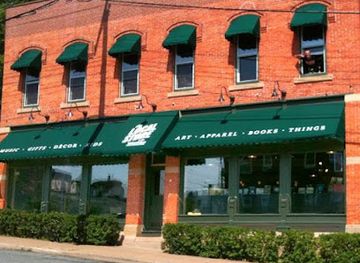
Volume One & The Local Store
Explore the vibrant selection of local art, gifts, and books at Volume One & The Local Store in Eau Claire, WI, a cultural gem for all visitors.
6 min walk · 0.5 km from city centre
-
Gift shop
Down To Earth
Explore the charm of Down To Earth in Eau Claire, Wisconsin, where unique gifts meet a lush garden paradise.
27 min drive · 8.8 km from city centre
-
Running store
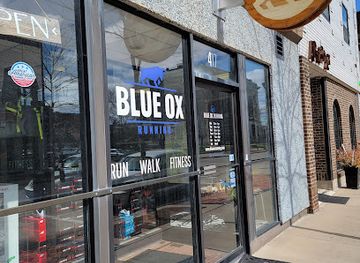
Blue Ox Running Store - Shoes, Apparel, Gear
Explore the best in running footwear, apparel, and gear at Blue Ox Running Store in Eau Claire, Wisconsin – a haven for outdoor enthusiasts.
13 min walk · 1.0 km from city centre
Get your free copy of our complete guide to Eau Claire, delivered straight to you.
Everything on this page, from attractions and restaurants to essentials and local phrases, in one PDF you can read offline, print or share.
Already have an account? Sign in
Your Eau Claire guide is ready.
We'll send it to · Not you? Sign out

Getting your guide ready…
We are putting together a fresh copy of the Eau Claire guide. This can take up to a minute.
This can take a few moments. If your browser asks, choose Allow so the download can start. You'll find the guide in your Downloads folder.
Nothing happened? Download it again
Sorry, the guide is taking longer than usual. Please try again in a minute, or get it by email instead.
Eau Claire essentials
Currency and Payment
Safety
Emergency Situations
Do's and Don'ts
Local Tips
From Eve
Local phrases worth knowing
You don't need to get them perfect. A few words go a long way, and locals appreciate the effort.
Basics
| English | Local | Say it |
|---|---|---|
| Hello | Howdy | [Hou-dee] |
| Goodbye | See ya | [See yah] |
| Yes | Yah | [Yah] |
| No | Nah | [Nah] |
| Please/You're welcome | Sure thing | [Shur thang] |
| Thank you | Thanks a lot | [Thanks uh lot] |
| Excuse me/Sorry | Pardon me | [Par-dun me] |
| How are you? | How's it goin'? | [Hows it go-in] |
| Fine. And you? | Good. How 'bout you? | [Good. How bout yah] |
| Do you speak English? | Can ya talk English? | [Can yah talk Ing-lish] |
| I don't understand | I'm lost | [Ay-m lost] |
Eating & Drinking
| English | Local | Say it |
|---|---|---|
| I'd like to see the menu, please | Can I check out the menu? | [Can I check out the menu?] |
| I don't eat meat | I'm a vegetarian | [Ay-m a ve-juh-tair-ee-un] |
| Cheers! | Bottoms up! | [Baw-tums up] |
| I would like to pay, please | Can I settle up? | [Can I set-tul up] |
Emergencies
| English | Local | Say it |
|---|---|---|
| Help! | I need a hand! | [Ay need a hand] |
| Go away! | Get lost! | [Get lost] |
| Call the Police! | Ring up the cops! | [Ring up the cops] |
| Call a doctor! | Get a doc on the line! | [Get a doc on the line] |
| I'm lost | I'm turned around | [Ay-m turned a-round] |
| I'm ill | I'm under the weather | [Ay-m under the we-ther] |
Shopping
| English | Local | Say it |
|---|---|---|
| I'd like to buy... | I wanna purchase... | [I wanna per-chiss] |
| I'm just looking | Just browsing | [Just brows-ing] |
| How much is it? | What's the price? | [Whats the price] |
| That's too expensive | That's a bit steep | [Thats a bit steep] |
| Can you lower the price? | Can ya cut me a deal? | [Can yah cut me a deal] |
Time & Numbers
| English | Local | Say it |
|---|---|---|
| What time is it? | What's the time? | [Whats the time] |
| It's one o'clock | It's one | [Its one] |
| Half past (10) | Ten-thirty | [Ten-thur-tee] |
| Morning | Mornin' | [Morn-in] |
| Afternoon | Afternoon | [After-noon] |
| Evening | Evenin' | [Even-in] |
| Yesterday | Yest'day | [Yes-t-day] |
| Today | Today | [To-day] |
| Tomorrow | Tomorra | [To-mor-rah] |
| 1 | One | [Wun] |
| 2 | Two | [Too] |
| 3 | Three | [Three] |
| 4 | Four | [Four] |
| 5 | Five | [Fiv] |
| 6 | Six | [Six] |
| 7 | Seven | [Sev-en] |
| 8 | Eight | [Ayt] |
| 9 | Nine | [Nin] |
| 10 | Ten | [Ten] |
Transport & Directions
| English | Local | Say it |
|---|---|---|
| Where's a/the...? | Where's the...? | [Wheres the] |
| What's the address? | What's the addy? | [Whats the addy] |
| Can you show me (on the map)? | Can ya point it out? | [Can yah point it out] |
| When's the next (bus)? | When's the next (bus)? | [Whens the next bus] |
| A ticket (to ....) | A ticket (to ....) | [A ticket (to)] |
History of Eau Claire
Indigenous River Country
Long before the city was established, the valleys and waterways of western Wisconsin were used and inhabited by Indigenous peoples, including communities associated with the Ojibwe, Dakota and Ho-Chunk. The Eau Claire and Chippewa rivers formed routes for travel, fishing, hunting and exchange. Their meeting place later attracted Euro-American traders, surveyors and lumber interests, but Indigenous history did not end with the arrival of the town. Treaties and nineteenth-century federal policies transformed land ownership and displaced communities, while Native nations continued to maintain cultural and political identities in Wisconsin. The rivers, wooded terrain and place names visible around Eau Claire therefore belong to a much longer history than the city’s nineteenth-century civic record.
The Founding of Eau Claire
Eau Claire emerged as a permanent Euro-American settlement in the 1850s at the meeting of the Eau Claire and Chippewa rivers. Its name, derived from the French phrase for ‘clear water’, reflected the river environment encountered by earlier voyageurs and traders. The settlement developed alongside transportation routes linking the Chippewa Valley with the Mississippi River and communities farther east. Eau Claire was incorporated as a city in 1872, by which time a commercial centre, sawmills and civic institutions had begun to take shape. The confluence gave the town both practical advantages and a distinctive geography, with later downtown development continuing to face the rivers that helped determine its location.
The Lumber Boom
During the second half of the nineteenth century, Eau Claire became one of the Chippewa Valley’s important lumber centres. Sawmills processed logs floated down the Chippewa River from the extensive forests of northern Wisconsin, while railways and river transport carried timber and manufactured goods to wider markets. The industry attracted workers, entrepreneurs and immigrant communities, encouraging rapid urban growth and the construction of commercial buildings, homes and churches. Lumber also brought difficult working conditions and environmental change, including the intensive cutting of regional forests. The Paul Bunyan Logging Camp and local historical collections preserve the memory of this era, when sawdust, river traffic and mill activity shaped everyday life.
Industry Beyond Timber
As the great lumber boom declined, Eau Claire adapted its economy rather than disappearing with the forests. Agriculture, manufacturing, retail, education and regional services became increasingly important, and the city’s rail and road connections supported its role as a centre for the surrounding Chippewa Valley. The nineteenth-century commercial core and surviving residential districts record this transition, while civic improvements and educational institutions gave the city a broader identity. The growth of the Wisconsin State College at Eau Claire, now the University of Wisconsin–Eau Claire, strengthened the city’s intellectual and cultural life. Its development illustrates the wider transformation of many Upper Midwestern river towns from timber-dependent settlements into diversified regional communities.
Carson Park and Civic Memory
Carson Park occupies a wooded peninsula in Half Moon Lake, an old channel associated with the Chippewa River system. Named for William Carson, a prominent local lumberman, the park became an important civic landscape in the twentieth century. Its museums, recreational facilities, baseball ground and paths brought history, leisure and community life together in one setting. The Chippewa Valley Museum interprets regional social and industrial history, while the Paul Bunyan Logging Camp presents a reconstructed and interpreted logging environment. Carson Park reflects Eau Claire’s effort to preserve the physical memory of the lumber era while adapting former industrial and river landscapes for public use.
A Modern Cultural Centre
Late twentieth- and early twenty-first-century Eau Claire saw increasing investment in downtown revitalisation, public spaces and the arts. Phoenix Park helped re-establish the river confluence as a civic gathering place, and the Pablo Center at the Confluence opened in 2018 as a performing-arts venue overlooking the Eau Claire and Chippewa rivers. The city also gained wider cultural attention through its independent music community and the Eaux Claires festival, founded in 2015 by Justin Vernon and Aaron Dessner. These developments did not replace the city’s industrial history; they added new layers to it, presenting Eau Claire as a regional centre where river heritage, higher education, performance and creative enterprise intersect.
Eau Claire in Photos
Browse through our photo collection highlighting the charm and character of the destination.
Cities near Eau Claire
The closest cities to Eau Claire, if you have time for more than one stop.
-

-

-

-
-


Swipe for more cities
Explore more

Explore more of Wisconsin
Discover Wisconsin: A Midwestern gem offering stunning natural landscapes, rich cultural experiences, and a taste of America's finest dairy products.
Explore Wisconsin