

Free Appleton Travel Guide & Mobile App
Plan your Appleton trip with Evendo. Get free guides to top attractions, restaurants, hotels, and bars. Web access or download the mobile app.


Appleton, Wisconsin pairs Fox River history with paper-town heritage, museums, performing arts, walkable downtown streets and welcoming Northwoods culture.
A City Shaped by the Fox River
Appleton stands along the Fox River in east-central Wisconsin, where waterpower, paper-making and education helped shape one of the Fox Cities region’s principal urban centres. The river remains central to the city’s identity: its banks frame walking routes, bridges, parks and views towards the historic Lawrence University campus, while the wider valley connects Appleton with neighbouring communities including Neenah and Menasha.Read more about Appleton
Historic Invention and Civic Architecture
Arts, Education and Everyday City Life
When is the best time to visit Appleton?
Best: June, August–September · 22–27°C| Month | High (°C) | Rainfall (mm) |
|---|---|---|
| January | -2 | 32 |
| February | 0 | 25 |
| March | 7 | 35 |
| April | 14 | 55 |
| May | 21 | 75 |
| June (best) | 26 | 90 |
| July | 28 | 100 |
| August (best) | 27 | 90 |
| September (best) | 22 | 75 |
| October | 16 | 55 |
| November | 7 | 40 |
| December | 0 | 35 |
Getting to and around Appleton
How to get there
Transportation
Best attractions in Appleton
Appleton’s principal attractions cluster around its downtown and Fox River setting. The History Museum at the Castle occupies a former Masonic temple and uses exhibitions on local history and Harry Houdini to connect the city with wider stories of innovation and popular culture. Nearby, the Trout Museum of Art presents changing exhibitions in a contemporary gallery environment, while the Fox Cities Performing Arts Center anchors the city’s programme of theatre, music and touring productions. Hearthstone Historic House Museum offers a more intimate encounter with nineteenth-century domestic life and early electrical technology. Lawrence University adds a collegiate atmosphere, particularly around its riverfront campus and music venues. For outdoor sightseeing, the Fox River shoreline, city parks and the Fox Cities Trestle Trail provide opportunities to walk or cycle through a landscape shaped by industry and water. Seasonal markets and downtown events reveal Appleton’s community life beyond its permanent institutions.
-
Tourist attraction
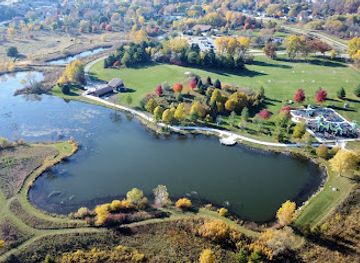
Appleton Memorial Park
Experience the tranquility of Appleton Memorial Park, a serene haven blending nature and remembrance in Wisconsin's heart.
13 min drive · 4.2 km from city centre
-
Tourist attraction
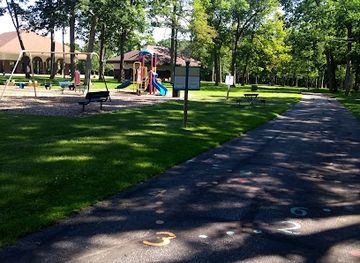
Appleton Memorial Park
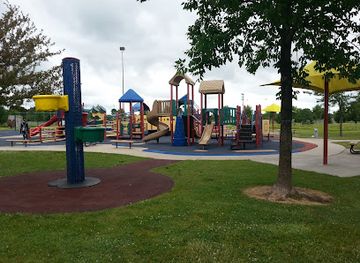
Discover the peaceful retreat of Appleton Memorial Park in Wisconsin, a perfect destination for families and nature lovers looking for relaxation and outdoor fun.
13 min drive · 4.2 km from city centre
-
Tourist attraction
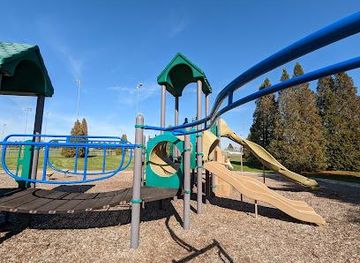
Pierce Park
Experience natural beauty and family-friendly fun at Pierce Park, Appleton's premier outdoor retreat for relaxation and recreation.
15 min walk · 1.2 km from city centre
-
Park
Riverside Park
Explore Riverside Park in Neenah, WI, where nature, recreation, and community come together for an unforgettable outdoor experience.
28 min drive · 9.4 km from city centre

Best landmarks in Appleton
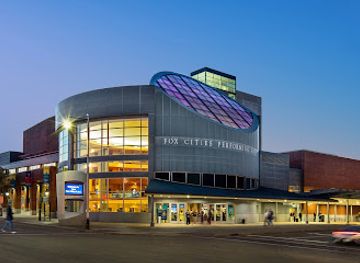
The Fox Cities Performing Arts Center is one of Appleton’s most recognisable modern civic buildings, representing the city’s role as a regional centre for theatre and music. The History Museum at the Castle occupies a prominent historic structure on West College Avenue, while Hearthstone Historic House Museum preserves a particularly significant chapter in the history of domestic electricity and late nineteenth-century architecture. Lawrence University’s campus contributes Collegiate Gothic-influenced and other historic academic buildings to the Fox River landscape, with the Lawrence Memorial Chapel among its notable spaces. The Fox River itself is a defining geographical landmark, its dams, bridges and banks recalling the waterpower that enabled local industry. Downtown’s historic commercial buildings and civic streets show how Appleton grew from a river settlement into an industrial and educational city. Together, these places express technological ambition, university culture, regional commerce and the continuing importance of the river corridor.
-
Performing arts theater
Fox Cities Performing Arts Center
Discover the Fox Cities Performing Arts Center, a cultural gem in Appleton, Wisconsin, featuring a diverse array of performances and community events.
2 min walk · 0.2 km from city centre
-
Memorial park
Appleton Memorial Park
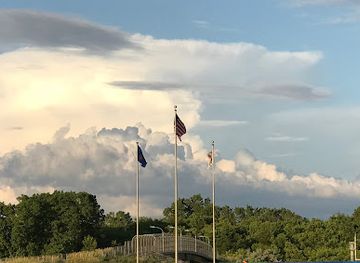
Explore the peaceful beauty of Appleton Memorial Park, a serene escape in Wisconsin with lush landscapes and thoughtful memorials paying tribute to local heroes.
13 min drive · 4.2 km from city centre
-
Stadium
Neuroscience Group Field at Fox Cities Stadium
Discover the excitement of minor league baseball at Neuroscience Group Field in Appleton, WI, where thrilling games and family fun await.
15 min drive · 5.0 km from city centre
-
Nature preserve
Gordon Bubolz Nature Preserve
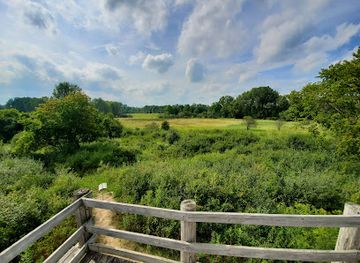
Explore the natural beauty and diverse wildlife of Gordon Bubolz Nature Preserve in Appleton, Wisconsin - a perfect escape for all nature lovers.
19 min drive · 6.2 km from city centre
Explore Appleton on the map
Plan your Appleton trip on one map. See where the top attractions, landmarks, restaurants, bars and hotels are, find what's near where you're staying, and book hotels and experiences in a few clicks.
Best hotels in Appleton
Best restaurants in Appleton
Appleton’s dining scene reflects the food traditions of Wisconsin alongside the varied tastes of a university and regional business centre. American comfort food, burgers, sandwiches, supper-club-style meals and locally familiar dishes such as cheese curds appear alongside Mexican, Asian, Mediterranean and other international cooking. Wisconsin cheese, dairy products, beer and seasonal produce frequently influence menus, while bakeries and cafés provide an easy introduction to everyday local habits. College Avenue and the surrounding downtown blocks contain a concentration of restaurants and casual places to eat, with additional options spread through nearby neighbourhoods and commercial districts. Seasonal farmers’ markets bring growers, bakers and prepared-food sellers into the city, and regional breweries and taprooms contribute to the social dining culture. The area’s paper-making history and university population help explain the coexistence of long-established Midwestern dining patterns with newer, more varied independent establishments.
-
Restaurant
Milwaukee Burger Company - Appleton
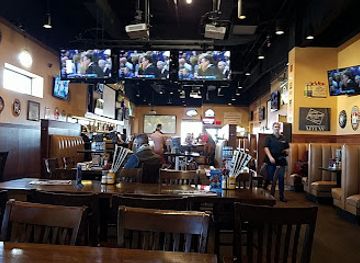
Experience the best gourmet burgers and craft beers at Milwaukee Burger Company - Appleton, where every bite is an adventure!
15 min drive · 5.1 km from city centre
-
Traditional American
Cheddar's Scratch Kitchen
Savor delicious comfort food at Cheddar's Scratch Kitchen in Appleton - where every dish is made from scratch with love.
15 min drive · 5.0 km from city centre
-
Mexican
Sangria's Mexican Grill
Discover authentic Mexican cuisine at Sangria's Mexican Grill in Appleton - a vibrant spot for delicious food and refreshing drinks.
3 min walk · 0.2 km from city centre
-
American
Good Company
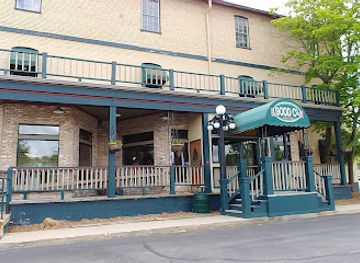
Savor classic American cuisine in a cozy atmosphere at Good Company in Downtown Appleton – where delicious food meets great company.
2 min walk · 0.1 km from city centre
Best bars in Appleton
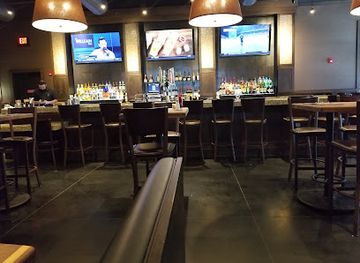
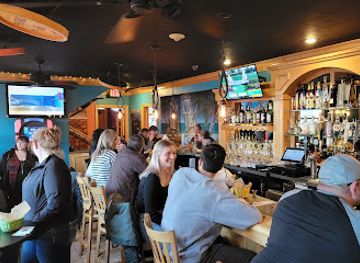
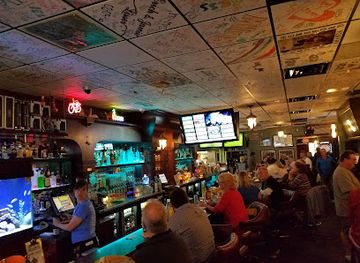
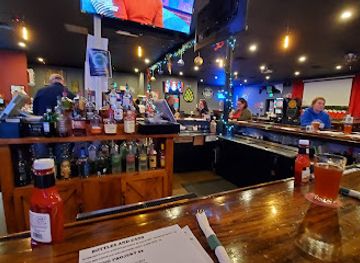
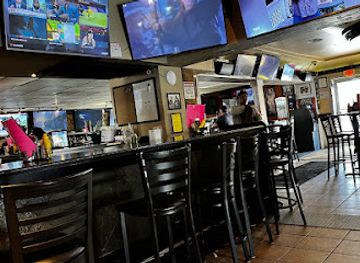
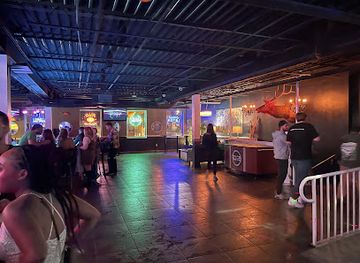
Appleton’s evening life is concentrated around downtown and College Avenue, where traditional taverns, beer-focused bars, cocktail spots, cafés and casual venues serve a mixed audience of residents, students and visitors. Wisconsin’s strong brewing culture is evident in the prominence of local and regional beers, while live music and small performance spaces provide alternatives to a conventional bar evening. The Fox Cities Performing Arts Center and Lawrence University extend the after-dark offer through theatre, concerts and classical or contemporary music programmes. The annual Mile of Music festival has helped associate downtown Appleton with live performances across venues and streets, although its programme is event-specific. Nightlife is active without resembling a major club district: evenings tend to centre on conversation, food, music and community events rather than a dense concentration of large nightclubs. Normal United States licensing rules apply, including an alcohol-service age of 21.
-
Gastropub
Draft Gastropub
Discover the vibrant flavors of Draft Gastropub in Appleton, Wisconsin, where gourmet meals and craft cocktails create a unique dining experience.
9 min drive · 3.2 km from city centre
-
Pub
Bazil's Pub & Provisions
Experience the lively atmosphere and delicious offerings at Bazil's Pub & Provisions in Appleton, WI - a must-visit for food and drink enthusiasts.
7 min walk · 0.6 km from city centre
-
Bar
Dairyland Brew Pub
Discover the unique flavors of Dairyland Brew Pub in Appleton, where craft beer and delicious food come together in a welcoming atmosphere.
8 min drive · 2.5 km from city centre
-
Bar
Flagstone
Experience the vibrant nightlife at Flagstone in Appleton, WI, known for its welcoming atmosphere, diverse drink selection, and delicious menu.
11 min drive · 3.6 km from city centre
Best nightclubs in Appleton
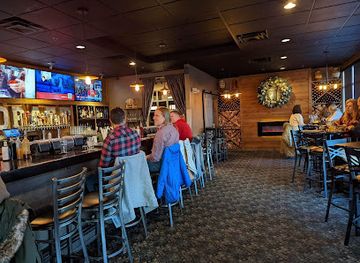
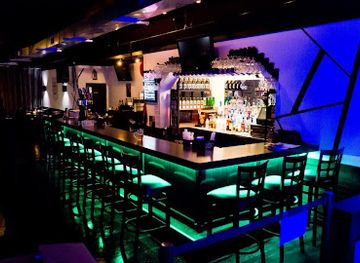
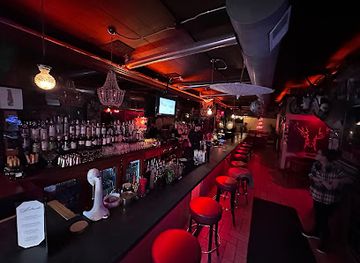
Appleton’s evening life is concentrated around downtown and College Avenue, where traditional taverns, beer-focused bars, cocktail spots, cafés and casual venues serve a mixed audience of residents, students and visitors. Wisconsin’s strong brewing culture is evident in the prominence of local and regional beers, while live music and small performance spaces provide alternatives to a conventional bar evening. The Fox Cities Performing Arts Center and Lawrence University extend the after-dark offer through theatre, concerts and classical or contemporary music programmes. The annual Mile of Music festival has helped associate downtown Appleton with live performances across venues and streets, although its programme is event-specific. Nightlife is active without resembling a major club district: evenings tend to centre on conversation, food, music and community events rather than a dense concentration of large nightclubs. Normal United States licensing rules apply, including an alcohol-service age of 21.
-
Lounge
Deja vu Martini Lounge
Discover the stylish Deja Vu Martini Lounge in downtown Appleton, where exquisite cocktails meet a vibrant nightlife atmosphere.
1 min walk · 0.1 km from city centre
-
Night club
D2 Sports Pub
Discover the lively atmosphere of D2 Sports Pub, Appleton's premier night club featuring great food, drinks, and vibrant entertainment.
3 min walk · 0.2 km from city centre
-
Brewpub
OB's Brau Haus (Restaurant & Dance Club)
Discover the lively brewpub and dance club experience at OB's Brau Haus in Appleton, where great food, craft beers, and vibrant nightlife come together.
1 min walk · 0.1 km from city centre
-
Lounge
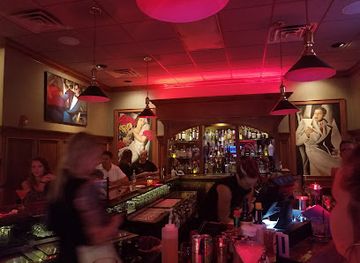
Ambassador
Experience the vibrant atmosphere of The Ambassador Lounge in downtown Appleton, where creative cocktails meet unforgettable nights out.
6 min walk · 0.5 km from city centre
Best shops in Appleton
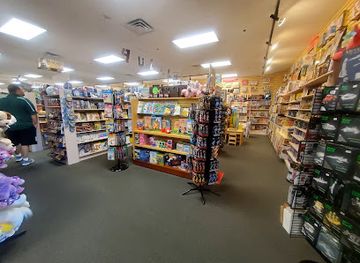
Shopping in Appleton ranges from independent downtown businesses to large suburban retail areas serving the wider Fox Cities. College Avenue and adjoining central streets are the most useful places to browse locally owned boutiques, gift shops, bookshops, cafés and specialist retailers within a walkable urban setting. Seasonal farmers’ markets offer Wisconsin produce, baked goods, prepared foods and handmade items, while independent shops may carry regional crafts, apparel, books and locally themed gifts. Visitors seeking extensive mainstream retail will find Fox River Mall in neighbouring Grand Chute rather than within Appleton proper, together with other commercial developments along the metropolitan area’s major roads. Downtown shopping has a more personal, small-business character, and its proximity to the History Museum at the Castle, the Trout Museum of Art and the performing arts centre makes it easy to combine retail browsing with cultural visits. Wisconsin cheeses, beer-related goods and regional food products make practical souvenirs when transport and customs rules permit.
-
Game store
Chimera Hobby Shop Inc
Explore the vibrant world of gaming at Chimera Hobby Shop in Appleton, offering board games, trading cards, and community events for enthusiasts.
17 min walk · 1.3 km from city centre
-
Gift shop
Ye Old Goat
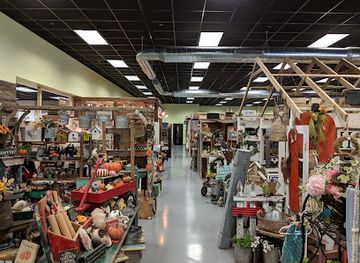
Explore Ye Old Goat in Appleton, WI: A unique gift shop and antique treasure trove showcasing local craftsmanship and vintage finds.
11 min drive · 3.6 km from city centre
-
Gift shop
Angels Forever - Windows of Light
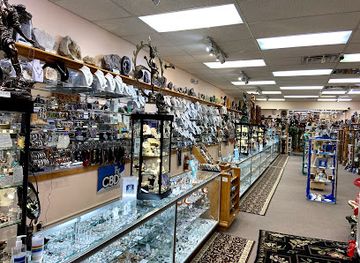
Explore spiritual treasures and unique gifts at Angels Forever - Windows of Light in Appleton, Wisconsin, a must-visit for metaphysical enthusiasts.
5 min walk · 0.4 km from city centre
-
Thrift store
AbleLight Thrift Shop
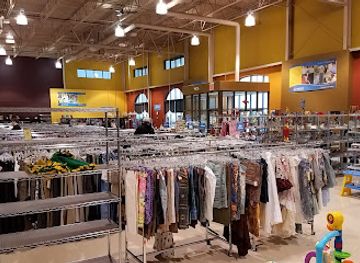
Explore the AbleLight Thrift Shop in Appleton, WI for unique second-hand treasures while supporting a meaningful cause.
9 min drive · 3.0 km from city centre
Get your free copy of our complete guide to Appleton, delivered straight to you.
Everything on this page, from attractions and restaurants to essentials and local phrases, in one PDF you can read offline, print or share.
Already have an account? Sign in
Your Appleton guide is ready.
We'll send it to · Not you? Sign out

Getting your guide ready…
We are putting together a fresh copy of the Appleton guide. This can take up to a minute.
This can take a few moments. If your browser asks, choose Allow so the download can start. You'll find the guide in your Downloads folder.
Nothing happened? Download it again
Sorry, the guide is taking longer than usual. Please try again in a minute, or get it by email instead.
Appleton essentials
Currency and Payment
Safety
Emergency Situations
Do's and Don'ts
Local Tips
From Eve
Local phrases worth knowing
You don't need to get them perfect. A few words go a long way, and locals appreciate the effort.
Basics
| English | Local | Say it |
|---|---|---|
| Hello | Howdy | [HOU-dee] |
| Goodbye | See ya | [SEE yuh] |
| Yes | Yep | [YEP] |
| No | Nah | [NAH] |
| Please/You're welcome | Sure thing | [SHUHR thang] |
| Thank you | Thanks a bunch | [THANKS uh BUNCH] |
| Excuse me/Sorry | Pardon me | [PAR-dun me] |
| How are you? | How's it goin'? | [HOWZ it GO-in] |
| Fine. And you? | I'm good. How 'bout you? | [AHM good. HOW 'bout yuh?] |
| Do you speak English? | Ya speak English? | [Yuh SPEEK ING-lish?] |
| I don't understand | I'm lost | [AHM lost] |
Eating & Drinking
| English | Local | Say it |
|---|---|---|
| I'd like to see the menu, please | Can I check out the menu? | [KAN eye CHEK out the MEN-yoo?] |
| I don't eat meat | I'm vegetarian | [AHM veh-juh-TAIR-ee-un] |
| Cheers! | Cheers! | [CHEERS] |
| I would like to pay, please | Can I settle up? | [KAN eye SET-ul up] |
Emergencies
| English | Local | Say it |
|---|---|---|
| Help! | Help! | [HELP] |
| Go away! | Get lost! | [GET lost] |
| Call the Police! | Ring up the cops! | [RING up the KOPS] |
| Call a doctor! | Get a doc on the line! | [GET uh DOC on the LINE] |
| I'm lost | I'm turned around | [AHM turned uh-ROUND] |
| I'm ill | I'm feelin' under the weather | [AHM FEEL-in UN-dur the WETH-er] |
Shopping
| English | Local | Say it |
|---|---|---|
| I'd like to buy... | I'm lookin' to purchase... | [AHM LOOK-in to PUR-chuss...] |
| I'm just looking | Just browsing | [JUST BROW-zing] |
| How much is it? | What's the damage? | [WATS the DAM-ij?] |
| That's too expensive | That's steep | [THATS steep] |
| Can you lower the price? | Can ya knock the price down? | [KAN yuh NOK the price DOWN?] |
Time & Numbers
| English | Local | Say it |
|---|---|---|
| What time is it? | What's the time? | [WATS the TIME] |
| It's one o'clock | It's one | [ITS one] |
| Half past (10) | Half past ten | [HAF past TEN] |
| Morning | Mornin' | [MORN-in] |
| Afternoon | Afternoon | [AF-ter-NOON] |
| Evening | Evenin' | [EVE-nin] |
| Yesterday | Yest'day | [YEST-day] |
| Today | Today | [to-DAY] |
| Tomorrow | Tomorrer | [tom-OR-er] |
| 1 | One | [WUN] |
| 2 | Two | [TOO] |
| 3 | Three | [THREE] |
| 4 | Four | [FORE] |
| 5 | Five | [FIVE] |
| 6 | Six | [SIX] |
| 7 | Seven | [SEV-en] |
| 8 | Eight | [AIT] |
| 9 | Nine | [NINE] |
| 10 | Ten | [TEN] |
Transport & Directions
| English | Local | Say it |
|---|---|---|
| Where's a/the...? | Where's the...? | [WHEREZ the] |
| What's the address? | What's the addy? | [WATS the ADD-ee] |
| Can you show me (on the map)? | Can ya point it out (on the map)? | [KAN yuh POINT it OUT (on the map)] |
| When's the next (bus)? | When's the next (bus)? | [WHENS the NEXT (bus)] |
| A ticket (to ....) | A ticket (to ....) | [uh TICK-it (to ....)] |
History of Appleton
Ho-Chunk and Menominee Homelands
The Fox River valley was inhabited and travelled by Indigenous peoples long before the formation of Appleton, including the Ho-Chunk and Menominee. The river was a route for movement, fishing and exchange, and the surrounding land formed part of a wider cultural landscape shared and contested by Native nations. In the nineteenth century, treaties and United States expansion displaced Indigenous communities from much of the region. Understanding this earlier history places Appleton within the longer story of the Fox River valley rather than treating the city’s development as beginning with European settlement.
A Fox River Settlement Emerges
European-American settlement expanded around the Fox River during the nineteenth century, when the waterway offered transport and significant potential for industrial power. The community that became Appleton grew in the area associated with early settlers such as Amos Lawrence, whose name was later given to Lawrence University. Appleton was incorporated as a village in 1853 and as a city in 1857. Its position between Lake Winnebago and Green Bay connected local commerce with the wider Great Lakes economy, helping the settlement develop beyond a small river community.
Hydropower and Early Industry
The Fox River’s rapids supplied the energy that encouraged mills, manufacturing and urban growth. In 1882, Appleton became associated with a significant milestone in electrical history when Hearthstone, the home of Henry J. Rogers, was illuminated by power from the Vulcan Street plant, widely recognised as the first hydroelectric central station to serve a private residence. The event symbolised the city’s willingness to adopt new technology and remains closely connected with Hearthstone Historic House Museum. Hydropower also supported the industrial foundations that later made paper production central to the Fox Cities economy.
Paper, Commerce and Urban Expansion
During the late nineteenth and twentieth centuries, paper manufacturing became one of Appleton’s defining industries. The Fox River valley developed a concentration of paper mills, suppliers and skilled workers, linking local employment to national markets and encouraging population growth. As the city expanded, commercial streets, schools, churches and civic institutions took shape around the older river settlement. The industry brought prosperity but also tied the local economy to the fortunes and environmental pressures of manufacturing. Industrial heritage remains part of Appleton’s identity even as the modern economy has broadened into education, healthcare, services and the arts.
Education and Cultural Institutions
Lawrence University, founded in 1847, became a major influence on Appleton’s cultural and educational life. Its liberal-arts tradition, conservatory of music and campus on the Fox River have helped make concerts, lectures and performances a visible part of the city’s calendar. Other institutions developed alongside it, including museums that preserve local history, art and industrial stories. The city’s historic core and cultural venues reflect a gradual transition from a river-powered manufacturing centre to a diversified regional city with a strong investment in education, public culture and downtown renewal.
A Contemporary Fox Cities Centre
In the late twentieth and early twenty-first centuries, Appleton’s development became increasingly connected with the wider Fox Cities metropolitan area, while downtown received new cultural and public spaces. The opening of the Fox Cities Performing Arts Center in 2002 strengthened the city’s role as a regional venue for touring productions and music. Revitalised streets, trails and riverfront spaces now sit alongside older commercial and residential neighbourhoods. Appleton’s contemporary character therefore reflects several layers at once: Indigenous history, nineteenth-century settlement, hydroelectric experimentation, paper-making, university life and an evolving regional service economy.
Appleton in Photos
Browse through our photo collection highlighting the charm and character of the destination.
Cities near Appleton
The closest cities to Appleton, if you have time for more than one stop.
-
-

-

-

-


Swipe for more cities
Explore more

Explore more of Wisconsin
Discover Wisconsin: A Midwestern gem offering stunning natural landscapes, rich cultural experiences, and a taste of America's finest dairy products.
Explore Wisconsin