

Free La Crosse Travel Guide & Mobile App
Plan your La Crosse trip with Evendo. Get free guides to top attractions, restaurants, hotels, and bars. Web access or download the mobile app.


La Crosse, Wisconsin blends Mississippi River scenery, historic streets, craft beer, local museums and lively festivals with western Wisconsin culture.
River City Setting
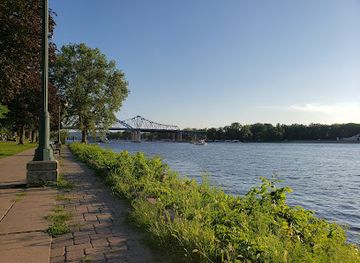
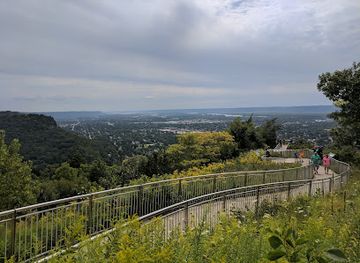
La Crosse occupies a striking position on the eastern bank of the Mississippi River, where the broad waterway meets the wooded bluffs and valleys of western Wisconsin. The city’s geography shapes nearly every visit: Riverside Park opens towards the river, Grandad Bluff provides a high perspective across the surrounding Driftless Area, and trails lead into the forested hills above town. Downtown La Crosse combines nineteenth-century commercial buildings with independent shops, cafés, galleries and restaurants, while nearby neighbourhoods reveal the steady scale of a regional Wisconsin city rather than a large urban centre.Read more about La Crosse
Heritage and Community Life
Exploring the Outdoors
When is the best time to visit La Crosse?
Best: May–June, September · 22–27°C| Month | High (°C) | Rainfall (mm) |
|---|---|---|
| January | 0 | 25 |
| February | 3 | 30 |
| March | 8 | 45 |
| April | 16 | 50 |
| May (best) | 22 | 60 |
| June (best) | 27 | 70 |
| July | 30 | 80 |
| August | 28 | 75 |
| September (best) | 23 | 65 |
| October | 15 | 55 |
| November | 7 | 40 |
| December | 1 | 30 |
Getting to and around La Crosse
How to get there
Transportation
Best attractions in La Crosse
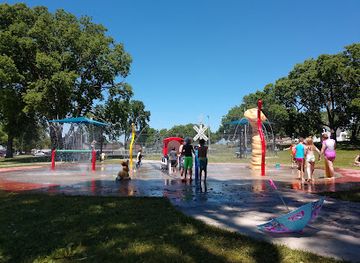
La Crosse’s attractions bring together river scenery, regional history and accessible outdoor recreation. Riverside Park is the natural starting point, with lawns, paths, seasonal riverboat activity and views towards the Mississippi; nearby downtown streets contain the Riverside Museum, the Children’s Museum of La Crosse and the Pump House Regional Arts Center. The Dahl Auto Museum presents an extensive collection of historic vehicles and motoring memorabilia, while the Hixon Forest and Grandad Bluff areas provide wooded trails and wide views over the city and river valley. The Shrine of Our Lady of Guadalupe, south of the centre, combines pilgrimage architecture with landscaped grounds and is a distinctive cultural destination. For visitors interested in the landscape itself, the Great River State Trail and river islands reveal the wetlands, bluffs and broad floodplain that define western Wisconsin.
-
Tourist attraction
Riverside Park
Explore Riverside Park in La Crosse, Wisconsin - a tranquil escape by the Mississippi River with stunning views and family-friendly activities.
6 min drive · 2.2 km from city centre
-
Tourist attraction
Riverside Park
Explore Riverside Park in La Crosse, WI – a scenic park offering stunning river views, beautiful gardens, and endless recreational activities for all ages.
6 min drive · 2.2 km from city centre
-
Tourist attraction
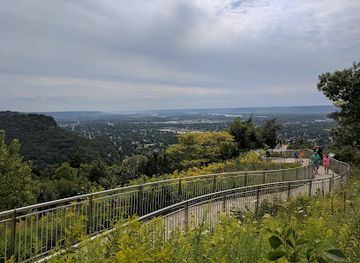
Grandad Bluff Park
Discover the stunning views and natural beauty of Grandad Bluff Park in La Crosse, Wisconsin, a must-visit destination for every traveler.
8 min drive · 2.6 km from city centre
-
Tourist attraction
Copeland Park
Discover the natural beauty and recreational delights of Copeland Park in La Crosse, Wisconsin, a perfect getaway for nature lovers and families.
13 min drive · 4.4 km from city centre

Best landmarks in La Crosse
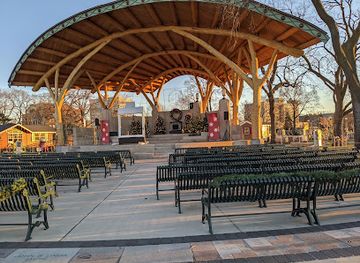
The Riverside Park band shell and riverfront form one of La Crosse’s defining civic landscapes, linking public space with the Mississippi and the city’s historic dependence on river transport. Downtown landmarks include the Hixon House, a nineteenth-century residence associated with the lumber era, and the ornate H. H. Bennett Studio, which commemorates the pioneering Wisconsin landscape photographer whose work helped popularise the region’s scenery. The Cathedral of Saint Joseph the Workman is a prominent religious and architectural presence near the centre, while the La Crosse County Courthouse and older commercial buildings express the civic confidence of the late nineteenth century. On the city’s southern edge, the Shrine of Our Lady of Guadalupe is a major pilgrimage complex set among wooded hills. Grandad Bluff is a natural landmark, offering a geographical explanation for La Crosse’s setting between river and upland.
-
Park
Riverside Park
Discover the serene beauty of Riverside Park in La Crosse, Wisconsin—an ideal destination for nature lovers and outdoor enthusiasts.
6 min drive · 2.2 km from city centre
-
Park
Grandad Bluff Park
Experience the stunning vistas and natural beauty at Grandad Bluff Park in La Crosse, Wisconsin, where adventure and tranquility await.
8 min drive · 2.6 km from city centre
-
Hotel
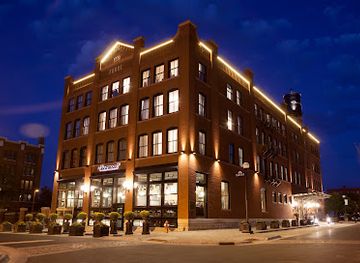
The Charmant Hotel
Experience the elegance of The Charmant Hotel in La Crosse, where historic charm meets modern luxury for an unforgettable getaway.
6 min drive · 1.9 km from city centre
-
Children's museum
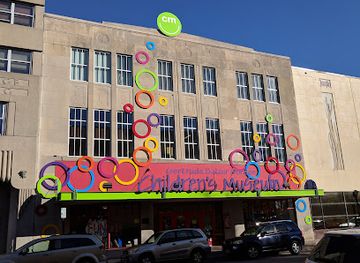
Children's Museum of La Crosse
Discover endless fun and learning at the Children's Museum of La Crosse, where imagination meets exploration for kids and families alike.
17 min walk · 1.3 km from city centre
Explore La Crosse on the map
Plan your La Crosse trip on one map. See where the top attractions, landmarks, restaurants, bars and hotels are, find what's near where you're staying, and book hotels and experiences in a few clicks.
Best hotels in La Crosse
Best restaurants in La Crosse
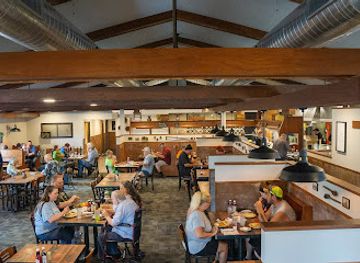
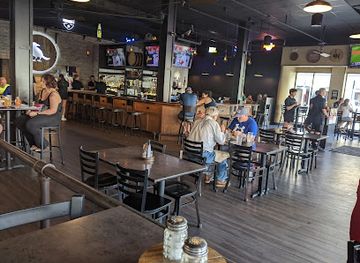
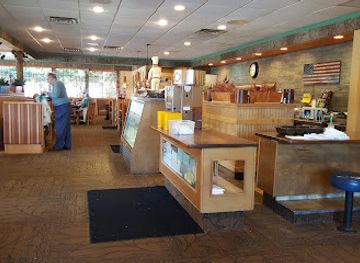
La Crosse’s dining scene reflects western Wisconsin’s mixture of river-town tradition, German-American influence and contemporary craft culture. Casual restaurants and long-established supper-club style dining put familiar Midwestern food on the table, including burgers, fried cheese curds, freshwater fish and hearty sandwiches, while bakeries and cafés provide an easy morning introduction to the city. Local beer is prominent, with breweries and taprooms contributing to a relaxed social culture rather than a formal dining ritual. Downtown and the Pearl Street area contain much of the most convenient concentration of restaurants, bars and coffee shops, while the farmers market brings seasonal produce, baked goods and locally made food into the centre when in season. Regional cheese, cranberries, apples and farm produce often appear in menus, linking everyday dining with Wisconsin’s agricultural identity.
-
American
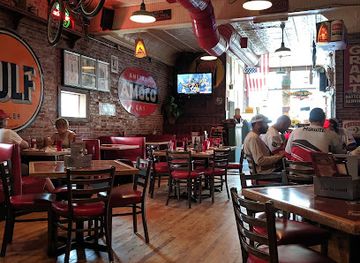
Buzzard Billy's
Discover Buzzard Billy's in La Crosse: Where American comfort meets Cajun spice in a lively atmosphere.
5 min drive · 1.6 km from city centre
-
Buffet
North Country Steak Buffet
Savor an unforgettable dining experience at North Country Steak Buffet in La Crosse - where delicious food meets family-friendly hospitality.
19 min drive · 6.3 km from city centre
-
American
The Crow
Experience the best of American cuisine at The Crow in La Crosse - where local flavors meet exceptional service.
5 min drive · 1.7 km from city centre
-
Family-friendly
La Crosse Family Restaurant
Enjoy hearty meals in a family-friendly atmosphere at La Crosse Family Restaurant - where comfort food meets affordability.
17 min drive · 5.8 km from city centre
Best bars in La Crosse
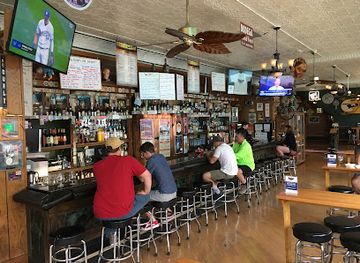
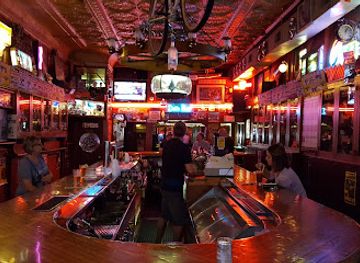
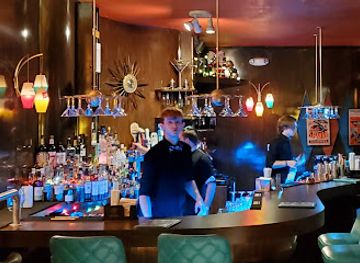
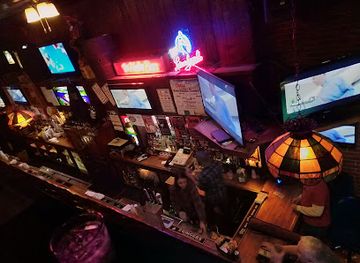
La Crosse’s evening life is concentrated around downtown, especially the Pearl Street area and nearby blocks where taverns, breweries, cocktail bars and casual live-music venues sit within walking distance. The mood is sociable and regional rather than metropolitan, with students, residents and festival visitors sharing traditional Wisconsin bars alongside newer taprooms and craft-beer spaces. University of Wisconsin–La Crosse helps sustain music, theatre and performance events, while the Pump House Regional Arts Center adds an arts-focused option to the evening calendar. Large occasions such as Oktoberfest La Crosse bring a particularly active atmosphere, but nightlife is generally more about conversation, local beer, live entertainment and neighbourhood gatherings than major nightclubs. Checking current event listings is sensible because performances and seasonal activity vary considerably.
-
Bar
Bodega Brew Pub, Inc.
Discover the lively Bodega Brew Pub in La Crosse, WI, where craft beer and unique cuisine create a vibrant dining experience.
5 min drive · 1.5 km from city centre
-
Grill
River Rats Bar & Grill
Experience riverside dining at River Rats Bar & Grill, where delicious grilled dishes meet stunning views of the Mississippi River.
15 min drive · 5.0 km from city centre
-
Bar
Del's Bar
Experience the vibrant nightlife of La Crosse at Del's Bar, known for the best Bloody Marys and a friendly dive bar atmosphere.
5 min drive · 1.8 km from city centre
-
Grill
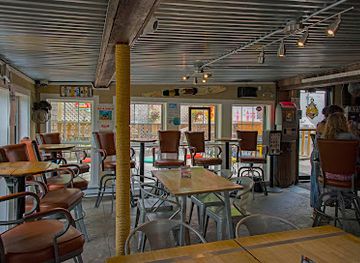
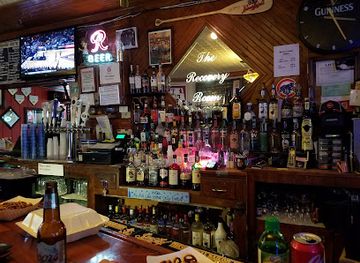
Recovery Room Sports Pub & Grill
Savor delicious grill classics and craft beverages in La Crosse's lively sports pub, perfect for food lovers and sports fans alike.
8 min walk · 0.6 km from city centre
Best nightclubs in La Crosse
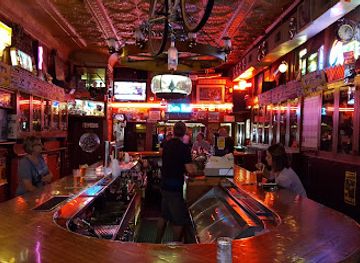
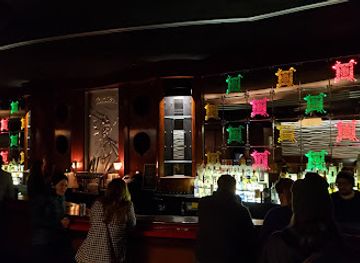
La Crosse’s evening life is concentrated around downtown, especially the Pearl Street area and nearby blocks where taverns, breweries, cocktail bars and casual live-music venues sit within walking distance. The mood is sociable and regional rather than metropolitan, with students, residents and festival visitors sharing traditional Wisconsin bars alongside newer taprooms and craft-beer spaces. University of Wisconsin–La Crosse helps sustain music, theatre and performance events, while the Pump House Regional Arts Center adds an arts-focused option to the evening calendar. Large occasions such as Oktoberfest La Crosse bring a particularly active atmosphere, but nightlife is generally more about conversation, local beer, live entertainment and neighbourhood gatherings than major nightclubs. Checking current event listings is sensible because performances and seasonal activity vary considerably.
-
Bar
Del's Bar
Experience the vibrant nightlife at Del's Bar in La Crosse, Wisconsin, where great cocktails and a lively atmosphere await you.
5 min drive · 1.8 km from city centre
-
Lounge
The Starlite Lounge
Experience the vibrant nightlife at The Starlite Lounge in La Crosse, a top destination for cocktails and cozy gatherings.
5 min drive · 1.6 km from city centre
-
Bar
The Helm Bar
Experience the vibrant nightlife of La Crosse at The Helm Bar, where drinks, music, and great company come together for an unforgettable evening.
5 min drive · 1.6 km from city centre
-
Lounge
Cavalier Theater and Lounge
Discover the charming Cavalier Theater and Lounge in La Crosse for exquisite cocktails and live entertainment in a stylish setting.
18 min walk · 1.4 km from city centre
Best shops in La Crosse
Shopping in La Crosse is centred on the historic downtown, where Pearl Street and neighbouring blocks contain independent retailers, galleries, bookshops, cafés and locally oriented businesses in older commercial buildings. The La Crosse Farmers Market offers a more seasonal form of shopping, with Wisconsin produce, baked goods, preserves and handmade items when its market calendar is under way. Visitors may also find regional food products, locally produced beer merchandise, art and practical outdoor goods reflecting the city’s river-and-bluff setting. Larger retail areas and shopping centres lie outside the historic core, particularly along the main commercial corridors, but they are less distinctive architecturally. For meaningful souvenirs, look for work by local or regional makers, Wisconsin food products, Mississippi-themed artwork and items connected with the area’s photographic, brewing and outdoor traditions rather than generic tourist merchandise.
-
Shopping mall
Valley View Mall
Experience the ultimate shopping and dining destination at Valley View Mall in La Crosse, Wisconsin, where retail therapy meets family fun.
25 min drive · 8.2 km from city centre
-
Shopping mall
Village Shopping Center
Explore the Village Shopping Center in La Crosse, WI for a diverse shopping experience, dining options, and a vibrant atmosphere perfect for all visitors.
5 min drive · 1.8 km from city centre
-
Shopping mall
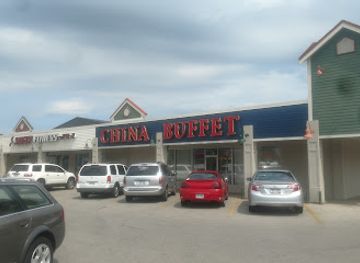
Bridgeview Shopping Center
Experience shopping at its finest at Bridgeview Shopping Center - a vibrant destination in La Crosse, WI with diverse stores and dining options.
19 min drive · 6.2 km from city centre
-
Candy store
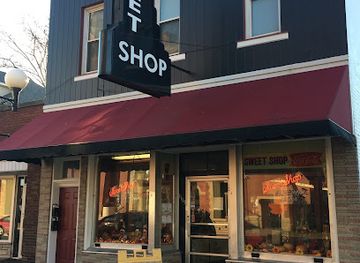
Sweet Shop
Experience the ultimate sweet escape at Sweet Shop in La Crosse, WI, where candy dreams come true and every bite is a delight.
13 min drive · 4.3 km from city centre
Get your free copy of our complete guide to La Crosse, delivered straight to you.
Everything on this page, from attractions and restaurants to essentials and local phrases, in one PDF you can read offline, print or share.
Already have an account? Sign in
Your La Crosse guide is ready.
We'll send it to · Not you? Sign out

Getting your guide ready…
We are putting together a fresh copy of the La Crosse guide. This can take up to a minute.
This can take a few moments. If your browser asks, choose Allow so the download can start. You'll find the guide in your Downloads folder.
Nothing happened? Download it again
Sorry, the guide is taking longer than usual. Please try again in a minute, or get it by email instead.
La Crosse essentials
Currency and Payment
Safety
Emergency Situations
Do's and Don'ts
Local Tips
From Eve
Local phrases worth knowing
You don't need to get them perfect. A few words go a long way, and locals appreciate the effort.
Basics
| English | Local | Say it |
|---|---|---|
| Hello | Howdy | [haʊ-di] |
| Goodbye | See ya | [siː jə] |
| Yes | Yeah | [jɛ] |
| No | Nah | [nɑː] |
| Please/You're welcome | Please/You're welcome | [pliːz/jʊr ˈwɛlkəm] |
| Thank you | Thanks | [θæŋks] |
| Excuse me/Sorry | Pardon me/My bad | [ˈpɑrdn mi/maɪ bæd] |
| How are you? | How's it goin'? | [haʊz ɪt ˈɡoʊɪn] |
| Fine. And you? | Good. You? | [ɡʊd juː] |
| Do you speak English? | Ya speak English? | [jə spiːk ˈɪŋɡlɪʃ] |
| I don't understand | I dunno | [aɪ ˈdənoʊ] |
Eating & Drinking
| English | Local | Say it |
|---|---|---|
| I'd like to see the menu, please | Can I check out the menu? | [kæn aɪ ˈtʃɛk aʊt ðə ˈmɛnjuː] |
| I don't eat meat | I'm vegetarian | [aɪm ˌvɛdʒəˈtɛriən] |
| Cheers! | Cheers! | [ʧɪrz] |
| I would like to pay, please | Check, please | [ʧɛk pliːz] |
Emergencies
| English | Local | Say it |
|---|---|---|
| Help! | Help! | [hɛlp] |
| Go away! | Get lost! | [ɡɛt lɔst] |
| Call the Police! | Call the cops! | [kɔl ðə kɑps] |
| Call a doctor! | Call a doc! | [kɔl ə dɑk] |
| I'm lost | I'm lost | [aɪm lɔst] |
| I'm ill | I'm sick | [aɪm sɪk] |
Shopping
| English | Local | Say it |
|---|---|---|
| I'd like to buy... | I wanna buy... | [aɪ ˈwɑnə baɪ] |
| I'm just looking | Just browsing | [ʤʌst ˈbraʊzɪŋ] |
| How much is it? | How much? | [haʊ ˈmʌʧ] |
| That's too expensive | That's spendy | [ðæts ˈspɛndi] |
| Can you lower the price? | Can you give me a deal? | [kæn juː ɡɪv miː ə diːl] |
Time & Numbers
| English | Local | Say it |
|---|---|---|
| What time is it? | What time is it? | [wʌt taɪm ɪz ɪt] |
| It's one o'clock | It's one | [ɪts wʌn] |
| Half past (10) | Half ten | [hæf tɛn] |
| Morning | Morning | [ˈmɔrnɪŋ] |
| Afternoon | Afternoon | [ˌæftərˈnun] |
| Evening | Evening | [ˈivnɪŋ] |
| Yesterday | Yesterday | [ˈjɛstərˌdeɪ] |
| Today | Today | [təˈdeɪ] |
| Tomorrow | Tomorrow | [təˈmɑroʊ] |
| 1 | One | [wʌn] |
| 2 | Two | [tuː] |
| 3 | Three | [θriː] |
| 4 | Four | [fɔr] |
| 5 | Five | [faɪv] |
| 6 | Six | [sɪks] |
| 7 | Seven | [ˈsɛvən] |
| 8 | Eight | [eɪt] |
| 9 | Nine | [naɪn] |
| 10 | Ten | [tɛn] |
Transport & Directions
| English | Local | Say it |
|---|---|---|
| Where's a/the...? | Where's the...? | [wɛrz ðə] |
| What's the address? | What's the address? | [wʌts ðə əˈdrɛs] |
| Can you show me (on the map)? | Can you show me? | [kæn juː ʃoʊ miː] |
| When's the next (bus)? | When's the next (bus)? | [wɛnz ðə nɛkst bʌs] |
| A ticket (to ....) | A ticket (to ....) | [ə ˈtɪkɪt tu] |
History of La Crosse
Ho-Chunk Homeland and River Crossings
The La Crosse area lies within the traditional homeland of the Ho-Chunk people, whose communities used the Mississippi River valley and its tributary landscapes long before Euro-American settlement. The location was significant because waterways, marshes and upland routes connected different parts of the region. The name La Crosse is commonly linked to French-speaking explorers or traders who observed Indigenous people playing a stick-and-ball game, although the precise circumstances behind the name are not fully documented. Any account of the city’s origins therefore begins with the Indigenous history of the Upper Mississippi rather than with the later town. Contemporary La Crosse remains part of a region shaped by Ho-Chunk history, continuing Indigenous presence and the relationships formed around the river.
French Trade and American Settlement
French-Canadian explorers and traders travelled through the Upper Mississippi valley during the era of the fur trade, establishing the name that would later be applied to the settlement. Permanent American development accelerated in the nineteenth century as land claims, river transport and commercial ventures brought new settlers to the area. Timothy Burns is generally credited with establishing the first permanent settlement at La Crosse in the 1840s. The river offered a practical route for trade and communication, while the surrounding bluffs and fertile lowlands supported agriculture and timber-related enterprise. Early growth was closely tied to the wider expansion of the United States into lands that had long been inhabited and used by Indigenous peoples.
Incorporation and River Commerce
La Crosse was incorporated as a village in 1850 and as a city in 1856, reflecting the rapid development of the Mississippi settlement. Steamboats made the river a commercial highway, carrying people, agricultural goods and timber, while warehouses and businesses grew around the landing. The city’s position near the mouths of the Black and La Crosse rivers strengthened its role as a regional distribution point. As the town expanded, civic buildings, churches, schools and commercial blocks gave it a more permanent urban form. Many of the downtown streets and older buildings visible today belong to the period when river trade and expanding markets transformed La Crosse from a frontier settlement into an established Wisconsin city.
Lumber, Railways and Industrial Growth
During the later nineteenth century, lumber became central to La Crosse’s economy. Logs moved through the Mississippi system from northern forests, and sawmills, river facilities and related businesses created employment and attracted investment. Rail connections further altered the city’s commercial geography by linking river transport with inland markets. The combination of water and rail helped La Crosse develop as a regional centre for manufacturing, wholesale trade and services. Industrial growth also brought social change, including immigration and the formation of neighbourhoods, churches and community organisations serving different groups. The surviving historic core, together with former industrial areas along the river, reflects this period of economic expansion.
Twentieth-Century Transformation
The twentieth century brought major changes to the industries that had made La Crosse prosperous. Steamboat commerce declined as railways, roads and changing freight patterns assumed greater importance, while the lumber trade diminished with the exhaustion and regulation of northern timber resources. La Crosse nevertheless retained its importance as a regional centre for education, healthcare, manufacturing and public administration. The city’s cultural institutions and university expanded, and roads made the Mississippi valley more accessible to visitors. Flood-control works and changing approaches to riverfront planning also influenced the relationship between the city and the water. Downtown preservation and redevelopment later helped maintain the architectural character of older commercial streets.
A Contemporary River City
Modern La Crosse combines the inherited structure of a nineteenth-century river town with the services and institutions of a regional city. The University of Wisconsin–La Crosse, Viterbo University and Western Technical College contribute to education and cultural life, while festivals, museums, breweries and arts organisations support a strong local identity. Outdoor recreation has become increasingly important, drawing attention to the bluffs, forests, trails and waterways around the city. The Mississippi remains both a working landscape and a focus for public life, particularly around Riverside Park. La Crosse’s present character is therefore shaped by continuity as much as change: river commerce has declined, but the river, historic centre and surrounding hills still organise the city’s sense of place.
La Crosse in Photos
Browse through our photo collection highlighting the charm and character of the destination.
Cities near La Crosse
The closest cities to La Crosse, if you have time for more than one stop.
-

-

-

-

-



Swipe for more cities
Explore more

Explore more of Wisconsin
Discover Wisconsin: A Midwestern gem offering stunning natural landscapes, rich cultural experiences, and a taste of America's finest dairy products.
Explore Wisconsin