

Free Madison Travel Guide & Mobile App
Plan your Madison trip with Evendo. Get free guides to top attractions, restaurants, hotels, and bars. Web access or download the mobile app.


Madison, Wisconsin blends lakeside scenery, the State Capitol, university culture, farmers’ markets, museums, cycling and distinctive Midwestern food.
An Isthmus City
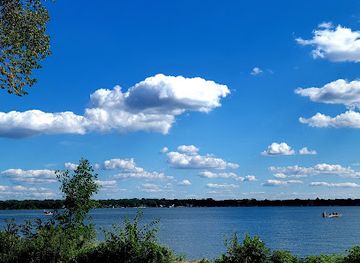
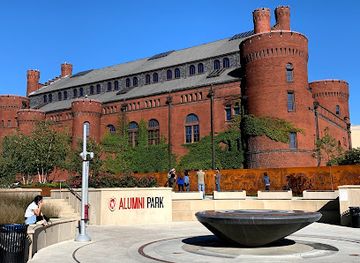
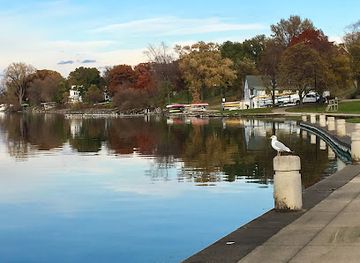
Madison occupies an unusually scenic setting between Lakes Mendota and Monona, with the Wisconsin State Capitol rising at the centre of an isthmus shaped by water, glacial geology and urban life. The compact downtown makes it possible to move from the Capitol Square and State Street to lakeside paths, museums and the University of Wisconsin–Madison campus within a short journey. Water is a constant presence: sailboats gather on Mendota, rowing crews train near the university and the shoreline provides changing views across the city.Read more about Madison
Capital, Campus and Community
Green Space and Everyday Exploration
When is the best time to visit Madison?
Best: June, August–September · 22–27°C| Month | High (°C) | Rainfall (mm) |
|---|---|---|
| January | -1 | 31 |
| February | 1 | 25 |
| March | 8 | 41 |
| April | 15 | 61 |
| May | 20 | 83 |
| June (best) | 26 | 101 |
| July | 28 | 96 |
| August (best) | 27 | 92 |
| September (best) | 22 | 81 |
| October | 16 | 61 |
| November | 6 | 45 |
| December | 1 | 31 |
Getting to and around Madison
How to get there
Transportation
Best attractions in Madison
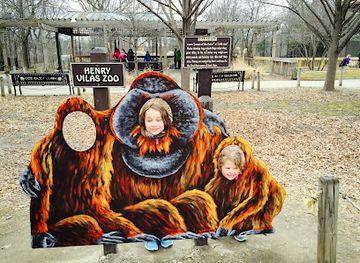
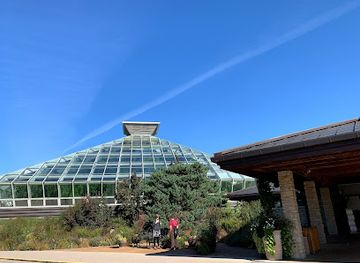
Madison’s principal attractions gather around the Capitol, the lakes and the University of Wisconsin–Madison. The Wisconsin State Capitol offers a grand civic interior and views from its observation level when open, while nearby State Street leads to the university’s Memorial Union, known for its lake-facing terrace and public atmosphere. The Chazen Museum of Art presents collections ranging from European painting to modern and contemporary work, and the University of Wisconsin–Madison Arboretum combines ecological research with extensive walking trails. East of the centre, Olbrich Botanical Gardens brings together formal plantings, conservatories and a Thai Pavilion set in a lakeside landscape. The Wisconsin Historical Museum, Madison Museum of Contemporary Art and Henry Vilas Zoo add cultural and family-oriented choices, while the Lakeshore Path and paths around Lake Monona provide a more open way to experience the city’s geography.
-
Zoo
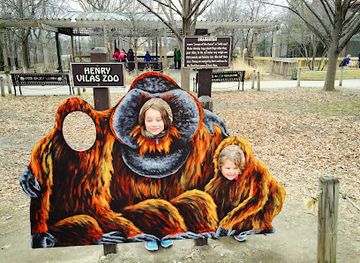
Henry Vilas Zoo
Discover the charm of Henry Vilas Zoo, a free zoo in Madison, Wisconsin, showcasing diverse wildlife and engaging exhibits for all ages.
8 min drive · 2.7 km from city centre
-
Zoo
Henry Vilas Zoo
Explore the enchanting Henry Vilas Zoo in Madison, where wildlife conservation meets family fun in a beautiful park setting.
8 min drive · 2.7 km from city centre
-
Tourist attraction
Olbrich Botanical Gardens
Discover the beauty and tranquility of Olbrich Botanical Gardens in Madison, a vibrant oasis filled with diverse plant collections and serene landscapes.
13 min drive · 4.4 km from city centre
-
Tourist attraction
Olbrich Park
Experience the natural beauty and artistic charm of Olbrich Park in Madison, Wisconsin—a perfect escape for every nature lover and tourist.
14 min drive · 4.6 km from city centre

Best landmarks in Madison
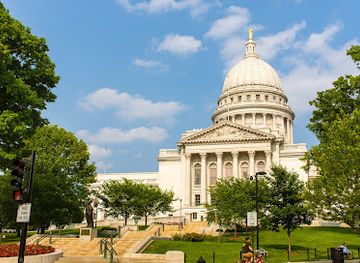
The Wisconsin State Capitol is Madison’s defining civic landmark, a Beaux-Arts building completed in 1917 after the earlier Capitol was damaged by fire; its dome, rotunda and public interiors express the importance of state government in the city. On the university campus, Bascom Hall and the Wisconsin Historical Society building help form the historic educational core, while Memorial Union has become a much-loved lakeside meeting place. The First Unitarian Meeting House, designed by Frank Lloyd Wright in the nearby Madison suburb of Shorewood Hills, is an important regional example of his work but lies outside the city centre. Monona Terrace, designed in a style influenced by Wright’s civic proposals and completed in 1997, anchors the Lake Monona shore with terraces and public spaces. The city’s lakes, isthmus and park system are themselves significant landmarks, giving Madison a physical identity unlike that of a conventional inland capital.
-
Zoo
Henry Vilas Zoo
Explore the enchanting world of wildlife at Henry Vilas Zoo, a free-admission gem in Madison, Wisconsin, perfect for families and animal lovers alike.
8 min drive · 2.7 km from city centre
-
Educational institution
Memorial Union
Discover Memorial Union, a historic campus landmark in Madison, offering stunning lake views, diverse dining, and vibrant cultural experiences.
17 min walk · 1.3 km from city centre
-
Park
James Madison Park
Explore the lush landscapes and serene lakeside views at James Madison Park, a top tourist attraction in Madison, Wisconsin, perfect for relaxation and recreation.
9 min walk · 0.7 km from city centre
-
State government office
Wisconsin State Capitol
Discover the rich history and architectural beauty of the Wisconsin State Capitol, a must-visit destination in Madison for every tourist.
1 min walk · 0.1 km from city centre
Explore Madison on the map
Plan your Madison trip on one map. See where the top attractions, landmarks, restaurants, bars and hotels are, find what's near where you're staying, and book hotels and experiences in a few clicks.
Neighbourhoods in Madison
-

-

-

-


Swipe for more neighbourhoods
Best hotels in Madison
Best restaurants in Madison
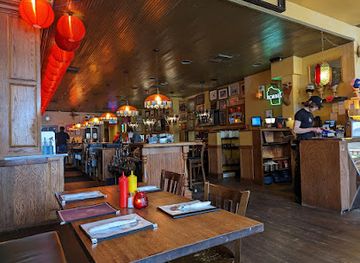
Madison’s food culture combines Wisconsin comfort food with the produce-led habits of a university and state capital. Cheese curds appear fried or fresh, while bratwurst, beer, rye breads and dairy products reflect the state’s agricultural traditions. The Midwestern supper club remains an important reference point, with generous portions, relish trays, steaks, fish fries and cocktails such as the brandy old fashioned. Around the Capitol and State Street, restaurants range from casual cafés and student-oriented eateries to more ambitious kitchens; Williamson Street, Atwood Avenue and Monroe Street have strong concentrations of independent dining. The Dane County Farmers’ Market connects the city directly with regional growers and producers, and seasonal stalls, bakeries and food shops provide a practical taste of Wisconsin’s farm economy. Menus also reflect Madison’s international population, with Indian, East Asian, Latin American and Middle Eastern influences established alongside local specialities.
-
Restaurant
The Old Fashioned
Experience authentic Wisconsin cuisine at The Old Fashioned in Madison - where tradition meets taste in every bite.
2 min walk · 0.1 km from city centre
-
Breakfast
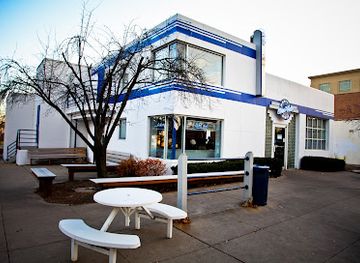
Monty's Blue Plate Diner
Experience comfort food at its finest in Madison's iconic Monty's Blue Plate Diner - where every meal feels like home.
10 min drive · 3.2 km from city centre
-
Fondue
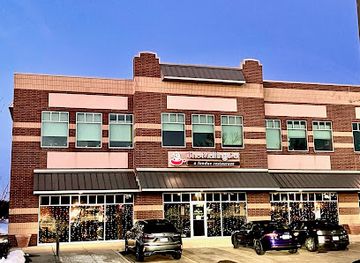
The Melting Pot
Experience the art of fondue at The Melting Pot in Madison - where every meal is a celebration of flavors and togetherness.
29 min drive · 9.7 km from city centre
-
Hamburger
Dotty Dumpling's Dowry
Experience gourmet burgers and local craft beers at Dotty Dumpling's Dowry in Madison - where flavor meets community spirit.
12 min walk · 1.0 km from city centre

Best bars in Madison
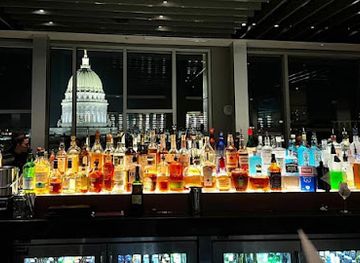
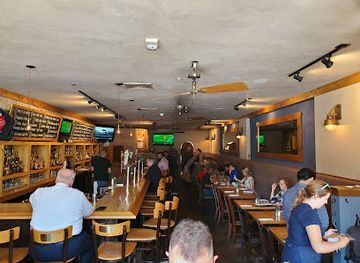
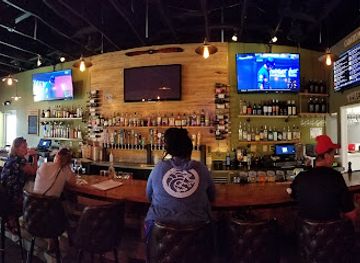
Madison’s evening life is shaped more by university culture, live music and neighbourhood bars than by a large nightclub scene. State Street and the Capitol Square have the greatest concentration of pubs, cocktail bars, breweries and late-evening venues, while Williamson Street, Atwood Avenue and Monroe Street offer a more local, independent atmosphere. The Memorial Union terrace is a social landmark in warmer weather, with views across Lake Mendota, and the city’s theatres, concert halls and university venues provide alternatives to drinking. Live music ranges from touring acts and student performances to jazz, folk and rock in established clubs and smaller rooms. Bar districts can become especially busy around university events, football weekends and festivals, and visitors should remember that US venues enforce age requirements and may request official identification.
-
Bar
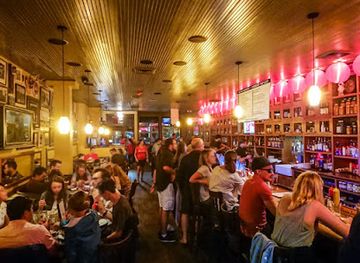
The Old Fashioned
Experience a true taste of Wisconsin at The Old Fashioned, where classic American cuisine meets a vibrant bar atmosphere in Madison.
2 min walk · 0.1 km from city centre
-
Bar
Eno Vino Downtown
Discover Eno Vino Downtown, Madison's premier wine bar and tapas restaurant, offering a delectable culinary experience in a vibrant atmosphere.
3 min walk · 0.2 km from city centre
-
Bar
The Coopers Tavern
Experience the heart of Madison at The Coopers Tavern, where delicious European-inspired cuisine meets a vibrant bar ambiance.
2 min walk · 0.2 km from city centre
-
Grill
Off Broadway Drafthouse
Experience a delightful blend of grilled favorites and a vibrant bar atmosphere at Off Broadway Drafthouse in Madison, Wisconsin.
12 min drive · 3.9 km from city centre
Best nightclubs in Madison
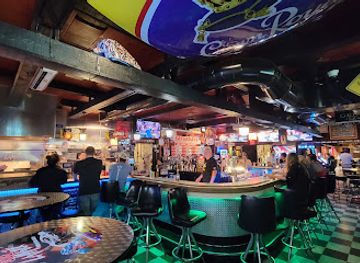
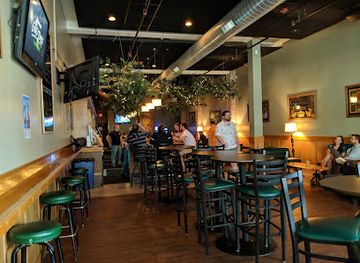
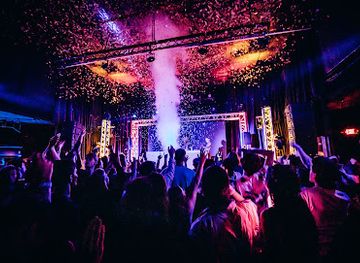
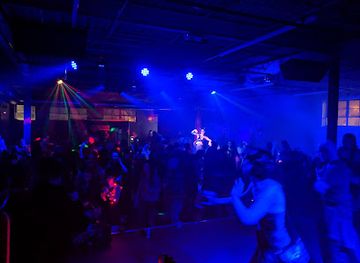
Madison’s evening life is shaped more by university culture, live music and neighbourhood bars than by a large nightclub scene. State Street and the Capitol Square have the greatest concentration of pubs, cocktail bars, breweries and late-evening venues, while Williamson Street, Atwood Avenue and Monroe Street offer a more local, independent atmosphere. The Memorial Union terrace is a social landmark in warmer weather, with views across Lake Mendota, and the city’s theatres, concert halls and university venues provide alternatives to drinking. Live music ranges from touring acts and student performances to jazz, folk and rock in established clubs and smaller rooms. Bar districts can become especially busy around university events, football weekends and festivals, and visitors should remember that US venues enforce age requirements and may request official identification.
-
Bar
Club LaMark
Experience Madison's vibrant nightlife at Club LaMark, where karaoke, sports, and great drinks come together in an unforgettable atmosphere.
21 min drive · 6.9 km from city centre
-
Bar
Paul's Club
Discover the vibrant nightlife of Madison at Paul's Club, a premier cocktail bar offering a lively atmosphere and an extensive drink menu.
5 min walk · 0.4 km from city centre
-
Bar
Liquid
Experience the pulse of Madison’s nightlife at Liquid, where live music, vibrant energy, and delicious drinks come together for an unforgettable evening.
13 min walk · 1.1 km from city centre
-
Night club
Crucible
Discover the energetic nightlife of Madison at Crucible, a premier night club with thrilling events and a vibrant atmosphere.
16 min drive · 5.3 km from city centre
Best shops in Madison
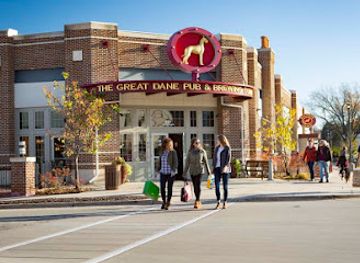
Shopping in Madison ranges from practical local retail to independent stores concentrated along State Street, Williamson Street, Monroe Street and the Capitol Square. State Street links the Capitol with the university and includes bookshops, clothing stores, cafés and small specialist businesses, while Williamson Street has a more neighbourhood-oriented mix of vintage goods, records, gifts and locally made products. The Dane County Farmers’ Market is a useful place to find Wisconsin cheese, baked goods, seasonal produce and preserves when operating, although it is primarily a food market rather than a general craft bazaar. Visitors may also encounter Wisconsin-made pottery, prints, textiles, artisan foods and university-related merchandise in independent shops and galleries. Larger conventional shopping areas lie beyond the centre, including Hilldale on the west side, but Madison’s retail character is most evident in its walkable commercial streets and producer-focused markets.
-
Shopping mall
Hilldale Shopping Center
Discover the charm of shopping and dining at Hilldale Shopping Center, the premier destination for tourists in Madison, Wisconsin.
17 min drive · 5.6 km from city centre
-
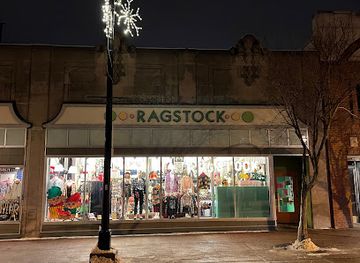
Vintage clothing store
Ragstock
Explore the unique world of vintage fashion at Ragstock in Madison, where trendy styles and eclectic accessories await every fashion enthusiast.
8 min walk · 0.6 km from city centre
-
Gift shop
Atomic Antiques
Explore Atomic Antiques in Madison, WI for a unique shopping experience filled with vintage treasures, collectibles, and nostalgic finds.
22 min drive · 7.3 km from city centre
-
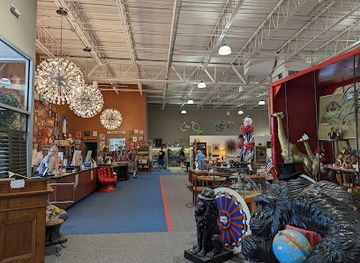
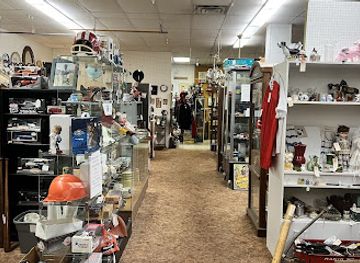
Antique store
Antiques Mall of Madison
Explore a vast selection of antiques and collectibles at the Antiques Mall of Madison – where history and charm await every visitor.
21 min drive · 6.9 km from city centre
Get your free copy of our complete guide to Madison, delivered straight to you.
Everything on this page, from attractions and restaurants to essentials and local phrases, in one PDF you can read offline, print or share.
Already have an account? Sign in
Your Madison guide is ready.
We'll send it to · Not you? Sign out

Getting your guide ready…
We are putting together a fresh copy of the Madison guide. This can take up to a minute.
This can take a few moments. If your browser asks, choose Allow so the download can start. You'll find the guide in your Downloads folder.
Nothing happened? Download it again
Sorry, the guide is taking longer than usual. Please try again in a minute, or get it by email instead.
Madison essentials
Currency and Payment
Safety
Emergency Situations
Do's and Don'ts
Local Tips
From Eve
Local phrases worth knowing
You don't need to get them perfect. A few words go a long way, and locals appreciate the effort.
Basics
| English | Local | Say it |
|---|---|---|
| Hello | Howdy | [haʊ-di] |
| Goodbye | See ya | [siː jə] |
| Yes | Yeah | [jɛ] |
| No | Nah | [nɑː] |
| Please/You're welcome | Please/You're welcome | [pliːz/jʊər ˈwɛlkəm] |
| Thank you | Thanks | [θæŋks] |
| Excuse me/Sorry | Excuse me/Sorry | [ɪkˈskjuz mi/ˈsɔri] |
| How are you? | How's it goin'? | [haʊz ɪt ˈɡoʊɪn] |
| Fine. And you? | Good. You? | [ɡʊd juː] |
| Do you speak English? | Do you speak English? | [du juː spiːk ˈɪŋɡlɪʃ] |
| I don't understand | I don't get it | [aɪ doʊnt ˈʌndərˌstænd] |
Eating & Drinking
| English | Local | Say it |
|---|---|---|
| I'd like to see the menu, please | Can I see the menu, please | [kæn aɪ siː ðə ˈmɛnjuː pliːz] |
| I don't eat meat | I don't eat meat | [aɪ doʊnt it mit] |
| Cheers! | Cheers! | [ʧɪrz] |
| I would like to pay, please | I need to settle up, please | [aɪ niːd tuː ˈsɛtl ʌp pliːz] |
Emergencies
| English | Local | Say it |
|---|---|---|
| Help! | Help! | [hɛlp] |
| Go away! | Get lost! | [ɡɛt lɔst] |
| Call the Police! | Call the Cops! | [kɔl ðə kɑps] |
| Call a doctor! | Call a doc! | [kɔl ə dɑk] |
| I'm lost | I'm lost | [aɪm lɔst] |
| I'm ill | I'm sick | [aɪm sɪk] |
Shopping
| English | Local | Say it |
|---|---|---|
| I'd like to buy... | I'm interested in buying... | [aɪm ˈɪntrəstɪd ɪn ˈbaɪɪŋ] |
| I'm just looking | Just browsing | [ʤʌst ˈbraʊzɪŋ] |
| How much is it? | How much does it cost? | [haʊ mʌʧ dəz ɪt kost] |
| That's too expensive | That's too pricey | [ðæts tuː ˈpraɪsi] |
| Can you lower the price? | Can you bring the price down? | [kæn juː brɪŋ ðə praɪs daʊn] |
Time & Numbers
| English | Local | Say it |
|---|---|---|
| What time is it? | What's the time? | [wɑːts ðə taɪm] |
| It's one o'clock | It's one | [ɪts wʌn] |
| Half past (10) | Ten thirty | [tɛn ˈθɜrti] |
| Morning | Morning | [ˈmɔrnɪŋ] |
| Afternoon | Afternoon | [ˌæftərˈnun] |
| Evening | Evening | [ˈivnɪŋ] |
| Yesterday | Yesterday | [ˈjɛstərˌdeɪ] |
| Today | Today | [təˈdeɪ] |
| Tomorrow | Tomorrow | [təˈmɑroʊ] |
| 1 | One | [wʌn] |
| 2 | Two | [tuː] |
| 3 | Three | [θriː] |
| 4 | Four | [fɔr] |
| 5 | Five | [faɪv] |
| 6 | Six | [sɪks] |
| 7 | Seven | [ˈsɛvən] |
| 8 | Eight | [eɪt] |
| 9 | Nine | [naɪn] |
| 10 | Ten | [tɛn] |
Transport & Directions
| English | Local | Say it |
|---|---|---|
| Where's a/the...? | Where's the...? | [wɛrz ðə] |
| What's the address? | What's the address? | [wɑts ðə əˈdrɛs] |
| Can you show me (on the map)? | Can you show me (on the map)? | [kæn juː ʃoʊ miː (ɒn ðə mæp)] |
| When's the next (bus)? | When's the next (bus)? | [wɛnz ðə nɛkst (bʌs)] |
| A ticket (to ....) | A ticket (to ....) | [eɪ ˈtɪkɪt (tu ...)] |
History of Madison
Ho-Chunk Homelands and the Lakes
The Madison area lies within the traditional homeland of the Ho-Chunk people, whose presence in the region long predates the city’s creation. The lakes, wetlands and wooded uplands supported settlement, travel and seasonal activity, while the isthmus between Lakes Mendota and Monona later gave the location strategic importance to incoming American officials and settlers. Ho-Chunk people were forcibly removed from much of Wisconsin during the nineteenth century, although many returned and the Ho-Chunk Nation remains an important Indigenous community in the state. Understanding this history places Madison’s later development within a much longer human and cultural landscape.
A Planned Territorial Capital
Madison was selected as the capital of the Wisconsin Territory in 1836, before a substantial town had developed on the isthmus. The settlement was named for James Madison, the fourth president of the United States, and its central position between the territory’s major population centres influenced the choice. Streets and public grounds were laid out around the future Capitol, creating the basic civic framework still visible today. When Wisconsin became a state in 1848, Madison continued as the capital, while its position between two lakes helped distinguish it from more established commercial towns elsewhere in the young state.
Statehood, University and Civic Growth
Wisconsin statehood in 1848 brought the permanent institutions of government, education and public administration that shaped Madison’s future. The University of Wisconsin was established that same year, beginning the relationship between the capital and the university that remains central to the city’s identity. A succession of Capitol buildings reflected Madison’s expansion, with the present Wisconsin State Capitol completed in 1917 after the previous building was badly damaged by fire. Rail connections, state offices, education and trade encouraged population growth during the nineteenth century, while immigrant communities, including German and Norwegian settlers, influenced local churches, businesses and civic life.
Agriculture, Reform and the Progressive Tradition
Madison developed within a state economy strongly connected to dairy farming, grain production and agricultural research. The university became a major centre for scientific and public-policy work, while Wisconsin’s political culture gained national attention through the Progressive movement. Robert M. La Follette, who served as governor and later as a US senator, promoted reforms associated with regulation, taxation and democratic participation; his ideas and the institutions around them helped give Madison a reputation as a centre of policy debate. The Capitol, university and surrounding civic buildings became physical expressions of a capital increasingly shaped by education and reform as well as administration.
A Growing University and Government City
During the twentieth century, Madison expanded beyond the isthmus as state government and the university grew. New suburbs, research facilities and transport routes altered the city’s scale, while neighbourhood commercial streets retained a more local character. The university’s research strengths, particularly in agriculture, medicine and the sciences, attracted students and specialists from across the United States and abroad. Cultural institutions, performance venues and museums developed alongside this growth, giving Madison a public life that extended beyond legislative business. At the same time, debates over civil rights, the Vietnam War, environmental policy and education made the city a visible setting for political protest and civic engagement.
Contemporary Madison
Modern Madison remains defined by the interdependence of government, higher education and an active civic culture. The city has grown into a regional centre for research, healthcare, technology and professional services while preserving its relationship with the lakes and surrounding countryside. Public demonstrations, including the large-scale occupation of the Wisconsin State Capitol in 2011 during a dispute over collective-bargaining legislation, showed how national political issues could become intensely local. Today, the Capitol Square, university campus, farmers’ market, arts institutions and lakeside parks continue to connect Madison’s historical role as a planned capital with its contemporary life as a progressive Midwestern city.
Madison in Photos
Browse through our photo collection highlighting the charm and character of the destination.
Cities near Madison
The closest cities to Madison, if you have time for more than one stop.
-

-

-

-

-


Swipe for more cities
Explore more

Explore more of Wisconsin
Discover Wisconsin: A Midwestern gem offering stunning natural landscapes, rich cultural experiences, and a taste of America's finest dairy products.
Explore Wisconsin