

East Side (Milwaukee) Travel Guide - Free
Explore East Side in Milwaukee with Evendo's free guide. Find the best shops, historic streets, restaurants, and gems on web or mobile.


East Side Milwaukee blends Brady Street cafés, Lake Park paths, historic homes, live music and lakefront culture in Wisconsin’s most walkable urban districts.
A Neighbourhood Between River and Lake
Milwaukee’s East Side is a broad, informally understood area stretching from the Milwaukee River towards Lake Michigan, with Brady Street, North Avenue, Farwell Avenue and the lakefront forming its best-known reference points. Its character changes noticeably within a few blocks: nineteenth-century houses and apartment buildings give way to independent cafés, bars, music venues, university streets and quiet residential lanes. The district is close enough to downtown for an easy urban excursion, yet its daily rhythm is shaped as much by local errands, students and long-established residents as by sightseeing.Read more about East Side
Brady Street and Local Street Life
Lake Park and the Arts
Best attractions in East Side
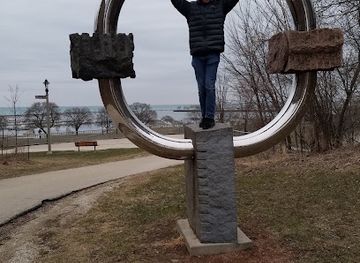
The East Side’s attractions are varied rather than concentrated in one monument. Brady Street offers the most immediate sightseeing, with older commercial buildings, independent businesses and a changing sequence of cafés, restaurants and bars. Lake Park is the neighbourhood’s principal outdoor draw: its Olmsted-designed paths pass through ravines and lawns towards Lake Michigan, with the North Point Lighthouse providing a focal point and viewpoint. The Charles Allis Art Museum occupies a historic mansion on North Prospect Avenue, while the Villa Terrace Decorative Arts Museum sits near the lakefront on the eastern edge of the area. On North Avenue, the Oriental Theatre is an important place to see film and occasional cultural programming in an atmospheric historic cinema. The streets around the University of Wisconsin–Milwaukee add galleries, student life and local cafés, making the East Side well suited to a series of short explorations rather than a single formal tour.
-
Park
Swing Park
Explore Swing Park in Milwaukee's Lower East Side, a serene urban retreat offering lush landscapes and a vibrant community atmosphere.
6 min drive · 2.0 km from neighbourhood centre
-
Heritage museum
Jewish Museum Milwaukee
Explore Jewish Museum Milwaukee: A Cultural Haven Celebrating Heritage, Art, and Community in the Heart of Milwaukee.
5 min drive · 1.8 km from neighbourhood centre


Best landmarks in East Side
The East Side’s landmarks express its relationship with landscape, domestic architecture and long-established commercial streets. Lake Park is the major civic landscape, designed by Frederick Law Olmsted in the 1890s around ravines, wooded slopes and open views towards Lake Michigan. Within it, the North Point Lighthouse recalls the area’s maritime setting and the importance of navigation on the lake. The Charles Allis Art Museum occupies an early twentieth-century mansion on Prospect Avenue, linking the neighbourhood’s grand residential development with its cultural life. Brady Street’s continuous run of older commercial buildings is less monumental but equally significant, preserving the scale of an immigrant-era business corridor. The Oriental Theatre on North Avenue is another prominent local structure, known for its historic cinema architecture and continuing role as a cultural venue. Nearby houses, flats and churches complete the East Side’s layered architectural character.
-
Tourist attraction
North Point Lighthouse
Explore North Point Lighthouse: A Historic Landmark on Lake Michigan, Where Maritime History Meets Breathtaking Views.
12 min walk · 0.9 km from neighbourhood centre
-
Historical landmark
McIntosh | Goodrich Mansion
Discover the McIntosh | Goodrich Mansion, a historical landmark in Milwaukee showcasing exquisite architecture and rich cultural heritage.
18 min walk · 1.5 km from neighbourhood centre
-
Historical landmark
Wisconsin State Historical Marker 535: North Point Light Station
Discover the historic North Point Light Station in Milwaukee, a stunning lighthouse with breathtaking views and rich maritime heritage along Lake Michigan.
12 min walk · 1.0 km from neighbourhood centre
-
Historical landmark
Historical Marker 288: Civil War Camp
Explore Historical Marker 288 in Milwaukee, a significant Civil War landmark that offers a unique glimpse into America's past and its historical significance.
14 min walk · 1.1 km from neighbourhood centre



Explore East Side on the map
A handpicked selection of must-see spots in East Side, mapped for you.
Best hotels in East Side
Best restaurants in East Side
Dining on Milwaukee’s East Side is closely tied to its commercial corridors, especially Brady Street, North Avenue and the avenues running towards the lake. Visitors will find a broad mix of casual restaurants, cafés, bakeries, bars serving food and independently operated international kitchens, with the strongest concentration around Brady Street’s older shopfronts. Italian-American influences remain part of the area’s historical identity, though the contemporary scene is far more varied, reflecting Milwaukee’s wider appetite for global food and modern casual dining. Coffee shops and daytime cafés make the district useful for a relaxed breakfast or lunch, while restaurant-and-bar combinations become more prominent in the evening. Food options thin out on the residential streets around Lake Park, where the appeal is architecture and scenery rather than a dense dining strip. North Avenue near the Oriental Theatre and university area adds further informal choices, but businesses and menus change, so current details should be checked locally.
-
Restaurant
Birch
Discover Birch Bistro: A Culinary Haven in Milwaukee's Lower East Side Offering Unique Dishes and Cozy Ambiance.
7 min drive · 2.4 km from neighbourhood centre
-
New American
Sanford
Discover Sanford, Milwaukee's premier fine dining destination offering innovative New American cuisine in an elegant setting.
7 min drive · 2.3 km from neighbourhood centre
-
New American
Tess
Experience the best of New American cuisine at Tess in Milwaukee - where fresh ingredients meet creative culinary artistry.
11 min walk · 0.9 km from neighbourhood centre
-
Italian
The Pasta Tree Restaurant & Wine Bar
Discover authentic Italian cuisine at The Pasta Tree Restaurant & Wine Bar in Milwaukee's Lower East Side, where flavors come alive.
5 min drive · 1.7 km from neighbourhood centre


Best bars in East Side
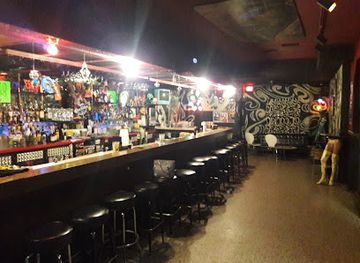
The East Side has one of Milwaukee’s most recognisable evening scenes, though it is centred on bars, music rooms and late-night food rather than a single club district. Brady Street is the main evening corridor, combining long-established taverns, casual bars and venues associated with live music and social nightlife. Wolski’s Tavern, on the neighbourhood’s western side, is a long-standing local institution with a strong bar-room identity, while the streets near North Avenue and the Oriental Theatre offer additional places to continue an evening. The area’s audience includes residents, students and visitors, and the atmosphere changes from busy commercial streets to quiet residential blocks within a short walk. Nightlife is not uniform across the East Side: Lake Park and the streets around it are primarily residential after dark, so visitors should plan transport and keep noise low when moving between venues.
-
Bar
Wolski's Tavern
Discover Wolski's Tavern: Milwaukee's iconic bar, offering a lively atmosphere, eclectic decor, and a wide selection of drinks for an unforgettable night out.
18 min walk · 1.4 km from neighbourhood centre
-
Pub
Nomad World Pub
Experience the vibrant atmosphere and diverse offerings of Nomad World Pub, a must-visit destination for tourists in Milwaukee's Lower East Side.
17 min walk · 1.4 km from neighbourhood centre
-
Bar
The Garage
Discover the vibrant energy of The Garage, a top bar and beer garden in Milwaukee's Lower East Side, perfect for craft beer lovers and social gatherings.
18 min walk · 1.4 km from neighbourhood centre
-
Bar
Y-Not II Tavern
Experience the vibrant atmosphere and friendly charm of Y-Not II Tavern, a must-visit bar in Milwaukee's Lower East Side.
7 min drive · 2.2 km from neighbourhood centre


Best nightclubs in East Side
The East Side has one of Milwaukee’s most recognisable evening scenes, though it is centred on bars, music rooms and late-night food rather than a single club district. Brady Street is the main evening corridor, combining long-established taverns, casual bars and venues associated with live music and social nightlife. Wolski’s Tavern, on the neighbourhood’s western side, is a long-standing local institution with a strong bar-room identity, while the streets near North Avenue and the Oriental Theatre offer additional places to continue an evening. The area’s audience includes residents, students and visitors, and the atmosphere changes from busy commercial streets to quiet residential blocks within a short walk. Nightlife is not uniform across the East Side: Lake Park and the streets around it are primarily residential after dark, so visitors should plan transport and keep noise low when moving between venues.
-
Night club
Mad Planet
Discover Milwaukee's nightlife at Mad Planet, a vibrant night club with themed dance nights, affordable drinks, and an unforgettable atmosphere.
6 min drive · 2.1 km from neighbourhood centre
-
Night club
Club Timbuktu
Immerse yourself in the vibrant nightlife of Milwaukee at Club Timbuktu, where music, dance, and delicious food collide.
7 min drive · 2.2 km from neighbourhood centre

Best shops in East Side
Shopping on the East Side is strongest on Brady Street and along parts of North Avenue, where independent retailers, cafés and service businesses occupy older, closely spaced shopfronts. The area is better known for browsing local businesses than for large-scale or luxury retail, with opportunities to find second-hand goods, clothing, gifts, books, records, specialist food products and small design-led items depending on current occupancy. Brady Street’s commercial history gives it a more established main-street feel, while the blocks near the University of Wisconsin–Milwaukee have a younger and more informal retail atmosphere. Farwell Avenue and the side streets add smaller businesses, although the character becomes increasingly residential towards Lake Park. Visitors should allow for an evolving shop mix rather than expecting a fixed market or department-store district; the pleasure lies in combining retail browsing with the street’s restaurants, bars and historic buildings.
-
Clothing store
Urban Outfitters
Explore the artistic blend of fashion, beauty, and home goods at Urban Outfitters in Milwaukee's trendy Lower East Side.
6 min walk · 0.5 km from neighbourhood centre

East Side essentials
Getting There
Getting Around
Safety
Emergency Situations
Do's and Don'ts
Local Tips

From Eve
Local phrases worth knowing
You don't need to get them perfect. A few words go a long way, and locals appreciate the effort.
Basics
| English | Local | Say it |
|---|---|---|
| Hello | Howdy | [haw-dee] |
| Goodbye | See ya | [see yuh] |
| Yes | Yup | [yuhp] |
| No | Nah | [nuh] |
| Please/You're welcome | Please/No problem | [pleez/no prob-lem] |
| Thank you | Thanks | [thanks] |
| Excuse me/Sorry | Pardon me/Sorry | [par-dun me/sor-ee] |
| How are you? | How ya doin'? | [how yuh doin'] |
| Fine. And you? | Fine. And you? | [fine. and yuh?] |
| Do you speak English? | Ya speak English? | [ya speak ing-glish?] |
| I don't understand | I dunno | [i duh-no] |
Eating & Drinking
| English | Local | Say it |
|---|---|---|
| I'd like to see the menu, please | Gimme the menu, please | [gim-me the menu, please] |
| I don't eat meat | I don't do meat | [i dun't do meat] |
| Cheers! | Cheers! | [cheers!] |
| I would like to pay, please | I'll pay now, please | [i'll pay now, please] |
Emergencies
| English | Local | Say it |
|---|---|---|
| Help! | Help! | [help!] |
| Go away! | Get lost! | [get lost!] |
| Call the Police! | Call the cops! | [call the cops!] |
| Call a doctor! | Get a doc! | [get a doc!] |
| I'm lost | I'm lost | [i'm lost] |
| I'm ill | I'm sick | [i'm sick] |
Shopping
| English | Local | Say it |
|---|---|---|
| I'd like to buy... | I wanna buy... | [i wanna buy...] |
| I'm just looking | Just lookin' | [just look-in'] |
| How much is it? | How much? | [how much?] |
| That's too expensive | Too pricey | [too pry-see] |
| Can you lower the price? | Can ya do cheaper? | [can yuh do chee-per?] |
Time & Numbers
| English | Local | Say it |
|---|---|---|
| What time is it? | What time is it? | [what time is it?] |
| It's one o'clock | It's one | [it's one] |
| Half past (10) | Half past ten | [half past ten] |
| Morning | Mornin' | [morn-in'] |
| Afternoon | Afternoon | [after-noon] |
| Evening | Evenin' | [even-in'] |
| Yesterday | Yest'day | [yest-duh] |
| Today | Today | [today] |
| Tomorrow | Tomorrah | [tom-or-rah] |
| 1 | One | [wun] |
| 2 | Two | [too] |
| 3 | Three | [three] |
| 4 | Four | [four] |
| 5 | Five | [five] |
| 6 | Six | [six] |
| 7 | Seven | [seven] |
| 8 | Eight | [eight] |
| 9 | Nine | [nine] |
| 10 | Ten | [ten] |
Transport & Directions
| English | Local | Say it |
|---|---|---|
| Where's a/the...? | Where's the...? | [where's the...?] |
| What's the address? | What's the addy? | [what's the addy?] |
| Can you show me (on the map)? | Show me on the map? | [show me on the map?] |
| When's the next (bus)? | When's the next (bus)? | [when's the next (bus)?] |
| A ticket (to ....) | A ticket to ... | [a ticket to ...] |
History of East Side
From River Settlement to East-Side Streets
The East Side developed on land east of the Milwaukee River as Milwaukee expanded during the nineteenth century. Before dense urban construction, the area included wooded ridges, farms and open land associated with the broader settlement around the river. Residential streets, commercial corridors and parish institutions gradually extended eastwards as the growing city attracted workers, merchants and families. The neighbourhood’s location between downtown and Lake Michigan helped make it a desirable place for housing, while streetcar-era growth encouraged development along routes that later became important corridors such as North Avenue and Brady Street.
Immigration and Commercial Brady Street
Brady Street became closely associated with immigrant settlement and small-scale commerce during the late nineteenth and early twentieth centuries. Italian immigrants were particularly influential in the street’s commercial and social life, joining an already diverse urban population and establishing businesses, homes and institutions in the surrounding area. The resulting streetscape retained a mixture of narrow shopfronts, flats and older houses rather than developing as a single-purpose retail district. That layered history still informs the East Side’s food culture and independent-business identity, even as the street’s later clientele and commercial character have changed.
Lake Park and the Picturesque City
Lake Park was designed in the 1890s by Frederick Law Olmsted, whose landscape plans helped shape Milwaukee’s park system. Rather than imposing a formal urban square, Olmsted’s design worked with the area’s ravines, woodland and elevation above Lake Michigan. Paths, bridges and open spaces created a scenic public landscape for an expanding city, while the North Point Lighthouse, first established in the nineteenth century and later preserved within the park, remained a navigational and civic landmark. Lake Park’s design also encouraged substantial residential development nearby and continues to distinguish the East Side from denser commercial parts of Milwaukee.
Counterculture and Changing Street Identity
During the mid-to-late twentieth century, Brady Street and nearby East Side blocks became associated with alternative culture, independent retail, music and nightlife. This period added a new layer to the area’s earlier immigrant and working commercial identity, attracting artists, students and small businesses. In subsequent decades, reinvestment brought renovated buildings, new restaurants and rising housing demand, while long-established businesses and residents remained part of the local mix. The East Side today reflects these overlapping phases rather than a single historical narrative: immigrant-era streets, Olmsted landscapes, student life and contemporary hospitality coexist within a relatively small section of the city.
East Side in Photos
Browse through our photo collection highlighting the charm and character of the destination.
Neighbourhoods near East Side
The closest neighbourhoods to East Side, if you have time for more than one stop.
-

-

-


Swipe for more neighbourhoods
Explore more

Explore more of Milwaukee
Milwaukee blends Lake Michigan views, brewing heritage, museums, historic districts and live music with Midwestern city culture and walkable neighbourhoods.
Explore Milwaukee