

Downtown (Milwaukee) Travel Guide - Free
Explore Downtown in Milwaukee with Evendo's free guide. Find the best shops, historic streets, restaurants, and gems on web or mobile.


Downtown Milwaukee pairs lakefront museums, the RiverWalk, historic architecture, theatres, sports, dining and easy access to Wisconsin’s cultural centre.
A Compact Civic and Cultural Centre
\n\nDowntown Milwaukee occupies the meeting point of the Milwaukee, Menomonee and Kinnickinnic rivers, stretching between the central business district and the lakefront. Its informal districts include Westown, East Town and Juneautown, each with a slightly different character. Westown is associated with office towers, theatres, convention facilities and major sports events; East Town brings together historic civic buildings, hotels, restaurants and cultural institutions; Juneautown extends towards the lake and the Milwaukee River.\n\nArchitecture Along the River
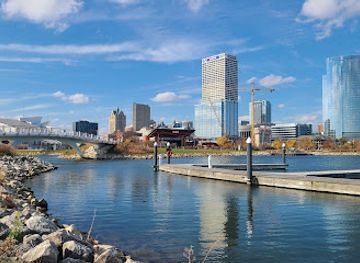
\n\nThe streets reveal Milwaukee's growth from a nineteenth-century commercial settlement into Wisconsin's largest urban centre. Milwaukee City Hall rises above Old World Third Street, while the Pabst Theater, historic office buildings and ornate churches give the central streets a strong architectural presence. The Milwaukee RiverWalk threads through the district, linking public art, restaurants, bridges and waterside views rather than following a single uniform promenade.\n\nCulture, Events and Lakefront Access
\n\nDowntown is especially active around performances, conventions, sporting fixtures and summer festivals, but it is not solely an entertainment district: weekday office life, government activity and residential buildings shape its quieter hours. Theatres such as the Riverside and Pabst, the Marcus Performing Arts Center, the Wisconsin Center and nearby Fiserv Forum anchor the events calendar, while the lakefront museums and Discovery World sit just beyond the central streets. Visitors can move between galleries, civic landmarks, riverfront dining and public spaces on foot, with the streetcar and city buses extending the reach of the neighbourhood.Best attractions in Downtown
Downtown's principal attractions are concentrated rather than spread across a large district. The Milwaukee RiverWalk provides a changing sequence of bridges, river views, public art and waterside businesses through the central area, while Old World Third Street preserves a recognisable historic streetscape near City Hall. The Pabst Theater and Riverside Theater bring nationally known performances to Westown, and the Marcus Performing Arts Center anchors the city's performing-arts scene nearby. At the eastern edge, the Milwaukee Art Museum and Discovery World offer major lakefront cultural experiences, although both sit beyond the tight business core. Fiserv Forum and the surrounding Deer District, just north of traditional downtown, add sport, concerts and event-focused public space. Visitors interested in architecture can concentrate on Wisconsin Avenue, City Hall, historic commercial buildings and the river bridges, where Milwaukee's civic and mercantile past remains especially legible.
-
Tourist attraction
Harley-Davidson Museum
Explore the rich heritage of Harley-Davidson at the Harley-Davidson Museum, a must-visit destination in Milwaukee for motorcycling enthusiasts and history lovers alike.
14 min walk · 1.1 km from neighbourhood centre
-
Tourist attraction
Milwaukee RiverWalk | Downtown’s East Bank
Explore the enchanting Milwaukee RiverWalk, an urban oasis featuring art, dining, and stunning views in the heart of downtown Milwaukee.
8 min walk · 0.7 km from neighbourhood centre
-
Tourist attraction
Milwaukee RiverWalk | West
Discover the picturesque Milwaukee RiverWalk | West, where nature meets culture along the beautiful riverfront in Wisconsin's vibrant city.
5 min walk · 0.4 km from neighbourhood centre


Best landmarks in Downtown
Milwaukee City Hall is downtown's most recognisable civic landmark, its nineteenth-century tower and lavish public architecture marking the city's late-industrial prosperity. Nearby, the Pabst Theater remains an important historic performance building, while the Milwaukee County Historical Society building and other commercial façades around Westown and Wisconsin Avenue reveal the district's banking, retail and municipal past. The Milwaukee River bridges are landmarks of a different kind: they express the geography that once divided Juneautown and Kilbourntown and now connects the central streets. The Cathedral of St John the Evangelist and other historic religious buildings stand at the East Town edge, adding a spiritual and architectural dimension to the civic core. The Art Museum's lakefront setting is just beyond central downtown, but its dramatic modern forms help define the city's eastern skyline and cultural threshold.
-
Tourist attraction
Milwaukee Art Museum
Explore the Milwaukee Art Museum, a stunning architectural gem housing an extensive collection of art from around the world, with breathtaking views of Lake Michigan.
10 min walk · 0.8 km from neighbourhood centre
-
 Park
Cathedral Square Park
Explore Cathedral Square Park, Milwaukee's urban oasis featuring stunning landscapes, vibrant events, and a rich cultural atmosphere in the heart of the city.
4 min walk · 0.4 km from neighbourhood centre
-
Tourist attraction
“Bronze Fonz” by Gerald P. Sawyer
Explore the iconic Bronze Fonz sculpture in Milwaukee, a tribute to pop culture with stunning river views and local charm.
5 min walk · 0.4 km from neighbourhood centre
-
State park
Lakeshore State Park
Explore Lakeshore State Park, a breathtaking urban escape in Milwaukee, offering stunning lake views, lush trails, and vibrant outdoor activities.
13 min walk · 1.1 km from neighbourhood centre


Explore Downtown on the map
A handpicked selection of must-see spots in Downtown, mapped for you.
Best hotels in Downtown
Best restaurants in Downtown
Downtown Milwaukee's dining scene reflects its role as a business, theatre and event district, with restaurants ranging from hotel dining rooms and contemporary kitchens to old-fashioned taverns, cafés and places built around Wisconsin's fondness for beer, sausages and hearty comfort food. Old World Third Street, Wisconsin Avenue, the riverfront and the streets around the theatre district provide the clearest concentration, although the number of open venues can shift with office patterns and event schedules. Restaurants near Fiserv Forum serve a strong pre- and post-event trade, while East Town offers more polished dining and cocktail-led menus. The Milwaukee Public Market is in the adjacent Historic Third Ward rather than downtown, but its proximity can be useful to visitors planning a wider central-city food itinerary. Reservations and transport planning matter more on performance and game nights than on quieter weekdays.
-
Restaurant
SafeHouse
Experience the thrill of espionage dining at SafeHouse in Milwaukee—where culinary creativity meets an adventurous atmosphere.
5 min walk · 0.4 km from neighbourhood centre
-
German
Mader's Restaurant
Experience authentic German cuisine at Mader's Restaurant in Milwaukee - where tradition meets culinary excellence.
11 min walk · 0.9 km from neighbourhood centre
-
Grill
Milwaukee Brat House
Experience authentic Wisconsin flavors at Milwaukee Brat House - where delicious brats meet local brews in a lively atmosphere.
11 min walk · 0.8 km from neighbourhood centre
-
Restaurant
Swingin' Door Exchange
Discover Swingin' Door Exchange - Milwaukee's iconic pub offering delicious food and drinks in a lively downtown setting.
3 min walk · 0.2 km from neighbourhood centre


Best bars in Downtown
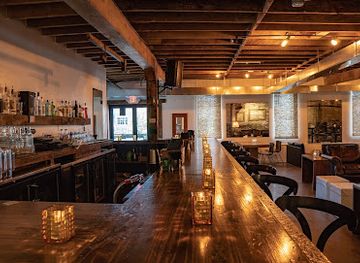
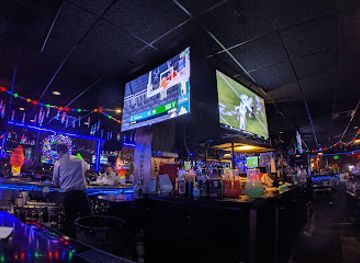
Downtown's nightlife is shaped more by theatres, sporting events, hotel bars, live music and long-established taverns than by a dense late-night club strip. Pabst Theater and Riverside Theater bring evening performances to Westown, while the Marcus Performing Arts Center broadens the programme to concerts, dance and theatre. Bars around Old World Third Street, Wisconsin Avenue and the Deer District become busiest before and after major events, and riverfront venues add a more relaxed setting in suitable weather. The neighbourhood can feel comparatively quiet between events, particularly in office-focused blocks after working hours. Visitors should check current venue calendars and transport arrangements, since closing times, entry policies and street conditions vary and game or concert crowds can make short journeys slower than expected.
-
Grill
The Wicked Hop
Experience the vibrant flavors of Milwaukee at The Wicked Hop, where hearty meals and craft drinks come together in a lively atmosphere.
6 min walk · 0.5 km from neighbourhood centre
-
Restaurant
Swingin' Door Exchange
Experience the vibrant flavors and lively atmosphere at Swingin' Door Exchange, Milwaukee's premier restaurant and pub destination.
3 min walk · 0.2 km from neighbourhood centre
-
Lounge
The Outsider
Discover The Outsider: Milwaukee's rooftop gem offering breathtaking views, delicious izakaya-inspired small plates, and innovative cocktails.
8 min walk · 0.7 km from neighbourhood centre
-
Bar
Blu
Experience Milwaukee from new heights at Blu, an upscale bar with stunning skyline views and innovative cocktails.
1 min walk · 0.1 km from neighbourhood centre


Best nightclubs in Downtown
Downtown's nightlife is shaped more by theatres, sporting events, hotel bars, live music and long-established taverns than by a dense late-night club strip. Pabst Theater and Riverside Theater bring evening performances to Westown, while the Marcus Performing Arts Center broadens the programme to concerts, dance and theatre. Bars around Old World Third Street, Wisconsin Avenue and the Deer District become busiest before and after major events, and riverfront venues add a more relaxed setting in suitable weather. The neighbourhood can feel comparatively quiet between events, particularly in office-focused blocks after working hours. Visitors should check current venue calendars and transport arrangements, since closing times, entry policies and street conditions vary and game or concert crowds can make short journeys slower than expected.
-
Bar
Freight 38
Experience the lively nightlife at Freight 38, Milwaukee's must-visit bar and lounge known for its cocktails and vibrant atmosphere.
6 min drive · 1.9 km from neighbourhood centre
-
Night club
Room Seven
Dive into Milwaukee's nightlife at Room Seven, a vibrant night club offering electrifying music, craft cocktails, and an unforgettable atmosphere.
3 min walk · 0.2 km from neighbourhood centre
-
Night club
Victor's
Discover the lively atmosphere of Victor's Nightclub, Milwaukee's ultimate destination for dining, dancing, and sports entertainment.
11 min walk · 0.9 km from neighbourhood centre
-
Night club
No. 720
Discover the electrifying nightlife at No. 720 in Milwaukee, where music, dancing, and unforgettable experiences await every visitor.
1 min walk · 0.1 km from neighbourhood centre


Best shops in Downtown
Shopping in downtown Milwaukee is functional, independent and increasingly mixed with dining and entertainment rather than concentrated in a single enclosed retail quarter. Wisconsin Avenue and the blocks around East Town contain cafés, specialist businesses, convenience shops and service retailers, while Old World Third Street combines historic buildings with restaurants and small-scale commercial spaces. The central district also has shops aimed at office workers, theatre audiences and sports crowds, including Milwaukee-themed merchandise and event-related retail. Visitors seeking a broader independent and design-led selection can continue east into the adjacent Historic Third Ward, where the retail environment is more deliberately boutique-oriented; it should not be confused with downtown proper. The former Grand Avenue shopping complex and surrounding redevelopment have also made the central retail landscape changeable, so browsing is best approached as part of an architecture, food or entertainment walk rather than as a full-day shopping destination.
-
General store
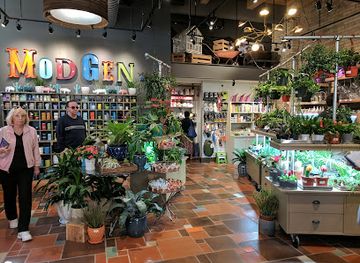
MOD GEN - A Modern General Store
Explore MOD GEN, Milwaukee's modern general store, featuring local goods, unique gifts, and a delightful shopping experience in the Historic Third Ward.
8 min walk · 0.7 km from neighbourhood centre
-
Gift shop
Farm Girl Art and Antiques
Explore Farm Girl Art and Antiques in Milwaukee for unique vintage finds, from antique furniture to artistic treasures that capture the essence of history.
6 min drive · 2.0 km from neighbourhood centre
-
Gift shop
Urban Milwaukee: The Store
Discover unique gifts and local treasures at Urban Milwaukee: The Store, where every purchase tells a story of the city's vibrant culture.
2 min walk · 0.2 km from neighbourhood centre
-
Gift shop
Third Point of View
Explore Third Point of View in Milwaukee for a delightful mix of antiques, vintage finds, and unique gifts that capture the essence of local charm.
7 min drive · 2.2 km from neighbourhood centre


Downtown essentials
Getting There
Getting Around
Safety
Emergency Situations
Do's and Don'ts
Local Tips

From Eve
Local phrases worth knowing
You don't need to get them perfect. A few words go a long way, and locals appreciate the effort.
Basics
| English | Local | Say it |
|---|---|---|
| Hello | Howdy | [haʊ-di] |
| Goodbye | See ya later | [siː jə ˈleɪ.tər] |
| Yes | Yeah | [jɛh] |
| No | Nah | [nɑː] |
| Please/You're welcome | Please/No problem | [pliːz/nəʊ ˈprɑbləm] |
| Thank you | Thanks | [θæŋks] |
| Excuse me/Sorry | Pardon/My bad | [ˈpɑːrdn/maɪ bæd] |
| How are you? | How's it going? | [haʊz ɪt ˈɡoʊɪŋ] |
| Fine. And you? | Good. You? | [ɡʊd ju] |
| Do you speak English? | Ya speak English? | [jə spiːk ˈɪŋɡlɪʃ] |
| I don't understand | I'm lost | [aɪm lɔst] |
Eating & Drinking
| English | Local | Say it |
|---|---|---|
| I'd like to see the menu, please | Can I check out the menu, please | [kæn aɪ ʧɛk aʊt ðə ˈmɛnjuː pliːz] |
| I don't eat meat | I don't do meat | [aɪ doʊnt duː mit] |
| Cheers! | Bottoms up! | [ˈbɑtəmz ʌp] |
| I would like to pay, please | I need to settle up, please | [aɪ nid tu ˈsɛtəl ʌp pliːz] |
Emergencies
| English | Local | Say it |
|---|---|---|
| Help! | SOS! | [ɛs oʊ ˈɛs] |
| Go away! | Get lost! | [ɡɛt lɔst] |
| Call the Police! | Call the cops! | [kɔl ðə kɑps] |
| Call a doctor! | Call a doc! | [kɔl ə dɑktər] |
| I'm lost | I'm turned around | [aɪm tɜrnd əˈraʊnd] |
| I'm ill | I'm under the weather | [aɪm ˈʌndər ðə ˈwɛðər] |
Shopping
| English | Local | Say it |
|---|---|---|
| I'd like to buy... | I'm interested in... | [aɪm ˈɪntrəstɪd ɪn] |
| I'm just looking | Just browsing | [ˈdʒəst ˈbraʊzɪŋ] |
| How much is it? | What's the damage? | [wɑːts ðə ˈdæmɪdʒ] |
| That's too expensive | That's too pricey | [ðæts tuː ˈpraɪsi] |
| Can you lower the price? | Can you knock it down? | [kæn ju nɑːk ɪt daʊn] |
Time & Numbers
| English | Local | Say it |
|---|---|---|
| What time is it? | What's the time? | [wɑːts ðə taɪm] |
| It's one o'clock | It's one | [ɪts wʌn] |
| Half past (10) | Ten thirty | [tɛn ˈθɜrti] |
| Morning | Mornin' | [ˈmɔrnɪn] |
| Afternoon | Arvo | [ˈɑrvoʊ] |
| Evening | Night | [naɪt] |
| Yesterday | Yest'day | [ˈjɛstˈdeɪ] |
| Today | Today | [təˈdeɪ] |
| Tomorrow | Tomorrah | [təˈmɑːrə] |
Transport & Directions
| English | Local | Say it |
|---|---|---|
| Where's a/the...? | Where's the...? | [wɛərz ðə] |
| What's the address? | What's the addy? | [wɑːts ðə ˈædi] |
| Can you show me (on the map)? | Can you point it out (on the map)? | [kæn ju pɔɪnt ɪt aʊt ɒn ðə mæp] |
| When's the next (bus)? | When's the next (bus)? | [wɛnz ðə nɛkst] |
| A ticket (to ....) | One ticket (to ....) | [wʌn ˈtɪkɪt tu] |
History of Downtown
Juneautown and Early Settlement
The central area grew from settlements associated with Solomon Juneau, who established a trading post on the east side of the Milwaukee River in the early nineteenth century. On the opposite bank, Byron Kilbourn developed Kilbourntown, while George Walker promoted a third settlement to the south. Their competing street grids and commercial interests helped shape the irregular connections that still distinguish central Milwaukee. Juneau's settlement became the principal foundation for the future downtown east of the river, where river crossings, trade and access to Lake Michigan encouraged further growth.
A City Formed Around Commerce
Milwaukee's incorporation as a city in 1846 accelerated development around its rivers, wharves and commercial streets. The conflict between the rival settlements culminated in the Bridge War of 1845, when residents resisted the construction of bridges linking the divided communities; the dispute nevertheless demonstrated how essential crossings were to the city's future. During the later nineteenth century, warehouses, banks, offices, hotels and shops filled the central area as railways, lake shipping and manufacturing expanded. Downtown became the region's principal marketplace and administrative centre.
Civic Architecture and Entertainment
The prosperity of the late nineteenth century left a particularly visible mark on downtown. Milwaukee City Hall, completed in 1895, expressed the city's civic ambitions, while theatres, department stores, churches and substantial commercial buildings gathered around Wisconsin Avenue and the river crossings. The Pabst Theater, also opened in 1895, reflected the importance of organised entertainment in the growing city. German-American influence was significant in Milwaukee's wider commercial and cultural life, although downtown itself developed as a meeting place for many communities, businesses and institutions.
Decline, Renewal and a Changing Core
Like many American downtowns, Milwaukee's central district changed substantially during the twentieth century as suburban shopping, automobile travel and decentralised employment altered established patterns of commerce. Some historic buildings lost their original uses, while office, government and convention functions became more prominent. Later investment supported the preservation and reuse of older structures, improvements along the Milwaukee River and the redevelopment of surrounding public spaces. The result is a mixed downtown in which nineteenth-century civic architecture stands beside modern offices, hotels, cultural venues and residential conversions.
The Contemporary Event District
In the twenty-first century, downtown's identity has increasingly been shaped by riverfront activity, cultural institutions, conventions, performances and major sporting events. The RiverWalk strengthened connections between central streets and the water, while investment around the Deer District, just north of the traditional business core, added new public gathering spaces and event infrastructure. The lakefront museums and nearby cultural venues broaden the area beyond office use. Downtown remains a working civic centre, but its visitor profile now changes markedly between weekdays, performance evenings, festival periods and game days.
Downtown in Photos
Browse through our photo collection highlighting the charm and character of the destination.
Neighbourhoods near Downtown
The closest neighbourhoods to Downtown, if you have time for more than one stop.
-

-

-


Swipe for more neighbourhoods
Explore more

Explore more of Milwaukee
Milwaukee blends Lake Michigan views, brewing heritage, museums, historic districts and live music with Midwestern city culture and walkable neighbourhoods.
Explore Milwaukee