

Free Milwaukee Travel Guide & Mobile App
Plan your Milwaukee trip with Evendo. Get free guides to top attractions, restaurants, hotels, and bars. Web access or download the mobile app.


Discover Milwaukee, a lakeside gem in Wisconsin known for its brewing history, cultural attractions, and vibrant festivals.
Read more about Milwaukee
When is the best time to visit Milwaukee?
Best: June, August–September · 21–26°C| Month | High (°C) | Rainfall (mm) |
|---|---|---|
| January | 1 | 43 |
| February | 3 | 38 |
| March | 8 | 53 |
| April | 14 | 67 |
| May | 19 | 84 |
| June (best) | 24 | 104 |
| July | 27 | 105 |
| August (best) | 26 | 89 |
| September (best) | 21 | 82 |
| October | 15 | 63 |
| November | 9 | 54 |
| December | 3 | 41 |
Getting to and around Milwaukee
How to get there
Transportation
Best attractions in Milwaukee
Milwaukee, Wisconsin offers a diverse range of attractions for visitors to explore. From the iconic Harley-Davidson Museum showcasing the history of the legendary motorcycle brand to the stunning Milwaukee Art Museum with its striking architecture and impressive collection, there is something for everyone. Take a stroll along the scenic Lake Michigan waterfront, visit the historic Pabst Mansion, or enjoy a brewery tour at one of the many craft beer establishments in the city. Don't miss out on the lively festivals, delicious food scene, and vibrant music venues that make Milwaukee a must-visit destination.
-
Stadium
American Family Field
Discover the excitement of American Family Field, home of the Milwaukee Brewers, where sports and entertainment come alive in a stunning stadium setting.
16 min drive · 5.4 km from city centre
-
Tourist attraction
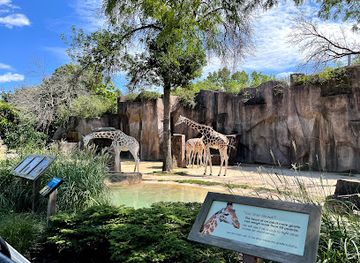
Milwaukee County Zoo
Discover a world of wildlife and conservation at the Milwaukee County Zoo, an unforgettable experience for all ages.
31 min drive · 11 km from city centre
-
Market
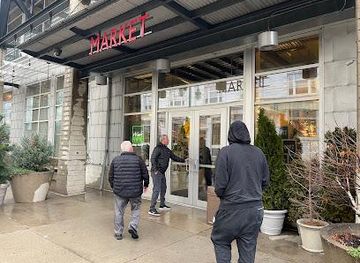
Milwaukee Public Market
Explore the vibrant flavors of Milwaukee at the Public Market, your go-to destination for fresh food, local artisans, and a lively atmosphere.
5 min walk · 0.4 km from city centre
-
Heritage museum
Harley-Davidson Museum
Explore the rich history of Harley-Davidson at the iconic museum in Milwaukee, showcasing legendary motorcycles and the spirit of American freedom.
14 min walk · 1.1 km from city centre


Best landmarks in Milwaukee
Milwaukee offers visitors a rich tapestry of history and culture, with iconic landmarks such as the Milwaukee Art Museum, known for its stunning architecture and impressive art collection, the historic Pabst Mansion showcasing the city's Gilded Age opulence, and the Harley-Davidson Museum celebrating the legendary motorcycle brand. Visitors can also explore the vibrant neighborhoods of the Historic Third Ward and Brady Street, sample local craft beers at brewery tours, and enjoy scenic views along the Lake Michigan shoreline. With a mix of art, history, and entertainment, Milwaukee's landmarks offer a diverse and captivating experience for tourists.
-
Tourist attraction
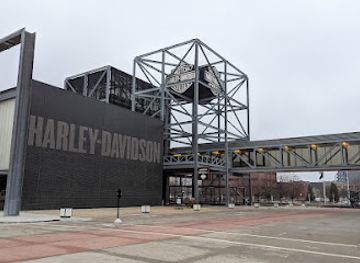
Harley-Davidson Museum
Discover the legacy of Harley-Davidson at the iconic museum in Milwaukee, where history, culture, and passion for motorcycles come alive.
14 min walk · 1.1 km from city centre
-
Tourist attraction
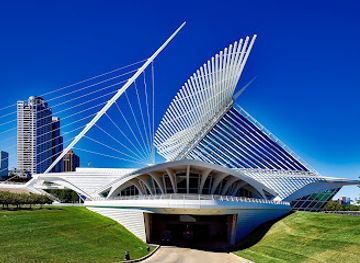
Milwaukee Art Museum
Discover the stunning Milwaukee Art Museum, a cultural gem featuring impressive art collections and breathtaking architecture on the shores of Lake Michigan.
10 min walk · 0.8 km from city centre
-
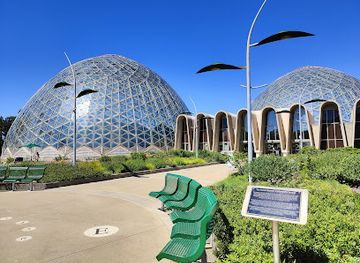
Botanical garden
Mitchell Park Domes Horticulture Conservatory
Discover the enchanting Mitchell Park Domes in Milwaukee, where vibrant ecosystems and stunning plant displays await every visitor.
10 min drive · 3.5 km from city centre
-
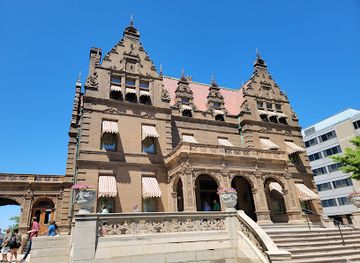
Tourist attraction
Pabst Mansion
Explore the Pabst Mansion, a stunning historical landmark in Milwaukee showcasing Gilded Age elegance and rich brewing history.
8 min drive · 2.6 km from city centre
Explore Milwaukee on the map
Plan your Milwaukee trip on one map. See where the top attractions, landmarks, restaurants, bars and hotels are, find what's near where you're staying, and book hotels and experiences in a few clicks.
Neighbourhoods in Milwaukee
-
 Bay View
Discover Bay View, Milwaukee: A Waterfront Neighborhood with Rich History, Scenic Parks, Thriving Arts, and Eclectic Dining Options.
15 min drive · 4.8 km from city centre
Bay View
Discover Bay View, Milwaukee: A Waterfront Neighborhood with Rich History, Scenic Parks, Thriving Arts, and Eclectic Dining Options.
15 min drive · 4.8 km from city centre
-
 Downtown
Explore Downtown Milwaukee: A captivating blend of historic charm, cultural richness, and modern vibrancy, located on the stunning shores of Lake Michigan.
1 min walk · 0.1 km from city centre
Downtown
Explore Downtown Milwaukee: A captivating blend of historic charm, cultural richness, and modern vibrancy, located on the stunning shores of Lake Michigan.
1 min walk · 0.1 km from city centre
-
 East Side
Discover the East Side of Milwaukee, where historic charm meets modern vibrancy. Enjoy cultural richness, diverse dining, and scenic lakefront views in this dynamic neighborhood.
1 h 42 min drive · 82 km from city centre
East Side
Discover the East Side of Milwaukee, where historic charm meets modern vibrancy. Enjoy cultural richness, diverse dining, and scenic lakefront views in this dynamic neighborhood.
1 h 42 min drive · 82 km from city centre
-
 Third Ward
Discover Milwaukee's Third Ward: a lively neighborhood blending historic charm, vibrant arts, and diverse culinary delights along the scenic Milwaukee River.
11 min walk · 0.8 km from city centre
Third Ward
Discover Milwaukee's Third Ward: a lively neighborhood blending historic charm, vibrant arts, and diverse culinary delights along the scenic Milwaukee River.
11 min walk · 0.8 km from city centre
Swipe for more neighbourhoods
Best hotels in Milwaukee
Best restaurants in Milwaukee
Milwaukee offers a diverse and vibrant dining scene that will delight visitors of all tastes and preferences. From classic American diners serving up hearty comfort food to trendy farm-to-table restaurants showcasing the best of local ingredients, there is something for everyone in this culinary hub. Don't miss the chance to sample Milwaukee's famous cheese curds, indulge in a Friday night fish fry, or sip on a locally brewed beer at one of the city's many breweries. With a mix of traditional favorites and innovative cuisine, Milwaukee is sure to satisfy even the most discerning foodies.
-
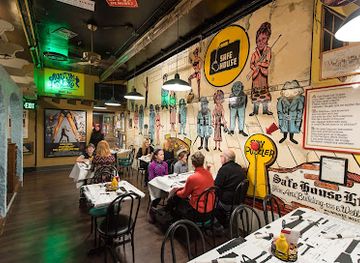
Restaurant
SafeHouse
Discover SafeHouse in Milwaukee: A unique restaurant experience blending culinary delights with a playful espionage theme.
5 min walk · 0.4 km from city centre
-
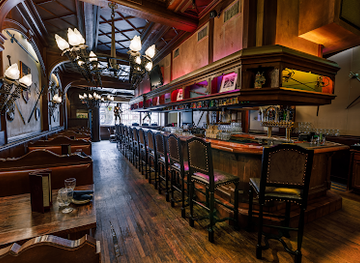
German
Mader's Restaurant
Discover the rich flavors of Germany at Mader's Restaurant, Milwaukee’s premier destination for authentic Bavarian cuisine and warm hospitality.
11 min walk · 0.9 km from city centre
-
Seafood
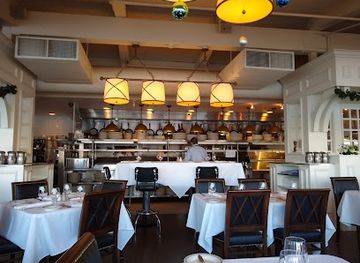
Harbor House
Experience exquisite seafood dining at Harbor House with breathtaking views of Lake Michigan in Milwaukee.
12 min walk · 0.9 km from city centre
-
Hamburger
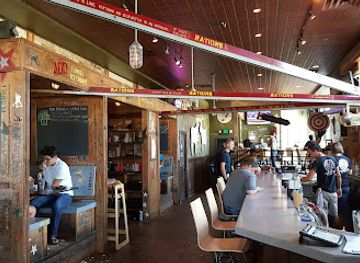
AJ Bombers
Savor mouthwatering gourmet burgers at AJ Bombers in Milwaukee - a perfect blend of flavor and fun!
12 min walk · 1.0 km from city centre
Best bars in Milwaukee
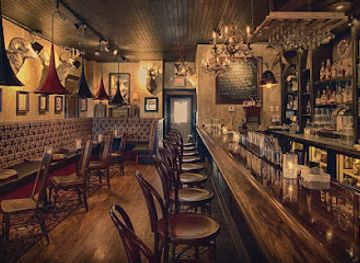
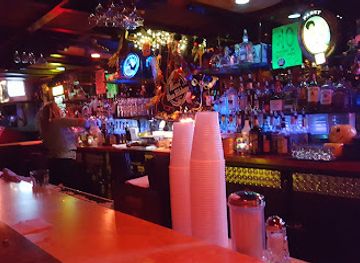
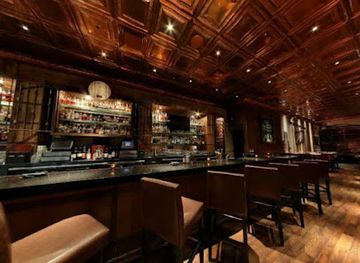
Milwaukee offers a vibrant nightlife scene with a diverse range of bars and nightclubs to cater to all tastes. From historic taverns serving up local craft beers to trendy cocktail bars with creative mixologists, there is something for everyone. Dance the night away at energetic nightclubs featuring live music or DJs, or unwind at cozy lounges with a laid-back atmosphere. With a mix of traditional and modern venues, visitors can experience the unique charm of Milwaukee's nightlife until the early hours of the morning.
-
Grill
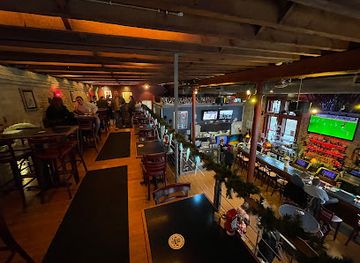
The Wicked Hop
Discover The Wicked Hop in Milwaukee's Historic Third Ward: a vibrant grill and bar offering delicious food, craft drinks, and a lively atmosphere.
6 min walk · 0.5 km from city centre
-
Cocktail bar
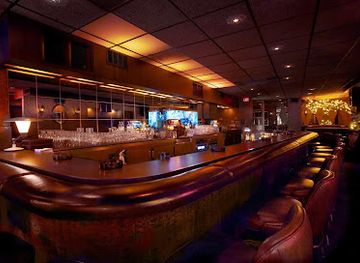
Bryant's Cocktail Lounge
Discover Bryant's Cocktail Lounge, a historic bar in Milwaukee offering exquisite cocktails and a unique atmosphere for an unforgettable night out.
9 min drive · 3.0 km from city centre
-
Cocktail bar
Boone & Crockett
Discover Boone & Crockett, Milwaukee's top cocktail bar, where craft cocktails meet a lively atmosphere in the heart of Harbor View.
5 min drive · 1.8 km from city centre
-
Lounge
The Outsider
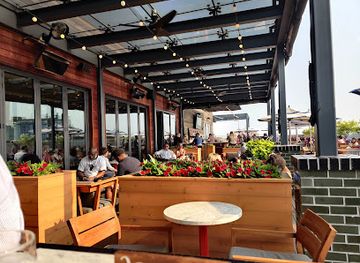
Discover Milwaukee's premier rooftop lounge, The Outsider, offering panoramic city views, exquisite cocktails, and a vibrant atmosphere.
8 min walk · 0.7 km from city centre
Best nightclubs in Milwaukee
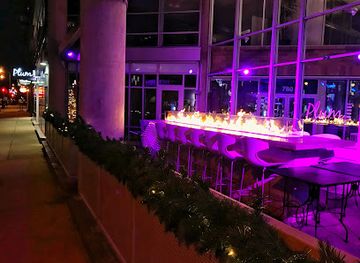
Milwaukee offers a vibrant nightlife scene with a diverse range of bars and nightclubs to cater to all tastes. From historic taverns serving up local craft beers to trendy cocktail bars with creative mixologists, there is something for everyone. Dance the night away at energetic nightclubs featuring live music or DJs, or unwind at cozy lounges with a laid-back atmosphere. With a mix of traditional and modern venues, visitors can experience the unique charm of Milwaukee's nightlife until the early hours of the morning.
-
Bar
Freight 38
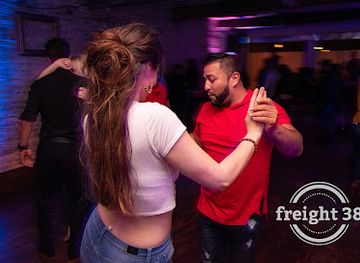
Experience the best of Milwaukee nightlife at Freight 38, where drinks, music, and ambiance come together in perfect harmony.
6 min drive · 1.9 km from city centre
-
Night club
Room Seven
Discover Room Seven, Milwaukee's premier night club and bar, where vibrant energy meets stylish elegance for an unforgettable nightlife experience.
3 min walk · 0.2 km from city centre
-
Night club
Mad Planet
Experience the vibrant nightlife of Milwaukee at Mad Planet, a lively club offering themed nights, live DJs, and a welcoming atmosphere.
10 min drive · 3.2 km from city centre
-
Night club
No. 720
Discover the pulsating nightlife of Milwaukee at No. 720, a must-visit night club for unforgettable evenings filled with music and dancing.
1 min walk · 0.1 km from city centre
Best shops in Milwaukee
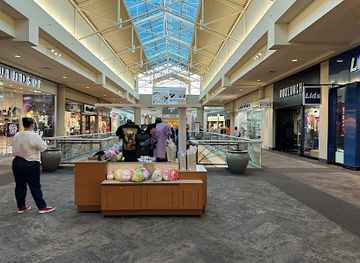
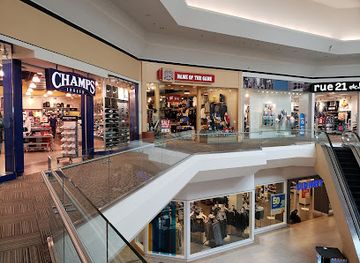
Milwaukee offers a vibrant shopping scene for visitors to explore, with a mix of unique boutiques, local artisans, and well-known brands. From the trendy Third Ward with its upscale shops and art galleries to the historic Grand Avenue Mall and the bustling Milwaukee Public Market, there is something for every shopper. Visitors can browse for handmade jewelry, local artwork, Wisconsin cheese, and trendy fashion pieces, all while soaking in the city's rich history and culture. Don't miss out on the various farmers markets and flea markets that pop up throughout the city, offering an array of fresh produce, antiques, and one-of-a-kind treasures.
-
Shopping mall
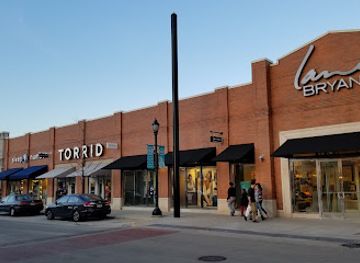
Mayfair
Explore Mayfair, Wauwatosa's premier shopping destination with over 100 stores, diverse dining, and a vibrant atmosphere for all ages.
32 min drive · 12 km from city centre
-
Shopping mall
Southridge Mall
Southridge Mall: Your ultimate shopping destination in Greendale, Wisconsin, featuring over 100 stores, diverse dining, and vibrant entertainment.
33 min drive · 13 km from city centre
-
Shopping mall
Bayshore Mall
Explore Bayshore Mall: Your one-stop shopping destination in Glendale, Wisconsin, featuring diverse stores, dining, and entertainment for all ages.
28 min drive · 9.2 km from city centre
-
Antique store
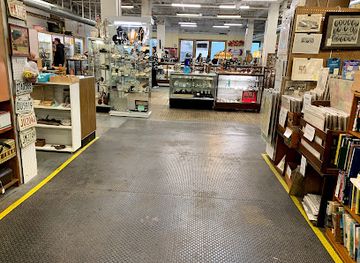
Antiques on Pierce
Explore unique antiques and vintage treasures in Milwaukee's charming Antiques on Pierce, where every item tells a story.
8 min drive · 2.6 km from city centre
Get your free copy of our complete guide to Milwaukee, delivered straight to you.
Everything on this page, from attractions and restaurants to essentials and local phrases, in one PDF you can read offline, print or share.
Already have an account? Sign in
Your Milwaukee guide is ready.
We'll send it to · Not you? Sign out

Getting your guide ready…
We are putting together a fresh copy of the Milwaukee guide. This can take up to a minute.
This can take a few moments. If your browser asks, choose Allow so the download can start. You'll find the guide in your Downloads folder.
Nothing happened? Download it again
Sorry, the guide is taking longer than usual. Please try again in a minute, or get it by email instead.
Milwaukee essentials
Currency and Payment
Safety
Emergency Situations
Do's and Don'ts
Local Tips
From Eve
Local phrases worth knowing
You don't need to get them perfect. A few words go a long way, and locals appreciate the effort.
Basics
| English | Local | Say it |
|---|---|---|
| Hello | Hey | [hey] |
| Goodbye | See ya | [see ya] |
| Yes | Yeah | [yeah] |
| No | Nah | [nah] |
| Please/You're welcome | Please/No problem | [please/no problem] |
| Thank you | Thanks | [thanks] |
| Excuse me/Sorry | Excuse me/My bad | [excuse me/my bad] |
| How are you? | How ya doin'? | [how ya doin'] |
| Fine. And you? | Good. You? | [good. you?] |
| Do you speak English? | Ya speak English? | [ya speak english?] |
| I don't understand | I don't get it | [i don't get it] |
Eating & Drinking
| English | Local | Say it |
|---|---|---|
| I'd like to see the menu, please | Menu, please | [menu, please] |
| I don't eat meat | No meat for me | [no meat for me] |
| Cheers! | Cheers! | [cheers!] |
| I would like to pay, please | Check, please | [check, please] |
Emergencies
| English | Local | Say it |
|---|---|---|
| Help! | Help! | [help!] |
| Go away! | Get lost! | [get lost!] |
| Call the Police! | Call the cops! | [call the cops!] |
| Call a doctor! | Get a doctor! | [get a doctor!] |
| I'm lost | I'm lost | [i'm lost] |
| I'm ill | I'm sick | [i'm sick] |
Shopping
| English | Local | Say it |
|---|---|---|
| I'd like to buy... | I wanna buy... | [i wanna buy...] |
| I'm just looking | Just browsing | [just browsing] |
| How much is it? | How much? | [how much?] |
| That's too expensive | Too pricey | [too pricey] |
| Can you lower the price? | Can you do better? | [can you do better?] |
Time & Numbers
| English | Local | Say it |
|---|---|---|
| What time is it? | What time is it? | [what time is it?] |
| It's one o'clock | It's one o'clock | [it's one o'clock] |
| Half past (10) | Half past ten | [half past ten] |
| Morning | Morning | [morning] |
| Afternoon | Afternoon | [afternoon] |
| Evening | Evening | [evening] |
| Yesterday | Yesterday | [yesterday] |
| Today | Today | [today] |
| Tomorrow | Tomorrow | [tomorrow] |
| 1 | One | [one] |
| 2 | Two | [two] |
| 3 | Three | [three] |
| 4 | Four | [four] |
| 5 | Five | [five] |
| 6 | Six | [six] |
| 7 | Seven | [seven] |
| 8 | Eight | [eight] |
| 9 | Nine | [nine] |
| 10 | Ten | [ten] |
Transport & Directions
| English | Local | Say it |
|---|---|---|
| Where's a/the...? | Where's the...? | [where's the...?] |
| What's the address? | What's the address? | [what's the address?] |
| Can you show me (on the map)? | Show me on the map? | [show me on the map?] |
| When's the next (bus)? | When's the next bus? | [when's the next bus?] |
| A ticket (to ....) | Ticket to... | [ticket to...] |
History of Milwaukee
Founding of Milwaukee
Milwaukee was officially founded in 1846 when three competing settlements, Juneautown, Kilbourntown, and Walker's Point, merged to form a single city. Solomon Juneau, Byron Kilbourn, and George H. Walker were the prominent figures behind these settlements, each contributing to the growth and development of the area.
The Beer Capital of the World
In the late 19th and early 20th centuries, Milwaukee earned the nickname 'Beer Capital of the World.' The city became home to several major breweries, including Pabst, Schlitz, Miller, and Blatz. This brewing heritage not only shaped the local economy but also influenced the city's culture and identity.
German Immigration and Influence
Milwaukee saw a significant influx of German immigrants in the mid-19th century. These immigrants brought with them their customs, traditions, and skills, particularly in brewing and manufacturing. The German influence is still evident today in the city's architecture, cuisine, and cultural festivals, such as Oktoberfest.
Milwaukee's Industrial Boom
The late 19th and early 20th centuries marked an era of industrial growth for Milwaukee. The city became a hub for manufacturing, with industries ranging from machinery and electronics to leather goods. Companies like Harley-Davidson and A.O. Smith Corporation played pivotal roles in establishing Milwaukee as a major industrial center.
The Milwaukee Art Movement
Milwaukee has a rich artistic heritage, highlighted by institutions like the Milwaukee Art Museum, which opened in 1888. The museum is renowned for its extensive collection of American and European art, as well as its iconic Quadracci Pavilion designed by Santiago Calatrava. The city's vibrant arts scene is also reflected in numerous galleries, theaters, and public art installations.
Civil Rights Movement
Milwaukee played a significant role in the Civil Rights Movement of the 1960s. Activists like Father James Groppi and the NAACP Youth Council led protests against segregation and discrimination, particularly in housing and education. The struggle for civil rights in Milwaukee brought about important social changes and laid the groundwork for future progress.
Summerfest: The World’s Largest Music Festival
Since its inception in 1968, Summerfest has grown to become the world's largest music festival, attracting over 800,000 visitors annually. Held on the shores of Lake Michigan, the festival features performances from a diverse array of artists, spanning genres and generations. Summerfest is a cornerstone of Milwaukee's cultural identity and a major draw for tourists.
Milwaukee in Photos
Browse through our photo collection highlighting the charm and character of the destination.
Cities near Milwaukee
The closest cities to Milwaukee, if you have time for more than one stop.
-
 Racine
Discover Racine, Wisconsin: A charming lakeside city with rich history, beautiful parks, and vibrant arts, offering a perfect blend of natural and cultural attractions.
56 min drive · 36 km from city centre
Racine
Discover Racine, Wisconsin: A charming lakeside city with rich history, beautiful parks, and vibrant arts, offering a perfect blend of natural and cultural attractions.
56 min drive · 36 km from city centre
-
 Kenosha
Discover Kenosha, Wisconsin: A lakeside city with rich history, scenic beauty, and vibrant culture, offering a perfect blend of relaxation and adventure for every traveler.
1 h 11 min drive · 51 km from city centre
Kenosha
Discover Kenosha, Wisconsin: A lakeside city with rich history, scenic beauty, and vibrant culture, offering a perfect blend of relaxation and adventure for every traveler.
1 h 11 min drive · 51 km from city centre
-
 Lake Geneva
Discover Lake Geneva, Wisconsin's serene lakeside retreat, offering a blend of natural beauty, historic charm, and year-round recreational activities.
1 h 26 min drive · 66 km from city centre
Lake Geneva
Discover Lake Geneva, Wisconsin's serene lakeside retreat, offering a blend of natural beauty, historic charm, and year-round recreational activities.
1 h 26 min drive · 66 km from city centre
-
 Sheboygan
Discover Sheboygan, the Malibu of the Midwest, with its stunning Lake Michigan shores, vibrant arts scene, and rich cultural heritage. Perfect for a scenic and memorable getaway.
Sheboygan
Discover Sheboygan, the Malibu of the Midwest, with its stunning Lake Michigan shores, vibrant arts scene, and rich cultural heritage. Perfect for a scenic and memorable getaway.
-
 Madison
Discover Madison, Wisconsin: A City of Lakes, Culture, and Culinary Delights in the Heart of the Midwest.
2 h 21 min drive · 121 km from city centre
Madison
Discover Madison, Wisconsin: A City of Lakes, Culture, and Culinary Delights in the Heart of the Midwest.
2 h 21 min drive · 121 km from city centre
Swipe for more cities

