

Free Riverton Travel Guide & Mobile App
Plan your Riverton trip with Evendo. Get free guides to top attractions, restaurants, hotels, and bars. Web access or download the mobile app.


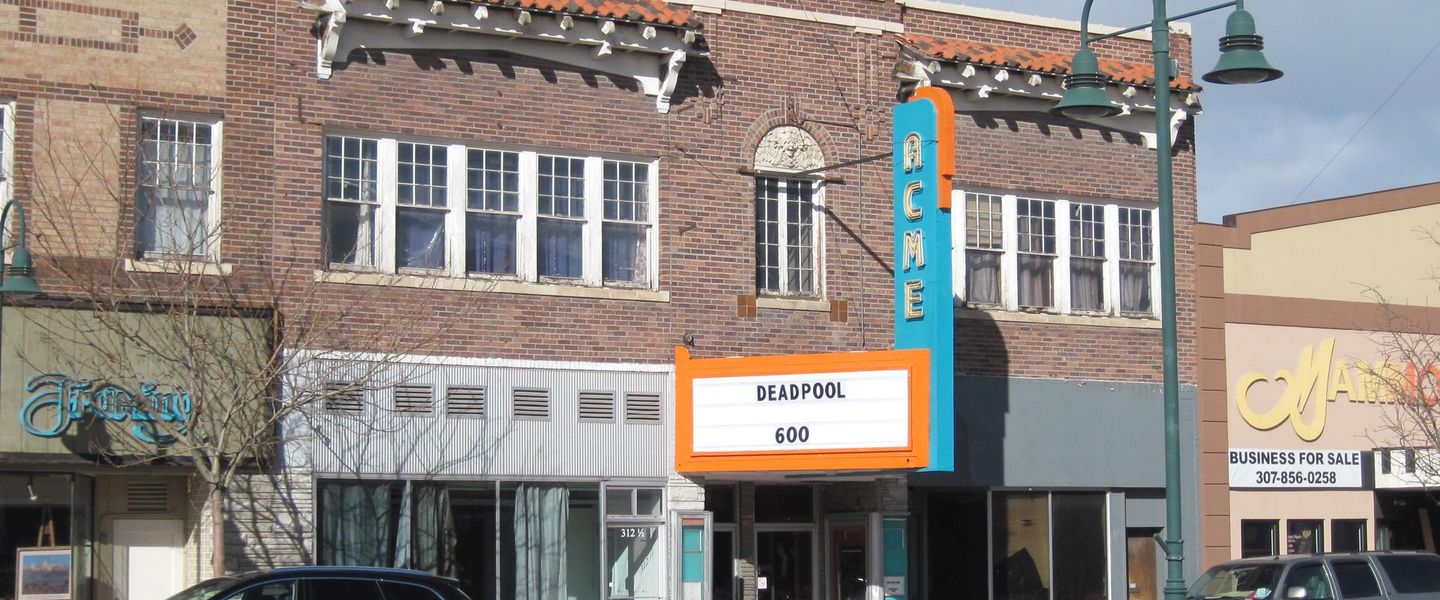


Discover Riverton, Wyoming: A blend of natural beauty, rich history, and vibrant community spirit in the heart of the Wind River Valley.
Read more about Riverton
When is the best time to visit Riverton?
Best: June, August–September · 23–29°C| Month | High (°C) | Rainfall (mm) |
|---|---|---|
| January | -1 | 8 |
| February | 2 | 8 |
| March | 9 | 13 |
| April | 14 | 20 |
| May | 20 | 36 |
| June (best) | 26 | 28 |
| July | 30 | 20 |
| August (best) | 29 | 18 |
| September (best) | 23 | 20 |
| October | 16 | 18 |
| November | 4 | 13 |
| December | 1 | 10 |
Getting to and around Riverton
How to get there
Transportation
Best attractions in Riverton
Riverton, Wyoming offers a unique blend of outdoor adventure and cultural experiences for visitors. From exploring the stunning Wind River Canyon and hiking in the nearby mountains to learning about the rich history of the area at the Wind River Heritage Center, there is something for everyone to enjoy. Don't miss the chance to visit the Riverton Museum and take a scenic drive along the Wind River Indian Reservation. With plenty of opportunities for fishing, boating, and wildlife watching, Riverton is the perfect destination for nature lovers and history buffs alike.
-
Tourist attraction
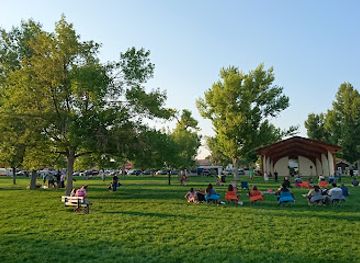
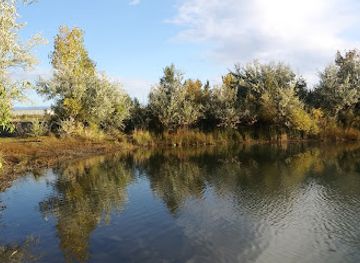
Riverton City Park
Discover the beauty and tranquility of Riverton City Park, a perfect retreat for outdoor enthusiasts and families in Wyoming.
3 min walk · 0.2 km from city centre
-
Tourist attraction
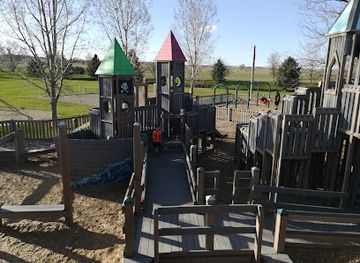
Jaycee Park
Experience the charm of Jaycee Park in Riverton, Wyoming, a perfect blend of nature, relaxation, and community spirit.
8 min drive · 2.7 km from city centre
-
Tourist attraction
Wind River Heritage Center
Uncover the vibrant history and culture of Wyoming at the Wind River Heritage Center, an engaging destination for all travelers.
18 min walk · 1.5 km from city centre
-
Tourist attraction
1838 Mountain Man Rendezvous Grounds
Discover the spirit of the American frontier at the 1838 Mountain Man Rendezvous Grounds in Riverton, Wyoming, where history comes to life.
7 min drive · 2.3 km from city centre
Best landmarks in Riverton
Riverton offers visitors a rich historical experience with landmarks such as the Wind River Heritage Center, showcasing the cultural heritage of the Shoshone and Arapaho tribes, and the Riverton Museum, displaying artifacts and exhibits from the area's pioneer history. Outdoor enthusiasts can explore the stunning Sinks Canyon State Park, known for its unique geological formations and hiking trails, while art lovers can admire the colorful murals in downtown Riverton created by local artists. The city also boasts the impressive Riverton Rendezvous, a summer festival celebrating the region's mountain man history with reenactments, music, and food.
-
Casino
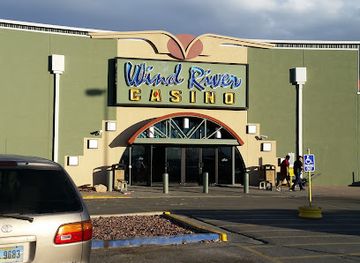
Wind River Hotel & Casino
Discover the thrill of gaming and relaxation at Wind River Hotel & Casino, Riverton’s premier destination for entertainment and comfort.
14 min drive · 4.6 km from city centre
-
Family-friendly
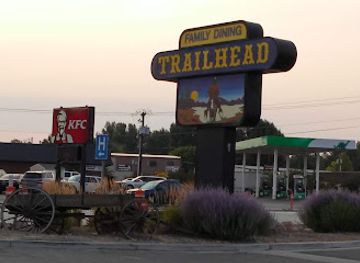
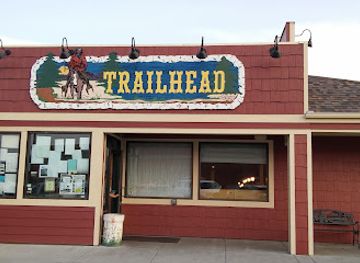
Trailhead Restaurant
Experience family-friendly dining at Trailhead Restaurant in Riverton, Wyoming, where American classics meet a welcoming atmosphere for all ages.
9 min walk · 0.7 km from city centre
-
Restaurant
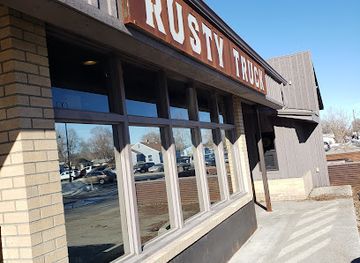
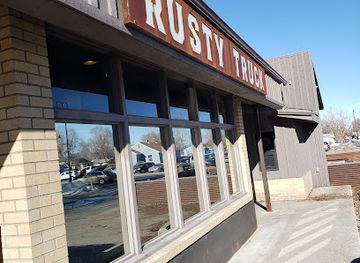
Rusty Truck
Discover the unique flavors and vibrant atmosphere at Rusty Truck, Riverton, Wyoming's beloved dining destination for burgers, pizza, and more.
3 min walk · 0.2 km from city centre
-
Restaurant
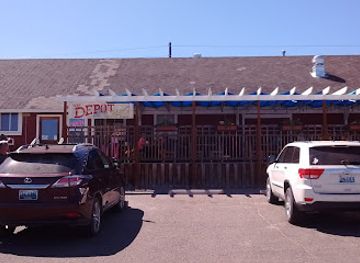
The Depot Restaurant
Experience the vibrant flavors of Mexico at The Depot Restaurant in Riverton, Wyoming, where fresh ingredients meet warm hospitality.
10 min walk · 0.8 km from city centre
Explore Riverton on the map
Plan your Riverton trip on one map. See where the top attractions, landmarks, restaurants, bars and hotels are, find what's near where you're staying, and book hotels and experiences in a few clicks.
Best hotels in Riverton
Best restaurants in Riverton
Riverton offers a diverse dining scene for visitors to enjoy, with a mix of local eateries, international cuisines, and classic American diners. From cozy cafes serving up freshly brewed coffee and homemade pastries to upscale restaurants offering gourmet dishes made with locally sourced ingredients, there is something for every palate in Riverton. Visitors can indulge in authentic Mexican flavors, savor juicy steaks cooked to perfection, or satisfy their sweet tooth with decadent desserts. With friendly service and a welcoming atmosphere, dining in Riverton is not just a meal, but a memorable experience.
-
Family-friendly
Trailhead Restaurant
Discover family-friendly dining at Trailhead Restaurant in Riverton, Wyoming - where hearty meals meet warm hospitality!
9 min walk · 0.7 km from city centre
-
Restaurant
Rusty Truck
Experience delicious burgers, pizza, and homemade ice cream at Rusty Truck in Riverton - a must-visit culinary destination in Wyoming.
3 min walk · 0.2 km from city centre
-
Restaurant
The Depot Restaurant
Discover flavorful Mexican cuisine at The Depot Restaurant in Riverton—where every meal is a celebration of culture and community.
10 min walk · 0.8 km from city centre
-
Fast Food
Wendy's
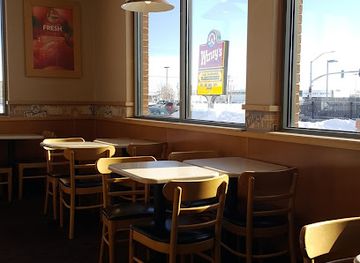
Discover delicious fast food at Wendy's in Riverton - savor classic burgers and fresh salads in a friendly atmosphere.
5 min drive · 1.8 km from city centre
Best bars in Riverton
Riverton's nightlife scene offers a mix of cozy bars and lively nightclubs where visitors can unwind and socialize. From local dive bars serving up craft beers to vibrant clubs with live music and DJs spinning the latest hits, there is something for everyone in this bustling city after dark. Enjoy a cocktail on a rooftop bar overlooking the city lights, or dance the night away with friendly locals and fellow travelers. With a welcoming atmosphere and diverse range of venues, Riverton's nightlife is sure to leave a lasting impression on visitors looking for a fun night out.
-
Family-friendly
Trailhead Restaurant
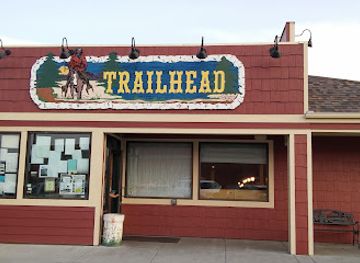
Discover the warmth and flavors of Riverton at Trailhead Restaurant, where family-friendly dining meets local cuisine in a welcoming setting.
9 min walk · 0.7 km from city centre
-
Bar
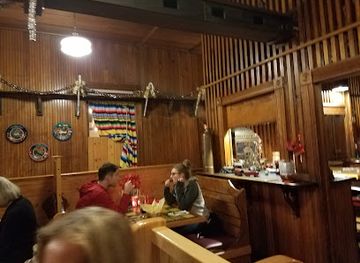
Rusty Truck
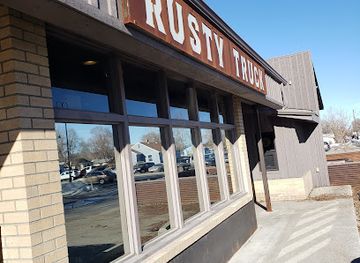
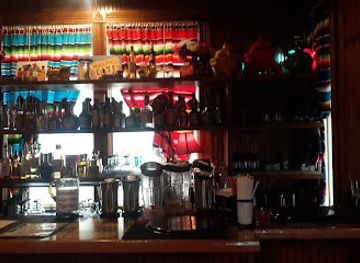
Discover Rusty Truck, a vibrant bar and restaurant in Riverton, WY, offering delicious burgers, pizzas, and ice cream in a uniquely decorated setting.
3 min walk · 0.2 km from city centre
-
Restaurant
The Depot Restaurant
Discover the vibrant flavors of Mexico at The Depot Restaurant, a culinary gem in Riverton, Wyoming, blending authenticity with warm hospitality.
10 min walk · 0.8 km from city centre
-
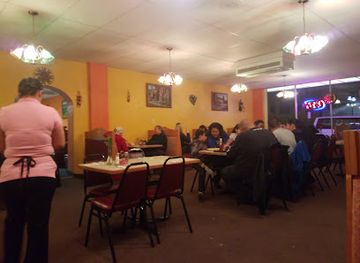
Mexican
La Luna
Discover the vibrant flavors of authentic Mexican cuisine at La Luna in Riverton, Wyoming, where every dish is a delightful experience.
3 min walk · 0.2 km from city centre
Best nightclubs in Riverton
Riverton's nightlife scene offers a mix of cozy bars and lively nightclubs where visitors can unwind and socialize. From local dive bars serving up craft beers to vibrant clubs with live music and DJs spinning the latest hits, there is something for everyone in this bustling city after dark. Enjoy a cocktail on a rooftop bar overlooking the city lights, or dance the night away with friendly locals and fellow travelers. With a welcoming atmosphere and diverse range of venues, Riverton's nightlife is sure to leave a lasting impression on visitors looking for a fun night out.
-
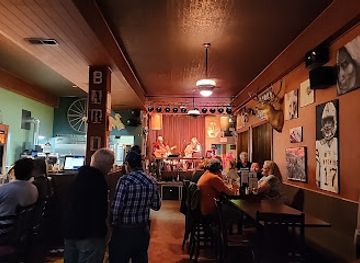
Bar
Bar Ten
Discover the vibrant atmosphere and delicious American cuisine at Bar Ten in Riverton, Wyoming - a perfect spot for food and fun.
6 min walk · 0.5 km from city centre
-
 Motel
MotelSundowner Station
Discover the inviting charm of Sundowner Station in Riverton, Wyoming, a perfect blend of motel comfort and local dining delight.
5 min drive · 1.6 km from city centre
-
Bar
Cedar Bar
Experience the vibrant atmosphere and friendly service at Cedar Bar in Riverton, Wyoming, your ultimate destination for a great night out.
5 min walk · 0.4 km from city centre
-
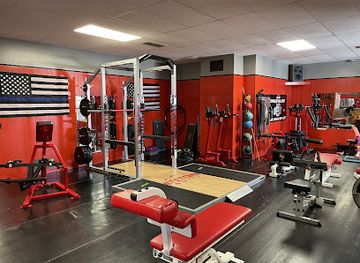
Athletic club
Teton Athletic Club
Discover wellness and community at Teton Athletic Club, Riverton's premier fitness destination surrounded by Wyoming's stunning landscapes.
6 min drive · 1.9 km from city centre

Best shops in Riverton
Riverton offers a unique shopping experience for visitors, with a combination of charming boutiques, local art galleries, and antique shops that showcase the city's rich history and culture. From handcrafted jewelry to authentic Western wear, tourists can find one-of-a-kind souvenirs to take home. The bustling farmer's market is a must-visit for fresh produce and homemade goods, while the lively downtown area is filled with quaint shops and cafes perfect for a leisurely afternoon of browsing and dining. With friendly locals and a welcoming atmosphere, shopping in Riverton is sure to delight and surprise visitors.
-
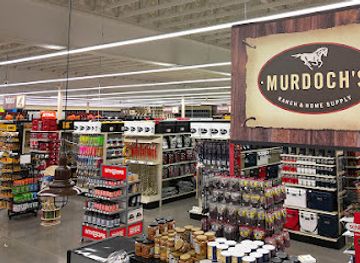
Clothing store
Murdoch's Ranch & Home Supply
Experience the essence of Wyoming at Murdoch's Ranch & Home Supply - your go-to destination for western apparel, hardware, and unique local finds.
7 min walk · 0.5 km from city centre
-
Gift shop
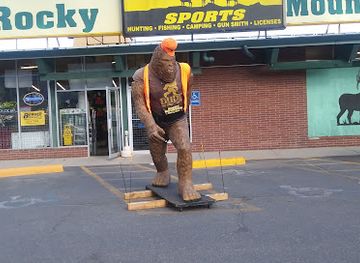
Rocky Mountain Discount Sports
Discover the ultimate destination for outdoor gear and unique gifts at Rocky Mountain Discount Sports in Riverton, Wyoming.
7 min walk · 0.5 km from city centre
-
Dollar store
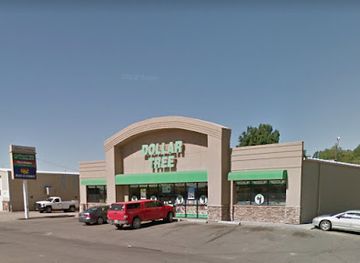
Dollar Tree
Explore Dollar Tree in Riverton, Wyoming for unbeatable bargains on groceries, crafts, and household essentials all priced at just one dollar each.
13 min walk · 1.0 km from city centre
-
Used book store
Meadowlark Books LLC
Discover literary treasures at Meadowlark Books LLC, Riverton's beloved used bookstore filled with charm and character.
5 min walk · 0.4 km from city centre

Get your free copy of our complete guide to Riverton, delivered straight to you.
Everything on this page, from attractions and restaurants to essentials and local phrases, in one PDF you can read offline, print or share.
Already have an account? Sign in
Your Riverton guide is ready.
We'll send it to · Not you? Sign out

Getting your guide ready…
We are putting together a fresh copy of the Riverton guide. This can take up to a minute.
This can take a few moments. If your browser asks, choose Allow so the download can start. You'll find the guide in your Downloads folder.
Nothing happened? Download it again
Sorry, the guide is taking longer than usual. Please try again in a minute, or get it by email instead.
Riverton essentials
Currency and Payment
Safety
Emergency Situations
Do's and Don'ts
Local Tips
From Eve
Local phrases worth knowing
You don't need to get them perfect. A few words go a long way, and locals appreciate the effort.
Basics
| English | Local | Say it |
|---|---|---|
| Hello | Howdy | [haw-dee] |
| Goodbye | See ya | [see yuh] |
| Yes | Yup | [yuhp] |
| No | Nope | [nohp] |
| Please/You're welcome | Please/Thank ya | [pleez/thank yuh] |
| Thank you | Thanks | [th-anks] |
| Excuse me/Sorry | Pardon me/My bad | [par-dun me/my bad] |
| How are you? | Howdy partner? | [haw-dee par-tner] |
| Fine. And you? | Jus' fine. How 'bout you? | [jus fine. how bowt yuh] |
| Do you speak English? | Ya speak English? | [ya speak ing-glish] |
| I don't understand | I'm lost | [I'm lost] |
Eating & Drinking
| English | Local | Say it |
|---|---|---|
| I'd like to see the menu, please | Gimme the menu, will ya? | [gim-me the menu, will yuh] |
| I don't eat meat | I'm a veggie | [I'm a veggie] |
| Cheers! | Bottoms up! | [bot-ums up] |
| I would like to pay, please | Check please | [check please] |
Emergencies
| English | Local | Say it |
|---|---|---|
| Help! | SOS! | [SOS] |
| Go away! | Git! | [git] |
| Call the Police! | Get the Sheriff! | [get the sheriff] |
| Call a doctor! | Get a doc! | [get a doc] |
| I'm lost | I'm disoriented | [I'm disoriented] |
| I'm ill | I'm feelin' poorly | [I'm feelin poorly] |
Shopping
| English | Local | Say it |
|---|---|---|
| I'd like to buy... | I wanna buy... | [I wanna buy] |
| I'm just looking | Jus' browsin' | [jus browsin] |
| How much is it? | How much fer that? | [how much fur that] |
| That's too expensive | That's a bit steep | [that's a bit steep] |
| Can you lower the price? | Can ya do better on the price? | [can yuh do better on the price] |
Time & Numbers
| English | Local | Say it |
|---|---|---|
| What time is it? | What's the hour? | [what's the hour] |
| It's one o'clock | It's one | [it's one] |
| Half past (10) | Ten-thirty | [ten-thur-tee] |
| Morning | Mornin' | [mornin] |
| Afternoon | Noon | [noon] |
| Evening | Evenin' | [evenin] |
| Yesterday | Yest'day | [yest'day] |
| Today | Today | [today] |
| Tomorrow | Tomorra | [tomorra] |
| 1 | One | [one] |
| 2 | Two | [two] |
| 3 | Three | [three] |
| 4 | Four | [four] |
| 5 | Five | [five] |
| 6 | Six | [six] |
| 7 | Seven | [seven] |
| 8 | Eight | [eight] |
| 9 | Nine | [nine] |
| 10 | Ten | [ten] |
Transport & Directions
| English | Local | Say it |
|---|---|---|
| Where's a/the...? | Where's the...? | [where's the] |
| What's the address? | Where's the address? | [where's the address] |
| Can you show me (on the map)? | Can ya show me the way? | [can ya show me the way] |
| When's the next (bus)? | When's the next bus? | [when's the next bus] |
| A ticket (to ....) | A ticket to... | [a ticket to] |
History of Riverton
The Founding of Riverton
Riverton was established in 1906 as part of the land reclamation efforts by the U.S. Government. The town was part of the Wind River Indian Reservation until it was opened up for non-Native American settlement. The Reclamation Act of 1902 aimed to bring irrigation and agriculture to the arid lands, leading to the creation of Riverton.
Riverton's Role in the Wind River Irrigation Project
The Wind River Irrigation Project was a significant federal initiative aimed at transforming the arid lands in the region into fertile agricultural fields. The project involved building extensive canal systems, which played a crucial role in the early development and sustainability of Riverton. The irrigation project attracted early settlers and farmers to the area, shaping the town’s agricultural heritage.
The Impact of the Railroad
The Chicago and North Western Transportation Company extended its rail lines to Riverton in 1907. This connection was pivotal for the town's growth, facilitating the transport of agricultural products and goods, and attracting businesses and settlers. The arrival of the railroad turned Riverton into a bustling hub of commerce and trade in central Wyoming.
The Homesteading Era
Riverton and the surrounding areas saw a significant influx of homesteaders in the early 20th century. The Homestead Act allowed settlers to claim and develop land, fostering a community of diverse individuals seeking new opportunities. Homesteaders cultivated the land and contributed to the town’s agricultural and cultural landscape, laying the foundation for Riverton's development.
Native American Heritage and the Wind River Reservation
Riverton is located near the Wind River Indian Reservation, home to the Eastern Shoshone and Northern Arapaho tribes. The rich Native American heritage deeply influences the culture and traditions of the region. The reservation's history includes the signing of the Fort Bridger Treaty in 1868, which established the reservation's boundaries and recognized the sovereignty of the tribes.
The Annual Riverton Rendezvous
The Riverton Rendezvous, held annually since 1980, celebrates the town’s pioneer spirit and history. The event features hot air balloon rallies, parades, historical reenactments, and cultural exhibitions. It commemorates the mountain men and trappers who historically gathered in the region to trade goods, share news, and celebrate.
The Influence of Agriculture
Agriculture has been a cornerstone of Riverton’s economy since its founding. The fertile lands, made possible by the Wind River Irrigation Project, support a variety of crops, including alfalfa, barley, and sugar beets. The agricultural heritage is reflected in the town's community events, farmers' markets, and local cuisine.
Riverton’s Educational Institutions
Riverton is home to Central Wyoming College, established in 1966. The college serves as an educational and cultural hub for the region, offering diverse programs and courses. CWC plays a significant role in the community, providing educational opportunities, cultural events, and fostering economic development.
Riverton in Photos
Browse through our photo collection highlighting the charm and character of the destination.
Cities near Riverton
The closest cities to Riverton, if you have time for more than one stop.
-

-

-

-

-


Swipe for more cities
Explore more

Explore more of Wyoming
Discover Wyoming: A Land of Unspoiled Beauty, Rich History, and Boundless Outdoor Adventures in the Heart of the American West.
Explore Wyoming