

Free Gillette Travel Guide & Mobile App
Plan your Gillette trip with Evendo. Get free guides to top attractions, restaurants, hotels, and bars. Web access or download the mobile app.


Discover Gillette, Wyoming: A blend of natural beauty, rich history, and modern amenities, all set in the Energy Capital of the Nation.
Read more about Gillette
When is the best time to visit Gillette?
Best: June, August–September · 23–28°C| Month | High (°C) | Rainfall (mm) |
|---|---|---|
| January | -1 | 15 |
| February | 0 | 14 |
| March | 7 | 23 |
| April | 12 | 35 |
| May | 19 | 51 |
| June (best) | 24 | 56 |
| July | 29 | 38 |
| August (best) | 28 | 36 |
| September (best) | 23 | 37 |
| October | 16 | 28 |
| November | 4 | 19 |
| December | 0 | 14 |
Getting to and around Gillette
How to get there
Transportation
Best attractions in Gillette
Gillette, Wyoming offers a unique blend of Old West charm and modern amenities, making it a must-visit destination for history buffs and outdoor enthusiasts alike. Explore the interactive exhibits at the Campbell County Rockpile Museum, where you can learn about the region's rich coal mining history. Take a step back in time with a visit to the Durham Bison Ranch, where you can witness these majestic creatures up close. For outdoor adventures, head to the nearby Keyhole State Park for hiking, fishing, and boating opportunities. And don't miss the annual Donkey Creek Festival, featuring live music, food vendors, and family-friendly activities. With its picturesque landscapes and welcoming community, Gillette is sure to leave a lasting impression on all who visit.
-
Tourist attraction
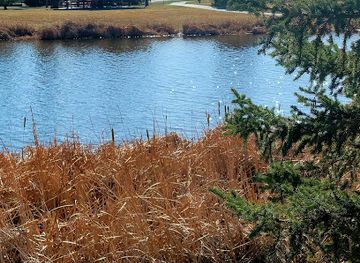
Dalbey Memorial Park
Discover the tranquility of Dalbey Memorial Park in Gillette, Wyoming, a picturesque retreat perfect for relaxation, recreation, and family fun.
9 min drive · 2.9 km from city centre
-
Tourist attraction
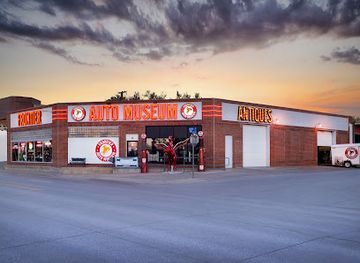
Frontier Auto Museum & Cafe
Explore vintage cars, delicious food, and unique antiques at the Frontier Auto Museum & Cafe, a must-visit destination in Gillette, Wyoming.
5 min walk · 0.4 km from city centre
-
Tourist attraction
Frontier Auto Museum & Cafe
Explore classic automobiles and enjoy delicious treats at the Frontier Auto Museum & Café in Gillette, Wyoming - a unique blend of nostalgia and flavor.
5 min walk · 0.4 km from city centre
-
Amusement center
Flight Zone
Dive into nonstop fun at Flight Zone in Gillette, Wyoming, featuring laser tag, arcade games, and mouthwatering pizza for all ages.
14 min drive · 4.7 km from city centre


Best landmarks in Gillette
Gillette in Wyoming, United States offers visitors a unique blend of history and natural beauty. From the iconic Campbell County Rockpile Museum, where you can delve into the rich history of the region, to the stunning Keyhole State Park with its picturesque reservoir and outdoor recreational opportunities, there is something for everyone. Don't miss the chance to explore the Vore Buffalo Jump, a prehistoric archaeological site that provides a glimpse into the ancient ways of the Plains Indians. And for a taste of the Old West, be sure to visit the Durham Bison Ranch where you can see these majestic creatures up close. Whether you're a history buff, outdoor enthusiast, or simply looking for a memorable experience, Gillette has it all.
-
Pizza
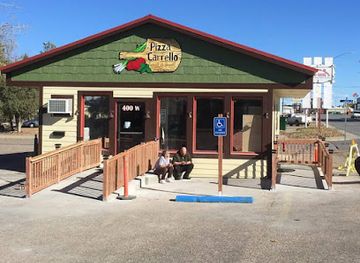
Pizza Carrello
Discover the delightful flavors of Pizza Carrello in Gillette, Wyoming – a top destination for gourmet pizza lovers and a cozy dining experience.
9 min walk · 0.7 km from city centre
-
Steak
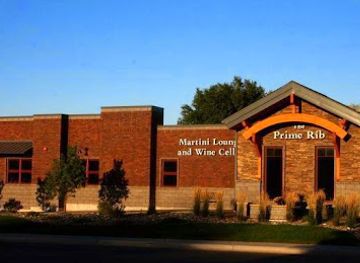
The Prime Rib Restaurant & Wine Cellar
Discover the exquisite taste of prime steaks and fresh seafood at The Prime Rib Restaurant & Wine Cellar in Gillette, WY, where quality meets comfort.
14 min walk · 1.1 km from city centre
-
Hotel
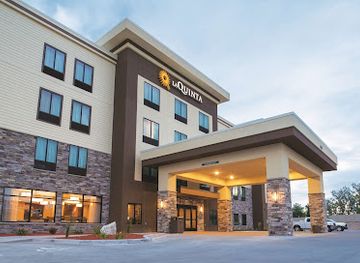
La Quinta Inn & Suites by Wyndham Gillette
Discover comfort and convenience at La Quinta Inn & Suites, your perfect base for exploring the natural beauty of Gillette, Wyoming.
5 min drive · 1.7 km from city centre
-
American
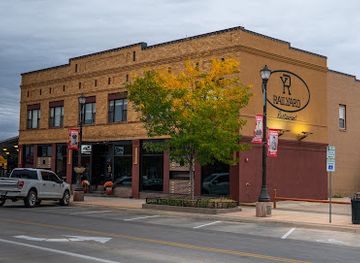
The Railyard
Discover The Railyard in Gillette, Wyoming – where delicious American cuisine meets a welcoming atmosphere, perfect for every traveler.
4 min walk · 0.3 km from city centre
Explore Gillette on the map
Plan your Gillette trip on one map. See where the top attractions, landmarks, restaurants, bars and hotels are, find what's near where you're staying, and book hotels and experiences in a few clicks.
Best hotels in Gillette
Best restaurants in Gillette
Gillette offers a diverse dining scene for visitors to enjoy, ranging from classic American diners serving up hearty burgers and fries, to upscale steakhouses offering premium cuts of meat. The city also boasts a variety of international cuisines, including Mexican, Italian, and Asian fusion restaurants. Whether you're in the mood for a casual meal or a fine dining experience, Gillette has something to satisfy every palate. Don't miss out on the chance to indulge in delicious local specialties and immerse yourself in the culinary delights of this vibrant city.
-
Pizza
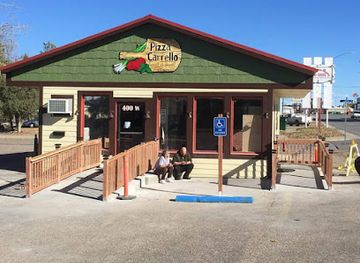
Pizza Carrello
Experience the taste of Italy at Pizza Carrello in Gillette - where fresh ingredients meet culinary creativity!
9 min walk · 0.7 km from city centre
-
Restaurant
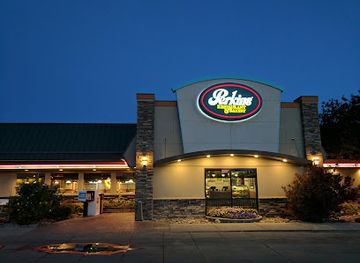
Perkins Restaurant & Bakery
Experience the warmth of family dining at Perkins Restaurant & Bakery in Gillette - where delicious American comfort food meets delightful baked treats.
7 min drive · 2.2 km from city centre
-
Pizza
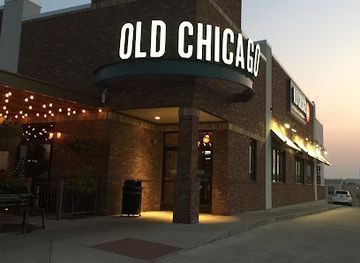
Old Chicago Pizza + Taproom
Discover delicious pizza and craft beer at Old Chicago Pizza + Taproom in Gillette - where flavor meets family-friendly fun.
6 min drive · 2.0 km from city centre
-
Steak
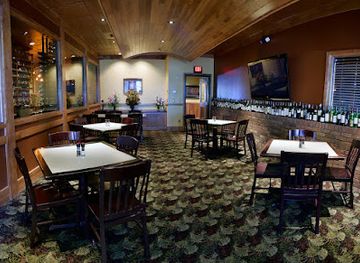
The Prime Rib Restaurant & Wine Cellar
Experience the finest steaks and exquisite wines at The Prime Rib Restaurant & Wine Cellar in Gillette – where flavor meets elegance.
14 min walk · 1.1 km from city centre
Best bars in Gillette
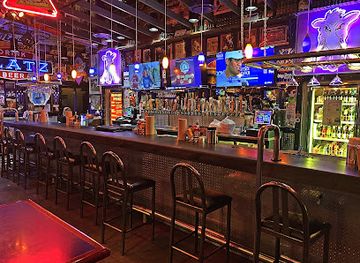
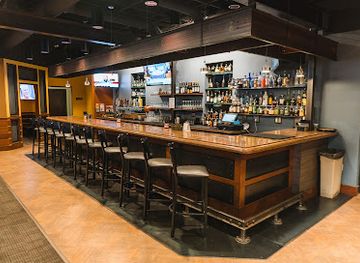
Gillette may be a small city, but it has a vibrant nightlife scene that offers something for everyone. From cozy pubs with live music to high-energy nightclubs with DJ sets, visitors can expect to find a variety of entertainment options to suit their tastes. Whether you're looking to unwind after a day of exploring or dance the night away, Gillette's bars and nightclubs provide the perfect setting for a memorable evening out on the town.
-
Bar
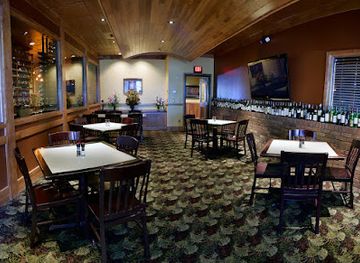
The Prime Rib Restaurant & Wine Cellar
Experience the finest steaks and seafood in Gillette, Wyoming, at The Prime Rib Restaurant & Wine Cellar, a family-friendly dining destination with an extensive wine selection.
14 min walk · 1.1 km from city centre
-
Bar
Pokey's
Discover the authentic taste of American barbecue at Pokey's BBQ in Gillette, Wyoming—a culinary gem for meat lovers and families alike.
8 min walk · 0.6 km from city centre
-
Bar
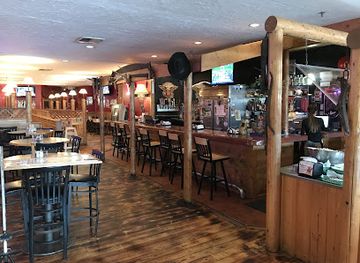
Humphrey's Bar & Grill
Experience the lively ambiance and delightful cuisine at Humphrey's Bar & Grill in Gillette, Wyoming, a must-visit for every traveler.
18 min walk · 1.4 km from city centre
-
American
The Railyard
Discover the heart of American cuisine at The Railyard in Gillette, Wyoming, where flavor meets warmth in a cozy dining experience.
4 min walk · 0.3 km from city centre
Best nightclubs in Gillette
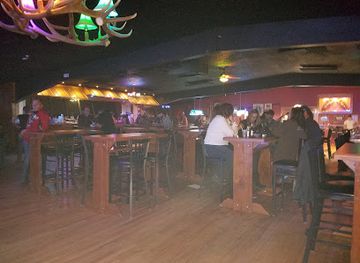
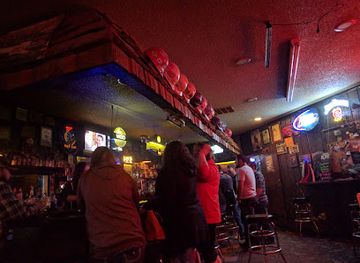
Gillette may be a small city, but it has a vibrant nightlife scene that offers something for everyone. From cozy pubs with live music to high-energy nightclubs with DJ sets, visitors can expect to find a variety of entertainment options to suit their tastes. Whether you're looking to unwind after a day of exploring or dance the night away, Gillette's bars and nightclubs provide the perfect setting for a memorable evening out on the town.
-
Bar
Derby Club Gaming Parlor - Gillette
Discover the vibrant Derby Club Gaming Parlor in Gillette, Wyoming - a lively bar and off-track betting destination for thrilling entertainment.
6 min drive · 1.9 km from city centre
-
Cocktail bar
Sundance Lounge
Experience the vibrant nightlife at Sundance Lounge in Gillette, Wyoming, featuring cocktails, karaoke, and a welcoming atmosphere for all.
15 min walk · 1.2 km from city centre
-
Bar
Fireside Bar & Lounge
Experience the cozy charm of Fireside Bar & Lounge in Gillette, Wyoming, where friendly service and a warm atmosphere await every visitor.
6 min drive · 2.1 km from city centre
-
Bar
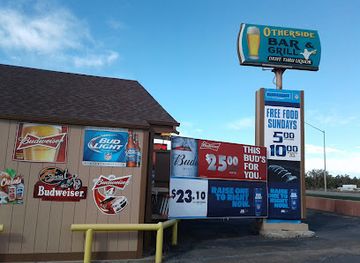
The Otherside Bar & Grill
Experience the vibrant atmosphere and delicious cuisine at The Otherside Bar & Grill, a must-visit spot in Gillette, Wyoming.
11 min walk · 0.9 km from city centre

Best shops in Gillette
Gillette offers a unique shopping experience for visitors, with a mix of charming boutiques, local artisan shops, and well-known retail stores. From Western wear to handmade crafts, visitors can find a variety of treasures to take home as souvenirs. The friendly atmosphere and welcoming local vendors make shopping in Gillette a memorable and enjoyable experience for tourists looking to explore the city's retail scene.
-
Department store
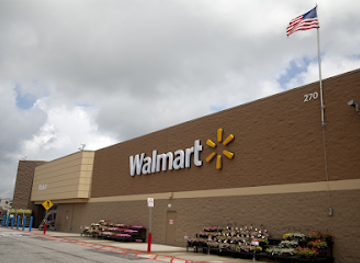
Walmart Supercenter
Explore Walmart Supercenter in Gillette for a diverse shopping experience, from groceries to clothing and electronics, all at affordable prices.
6 min drive · 2.0 km from city centre
-
Vaporizer store
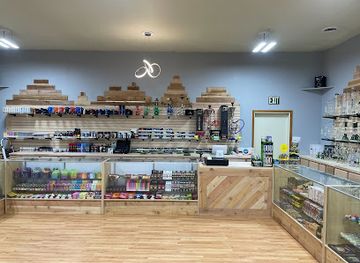
BlackMarket Vape & Smoke
Explore BlackMarket Vape & Smoke in Gillette, WY - your ultimate destination for quality vaporizers and a welcoming community atmosphere.
6 min drive · 2.1 km from city centre
-
Museum
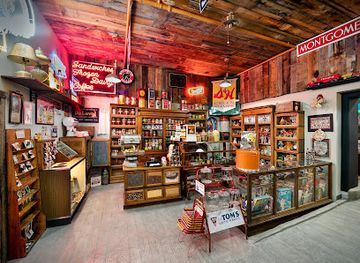
Frontier Auto Museum & Cafe
Explore the Frontier Auto Museum & Cafe in Gillette, Wyoming, where vintage cars meet charming antiques and delightful treats for a unique experience.
5 min walk · 0.4 km from city centre
-
Business center
Central Square Camel Shopping Center
Experience the vibrant shopping and dining at Central Square Camel Shopping Center in Gillette, Wyoming - a must-visit for every traveler.
17 min walk · 1.4 km from city centre
Get your free copy of our complete guide to Gillette, delivered straight to you.
Everything on this page, from attractions and restaurants to essentials and local phrases, in one PDF you can read offline, print or share.
Already have an account? Sign in
Your Gillette guide is ready.
We'll send it to · Not you? Sign out

Getting your guide ready…
We are putting together a fresh copy of the Gillette guide. This can take up to a minute.
This can take a few moments. If your browser asks, choose Allow so the download can start. You'll find the guide in your Downloads folder.
Nothing happened? Download it again
Sorry, the guide is taking longer than usual. Please try again in a minute, or get it by email instead.
Gillette essentials
Currency and Payment
Safety
Emergency Situations
Do's and Don'ts
Local Tips
From Eve
Local phrases worth knowing
You don't need to get them perfect. A few words go a long way, and locals appreciate the effort.
Basics
| English | Local | Say it |
|---|---|---|
| Hello | Howdy | [haʊ-di] |
| Goodbye | See ya | [siː jə] |
| Yes | Yup | [yʌp] |
| No | Nope | [noʊp] |
| Please/You're welcome | Please/No problem | [pliːz/noʊ ˈprɑbləm] |
| Thank you | Thanks | [θæŋks] |
| Excuse me/Sorry | Pardon me/My bad | [ˈpɑrdn mi/maɪ bæd] |
| How are you? | Howdy partner? | [haʊ-di ˈpɑːrtnər] |
| Fine. And you? | Just dandy. You? | [dʒʌst ˈdændi juː] |
| Do you speak English? | Ya speak English? | [jə spiːk ˈɪŋɡlɪʃ] |
| I don't understand | I'm lost | [aɪm lɔst] |
Eating & Drinking
| English | Local | Say it |
|---|---|---|
| I'd like to see the menu, please | Can I check out the menu, please | [kæn aɪ tʃɛk aʊt ðə ˈmɛnjuː pliːz] |
| I don't eat meat | I'm vegetarian | [aɪm ˌvɛdʒəˈtɛriən] |
| Cheers! | Cheers! | [ʧɪrz] |
| I would like to pay, please | Can I settle up, please | [kæn aɪ ˈsɛtəl ʌp pliːz] |
Emergencies
| English | Local | Say it |
|---|---|---|
| Help! | SOS! | [ɛs oʊ ˈɛs] |
| Go away! | Git! | [ɡɪt] |
| Call the Police! | Call the sheriff! | [kɔl ðə ˈʃɛrɪf] |
| Call a doctor! | Call the doc! | [kɔl ðə dɑk] |
| I'm lost | I'm disoriented | [aɪm dɪˈsɔriəntɪd] |
| I'm ill | I'm under the weather | [aɪm ˈʌndər ðə ˈwɛðər] |
Shopping
| English | Local | Say it |
|---|---|---|
| I'd like to buy... | I reckon I'll buy... | [aɪ ˈrɛkən aɪl ˈbaɪ] |
| I'm just looking | I'm just browsing | [aɪm dʒʌst ˈbraʊzɪŋ] |
| How much is it? | What's the damage? | [wɑts ðə ˈdæmɪdʒ] |
| That's too expensive | That's a bit steep | [ðæts ə bɪt stip] |
| Can you lower the price? | Can ya cut me a deal? | [kæn jə kʌt miː ə dil] |
Time & Numbers
| English | Local | Say it |
|---|---|---|
| What time is it? | What's the time? | [wɑts ðə taɪm] |
| It's one o'clock | It's one | [ɪts wʌn] |
| Half past (10) | Half past ten | [hæf pæst tɛn] |
| Morning | Mornin' | [ˈmɔrnɪn] |
| Afternoon | Afternoon | [ˌæftərˈnun] |
| Evening | Evenin' | [ˈivnɪn] |
| Yesterday | Yersterday | [ˈjɜrstərdeɪ] |
| Today | Today | [təˈdeɪ] |
| Tomorrow | Tomorrow | [təˈmɑroʊ] |
| 1 | One | [wʌn] |
| 2 | Two | [tuː] |
| 3 | Three | [θriː] |
| 4 | Four | [fɔːr] |
| 5 | Five | [faɪv] |
| 6 | Six | [sɪks] |
| 7 | Seven | [ˈsɛvən] |
| 8 | Eight | [eɪt] |
| 9 | Nine | [naɪn] |
| 10 | Ten | [tɛn] |
Transport & Directions
| English | Local | Say it |
|---|---|---|
| Where's a/the...? | Where's the...? | [wɛrz ðə] |
| What's the address? | What's the address? | [wɑts ðə ˈædrɛs] |
| Can you show me (on the map)? | Can you show me (on the map)? | [kæn jə ʃoʊ miː (ɒn ðə mæp)] |
| When's the next (bus)? | When's the next (bus)? | [wɛnz ðə nɛkst (bʌs)] |
| A ticket (to ....) | A ticket (to ....) | [ə ˈtɪkɪt (tu ....)] |
History of Gillette
Early Settlement and Founding
The area that is now Gillette was first inhabited by Native American tribes, including the Lakota, Sioux, and Cheyenne. European-American settlers arrived in the late 19th century, drawn by the promise of fertile land and the expansion of the railroad. The city was officially founded in 1891, named after Edward Gillette, a surveyor for the Chicago, Burlington and Quincy Railroad.
The Arrival of the Railroad
The arrival of the Chicago, Burlington and Quincy Railroad in the early 1890s was a pivotal moment for Gillette. The town quickly became a critical rail hub, facilitating the transport of cattle, coal, and other resources. This development spurred economic growth and led to a population increase, laying the foundation for the city's future prosperity.
Coal Mining Boom
In the 1970s, Gillette experienced a significant coal mining boom, driven by the demand for low-sulfur coal. The region's Powder River Basin became one of the most productive coal mining areas in the United States. This boom transformed Gillette into the 'Energy Capital of the Nation,' attracting workers and businesses and leading to rapid urban development.
Oil and Gas Exploration
In addition to coal, the discovery of oil and natural gas reserves further boosted Gillette's economy. The energy sector continued to diversify, making the city a hub for oil and gas exploration. This period saw the construction of new infrastructure, including pipelines and refineries, contributing to the city's growth and modernization.
Cultural Development and Modernization
As Gillette grew economically, it also saw significant cultural development. The Campbell County Rockpile Museum, established in 1974, became a key institution preserving the region's history. Additionally, the city invested in parks, recreational facilities, and public services, enhancing the quality of life for its residents and making it an attractive destination for visitors.
Economic Diversification and Challenges
In recent decades, Gillette has faced challenges related to the volatility of the energy market. Efforts have been made to diversify the local economy, with investments in renewable energy, tourism, and other sectors. Despite these challenges, Gillette remains a resilient community, continually adapting to changing economic conditions while preserving its rich cultural heritage.
Gillette in Photos
Browse through our photo collection highlighting the charm and character of the destination.
Cities near Gillette
The closest cities to Gillette, if you have time for more than one stop.
-

-
-

-
-


Swipe for more cities
Explore more

Explore more of Wyoming
Discover Wyoming: A Land of Unspoiled Beauty, Rich History, and Boundless Outdoor Adventures in the Heart of the American West.
Explore Wyoming