

Free Green River Travel Guide & Mobile App
Plan your Green River trip with Evendo. Get free guides to top attractions, restaurants, hotels, and bars. Web access or download the mobile app.


Green River, Wyoming, pairs Union Pacific history with river landscapes, wide-open parks, local museums and access to Flaming Gorge and high-desert adventures.
A Railroad City on the Green River
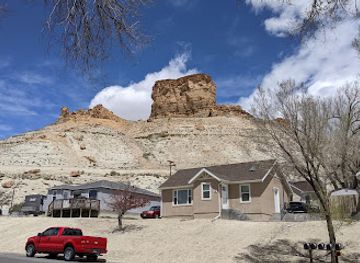
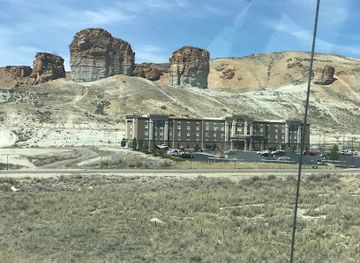
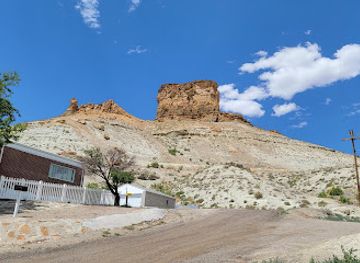
Green River lies in south-western Wyoming, where the broad Green River cuts through sagebrush country beneath open, pale mountains. The city grew beside the Union Pacific Railroad in the late nineteenth century, and its location still gives it a purposeful, transport-oriented character. Interstate 80 passes nearby, while the river and surrounding public lands provide a counterpoint to the industrial and commercial landscape. Green River is a practical base for exploring the high desert rather than a densely built tourist centre, with wide skies, dry air and long views shaping the visitor experience.Read more about Green River
River Landscapes and Local History
Gateway to South-Western Wyoming
When is the best time to visit Green River?
Best: June, August–September · 22–27°C| Month | High (°C) | Rainfall (mm) |
|---|---|---|
| January | 1 | 10 |
| February | 4 | 9 |
| March | 9 | 10 |
| April | 14 | 15 |
| May | 19 | 23 |
| June (best) | 24 | 18 |
| July | 29 | 15 |
| August (best) | 27 | 18 |
| September (best) | 22 | 16 |
| October | 14 | 13 |
| November | 6 | 9 |
| December | 1 | 8 |
Getting to and around Green River
How to get there
Transportation
Best attractions in Green River
Green River’s attractions reflect its position beside a historic western waterway rather than the scale of a major city. Expedition Island is the defining local sight, combining riverside paths, shade and interpretation of John Wesley Powell’s 1869 river expedition. The Sweetwater County Historical Museum provides a useful introduction to Indigenous history, emigrant trails, railways, ranching and the mineral economy that shaped the area. Green River State Park, on the river, offers space for boating, fishing, camping and relaxed walks, while nearby parks provide an easy look at the community’s everyday outdoor life. Visitors interested in wildlife can make a regional excursion to Seedskadee National Wildlife Refuge, north of town, where wetlands and river habitat attract birds. The surrounding high desert is itself part of the sightseeing experience, with broad sagebrush plains, exposed geology and distant buttes creating an expansive setting for scenic drives and photography.
-
Park
Island Park
Discover the stunning landscapes and serene beauty of Island Park in Green River, Wyoming, a perfect spot for outdoor enthusiasts and nature lovers.
14 min walk · 1.1 km from city centre
-
Art gallery
Red White Buffalo
Explore the artistic spirit and culinary delights of Red White Buffalo in Green River, Wyoming, a must-visit destination for every traveler.
5 min drive · 1.7 km from city centre
-
Park
Centennial Park
Explore the natural beauty and recreational activities at Centennial Park in Green River, Wyoming, a perfect family-friendly destination for outdoor fun.
6 min drive · 2.0 km from city centre
-
Tourist attraction
Green River Parks & Recreation
Experience the lush landscapes and recreational opportunities at Green River Parks & Recreation, a serene escape in Wyoming for families and nature lovers alike.
6 min drive · 1.9 km from city centre


Best landmarks in Green River
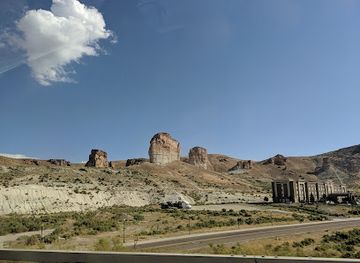
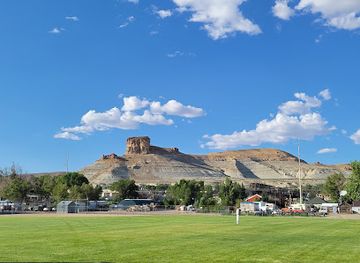
Expedition Island is Green River’s most significant historic landmark, commemorating the place from which John Wesley Powell’s 1869 expedition began its descent of the Green River. Its importance lies in the connection between a local river setting and the wider history of surveying and exploration in the American West. The Sweetwater County Historical Museum is another key civic landmark, preserving the material story of the county’s Indigenous, emigrant, railway, ranching and industrial past. Green River State Park marks the continuing importance of the river as a recreational and geographic feature, while Pilot Butte and the surrounding basin provide prominent high-desert reference points outside the central settlement. Downtown buildings and railway corridors add a quieter layer of historic character, reflecting the practical architecture and transport economy of a town established during the Union Pacific’s westward expansion.
-
Park
Island Park
Discover the natural beauty and recreational charm of Island Park in Green River, Wyoming, a delightful escape for families and nature lovers.
14 min walk · 1.1 km from city centre
-
Park
Evers Park
Explore Evers Park in Green River, Wyoming, where nature and community come together to create a perfect outdoor retreat for families and travelers.
16 min walk · 1.3 km from city centre
-
Tourist attraction
Pilot Butte Wild Horse Scenic Loop
Experience the beauty of Wyoming at Pilot Butte Wild Horse Scenic Loop, where stunning landscapes and wild horses await your discovery.
9 min drive · 3.0 km from city centre
-
Park
Centennial Park
Explore the natural beauty and recreational fun of Centennial Park in Green River, Wyoming—your perfect outdoor escape.
6 min drive · 2.0 km from city centre
Explore Green River on the map
Plan your Green River trip on one map. See where the top attractions, landmarks, restaurants, bars and hotels are, find what's near where you're staying, and book hotels and experiences in a few clicks.
Best hotels in Green River
Best restaurants in Green River
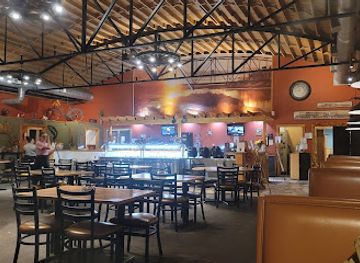
Green River’s dining scene is shaped by its role as a working Wyoming town and a stopping point on Interstate 80. Restaurants tend to favour practical American cooking, burgers, steaks, sandwiches, pizza, Mexican-influenced fare and breakfast served in relaxed surroundings, with independent cafés and family-run eateries more characteristic than a large fine-dining sector. Travellers will find everyday provisions and takeaway options useful for journeys into the surrounding desert, where food services become sparse. Regional ranching and the broader Rocky Mountain food culture help explain the prevalence of beef, hearty portions and informal service, while the town’s history of rail and mineral work has encouraged a straightforward, unpretentious eating culture. Dining is concentrated around the central community and major road corridors, and opening patterns can vary, particularly outside peak travel periods.
-
Restaurant
The Hitching Post
Discover the flavors of Wyoming at The Hitching Post, where hearty meals meet local charm in Green River.
5 min drive · 1.6 km from city centre
-
Fast Food
Arctic Circle
Discover Arctic Circle in Green River - where delicious American fast food meets family-friendly dining experiences!
5 min drive · 1.7 km from city centre
-
Restaurant
Penny's Diner
Savor delicious comfort food at Penny's Diner in Green River, Wyoming – your ultimate stop for 24/7 dining delight.
9 min drive · 2.9 km from city centre
-
Mexican
Don Pedros Restaurant Green River
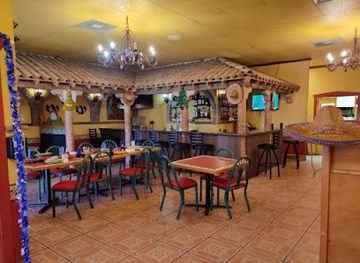
Savor authentic Mexican cuisine at Don Pedros Restaurant in Green River, WY – where every meal is a celebration of flavor.
6 min walk · 0.5 km from city centre


Best bars in Green River
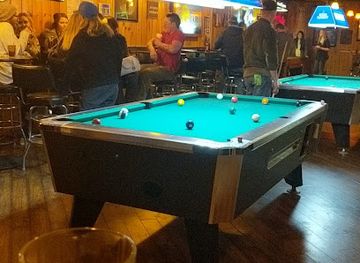
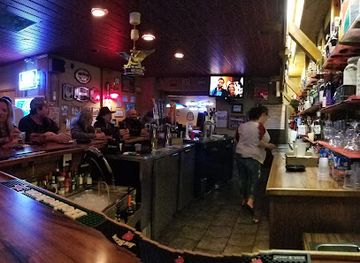
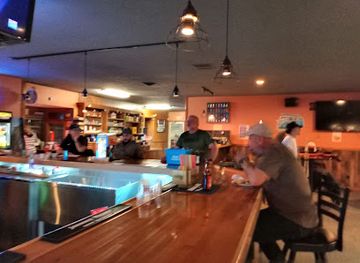
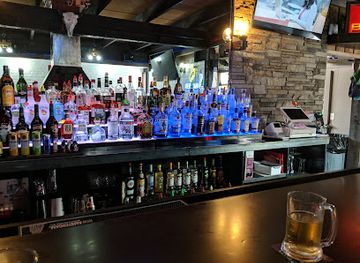
Green River’s evening scene is modest and locally oriented rather than built around nightclubs. Casual bars, taverns and restaurant lounges provide the main opportunities for a drink and conversation, while the town’s social life is also connected to community events, local gatherings and seasonal outdoor recreation. Travellers should expect an early-to-moderate pace after dark, with limited choices compared with larger Wyoming centres such as nearby Rock Springs. Evenings can instead centre on a meal, a walk through the quiet streets, riverside views or clear-sky stargazing beyond the developed area. Visitors should follow United States drinking laws, carry accepted identification when required and avoid driving after drinking, as distances, darkness and rural roads make responsible transport planning especially important.
-
Restaurant
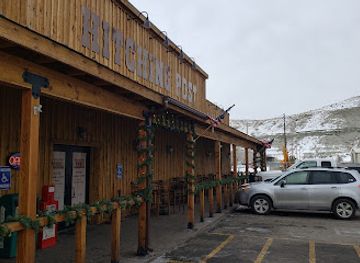
The Hitching Post
Discover the flavors of Wyoming at The Hitching Post, a cherished restaurant in Green River offering delicious American cuisine in a welcoming atmosphere.
5 min drive · 1.6 km from city centre
-
Mexican
Don Pedros Restaurant Green River
Discover the authentic flavors of Mexico at Don Pedro's Restaurant in Green River, WY. A delightful dining experience awaits!
6 min walk · 0.5 km from city centre
-
Chinese
China Garden Restaurant
Explore the delicious fusion of Chinese and American cuisine at China Garden Restaurant, a vibrant dining spot in Green River, Wyoming.
5 min drive · 1.7 km from city centre
-
American
Gudino's Cafe
Discover the essence of American cuisine at Gudino's Cafe, a cozy Green River gem serving up local flavors in a welcoming atmosphere.
5 min drive · 1.8 km from city centre


Best nightclubs in Green River
Green River’s evening scene is modest and locally oriented rather than built around nightclubs. Casual bars, taverns and restaurant lounges provide the main opportunities for a drink and conversation, while the town’s social life is also connected to community events, local gatherings and seasonal outdoor recreation. Travellers should expect an early-to-moderate pace after dark, with limited choices compared with larger Wyoming centres such as nearby Rock Springs. Evenings can instead centre on a meal, a walk through the quiet streets, riverside views or clear-sky stargazing beyond the developed area. Visitors should follow United States drinking laws, carry accepted identification when required and avoid driving after drinking, as distances, darkness and rural roads make responsible transport planning especially important.
-
Bar
Ponderosa Bar & Lounge
Experience the vibrant nightlife of Green River at Ponderosa Bar & Lounge, where great drinks and friendly faces await you.
5 min drive · 1.7 km from city centre
-
Grill
The Brewery
Experience the best of grilled cuisine at The Brewery in Green River, Wyoming, where flavor meets fantastic ambiance for an unforgettable dining experience.
5 min drive · 1.8 km from city centre
-
Bar
Club 86 Lounge & Liquor
Experience the vibrant nightlife at Club 86 Lounge & Liquor, the go-to bar in Green River, WY for drinks, karaoke, and unforgettable entertainment.
2 min walk · 0.2 km from city centre
-
Bar
Red Feather Bar and Liquor Store
Discover the vibrant atmosphere and local flavors at Red Feather Bar and Liquor Store, a favorite destination for relaxation in Green River, Wyoming.
5 min drive · 1.7 km from city centre
Best shops in Green River
Shopping in Green River is functional and locally focused, with everyday stores, fuel stops, independent businesses and small-town services serving residents and travellers along Interstate 80. The central area offers the best opportunity to browse local establishments, while food and outdoor supplies are useful purchases for trips into the river corridor, wildlife refuge and desert country. Souvenirs tend to reflect Wyoming themes such as western imagery, wildlife, regional history and outdoor recreation rather than a specialised artisan district. Visitors interested in the area’s past may find locally produced historical material at visitor and museum outlets, while supermarkets and convenience stores are practical places to stock up before heading into remote landscapes. Green River is not a major luxury-shopping destination, and its retail character is better understood as useful, independent and tied to the needs of a working community.
-
Hardware store
Green River Ace Hardware
Explore Green River Ace Hardware for all your DIY needs with expert advice and a wide selection of quality products in Green River, Wyoming.
5 min walk · 0.4 km from city centre
-
Grocery store
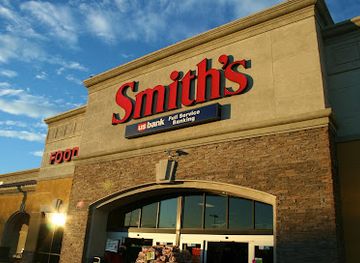
Smith's
Discover a culinary paradise at Smith's Grocery Store in Green River, offering fresh produce, gourmet delicacies, and a taste of local culture.
18 min walk · 1.4 km from city centre
-
Coffee shop
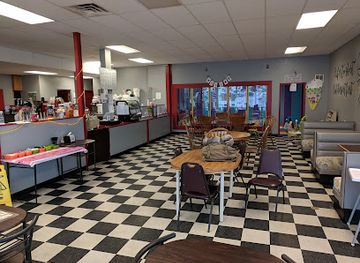
Stellar Coffee Ice Cream Shop
Experience the perfect blend of rich coffee and creamy ice cream at Stellar Coffee Ice Cream Shop in Green River, Wyoming.
1 min walk · 0.1 km from city centre
-
Coffee shop
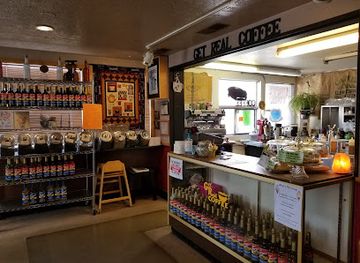
Get Real Coffee
Discover Get Real Coffee in Green River, WY - a cozy coffee shop known for its artisanal brews and inviting atmosphere, perfect for a relaxing break.
3 min walk · 0.3 km from city centre

Get your free copy of our complete guide to Green River, delivered straight to you.
Everything on this page, from attractions and restaurants to essentials and local phrases, in one PDF you can read offline, print or share.
Already have an account? Sign in
Your Green River guide is ready.
We'll send it to · Not you? Sign out

Getting your guide ready…
We are putting together a fresh copy of the Green River guide. This can take up to a minute.
This can take a few moments. If your browser asks, choose Allow so the download can start. You'll find the guide in your Downloads folder.
Nothing happened? Download it again
Sorry, the guide is taking longer than usual. Please try again in a minute, or get it by email instead.
Green River essentials
Currency and Payment
Safety
Emergency Situations
Do's and Don'ts
Local Tips
From Eve
Local phrases worth knowing
You don't need to get them perfect. A few words go a long way, and locals appreciate the effort.
Basics
| English | Local | Say it |
|---|---|---|
| Hello | Howdy | [haʊdi] |
| Goodbye | See ya | [siː jə] |
| Yes | Yep | [jɛp] |
| No | Nah | [nɑː] |
| Please/You're welcome | Please/Welcome | [pliːz/ˈwɛlkəm] |
| Thank you | Thanks | [θæŋks] |
| Excuse me/Sorry | Pardon/My bad | [ˈpɑːrdn/maɪ bæd] |
| How are you? | Howdy | [haʊdi] |
| Fine. And you? | Good. You? | [ɡʊd juː] |
| Do you speak English? | Ya speak English? | [jə spiːk ˈɪŋɡlɪʃ] |
| I don't understand | I dunno | [aɪ ˈdənəʊ] |
Eating & Drinking
| English | Local | Say it |
|---|---|---|
| I'd like to see the menu, please | Menu, please | [ˈmɛnjuː pliːz] |
| I don't eat meat | No meat | [noʊ miːt] |
| Cheers! | Cheers! | [ʧɪrz] |
| I would like to pay, please | Check, please | [ʧɛk pliːz] |
Emergencies
| English | Local | Say it |
|---|---|---|
| Help! | Help! | [hɛlp] |
| Go away! | Get lost! | [ɡɛt lɔst] |
| Call the Police! | Police! | [pəˈlis] |
| Call a doctor! | Doctor! | [ˈdɑktər] |
| I'm lost | I'm lost | [aɪm lɔst] |
| I'm ill | I'm sick | [aɪm sɪk] |
Shopping
| English | Local | Say it |
|---|---|---|
| I'd like to buy... | I wanna buy... | [aɪ ˈwɑnə baɪ] |
| I'm just looking | Just looking | [ʤʌst ˈlʊkɪŋ] |
| How much is it? | How much? | [haʊ mʌʧ] |
| That's too expensive | Too pricey | [tuː ˈpraɪsi] |
| Can you lower the price? | Can ya drop the price? | [kæn jə drɑp ðə praɪs] |
Time & Numbers
| English | Local | Say it |
|---|---|---|
| What time is it? | What time? | [wɑt taɪm] |
| It's one o'clock | It's one | [ɪts wʌn] |
| Half past (10) | Half ten | [hæf tɛn] |
| Morning | Morning | [ˈmɔrnɪŋ] |
| Afternoon | Afternoon | [ˌæftərˈnun] |
| Evening | Evening | [ˈivnɪŋ] |
| Yesterday | Yesterday | [ˈjɛstərˌdeɪ] |
| Today | Today | [təˈdeɪ] |
| Tomorrow | Tomorrow | [təˈmɔroʊ] |
| 1 | One | [wʌn] |
| 2 | Two | [tuː] |
| 3 | Three | [θriː] |
| 4 | Four | [fɔːr] |
| 5 | Five | [faɪv] |
| 6 | Six | [sɪks] |
| 7 | Seven | [ˈsɛvən] |
| 8 | Eight | [eɪt] |
| 9 | Nine | [naɪn] |
| 10 | Ten | [tɛn] |
Transport & Directions
| English | Local | Say it |
|---|---|---|
| Where's a/the...? | Where's...? | [wɛrz] |
| What's the address? | Address? | [ˈædrɪs] |
| Can you show me (on the map)? | Show me (on map)? | [ʃoʊ miː (ɒn mæp)] |
| When's the next (bus)? | Next (bus)? | [nɛkst (bʌs)] |
| A ticket (to ....) | Ticket (to ...) | [ˈtɪkɪt (tu ...)] |
History of Green River
The Green River and Earlier Peoples
The city takes its name from the Green River, a major waterway that flows through south-western Wyoming before joining the Colorado River system. Long before the town developed, Indigenous peoples travelled through and used this river corridor, with the wider region associated with lifeways including hunting, seasonal movement and trade. Later emigrant routes crossed the surrounding country, linking the central Rocky Mountain region with destinations farther west. The river’s dependable course through an otherwise arid landscape made it a natural reference point for travellers, surveyors and later settlers. Modern Green River occupies only one part of a much older cultural and geographic landscape shaped by water, grassland, desert and mountain passage.
Railway Foundations in the 1860s
Green River emerged as a settlement during construction of the Union Pacific Railroad across Wyoming in the 1860s. The railway reached the Green River area in 1868, connecting the new community with a transcontinental transport network and giving it an economic purpose that continues to influence the city. Railway workers, merchants and service businesses created a town in a landscape previously known primarily for river crossings, trails and scattered ranching activity. The railroad encouraged the movement of people, livestock, goods and information through the region, while the surrounding settlement developed the practical institutions and commercial services expected of a western rail town.
Powell’s River Expedition
In 1869, the first expedition led by John Wesley Powell began its descent of the Green River from the area now known as Expedition Island. Powell and his team travelled through the Green and Colorado rivers to investigate a largely unmapped canyon country, producing observations that became important to the geographical understanding of the American West. Although the expedition was not the founding event of Green River, its departure gave the town a lasting place in the history of western exploration. Expedition Island preserves that association and links the city’s local identity with the larger story of surveying, mapping and scientific travel in the region.
A Town of Rail, Ranching and Industry
During the late nineteenth and early twentieth centuries, Green River developed around the railway, agriculture and the extraction of regional resources. Rail operations supported employment and commerce, while ranching and livestock production connected the town to the wider economy of south-western Wyoming. The surrounding Green River Basin also became known for coal, trona and other mineral resources, helping establish an industrial base beyond transport and local trade. These activities shaped the city’s durable working character and influenced its relationship with neighbouring Rock Springs and the broader Sweetwater County region. The streets, civic buildings and transport corridors visible today reflect this layered economic history.
Modern Green River and the Basin Economy
In the twentieth and twenty-first centuries, Green River remained closely tied to rail transport, mineral extraction, energy and public-land recreation. Green River Basin resources, particularly trona and soda ash, became important to local and regional industry, while improved roads made the city more accessible to long-distance travellers. At the same time, the Green River, nearby wildlife habitat and dramatic desert geology supported fishing, boating, birdwatching and sightseeing. Contemporary Green River therefore combines the functions of a working Wyoming community with a gateway role for visitors exploring the river corridor, Seedskadee National Wildlife Refuge and Flaming Gorge country.
Green River in Photos
Browse through our photo collection highlighting the charm and character of the destination.
Cities near Green River
The closest cities to Green River, if you have time for more than one stop.
-

-
-
-

-


Swipe for more cities
Explore more

Explore more of Wyoming
Discover Wyoming: A Land of Unspoiled Beauty, Rich History, and Boundless Outdoor Adventures in the Heart of the American West.
Explore Wyoming