

Free Victoria Falls Travel Guide & Mobile App
Plan your Victoria Falls trip with Evendo. Get free guides to top attractions, restaurants, hotels, and bars. Web access or download the mobile app.


Victoria Falls, Zambia, pairs the mighty Mosi-oa-Tunya with river wildlife, Livingstone history, adventure activities and memorable African landscapes.
The Zambian Gateway to Mosi-oa-Tunya
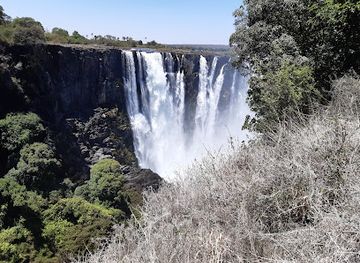
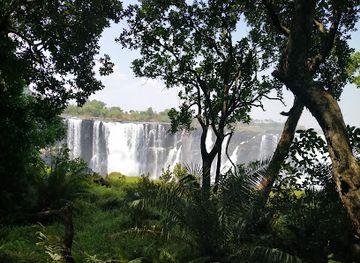
Victoria Falls lies on the Zambezi River at Zambia’s western edge, although the principal Zambian settlement serving visitors is Livingstone. Here, the river drops into a long basalt chasm, creating Mosi-oa-Tunya, or “the Smoke That Thunders”, named for the spray cloud that rises above the gorge. The waterfall straddles the border with Zimbabwe, but Zambia offers its own viewpoints, riverfront landscapes and access to the surrounding Mosi-oa-Tunya National Park.Read more about Victoria Falls
Water, Wildlife and Adventure
Livingstone’s Colonial and Contemporary Character
When is the best time to visit Victoria Falls?
Best: May, August–September · 22–27°C| Month | High (°C) | Rainfall (mm) |
|---|---|---|
| January | 30 | 100 |
| February | 29 | 100 |
| March | 29 | 100 |
| April | 27 | 50 |
| May (best) | 24 | 30 |
| June | 20 | 10 |
| July | 19 | 10 |
| August (best) | 22 | 10 |
| September (best) | 27 | 30 |
| October | 30 | 50 |
| November | 31 | 70 |
| December | 31 | 80 |
Getting to and around Victoria Falls
How to get there
Transportation
Best attractions in Victoria Falls
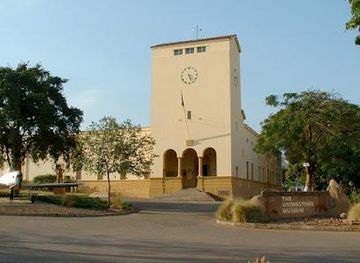
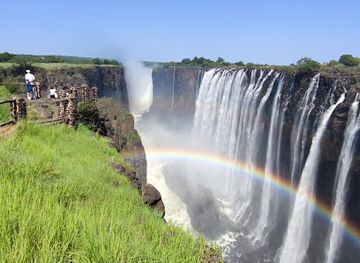
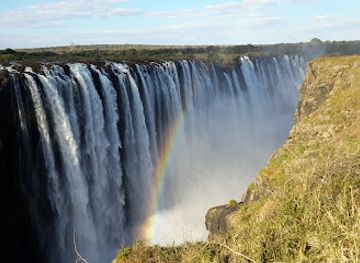
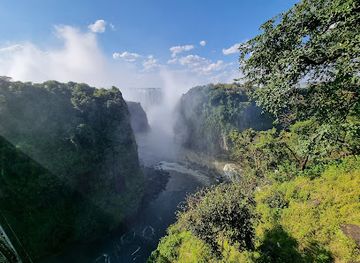
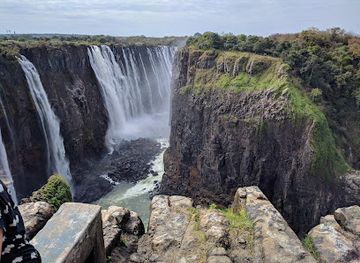
The principal attraction is Mosi-oa-Tunya, the Zambian section of Victoria Falls, where marked paths lead to viewpoints over the Main Falls, Devil’s Cataract and the spray-filled gorge. Mosi-oa-Tunya National Park extends along the Zambezi and offers opportunities for guided wildlife viewing, with elephants, giraffes, buffalo and other species inhabiting its riverine and woodland areas. In Livingstone, the Livingstone Museum presents archaeological, ethnographic and natural-history collections alongside material connected with David Livingstone. The Victoria Falls Bridge, spanning the gorge downstream, is a memorable engineering landmark and viewpoint in its own right. River-based experiences range from calm sunset cruises to canoeing in quieter channels, while the Batoka Gorge provides a more rugged setting below the falls. The town’s craft markets and colonial-era streets add a human and historical dimension to a visit otherwise dominated by water, rock and wildlife.
-
National park
Victoria Falls National Park
Discover the breathtaking beauty and adventure of Victoria Falls National Park, a UNESCO World Heritage site and natural wonder in Zimbabwe.
8 min walk · 0.6 km from city centre
-
Park
Mosi-oa-Tunya National Park
Discover the breathtaking beauty of Mosi-oa-Tunya National Park, home to Victoria Falls and diverse wildlife in Livingstone, Zambia.
19 min drive · 6.5 km from city centre
-
Museum
Livingstone Museum
Discover the captivating history of Zambia at Livingstone Museum, a treasure trove of cultural heritage and fascinating exhibits.
25 min drive · 8.5 km from city centre
-
Bridge
Victoria Falls Bridge
Discover the breathtaking Victoria Falls Bridge, a stunning engineering marvel offering exhilarating views and adventures in the heart of Africa.
6 min walk · 0.5 km from city centre



Best landmarks in Victoria Falls
Mosi-oa-Tunya itself is the defining natural landmark: the Zambezi’s broad cataract, basalt gorge and immense seasonal spray plume give the place both its international name and its local identity. The Victoria Falls Bridge, completed in 1905, is a major piece of colonial-era railway engineering and spans the gorge between Zambia and Zimbabwe. In Livingstone, the Livingstone Museum is an important civic and cultural landmark, preserving archaeological, ethnographic and historical collections that place the waterfall within Zambia’s wider story. The David Livingstone Memorial on Livingstone Island recalls the explorer’s 1855 visit, although the island is accessible only under controlled conditions that vary with river levels. Historic railway buildings and the town’s broad colonial street plan further reflect Livingstone’s former role as an administrative and transport centre.
-
National park
Mosi-oa-Tunya National Park
Explore Mosi-oa-Tunya National Park, a UNESCO World Heritage site known for the majestic Victoria Falls and diverse wildlife experiences.
23 min drive · 7.6 km from city centre
-
Vista point
Devil's Cataract
Discover the breathtaking beauty of Devil's Cataract, a stunning viewpoint within Victoria Falls, showcasing the raw power of nature.
11 min walk · 0.9 km from city centre
-
Bridge
Victoria Falls Bridge
Experience the breathtaking views and thrilling adventures at the iconic Victoria Falls Bridge, a premier destination for tourists in Zimbabwe.
6 min walk · 0.5 km from city centre
-
 Lodging
Victoria Falls Waterfront
Discover the breathtaking beauty of Victoria Falls Waterfront, a perfect blend of adventure, relaxation, and stunning river views in Zambia's lush landscape.
13 min drive · 4.3 km from city centre
Explore Victoria Falls on the map
Plan your Victoria Falls trip on one map. See where the top attractions, landmarks, restaurants, bars and hotels are, find what's near where you're staying, and book hotels and experiences in a few clicks.
Best hotels in Victoria Falls
Best restaurants in Victoria Falls
Dining in the Victoria Falls area is centred on Livingstone’s hotels, lodges, cafés and independent restaurants, with menus that combine Zambian staples and international dishes for visitors. Local cooking commonly features nshima, a maize-based staple served with relish, vegetables, beans, fish or meat, while bream and other freshwater fish reflect the importance of the Zambezi. Game meat may appear in tourist-oriented settings, but it should be sourced legally and responsibly. Markets and informal food stalls offer a more everyday view of local eating, including grilled meats, fritters and seasonal produce, though visitors should choose busy vendors and take normal precautions with food and water. Restaurants serving British, South African and wider continental influences reflect Livingstone’s history as a railway town and international gateway, while riverside dining and lodge meals often foreground regional ingredients and sunset views.
-
Hotel
The Victoria Falls Hotel
Experience unparalleled luxury at The Victoria Falls Hotel while exploring one of nature's most magnificent wonders.
5 min drive · 1.5 km from city centre
-
Restaurant
The Three Monkeys Restaurant & Bar, Victoria Falls
Experience culinary delights at The Three Monkeys Restaurant & Bar in Victoria Falls – where local flavors meet international cuisine.
5 min drive · 1.6 km from city centre
-
Resort hotel
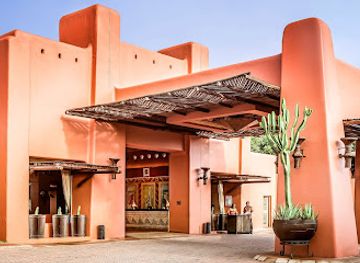
Avani Victoria Falls Resort
Discover luxury at Avani Victoria Falls Resort, where stunning landscapes meet exceptional hospitality near one of nature's greatest wonders.
13 min walk · 1.0 km from city centre
-
Restaurant
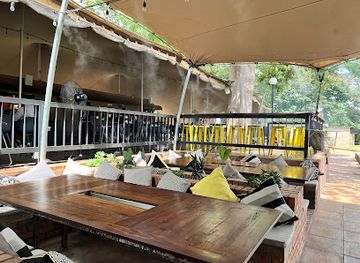
The Lookout Cafe - Wild Horizons
Experience breathtaking views and delicious cuisine at The Lookout Cafe in Victoria Falls – where nature meets flavor.
13 min walk · 1.1 km from city centre
Best bars in Victoria Falls
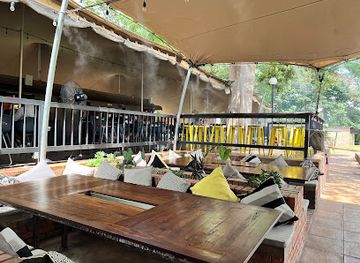
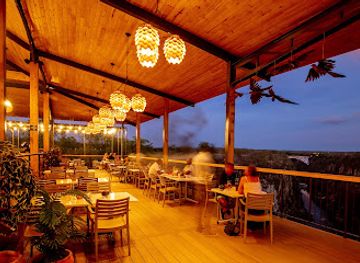
Evenings in Livingstone are generally sociable rather than intensely club-focused, with hotel bars, lodge lounges and restaurants providing the main settings for drinks and conversation. The atmosphere ranges from relaxed terraces overlooking gardens or the river to livelier venues in town where residents and visitors meet over Zambian beer, spirits and non-alcoholic drinks. Sunset cruises on the Zambezi offer a distinctive evening activity, typically combining wildlife watching with views of the changing light along the river. Live music and occasional cultural performances may be arranged by hotels or local venues, while larger properties sometimes host dancing or themed entertainment. Nightlife is more dispersed than in a major city, and streets outside the central areas can be poorly lit, making organised transport a sensible choice after dark.
-
Tourist attraction
Victoria Falls
Experience the breathtaking beauty of Victoria Falls, a UNESCO World Heritage Site, where nature's power meets stunning landscapes and adventure awaits.
4 min walk · 0.4 km from city centre
-
Hotel
The Victoria Falls Hotel
Experience the elegance of The Victoria Falls Hotel, a luxurious retreat at the edge of one of nature's greatest wonders, Victoria Falls.
5 min drive · 1.5 km from city centre
-
Restaurant
The Three Monkeys Restaurant & Bar, Victoria Falls
Experience the best of Zimbabwean cuisine at The Three Monkeys Restaurant & Bar in Victoria Falls, where every dish tells a story.
5 min drive · 1.6 km from city centre
-
Restaurant
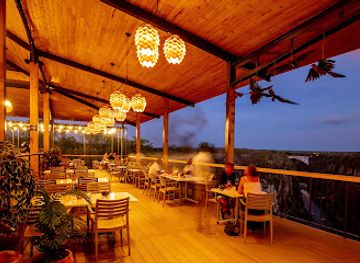
The Lookout Cafe - Wild Horizons
Experience breathtaking views and delicious cuisine at The Lookout Cafe, the perfect dining spot above the Batoka Gorge near Victoria Falls.
13 min walk · 1.1 km from city centre
Best nightclubs in Victoria Falls
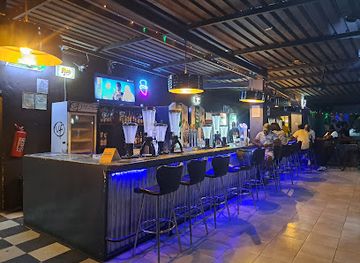
Evenings in Livingstone are generally sociable rather than intensely club-focused, with hotel bars, lodge lounges and restaurants providing the main settings for drinks and conversation. The atmosphere ranges from relaxed terraces overlooking gardens or the river to livelier venues in town where residents and visitors meet over Zambian beer, spirits and non-alcoholic drinks. Sunset cruises on the Zambezi offer a distinctive evening activity, typically combining wildlife watching with views of the changing light along the river. Live music and occasional cultural performances may be arranged by hotels or local venues, while larger properties sometimes host dancing or themed entertainment. Nightlife is more dispersed than in a major city, and streets outside the central areas can be poorly lit, making organised transport a sensible choice after dark.
-
Restaurant
The Lookout Cafe - Wild Horizons
Experience breathtaking views and delightful cuisine at The Lookout Cafe, a must-visit gem in Victoria Falls, Zimbabwe.
13 min walk · 1.1 km from city centre
-
Dinner theater
The Boma - Dinner & Drum Show
Immerse yourself in the vibrant culture of Zimbabwe at The Boma - Dinner & Drum Show, where culinary delights meet lively entertainment.
11 min drive · 3.8 km from city centre
-
Hotel
Victoria Falls Safari Club
Experience luxury and adventure at Victoria Falls Safari Club, your gateway to Zimbabwe's majestic natural wonders and vibrant wildlife.
12 min drive · 3.9 km from city centre
-
Sports bar
Vix Falls Sports Bar and Restaurant
Discover vibrant nightlife and delicious cuisine at Vix Falls Sports Bar and Restaurant in Mosi-oa-Tunya National Park, Livingstone.
23 min drive · 7.7 km from city centre


Best shops in Victoria Falls
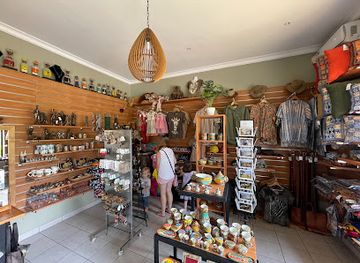
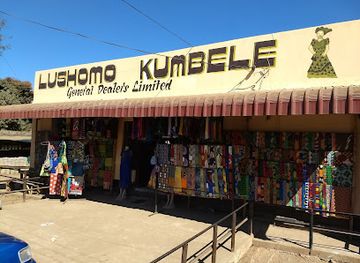
Shopping in Livingstone combines practical town markets with craft outlets aimed at visitors to Victoria Falls. Mukuni Park Curio Market is associated with woodcarvings, woven items, paintings, jewellery, textiles and other southern African crafts, while smaller stalls and shops offer baskets, masks and locally made souvenirs. Bargaining is common in informal markets, but courteous negotiation and careful inspection of workmanship are expected. Maramba Market provides a more everyday setting, with fresh produce, household goods and local food rather than a purely tourism-oriented selection. Visitors may also find Zambian coffee, honey, spices and hand-crafted gifts in established shops and lodges. Wildlife products and old-looking artefacts should be treated cautiously: avoid anything that appears to involve protected species or illicit antiquities, and check export rules before buying culturally significant objects.
-
Restaurant
The Lookout Cafe - Wild Horizons
Discover stunning views and delightful dishes at The Lookout Cafe, a culinary jewel overlooking Batoka Gorge in Victoria Falls.
13 min walk · 1.1 km from city centre
-
Dinner theater
The Boma - Dinner & Drum Show
Discover the heart of Zimbabwean culture through a unique dinner theater experience at The Boma - where food, music, and tradition come alive.
11 min drive · 3.8 km from city centre
-
Market
Maramba Market
Discover the heart of Livingstone at Maramba Market, a vibrant hub of local culture, crafts, and culinary delights that promises an authentic Zambian experience.
26 min drive · 8.7 km from city centre
-
Nature preserve
Victoria Falls Crocodile Park
Immerse yourself in the thrilling world of crocodiles at Victoria Falls Crocodile Park, a nature preserve showcasing wildlife in stunning Zimbabwe.
14 min drive · 4.6 km from city centre
Get your free copy of our complete guide to Victoria Falls, delivered straight to you.
Everything on this page, from attractions and restaurants to essentials and local phrases, in one PDF you can read offline, print or share.
Already have an account? Sign in
Your Victoria Falls guide is ready.
We'll send it to · Not you? Sign out

Getting your guide ready…
We are putting together a fresh copy of the Victoria Falls guide. This can take up to a minute.
This can take a few moments. If your browser asks, choose Allow so the download can start. You'll find the guide in your Downloads folder.
Nothing happened? Download it again
Sorry, the guide is taking longer than usual. Please try again in a minute, or get it by email instead.
Victoria Falls essentials
Currency and Payment
Safety
Emergency Situations
Do's and Don'ts
Local Tips
From Eve
Local phrases worth knowing
You don't need to get them perfect. A few words go a long way, and locals appreciate the effort.
Basics
| English | Local | Say it |
|---|---|---|
| Hello | Muli bwanji | [moo-lee bwan-jee] |
| Goodbye | Salani bwino | [sa-la-nee bwee-no] |
| Yes | Ee | [ee] |
| No | Ay | [ai] |
| Please/You're welcome | Chonde | [chon-deh] |
| Thank you | Zikomo | [zee-koh-moh] |
| Excuse me/Sorry | Pepani | [peh-pah-nee] |
| How are you? | Muli bwanji? | [moo-lee bwan-jee] |
| Fine. And you? | Ndili bwino. Inu? | [ndee-lee bwee-no. ee-noo] |
| Do you speak English? | Mukudziwa kutanthauza chiyankhulo cha Chingerezi? | [moo-koo-dzee-wah koo-tan-thow-za chee-yan-koo-loh chah chin-gair-eh-zee] |
| I don't understand | Sindikudziwa | [sin-dee-koo-dzee-wah] |
Eating & Drinking
| English | Local | Say it |
|---|---|---|
| I'd like to see the menu, please | Ndikufuna kuonetsa menu, chonde | [ndee-koo-foo-nah koo-oh-net-sah meh-noo chon-deh] |
| I don't eat meat | Sindi nyama | [sin-dee nyah-mah] |
| Cheers! | Tukuka! | [too-koo-kah] |
| I would like to pay, please | Ndikufuna kubwezera, chonde | [ndee-koo-foo-nah koo-bweh-zeh-rah chon-deh] |
Emergencies
| English | Local | Say it |
|---|---|---|
| Help! | Chilimba! | [chee-leem-bah] |
| Go away! | Pita! | [pee-tah] |
| Call the Police! | Pemphelani Polisi! | [pehm-pheh-lah-nee poh-lee-see] |
| Call a doctor! | Pemphelani dokotala! | [pehm-pheh-lah-nee doh-koh-tah-lah] |
| I'm lost | Ndamulandira | [ndah-moo-lahn-dee-rah] |
| I'm ill | Ndimakwera | [ndee-mah-kweh-rah] |
Shopping
| English | Local | Say it |
|---|---|---|
| I'd like to buy... | Ndikufuna kugula... | [ndee-koo-foo-nah koo-goo-lah] |
| I'm just looking | Ndimapanga | [ndee-mah-pah-ngah] |
| How much is it? | Ndalipiro bwanji? | [ndah-lee-pee-roo bwan-jee] |
| That's too expensive | Zimakhaladi bwino kwambiri | [zee-mah-kah-lah-dee bwee-no kwam-bee-ree] |
| Can you lower the price? | Mungandipatsenso chikwama? | [moon-gahn-dee-paht-sehn-soh chee-kwah-mah] |
Time & Numbers
| English | Local | Say it |
|---|---|---|
| What time is it? | Saatani yayi ndi yandani? | [sah-tah-nee yah-yee ndee yahn-dah-nee] |
| It's one o'clock | Ndi saa imodzi | [ndee sah eem-oh-zee] |
| Half past (10) | Sikati ya (10) | [see-kah-tee yah] |
| Morning | Usiku | [oo-see-koo] |
| Afternoon | Chilichonse | [chee-lee-chohn-seh] |
| Evening | Chikazunzo | [chee-kah-zoon-zoh] |
| Yesterday | Nkamubwere | [n-kah-moo-bweh-reh] |
| Today | Lero | [leh-roh] |
| Tomorrow | Mawa | [mah-wah] |
| 1 | Moja | [moh-jah] |
| 2 | Ziwiri | [zee-wee-ree] |
| 3 | Zitatu | [zee-tah-too] |
| 4 | Zine | [zee-neh] |
| 5 | Ziwona | [zee-woh-nah] |
| 6 | Zitsatatu | [zee-tsa-tah-too] |
| 7 | Zisere | [zee-seh-reh] |
| 8 | Ziwanda | [zee-wahn-dah] |
| 9 | Zitanda | [zee-tahn-dah] |
| 10 | Ziwiri | [zee-wee-ree] |
Transport & Directions
| English | Local | Say it |
|---|---|---|
| Where's a/the...? | Kumene ndi... | [koo-meh-neh ndee] |
| What's the address? | Adilesi ndi yandani? | [ah-dee-leh-see ndee yahn-dah-nee] |
| Can you show me (on the map)? | Mungandipanga kuchita (pa mapi)? | [moon-gahn-dee-pah-ngah koo-chee-tah pah mah-pee] |
| When's the next (bus)? | Izi zitani (bus)? | [ee-zee zee-tah-nee] |
| A ticket (to ....) | Tikiti (kutali ku ....) | [tee-kee-tee koo-tah-lee koo] |
History of Victoria Falls
Mosi-oa-Tunya and Earlier Communities
The Zambezi gorge and waterfall long formed part of the landscape known to local communities before European exploration. The Kololo people called the falls Mosi-oa-Tunya, meaning “the Smoke That Thunders”, a name referring to the immense spray plume and sound produced where the river plunges over the basalt edge. Lozi cultural influence is also important in the wider Upper Zambezi region, whose communities developed close relationships with the river, floodplains and woodland. These names and traditions remain central to the cultural identity of the waterfall, while the surrounding landscape continues to carry significance beyond its value as a scenic attraction.
Livingstone Reaches the Falls
David Livingstone became the first European known to document the waterfall after reaching it in November 1855, travelling along the Zambezi with local guides. He recorded the falls under the name Victoria Falls in honour of Queen Victoria, while the older name Mosi-oa-Tunya continued in local usage. European accounts brought the site wider international attention, but they did not mark the beginning of its history. The island from which Livingstone viewed the cataract later became associated with his name, and the exploration narrative helped shape the region’s subsequent development as a destination for travellers, missionaries, administrators and scientific observers.
Railway and Colonial Development
Modern Livingstone developed more substantially during the early twentieth century as British colonial administration and railway construction extended into the region. The railway reached Livingstone in 1904, linking the town with wider routes in southern Africa and transforming its role as a transport and commercial centre. The Victoria Falls Bridge, completed in 1905 just downstream from the waterfall, connected the railway systems of present-day Zambia and Zimbabwe across the Zambezi gorge. Hotels, administrative buildings and service businesses followed, establishing the urban framework that still distinguishes Livingstone from the more rural landscapes around Mosi-oa-Tunya.
From Northern Rhodesia to Zambia
Livingstone served as the capital of Northern Rhodesia from 1911 until 1935, when the administrative capital moved north to Lusaka. The town retained its importance as a railway junction, commercial centre and gateway to Victoria Falls. During the colonial period, development was shaped by segregation, labour migration and unequal access to land and services, histories that form part of the broader story of southern Africa. Northern Rhodesia became independent as Zambia in 1964, and Livingstone’s name and institutions were retained while the waterfall and surrounding landscapes became increasingly important to the national tourism economy.
Conservation and Tourism Today
The twentieth and twenty-first centuries brought a stronger emphasis on protecting the waterfall, river corridor and wildlife habitats. Mosi-oa-Tunya National Park preserves a narrow but important stretch of Zambian riverine and woodland environment beside Livingstone, while the Victoria Falls area is recognised internationally as part of a transboundary conservation and heritage landscape. Tourism now supports accommodation, guiding, river activities, museums, craft production and transport services in Livingstone. At the same time, changing river flows, climate pressures and intense seasonal spray underline the need to balance visitor access with the long-term protection of the falls and their surrounding ecosystems.
Victoria Falls in Photos
Browse through our photo collection highlighting the charm and character of the destination.
Cities near Victoria Falls
The closest cities to Victoria Falls, if you have time for more than one stop.
-

-

-

-

-


Swipe for more cities
Explore more

Explore more of Zambia
Discover Zambia: A Safari Haven with Stunning Waterfalls, Rich Culture, and Unforgettable Wildlife Encounters.
Explore Zambia