

Free Kasane Travel Guide & Mobile App
Plan your Kasane trip with Evendo. Get free guides to top attractions, restaurants, hotels, and bars. Web access or download the mobile app.


Discover Kasane, Botswana — A vibrant gateway to Chobe National Park and Victoria Falls, offering wildlife adventures, boat safaris, and a rich cultural experience.
Read more about Kasane
Getting to and around Kasane
How to get there
Transportation
Best attractions in Kasane
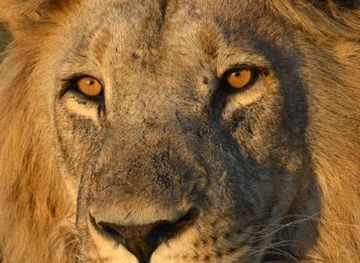
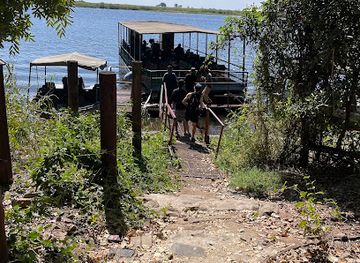
Kasane, located in the heart of Chobe National Park, offers a unique safari experience with the chance to see elephants, lions, and other wildlife up close. Visitors can take boat cruises along the Chobe River, known for its large herds of elephants drinking and playing in the water. The area is also a birdwatcher's paradise, with over 450 bird species to spot. For history buffs, a visit to the nearby ancient rock paintings at Tsodilo Hills or a trip to the nearby Victoria Falls offers a glimpse into the region's rich cultural heritage. With its stunning natural beauty and abundant wildlife, Kasane is a must-visit destination for nature lovers and adventure seekers alike.
-
Tourist attraction
CARACAL
Discover Botswana's wildlife and conservation efforts at CARACAL Ecological Park in Kasane, a unique and educational experience for all ages.
13 min walk · 1.0 km from city centre
-
Tourist attraction
Police Station - Baobab Tree
Discover the ancient Baobab Tree in Kasane, Botswana: a natural monument with a rich history as a gathering place and colonial-era prison.
15 min walk · 1.2 km from city centre
-
Wildlife and safari park
Tony Mobile Safari
Experience Botswana's untamed wilderness with Tony Mobile Safari: Expert-guided mobile safaris into Chobe National Park and beyond.
13 min walk · 1.0 km from city centre
-
Tourist attraction
Dreams safaris
Experience Botswana's best wildlife safaris and holiday accommodations in Kasane, gateway to Chobe National Park and Victoria Falls.
15 min walk · 1.2 km from city centre


Best landmarks in Kasane
Kasane offers visitors a rich tapestry of natural wonders and cultural heritage. From the iconic Chobe National Park, known for its vast herds of elephants and diverse wildlife, to the majestic Victoria Falls just a short drive away, there is no shortage of breathtaking sights to behold. Explore the historic Kazungula Old Bridge, a key crossing point between four countries, or immerse yourself in the local culture at the vibrant Kasane Craft Market. Whether you're a nature lover, history buff, or simply seeking adventure, Kasane has something for everyone to enjoy.
-
 Lodge
LodgeChobe Safari Lodge
Experience Botswana's wildlife at Chobe Safari Lodge: comfortable accommodations, thrilling safaris, and unforgettable river cruises on the Chobe River.
5 min drive · 1.5 km from city centre
-
Lodge
Cresta Mowana Safari Resort and Spa
Experience luxury on the Chobe River at Cresta Mowana Safari Resort & Spa, your gateway to Botswana's untamed wilderness and unforgettable wildlife encounters.
6 min drive · 2.1 km from city centre
-
Lodge
Chobe Marina Lodge
Experience luxury and adventure at Chobe Marina Lodge, your gateway to Chobe National Park and the stunning Chobe River in Botswana.
14 min walk · 1.1 km from city centre
-
Hotel
Travelodge Kasane
Modern comfort meets convenient location at Travelodge Kasane, your perfect base for exploring Chobe National Park and the region's wonders.
19 min walk · 1.5 km from city centre
Explore Kasane on the map
Plan your Kasane trip on one map. See where the top attractions, landmarks, restaurants, bars and hotels are, find what's near where you're staying, and book hotels and experiences in a few clicks.
Best hotels in Kasane
Best restaurants in Kasane
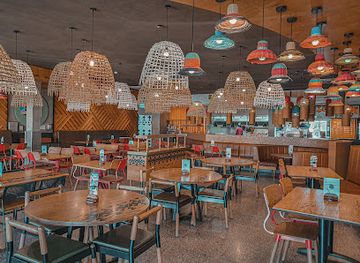
Kasane offers a vibrant dining scene that showcases the diverse flavors of Botswana. From traditional African dishes to international cuisine, visitors can indulge in a culinary adventure. Enjoy fresh seafood at waterfront restaurants, savor local game meat at bush-style eateries, or sample fusion dishes at chic cafes. Whether dining under the stars by the Chobe River or in the heart of town, Kasane's restaurants promise a memorable experience for every palate.
-
Restaurant
Chobe Marina Lodge
Experience luxury and adventure at Chobe Marina Lodge – your gateway to Botswana's wildlife wonders along the scenic Chobe River.
14 min walk · 1.1 km from city centre
-
Chicken
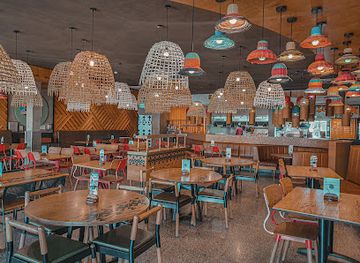
Nando's Kasane
Discover the rich flavors of South Africa at Nando's Kasane – where peri-peri chicken meets family-friendly dining in an inviting atmosphere.
9 min drive · 2.9 km from city centre
-
Restaurant
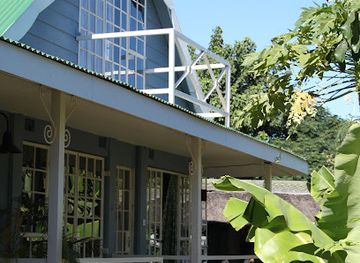
The Old House
Discover comfort and local charm at The Old House in Kasane – where culinary delights meet serene accommodations amidst Botswana's natural beauty.
14 min walk · 1.1 km from city centre
-
Restaurant
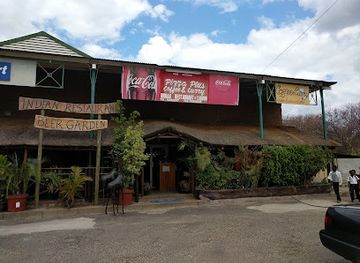
Pizza Plus Coffee & Curry
Discover the flavors of Botswana at Pizza Plus Coffee & Curry—where delicious pizzas meet aromatic curries in a welcoming atmosphere.
12 min walk · 0.9 km from city centre
Best bars in Kasane
Kasane's nightlife scene offers a unique blend of traditional African music and modern entertainment, creating a vibrant atmosphere that caters to all tastes. From lively bars serving up local brews and exotic cocktails to dance clubs pulsating with the latest beats, visitors can immerse themselves in the energy and excitement of the city after dark. Whether you're looking to relax with a drink by the river or dance the night away under the stars, Kasane's nightlife scene has something for everyone to enjoy.
-
Chicken
Nando's Kasane
Experience the vibrant flavors of Portuguese-style chicken at Nando's Kasane, a family-friendly eatery in the heart of Botswana.
9 min drive · 2.9 km from city centre
-
Restaurant
The Old House
Experience the charm of The Old House in Kasane, where comfort meets exquisite dining, perfect for travelers seeking relaxation and adventure.
14 min walk · 1.1 km from city centre
-
Restaurant
Pizza Plus Coffee & Curry
Discover the perfect blend of flavors at Pizza Plus Coffee & Curry in Kasane, where delicious pizzas meet aromatic curries in a cozy atmosphere.
12 min walk · 0.9 km from city centre
-
Restaurant
The Coffee Buzz
Discover the vibrant flavors of Botswana at The Coffee Buzz, where every sip and bite tells a story of local culture and culinary delight.
14 min walk · 1.1 km from city centre
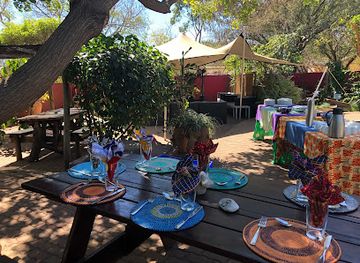
Best nightclubs in Kasane
Kasane's nightlife scene offers a unique blend of traditional African music and modern entertainment, creating a vibrant atmosphere that caters to all tastes. From lively bars serving up local brews and exotic cocktails to dance clubs pulsating with the latest beats, visitors can immerse themselves in the energy and excitement of the city after dark. Whether you're looking to relax with a drink by the river or dance the night away under the stars, Kasane's nightlife scene has something for everyone to enjoy.
-
Hotel
The Old House
Discover comfort and local charm at The Old House in Kasane, your gateway to Botswana's breathtaking wildlife and landscapes.
14 min walk · 1.1 km from city centre
-
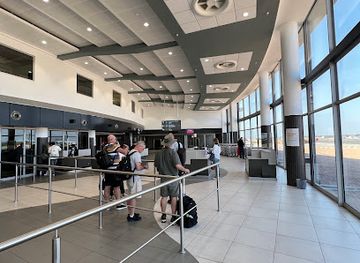
International airport
Kasane International Airport
Discover the gateway to Botswana's natural wonders at Kasane International Airport, where your African adventure begins.
9 min drive · 3.1 km from city centre
-
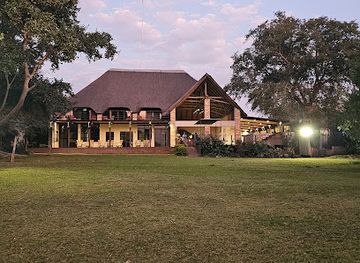
Lounge
Chobe River Lodge
Discover the beauty of Botswana at Chobe River Lodge, where luxury meets nature along the Chobe River, ideal for wildlife enthusiasts and nature lovers.
16 min walk · 1.3 km from city centre
-
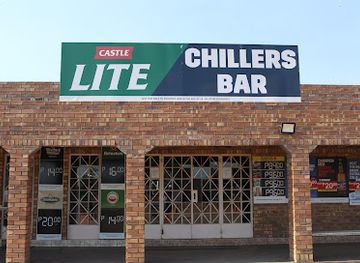
Bar
Chillers Bar
Experience the vibrant nightlife of Kasane at Chillers Bar, where refreshing drinks and lively entertainment await you.
2 min walk · 0.1 km from city centre

Best shops in Kasane
In Kasane, visitors can expect a vibrant shopping scene that offers a unique blend of traditional crafts and modern goods. From bustling markets filled with colorful fabrics, handmade jewelry, and intricate wood carvings to modern shopping centers with designer clothing and electronics, there is something for every shopper. Don't miss the chance to haggle for souvenirs at the local markets or explore the boutiques for one-of-a-kind treasures. Whether you are looking for authentic African artifacts or trendy fashion pieces, Kasane's shopping scene has it all.
-
Supermarket
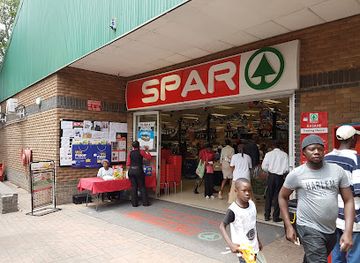
SPAR Kasane
Explore SPAR Kasane: a vibrant supermarket in Botswana offering a wide range of groceries and local products to enhance your travel experience.
13 min walk · 1.0 km from city centre
-
Supermarket
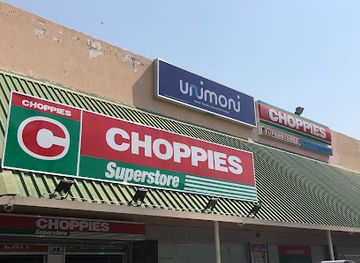
Choppies
Explore the vibrant Choppies supermarket in Kasane for a unique shopping experience filled with local and international delights.
17 min walk · 1.4 km from city centre
-
Grocery store
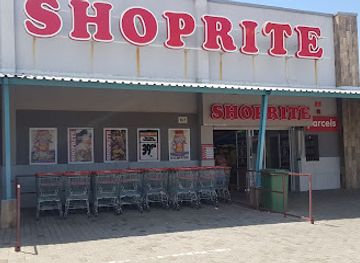
Shoprite Mini Kasane
Discover local flavors and essential supplies at Shoprite Mini Kasane, the ideal grocery destination for tourists in Botswana's beautiful Kasane.
9 min drive · 2.9 km from city centre
-
Hardware store
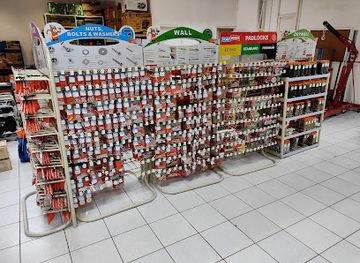
kasane Haskins
Explore Kasane Haskins, your ultimate hardware destination in Botswana for all your DIY and construction needs.
7 min drive · 2.5 km from city centre
Get your free copy of our complete guide to Kasane, delivered straight to you.
Everything on this page, from attractions and restaurants to essentials and local phrases, in one PDF you can read offline, print or share.
Already have an account? Sign in
Your Kasane guide is ready.
We'll send it to · Not you? Sign out

Getting your guide ready…
We are putting together a fresh copy of the Kasane guide. This can take up to a minute.
This can take a few moments. If your browser asks, choose Allow so the download can start. You'll find the guide in your Downloads folder.
Nothing happened? Download it again
Sorry, the guide is taking longer than usual. Please try again in a minute, or get it by email instead.
Kasane essentials
Currency and Payment
Safety
Emergency Situations
Do's and Don'ts
Local Tips
From Eve
Local phrases worth knowing
You don't need to get them perfect. A few words go a long way, and locals appreciate the effort.
Basics
| English | Local | Say it |
|---|---|---|
| Hello | Dumela | [doo-meh-lah] |
| Goodbye | Tsamaya sentle | [tsah-mah-yah sehn-tleh] |
| Yes | Ee | [ee] |
| No | Nnyaa | [nyah] |
| Please/You're welcome | Ke kopa | [keh koh-pah] |
| Thank you | Ke a leboga | [keh ah leh-boh-gah] |
| Excuse me/Sorry | Tsamaya sentle | [tsah-mah-yah sehn-tleh] |
| How are you? | O tsogile jang? | [oh tsoh-gee-leh jahng] |
| Fine. And you? | Ke tsogile sentle. Le wena? | [keh tsoh-gee-leh sehn-tleh. leh weh-nah] |
| Do you speak English? | O bua se se tswanang le setso sa English? | [oh boo-ah seh seh tswah-nahng leh set-soh sah English] |
| I don't understand | Ga ke itse sentle | [gah keh eet-seh sehn-tleh] |
Eating & Drinking
| English | Local | Say it |
|---|---|---|
| I'd like to see the menu, please | Ke kopa go bona setsebi, kamoso | [keh koh-pah goh boh-nah seh-tseh-bee, kah-moh-soh] |
| I don't eat meat | Ga ke dira nyama | [gah keh dee-rah nyah-mah] |
| Cheers! | Tlhogi! | [tloh-gee] |
| I would like to pay, please | Ke kopa go dira thutlo, kamoso | [keh koh-pah goh dee-rah thoot-loh, kah-moh-soh] |
Emergencies
| English | Local | Say it |
|---|---|---|
| Help! | Boipuso! | [boh-ee-poo-soh] |
| Go away! | Nna o tshware! | [nnah oh tshwah-reh] |
| Call the Police! | Tlatsa maotwana! | [tlaht-sah mah-oh-twa-nah] |
| Call a doctor! | Tlatsa ngaka! | [tlaht-sah ngah-kah] |
| I'm lost | Ke a tsenwa | [keh ah tsehn-wah] |
| I'm ill | Ke a bolo | [keh ah boh-loh] |
Shopping
| English | Local | Say it |
|---|---|---|
| I'd like to buy... | Ke kopa go rekela... | [keh koh-pah goh reh-keh-lah] |
| I'm just looking | Ke bontsha fela | [keh boh-ntshah feh-lah] |
| How much is it? | E e bokae? | [eh eh boh-kah-eh] |
| That's too expensive | Ke setse go lefatshe | [keh seh-tseh goh leh-faht-sheh] |
| Can you lower the price? | O ka nnete molao? | [oh kah ne-ne-teh moh-lah-oh] |
Time & Numbers
| English | Local | Say it |
|---|---|---|
| What time is it? | Ke nako efe? | [keh nah-koh eh-feh] |
| It's one o'clock | Ke nako ya moepeng | [keh nah-koh yah mweh-peng] |
| Half past (10) | Mosese wa (10) | [moh-seh-seh wah (10)] |
| Morning | Moemong | [mweh-moh-ng] |
| Afternoon | Moipone | [mwee-poh-neh] |
| Evening | Ntsho | [nt-show] |
| Yesterday | Ngwanaka | [ngwah-nah-kah] |
| Today | Nako eno | [nah-koh eh-noh] |
| Tomorrow | Nako efela | [nah-koh eh-feh-lah] |
| 1 | Moepeng | [mweh-peng] |
| 2 | Bobedi | [boh-beh-dee] |
| 3 | Botho | [boh-toh] |
| 4 | Boraro | [boh-rah-roh] |
| 5 | Boruti | [boh-roo-tee] |
| 6 | Bobedi le boraro | [boh-beh-dee leh boh-rah-roh] |
| 7 | Boruti le boraro | [boh-roo-tee leh boh-rah-roh] |
| 8 | Bobedi le botho | [boh-beh-dee leh boh-toh] |
| 9 | Boruti le botho | [boh-roo-tee leh boh-toh] |
| 10 | Lesome | [leh-soh-meh] |
Transport & Directions
| English | Local | Say it |
|---|---|---|
| Where's a/the...? | Ke kae...? | [keh kah-eh] |
| What's the address? | Setso sa kae? | [set-soh sah kah-eh] |
| Can you show me (on the map)? | O ka nnete go bona (ka map)? | [oh kah ne-ne-teh goh boh-nah (kah map)] |
| When's the next (bus)? | Nako efe ya (bosigo) e ka ba ngwana? | [nah-koh eh-feh yah (boh-see-goh) eh kah bah ngwah-nah] |
| A ticket (to ....) | Thikete (ya ....) | [tee-keh-teh yah] |
History of Kasane
Early Settlements and Indigenous Tribes
The area around Kasane has been inhabited for centuries by various indigenous tribes, including the Basubiya and the Batawana. These tribes have a rich cultural heritage, with traditions that are still evident in the region today. The Basubiya, known for their fishing and agricultural skills, were among the earliest settlers, utilizing the rich resources of the Chobe River.
The Arrival of European Explorers
In the late 19th century, European explorers such as David Livingstone and Frederick Selous ventured into the region. Their explorations brought international attention to the area, highlighting its natural beauty and abundant wildlife. Livingstone's encounters with local tribes and his mapping of the Chobe River were significant in opening up the region to further exploration and eventual colonization.
Colonial Era and the Establishment of Kasane
During the colonial period, Kasane began to take shape as a settlement. The town was strategically located at the confluence of the Chobe and Zambezi rivers, making it a vital point for trade and transportation. The establishment of trading posts and colonial administration centers facilitated the growth of the town, drawing people from various backgrounds to settle in the area.
Independence and Modern Development
Botswana gained independence from British colonial rule in 1966. Kasane, like many other parts of the country, began to experience significant development. The government invested in infrastructure and tourism, recognizing the potential of Kasane's natural beauty and wildlife. The town became a gateway to the Chobe National Park, attracting tourists from around the world.
Kasane and the Chobe National Park
Chobe National Park, established in 1967, is one of Botswana's premier wildlife reserves and lies just outside Kasane. The park is renowned for its large elephant population and diverse ecosystems. Kasane serves as the main access point for visitors to the park, providing various amenities and services to support tourism. The town's proximity to the park has made it a focal point for wildlife conservation and eco-tourism.
Cultural Festivals and Traditions
Kasane is also known for its vibrant cultural scene. Traditional festivals, such as the annual cultural day celebrations, showcase the rich heritage of the local tribes. These events feature traditional music, dance, and crafts, offering a glimpse into the customs and practices that have been passed down through generations. The cultural festivals are a testament to the town's commitment to preserving and celebrating its indigenous heritage.
Kasane as a Border Town
Kasane holds a unique geographical significance as it is situated near the borders of four countries: Botswana, Namibia, Zambia, and Zimbabwe. This strategic location has made Kasane an important hub for regional trade and cross-border tourism. The town's proximity to the Kazungula Ferry, and more recently the Kazungula Bridge, facilitates the movement of goods and people between these nations, enhancing its status as a key border town in Southern Africa.
Kasane in Photos
Browse through our photo collection highlighting the charm and character of the destination.
Cities near Kasane
The closest cities to Kasane, if you have time for more than one stop.
-

-
-
-

-


Swipe for more cities
Explore more
Explore more of Botswana
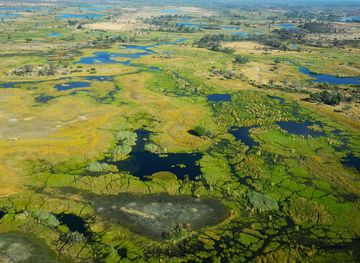
Explore Botswana: A land of stunning contrasts, rich wildlife, and cultural heritage. Discover the Okavango Delta, Kalahari Desert, and immerse in sustainable tourism.
Explore Botswana