

Athens Half-Day Tour: Acropolis, Parthenon & All Major Landmarks
 Athens, GR
 100% of travellers recommend this
Highlights
- Luxury private transportation with fluent English-speaking driver
- Visit the iconic Acropolis and Parthenon
- Explore the historical gem of the Ancient Agora
- Immerse in the birthplace of democracy and philosophy
- Personalized tour tailored to your needs
-
Duration 5 hours
-
Private transportation
-
Hotel pickup / drop off
-
Fluent English speaking driver
-
Bottled water included
-
WiFi on board
Embark on an unforgettable Athens Half-Day Tour and delve into the wonders of the Acropolis, Parthenon, and all major landmarks with our experienced drivers. Immerse yourselves in the birthplace of democracy and philosophical enlightenment as you explore ancient ruins and iconic sites that shaped Western civilization. Unveil the historical gem of the Ancient Agora, where philosophers like Socrates and Plato once roamed, and discover the heart of civic life in ancient Greece. Enjoy a personalized tour with luxury transportation, WiFi on board, and all fees and taxes included. Let this transformative exploration leave a lasting impression of Athens' significance on your journey through millennia. Book now for an enriching experience unlike any other!
At a Glance
-
 Free cancellation
-
 5 hours
-
 Instant Confirmation
-
 Available in English
-
 Mobile voucher
-
 Small Group tour
-
 Guided
-
 Family friendly

Featured Reviews

Explore Athens' iconic landmarks on a 5-hour private tour, featuring the Acropolis, Parthenon, and more with a knowledgeable English-speaking driver.
Included
-
 Private transportation
 -
Hotel pickup / drop off
-
In-vehicle air conditioning
-
Driver with deep knowledge of history not licensed to accompany you to any sight
-
Fluent english speaking driver
-
Bottled water
-
On-board wifi
Excluded
-
 Gratuities
 -
Entrance fees for all attractions
-
Entrance fees
Pickup
Check if pick-up is available from your location, you will select during checkout (providers may allow other pickup locations)

What to expect
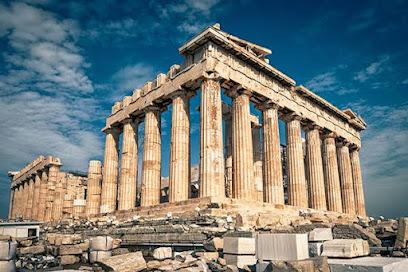
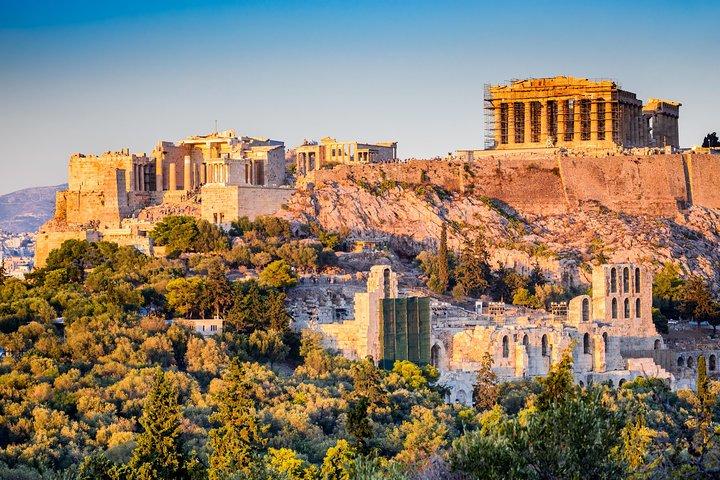
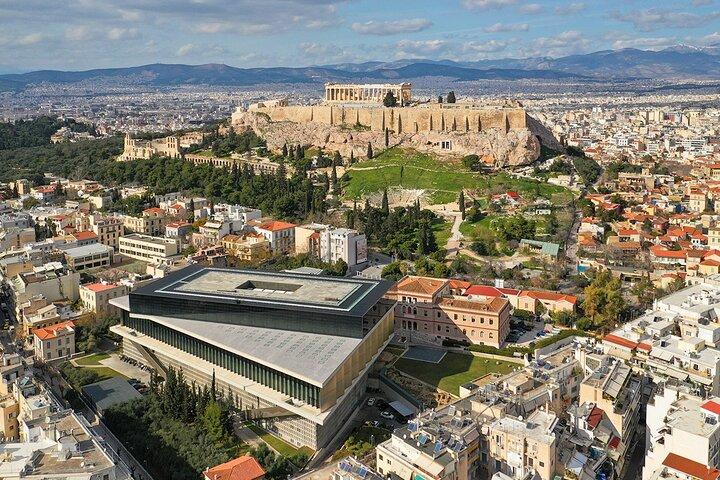
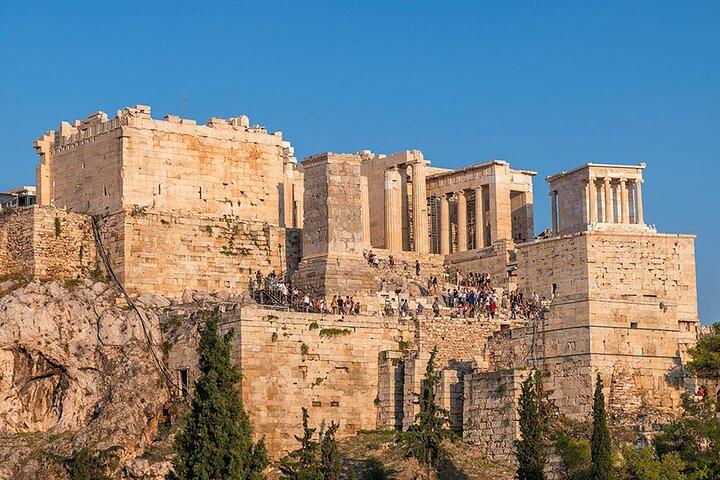
The Acropolis is an enduring symbol of ancient Greek civilization and architectural prowess. Dominating the city skyline, this citadel houses several iconic structures. Built in the 5th century BCE, the Acropolis reflects classical Greek ideals with its Doric columns, intricate friezes, and meticulous symmetry. The Propylaea, Erechtheion, and Temple of Athena Nike complete the ensemble, each contributing to the Acropolis's cultural significance. Despite enduring centuries of war, weathering, and reconstruction, the site remains an unparalleled testament to the achievements of ancient Athens. The elevated location offers panoramic views of the city below, creating a captivating blend of historical grandeur and contemporary urban life, making the Acropolis a UNESCO World Heritage site and a destination that continues to inspire awe and admiration.
30 minutes
 Admission Not Included
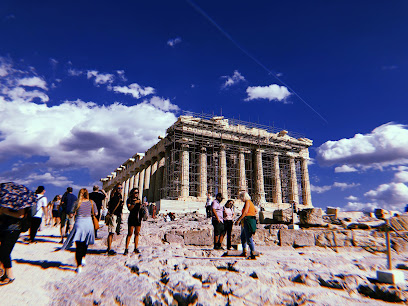
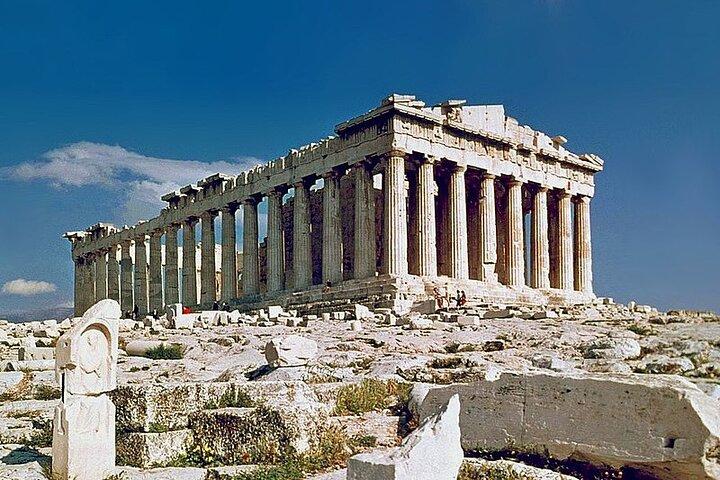
The Parthenon, a majestic temple atop Athens' Acropolis, was dedicated to Athena, the city's patron goddess. Built between 447-432 BCE, it exemplifies Classical Greek architecture, featuring a rectangular structure with 46 outer Doric columns and a frieze depicting mythological scenes. Made of Pentelic marble, it housed a massive statue of Athena Parthenos. Despite damage over centuries, it remains a symbol of ancient Greek culture and architectural brilliance.
30 minutes
Admission Not Included
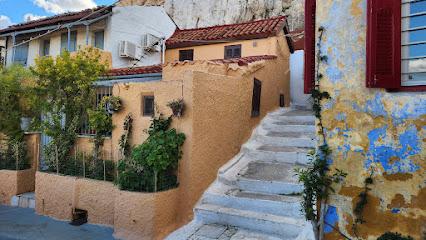
Plaka, Athens, is a charming, historic neighborhood nestled beneath the Acropolis. Known for its picturesque streets, neoclassical architecture, and vibrant atmosphere, it is often called the "Neighborhood of the Gods." Plaka features narrow, winding alleys filled with tavernas, cafes, shops, and ancient ruins. Its blend of history and modernity makes it a beloved destination for both locals and tourists
Statue of Alexander the Great
Alexander the Great, born in 356 BCE, was a visionary military tactician and one of history's most influential leaders. He ascended to the Macedonian throne at age 20 after the death of his father, King Philip II. Fueled by a desire for conquest and guided by the teachings of his tutor Aristotle, Alexander embarked on a relentless military campaign, creating one of the largest empires in history. Known for his strategic brilliance, Alexander conquered vast territories across Asia, from Greece to Egypt, Persia, and beyond. His military success was coupled with a cultural assimilation policy, blending Greek and Persian influences, creating the Hellenistic civilization. Despite his untimely death in 323 BCE, possibly due to illness or poisoning, Alexander's legacy endured, leaving an indelible mark on history, inspiring military leaders and shaping the course of civilizations for centuries to come.
Hadrian's Arch
Hadrian’s Arch in Athens, built in 131 AD, is a monumental gateway honoring Roman Emperor Hadrian. Made of Pentelic marble, it marked the boundary between the old city of Theseus and the new city of Hadrian. The arch stands about 18 meters tall and features inscriptions on each side—one crediting Theseus, the other Hadrian. Its elegant Corinthian columns and symmetry reflect the blend of Greek and Roman architectural styles.
10 minutes
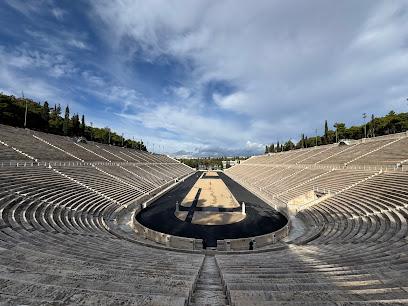
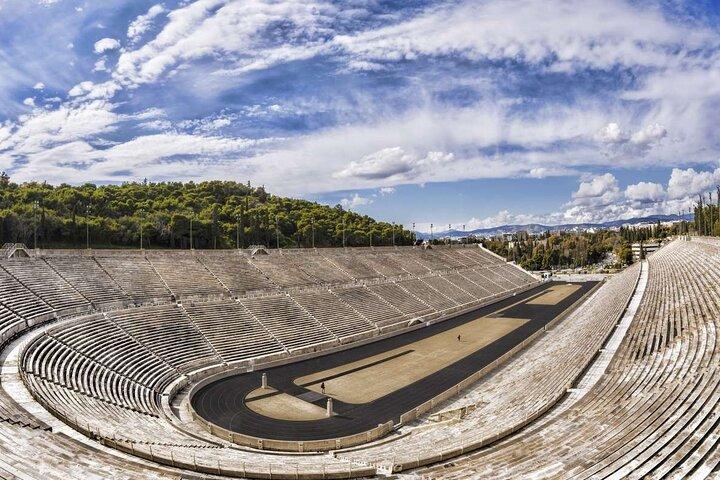
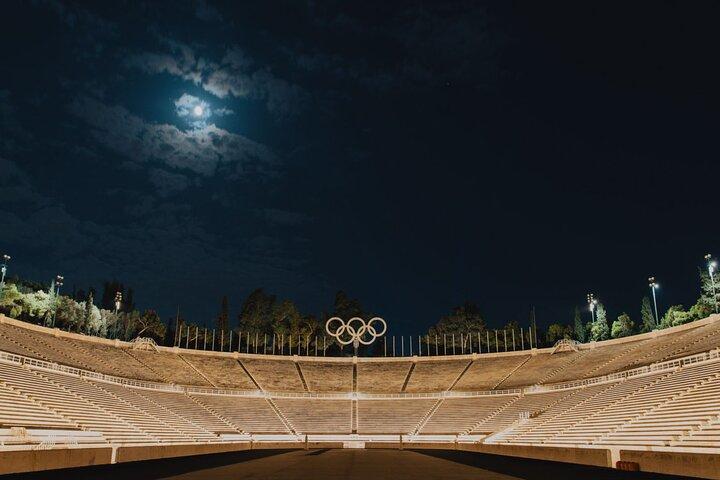
The Panathenaic Stadium, also known as Kallimarmaro, is an iconic ancient stadium nestled in the heart of Athens, Greece. Constructed entirely of white marble, it stands as a historical masterpiece and a symbol of Greek athletic heritage. Originally built in the 4th century BCE, the stadium underwent extensive reconstruction in the 2nd century CE, resulting in its present form. This horseshoe-shaped arena hosted the Panathenaic Games, a significant athletic event in ancient Greece. With a seating capacity of around 50,000, the stadium became the venue for the revival of the modern Olympic Games in 1896. Surrounded by lush greenery and offering panoramic views of Athens, the Panathenaic Stadium continues to capture the spirit of ancient athleticism, serving as both a historical landmark and a living tribute to the enduring legacy of the Olympic movement.
15 minutes
Admission Not Included
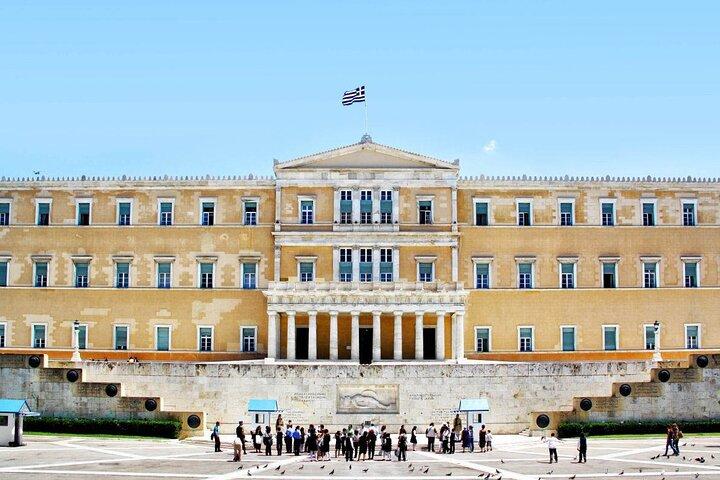
Hellenic Parliament
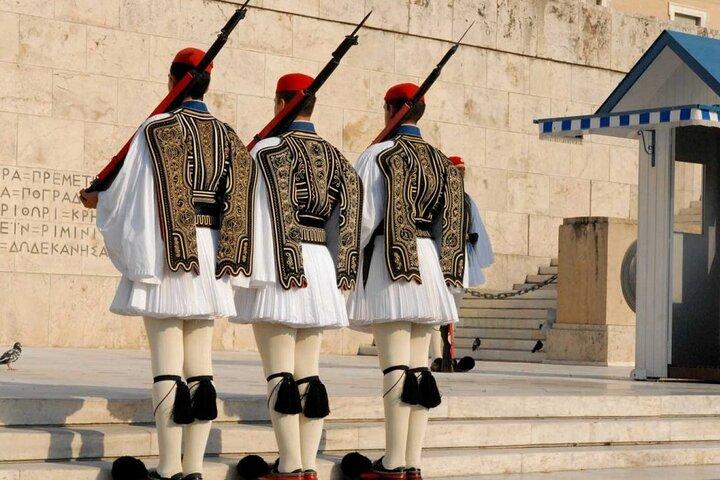
The Hellenic Parliament, located in Athens' Syntagma Square, is the unicameral legislative body of Greece. Housed in a neoclassical building originally constructed as a royal palace in 1843, it has been the seat of Parliament since 1934. The building is an iconic symbol of Greek democracy and governance. Outside, the Tomb of the Unknown Soldier is guarded by the Evzones in traditional attire. The Parliament is central to Greek political life, hosting legislative sessions and significant national even
15 minutes
Temple of Olympian Zeus
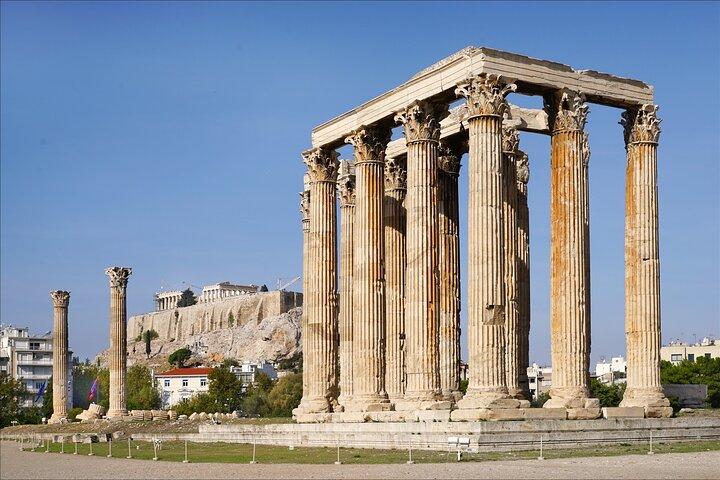
The Temple of Olympian Zeus, situated in Athens, Greece, is a colossal marvel of ancient architecture and mythology. Commissioned by Athenian tyrants in the 6th century BCE, its construction spanned centuries, culminating in the 2nd century CE. Dominating the cityscape, the temple housed a colossal chryselephantine statue of Zeus, though only a few columns and ruins remain today. With Corinthian columns reaching 17 meters in height, the temple exuded grandeur and ambition. Its sheer scale reflects the aspirations of ancient Athens. Dedicated to the king of the gods, Zeus, the temple's remnants transport visitors to a bygone era, evoking awe and appreciation for ancient Greek engineering and religious devotion. The site, now an archaeological gem, stands as a testament to the enduring legacy of Greek civilization.
10 minutes
The Academy of Athens
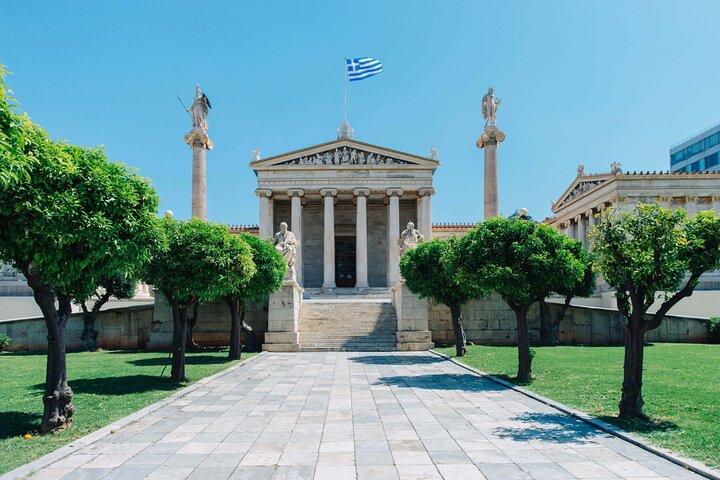
The Academy of Athens, founded in 1926, is Greece's premier research institution, inspired by Plato's ancient academy. Situated in a neoclassical building in central Athens, it features striking architectural elements, including statues of Athena and Apollo. The Academy promotes scientific research, humanities, and fine arts, housing various research centers and libraries. Its impressive facade and grand interior make it a significant cultural and intellectual landmark, embodying Greece's rich educational heritage.
10 minutes
National and Kapodistrian University of Athens
The National and Kapodistrian University of Athens, established in 1837, is Greece's oldest and largest university. Located in central Athens, it features a neoclassical architectural style, particularly evident in its historic main building, part of the famed "Athenian Trilogy." The university offers a wide range of undergraduate and postgraduate programs across various disciplines. It is a leading institution in education and research in Greece, with a vibrant academic community and significant cultural influence.
10 minutes
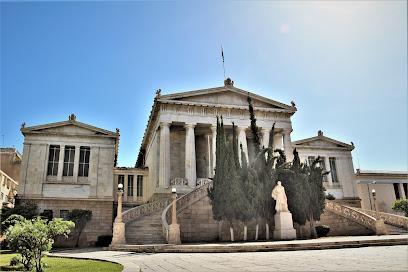
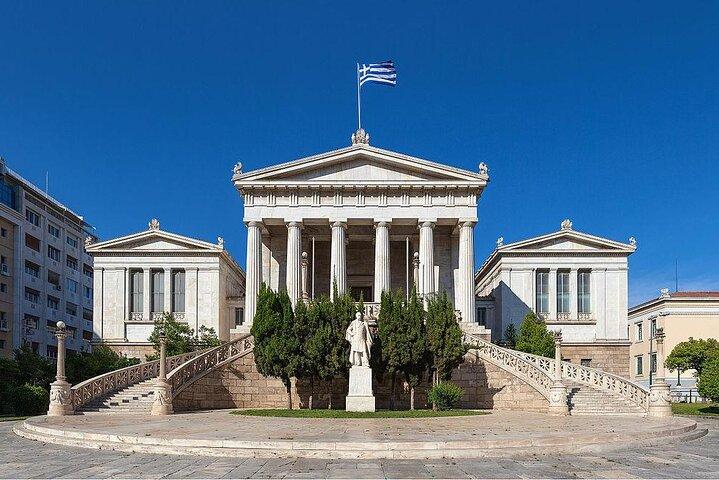
The National Library of Greece, located in Athens, is a cornerstone of Greek literary and historical heritage. Founded in 1832, it occupies a grand neoclassical building designed by Theophil Hansen, part of the "Athenian Trilogy" alongside the Academy of Athens and the University of Athens. The library houses extensive collections of manuscripts, rare books, and documents, playing a crucial role in preserving Greece's cultural legacy. Its modern facilities also support digital archives and public research, making it a vital academic resource.
10 minutes
Monument to the Unknown Soldier
The Tomb of the Unknown Soldier in Athens is a solemn and symbolic monument located in Syntagma Square. Erected in 1932, it pays tribute to Greek soldiers who sacrificed their lives in wars, particularly in World War I. Guarded by the Evzones, elite soldiers in traditional attire, the monument is a focal point for national remembrance. The tomb itself is a marble structure adorned with sculpted reliefs depicting scenes of battle and mourning. An eternal flame burns at its center, symbolizing the perpetual memory of the unknown soldiers. The changing of the guard ceremony, marked by precise and ceremonial movements, occurs regularly and attracts visitors from around the world. Surrounded by neoclassical buildings and the Hellenic Parliament, the Tomb of the Unknown Soldier stands as a poignant reminder of sacrifice and valor, embodying the spirit of Greek national identity and resilience.
15 minutes
Dromeas
Dromeas, also known as The Runner, is a modern sculpture in Athens created by artist Costas Varotsos in 1994. Standing 12 meters tall and made of layered glass and iron, it depicts a dynamic figure in motion, symbolizing speed and progress. The transparent glass conveys a sense of fluidity and movement. The Marathon Run, rooted in ancient Greek history, commemorates the legendary run of Pheidippides from the battlefield of Marathon to Athens in 490 BCE to announce the Greek victory over the Persians. This historic event inspired the modern marathon race, first included in the 1896 Olympics in Athens. The Marathon Run remains a symbol of endurance and perseverance, reflecting the spirit of ancient Greece. Both Dromeas and the Marathon Run embody themes of motion and progress, linking modern art with ancient history in the cultural tapestry of Athens.
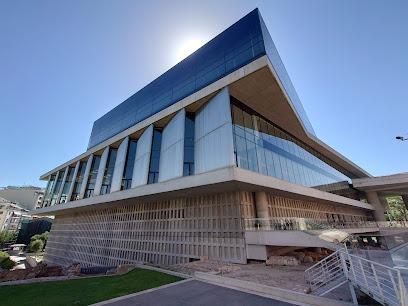
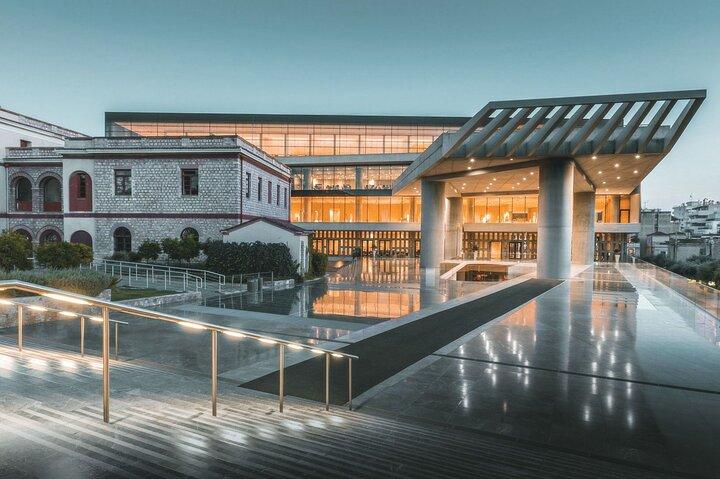
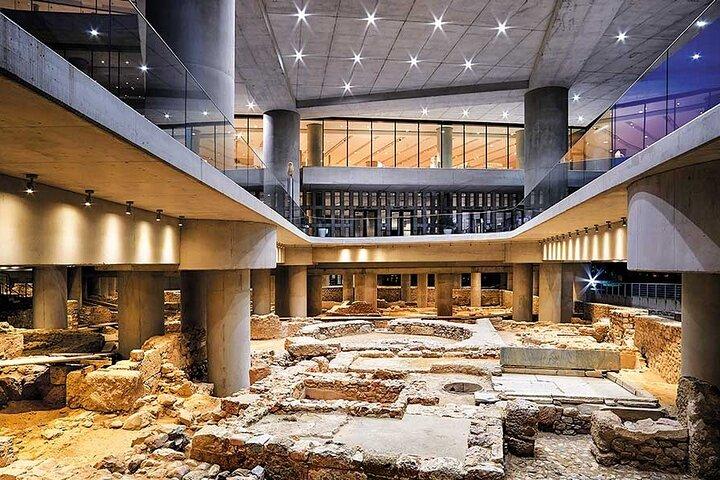
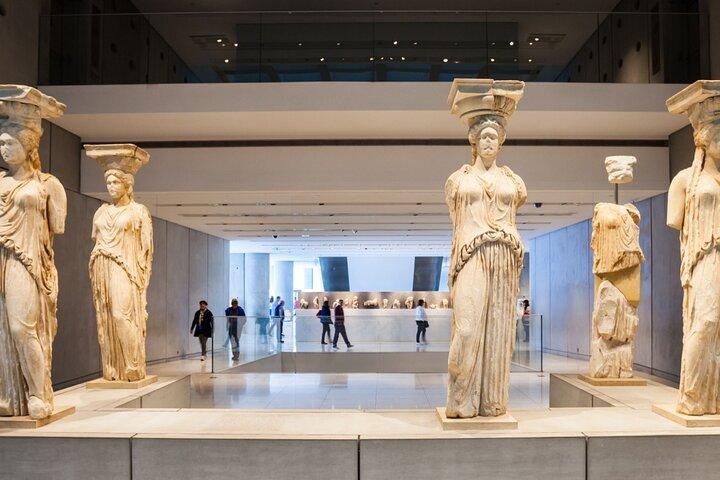
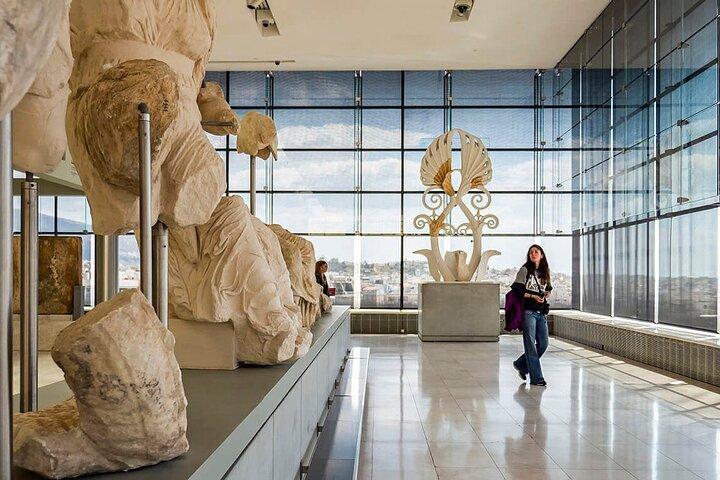
Optional visit of the Acropolis Museum for 60 minutes by selecting the "Athens+Acropolis Museum 5hours" option of this tour. The Acropolis Museum in Athens is a modern architectural marvel designed to house the artifacts from the Acropolis. Opened in 2009, it sits at the foot of the Acropolis hill, offering stunning views of the Parthenon. The museum features over 4,000 artifacts across five floors, spanning the Archaic, Classical, and Roman periods. Highlights include the Parthenon Gallery, with its glass walls allowing for a direct sightline to the Parthenon, and the Caryatids, the original statues from the Erechtheion. The museum's design integrates the past and present, with sections of the floor made of glass, revealing ancient ruins beneath. Through its innovative display of sculptures, friezes, and everyday objects, the Acropolis Museum provides a deep insight into ancient Greek art, culture, and history.
60 minutes
Admission Not Included

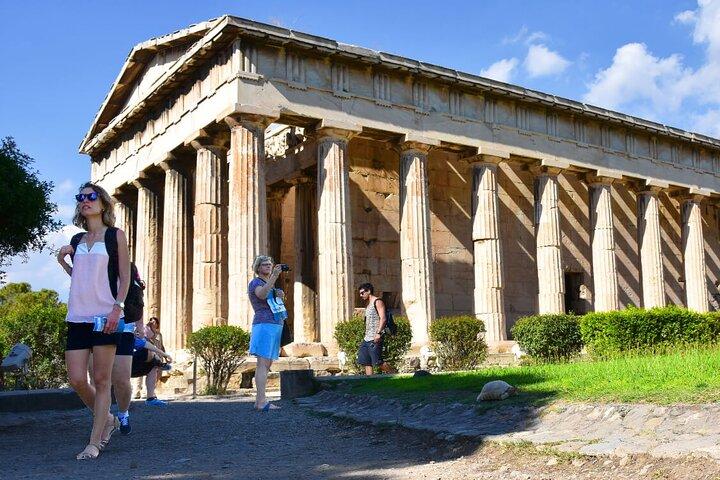
Optional visit of the Ancient Agora of Athens for 60 minutes by selecting the "Athens+Ancient Agora 5hours" option of this tour. The Ancient Agora of Athens was the vibrant heart of the city, serving as a hub for social, political, and commercial activities from the 6th century BC onwards. Located northwest of the Acropolis, it featured a blend of public buildings, temples, and open spaces. The Agora was home to the Stoa of Attalos, a large covered colonnade used for shopping and gatherings, and the Bouleuterion, where the city’s council met. Temples like the Temple of Hephaestus and the Altar of the Twelve Gods dotted the area, offering spaces for worship. Philosophers like Socrates frequented the Agora, engaging in discussions that shaped Western thought. The Agora’s layout, with its mix of public, religious, and civic buildings, reflects the democratic and cultural vitality of ancient Athens.
60 minutes
Admission Not Included
Mount Lycabettus
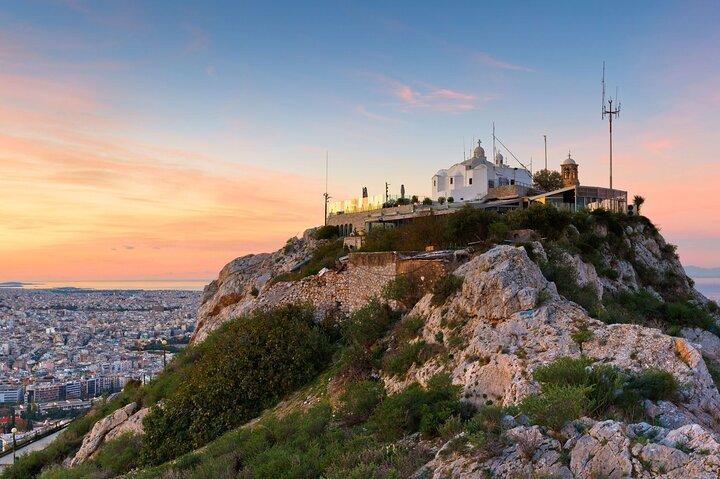
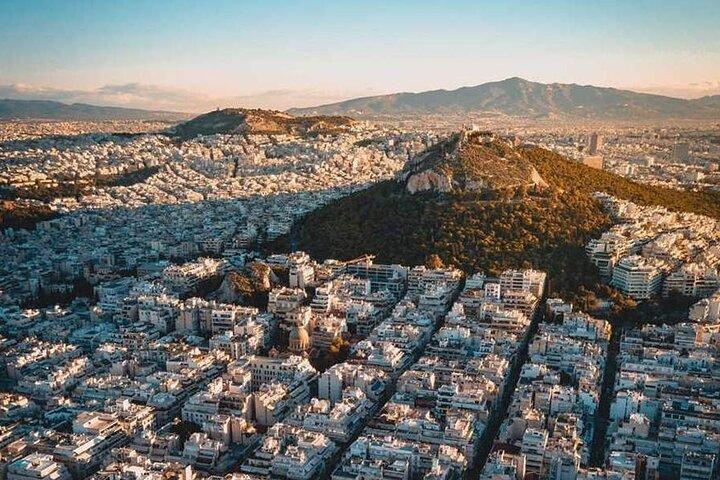
Lycabettus Hill, towering 300 meters above Athens, Greece, is an iconic landmark and natural vantage point offering panoramic views of the city below. Crowned by the Chapel of St. George, the hill's rocky ascent provides a scenic escape from the urban hustle. Legend has it that Athena accidentally dropped a rock here while carrying it to the Acropolis, forming Lycabettus. Accessible by a winding path, the summit rewards visitors with breathtaking vistas of Athens, the Aegean Sea, and the surrounding mountains. The hill's lush vegetation and the chapel's charming presence contribute to its allure. At sunset, Lycabettus transforms into a romantic spectacle, casting a golden glow over the city. The vantage point has become a popular spot for both locals and tourists seeking a peaceful retreat and an unparalleled perspective on the enchanting city of Athens.
10 minutes
The experience can be subject to change due to bad weather or unforseen circumstances. We always endeavour to give you the best possible experience.
Additional Information
-
 Available child seat or booster
 -
Download the "WhatsApp" application for easier communication with your driver
-
Pre-order your tickets a few days before you arrive at: hhticket.gr
-
Public transportation options are available nearby
-
Service animals allowed
-
Suitable for all physical fitness levels
-
Wear comfortable shoes for exploring
What our experts say
-
 Wear comfortable shoes for walking.
 -
Consider visiting the Acropolis Museum.
-
Enjoy lunch at nearby Plaka district.
-
Download WhatsApp for easy driver contact.
-
Check out the changing of the guard at the Hellenic Parliament.

More About this Experience
Introduction
Athens Half-Day Tour: Acropolis, Parthenon & All Major Landmarks offers a unique and personalized exploration of the ancient city of Athens, delving into its rich history and cultural significance. With experienced drivers and a deep understanding of the historical sites, this tour promises an unforgettable journey through the cradle of Western civilization.What to expect?
Embark on a journey through time as you visit iconic landmarks such as the Acropolis, Parthenon, and the Ancient Agora of Athens. Immerse yourself in the birthplace of democracy and philosophical enlightenment, gaining a deeper understanding of Western heritage and ancient Greek achievements. This tour is a transformative experience that will leave a lasting impact on your perception of history and culture.Who is this for?
This tour is perfect for history enthusiasts, culture lovers, and anyone seeking to explore the roots of Western civilization. Whether you are a first-time visitor or a seasoned traveler, the Athens Half-Day Tour offers a comprehensive insight into the significance of ancient Greek landmarks and their influence on modern society.Why book this?
Experience the magic of Athens with a personalized tour that caters to your interests and preferences. With knowledgeable drivers, luxury transportation, and inclusions such as bottled water, WiFi, and air-conditioned vehicles, this tour ensures a comfortable and informative exploration of the city's major landmarks. From the ancient ruins to the vibrant culture, this tour promises an unforgettable experience that will enrich your travel memories.Good to know
As you explore the Ancient Agora of Athens, be prepared to step back in time and witness the architectural marvels that once shaped the political and social life of ancient Greece. The Agora's historical significance and cultural vibrancy offer a glimpse into the democratic ideals of the past, making it a must-visit destination for history buffs and culture enthusiasts alike.Reviews
Travelers who have experienced the Athens Half-Day Tour rave about the knowledgeable drivers, personalized approach, and the opportunity to explore iconic landmarks such as the Acropolis and Parthenon. The tour has received high praise for its attention to detail, historical insights, and overall value for money. Don't miss out on this unforgettable journey through the heart of Western civilization.Journals from our explorers at this location







This is a popular product and the date you are looking for just sold out. Next available date is
