


Everest Base Camp Trek Multiday Adventure
 Kathmandu, NP
 100% of travellers recommend this
Highlights
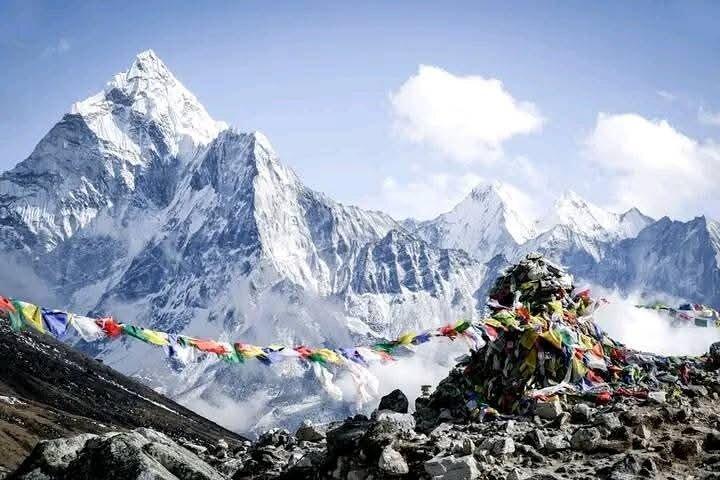
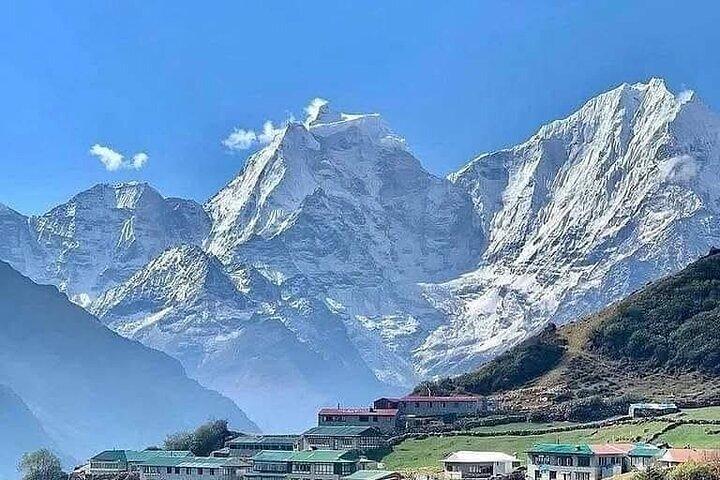
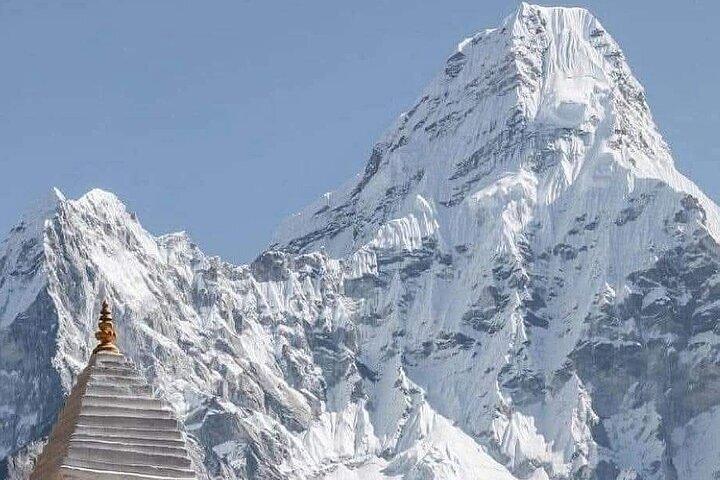
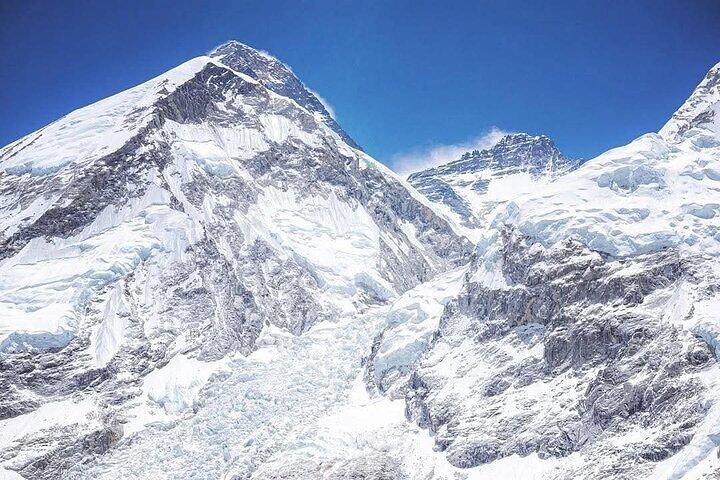
- Breathtaking views of towering Himalayan peaks
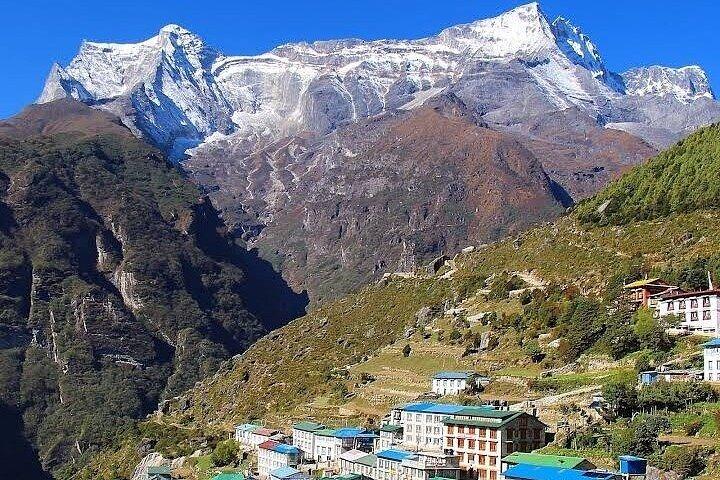
- Cultural immersion in charming Sherpa villages
- Exciting ascent to Everest Base Camp
- Memorable acclimatization hikes with stunning panoramas
- Experience the thrill of Lukla airport landing
-
Duration 14 days
-
Max altitude 5,555 m
-
Includes meals & accommodation
-
Guided by licensed experts
-
Available in Hindi & English
-
Acclimatization days included
The Everest Base Camp Trek is an exhilarating 14-day journey through the breathtaking Himalayas, where travelers find themselves amidst stunning landscapes and rich Sherpa culture. Starting from the vibrant Kathmandu, they will embark on a remarkable adventure, traversing charming villages and majestic peaks, with a highlight being the awe-inspiring views from Kalapatthar at 5,555m. Designed for those with reasonable fitness, this trek balances adventure with safety, featuring acclimatization days to ensure a smooth ascent. Led by experienced guides, participants can opt for a shared group experience or a private journey, making it ideal for all adventure enthusiasts. With essential amenities included, this trek allows them to immerse themselves fully in the iconic Everest region, creating memories that will last a lifetime, all while savoring the spirit of exploration in one of the most stunning places on Earth.
At a Glance
-
 Free cancellation
-
 14 days
-
 Instant Confirmation
-
 Available in Hindi, English
-
 Mobile voucher
-
 Small Group tour
-
 Guided
-
 Family friendly

Featured Reviews

Embark on an unforgettable 14-day Everest Base Camp Trek, exploring breathtaking landscapes, Sherpa culture, and the world's highest peak.
Included
-
 Entrance feesTourist entrance fees
-
Lunch
-
Dinner
-
Breakfast
-
Other1• Permits & Documentation 2. Accommodation • Teahouses 3. Guide • Licensed English-speaking guide
-
Public transportation (bus, subway, cable car, etc.)• Domestic Flights: Round-trip flight from Kathmandu to Lukla (the trailhead for EBC) • Airport Transfers: Pickup/drop-off from your hotel or airport
-
Meals• Three meals per day on the trek (breakfast, lunch, dinner – usually chosen from a menu at each teahouse)
Excluded
-
 Private transportation• Private car and International flights to/from Nepal
-
Other• Travel insurance (with high-altitude evacuation coverage) • Visa fees for Nepal • Tip for guide
Pickup
Check if pick-up is available from your location, you will select during checkout (providers may allow other pickup locations)

What to expect
Tribhuvan International Airport
Welcome to Tribhuwan International Airport, the main gateway to the beautiful country of Nepal! Located in Kathmandu, this airport offers travelers their first glimpse of the Himalayan kingdom. As you arrive, you’ll be greeted with warm hospitality and a unique cultural atmosphere. The airport features traditional Nepali architecture, prayer flags, and statues that reflect the rich heritage of Nepal. Friendly airport staff and immigration officers are ready to assist you with your arrival process. Whether you're here for trekking in the Himalayas, spiritual journeys, or cultural exploration, your adventure begins right here. Transportation services like taxis, private pickups, and hotel shuttles are available just outside the terminal.
35 minutes
 Admission Not Included
Lukla
It takes about 25 to 30 minutes, offering breathtaking aerial views of the Himalayas, green valleys, and terraced hills. The journey starts from Tenzing-Hillary Airport in Lukla, one of the highest and most adventurous airports globally, known for its short runway and dramatic mountain backdrop. Flights are usually operated in the early morning to avoid strong winds and unpredictable weather conditions. Due to mountain weather, delays and cancellations are common, so it’s wise to keep an extra buffer day in your travel plan. Small aircraft like Twin Otter or Dornier planes are used, and the experience is both exciting and unforgettable. Upon landing at Tribhuwan International Airport in Kathmandu, travelers return from the peaceful mountains to the vibrant city, bringing home incredible memories of their trek and flight adventure.
60 minutes
Phakding
The hike from Lukla (2,840m) to Phakding (2,610m) is the first day of the Everest Base Camp trek and takes around 3 to 4 hours, covering approximately 8 kilometers. After landing at the famous Lukla airport, the trail descends gradually through beautiful Sherpa villages, lush forests, and across suspension bridges draped with prayer flags. You’ll pass through small settlements like Chheplung and Ghat, where you can see mani stones, prayer wheels, and local gompas. The walk is mostly downhill or gently undulating, making it a good warm-up for the days ahead. The Dudh Koshi River flows alongside the trail, adding to the peaceful atmosphere. Phakding is a lovely village nestled by the river, with plenty of tea houses and lodges offering meals and accommodation. This stretch of the trek is filled with natural beauty, cultural charm, and friendly locals. It’s an exciting and refreshing start to your Himalayan journey.
840 minutes
Namche Bazaar
The trek from Phakding (2,610m) to Namche Bazaar (3,440m) is one of the most scenic and exciting parts of the Everest region. The trail follows the Dudh Koshi River, crossing several high suspension bridges, including the famous Hillary Bridge. You'll pass through pine forests, small Sherpa villages like Monjo and Jorsalle, and enter Sagarmatha National Park. The final 2-hour ascent to Namche is steep and challenging but rewarding. On a clear day, you may get your first glimpse of Mount Everest just before reaching Top Danda. After a 6–7 hour trek, you arrive in Namche Bazaar — the gateway to Everest and the biggest Sherpa town in the Khumbu. This vibrant mountain town offers cafes, bakeries, shops, gear rentals, Wi-Fi, and even an ATM. The trek from Phakding to Namche is not only a physical challenge but also a cultural and natural highlight of the EBC journey.
840 minutes
Namche Bazaar
Acclimatization in Namche Bazaar (3,440m) is a crucial part of the Everest Base Camp trek, helping your body adjust to the high altitude and reducing the risk of altitude sickness. Instead of resting all day, trekkers take a short hike to higher elevations and return to sleep low — the golden rule of acclimatization. A popular day hike is to the Everest View Hotel (3,880m), where you can enjoy panoramic views of Mt. Everest, Lhotse, Ama Dablam, and Thamserku. Another great option is to explore Khumjung and Khunde villages, where you can visit a local monastery and the Hillary School. The hike takes 3–4 hours and helps your body adapt. After returning to Namche, you can enjoy good food, coffee shops, gear stores, and the Sherpa Culture Museum. Acclimatization in Namche is not just about health — it's also a time to relax, learn about Sherpa culture, and soak in the incredible mountain scenery.
840 minutes
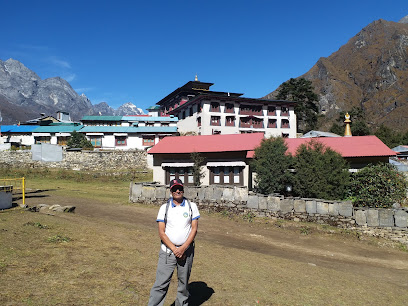
The trek from Namche Bazaar (3,440m) to Tengboche (3,860m) is a scenic and spiritual journey through the heart of the Everest region. The trail begins with a gentle walk along the mountainside, offering stunning views of Everest, Lhotse, and Ama Dablam. After reaching Kyangjuma, the path descends through beautiful rhododendron and pine forests to the riverside at Phunki Tenga. From there, a steady uphill climb of about 2–3 hours leads you to the hilltop village of Tengboche. The total trek takes 5–6 hours. Tengboche is home to the famous Tengboche Monastery, the largest in the Khumbu region, where trekkers can witness evening prayers and soak in the peaceful atmosphere. The village offers panoramic views of Ama Dablam and other Himalayan peaks. Tea houses in Tengboche are simple but cozy. This day is a perfect blend of natural beauty, cultural experience, and gradual altitude gain for acclimatization.
840 minutes
The trek from Tengboche (3,860m) to Dingboche (4,410m) is a beautiful and moderate hiking day in the Everest region, taking around 5–6 hours. The trail descends through rhododendron forests to Debuche, then crosses a wooden bridge over the Imja Khola. Along the way, trekkers pass through charming Sherpa villages like Pangboche, home to the oldest monastery in the Khumbu. With Ama Dablam towering above, the path gradually climbs through alpine meadows and yak pastures. The landscape becomes more rugged, and trees give way to shrubs and open space as you gain altitude. After a gentle climb, you reach Dingboche, a picturesque village surrounded by mountains and fields of stone walls built to protect crops from the wind. Dingboche is a key acclimatization stop with several tea houses, bakeries, and mountain views of Island Peak, Lhotse, and more. This day marks your entry into the higher alpine zone of the Everest trail.
840 minutes
Dingboche
Acclimatization in Dingboche (4,410m) is essential for adjusting to the higher altitude before heading toward Everest Base Camp. Instead of resting all day, trekkers usually take a short hike to higher elevation and return to sleep lower—this helps the body adapt and prevents altitude sickness. A popular acclimatization hike is to Nangkartshang Peak (5,083m), which takes 3–4 hours round trip. From the top, you can enjoy breathtaking views of Makalu, Lhotse, Island Peak, and Ama Dablam. The trail is steep but rewarding, offering both physical preparation and mental motivation. After returning, trekkers can relax in Dingboche’s tea houses, enjoy fresh bakery items, or explore the village’s stone-walled fields. The dry, open landscape of Dingboche gives a different feeling from other villages on the trail. This acclimatization day is vital to ensure a safe and successful journey to higher altitudes like Lobuche, Gorakshep, and Everest Base Camp.
840 minutes
Lobuche
The trek from Dingboche (4,410m) to Lobuche (4,910m) is a steady and rewarding climb deeper into the Everest region. The trail starts with a gradual ascent across open alpine valleys, offering stunning views of Tawache and Cholatse peaks. After passing through Dughla (Thukla), the trail climbs steeply to the Thukla Pass, where you’ll find a series of memorials honoring climbers who lost their lives on Everest. This emotional and inspiring section is a reminder of the mountain's power. From there, the path becomes easier, following a rocky moraine beside the Khumbu Glacier. The total trek takes about 5–6 hours. Lobuche is a small, windswept settlement with basic tea houses and limited facilities, but it’s a vital overnight stop before reaching Everest Base Camp. The high altitude is felt here, so it’s important to stay hydrated and rest well. The surrounding views are dramatic, with close-up looks at Nuptse and the Khumbu Icefall.
840 minutes
Gorakshep
trek from Lobuche to Gorakshep in Nepal: The trek from Lobuche (4,910m) to Gorakshep (5,140m) is a challenging and rewarding part of the Everest Base Camp trail. The journey takes around 3 hours and follows a rugged path along the Khumbu Glacier. The trail is rocky and winds through moraine and glacial debris, offering dramatic views of Pumori, Nuptse, and Everest. As you gain elevation, the air becomes thinner, and walking requires more effort. Gorakshep is the last settlement before Everest Base Camp, with a few simple tea houses providing basic meals and shelter. After lunch and a short rest in Gorakshep, most trekkers continue to Everest Base Camp (5,364m) on the same day, then return to sleep in Gorakshep. The terrain is barren but breathtaking, and the sense of being so close to Everest is unforgettable. This segment marks the final push toward the world’s highest mountain and is a highlight of the entire trek.
840 minutes

The day begins early with a hike from Gorakshep (5,140m) to Kala Patthar (5,545m), the highest point of the Everest Base Camp trek. This steep 2–3 hour climb is challenging due to cold temperatures and thin air but rewards you with the best panoramic view of Mount Everest, Nuptse, Pumori, and the surrounding peaks — especially stunning at sunrise. After taking photos and enjoying the incredible scenery, you return to Gorakshep for breakfast. Then, you begin the descent to Pheriche (4,240m), a peaceful village lower in altitude. The downhill trek takes about 4–5 hours, retracing the route past Lobuche and Dughla. The air feels thicker, and the body starts to recover from the high altitude. Pheriche has more spacious tea houses and is often used as a medical checkpoint by trekkers. This day is both physically demanding and emotionally fulfilling, marking the high point and beginning of your return journey.
840 minutes
Namche Bazaar
The trek from Pheriche (4,240m) back to Namche Bazaar (3,440m) is a long but rewarding descent through the heart of the Everest region. The trail follows the Imja Khola and then descends steadily through alpine meadows and rhododendron forests. Along the way, trekkers pass through peaceful villages such as Tengboche, where the famous Tengboche Monastery offers spiritual respite and stunning mountain views. The path crosses suspension bridges over roaring rivers and navigates gentle uphill sections before reaching Namche. This trek usually takes 6–7 hours and provides ample opportunities to enjoy panoramic views of Ama Dablam, Lhotse, and Everest itself. Arriving back in Namche offers a chance to relax in comfortable tea houses, enjoy local culture, and prepare for the final descent to Lukla. This stage combines natural beauty, cultural experiences, and a sense of accomplishment after days in high altitude.
840 minutes
Namche Bazaar
The trek from Namche Bazaar (3,440m) to Lukla (2,840m) is the final leg of the Everest Base Camp journey and takes about 6–7 hours. The trail descends through pine and rhododendron forests, passing through small Sherpa villages like Phakding. Trekkers cross several suspension bridges over the Dudh Koshi River, enjoying peaceful riverside views. The terrain is mostly downhill, making the trek easier and a good time to relax and reflect on the adventure. Lukla is a lively mountain town famous for its dramatic airport, where most trekkers catch their flight back to Kathmandu. Here, tea houses, bakeries, and shops welcome visitors with warm hospitality. The journey from Namche to Lukla marks the end of an unforgettable trek through the heart of the Himalayas, leaving trekkers with lasting memories of Sherpa culture, majestic peaks, and challenging trails.
840 minutes
Flights to Lukla
After completing your unforgettable trek in the Everest region, you will take an early morning flight from Lukla back to Kathmandu. This short but scenic flight offers one last aerial view of the majestic Himalayas, including snow-capped peaks, deep valleys, and rugged terrain. The flight typically takes around 25–30 minutes, depending on weather conditions. Upon arrival at Tribhuvan International Airport in Kathmandu, you will be transferred to your hotel where you can finally enjoy a warm shower, some rest, and reflect on your amazing adventure. The bustling city of Kathmandu will feel like a whole new world after days in the remote mountains. This day can also be used for shopping souvenirs, exploring cultural sites like Thamel, Swayambhunath, or simply relaxing in a café.
840 minutes
Tribhuvan International Airport
The flight from Lukla (2,840m) to Kathmandu is a thrilling and scenic 30–35 minute journey that marks the end of most Everest region treks. Lukla’s Tenzing-Hillary Airport is known as one of the most exciting airports in the world due to its short runway and mountain surroundings. Flights operate early in the morning when weather conditions are most stable. On a clear day, passengers enjoy stunning aerial views of the Himalayas, terraced hills, and the Kathmandu Valley. Due to unpredictable mountain weather, delays and cancellations are common, so it’s wise to have extra days in your travel plan. In peak trekking seasons, some flights may be rerouted to land at Manthali Airport in Ramechhap, requiring a 4–5 hour drive to Kathmandu. Despite its short duration, the Lukla to Kathmandu flight is often a memorable highlights.
120 minutes
The experience can be subject to change due to bad weather or unforseen circumstances. We always endeavour to give you the best possible experience.
Additional Information
-
 Infants are required to sit on an adult’s lap
-
Not recommended for pregnant travelers
-
Not recommended for travelers with poor cardiovascular health
-
Not recommended for travelers with spinal injuries
-
Public transportation options are available nearby
-
Specialized infant seats are available
-
Suitable for all physical fitness levels
What our experts say
-
 Consider flying to Lukla early.
-
Visit local bakeries in Namche.
-
Pack snacks for high-altitude days.
-
Carry a reusable water bottle.
-
Plan extra days for potential flight delays.

More About this Experience
The Everest Base Camp Trek Multiday Adventure is a breathtaking 14-day journey that immerses adventurers in the heart of the Himalayas. This trek, designed for those with reasonable fitness, guides participants through charming Sherpa villages and stunning landscapes, culminating at the base of the world's highest peak, Mount Everest. Over the course of 336 hours, trekkers will experience a rich tapestry of local culture, breathtaking views, and the thrill of high-altitude walking. With experienced guides leading the way and a focus on safety, this expedition promises unforgettable experiences for both group and private tours. The trek also includes acclimatization days to ensure a safe ascent, making it accessible for a variety of fitness levels while providing all essential amenities such as meals and comfortable accommodations in cozy teahouses along the route. Whether one dreams of conquering Everest or simply exploring the majestic Himalayas, this trek is the ultimate adventure into a world of natural beauty and cultural richness. Trekkers can expect a well-rounded experience that combines physical challenge with the chance to connect deeply with the stunning surroundings. The trek includes not just breathtaking views of towering peaks, but also the opportunity to engage with the welcoming Sherpa communities, taste local cuisine, and learn about the unique culture that thrives in this incredible region. Highlights include the iconic suspension bridges, serene forests, and awe-inspiring vistas that reveal themselves as trekkers journey through the diverse terrains. Acclimatization days are strategically placed to help trekkers adjust to the altitude, while the sense of achievement upon reaching Everest Base Camp and Kala Patthar is unparalleled. This adventure is not just about reaching a destination; it’s about the journey, the shared experiences, and the memories that will last a lifetime. This trek is perfect for adventure enthusiasts, nature lovers, and those with a spirit of exploration. It caters to a diverse range of travelers, from seasoned trekkers looking for their next challenge to casual adventurers seeking a memorable experience in one of the most beautiful places on Earth. While it is recommended for individuals with a reasonable level of fitness, the trek allows for moments of rest and acclimatization, making it a viable option for many. The journey welcomes families, solo travelers, and groups alike, allowing everyone to share in the magic of the Himalayas together. It’s a once-in-a-lifetime opportunity to witness the beauty and grandeur of the Everest region, making it accessible for anyone with a passion for adventure. Booking this adventure means stepping into a world where the mountains tell stories and every trail leads to discovery. The unique selling point of this trek lies in its blend of adventure, culture, and safety. With experienced, licensed guides who know the terrain intimately, travelers can feel secure while tackling the challenges of high-altitude trekking. The emphasis on acclimatization reduces the risks associated with altitude sickness, ensuring that your experience is not only thrilling but also safe. The trek offers comprehensive support, including meals and accommodation in teahouses, allowing trekkers to focus on their journey without the stress of logistics. Plus, the chance to immerse oneself in the local Sherpa culture while exploring breathtaking landscapes makes this trek a truly enriching experience that is hard to find elsewhere. For those considering this incredible trek, there are a few important details to keep in mind. While the trek is suitable for most fitness levels, it is not recommended for individuals with serious cardiovascular issues or spinal injuries. Travelers should also be aware that the journey involves high altitudes, so acclimatization days are essential for a safe ascent. It’s a good idea to bring sturdy trekking gear, adequate clothing for varying weather conditions, and a sense of adventure. The best times to book this trek are during the spring (March to May) and autumn (September to November) when the weather conditions are optimal for trekking. Travelers should also prepare for the possibility of flight delays to and from Lukla due to the unpredictable mountain weather. Feedback from previous trekkers has been overwhelmingly positive, with many praising the stunning landscapes and the warm hospitality of the Sherpa people. Travelers often share their awe at the panoramic views of the mighty peaks and express gratitude for the camaraderie developed among fellow trekkers. Many highlight the importance of the acclimatization days, which not only help with physical preparation but also provide opportunities for cultural immersion and relaxation. Reviews frequently mention the knowledgeable guides who enhance the journey by sharing insights about the region’s history and culture, making the trek not just a physical challenge but a learning experience. Overall, trekkers return home with not just memories of breathtaking views but also a deep appreciation for the beauty of nature and the resilience of the human spirit.


Your all‑in‑one travel companion app
Explore expert travel guides, compare and book tours, experiences, hotels, and more—all from the palm of your hand. Download now for seamless trip planning wherever your wanderlust takes you.


This is a popular product and the date you are looking for just sold out. Next available date is
