

Discover Rio Little Africa: A Cultural and Historical Journey
 Rio de Janeiro, BR
 100% of travellers recommend this


Highlights
- "Visit the Valongo Complex and Hanging Valongo Garden"
- "Discover the Warehouse Docas Pedro II/André Rebouças"
- "Experience the world heritage site of Cais do Valongo"
- "Marvel at the Ethnicities mural in Boulevard Olimpico"
-
Duration 3 hours 30 minutes
-
Expert Guide in English/Spanish
-
Includes 20 Pages PDF Tour Guide
-
Skip-the-line tickets included
-
Air-conditioned vehicle provided
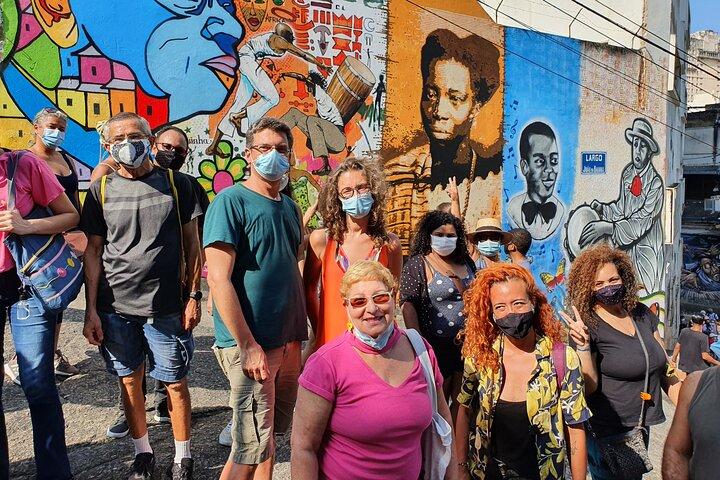
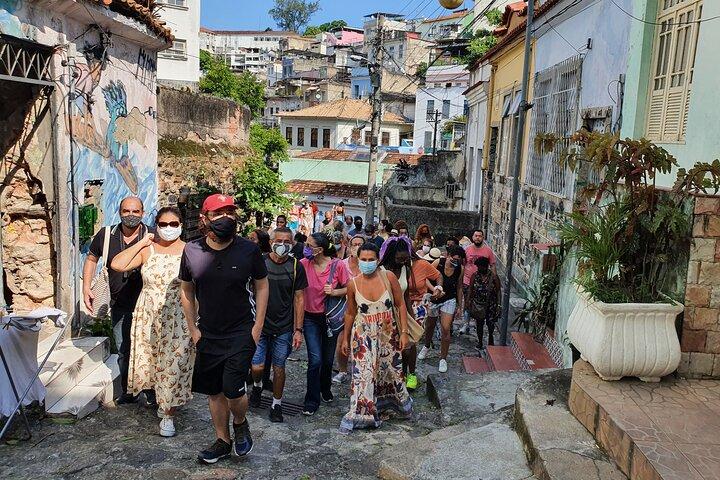
Experience the vibrant and rich history of Little Africa in Rio de Janeiro's Port with the Rio Little Africa Tour. Immerse yourself in the stories of over four million Africans who were brought to Brazil as enslaved during the country's 300 years of slavery. Discover how Rio became the world's largest African slave market in the 19th century, with one in five enslaved individuals entering the city. Today, more than half of Brazilians identify themselves as black, and African culture is deeply ingrained in the fabric of the country. This walking tour takes you through the Saude neighborhood, the headquarters of all the visited sites, including Morro da Conceicao, Cais do Valongo, Pedra do Sal, Largo de Sao Francisco da Prainha, and more. With skip-the-line tickets, a knowledgeable guide, and a 24-page PDF highlighting the tour, you'll gain a deep understanding of the African diaspora and its lasting legacy in Brazil.
At a Glance
-
 Free cancellation
-
 3 hours 30 minutes
-
 Instant Confirmation
-
 Available in Portuguese, English, Spanish; Castilian
-
 Mobile voucher
-
 Private Tour
-
 Guided
-
 Family friendly

Featured Reviews

Explore the rich heritage of Little Africa in Rio, uncovering its historical narratives and cultural significance on a guided journey through the city's vibrant past.
Included
-
 Skip-the-line tickets
 -
In-vehicle air conditioning
-
Guide
Excluded
-
 Gorgetas
Meeting Point
MUHCAB – R. Pedro Ernesto, 80 – Gamboa, Rio - Afternoon Tour Only – 2:00 PM Use this in Uber/taxi: https://goo.gl/maps/NXExXquHWfdFjqBa9 Meet our Guide at the main gate in Florencio's uniform with a “Welcome to Rio” sign.

R. Pedro Ernesto, 80 - Gamboa, Rio de Janeiro - RJ, 20220-350 , Brazil

End Point
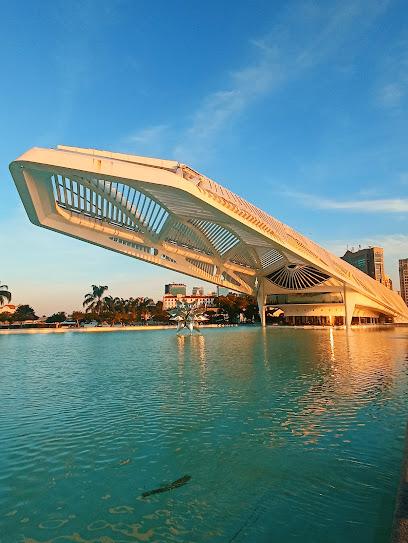
After the tour ends at Mauá Square, you can visit the great Museums: Museu de Arte do Rio (MAR) and Museu do Amanhã. Additionally, explore the Olympic Boulevard.

Praça Mauá, s/n - Centro, Rio de Janeiro - RJ, 20081-240 , Brazil
Pickup
Check if pick-up is available from your location, you will select during checkout (providers may allow other pickup locations)

What to expect
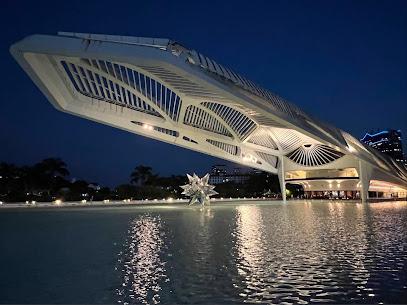
Meeting Point: Praça Mauá, in front of Museu do Amanhã Arrive 15 min early. Look for our guide in a white or orange Florencios uniform.
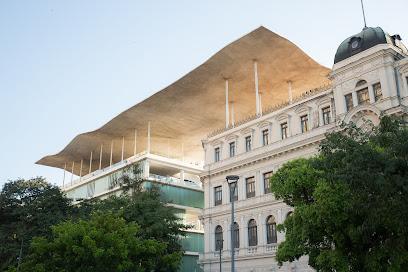
Meeting Place for "No Hotel Pick-Up" - Museum de Arte do Rio (MAR). The museum is located at Praça Mauá, 5 - Centro, Rio de Janeiro.
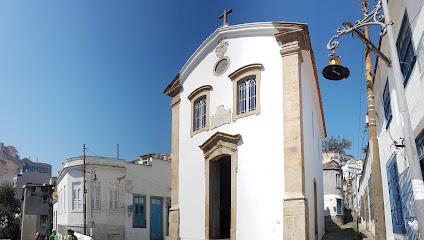
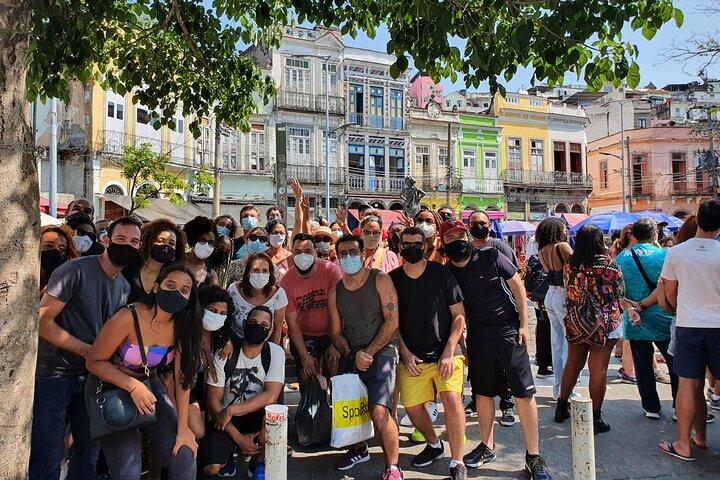
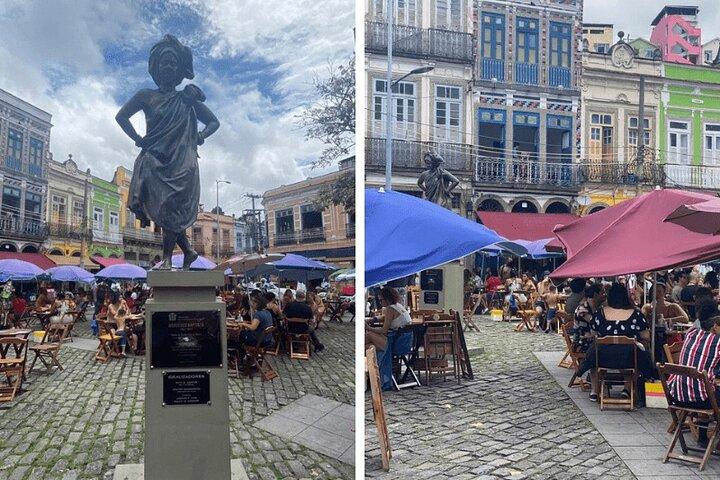
At Largo da Prainha you’ll see the Mercedes Baptista Statue. She was the very first African-Brazilian ballet dancer to enroll in the Municipal Theater of Rio de Janeiro's ballet group in the late 1940s. Fun, ice beer, samba, and black music are always in the air.
20 minutes
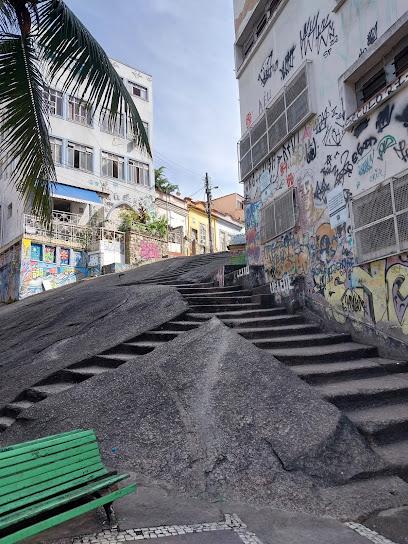
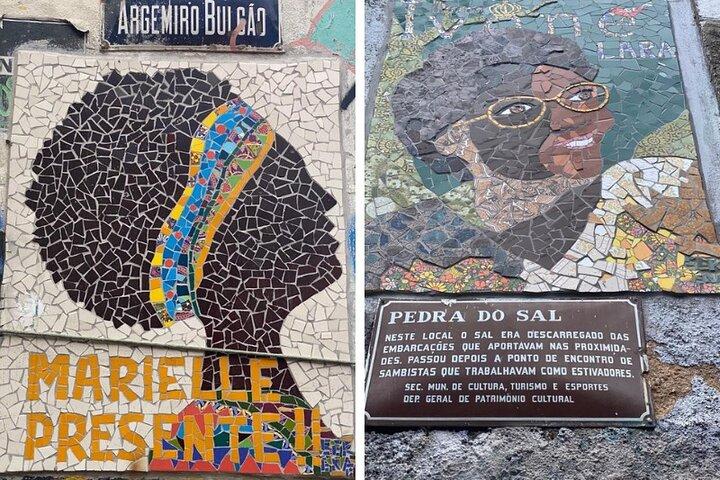
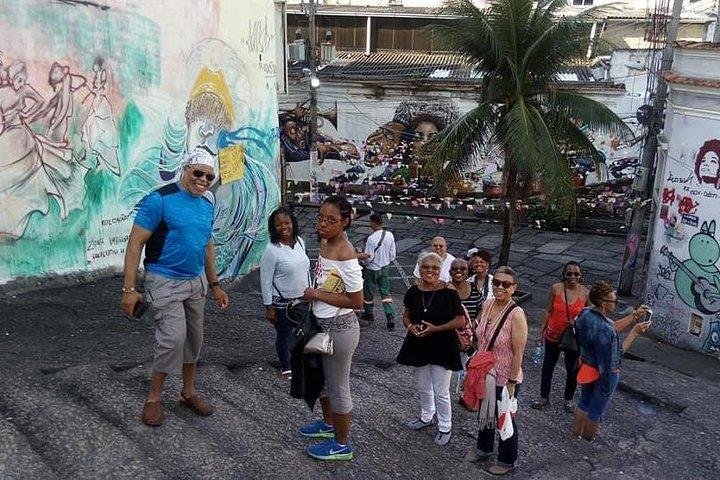
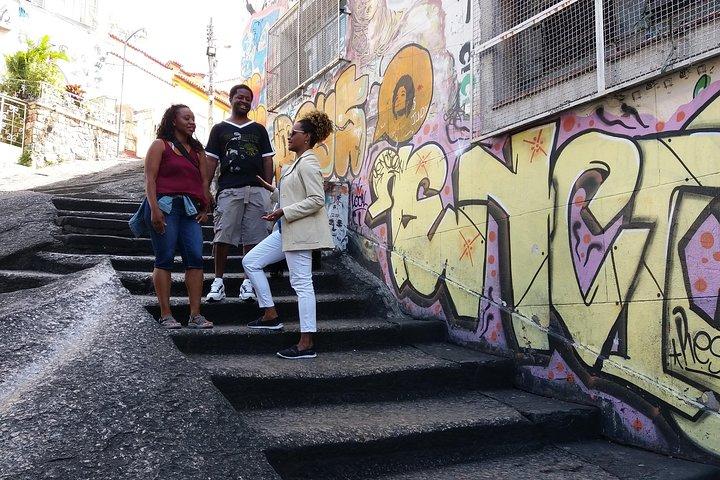
Next, our journey will lead us to Pedra do Sal, a revered site in Rio steeped in the history of urban carioca samba. Its significance traces back to the enslaved Africans who toiled to unload imported salt from Portugal, hence its name. These resilient individuals also painstakingly carved the steps that characterize the area, setting the stage for the emergence of the first ranchos carnival, afoxés processions, and sacred spaces in the late 1800s. Following their laborious days, sambistas (samba musicians) and longshoremen would congregate in the homes of Bahian Aunts, forming vibrant samba circles. Notable figures such as Pixinguinha were regular attendees, contributing to the rich tapestry of musical expression. Today, Pedra do Sal remains a vital hub for samba circles and cultural gatherings, carrying forward its legacy as a bastion of Afro-Brazilian heritage and artistic expression.
20 minutes
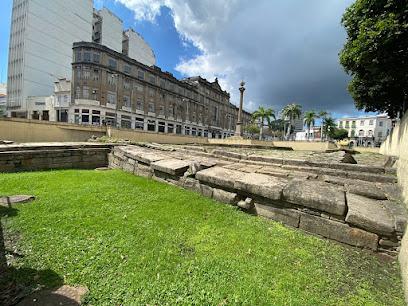
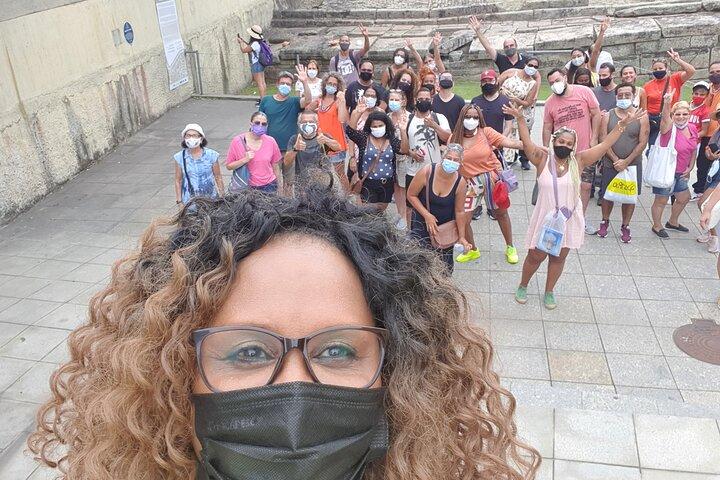
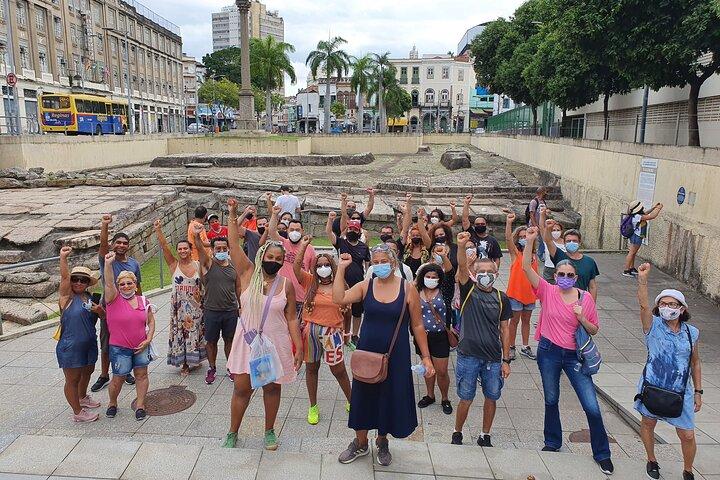
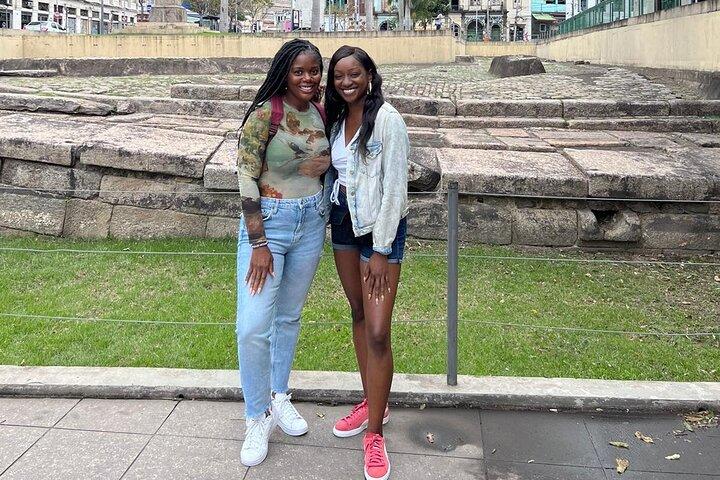
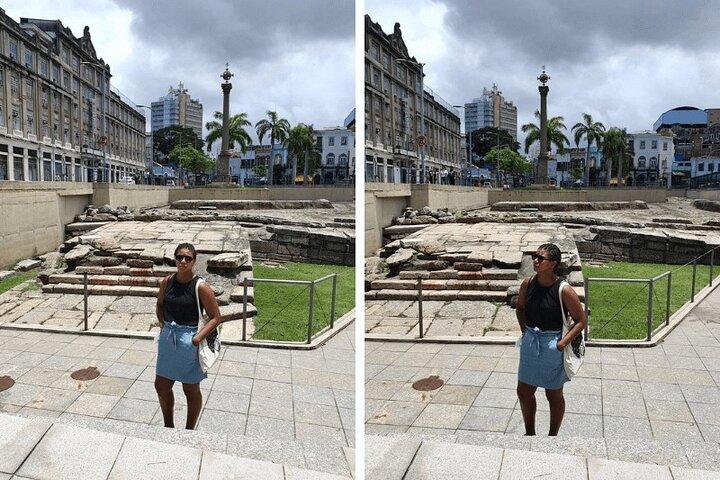
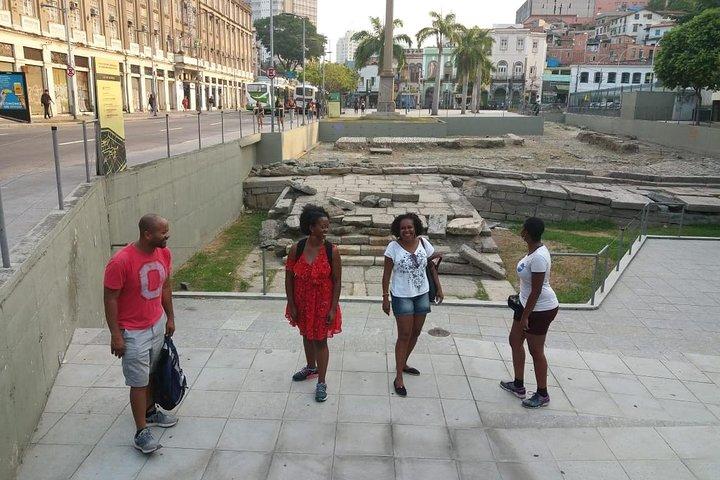
Cais do Valongo, a world heritage site in Rio de Janeiro, is an old stone wharf built in 1811 to land enslaved Africans. It is estimated that around 900,000 Africans arrived in South America via Valongo. The site has several archaeological layers and is the most significant physical evidence of the arrival of African slaves in the Americas.
20 minutes
 Admission Included
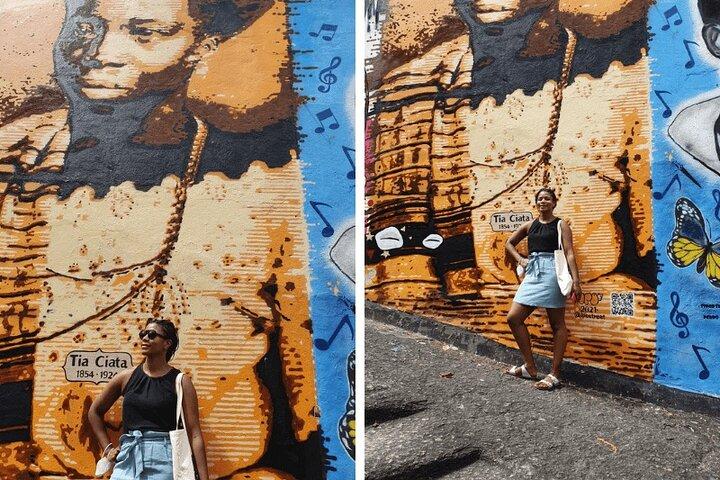
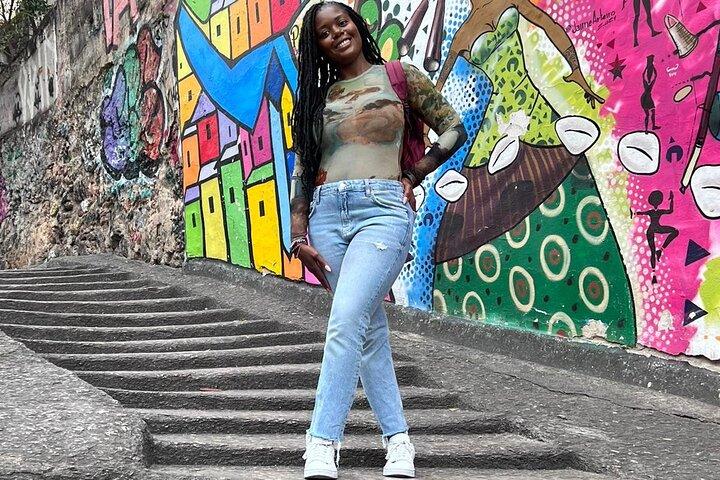
The Ethnicities mural is a 3,000 square meter painting located in Rio de Janeiro's Zona Portuária (Saúde). It was created for the 2016 Olympics and features five representatives from different tribes, one from each continent. The Huli, Mursi, Kayin, Supi, and Tapajós tribes were chosen to represent the diversity of the world. The mural took two months of work with 12-hour shifts to complete, using over 3,000 spray cans, 700 liters of colored paint, and 1,800 liters of white paint for the background.
20 minutes
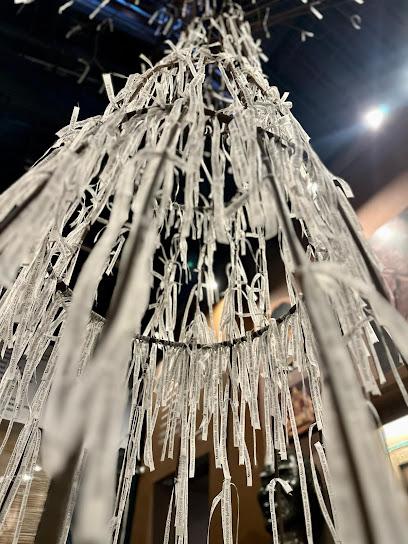
After MUHCAB we walk towards IPN a museum and archaeological site in Rio de Janeiro dedicated to honoring the memory of Africans who were brought to the city as slaves. It is located on the site of the "New Blacks Cemetery" and has been offering cultural activities and workshops on the history and culture of people of African descent since 2005. The museum has been recognized by the State and designated as a Cultural Space since 2009.
60 minutes
Admission Included
MUHCAB - Museu da História e da Cultura Afro-Brasileira
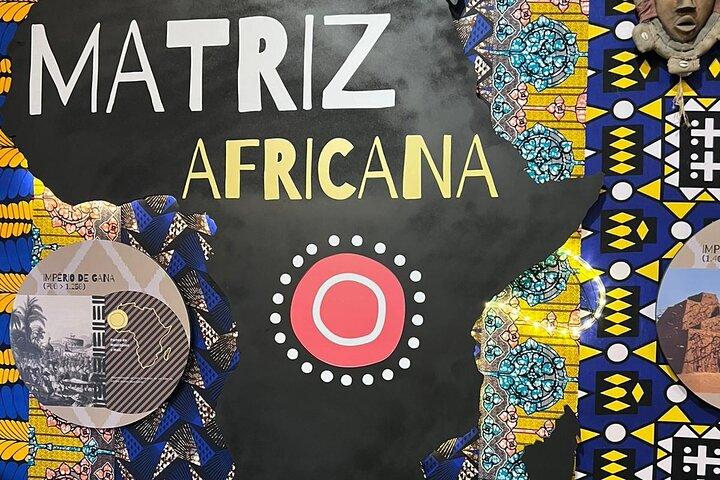
MUHCAB is a museum in Little Africa, based around the Valongo Wharf, a World Heritage Site. It tells the story of the region's largest arrival of enslaved Africans, milestones of black affirmation in Brazil, the development of Afro-Brazilian culture, and contemporary issues faced by black people in Brazil.
70 minutes
Admission Included
End Point
Our tour ends at Largo da Prainha a popular meeting spot in Rio, offering restaurant options and happy hours with live music that bring together the city's diverse population.
The experience can be subject to change due to bad weather or unforseen circumstances. We always endeavour to give you the best possible experience.
Additional Information
-
 Infants are required to sit on an adult’s lap
 -
Not recommended for travelers with poor cardiovascular health
-
Not recommended for travelers with spinal injuries
-
Public transportation options are available nearby
-
Suitable for all physical fitness levels
What our experts say
-
 Visit Museu de Arte do Rio nearby
 -
Try local dishes at nearby restaurants
-
Check out live samba music at Largo da Prainha
-
Wear comfortable shoes for walking
-
Bring water; stay hydrated during the tour

More About this Experience
Introduction
The Rio Little Africa Tour is a captivating journey back in time, uncovering the rich history and legacy of the African diaspora in Rio de Janeiro. This walking tour takes you through the Saúde Neighborhood, immersing you in the vibrant culture and significance of Little Africa.What to expect?
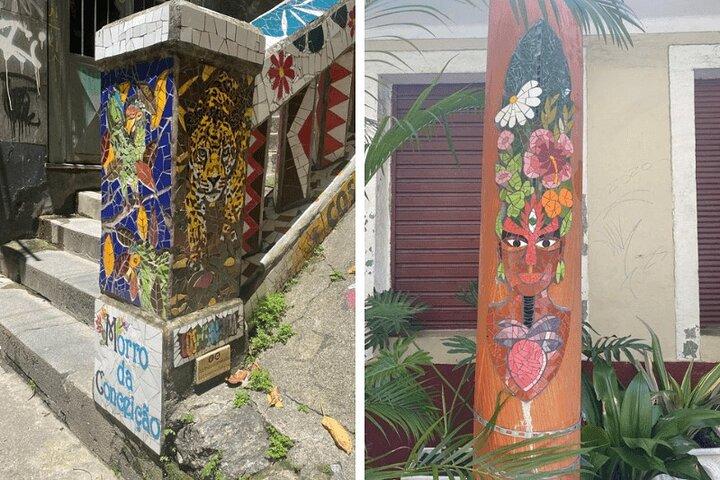
During the Rio Little Africa Tour, you can expect to delve into over four centuries of history, tracing the footsteps of the millions of Africans enslaved in Brazil. You'll visit iconic landmarks such as Morro da Conceição, a historical neighborhood known for its cobblestone streets and colonial Portuguese architecture. Cais do Valongo, a UNESCO World Heritage site, will unveil the pivotal role it played as the largest slave port in the Americas. The tour also includes stops at Armazém Docas Pedro II, where Afro-Brazilian engineer André Rebouças left his mark, and the breathtaking Boulevard Olimpico, adorned with a mural representing five continents.Who is this for?
The Rio Little Africa Tour is for anyone with a penchant for cultural exploration and a desire to unveil the hidden narratives of history. Whether you're a history enthusiast, a heritage seeker, or simply interested in understanding the profound African influence on Brazilian culture, this tour is perfect for you. It offers a deep dive into the African diaspora in Brazil, shedding light on an often overlooked aspect of Rio de Janeiro's vibrant tapestry.Why book this?
Embarking on the Rio Little Africa Tour is not just a history lesson; it's an immersive and eye-opening experience. With an expert guide leading the way, you'll gain a comprehensive understanding of the impact of the African diaspora in Brazil. The tour weaves together stories of resilience, identity, and cultural exchange, offering a new perspective on the diverse tapestry that makes up Brazil and its people. You'll leave with a new appreciation for the profound influence of African culture that permeates every aspect of Brazilian life, from music and food to art and religion.Good to know
The Rio Little Africa Tour lasts approximately 240 minutes, allowing ample time to explore each site and immerse yourself in the history-rich surroundings. It's recommended to wear comfortable shoes and bring along sunscreen and a water bottle. The tour operates with small groups to ensure an intimate and personalized experience. Don't forget to bring your camera along to capture the stunning architecture and vibrant street art you'll encounter along the way.Reviews
Travelers who have participated in the Rio Little Africa Tour have praised its ability to shed light on the often overlooked history of the African diaspora in Brazil. Visitors were captivated by the knowledgeable guides who brought the stories to life and found the tour to be both informative and emotionally impactful. Participants appreciated the tour's commitment to inclusivity and its dedication to sharing a comprehensive and nuanced narrative of the African heritage in Brazil. Overall, reviews consistently highlight the Rio Little Africa Tour as a must-do experience for those seeking a deeper understanding of Rio de Janeiro's cultural tapestry.


This is a popular product and the date you are looking for just sold out. Next available date is
