Cais do Valongo, Rio De Janeiro Travel Guide
Explore Cais do Valongo in Rio de Janeiro, a UNESCO World Heritage Site and a poignant reminder of Brazil's history of the transatlantic slave trade.
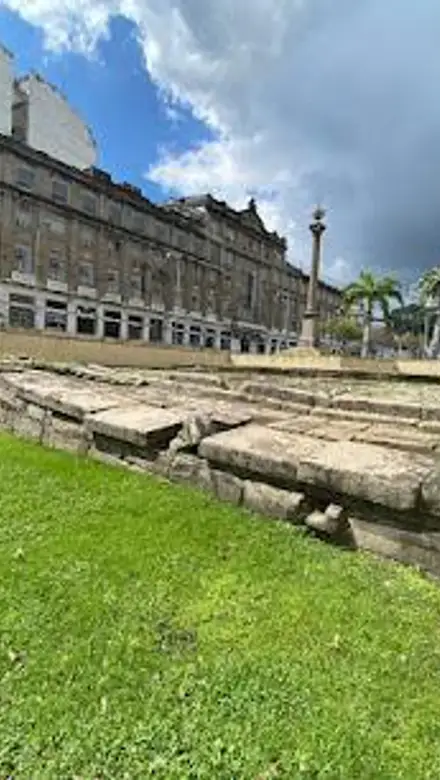
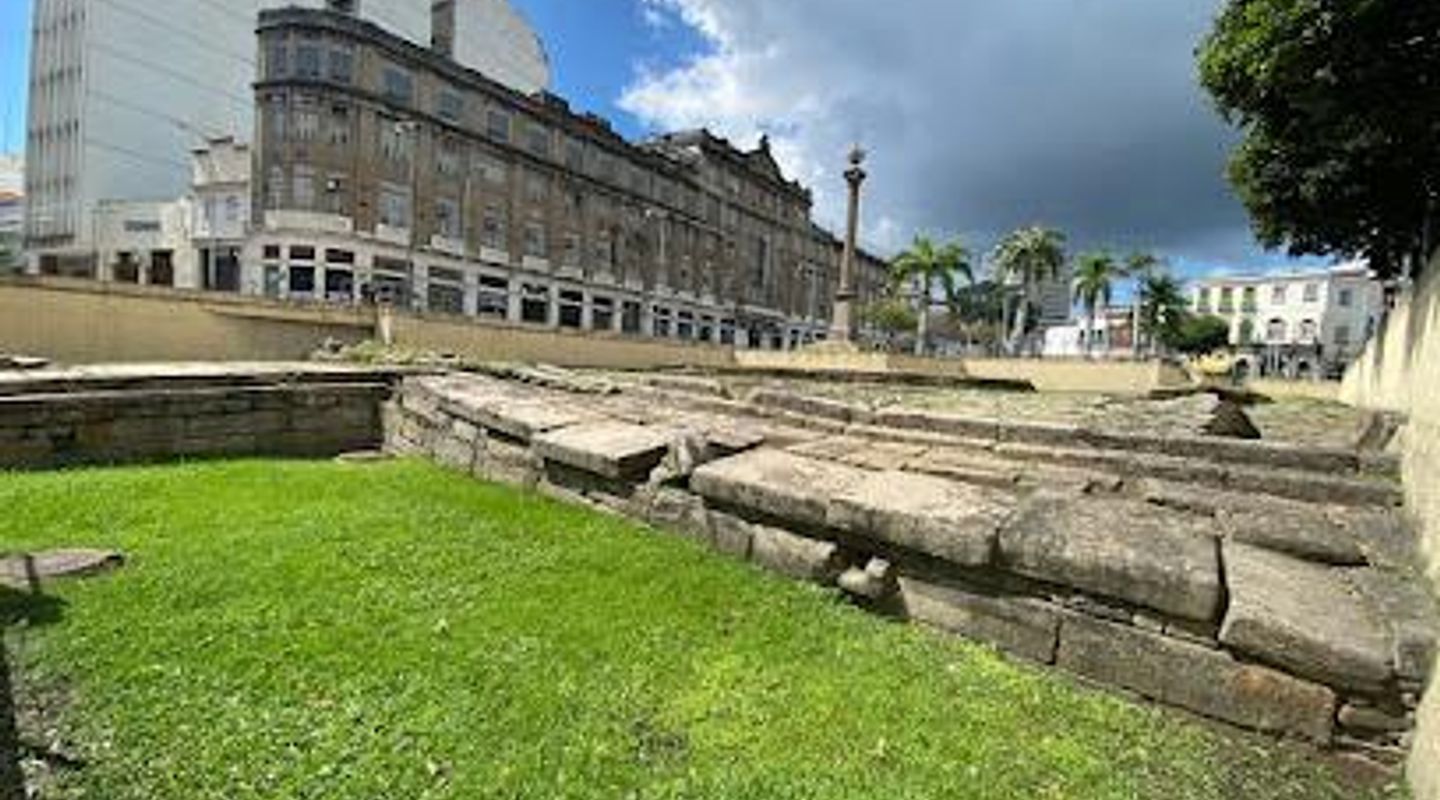
Cais do Valongo, located in Rio de Janeiro, is a former dock and UNESCO World Heritage Site that stands as a poignant memorial to the transatlantic slave trade. From 1811 to 1831, it served as the primary entry point for an estimated 500,000 to one million enslaved Africans arriving in Brazil. Today, the site offers visitors a chance to reflect on this dark chapter in history and the enduring legacy of the African diaspora.
A brief summary to Cais do Valongo
- Av. Barão de Tefé, Rio de Janeiro, Saúde, State of Rio de Janeiro, 20220-460, BR

Know before you go
Hi, I'm Eve. Here are a few practical things to know before exploring Cais do Valongo.
- Visit early in the morning for a quieter experience and better photo opportunities.
- Wear comfortable shoes, as the cobblestone streets can be uneven.
- Take time to explore the surrounding neighborhood, known as "Little Africa", to learn more about Afro-Brazilian history and culture.
- Check local event calendars for cultural festivals that often take place in the area.
Do you manage this location?
Take control to get all the benefits, like improved information, better appearance, and stronger visibility across AI-powered discovery. Learn more about listing your business on Evendo
Activate your presenceOther nearby places you may find interesting
The closest places of the same kind, if this one is not quite what you had in mind.
Explore Cais do Valongo on the Map
A handpicked selection of must-see spots near Cais do Valongo, mapped for you.
Unlock the Best of Cais do Valongo
Buy tickets
-
No tickets available
Book tours with entry


Getting There
-
Public Transport
Cais do Valongo is accessible via public transportation. From the Rio de Janeiro Bus Terminal (Rodoviária Novo Rio), take the metro to the Carioca station. From there, it's approximately a 10-minute walk to Cais do Valongo on Avenida Barão de Tefé. Check bus and metro schedules in advance. Alternatively, take the tram to the Parada dos Navios stop; the archaeological site is 200 meters south on Avenida Barao de Tefe.
-
Walking
From the Museu do Amanhã (Museum of Tomorrow), Cais do Valongo is approximately a 20-minute walk. Head east towards the Olympic Boulevard, then turn left onto Avenida Barão de Tefé. Continue along Avenida Barão de Tefé until you reach Cais do Valongo. The site will be on your left.
Discover more about Cais do Valongo













Your all‑in‑one travel companion app
Explore expert travel guides, compare and book tours, experiences, hotels, and more—all from the palm of your hand. Download now for seamless trip planning wherever your wanderlust takes you.


Explore More of Rio De Janeiro
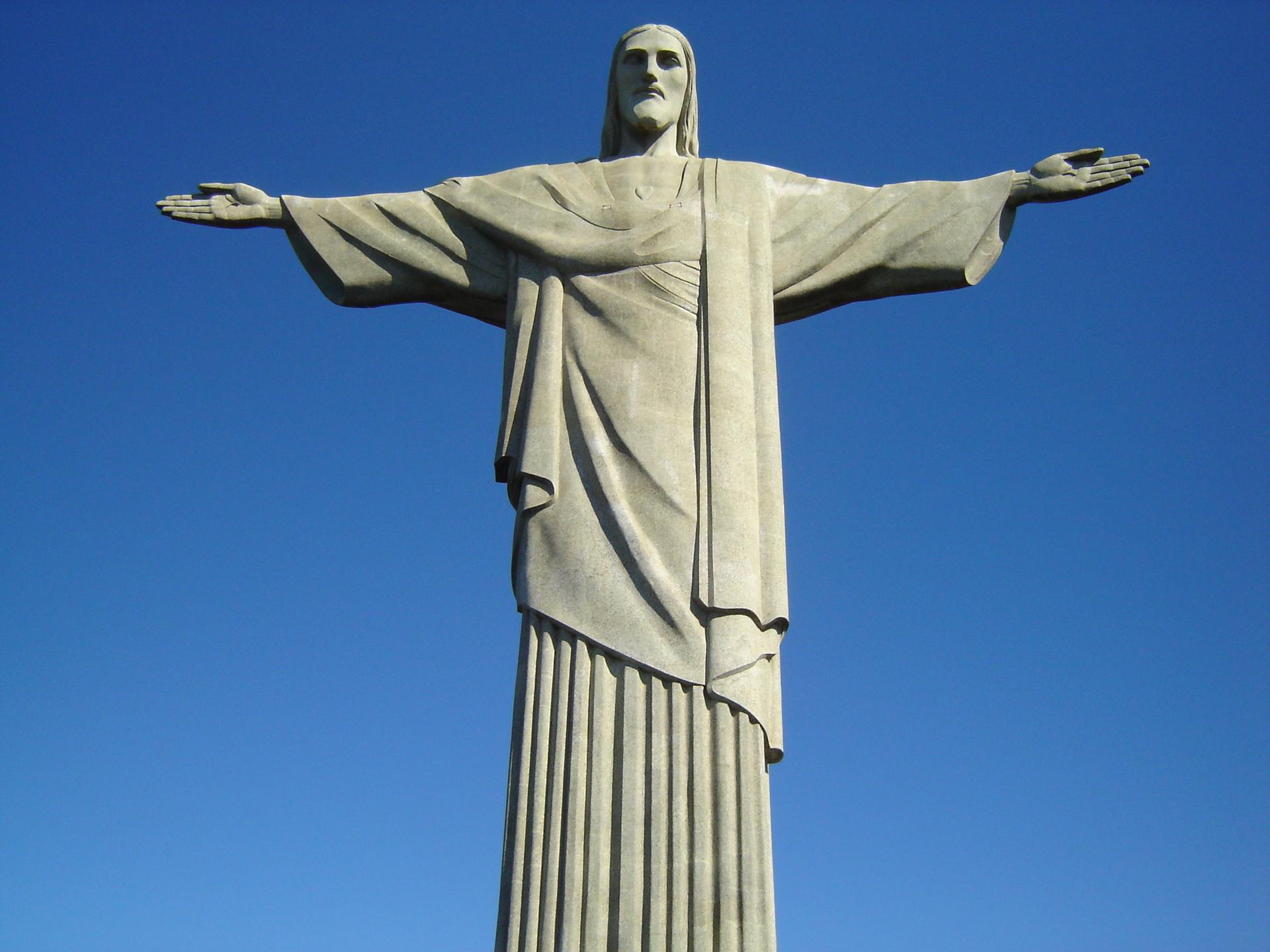
Looking beyond Cais do Valongo? Discover Rio De Janeiro for broader travel guides, local hot-spots, and regional highlights.
Explore Rio De Janeiro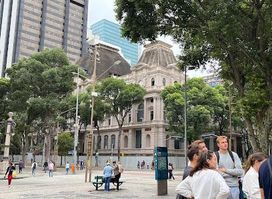
Discover Brazil's artistic soul at the Museu Nacional de Belas Artes, home to a vast collection of Brazilian and international masterpieces.

Explore the essence of Brazilian culture at Casa da Tia Ciata, a vibrant cultural center in Rio de Janeiro, steeped in the rhythms of samba and community spirit.