

Tokyo Toilet Project and Architecture Tour with Private Car
 Chuo City, JP
 100% of travellers recommend this
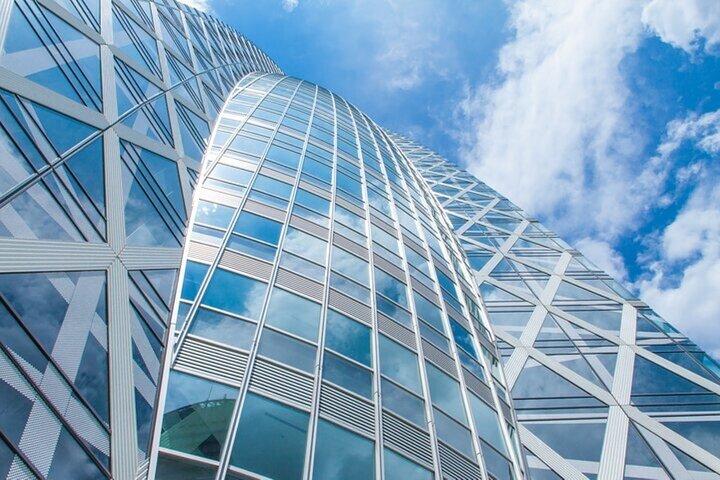
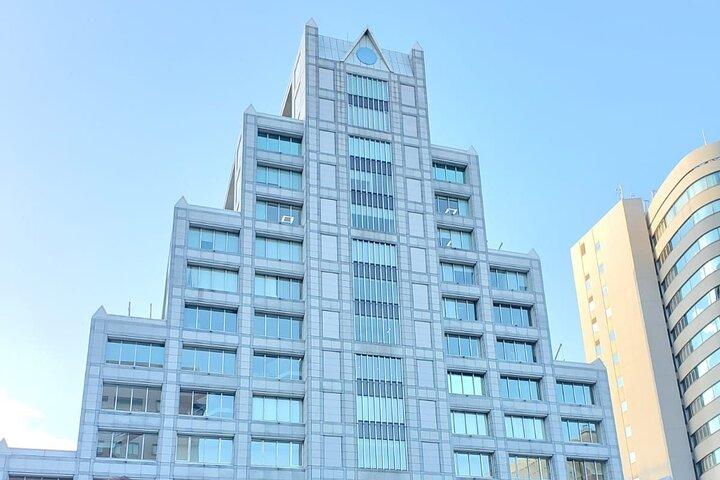
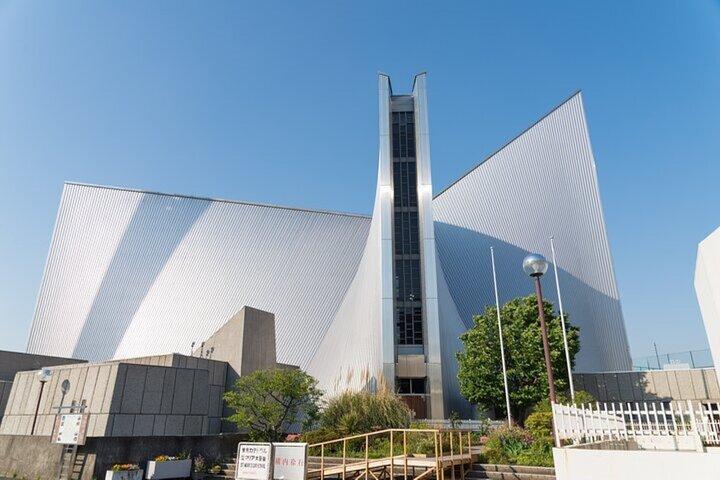
Highlights
- Discover unique Tokyo toilets designed by famous architects
- Chauffeur-driven car tour of iconic Tokyo buildings
- Knowledgeable guide sharing history and culture insights
- Explore cutting-edge design and architecture in Tokyo
- Professional multilingual in-person guides included
-
Duration 8 hours
-
Private Tour
-
Chauffeur-driven car
-
In-person guide in multiple languages
-
Includes bottled water
-
Wheelchair accessible
Embark on a thrilling adventure through the innovative Tokyo Toilet Project and Architecture Tour with a private car. Explore the unique and creative toilets designed by renowned architects like Shigeru Ban and Kengo Kuma, while discovering the iconic buildings that make Tokyo a hub of cutting-edge design. With a knowledgeable guide leading the way, delve into the history and culture of this vibrant city, all from the comfort of a chauffeur-driven car. Get ready to be amazed by the architectural wonders of Tokyo and gain a deeper appreciation for the artistry that shapes this dynamic metropolis. Don't miss this opportunity to experience Tokyo in a truly unforgettable way.
At a Glance
-
 Free cancellation
-
 8 hours
-
 Available in English, Portuguese, Spanish; Castilian, Mandarin Chinese, Dutch,
-
 Wheelchair accessible
-
 Mobile voucher
-
 Private Tour
-
 Guided
-
 Family friendly

Featured Reviews

Explore Tokyo's unique toilet designs and architecture on a private 8-hour tour, guided in your preferred language and including bottled water.
Included
-
 Bottled water
 -
English, Spanish, Filipino, Portuguese, Mandarin In-Person Guides
Excluded
-
 Lunch
Lunch
Pickup
Check if pick-up is available from your location, you will select during checkout (providers may allow other pickup locations)

What to expect
Ginza
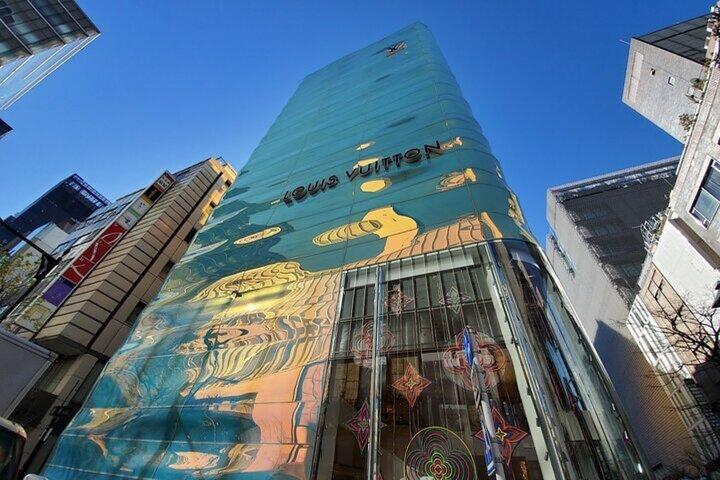
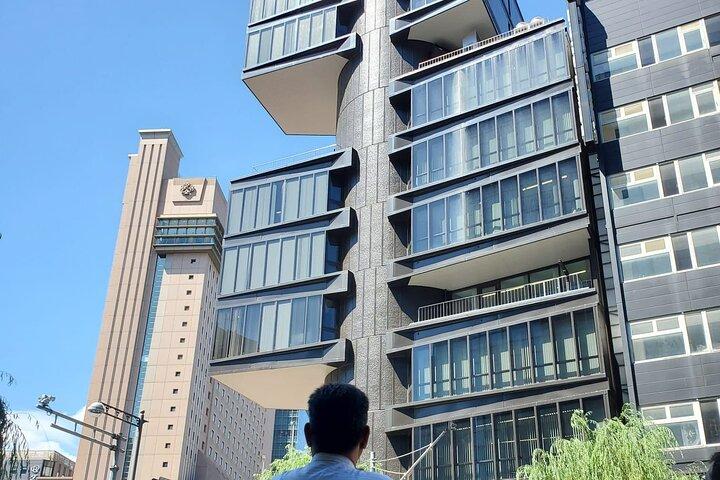
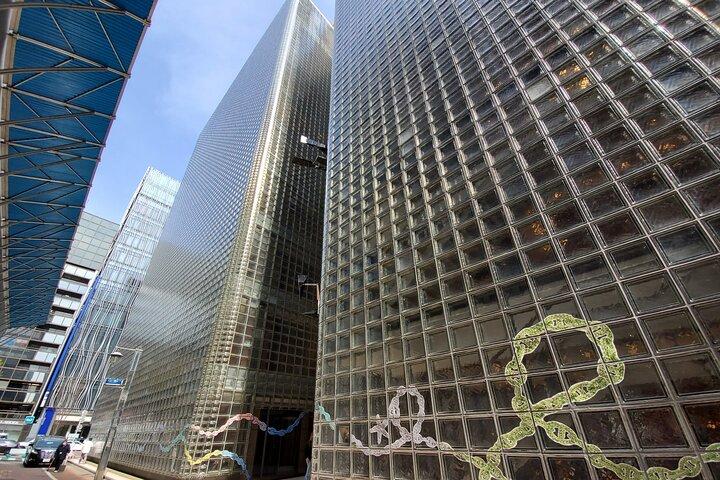
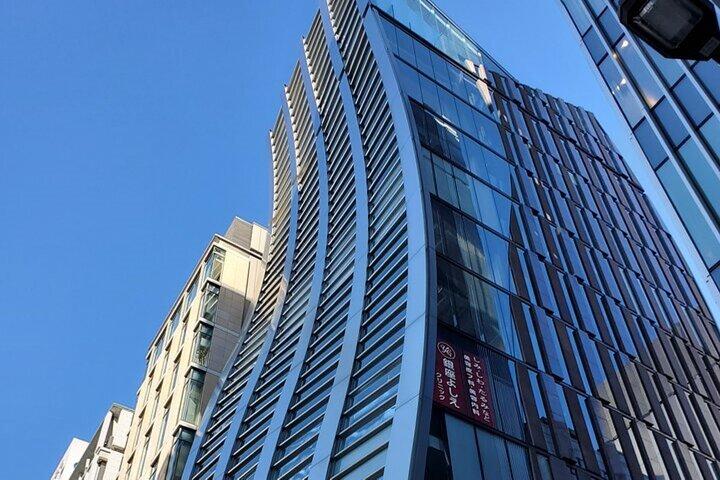
Ginza known as the most renowned area of Tokyo, has many boutiques, intimate galleries, stylish Japanese stores, and cutting edge architecture. Many buildings designed by the world’s leading architects who won The Pritzker Architecture Prize such as Kenzo Tange, Toyo Ito, Shigeru Ban, and Renzo Piano.
60 minutes
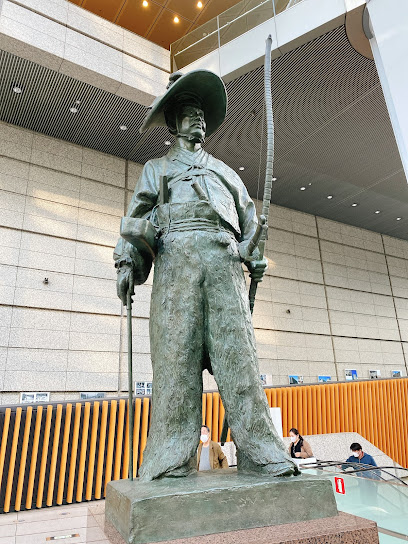
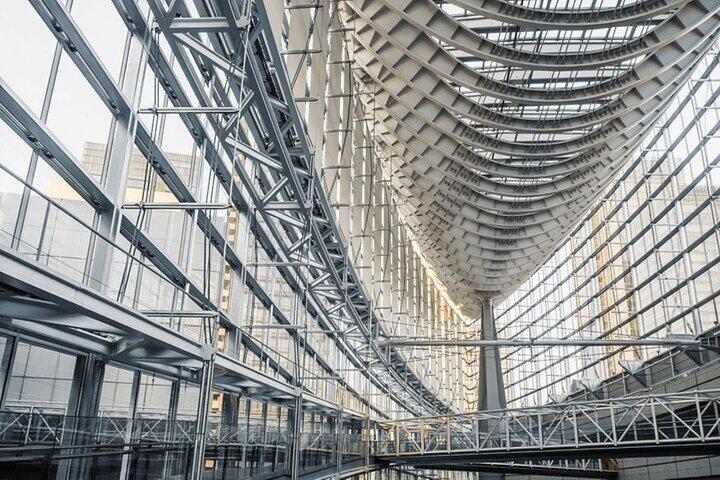
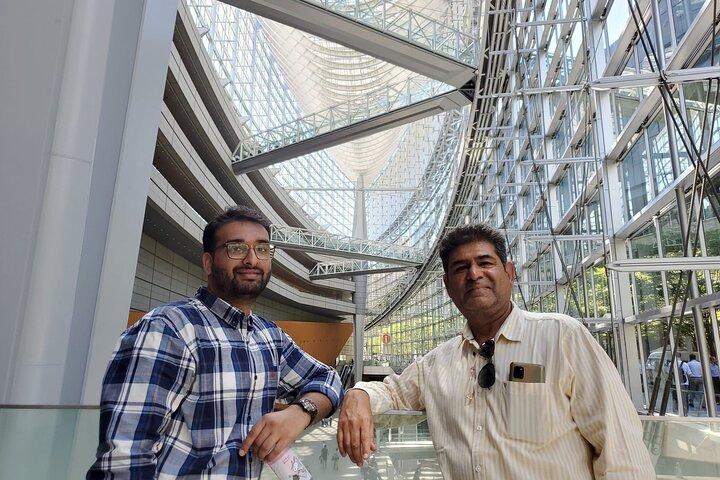
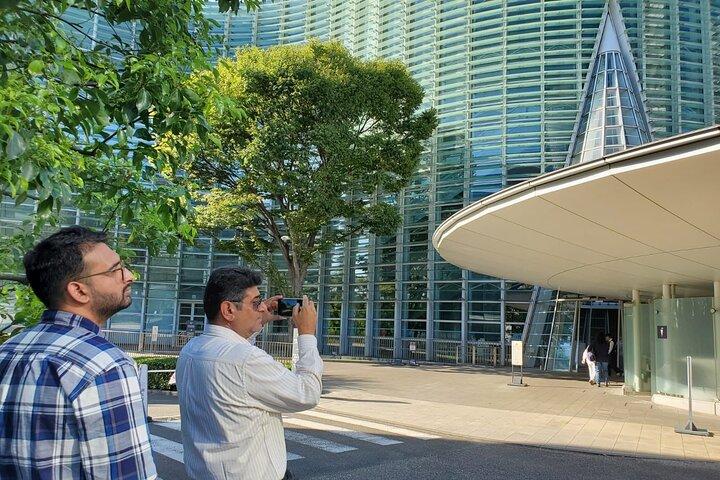
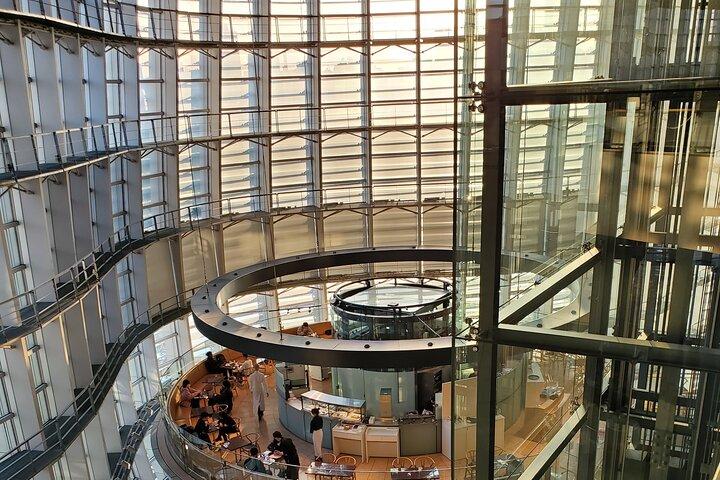
This postmodern masterpiece, the work of Uruguay-born American architect Rafael Viñoly, is the first major convention and art center of its kind in Tokyo. It is considered as one of Japan’s most important modern cultural buildings.
30 minutes
Roppongi
There are some art galleries and the three points of what’s known as Art Triangle Roppongi―the National Art Center, Mori Art Museum, and Suntory Museum of Art. The neighborhood is also home to the Fujifilm Square photo gallery, 21_21 Design Sight, and many other art and cultural events. The stuning Tokyo National Art Center is close to here. It is designed by famous architect named Kisho Kurokawa.
60 minutes
Omotesando
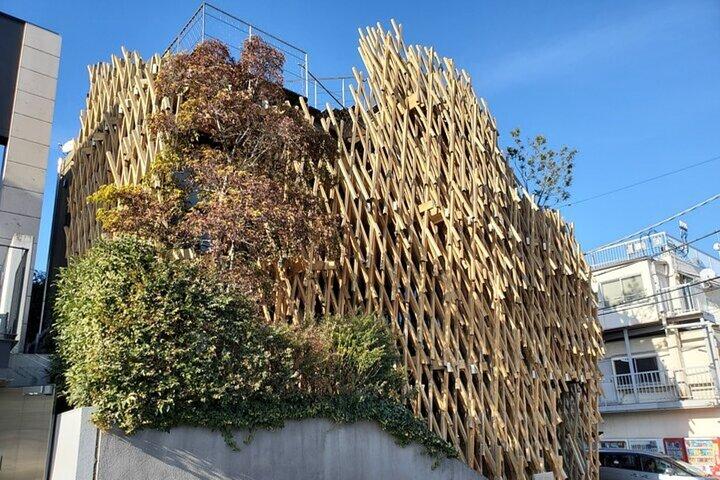
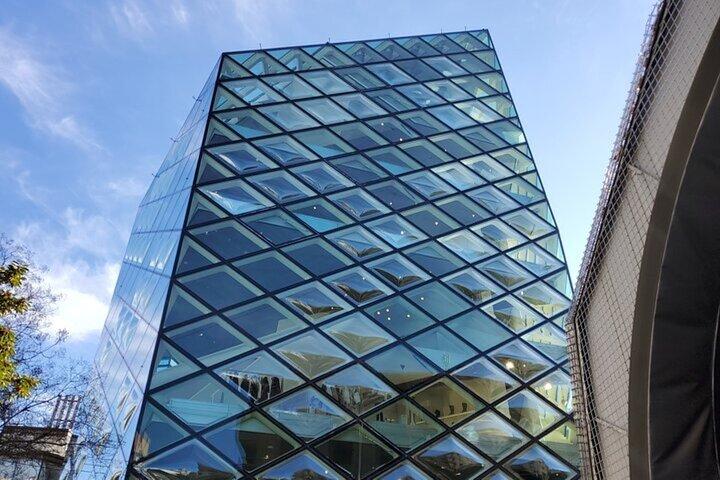
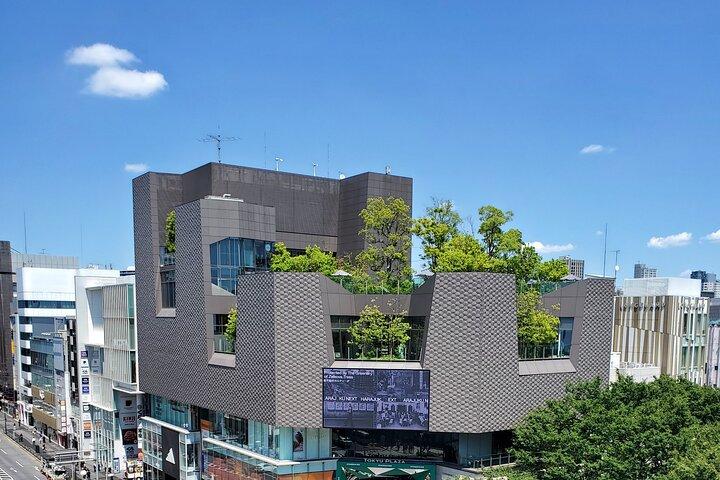
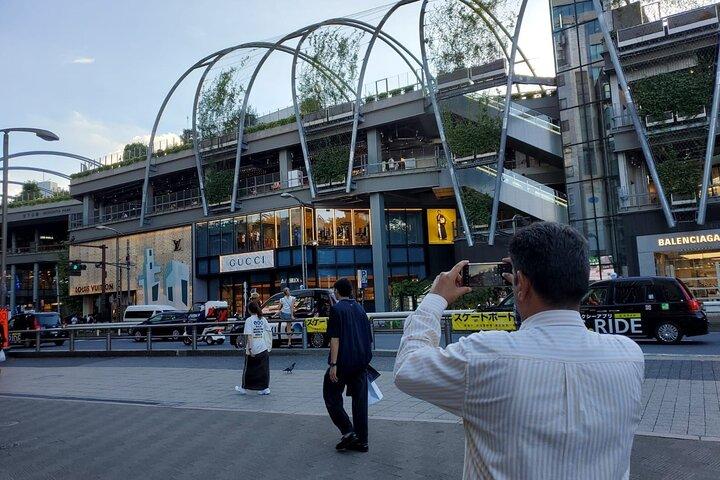
With Tokyo's impressive array of high-end fashion and jewelry stores has come an equally astonishing collection of beautiful buildings. Start at the Prada flagship store created by The Swiss-based Herzog & de Meuron team is a beautiful glass building. Across the street they reprised their hit with the new Miu Miu flagship in 2015, made of aluminum and brass. Next door are glittery buildings for Chloé and Cartier. Part of Chloé's facade is hidden behind wooden bamboolike slits that tilt and jut high into the air at random. Famous Pineapple cake shop Sunny Hills is spiky wooden building designed by the Japan’s leading architect Kengo Kuma. Dior Omotesando is designed by Pritzker Architecture Prize recipients Kazuyo Sejima and Ryue Nishizawa of SANAA. Moving projections play on the building during most of the year.
30 minutes
Takeshita Street
Harajuku will give you some insight into the youth culture of Japan. You will see unique fashion trends and outrageous design in fashion and buildings.
60 minutes
Jingū-dōri Park
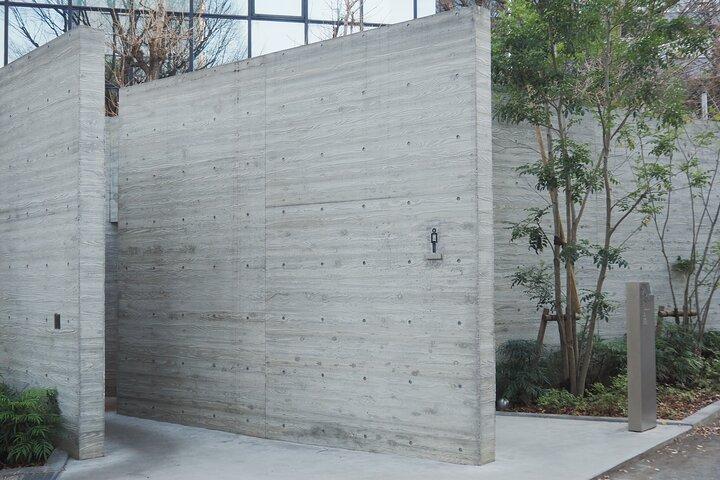
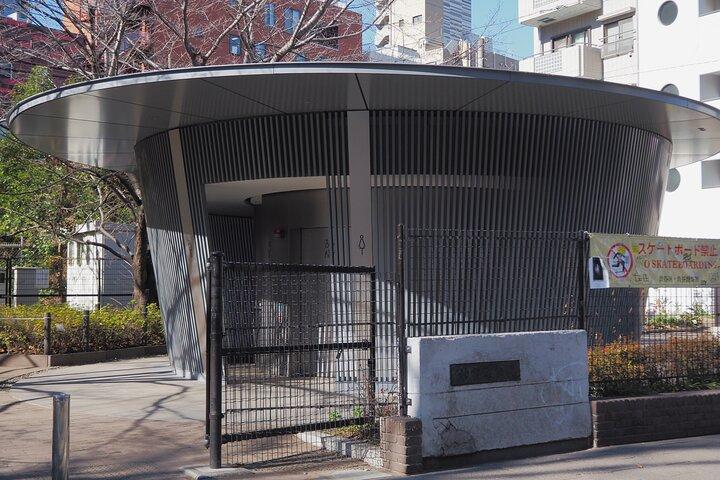
This toilet was designed by Tadao Ando. The concept of this architecture is to go beyond the framework of a public toilet and become a ``place'' that brings great public value within the urban landscape. This toilet, located in the greenery of Jingu-dori Park, is named ``Amayadori'' which literally means when it rains, wait for a while under the eaves or in the shade of a tree until it stops.
20 minutes
3 Chome Higashi
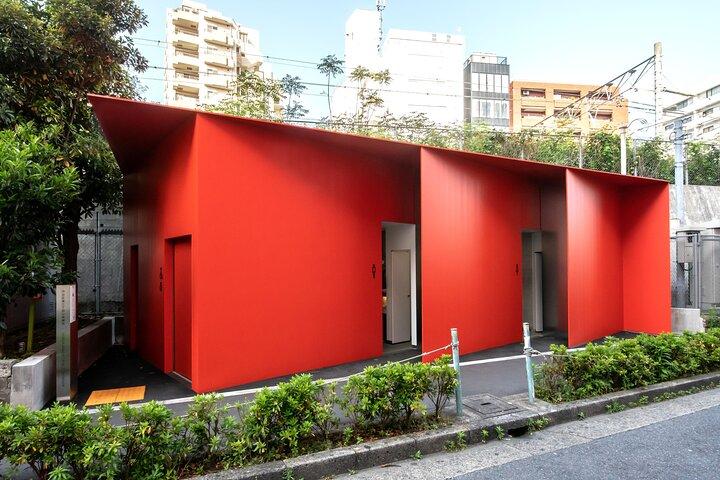
This toilet was designed by Nao Tamura, who currently lives in New York. Living in New York, he had the opportunity to witness LGBTQ people living in line with their sexual identities, so when he designed this public restroom on a small triangular lot in Shibuya, he envisioned a society where all people would have the space to live as they are. Realizing that what makes their comfortable lives possible is, after all, safety, privacy, and urgency. With this in mind, he created three separate spaces that redefine the way public restrooms establish personal space. The design was inspired by origata, a traditional Japanese decorative packaging method. This motif, which is a symbol of gift-giving, embodies the spirit of hospitality for the multinational people who visit Shibuya Ward, and his vision of creating a safe space that embraces all users. This design incorporates his wish for a society where people from all walks of life can live with peace of mind.
20 minutes
Ebisu Park
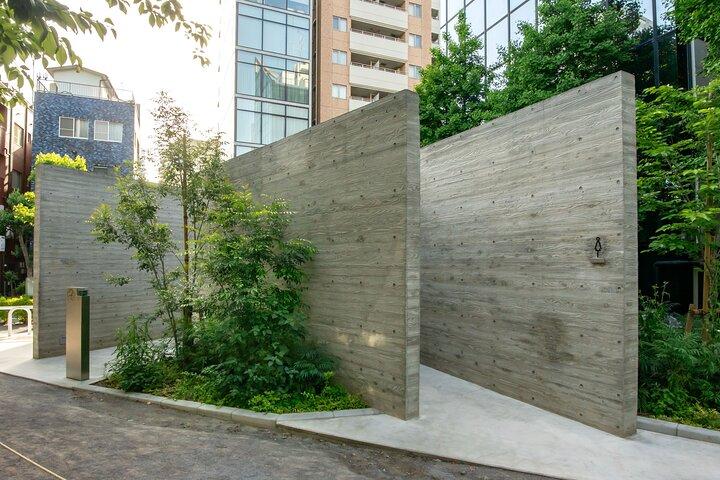
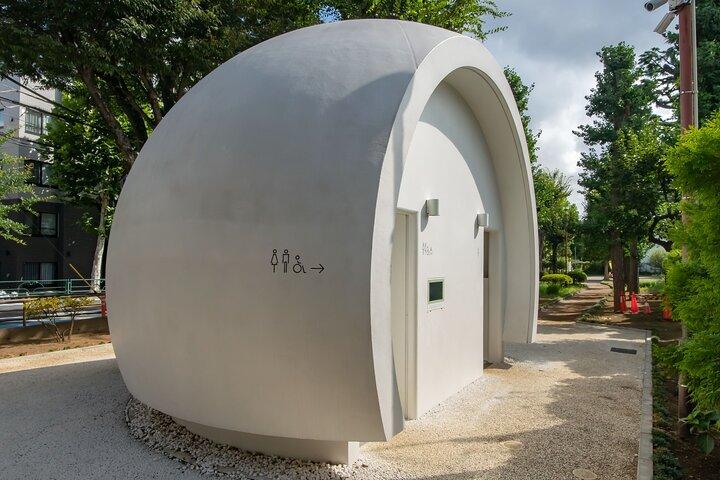
This is a design proposal for a public toilet inside Ebisu Park. The proposal is part of Shibuya City’s THE TOKYO TOILET project. We kept in mind a facility that distances itself from architectural concepts and elements: an object that stands casually in the park as if it were playground equipment, benches, or trees. The city asked Masamichi Katayama who designed this toilet to put this concept in it. The spaces between the walls lead users into three different areas designed for men, women, and everyone. The design creates a unique relationship in which users are invited to interact with the facility as if they are playing with a curious piece of playground equipment.
20 minutes
Ebisu Station
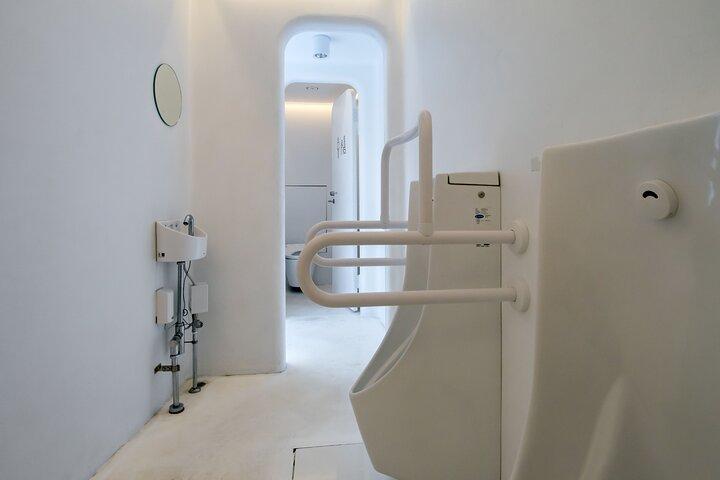
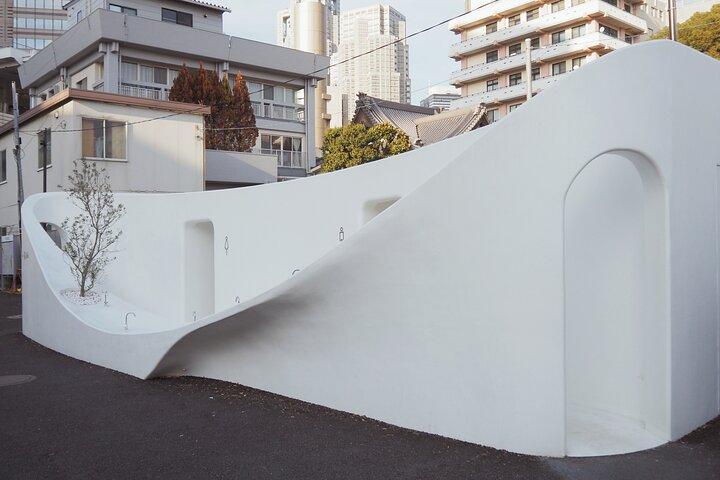
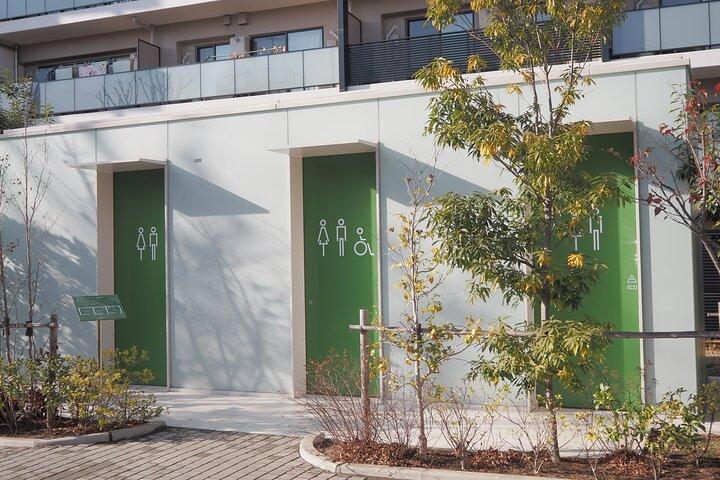
Clean and safe. Since the toilet located beside the police box in front of the Ebisu station is a neighborhood symbol that people see every day, the thought it should not be too conspicuous. The facility should be easy to enter, easy to use, and have a clean appearance that inspire the passersby to feel a little bit brighter and fresher. This pure white toilet was designed by addressing every point of consideration that are usually taken for granted in a restroom facility. This toilet was designed by Kashiwa Sato.
20 minutes
Ebisu Higashi Park
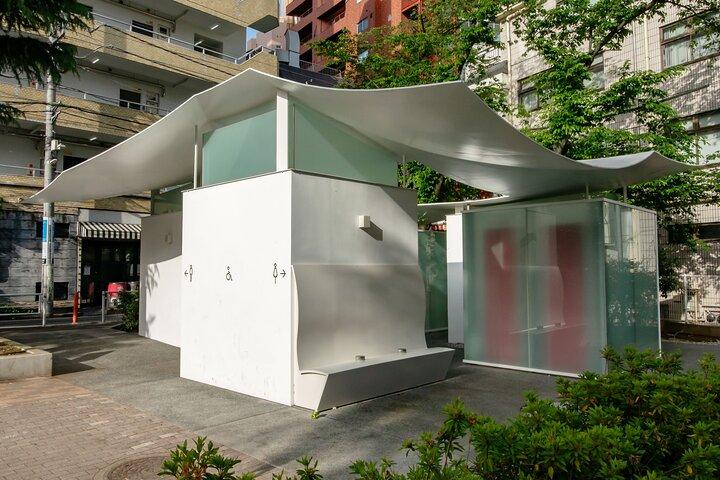
The project site, Ebisu East Park, is a popular neighborhood park that is used as a children's playground and is filled with lush greenery. We wanted this facility to function not only as a public restroom but as a public space that serves as a park pavilion equipped with a rest area. Thinking about a variety of users, from children to people on their way to work, we wanted to create a safe and comfortable space that uses a decentralized layout to allow for good sight lines throughout the facility. The cheerful roof that integrates the different sections promotes ventilation and natural light, creating a bright and clean environment while giving the facility a unique appearance similar to playground equipment. Ebisu East Park is also known as “Octopus Park” because of its octopus playground equipment. We hope this new facility, the “Squid Toilet,” will become a popular addition to the park. This toilet was designed by Fumihiko Maki
20 minutes
Nabeshima Shoto Park
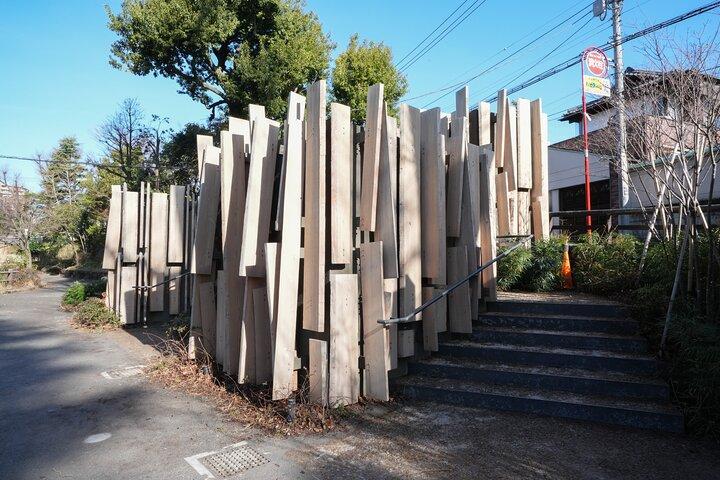
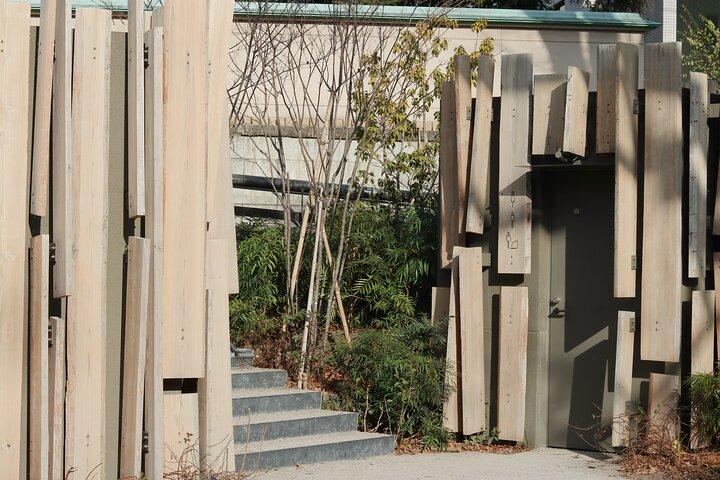
This toilet is named "A Walk in the Woods" . It designed by Kengo Kuma. We designed a toilet village inside the lush greenery of Shoto Park. The five huts, each covered with eared cedar board louvers installed at random angles, are connected by a walk in the woods that disappears into the forest. Each toilet that makes up the village is designed with a distinct layout, facility, and interior to accommodate different needs (family, dressing and grooming, wheelchair, etc). By dividing each section into separate buildings, we created a “public toilet village” that is open, breezy, and easy to pass through, a design appropriate for the post-pandemic times. Even in our toilet design, we are entering the age of diversity and a time to go back to the forest.
20 minutes
Yoyogi Fukamachisho Park
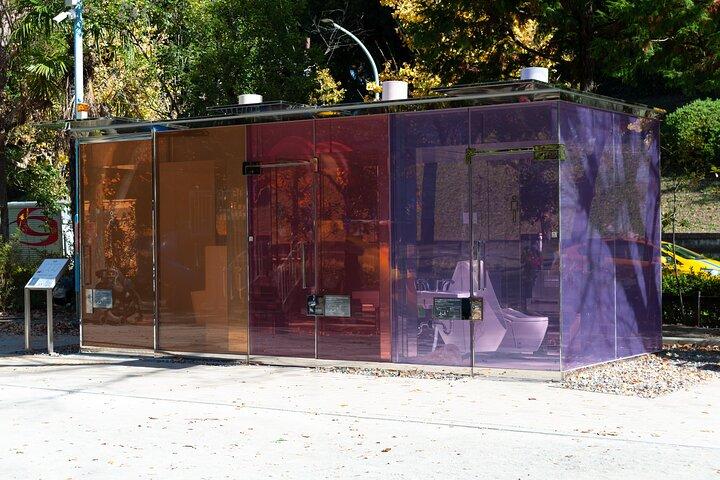
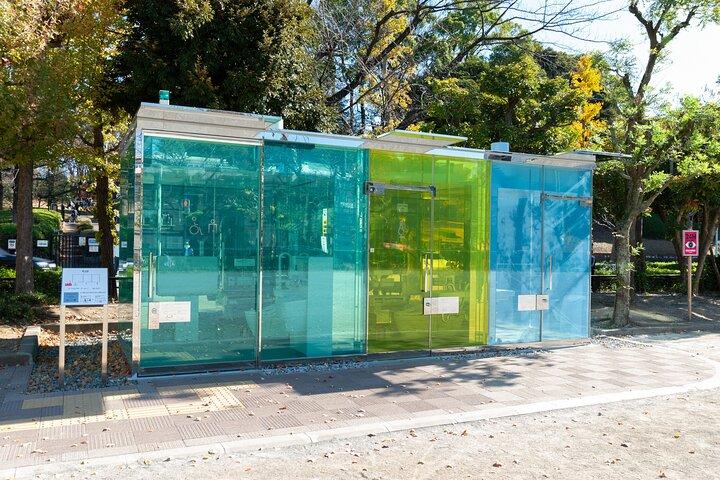
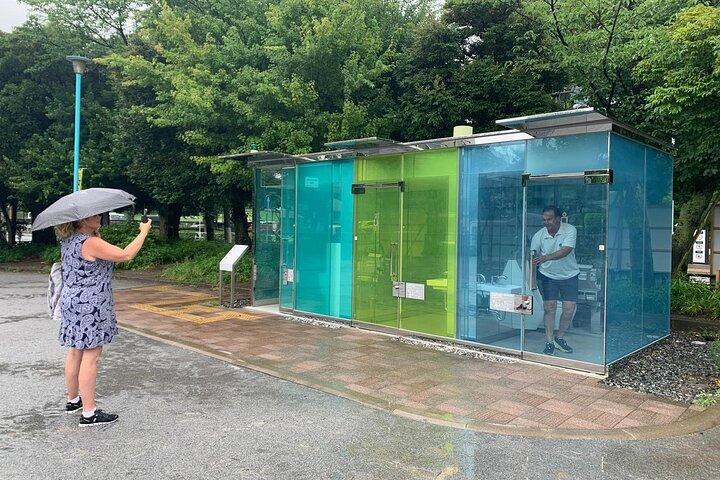
This See-through toilet was designed by Shigeru Ban. There are two things we worry about when entering a public toilet, especially those located at a park. The first is cleanliness, and the second is whether anyone is inside. Using the latest technology, the exterior glass turns opaque when locked. This allows users to check the cleanliness and whether anyone is using the toilet from the outside. At night, the facility lights up the park like a beautiful lantern.
20 minutes
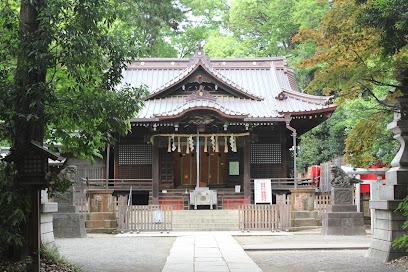
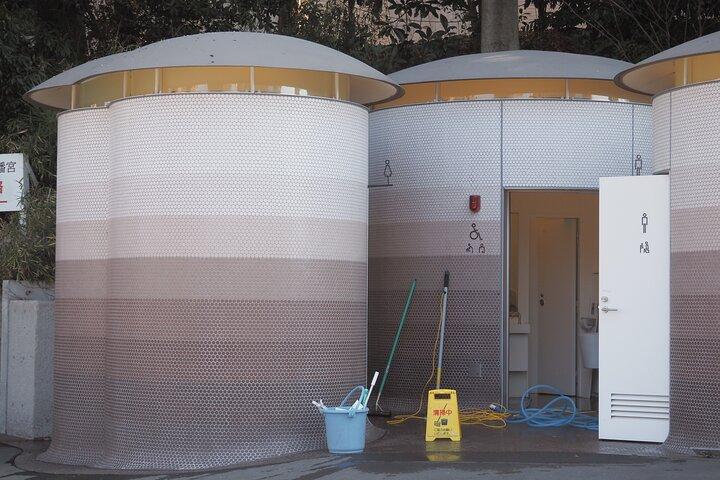
This toilet is named "Three Mushrooms". They were designed by Toyo Ito. The toilets resemble three mushrooms that sprouted from the forest around Yoyogi-Hachiman shrine. Despite being built along the main thoroughfare of Yamate-Dori, they sit at the footsteps that lead to the shrine. The impression of mushrooms creates a sense of harmony with the forest in the background. Having three separate toilets with circulation space in between makes it easy to navigate. Connecting paths with no dead-ends also allow good visual connection, creating a safe environment and preventing crime. By securing ample space and by equipping elderly and parental functions that are usually only available in accessible toilets within each toilet ensure that the facility is truly public and accessible by everyone.
20 minutes
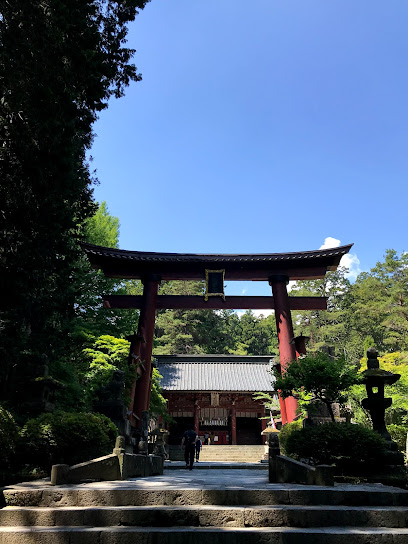
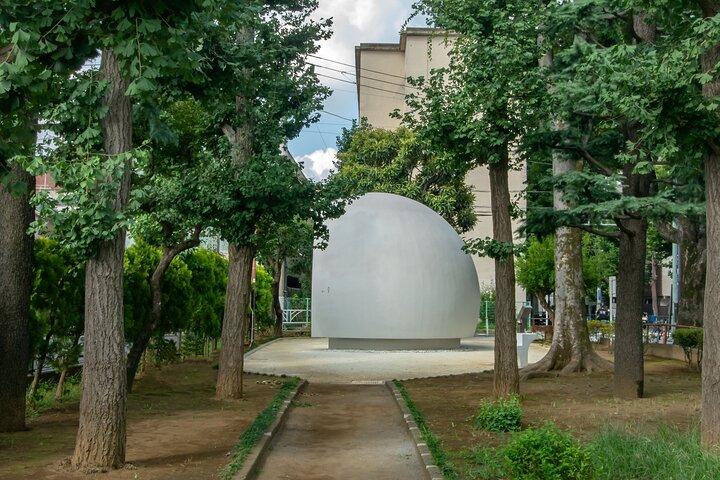
This toilet is named "Vessels and Fountains". It was designed by Sou Fujimoto. He believes that a public toilet is an urban watering place, a fountain in the city. He proposes a public hand-washing facility that is open not only to those who use the restrooms but also to a wide variety of people with different purposes. The toilet acts as a single large vessel made for everyone’s use. The shape of the facility, with its large concave center, is the result of incorporating hand washing stations of various heights. It is intended to create a small community of people, from children to the elderly, to gather around the vessel to wash their hands, drink water, and engage in conversation. We would like to propose a new type of public space where people can gather and communicate around water.
20 minutes
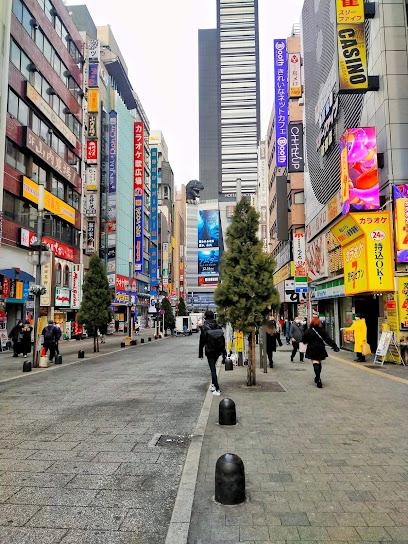
Some buildings including Tokyo Metropolitan Government Building in Shinjuku are designed by Kenzo Tange
60 minutes
The experience can be subject to change due to bad weather or unforseen circumstances. We always endeavour to give you the best possible experience.
Additional Information
-
 Infants and small children can ride in a pram or stroller
 -
Public transportation options are available nearby
-
Service animals allowed
-
Specialized infant seats are available
-
Suitable for all physical fitness levels
-
Transportation options are wheelchair accessible
-
Wheelchair accessible
What our experts say
-
 Check out nearby Ginza for shopping.
 -
Visit Roppongi for art galleries.
-
Don't miss the stunning Tokyo National Art Center.
-
Try the famous crepes on Takeshita Street.
-
Plan lunch at a local sushi restaurant.

More About this Experience
Introduction
Tokyo Toilet Project and Architecture Tour with Private Car offers a unique and fascinating exploration of Tokyo's architectural wonders and innovative public toilets. This experience combines art, design, and culture in a one-of-a-kind tour that showcases the creativity and vision of some of Japan's leading architects.What to expect?
Participants can anticipate a captivating journey through Tokyo's most creative toilets and iconic buildings, designed by renowned architects such as Shigeru Ban, Tadao Ando, Kengo Kuma, and Fumihiko Maki. This tour offers a fresh perspective on the city's architecture and cultural landscape, providing a deeper understanding of Tokyo's unique charm and innovation.Who is this for?
This experience is perfect for architecture enthusiasts, art lovers, and anyone looking to delve into Tokyo's rich design heritage. Whether you're a seasoned traveler or a first-time visitor, this tour offers a fresh and exciting way to explore the city's architectural gems and discover the hidden beauty of its public toilets.Why book this?
Embark on this tour to witness the fusion of art and architecture in Tokyo like never before. With a knowledgeable guide by your side, you'll gain insights into the history and culture of the city while exploring its most creative and innovative spaces. The convenience of a private car tour adds an extra touch of luxury to your experience, making it a truly unforgettable journey through Tokyo's architectural wonders.Good to know
Participants will be accompanied by experienced and friendly guides who are well-versed in Tokyo's history and culture. The tour includes in-person guides in multiple languages, ensuring a personalized and informative experience for all participants. Bottled water is also provided to keep you refreshed throughout the tour.Reviews
Travelers who have taken part in the Tokyo Toilet Project and Architecture Tour with Private Car have praised the experience for its unique and insightful approach to exploring Tokyo's architectural landscape. Participants have highlighted the knowledgeable guides, the stunning design of the toilets, and the overall immersive experience that offers a fresh perspective on the city's art and architecture. Overall, feedback has been overwhelmingly positive, with many travelers recommending this tour as a must-do for anyone visiting Tokyo.


This is a popular product and the date you are looking for just sold out. Next available date is
