
Isle of Skye, United Kingdom Travel Guide
Discover the Isle of Skye: A mystical blend of rugged landscapes, rich history, and vibrant culture in Scotland's enchanting Inner Hebrides.
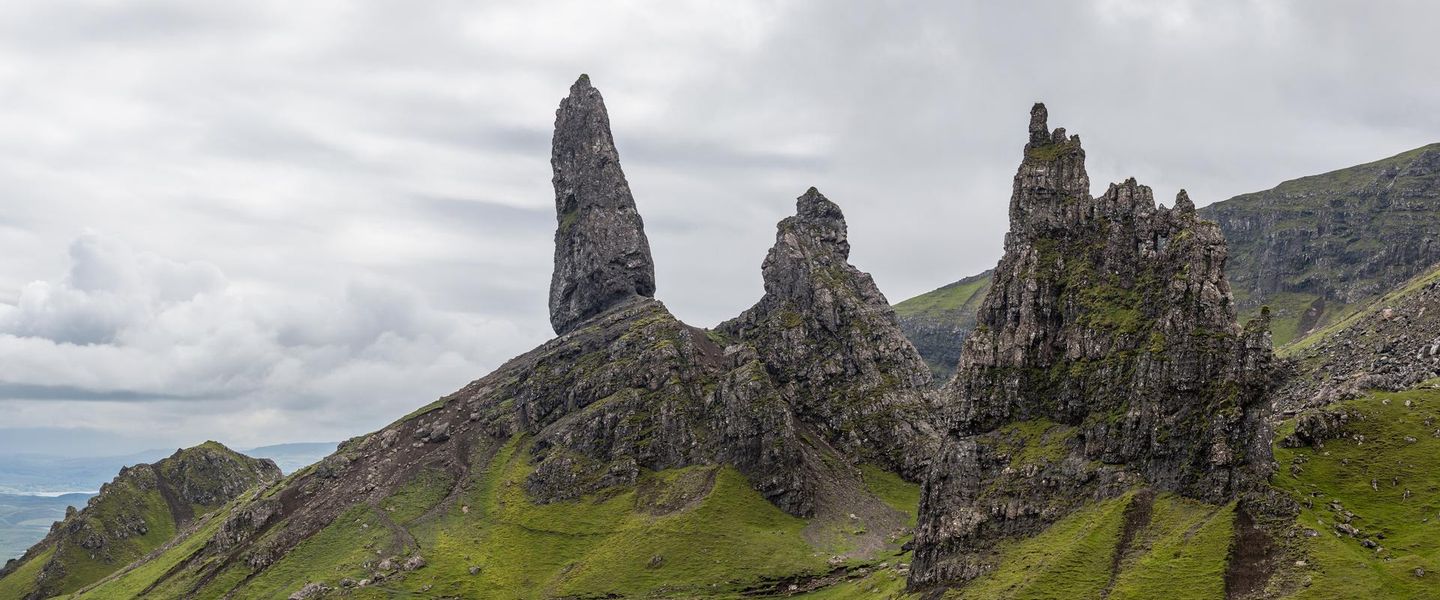
The Isle of Skye, part of Scotland's Inner Hebrides, is a place where dramatic landscapes and rich history converge. Often shrouded in mist and mystery, this island is a haven for nature lovers and those seeking the rugged beauty of the Scottish Highlands. Visitors to Skye can explore the island’s unique geological formations such as the Old Man of Storr, a towering rock formation that is both striking and iconic. The Quiraing landslip offers a surreal landscape of cliffs and plateaus that seem to defy gravity. For those interested in history, Dunvegan Castle, the oldest continuously inhabited castle in Scotland, offers a glimpse into the island's storied past. The Isle of Skye is also a paradise for wildlife enthusiasts. The island's diverse habitats are home to a variety of bird species and marine life, including the majestic white-tailed sea eagle and playful dolphins. Coastal walks provide ample opportunities to spot these creatures in their natural environment. Moreover, Skye's vibrant cultural scene adds another layer to its charm. The island is known for its traditional music and Gaelic heritage, which can be experienced in local pubs and cultural events. The blend of natural beauty, history, and culture makes the Isle of Skye a must-visit destination.

Know before you go
Hi, I'm Eve. Here are a few practical things to know before exploring Isle of Skye.
- Visit in late spring or early autumn for fewer crowds and mild weather.
- Rent a car for the best way to explore the island's remote areas.
- Book accommodations well in advance, especially during peak season.
- Pack layers as the weather can change rapidly.
- Don't miss trying local seafood, known for its freshness and flavor.
Explore Isle of Skye: Things to Do, Places to Eat, Hotels & More
Handpicked recommendations for top attractions, local dining, accommodations, and more

Best attractions in Isle of Skye
Top-rated picks
Best Attractions

Isle of Skye Candle Co. Visitor Centre
Discover artisan candles, delicious pizza, and cultural events at Portree’s vibrant Isle of Skye Candle Co. Visitor Centre.

The Lump
Discover The Lump, a scenic hilltop in Portree with historic tower, panoramic views, and a rich Highland Games heritage.

Colour House Viewpoint
Experience the iconic, colorful harbour views of Portree from the vibrant and lively Colour House Viewpoint on the Isle of Skye.

St. Columba's Isle
A tranquil island sanctuary on Skye, home to medieval cathedral ruins and sacred clan burial grounds steeped in history and spirituality.


Best restaurants in Isle of Skye
Top-rated picks
Best Restaurants

Cuchullin Restaurant
Experience the freshest Scottish seafood in the heart of Portree’s lively Somerled Square at Cuchullin Restaurant.

Sea Breezes
Intimate harbourfront seafood restaurant showcasing Skye's finest local catches with contemporary technique

Antlers Bar and Grill
Hearty Highland pub grub and whisky in Portree's lively heart: fresh seafood, beef blades, and live tunes draw locals and Skye explorers alike.

The Caledonian Cafe
Cozy cafe in Portree offering hearty local breakfast and lunch with friendly service and a welcoming atmosphere on the Isle of Skye.

Best bars in Isle of Skye
Top-rated picks
Best Bars

The Isles Inn
A lively traditional pub and cozy inn in Portree, offering hearty Scottish fare, live folk music, and comfortable rooms in the heart of Isle of Skye.

Merchant Bar
Experience authentic Isle of Skye hospitality with local ales, fine whiskies, and hearty Highland fare in the cozy Merchant Bar of Portree.

An Talla Mòr Eighteen Twenty
Historic church-turned-pub in Portree offering local ales, live music, and authentic Scottish hospitality in a charming, lively setting.

West Highlands Bar
Cozy Highland pub in Portree offering local whiskies, Isle of Skye brews, live music, and a warm, inviting atmosphere year-round.


Best shops in Isle of Skye
Top-rated picks
Best Shops

Skye Batiks
Discover vibrant Celtic batiks and handloomed textiles crafted with passion in the heart of Portree on the Isle of Skye.

Isle of Skye Distillers
Discover the heart of Skye’s craft spirits with Misty Isle Gin, immersive gin-making, and a vibrant shop in Portree’s center.

Isle of Skye Crafts @ Over the Rainbow
Discover authentic Isle of Skye crafts and unique handmade treasures in the heart of Portree’s vibrant harbour town.

ÒR
Discover exquisite handmade jewellery inspired by Skye’s heritage at ÒR, a charming boutique in the heart of Portree.

Explore Isle of Skye on the Map
A handpicked selection of must-see spots in Isle of Skye, mapped for you.
Isle of Skye Essentials
-
Isle of Skye is located off the west coast of mainland Scotland in the United Kingdom. The nearest international airports are Glasgow and Edinburgh, both approximately a 5-6 hour drive away. From the mainland, you can drive across the Skye Bridge via the A87. Alternatively, you can take a train from Glasgow or Edinburgh to Mallaig and then a ferry to Armadale on Skye. There are also bus services from Inverness and Glasgow that connect to the island.
-
Once on the Isle of Skye, having a car can be very convenient for exploring the island's attractions at your own pace. However, there are also local bus services operated by Stagecoach that connect major towns and villages. Taxis are available but can be expensive, especially for long distances. For a more scenic option, consider hiring a bicycle to experience the island's stunning landscapes up close.
-
The official currency in the United Kingdom is the British Pound Sterling (GBP). Credit and debit cards are widely accepted, but it's advisable to carry some cash, especially in more remote areas. ATMs are available in larger towns like Portree, but they may be scarce in rural parts of the island.
-
Isle of Skye is generally a safe destination for tourists. Crime rates are low, but it's always best to remain vigilant and take standard precautions like keeping an eye on your belongings and avoiding isolated areas at night. Be cautious on narrow and winding roads, especially when driving or cycling.
-
In case of emergency, dial 999 for police, fire, or medical assistance. There is a hospital in Broadford with accident and emergency services. For less urgent medical issues, pharmacies are available in towns like Portree. It's recommended to have travel insurance that covers medical emergencies.
-
Fashion: Do dress in layers and be prepared for changing weather conditions. Bring waterproof clothing. Religion: Do respect the local customs and traditions if visiting religious sites. Public Transport: Do check bus schedules in advance, as services can be infrequent. Greetings: Do greet people with a friendly hello. Locals are generally welcoming and enjoy a good chat. Eating & Drinking: Do try local delicacies like freshly caught seafood. Don’t rush through meals; dining is often a leisurely affair.
-
To experience Isle of Skye like a local, visit the island's lesser-known spots like the Fairy Pools or the Quiraing early in the morning to avoid crowds. Engage with locals at village pubs where you can enjoy live traditional music sessions. Renting a cottage or staying in a bed and breakfast can offer a more authentic experience compared to larger hotels. Don’t miss trying locally produced whiskies and cheeses.
When is the best time to visit Isle of Skye?
Useful Local Phrases for Isle of Skye
You don't need to speak the language perfectly. Even learning a few simple words can make conversations warmer—and locals usually appreciate the effort.
— Eve

Here are the phrases I use most often in Isle of Skye. Try a few—you'll be surprised how far they go! 😊
❤️
-
- HelloHalò
[ha-lo] - GoodbyeMar sin leat
[mar shin lat] - YesTha
[ha] - NoChan eil
[han yail] - Please/You're welcomeMas e do thoil e
[mas eh do hol eh] - Thank youTapadh leat
[tap-ah leat] - Excuse me/SorryGabh mo leisgeul
[gav mo lesh-gal] - How are you?Ciamar a tha thu?
[kee-mar a ha oo] - Fine. And you?Math. Agus thusa?
[maht. ah-gus hoo-sa] - Do you speak English?A bheil Beurla agad?
[ah vel beryl-a ag-ed] - I don't understandChan eil mi a' tuigsinn
[han yail mee a tuig-shin]
- HelloHalò
-
- I'd like to see the menu, pleaseBu toil leam faicinn an clàr, mas e do thoil e
[boo toyl lem fik-in an klar, mas eh do hol eh] - I don't eat meatChan eil mi ag ithe feoil
[han yail mee ag ee-ha fe-ol] - Cheers!Slàinte!
[slan-tcha] - I would like to pay, pleaseBu toil leam pàigheadh, mas e do thoil e
[boo toyl lem pay-eh, mas eh do hol eh]
- I'd like to see the menu, pleaseBu toil leam faicinn an clàr, mas e do thoil e
-
- Help!Cuideachd!
[kwee-ich] - Go away!Fàg fon an làr!
[fahg fon an lar] - Call the Police!Fòn gu poileas!
[foan goo poll-ays] - Call a doctor!Fòn gu dotair!
[foan goo do-tair] - I'm lostTha mi air chall
[ha mee air hal] - I'm illTha mi tinn
[ha mee tinn]
- Help!Cuideachd!
-
- I'd like to buy...Bu toil leam ceannach...
[boo toyl lem kyann-ach] - I'm just lookingTha mi dìreach a' coimhead
[ha mee deer-akh a koim-head] - How much is it?Dè cho mòr 's a tha e?
[day kho mor's a ha eh] - That's too expensiveTha sin ro dhearg
[ha shin ro yairg] - Can you lower the price?An urrainn dhut an prìs a leagail?
[an ur-reean hoo an prees a leg-al?]
- I'd like to buy...Bu toil leam ceannach...
-
- What time is it?Dè an t-àm a th' ann?
[day an tahm a hahn] - It's one o'clockTha e a' dol gu aon
[ha eh a dol goo ean] - Half past (10)Meadhan uair (10)
[may-ahn eer (10)] - MorningMhadainn
[va-din] - AfternoonFeasgar
[fess-gar] - EveningOidhche
[oy-hee] - YesterdayAn-dè
[an-jay] - TodayAn-diugh
[an-jew] - TomorrowA-màireach
[a-mah-rech] - 11
[1] - 22
[2] - 33
[3] - 44
[4] - 55
[5] - 66
[6] - 77
[7] - 88
[8] - 99
[9] - 1010
[10]
- What time is it?Dè an t-àm a th' ann?
-
- Where's a/the...?Càite a bheil...?
[ka-itch a vel] - What's the address?Dè an seòladh?
[day an shay-lah] - Can you show me (on the map)?An urrainn dhut a' sealltainn dhomh (air an mapa)?
[an ur-reean hoo a shal-tin yo] - When's the next (bus)?Cuin a tha an (bus) næs?
[kween a ha an bus nes] - A ticket (to ....)Tiocaid (gu ...)
[chi-co-id goo]
- Where's a/the...?Càite a bheil...?
History of Isle of Skye
-
The Isle of Skye, known for its rugged landscapes and dramatic coastlines, has a rich history that dates back to ancient times. The earliest settlers were the Picts, a group known for their distinctive stone carvings and enigmatic culture. By the 8th and 9th centuries, Norse invaders had arrived, leaving a significant impact on the island's culture and place names. The Norse influence is still evident today in the island’s linguistic and cultural heritage.
-
During the medieval period, the Isle of Skye became a focal point for the powerful Clan MacLeod and Clan MacDonald, two of Scotland's most influential clans. The island was part of the Lordship of the Isles, an independent Gaelic kingdom that controlled much of the western coast of Scotland. The clans were known for their fierce rivalries and battles over territory, which have become legendary in Scottish history. Iconic castles like Dunvegan Castle, the seat of Clan MacLeod, stand as a testament to this turbulent era.
-
In the 18th century, the Isle of Skye played a significant role in the Jacobite Rebellions, a series of uprisings aimed at restoring the Stuart monarchy to the British throne. The island is famously associated with Flora MacDonald, who helped Prince Charles Edward Stuart, 'Bonnie Prince Charlie,' escape from government troops after the defeat at the Battle of Culloden in 1746. Flora's daring act of smuggling the prince 'over the sea to Skye' has become a romantic legend immortalized in song and story.
-
The 19th century brought profound change to the Isle of Skye with the Highland Clearances, a period of forced evictions and emigration. Landowners, seeking to modernize agriculture and increase profits, displaced many tenant farmers. This led to widespread depopulation and a significant cultural shift as many islanders emigrated to North America and other parts of the world. The Clearances have left an indelible mark on Skye's landscape and cultural memory, with abandoned crofts and poignant stories of loss and resilience.
-
In recent decades, the Isle of Skye has experienced a cultural and economic renaissance. The island has become a popular tourist destination, renowned for its picturesque landscapes, rich history, and vibrant cultural scene. Efforts to preserve the Gaelic language and traditions have been revitalized, and Skye now hosts a variety of cultural festivals and events celebrating its unique heritage. The island's blend of ancient history and contemporary culture continues to attract and inspire visitors from around the world.
Neighbouring destination travel guides
Browse our curated selection of top destinations, scenic points, and must-visit spots in the area.



Your all‑in‑one travel companion app
Explore expert travel guides, compare and book tours, experiences, hotels, and more—all from the palm of your hand. Download now for seamless trip planning wherever your wanderlust takes you.


Explore More of Ross-shire

Looking beyond Isle of Skye? Discover Ross-shire for broader travel guides, local hot-spots, and regional highlights.
Explore Ross-shireExplore More of United Kingdom

Looking beyond Isle of Skye? Discover United Kingdom for broader travel guides, local hot-spots, and regional highlights.
Explore United KingdomIsle of Skye in Photos
Browse through our photo collection highlighting the charm and character of the destination.


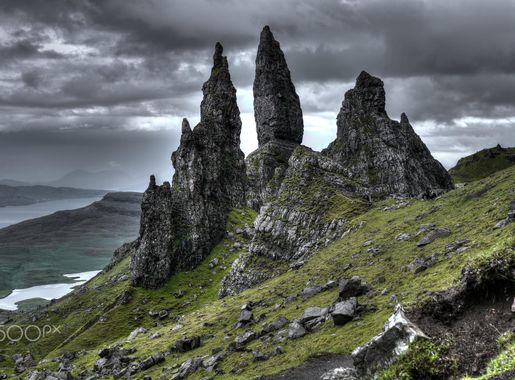


The Enchanting Isle of Skye: A Highland Gem
The Isle of Skye, part of Scotland's Inner Hebrides, is a place where dramatic landscapes and rich history converge. Often shrouded in mist and mystery, this island is a haven for nature lovers and those seeking the rugged beauty of the Scottish Highlands. Visitors to Skye can explore the island’s unique geological formations such as the Old Man of Storr, a towering rock formation that is both striking and iconic. The Quiraing landslip offers a surreal landscape of cliffs and plateaus that seem to defy gravity. For those interested in history, Dunvegan Castle, the oldest continuously inhabited castle in Scotland, offers a glimpse into the island's storied past. The Isle of Skye is also a paradise for wildlife enthusiasts. The island's diverse habitats are home to a variety of bird species and marine life, including the majestic white-tailed sea eagle and playful dolphins. Coastal walks provide ample opportunities to spot these creatures in their natural environment. Moreover, Skye's vibrant cultural scene adds another layer to its charm. The island is known for its traditional music and Gaelic heritage, which can be experienced in local pubs and cultural events. The blend of natural beauty, history, and culture makes the Isle of Skye a must-visit destination.